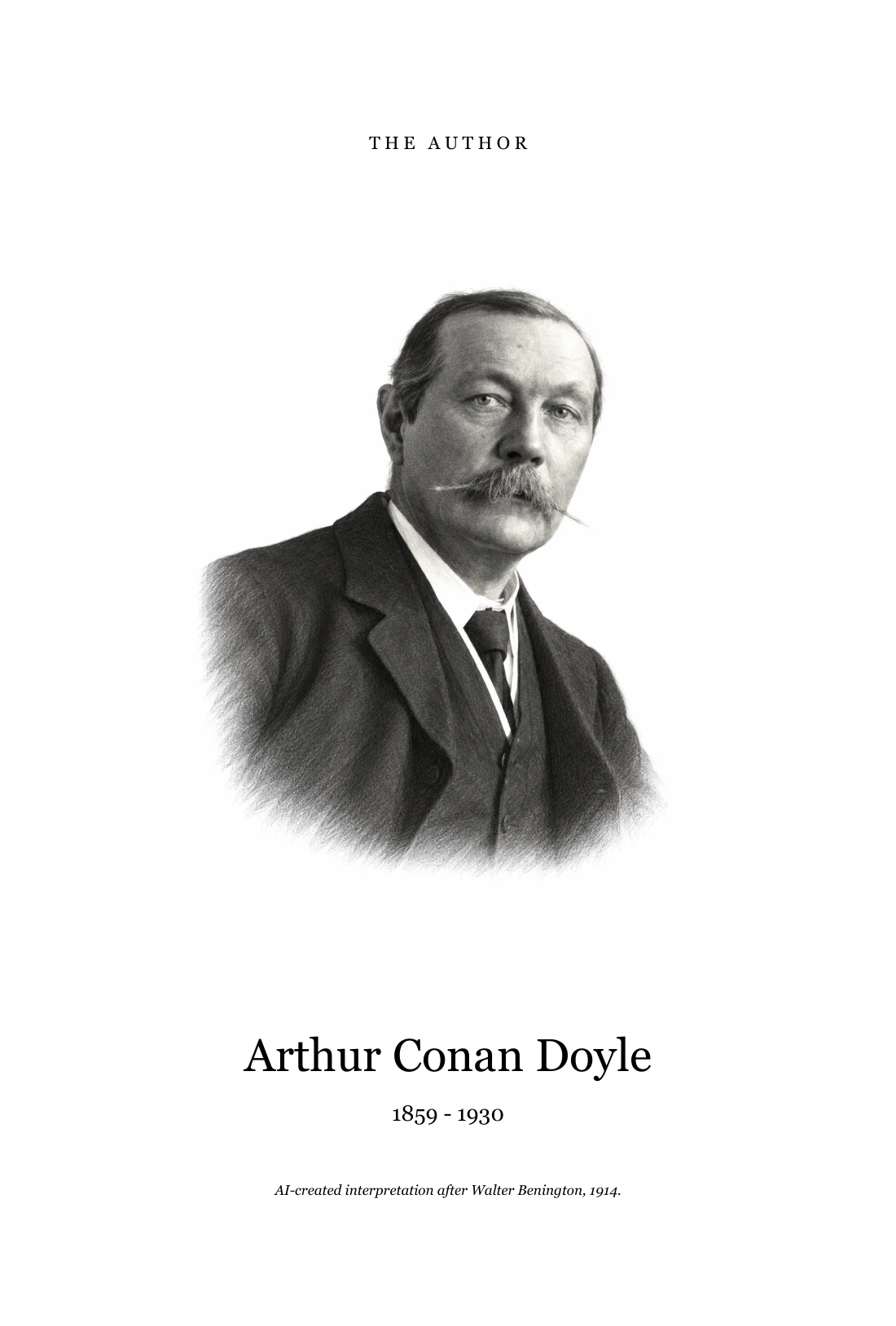
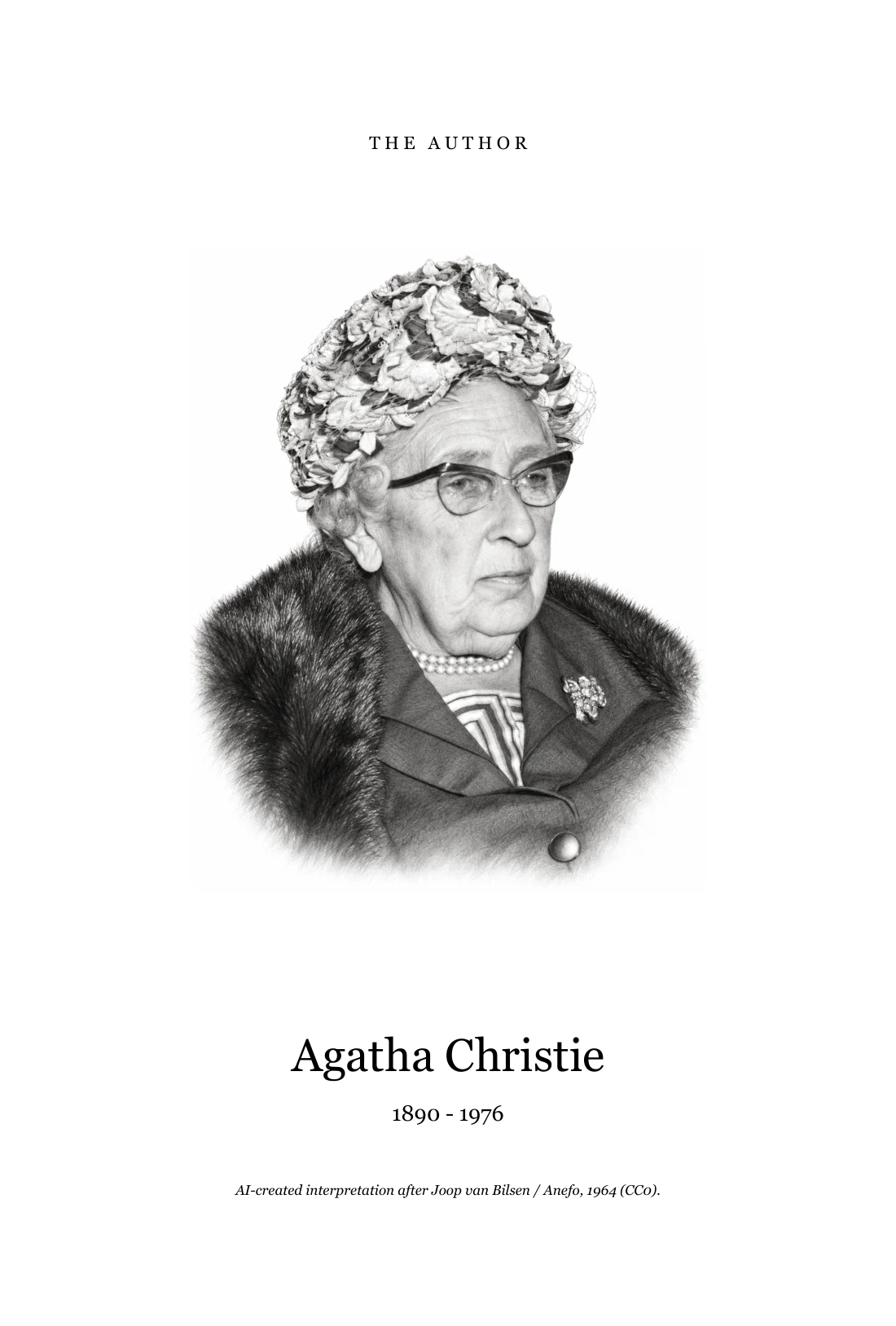
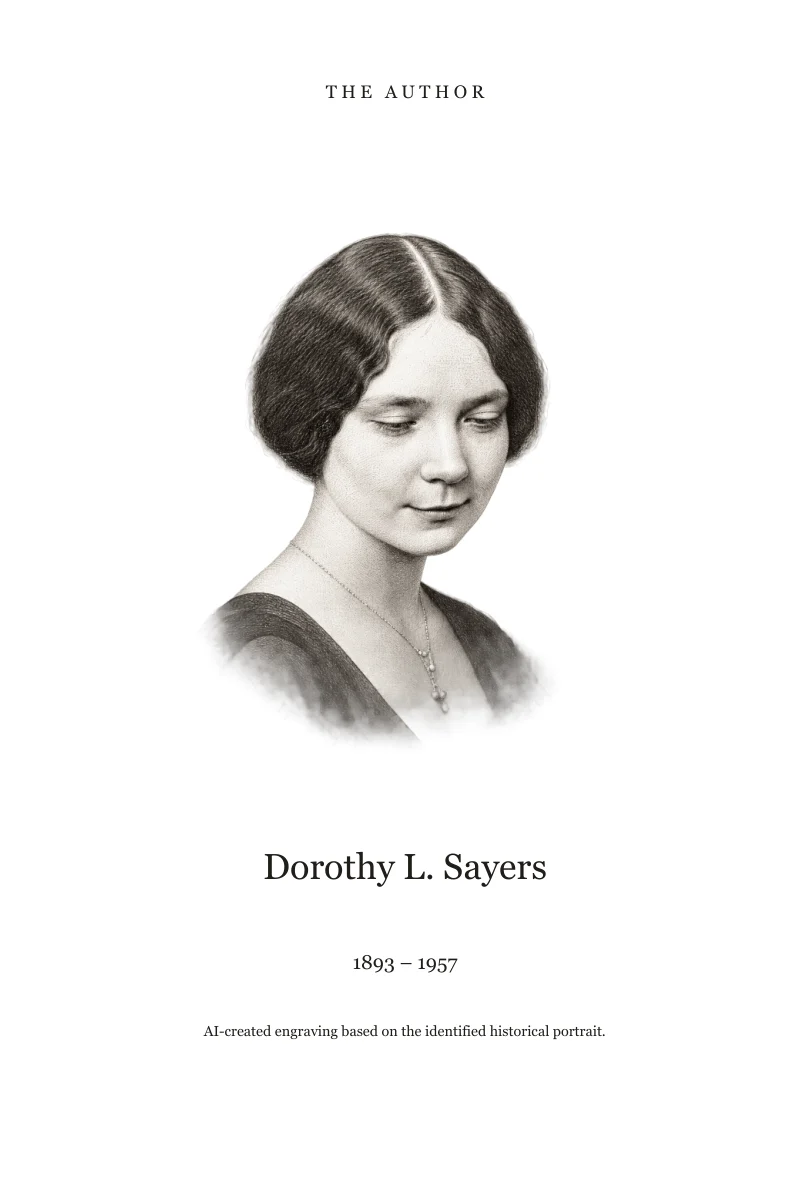
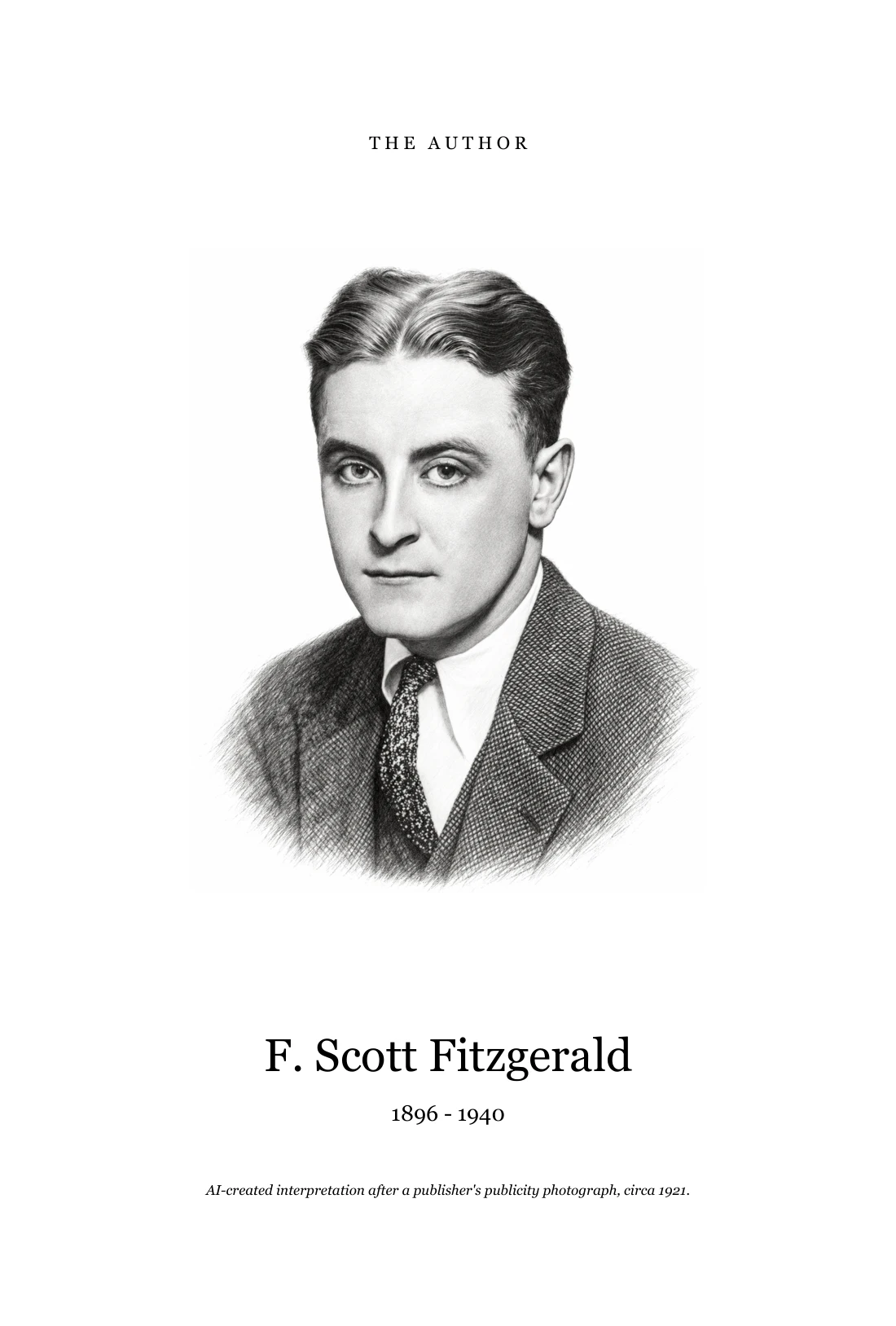
Is a famous writer’s first novel worth your time? Sometimes it is the best place to start. Agatha Christie’s first book introduced Hercule Poirot, Arthur Conan Doyle’s introduced Sherlock Holmes, and F. Scott Fitzgerald’s made him famous within months. Other debuts are worth reading for a different reason: they show a great writer before they had found their voice, trying on someone else’s.
The seven first novels by famous authors below include both kinds. Several of them only got into print after rejection, and Hardy’s real first novel never saw daylight at all.
First novels that introduced a great detective
A Study in Scarlet
1887. Holmes and Watson meet, take rooms together, and investigate a body in an empty house in Brixton. Doyle had to settle for £25 for all rights after several rejections. The long middle section in Utah surprises everyone.
The Mysterious Affair at Styles
Written in 1916, published in 1920–21. Poirot, a Belgian refugee, solves a poisoning at an Essex country house. Several publishers turned it down before John Lane at The Bodley Head took it.
Whose Body?
1923. A stranger is found dead in a London bath wearing nothing but a pair of pince-nez, and Lord Peter Wimsey takes up the case as a hobby. Dorothy L. Sayers’s first novel, and Wimsey’s first.


These three show how much of a detective arrives fully formed. Holmes’s deductions at his first meeting with Watson are already the party trick of every later story, and Poirot is already tapping his forehead and praising his “little grey cells”. But the debuts are rougher than the books that made their authors rich. John Lane accepted Christie’s manuscript only if she changed the ending, and she moved Poirot’s grand revelation from a courtroom to the library at Styles. Read the full story in Did you know Agatha Christie’s first novel was rejected? and Did you know A Study in Scarlet appeared in a Christmas annual?
A debut that made its author overnight
No first novel on this list changed its author’s life faster. An earlier version, The Romantic Egotist, had been turned down by Scribner’s in 1918, though the editor Maxwell Perkins encouraged him to keep revising. Scribner’s accepted the rewritten book in September 1919, and the news helped persuade Zelda Sayre, who had broken off their engagement, to marry him; when it came out the following spring it was a hit. Our post on F. Scott Fitzgerald’s books in order follows what came next.
First novels that sound nothing like what came later
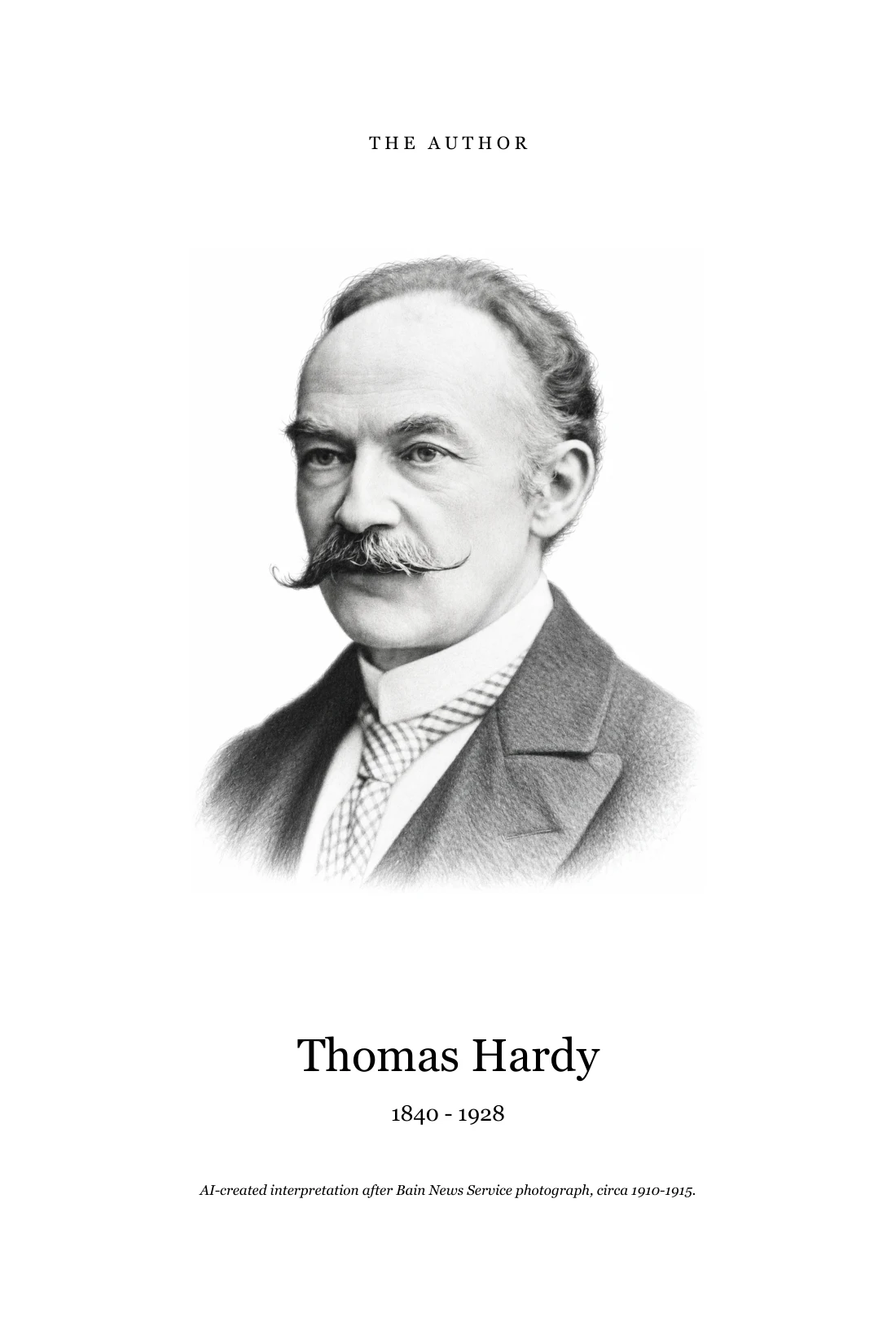
Desperate Remedies
1871. A sensation novel of bigamy, blackmail, murder and impersonation, published anonymously. Hardy wrote it after his first attempt was rejected, and it reads like Wilkie Collins with Wessex scenery.
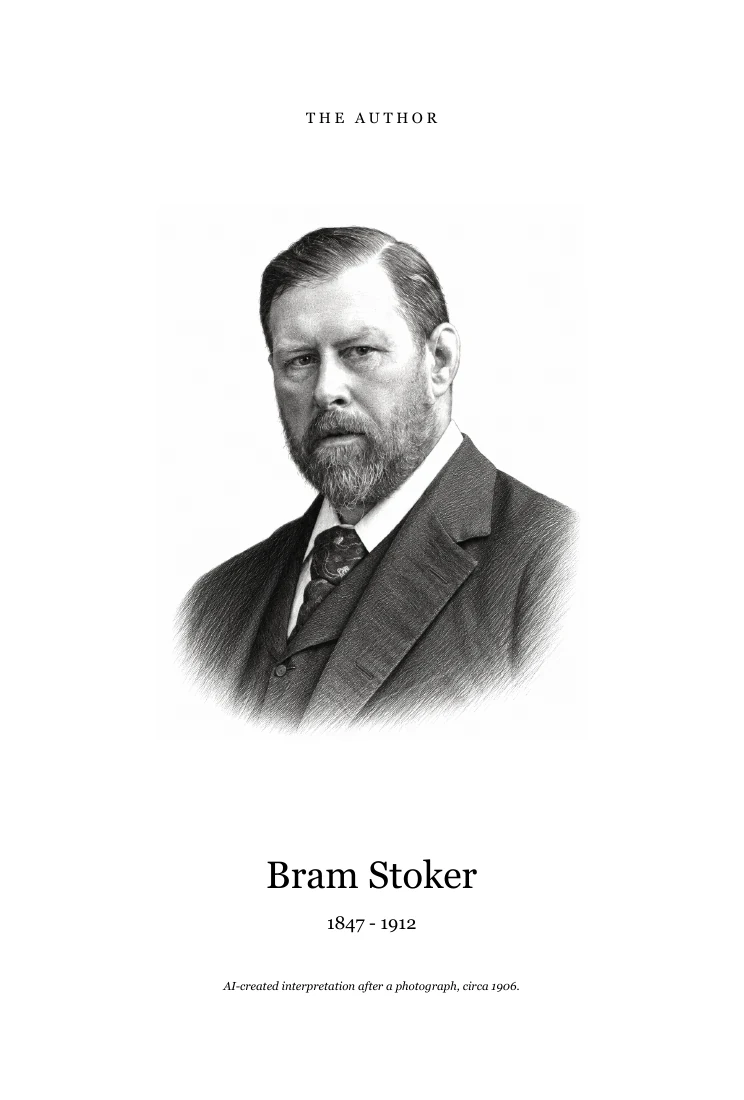
The Snake's Pass
1890. A young Englishman stranded by a storm in the west of Ireland falls for a local girl and runs up against a ruthless moneylender over a bog said to hide treasure. Stoker’s first full-length novel, seven years before Dracula.
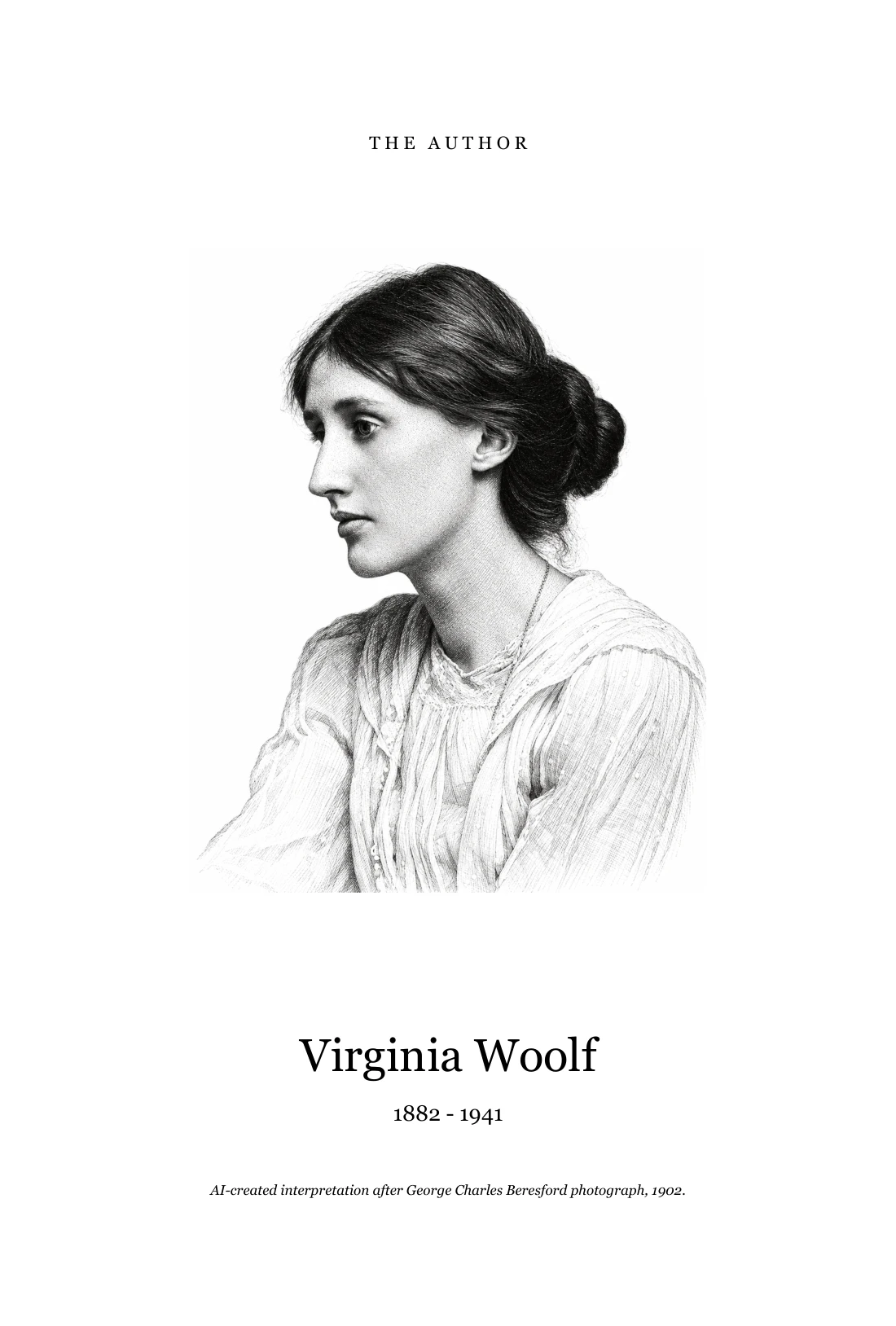
The Voyage Out
1915. Rachel Vinrace sails to South America and meets the English colony at a resort hotel. Woolf began it by 1910 and finished it only after years of rewriting and illness.
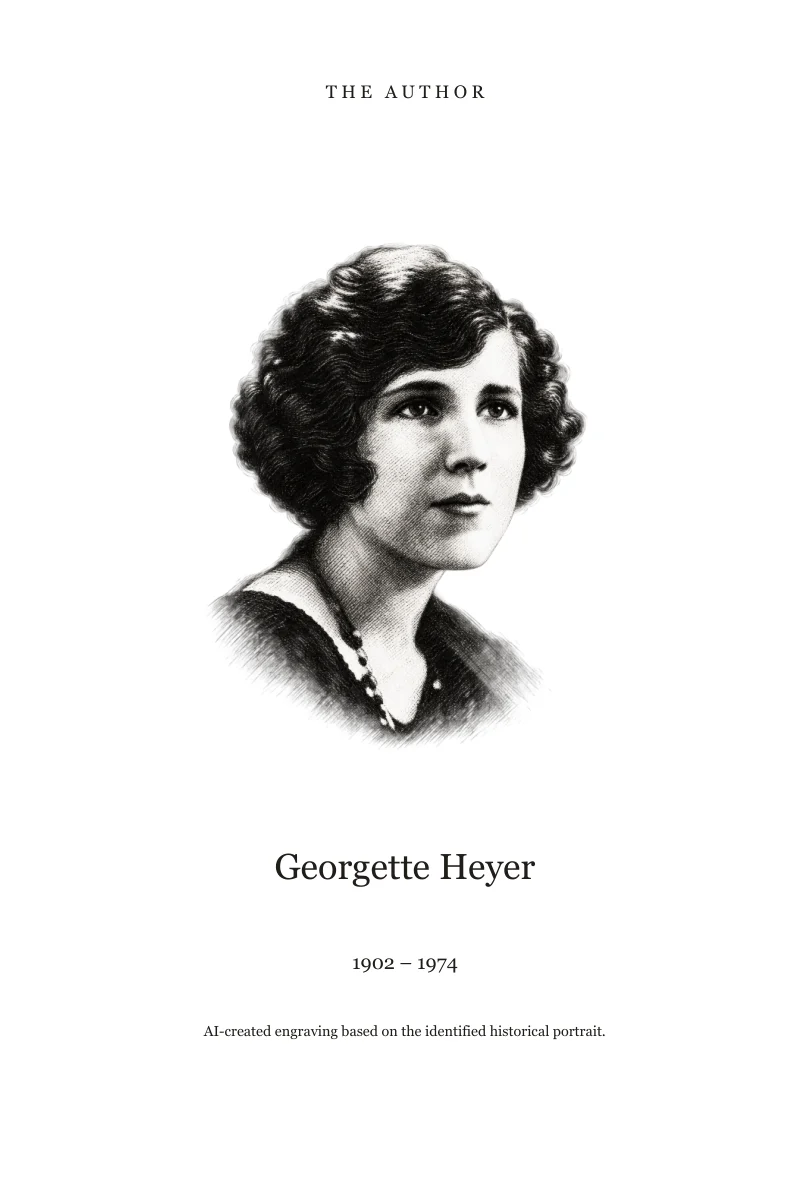
The Black Moth: A Romance of the XVIIIth Century
1921. A gentleman highwayman, a card-cheating scandal and an abduction in Georgian England. Georgette Heyer published it at nineteen, from a story written to entertain her younger brother.


These are the debuts for the curious. Hardy’s is a crime thriller, which may surprise anyone who knows him only from Tess. Bram Stoker had serialised an earlier short novel, The Primrose Path, in five parts in The Shamrock back in 1875, but The Snake’s Pass was his first novel in book form, written while he was managing the Lyceum Theatre for Henry Irving. And Virginia Woolf’s first book is a fairly conventional novel of manners on the surface, which makes it the gentlest door into her later, stranger work. E. M. Forster called it “a strange, tragic, inspired book”.
What can first novels by famous authors tell you?
- What the writer was reading. Hardy’s debut follows the sensation fiction that was selling in the 1860s; Heyer’s began as a story to amuse her brother.
- What they kept. Doyle kept Holmes and dropped the Utah melodrama. Christie kept Poirot, Captain Hastings and the country-house setting.
- What they lost. Fitzgerald never wrote anything quite as loose and youthful again, and arguably didn’t want to.
If you only try one, read The Mysterious Affair at Styles. It is short, it plays fair, and it is a rare debut that still works as a great example of its kind, with every clue in plain sight. For the rest of the shelf, see Hemingway’s first novels and the story of Georgette Heyer’s first novel.
Questions readers ask
What was Agatha Christie’s first novel?
Her first published novel was The Mysterious Affair at Styles, written in 1916 and published in the US in 1920 and the UK in 1921. It introduced Hercule Poirot and was rejected by several publishers before The Bodley Head accepted it.
What was Thomas Hardy’s first novel?
His first published novel was Desperate Remedies (1871), a sensation thriller issued anonymously. An earlier novel, The Poor Man and the Lady, was rejected by publishers and never published.
Which famous first novels were rejected?
Agatha Christie’s The Mysterious Affair at Styles was turned down by several publishers, A Study in Scarlet went through many rejections, and Fitzgerald’s first version of This Side of Paradise was refused by Scribner’s before he rewrote it.