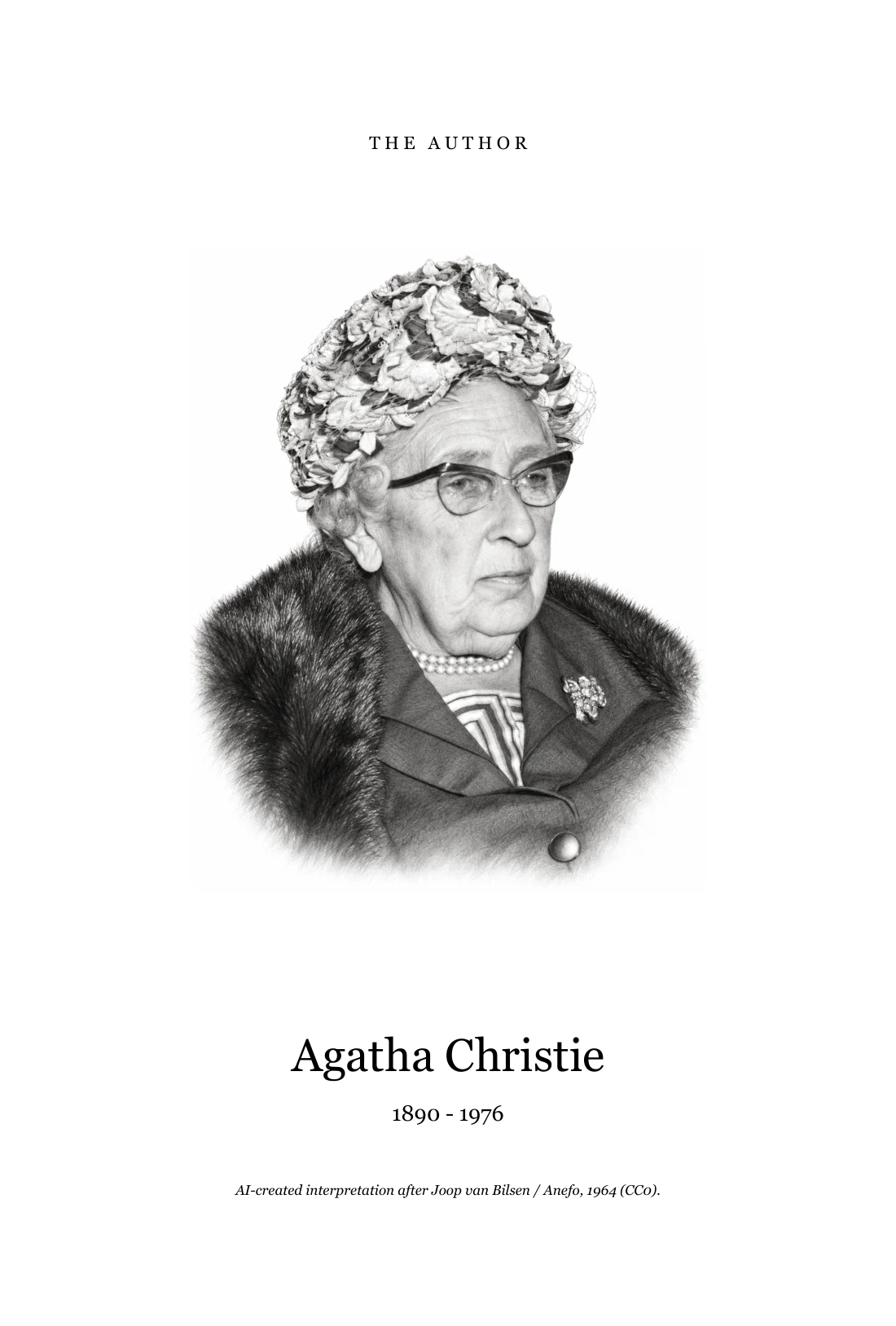
Hercule Poirot appears in thirty-three novels, two plays and fifty-one short stories, published between 1920 and 1975. Christie’s whole crime output runs to sixty-six detective novels and fourteen collections of stories. It seems inexhaustible, and then one evening you reach the end of it.
What then? The good books like Agatha Christie are not imitations. They are the work of writers who came before her, worked alongside her and competed with her, and they offer the same pleasures in different proportions: a closed circle of suspects, a fair trail of clues, and a detective worth spending a book with. None of the notes below gives away a solution.
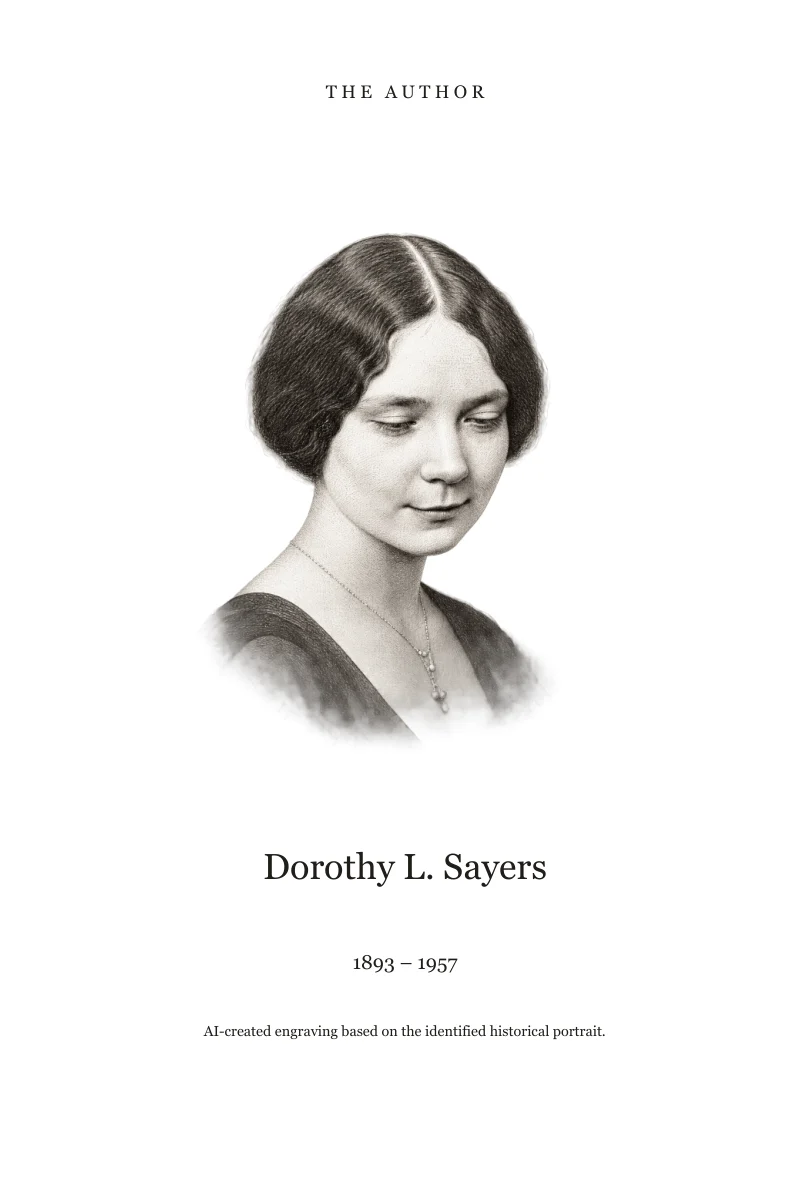
Christie’s rivals: Dorothy L. Sayers
In 1930 Christie and Dorothy L. Sayers were among the founding members of the Detection Club, a society of British crime writers whose members swore to play fair with their readers. Sayers is the rival most readers try first, and with good reason.
Unnatural Death
1927. An elderly cancer patient dies in a quiet country town and no crime is evident, but Lord Peter Wimsey is intrigued. Wimsey sends Miss Climpson, his marvellous spinster investigator, to ask questions in a country town. A puzzle about how, as much as who.
Strong Poison
1930. Harriet Vane, a detective novelist, is on trial for poisoning her former lover, and the jury cannot agree. Wimsey sets out to prove her innocent before the retrial, and he has fallen in love with her. Harriet’s first appearance.
The Documents in the Case
1930. No Wimsey this time: a death in a Devon cottage told entirely through letters and statements, gathered by the dead man’s son. Sayers wrote it with Dr Eustace Barton, a physician writing as Robert Eustace, and the scientific puzzle at its heart was his idea.


For the right order in which to meet Wimsey, see Lord Peter Wimsey’s first three cases.

For the pure puzzle: Ellery Queen
The Roman Hat Mystery was the first Ellery Queen novel, written in 1928 for a literary contest which it won, although the organisation sponsoring the prize folded before it could be awarded. Ellery Queen was both the detective and the pen name of the two cousins who wrote the books.
Christie without Poirot

American mysteries of the same golden age
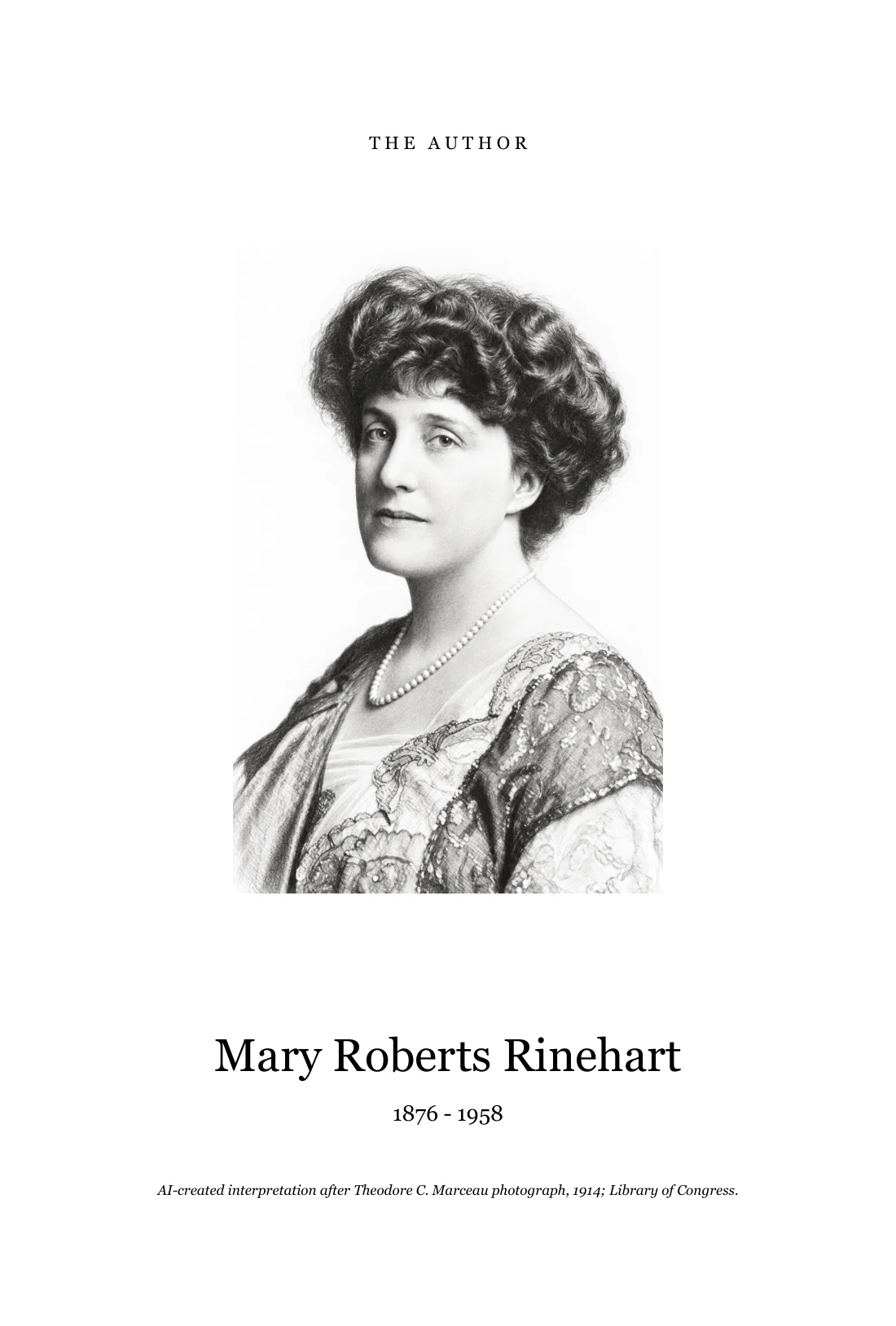
Across the Atlantic, the detective story had been growing up on its own lines. Mary Roberts Rinehart, often called the American Agatha Christie, was famous for her mysteries more than a decade before Christie published her first novel.
The Circular Staircase
1908. Rachel Innes, a sharp-tongued spinster, rents a country house for the summer with her niece and nephew, and before long there is a shot in the night. Rinehart’s first mystery, later turned into the stage hit The Bat.
The Man in Lower Ten
1909. A Washington lawyer travelling by overnight train ends up in the wrong berth, wakes to find his own clothes gone, and learns that the man in lower ten has been murdered. Brisk, funny and full of sleeper-car atmosphere.
The Clue
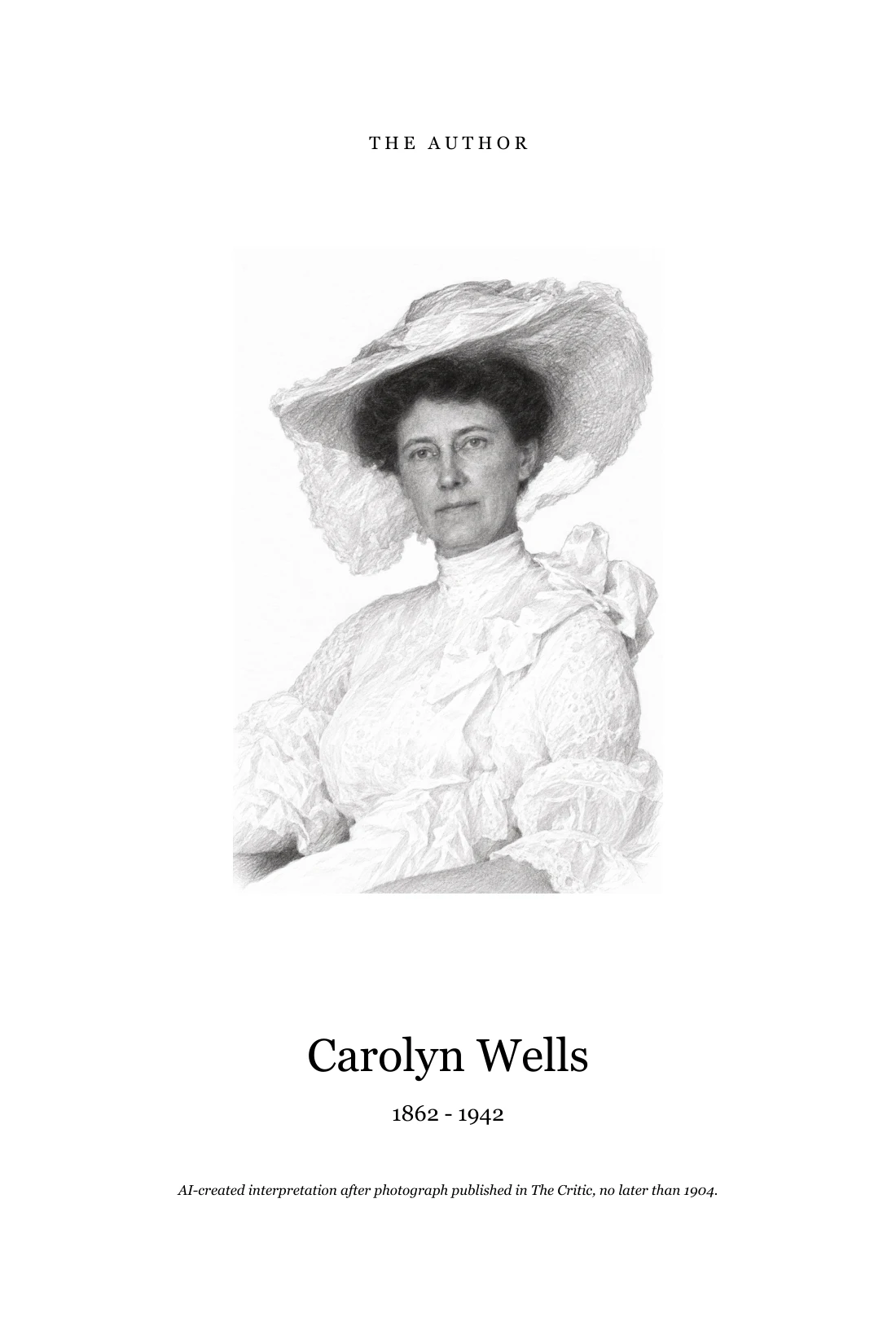
1909. A death in the grandest house in the village of Mapleton, on the eve of a society wedding. Carolyn Wells’s first mystery, which introduced her detective Fleming Stone, though he takes his time to arrive.


This is the story of how a middle-aged spinster lost her mind, deserted her domestic gods in the city, took a furnished house for the summer out of town, and found herself involved in one of those mysterious crimes that keep our newspapers and detective agencies happy and prosperous.
Mary Roberts Rinehart, The Circular Staircase (1908)
Before Poirot: Victorian puzzles and a 1920 mystery
Long before Poirot, Victorian magazines and publishers were full of mysteries. Three of these four show what the genre looked like before its golden age, and the fourth comes from 1920, the year Poirot himself first appeared in print.
The Orange-Yellow Diamond
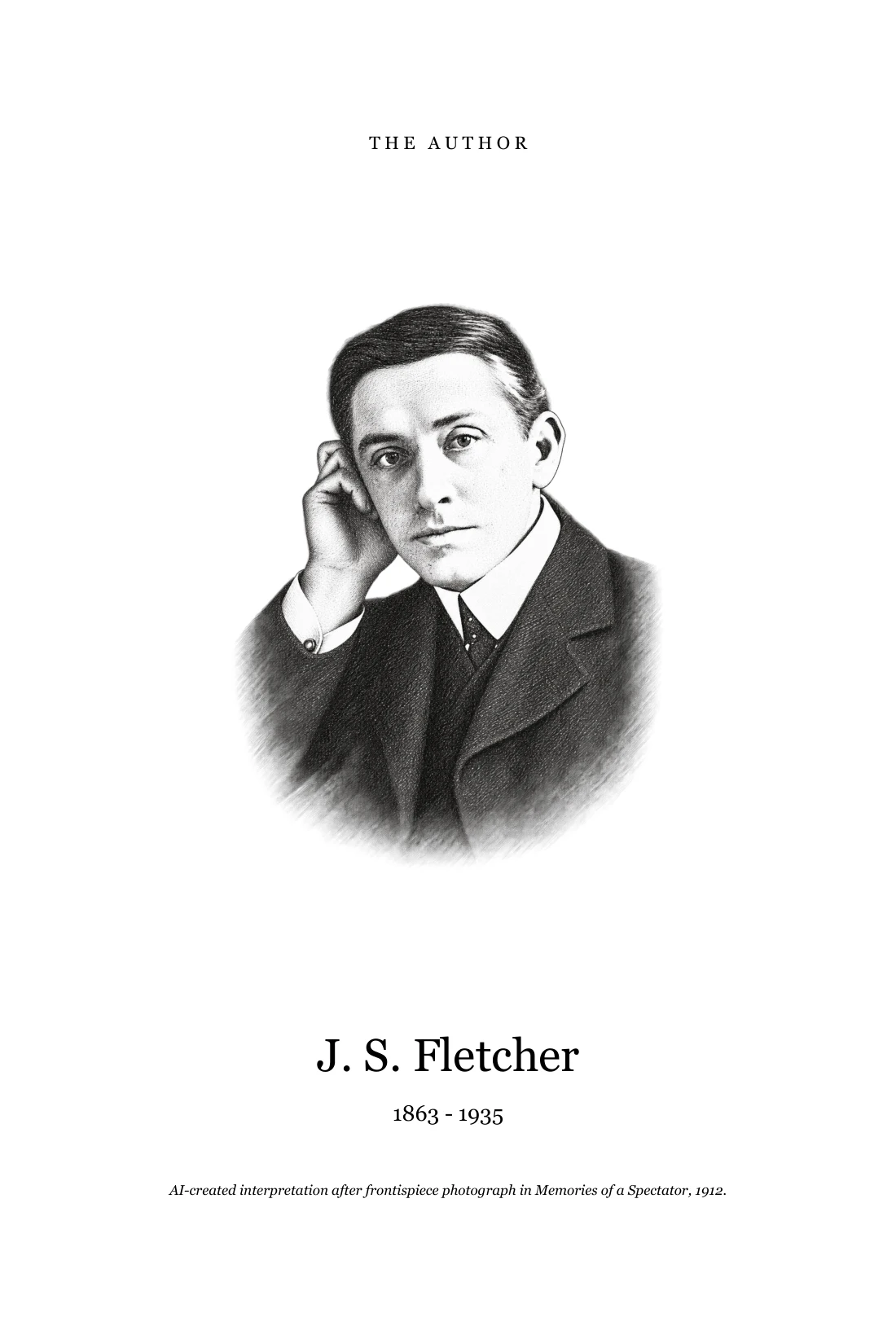
1920. A hard-up young man pawns his watch at a shop in the shabby streets behind Paddington and stumbles into a murder and a famous gem. J. S. Fletcher, a Yorkshire journalist, wrote more than two hundred books, and his London is grimy and convincing.
The Diamond Coterie
1880s. The Wardour diamonds vanish from a safe and two rival detectives set to work. Lawrence L. Lynch was the pen name of Emma Murdock Van Deventer, an Illinois woman writing detective novels under a man’s name.
A Dead Reckoning
1889. Six months into a happy marriage, Clara Brooke learns that a neighbour has been murdered and her husband has vanished. A serial from Chambers’s Journal by T. W. Speight, with a secret tribunal in the background.
An African Millionaire: Episodes in the Life of the Illustrious Colonel Clay
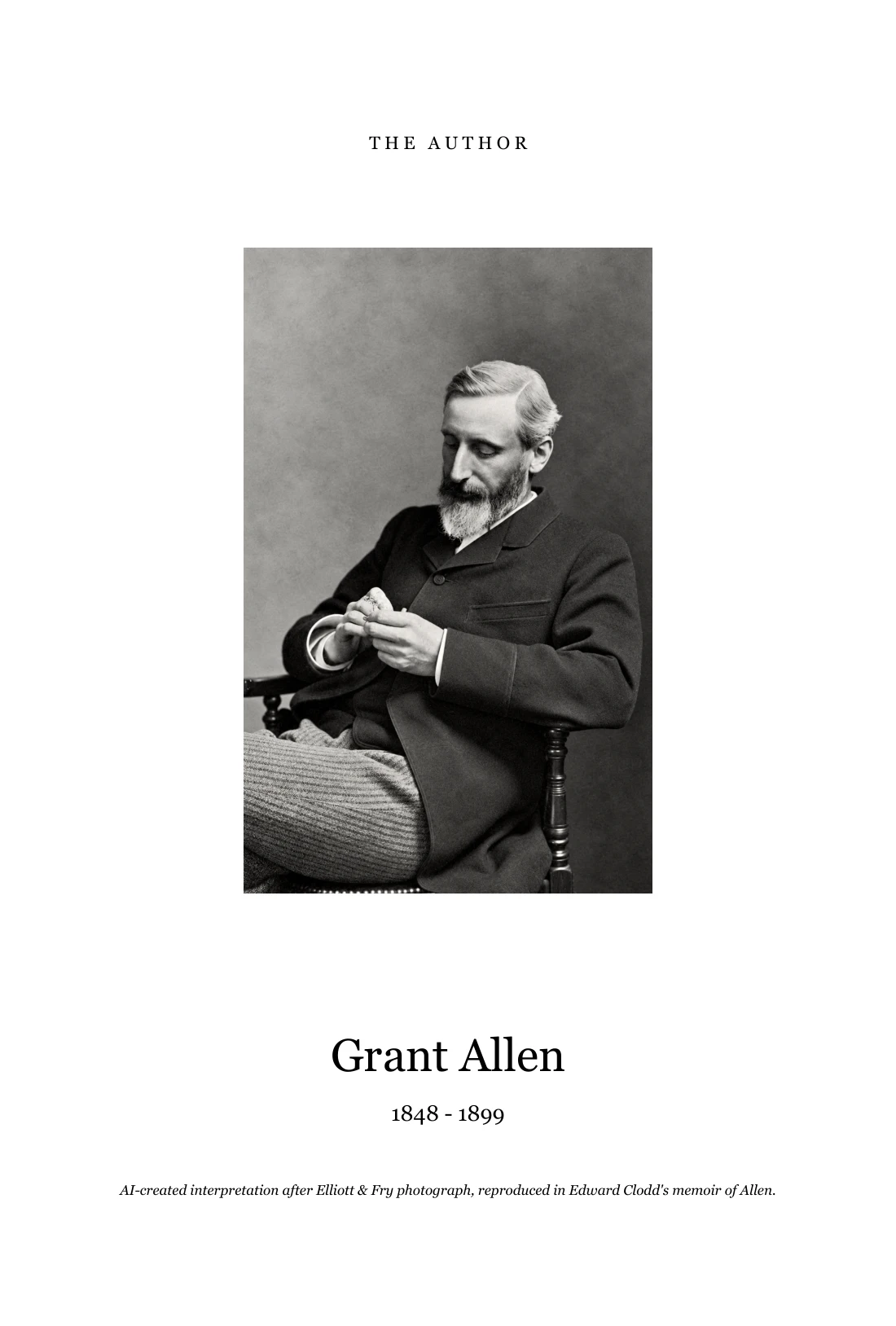
1897. Sir Charles Vandrift, a South African millionaire, is swindled again and again by Colonel Clay, a con man of many faces. Grant Allen’s comic stories put the criminal, not the detective, at the centre.


Which should you read first?
- For a detective as companionable as Poirot: Strong Poison.
- For a puzzle you can solve: The Roman Hat Mystery.
- For more Christie, in a different key: The Mysterious Mr Quin.
- For a cosy, funny first-person narrator: The Circular Staircase.
For a longer view of the period, see Golden Age detective novels to start with and The Golden Age of detective fiction, explained. If you would like to know how Christie herself began, read Did you know Agatha Christie’s first novel was rejected?, and for the generation of sleuths before her, books like Sherlock Holmes.
But start with Strong Poison. The opening chapter is a judge summing up the case against Harriet Vane, and by the time he has finished you will be as sure as Wimsey that the obvious answer cannot be the right one.
Questions readers ask
Who writes like Agatha Christie?
Dorothy L. Sayers is the closest classic match, followed by Ellery Queen for pure puzzles and Mary Roberts Rinehart for atmosphere. All three wrote in the same golden age of detective fiction, between the wars.
What should I read after Agatha Christie?
Try Dorothy L. Sayers’s Strong Poison (1930), Ellery Queen’s The Roman Hat Mystery (1929) or Mary Roberts Rinehart’s The Circular Staircase (1908). If you want more Christie without Poirot, read The Mysterious Mr Quin.
How many Poirot books are there?
Hercule Poirot appears in 33 novels, 2 plays and 51 short stories, published between 1920 and 1975.
Was Agatha Christie in the Detection Club?
Yes. Christie and Dorothy L. Sayers were founding members of the Detection Club in 1930, and Christie was later its co-president, from 1958 until her death.