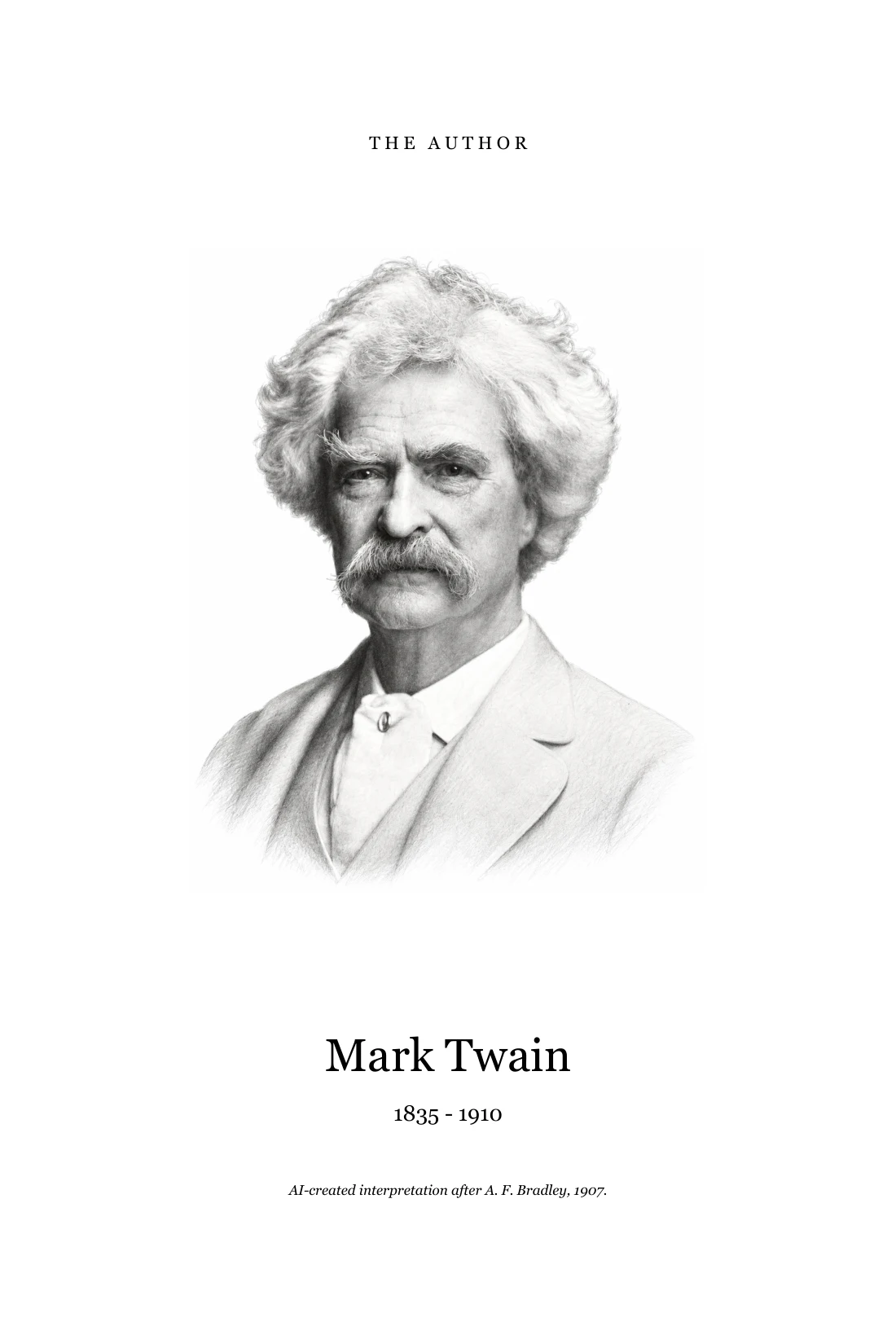
In the 1920s, American historians went looking for a label for the decades of railroads, trusts, speculation and political graft between Reconstruction and the Progressive Era. They found it on the spine of a novel most people had stopped reading: The Gilded Age: A Tale of Today, published in 1873 by Twain and his Hartford neighbour Charles Dudley Warner.
The phrase stuck because it was exactly right. Gilding is a thin layer of gold over something cheaper, and the title suggested an age that looked golden and was not. The novel itself is a sprawling satire of greed and corruption in Washington, and it was Mark Twain and Charles Dudley Warner’s only book together. It was also Twain’s first novel; his earlier books had been sketches and travel writing.
Why is it called the Gilded Age?
Twain and Warner seem to have taken their title from Shakespeare’s King John, where to “gild refined gold” is given as an example of wasteful and ridiculous excess. Gold on top of gold is pointless; gold leaf over base metal is a fraud. Either reading suits the book, which is full of people decorating a shabby reality with grand talk about millions.
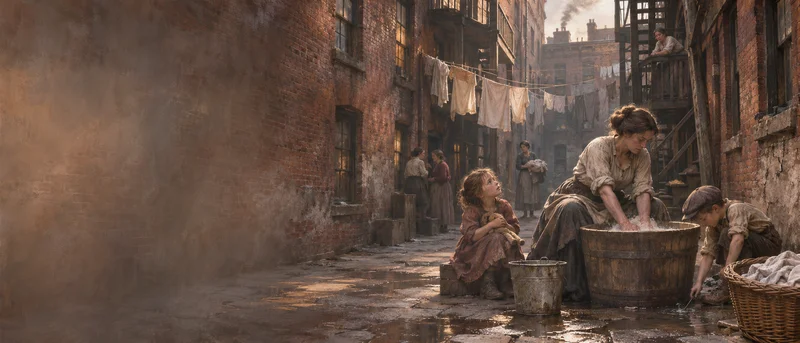
Historians liked it for the same reason. The decades after the Civil War brought astonishing growth: railways across the continent, steel, oil, vast immigration, the first great fortunes. They also brought the Panic of 1873, which set off years of depression, violent labour disputes and crowded city slums. A gilded age, not a golden one.
What is The Gilded Age novel about?
It begins in the hills of East Tennessee, where Squire Si Hawkins buys 75,000 acres of wild land in the belief that it will one day make his children rich. The family moves to Missouri, the land refuses to sell, and the hope of it hangs over everyone for decades. Twain modelled this on his own father’s Tennessee land, which he later said kept the family hoping for forty years.
I wouldn’t be afraid to adopt a thousand children if I wanted to, for there’s that Tennessee Land, you know—enough to make an army of them rich.
Squire Hawkins, *The Gilded Age*, chapter V
The heart of the book is Washington, where the Hawkinses’ adopted daughter Laura becomes a lobbyist, charming congressmen into a scheme to have the government buy the family land. Around her swirl bribed senators, newly rich families pretending to be old ones, and the irrepressible Colonel Beriah Sellers, a speculator who can turn a turnip supper into a vision of national wealth. Sellers was such a success that he became the star of a stage version, Colonel Sellers, in 1874.
Warner, a Hartford newspaper editor best known for the gentle garden sketches of My Summer in a Garden (1870), wrote a parallel plot about two young Easterners chasing their fortunes in land and coal. The seams show; one 1874 review compared the book to a badly mixed salad dressing. But Twain’s chapters, including a steamboat race that ends in an explosion, are some of his liveliest writing.
Three books from the Gilded Age
If you want to see the era the novel named, read it alongside books written from inside it.
The Gilded Age: A Tale of Today
1873. Twain and Warner’s satire of land speculation, lobbying and bought votes in post-war Washington. The book that gave an age its name.
How the Other Half Lives
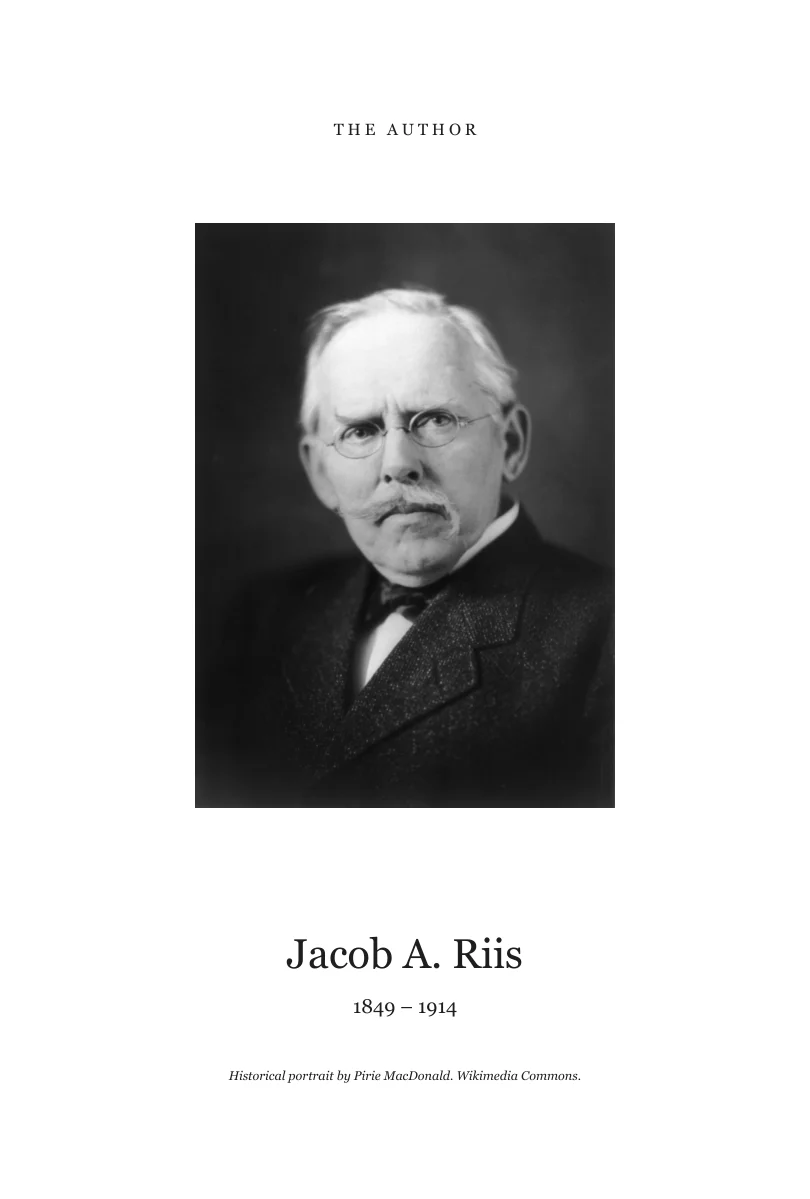
1890. Jacob Riis, a New York police reporter, took flash photographs in the city’s tenements and showed comfortable readers how the other half lived. An early landmark of photojournalism.
The Magnificent Ambersons
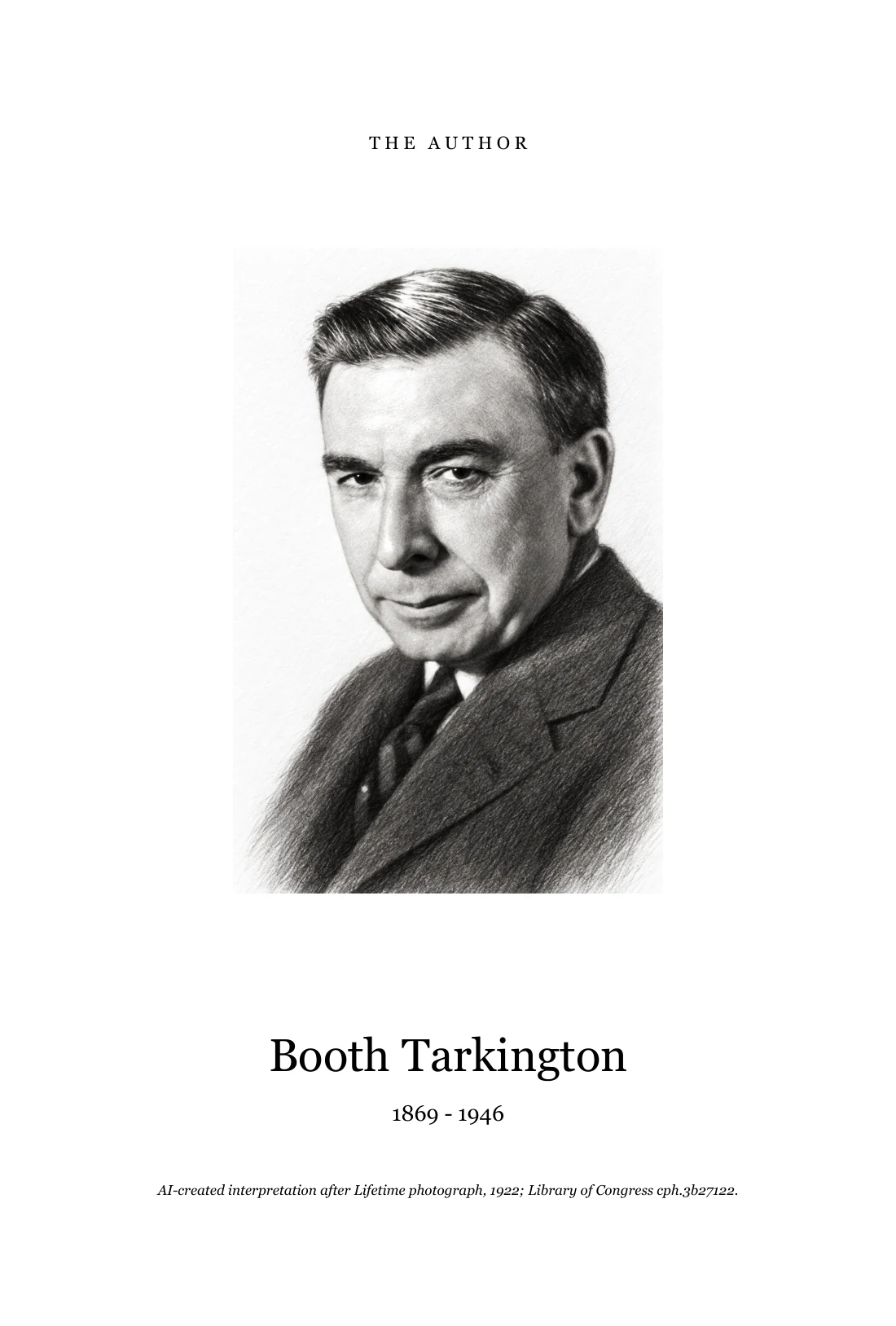
1918. Booth Tarkington looks back on a Midwestern family whose fortune was made in 1873 and whose town disappears under smoke and new money.


Riis’s book is the other side of Twain’s gold leaf. He had arrived from Denmark in 1870, aged twenty-one, travelling in steerage, and knew poverty in New York at first hand. Its photographs of crowded tenement rooms caught the attention of Theodore Roosevelt, who later worked with Riis as New York’s police commissioner, and it helped push the city towards housing reform. Tarkington, writing a generation later, takes the long view: in The Magnificent Ambersons, Major Amberson makes his fortune in 1873, “when other people were losing fortunes”, the very year of the Panic. Welles’s film of it is the subject of our post on the novel behind the lost masterpiece.
For more Twain, see how Mark Twain got his pen name and the jumping frog that made him famous; for New York in the same decades, classic novels set in New York.
Start with The Gilded Age and meet Colonel Sellers. You will recognise him at once: every age has one, and this one was named after his.
Questions readers ask
Why is it called the Gilded Age?
The name comes from Mark Twain and Charles Dudley Warner’s 1873 novel The Gilded Age: A Tale of Today. Historians in the 1920s applied it to the late nineteenth century because it suggested a thin gold surface over serious social problems.
Who wrote The Gilded Age novel?
Mark Twain and Charles Dudley Warner, who were neighbours in Hartford, Connecticut. It is the only novel Twain wrote with a collaborator, and his first novel.
What years were the Gilded Age?
Definitions vary, but it usually means the period from the 1870s to about 1900, between Reconstruction and the Progressive Era.
Is The Gilded Age by Mark Twain worth reading?
Yes, if you enjoy satire. It is uneven, because the two authors’ plots do not always mesh, but Colonel Sellers and the Washington chapters are sharp and very funny.