Kansas gets remarkably little space in The Wonderful Wizard of Oz. The first chapter is the only one set there, and when Dorothy gets home, the last chapter, “Home Again”, runs to fewer than a hundred words. Everything in between belongs to the road, the strange companions and the country at the end of it.
That is what children are really asking for when they want books like The Wizard of Oz: another ordinary child dropped into an extraordinary place, with friends picked up along the way. The six below all offer that, in different flavours. If your reader simply wants more Oz, there are thirteen more Oz books; these are for the child ready to try somewhere new.
If they loved falling into another world
Alice's Adventures in Wonderland
1865. A girl follows a rabbit down a hole and finds a country where nothing obeys the rules, least of all the grown-ups. Shorter than Oz, but denser: the jokes are in the words. Read aloud from 6 or 7; alone from about 9.
Peter and Wendy
1911. Three children fly out of a London nursery to Neverland, home of pirates, mermaids and the boy who won’t grow up. Funnier and sadder than any film version. Ages 7 and up read aloud.


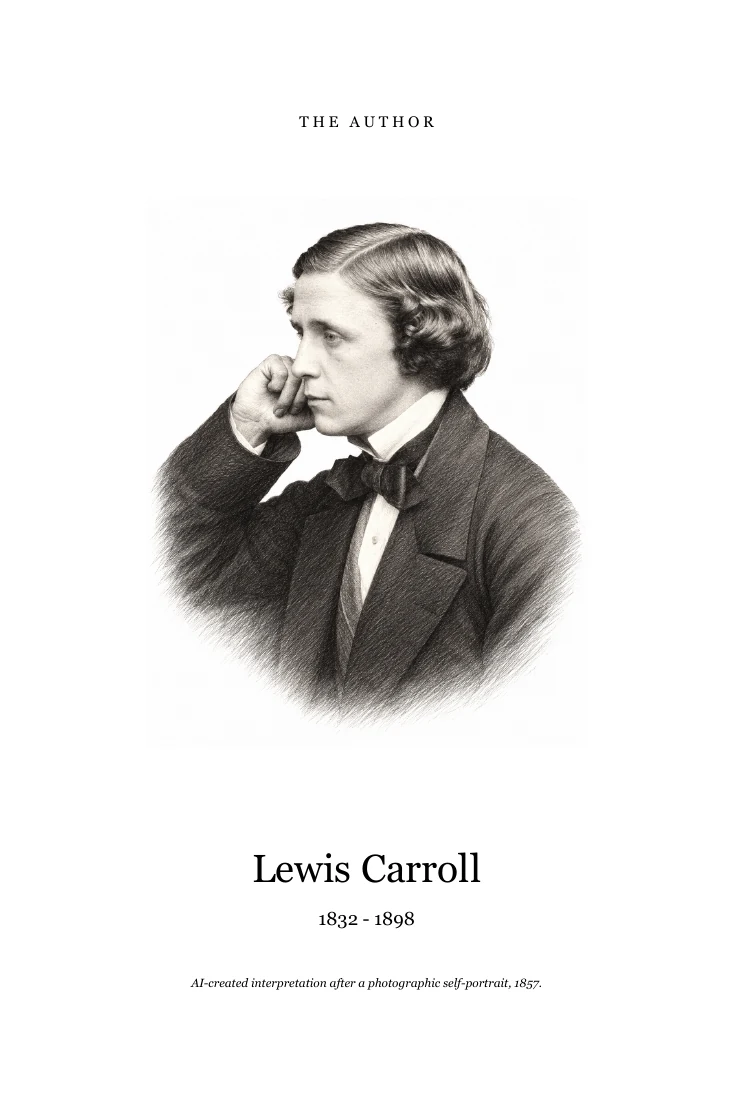
Lewis Carroll’s Alice and Baum’s Dorothy are the two great sensible girls of children’s fantasy, and comparing them is half the fun. Dorothy wants to go home and works steadily towards it; Alice mostly wants things to make sense and is endlessly disappointed. Children who liked the Emerald City’s green spectacles will enjoy the logic games of Wonderland. Nothing in it is frightening, though the Queen of Hearts shouts “Off with her head” at everyone.
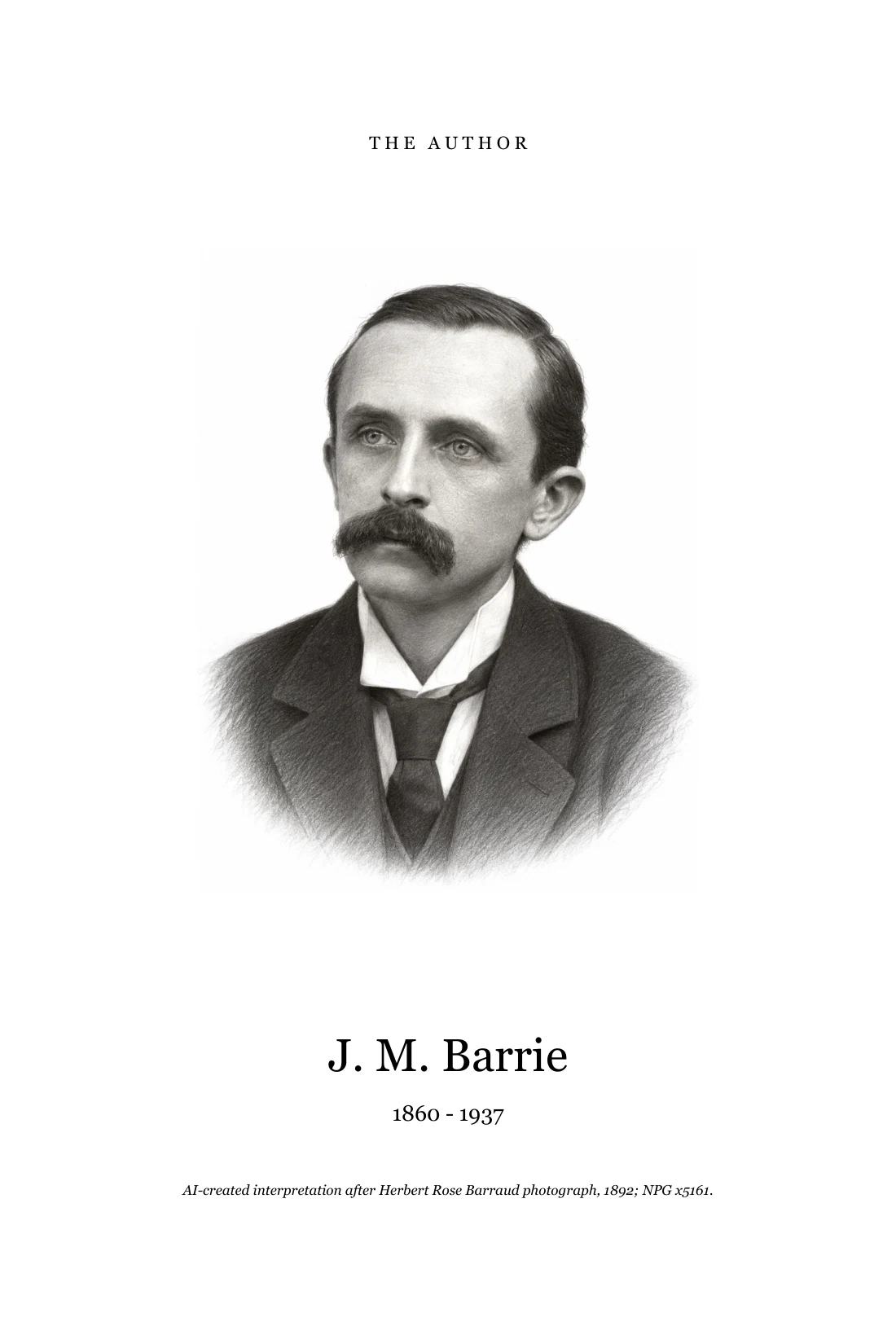
J. M. Barrie’s Peter and Wendy is the novel he made in 1911 from his 1904 play. It is full of jokes aimed over children’s heads at their parents, and its ending, with Wendy grown up and Peter not, can catch adults off guard. Two cautions. The island’s “redskins”, the “Piccaninny tribe”, are a crude stereotype; and Barrie can be startlingly casual about death, as when he explains that Peter “thins them out” when the lost boys start to grow up. Most children take both in their stride, but it helps to know.

If they loved the odd companions
The Magic Pudding
1918. A koala, a sailor, a penguin and a bad-tempered steak-and-kidney pudding called Albert tramp the Australian roads, fighting off pudding thieves. Told in four “slices” instead of chapters. Ages 5 and up.
The Adventures of Pinocchio
1883. A puppet who runs away from home and gets into more trouble per page than anyone in fiction. Its fox and cat are as memorable as Baum’s lion and tin man. Ages 8 and up.


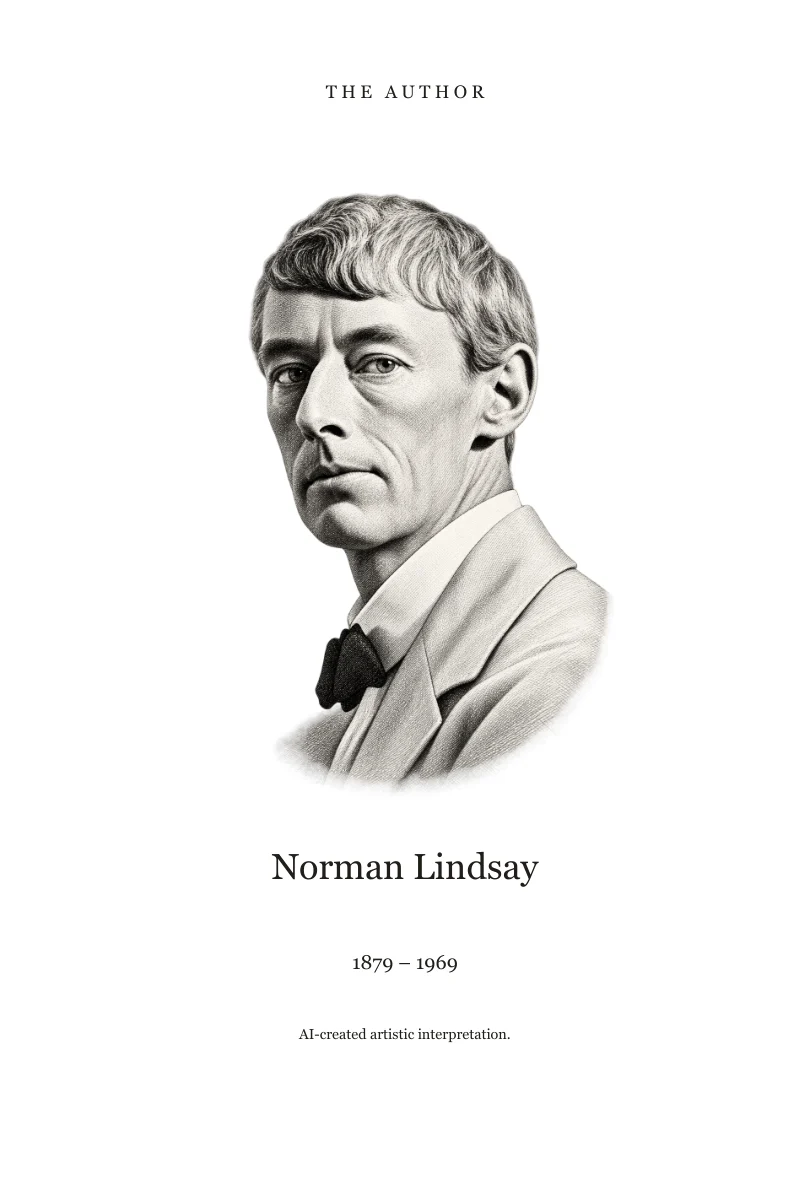
Dorothy’s Scarecrow, Tin Woodman and Lion bicker, boast and look after each other, and Norman Lindsay’s The Magic Pudding has the same comic chemistry. Albert the pudding is rude to everyone, the pudding thieves are a possum and a wombat in a variety of disguises, and the songs are made for reading aloud in silly voices. The violence is all fisticuffs and slapstick. More on this Australian favourite in The Magic Pudding.
Carlo Collodi’s Pinocchio is a road story too, but a darker one. The puppet throws a hammer at the Talking Cricket and kills it, and later the Fox and the Cat hang him from a tree, though he survives. It is told quickly and often comically, and it ends happily, but sensitive children may want an adult nearby. Read Pinocchio’s original ending for the startling story of how the serial first stopped.
If they loved the magic going wrong
Five Children and It
1902. A sand-fairy grants five children a wish a day, and the wish wears off at sunset. Real children in an ordinary summer, with magic that never behaves. Ages 7 and up.
The Sea Fairies
1911. Trot and her friend Cap’n Bill, a one-legged old sailor, are given mermaids’ tails and explore the bottom of the sea. Baum’s first book in a planned new series. Ages 6 and up.


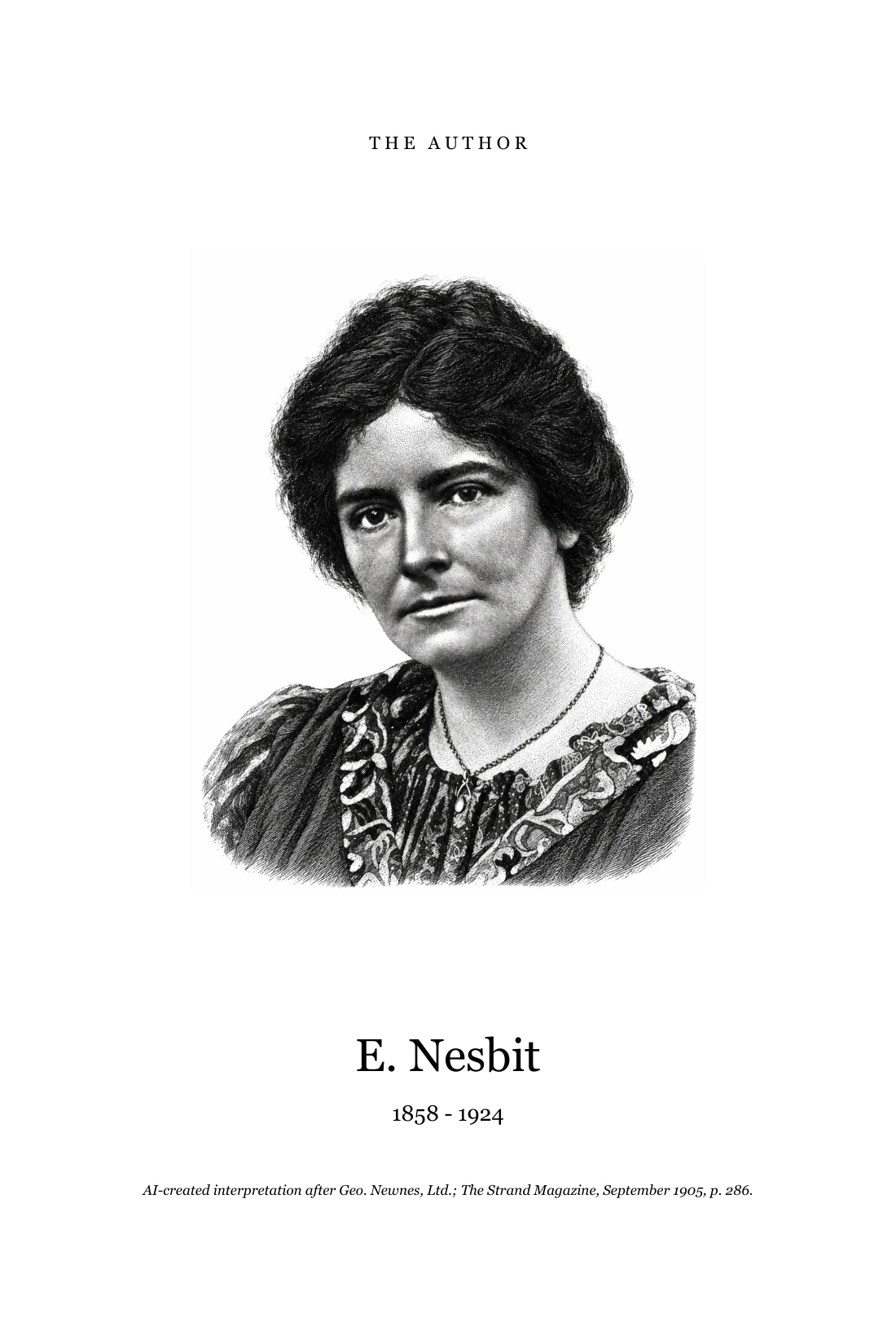
Oz is a land of magic that keeps misfiring: the Wizard is a humbug, the silver shoes work only once Dorothy knows how to use them. E. Nesbit’s Five Children and It takes that idea and builds a whole book on it. The children wish for wings, for gold, to be beautiful, and every wish brings a new and perfectly logical disaster. One chapter, “Scalps”, uses period stereotypes of Native Americans and is easy to skip.
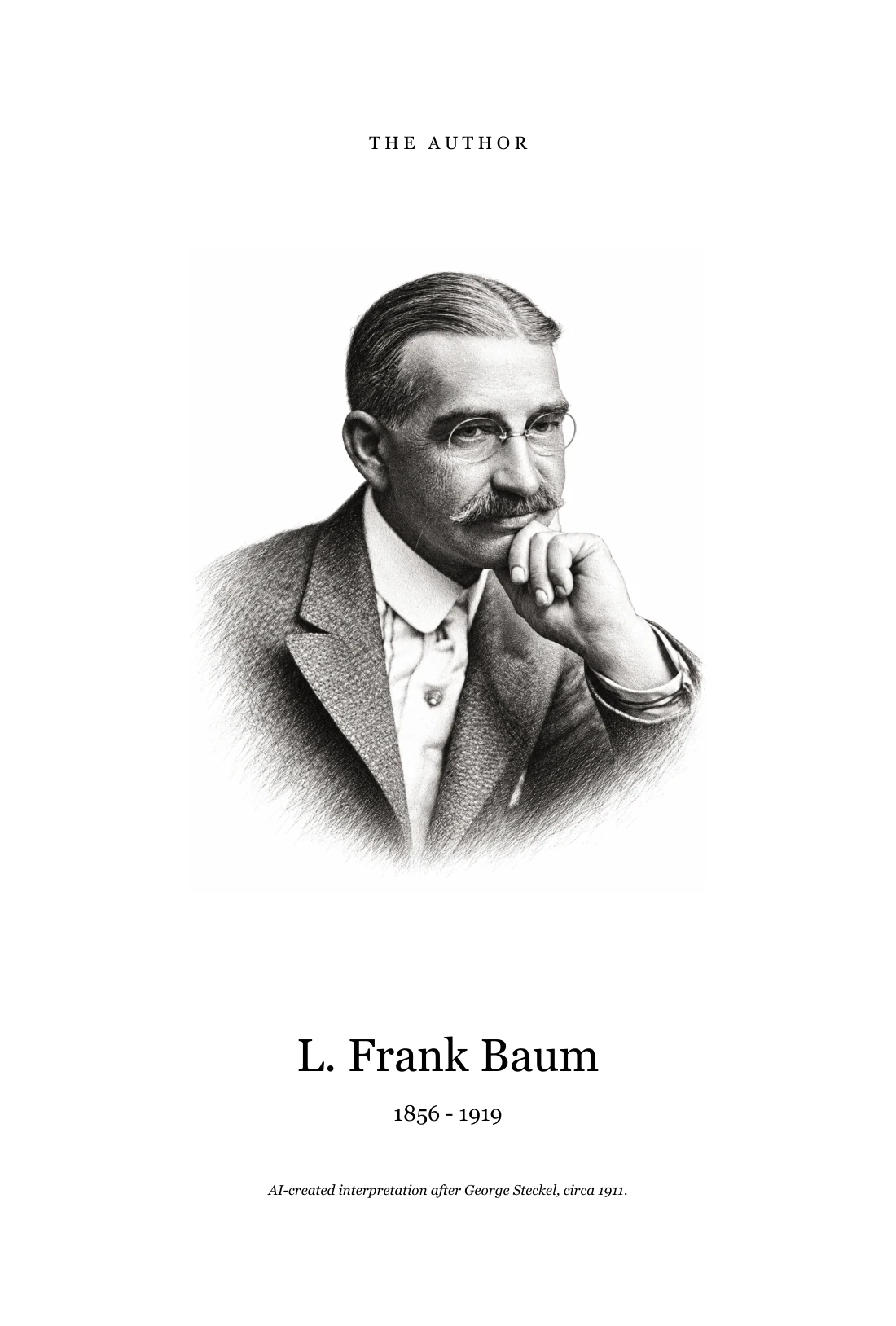
The Sea Fairies is the closest thing to Oz that is not Oz, because L. Frank Baum wrote it when he was trying to stop writing Oz books. The underwater kingdom of the mermaids is gentle, the villain Zog the Terrible and his sea devils are about as frightening as Baum ever gets, and Trot and Cap’n Bill later walk into Oz itself in The Scarecrow of Oz. Baum explained where the idea came from.
Indeed, a good many children have implored me to “write something about the mermaids,” and I have willingly granted the request.
L. Frank Baum, preface to The Sea Fairies (1911)

Books like Wizard of Oz: which to read first?
- For a five or six-year-old who loved Oz read aloud: The Magic Pudding or The Sea Fairies.
- For a seven or eight-year-old who wants another girl on another adventure: Alice’s Adventures in Wonderland.
- For a child who liked the funny bits best: Five Children and It.
- For a confident reader of eight or nine who likes a bit of danger: Pinocchio or Peter and Wendy.
For more ideas by age, see our classic chapter books for 8-year-olds and books like Alice in Wonderland, or browse the fantasy shelf.
If you are only going to pick one, pick Alice’s Adventures in Wonderland. It is the book Oz is most often compared with, it is a third of a century older, and a child who has walked the yellow brick road will recognise a fellow traveller in Alice almost at once.
Questions readers ask
What are some books like Wizard of Oz?
Good books like Wizard of Oz include Alice’s Adventures in Wonderland, Peter and Wendy, Pinocchio, Five Children and It, Norman Lindsay’s The Magic Pudding and L. Frank Baum’s own The Sea Fairies.
What should my child read after The Wizard of Oz?
If they want more Oz, go on to The Marvelous Land of Oz and Ozma of Oz. If they want something new, Alice’s Adventures in Wonderland is the classic most like it, and The Magic Pudding suits younger children.
Did L. Frank Baum write books that aren’t about Oz?
Yes, many. The Sea Fairies (1911) and its sequel Sky Island follow Trot and Cap’n Bill, who later appear in the Oz books, and Baum also wrote Queen Zixi of Ix and The Life and Adventures of Santa Claus.