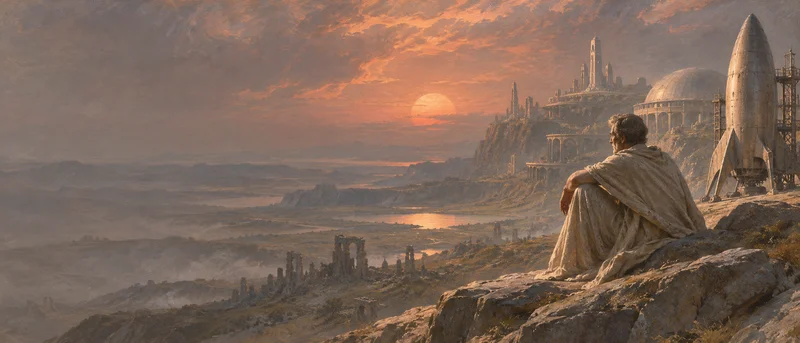
The Decameron is a book about escaping a plague. In 1348 the Black Death reached Florence and killed a huge proportion of the city’s people. Giovanni Boccaccio, who lived through it, opened his great collection with a vivid account of the epidemic, then imagined ten young men and women who leave the stricken city for the countryside and pass their days telling each other stories.
That frame is what gives the book its name — decameron comes from the Greek for “ten days” — and its peculiar mood. The hundred stories are often hilarious, sometimes heartbreaking and frequently rude. But they are told by people who have just watched their world collapse, and who have chosen, deliberately, to keep living well.
How does the Decameron describe the plague?
Boccaccio apologises in advance for beginning with something so grim, and then spares his readers very little. He describes the swellings in the groin and armpit that announced the disease, the speed with which it killed, and the failure of doctors and prayers alike. Above all he describes what the plague did to people’s behaviour.
Some citizens shut themselves away and lived on moderation; others drank and partied as if there were no tomorrow; many simply fled. Neighbours stopped helping neighbours, he writes, and — the detail readers never forget — even parents avoided their own children. Bodies were piled into trenches in the churchyards. Boccaccio was in his mid-thirties, and it is thought that his own father died in the epidemic or soon after.
Who tells the stories in the Decameron?
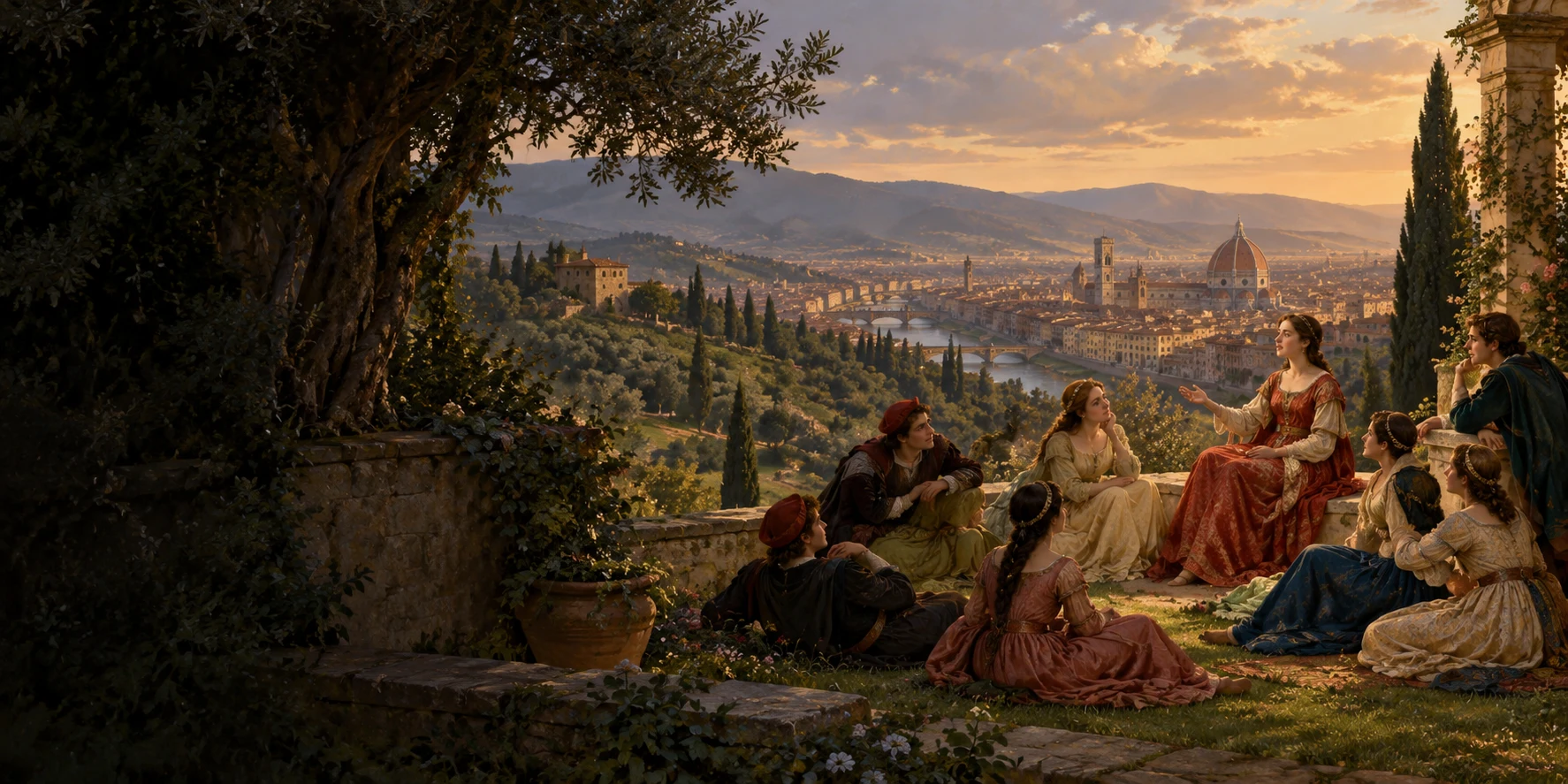
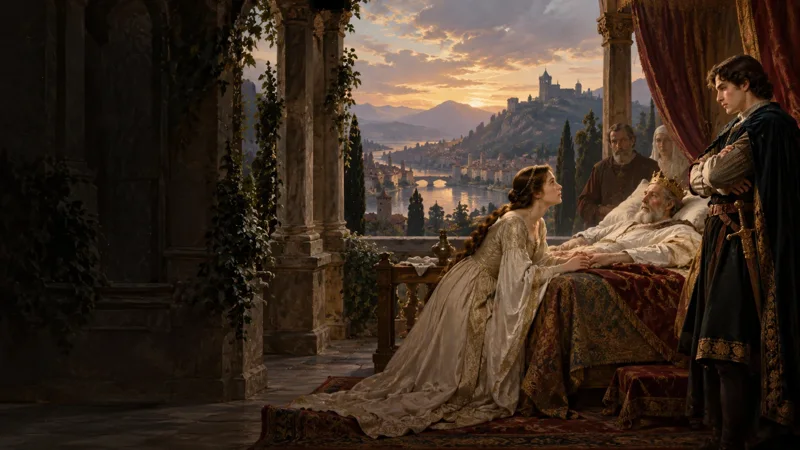
One Tuesday morning, seven young women meet by chance in the church of Santa Maria Novella. Pampinea, the eldest, proposes that they leave Florence for the villas outside the city, where the air is cleaner. Three young men they know walk in, and the women invite them along, servants and all.
They settle into a life of gardens, music, dancing and good food. Each day one of them is crowned king or queen and usually chooses a theme: tricks played by wives on husbands, love affairs that end unhappily, people who lose something and get it back, and so on. Each of the ten tells one story a day. Dioneo, the most mischievous of the young men, wins the right to go last and ignore the theme, and he uses it to tell some of the rudest tales in the book.
The Decameron
Written around 1349–53. One hundred tales of lovers, tricksters, saints, sinners, merchants and monks, told by ten young people waiting out the Black Death.
All's Well That Ends Well
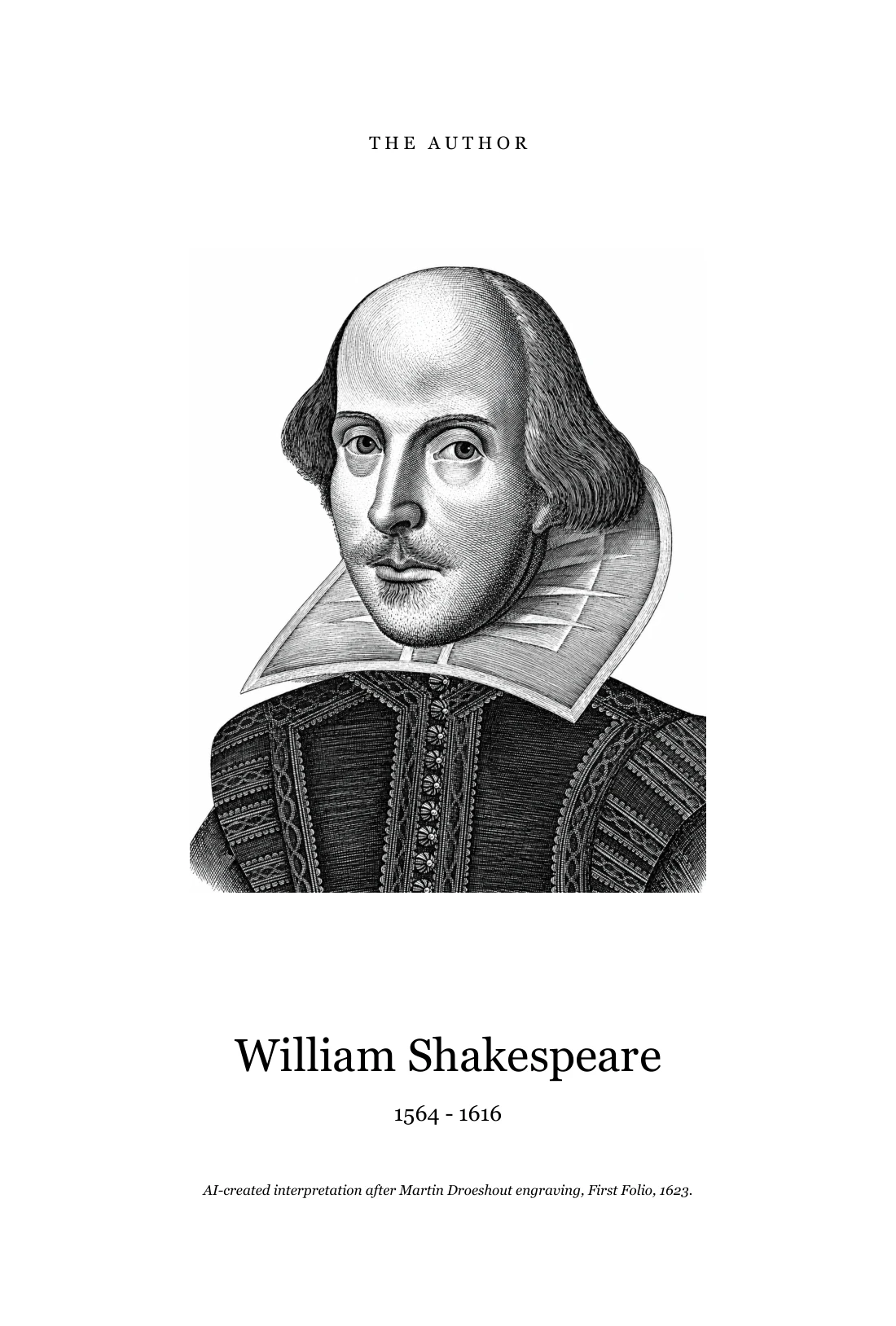
Shakespeare took the plot of this comedy from one of Boccaccio’s tales: a clever young woman who sets out to win the husband who has rejected her.
The Last Man
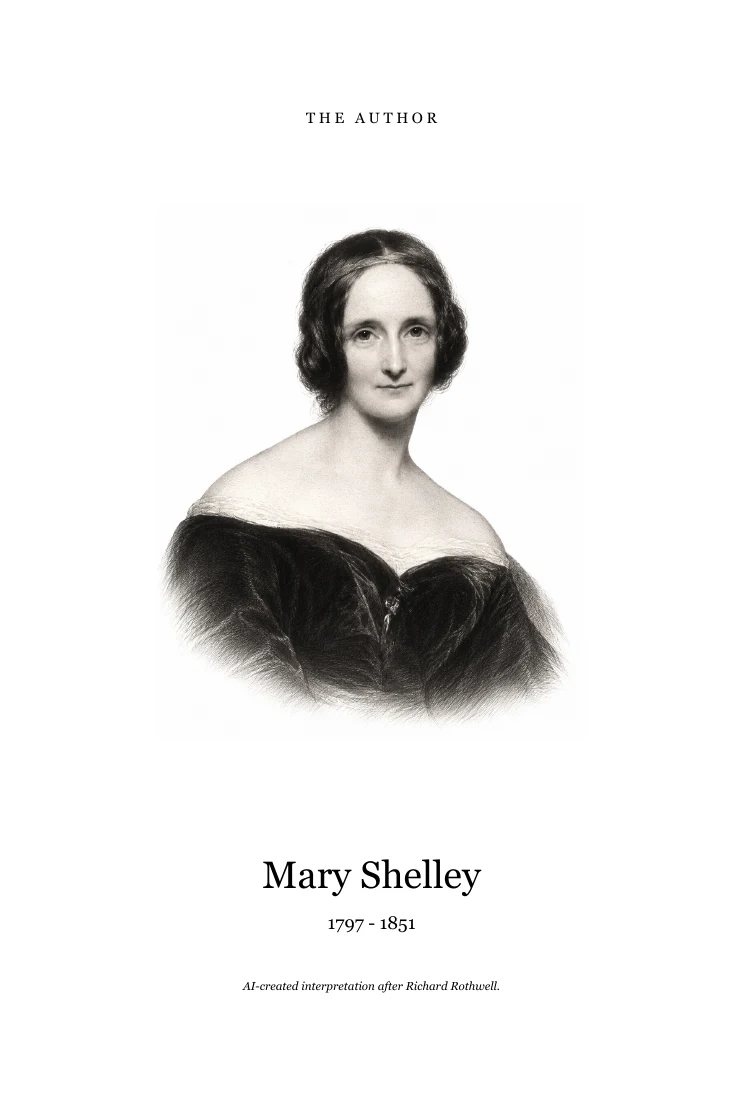
1826. Mary Shelley’s novel of a plague that spreads across the world at the end of the twenty-first century — a darker, later answer to the same fear.


Why did the Decameron matter so much?
Boccaccio wrote in Italian prose, for ordinary readers, and dedicated his book to women in love who had time on their hands. It was a sensation, and it became a storehouse for later writers. The story of patient Griselda, the last tale in the book, reached Chaucer by way of a Latin version by Petrarch and became the Clerk’s Tale in The Canterbury Tales. Shakespeare drew plots from it for All’s Well That Ends Well and Cymbeline, and Keats turned the tragic story of Isabella and her pot of basil into a poem.
Its frankness about sex and its mockery of corrupt clergy also made it a target. In the sixteenth century the Church placed it on its list of prohibited books, and it circulated for years afterwards in censored versions.
What is the Decameron like to read today?
Much more fun than its age suggests. Each tale is short — a few pages — and the variety is enormous: practical jokes, romances, adventures at sea, sharp satire and stories of real cruelty. Many are bawdy in a cheerful, knowing way. It is a long book, but nobody is meant to read it straight through. Read a day at a time, or dip in wherever a theme appeals.
It suits anyone who likes short stories, comic writing, or seeing where Shakespeare and Chaucer found their material. For its place among the giants, see the longest classic novels and classic short story collections. Boccaccio also gave Dante’s poem its famous adjective, a story told in Why is Dante’s Divine Comedy called a comedy?
Begin with the introduction to the first day. It is the hardest part of The Decameron, and the most extraordinary — and once the ten friends have left the city behind for the hills, the stories can begin.
Questions readers ask
What does the Decameron have to do with the plague?
The book is framed by the Black Death of 1348. Ten young Florentines flee the plague-stricken city for the countryside, where they tell each other a hundred stories over ten days.
What does Decameron mean?
The title comes from Greek words meaning “ten days”, referring to the ten days of storytelling that make up the book.
Is the Decameron a true story?
The plague Boccaccio describes was real and he witnessed it, but the ten storytellers and their tales are fiction, drawn from folklore, older literature and his own invention.
How many stories are in the Decameron?
There are one hundred stories: each of the ten storytellers tells one tale on each of the ten days.