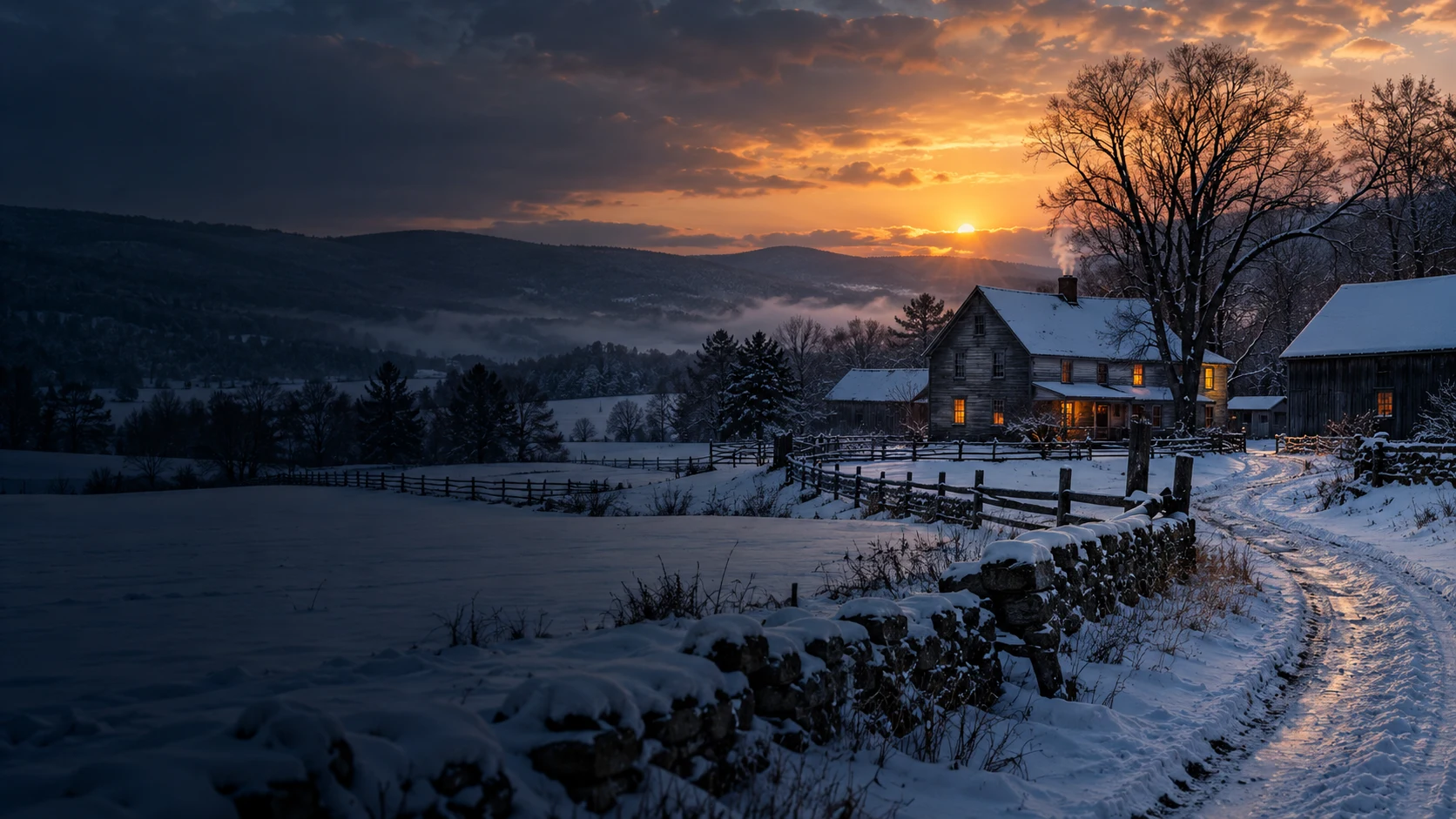
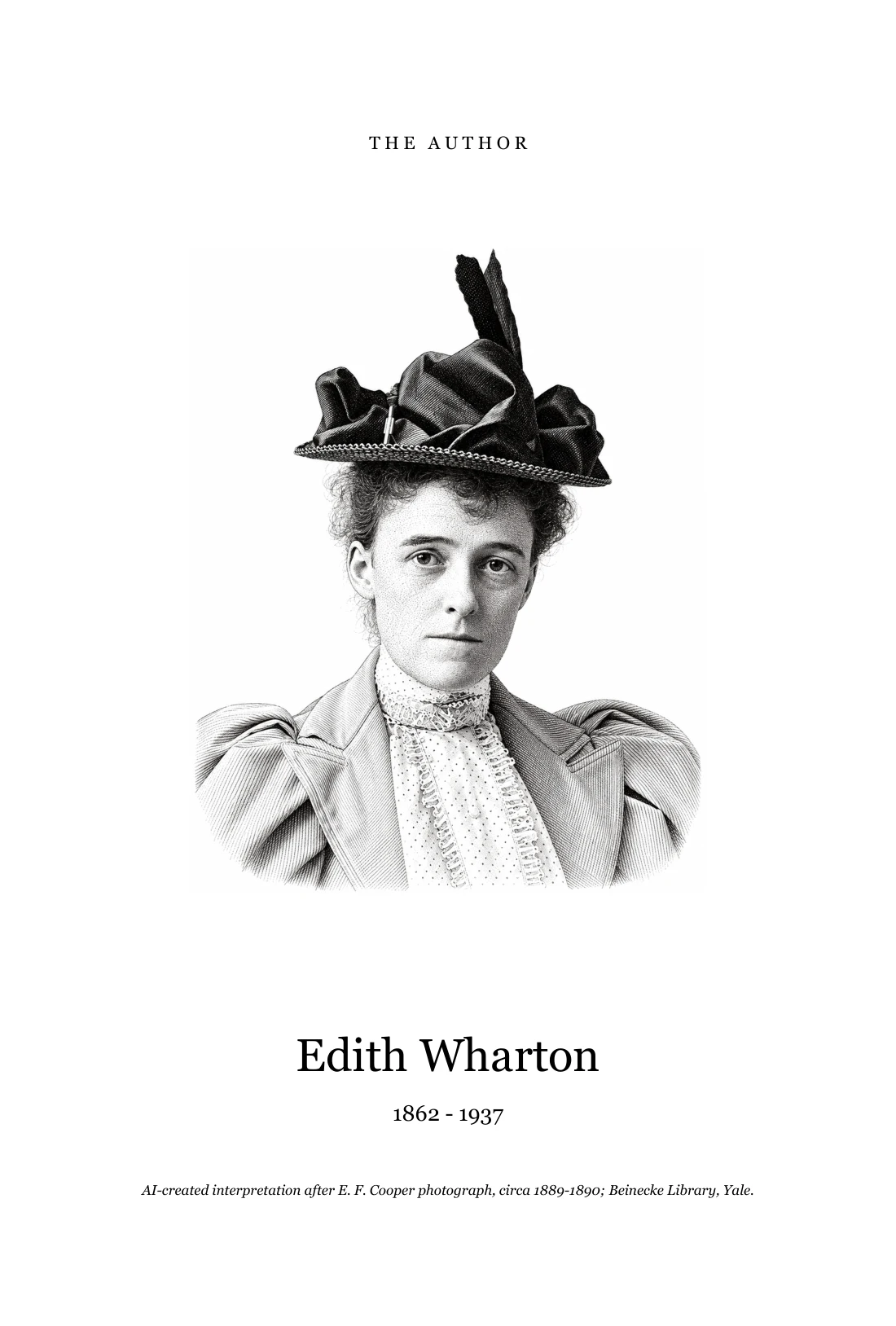
Ethan Frome began life as homework. When Edith Wharton was improving her French in Paris, she wrote a story about a poor New England farmer as a language exercise. Several years later she took it up again, in English, and set it in the snow country she knew from her years at The Mount, her house in Lenox, Massachusetts. The result, published in 1911, is one of the coldest short novels in American literature.
Its narrator, an engineer stranded in the village of Starkfield for a winter by a carpenters’ strike, asks why Ethan never left. The answer he gets from the local stage-driver could stand at the head of any list of winter books: “Guess he’s been in Starkfield too many winters. Most of the smart ones get away.” Wharton’s book, and the others below, are for nights when you would rather not go anywhere at all.
Snowbound
Ethan Frome
1911. A silent man, a sickly wife, her bright young cousin and a winter that never lets up. Under a hundred pages, and you will feel every one of them in your fingers.
Master and Man
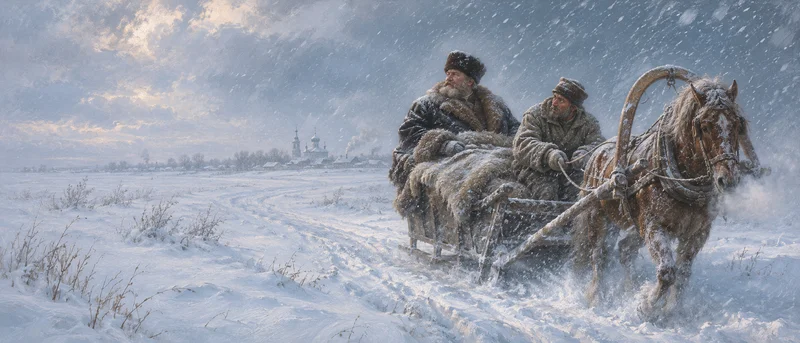
1895. A greedy merchant and his servant set out by sleigh to close a deal and lose the road in a blizzard. Tolstoy’s late story is short, plain and devastating.


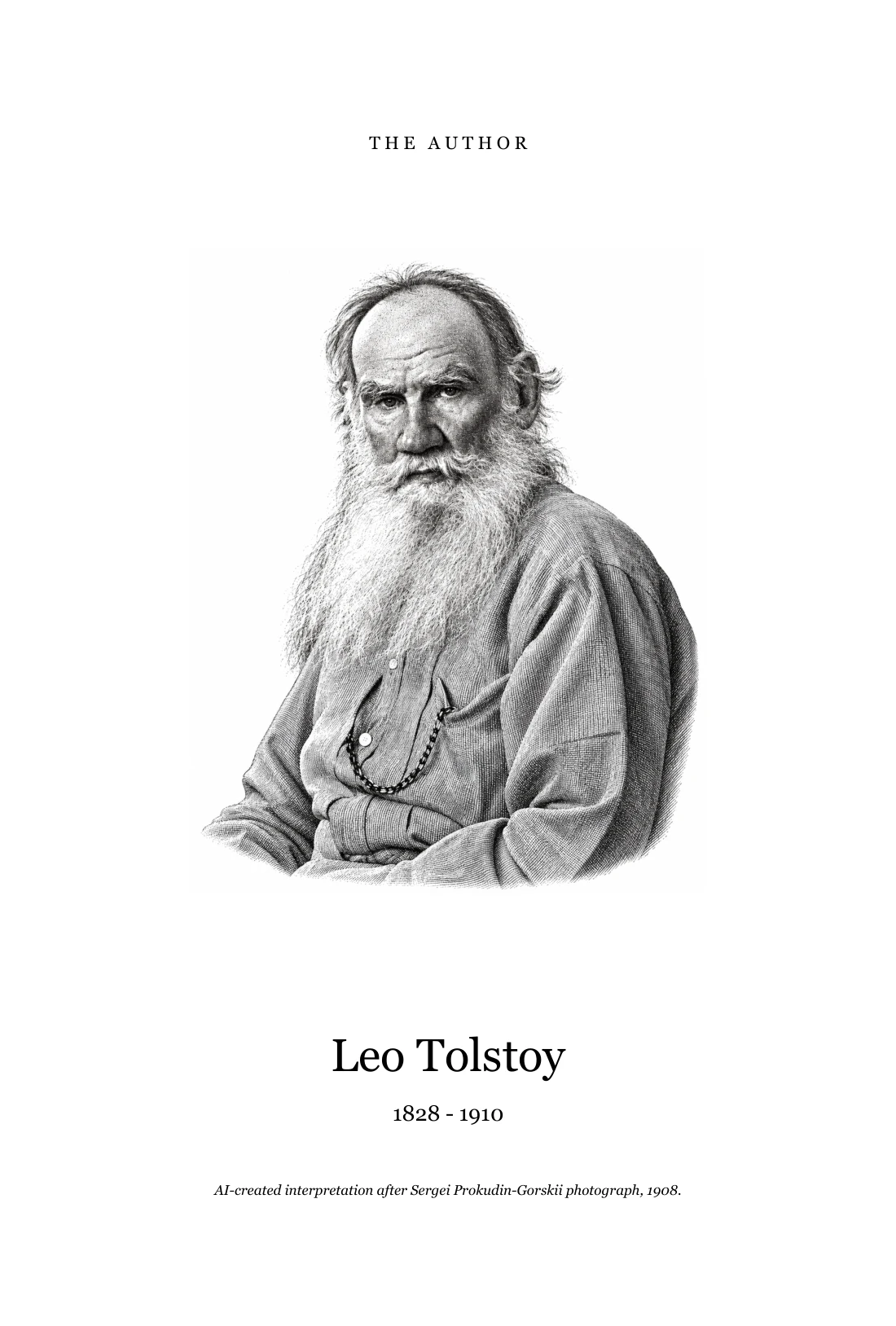
Wharton and Tolstoy share a gift for making weather into fate. In both books the snow is not scenery but a force that strips people to what they really are, and both are short enough to finish in a single dark evening. Do not read the last pages of either in advance.

Ice and the far north
Frankenstein
1818. The novel opens and closes in the Arctic, with an explorer’s ship trapped in pack ice and a stranger pulled aboard half-dead from a sled. Read the frame letters slowly; they matter.
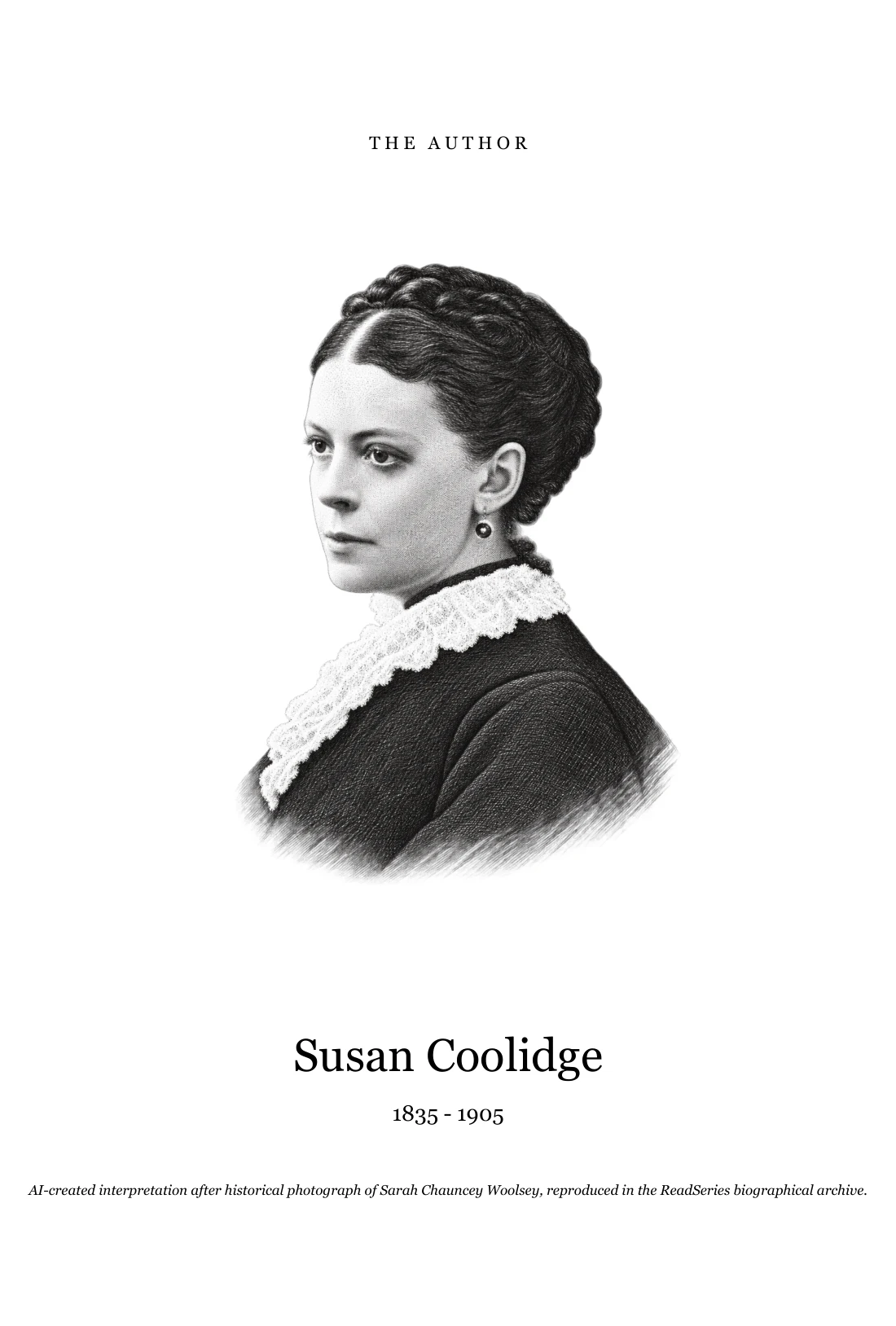
Hans Brinker; Or, The Silver Skates
1865. Frozen canals, a poor family, a father struck down by an accident years before and a race for a pair of silver skates. Pure winter, from the first page.
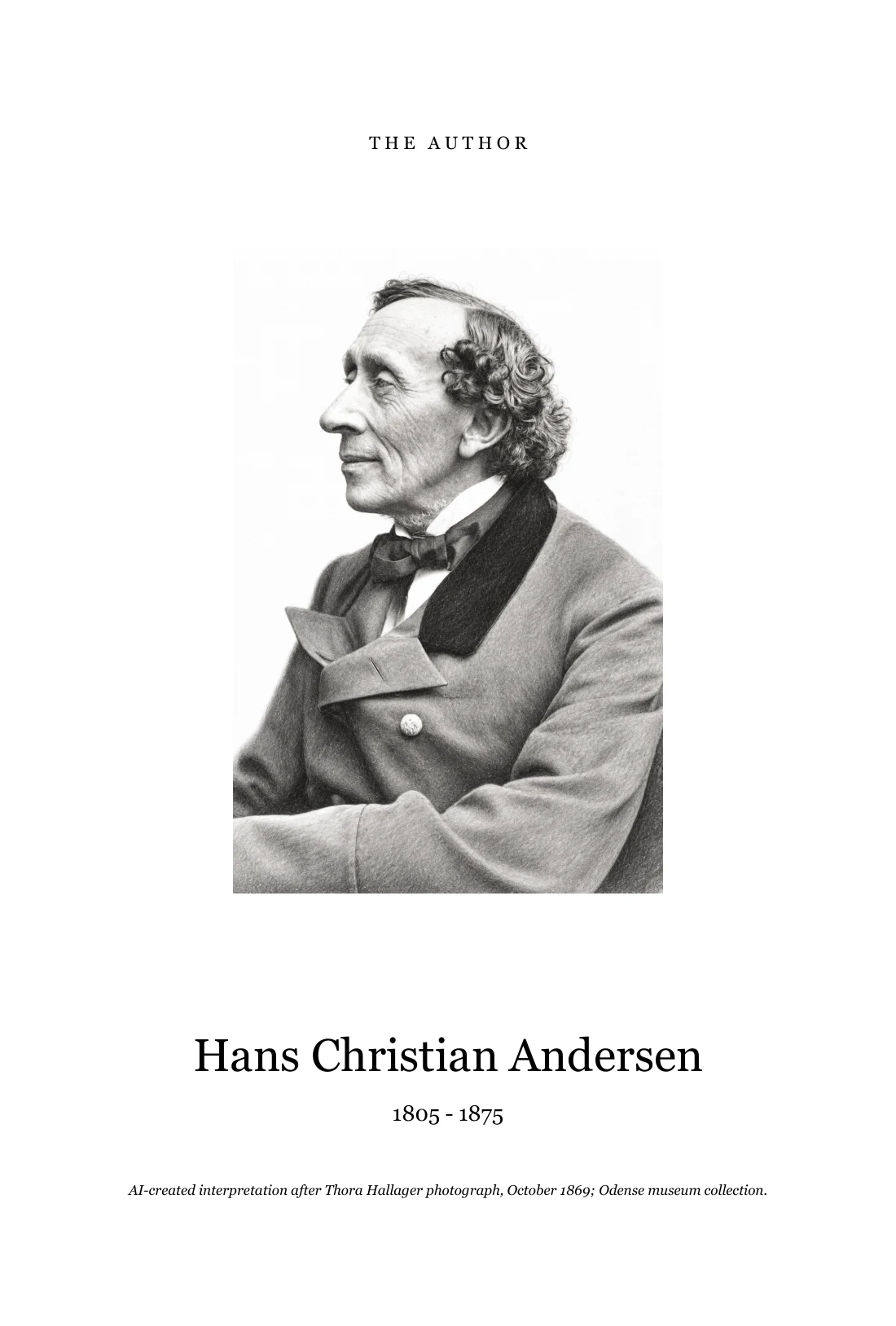
Andersen's Fairy Tales
Includes “The Snow Queen”, the long fairy tale of Kay, Gerda and the queen in her palace of ice, as well as “The Fir Tree” and “The Little Match Girl”.


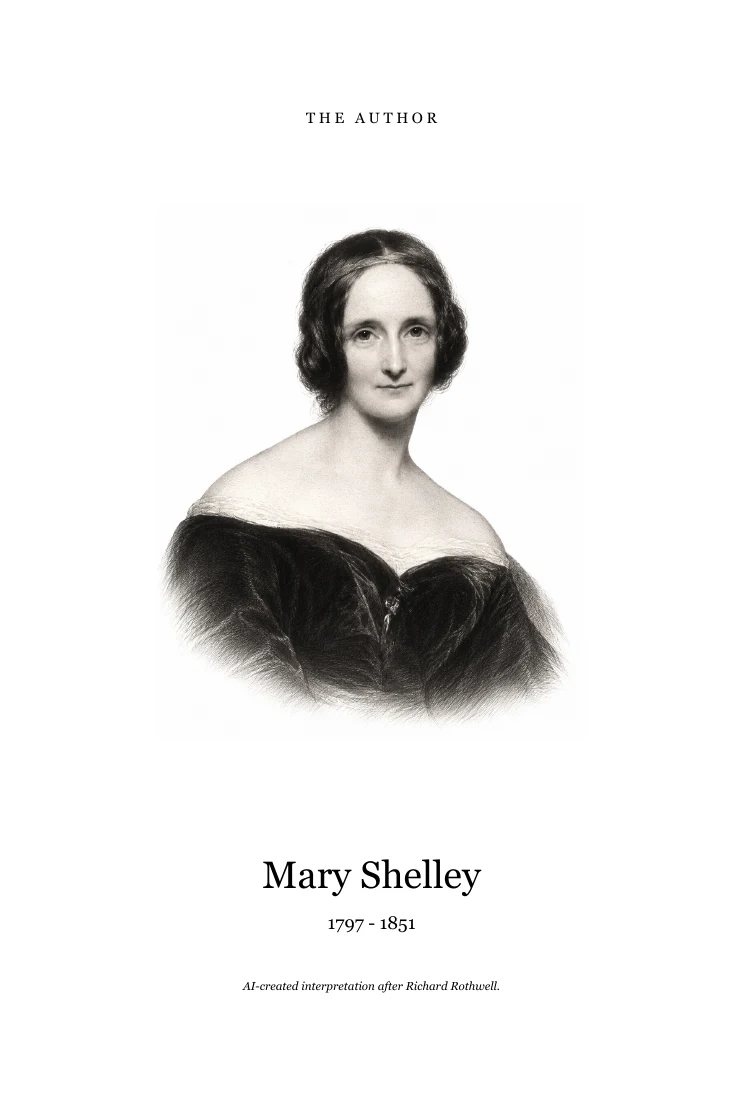
Mary Shelley’s explorer, Robert Walton, writes his first letter home from St Petersburg in December, delighted by the cold: “as I walk in the streets of Petersburgh, I feel a cold northern breeze play upon my cheeks, which braces my nerves and fills me with delight.” It is the most cheerful line in the book, and it is all downhill from there. For the story of how an eighteen-year-old came to write it, see Did you know Frankenstein was written by an 18-year-old?
Hans Brinker begins “On a bright December morning long ago” with two thinly clad children kneeling on the bank of a frozen canal, and its Holland of ice and dikes is so vivid that readers assumed its author knew the country well. She did not, as we explain in Did you know the author of Hans Brinker hadn’t been to Holland?
Winter by the fire
A Christmas Carol
1843. Before the ghosts, before the feast, there is the cold: fog, frost and a clerk warming his hands at a candle. Short enough to read in one sitting on a snowy night.
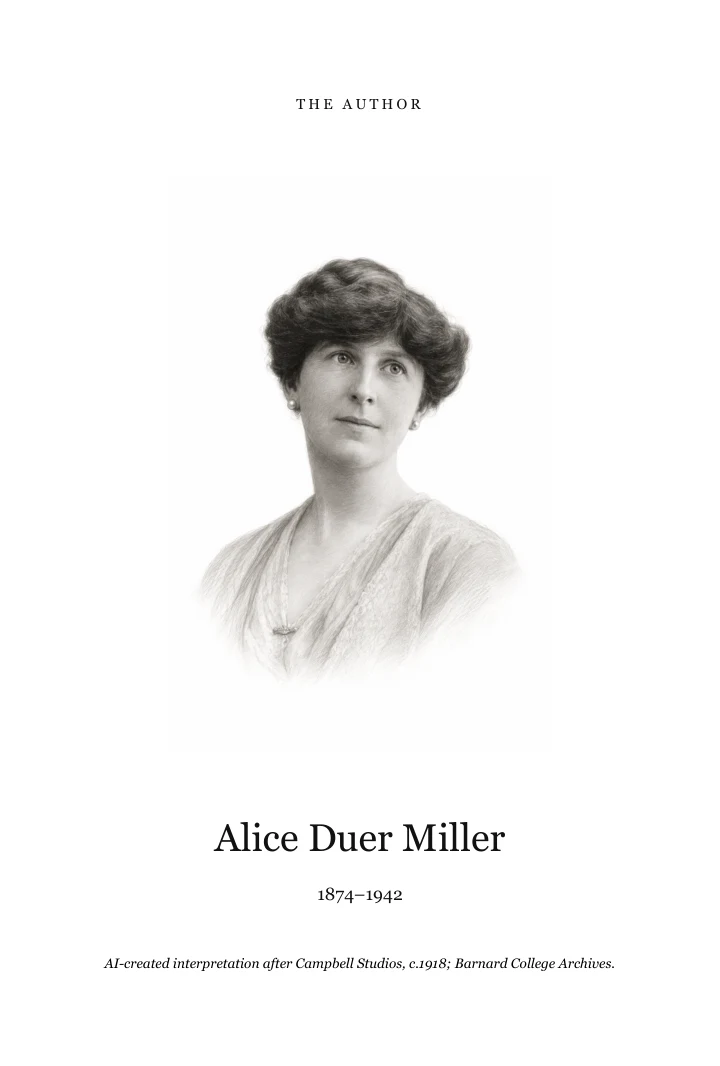
What Katy Did
1872. Headstrong Katy Carr is confined to her room after an accident, and spends the long months that follow learning patience. The chapter in which snow falls outside and her brothers and sisters bring her a Christmas tree is pure comfort.


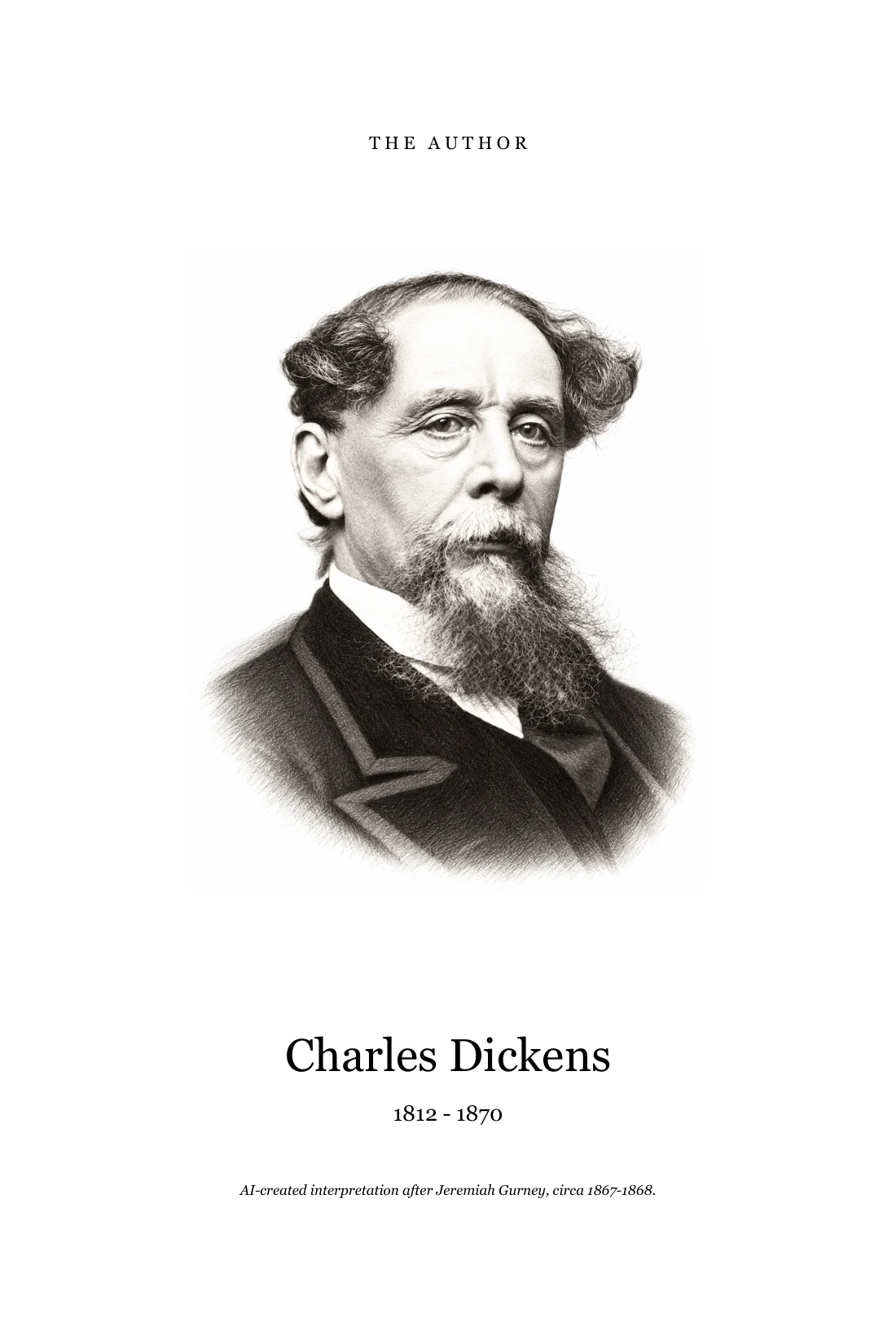
The cold within him froze his old features, nipped his pointed nose, shrivelled his cheek, stiffened his gait; made his eyes red, his thin lips blue.
Charles Dickens, A Christmas Carol (1843)
Dickens makes Scrooge colder than the weather: “No warmth could warm, no wintry weather chill him.” The whole story is a slow thaw, which is why it belongs here as well as on our list of the best Christmas classics. And What Katy Did turns winter inwards in a different way. In the chapter called “St. Nicholas and St. Valentine”, snow whirls past Katy’s window, but “the sight did not chill her. It only made the room look warmer and more cosy.”
How to choose a winter book
If you want to feel the cold, take Ethan Frome or Master and Man. If you want the cold kept safely outside the window, take What Katy Did or A Christmas Carol. If you want adventure across the ice, Frankenstein and Hans Brinker will carry you a long way north. Several of them, from Dickens’s ghosts to Andersen’s fairy tales, also work well read aloud, which is one of the oldest ways of getting through a long night; we trace that habit in Did you know ghost stories were once a Christmas tradition?
But start with the coldest. Open Ethan Frome on a dark evening, follow the narrator into the post office at Starkfield to meet a man with a limp and a red gash across his forehead, and do not stop until you reach the end.
When you want Christmas as well as winter
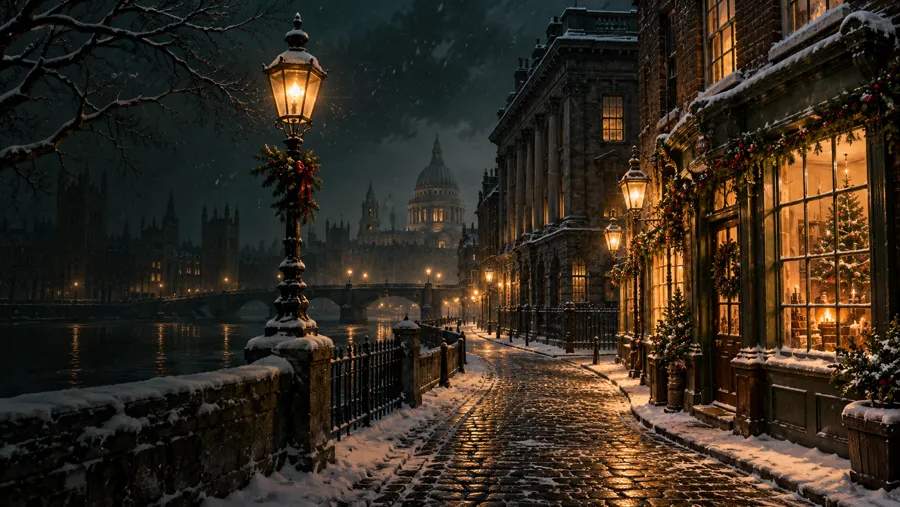
A snowy setting and a Christmas story are not the same thing. If you want the holiday to shape the encounter rather than simply choosing a cold-weather atmosphere, these additions give winter a more explicitly seasonal role.
The Burglar and the Blizzard: A Christmas Story
The Burglar and the Blizzard uses severe weather to contain an unexpected Christmas encounter. Its compact suspense is a good choice when you want the snow to affect what characters can do, not merely surround the scene.
Holiday Tales: Christmas in the Adirondacks
Holiday Tales: Christmas in the Adirondacks brings John Norton’s wilderness hospitality into two seasonal tales. The setting makes shelter and welcome practical questions as well as festive ideals.
Granfer, and One Christmas Time
Granfer, and One Christmas Time pairs domestic tales about generations, patience and reconciliation. Choose it for a household-centered alternative to the more exposed landscapes elsewhere on this winter shelf.


For a dedicated seasonal list, visit Christmas classics. For an easy-to-plan December project, choose from short Christmas books.
Questions readers ask
What are the best classic books to read in winter?
Ethan Frome, Frankenstein, A Christmas Carol, Hans Brinker, or The Silver Skates and Tolstoy’s Master and Man are all classic winter books. What Katy Did is a cosy choice for younger readers.
Is Ethan Frome set in winter?
Yes. The narrator spends a snowbound winter in the New England village of Starkfield, and the central story also takes place in deep winter.
What is a short book to read on a winter night?
A Christmas Carol and Ethan Frome can each be read in an evening. Tolstoy’s Master and Man, a story of a blizzard, is shorter still.