No two high school reading lists are quite the same, but a core of classics appears on a remarkable number of them. In the United States that usually means The Great Gatsby, Adventures of Huckleberry Finn, The Red Badge of Courage and a Shakespeare tragedy or two; in Britain, Macbeth, Romeo and Juliet, Frankenstein and Jekyll and Hyde are popular exam texts. Many lists also include a nineteenth-century novel and a memoir or slave narrative.
We have gathered thirteen of the most commonly assigned, with a note on each and a few honest words about the tricky ones. If you are a student, this is a head start. If you are a parent, or an adult who missed some of them the first time, they are well worth reading by choice.
Shakespeare on the high school reading list
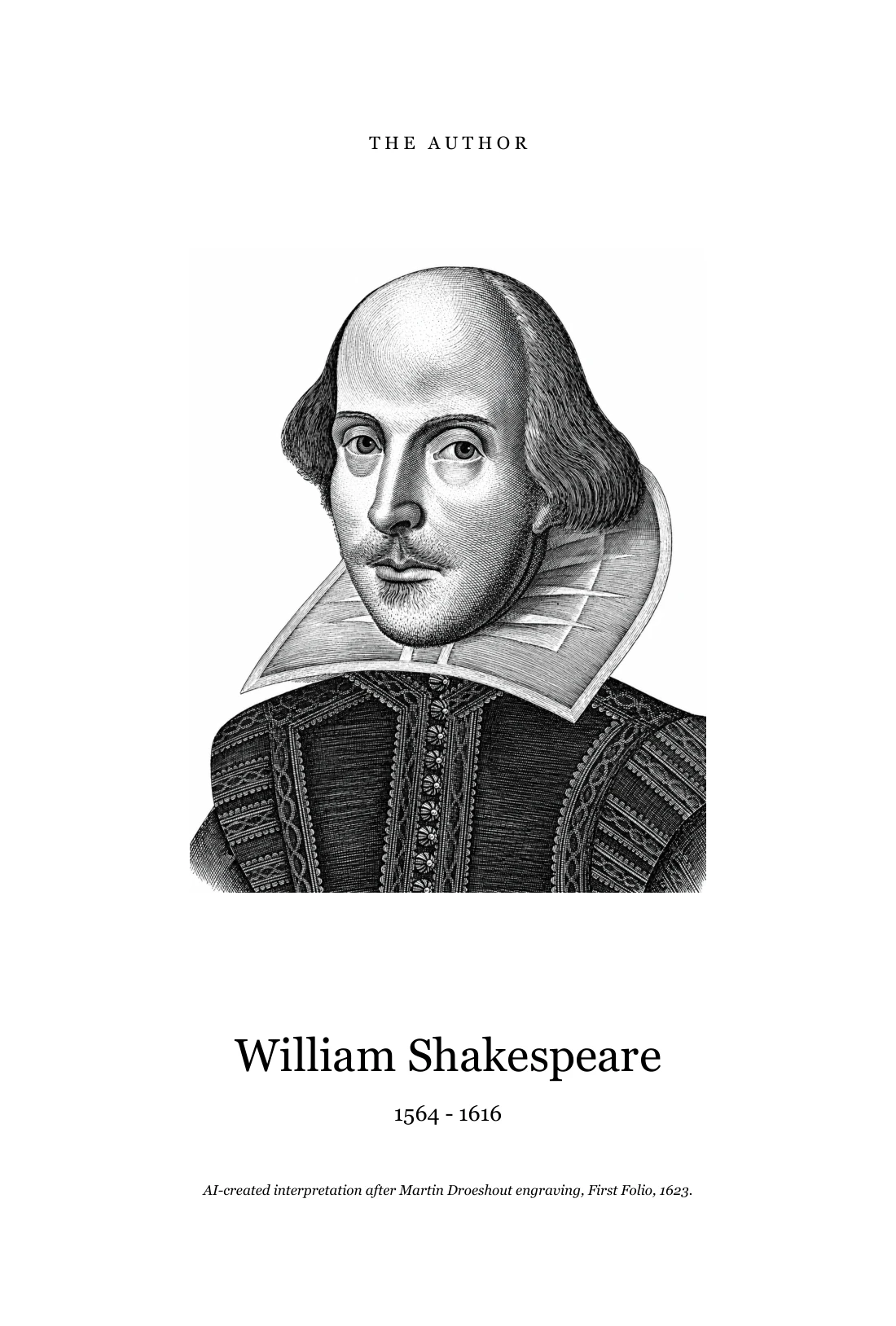
Romeo and Juliet
Two teenagers from feuding families fall in love and marry in secret, with tragic results. Often the first Shakespeare play students read, because its characters are their own age.
Macbeth
A Scottish general meets three witches, hears a prophecy and murders his way to the throne. Shakespeare’s shortest tragedy, and his most relentless.


The language is the hardest part of Shakespeare, and the best fix is to hear it. Watch a performance or read scenes aloud, and the meaning comes through the rhythm. For more help, see Which Shakespeare play to read first.

The British classics
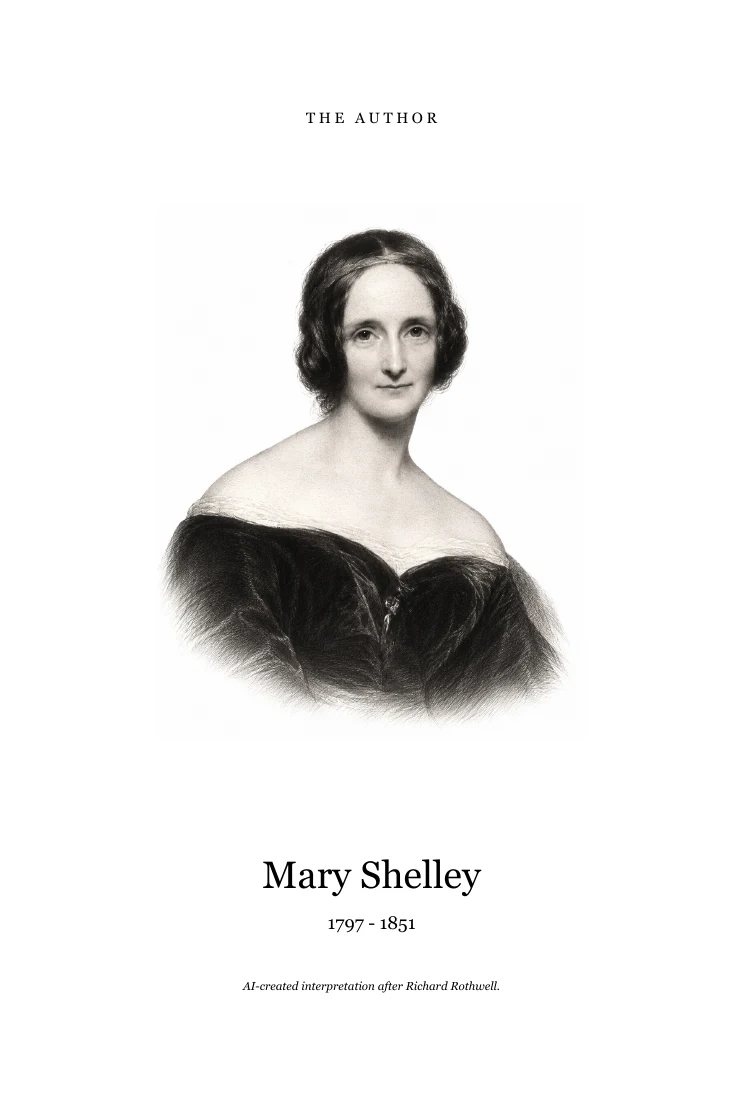
Frankenstein
1818. A young scientist creates a living being, abandons it and lives to regret it. Far more thoughtful than the films, and narrated in part by the creature himself.
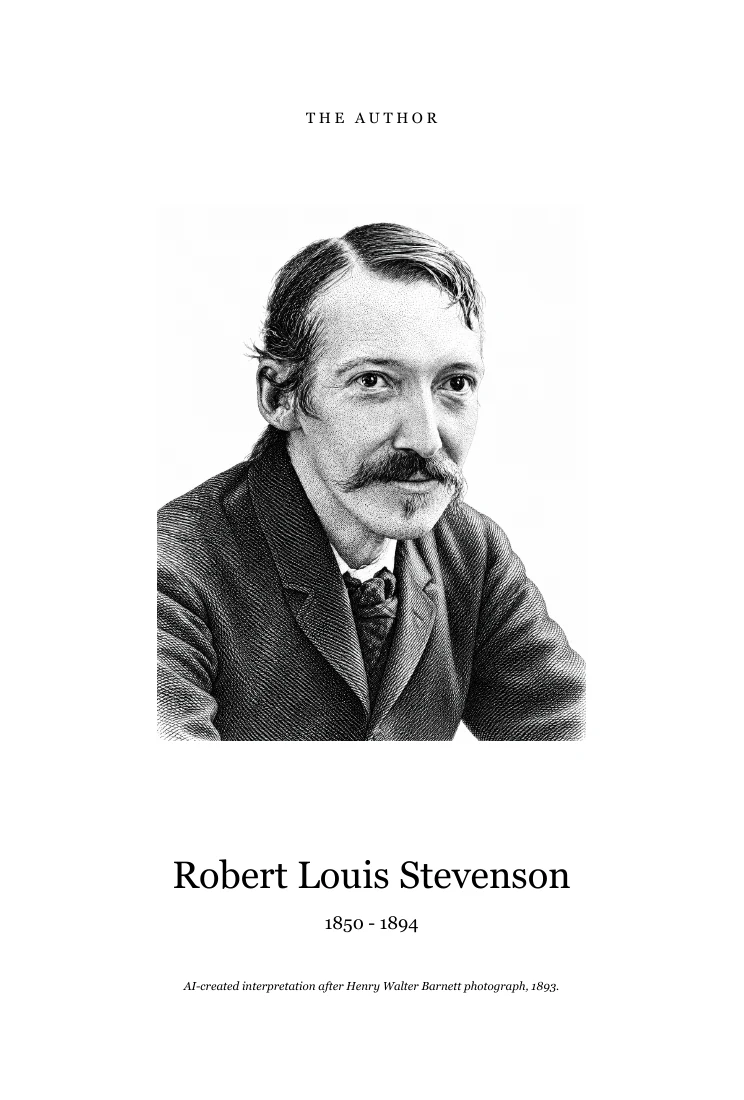
Strange Case of Dr Jekyll and Mr Hyde
1886. A respectable doctor and a brutal stranger are connected by a secret. Short, gripping and a fixture of English exam syllabuses.
Pride and Prejudice
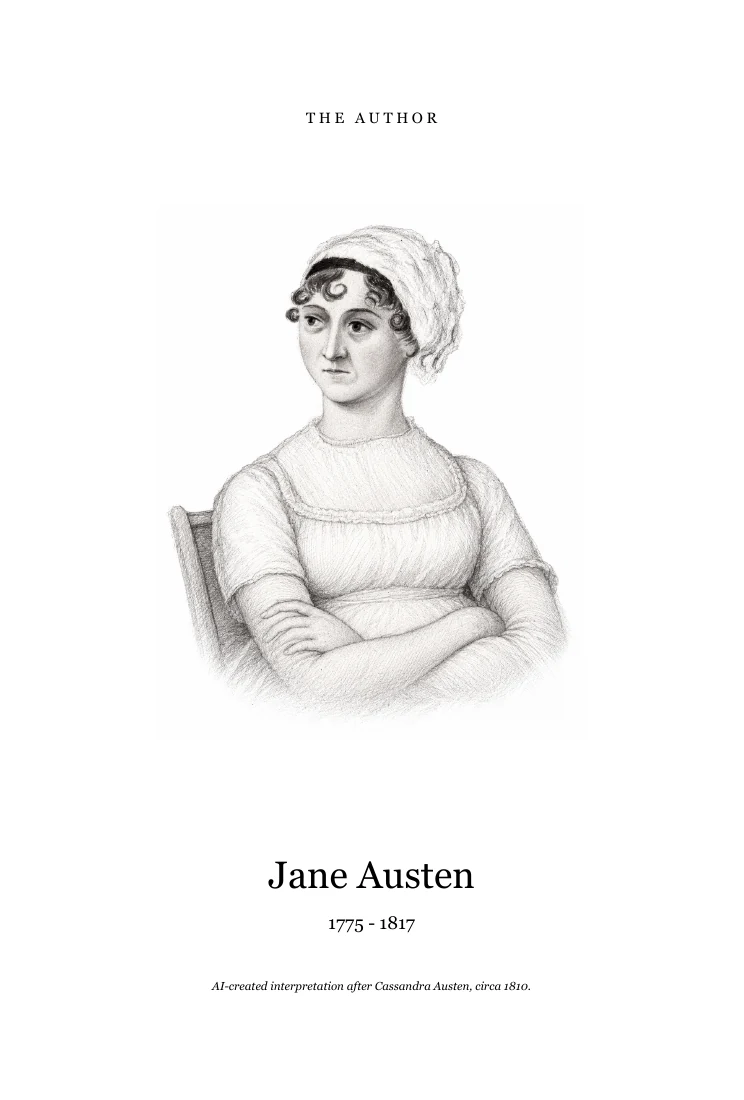
1813. Elizabeth Bennet, Mr Darcy, a bad first impression and a long road to love. Funnier than its reputation, and the best introduction to Jane Austen.
Great Expectations
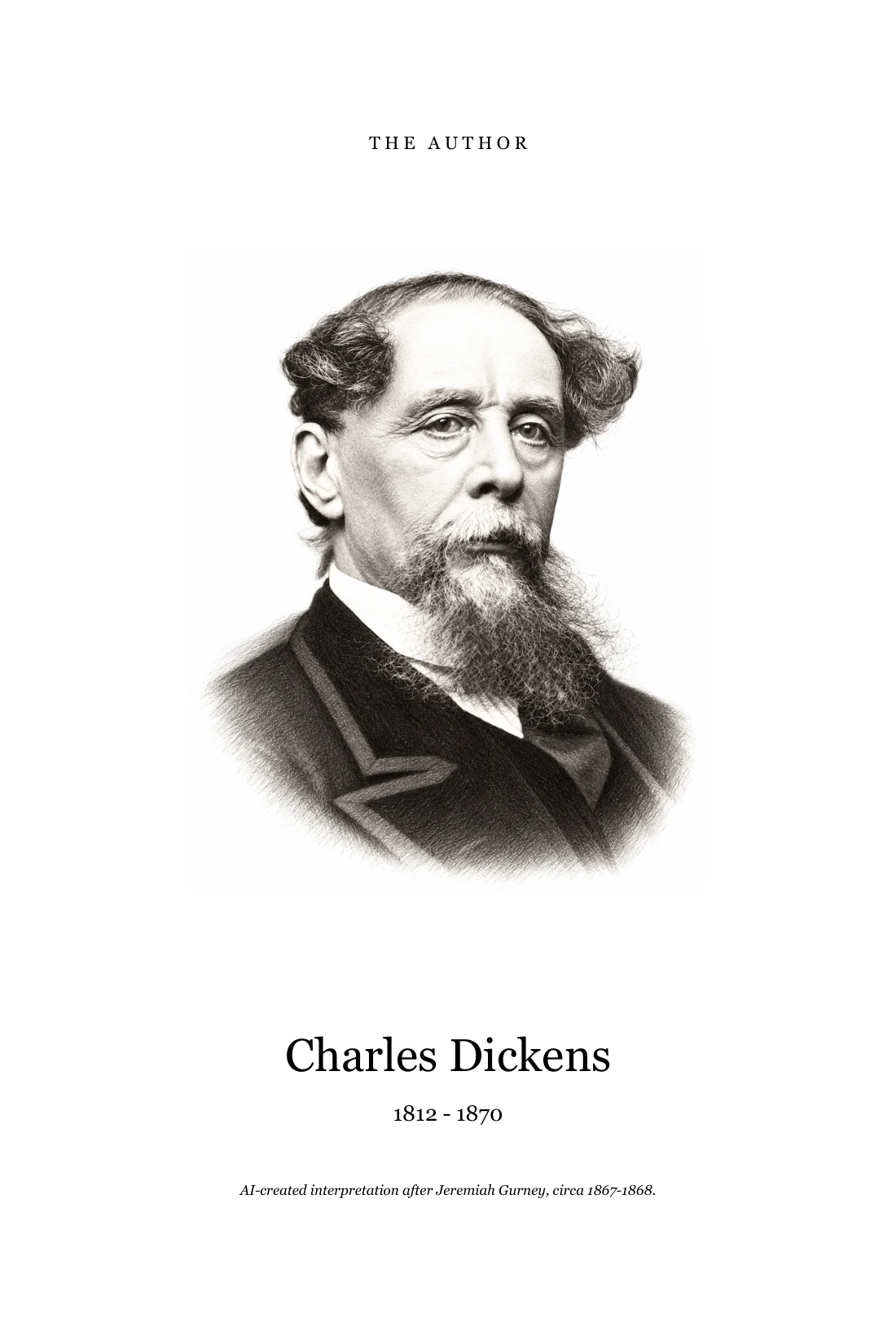
1861. An orphan named Pip receives a fortune from an unknown benefactor and learns what it costs to become a gentleman. Dickens at his most tightly plotted.


Dickens rewrote the last chapter of Great Expectations after a friend’s advice, and both endings survive. For the story of Frankenstein’s teenage author, read Did you know Frankenstein was written by an 18-year-old?
The American classics
Adventures of Huckleberry Finn
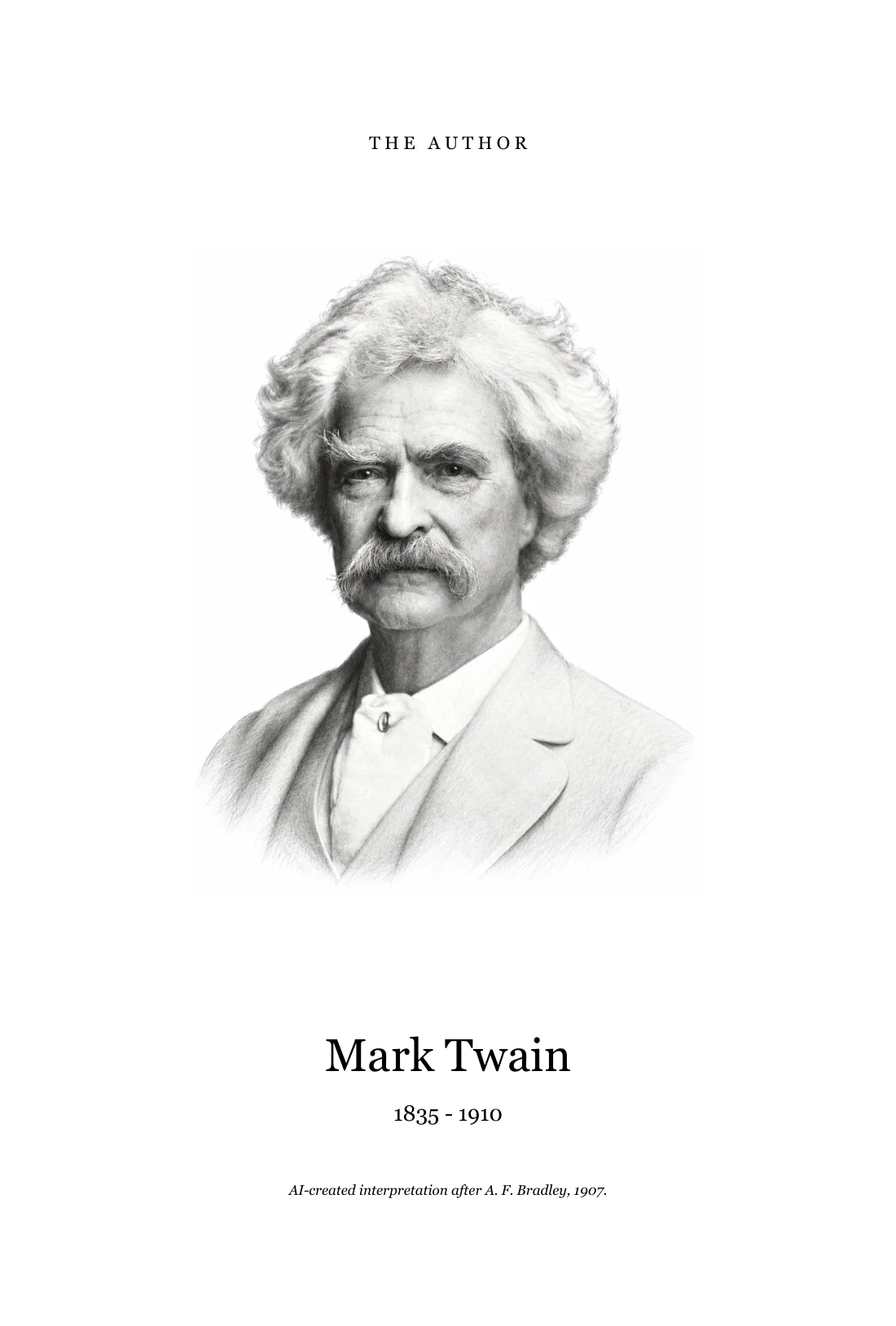
1884–85. Huck escapes his violent father and rafts down the Mississippi with Jim, a man escaping slavery. Funny, moving and central to American literature.
The Red Badge of Courage
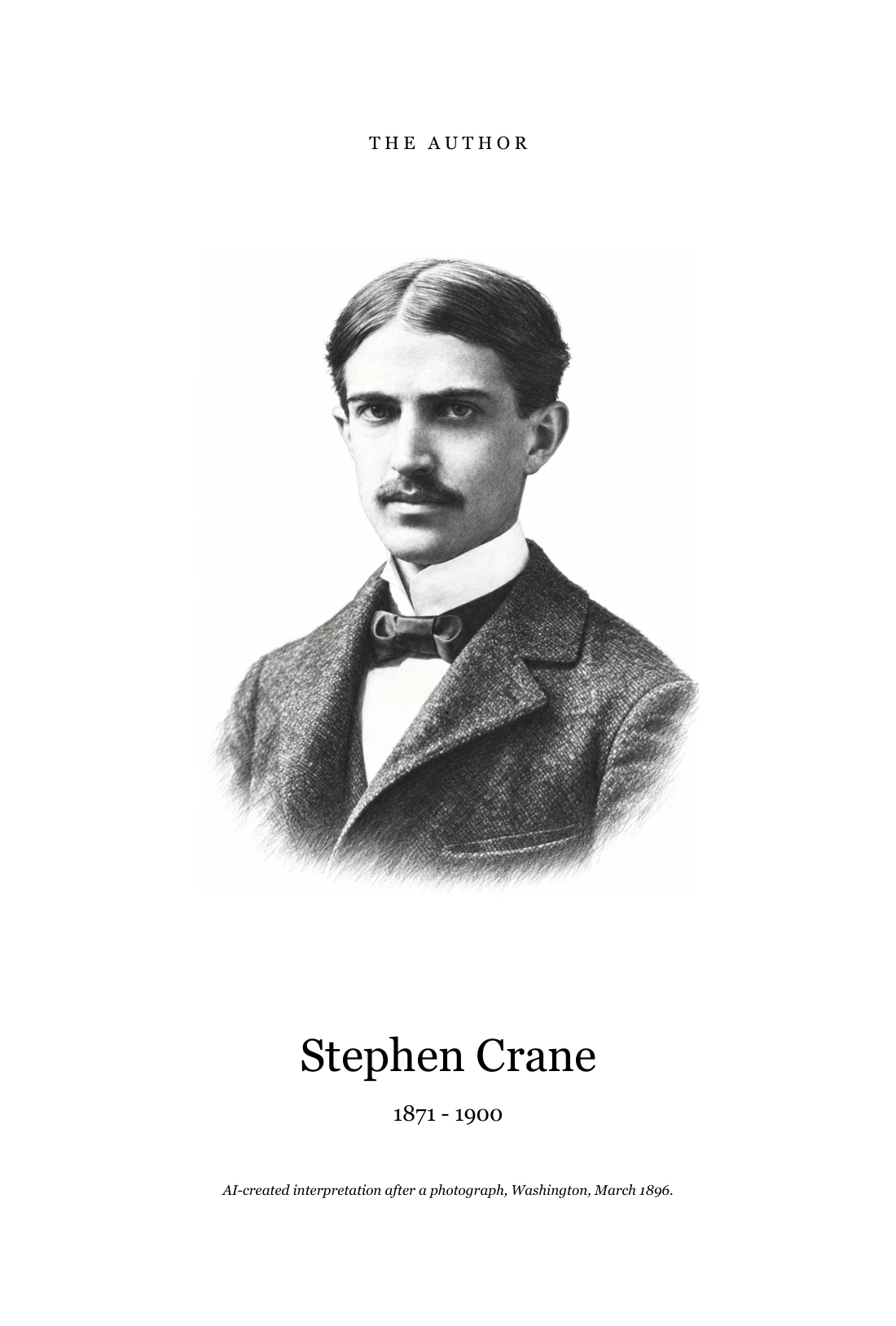
1895. A young Union soldier runs from his first battle and struggles to understand his own courage. Short and vivid.
The Great Gatsby
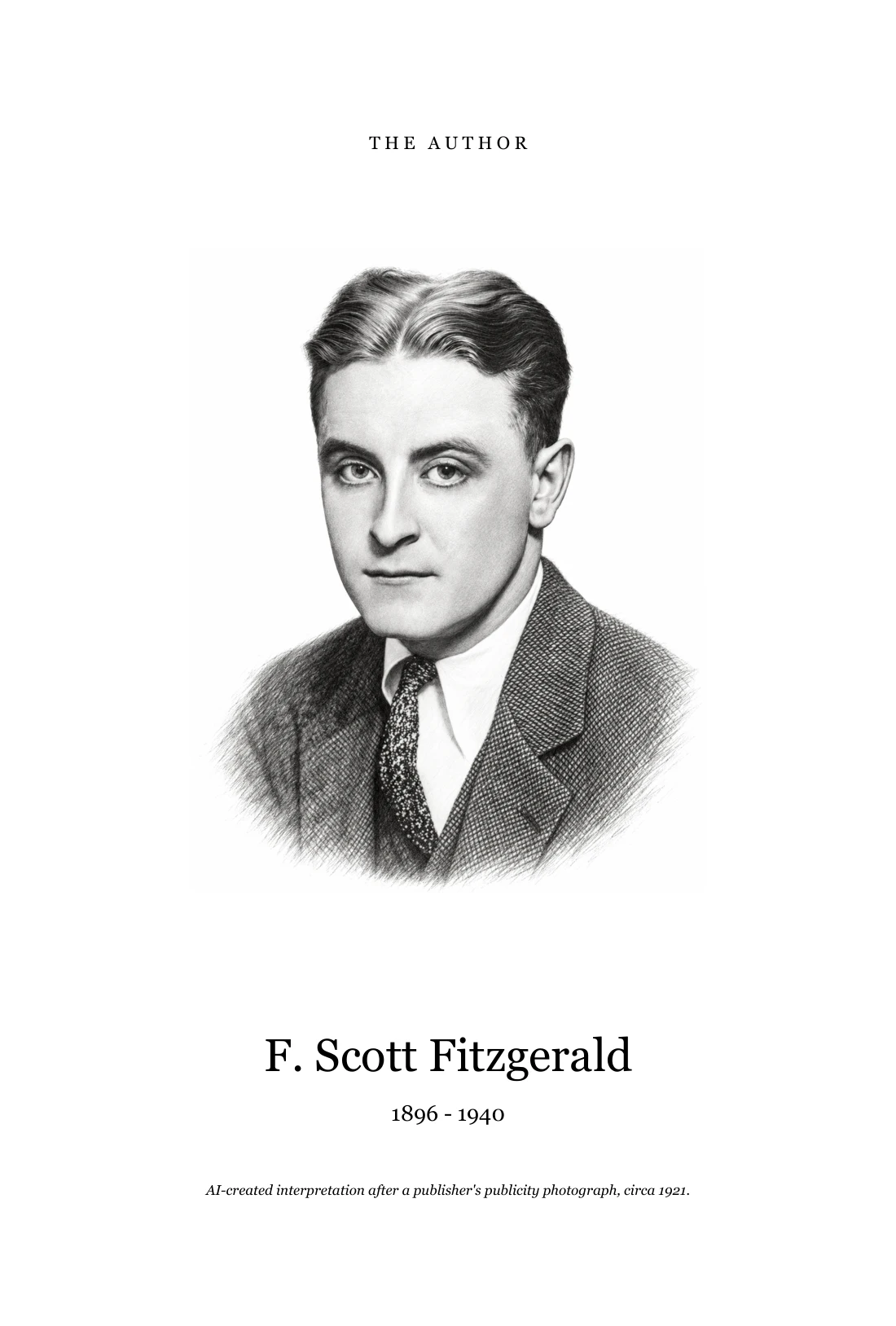
1925. A mysterious millionaire throws lavish parties on Long Island to win back the woman he loved. Short, beautifully written and full of symbols to discuss.
Ethan Frome
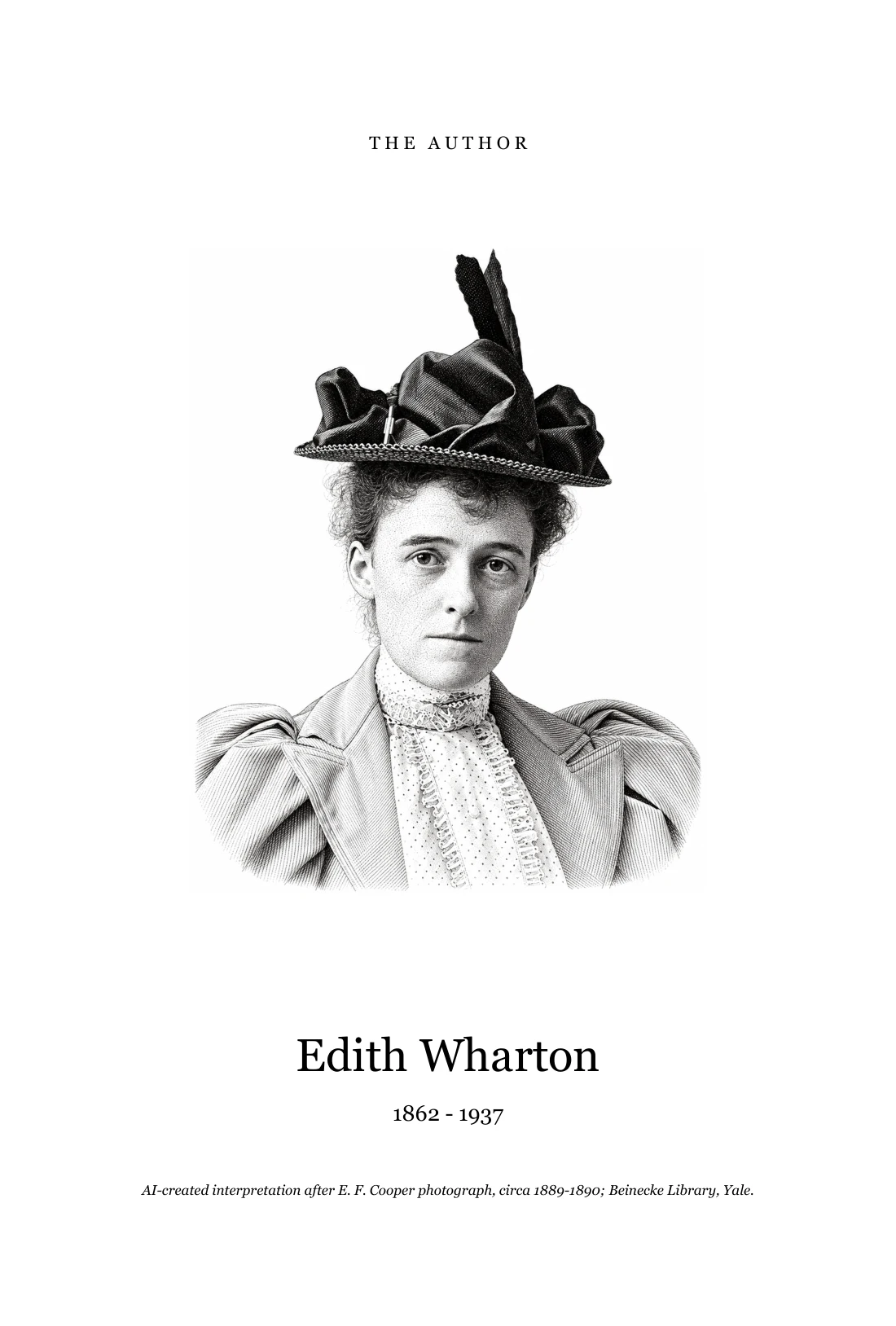
1911. A poor farmer in a bleak New England village, his sickly wife and her young cousin, in a winter that changes everything. A short, haunting novel by Edith Wharton.
Narrative of the Life of Frederick Douglass, an American Slave
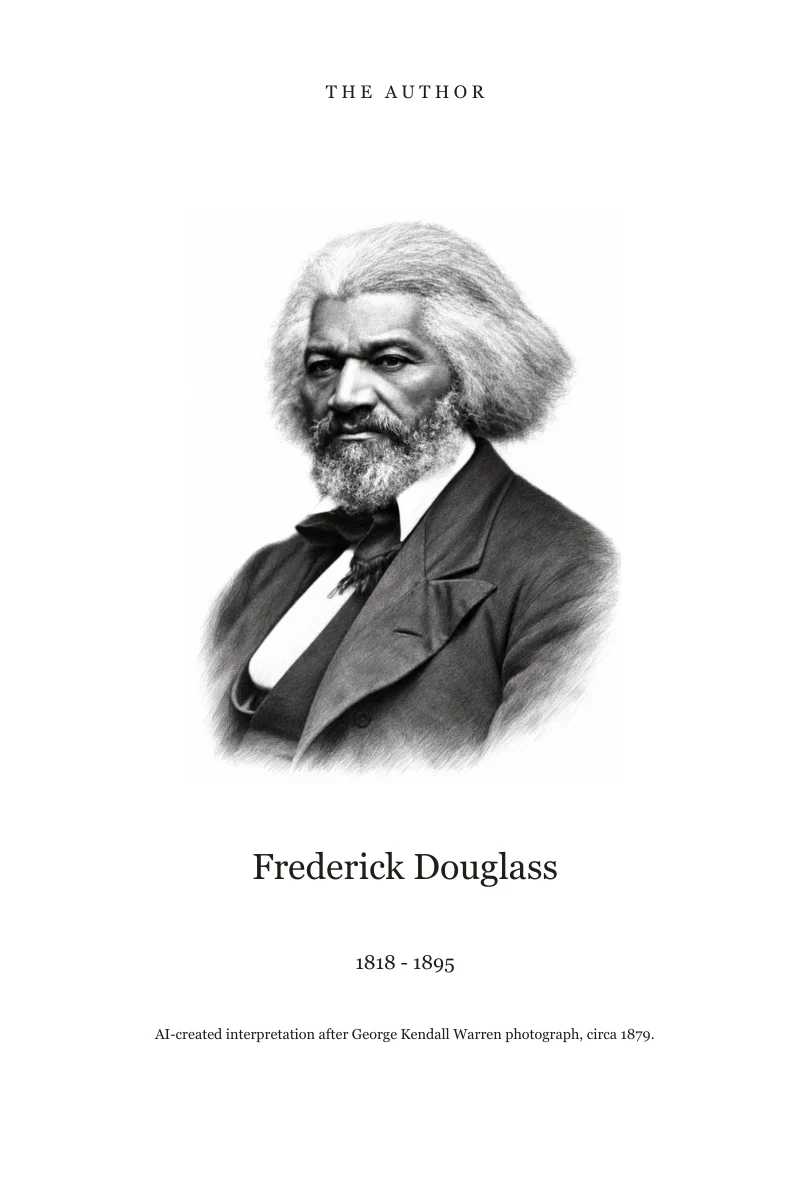
1845. Frederick Douglass’s own account of his life in slavery and his escape to freedom. Powerful, precise and essential American history.


Huckleberry Finn is one of the most often challenged books in American schools, because it uses a racial slur many times and portrays racism in the voice of its time. It was even banned by a Massachusetts library in 1885 — then for coarseness rather than racism. Most teachers now assign it with careful discussion, and it rewards that. The Great Gatsby, meanwhile, sold disappointingly in Fitzgerald’s lifetime; see Did you know The Great Gatsby disappointed in Fitzgerald’s lifetime?

The harder ones
Heart of Darkness
1899. A sailor travels up an African river in search of a mysterious ivory trader. Short but dense, and fiercely debated.
The Odyssey
Odysseus’s ten-year journey home from Troy, with the Cyclops, the Sirens and a palace full of suitors. Often taught in the first year of high school.


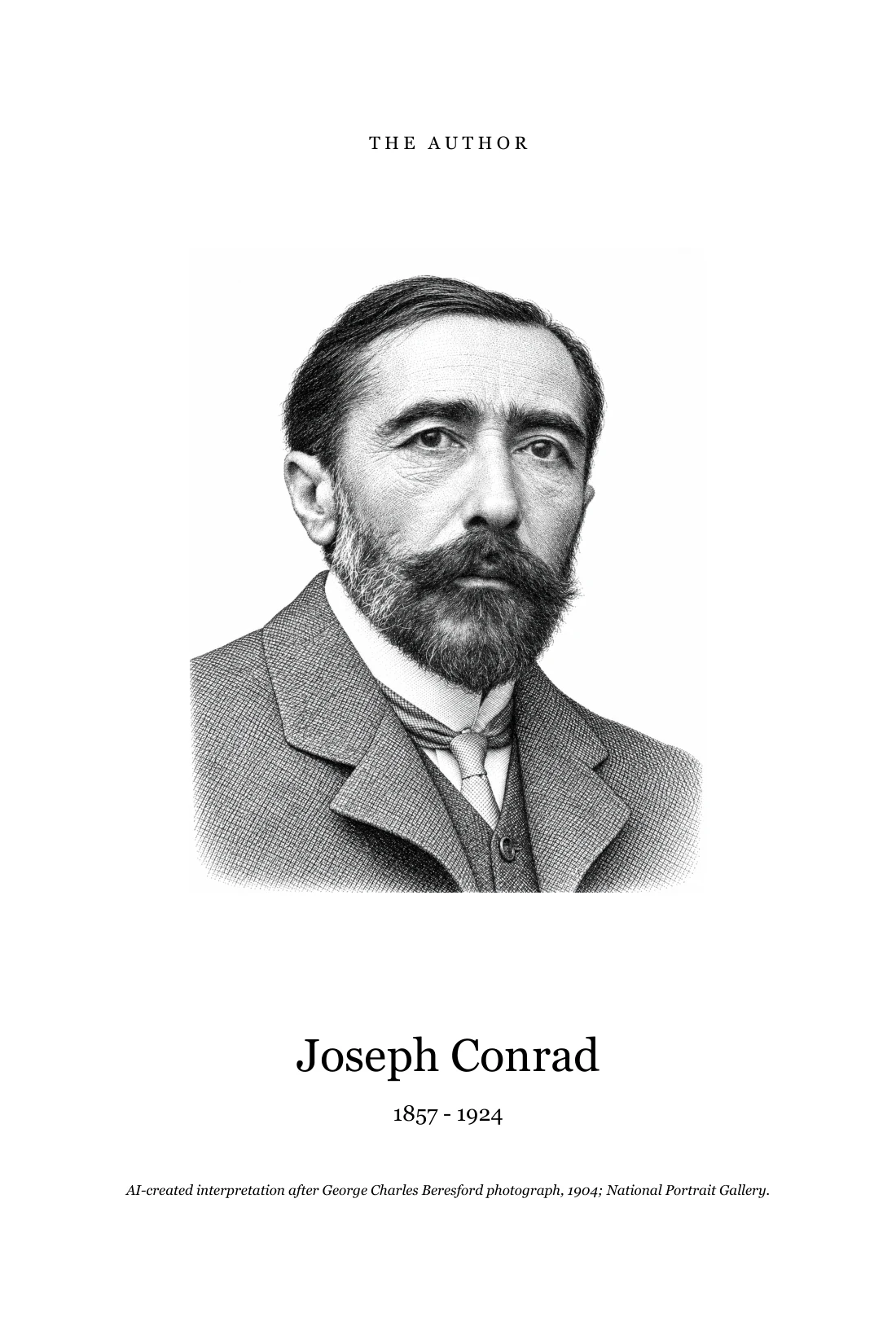
Heart of Darkness drew on Joseph Conrad’s own journey up the Congo River in 1890, and it is both an attack on colonial greed and a book that the Nigerian novelist Chinua Achebe famously criticised for its dehumanising portrayal of Africans. Many classes now read the two side by side. See Did you know Heart of Darkness was based on Conrad’s own Congo journey?
How to read assigned classics without dread
- Start early and read a little each day. Most of these books are shorter than they look.
- Read the first chapter twice. Once you know who everyone is, the rest comes much faster.
- Keep a note of characters and page numbers for quotations you like; it saves hours when the essay comes.
- Watch a film version after reading, not instead. Comparing them is often the best essay idea of all.
Some list favourites, such as To Kill a Mockingbird and Of Mice and Men, are still in copyright, so they are not in our catalogue. Everything on this list is old enough to be in the public domain.
If you have a choice, begin with The Great Gatsby: it is short, it is gorgeous, and nearly every page gives you something to say in class. Read the first chapter tonight, and see whether Nick Carraway’s summer pulls you in.
Questions readers ask
What books are on most high school reading lists?
Commonly assigned classics include The Great Gatsby, Adventures of Huckleberry Finn, Romeo and Juliet, Macbeth, Frankenstein, The Red Badge of Courage and Great Expectations, along with newer titles still in copyright.
What is the shortest book on a high school reading list?
Among the classics, Strange Case of Dr Jekyll and Mr Hyde, Heart of Darkness, Ethan Frome and The Great Gatsby are all short novels that can be read in a few sittings.
Why is Huckleberry Finn controversial?
It uses a racial slur many times and depicts racism through the eyes of its young narrator. Many readers see it as a powerful satire of racism; others find the language too harmful for the classroom.