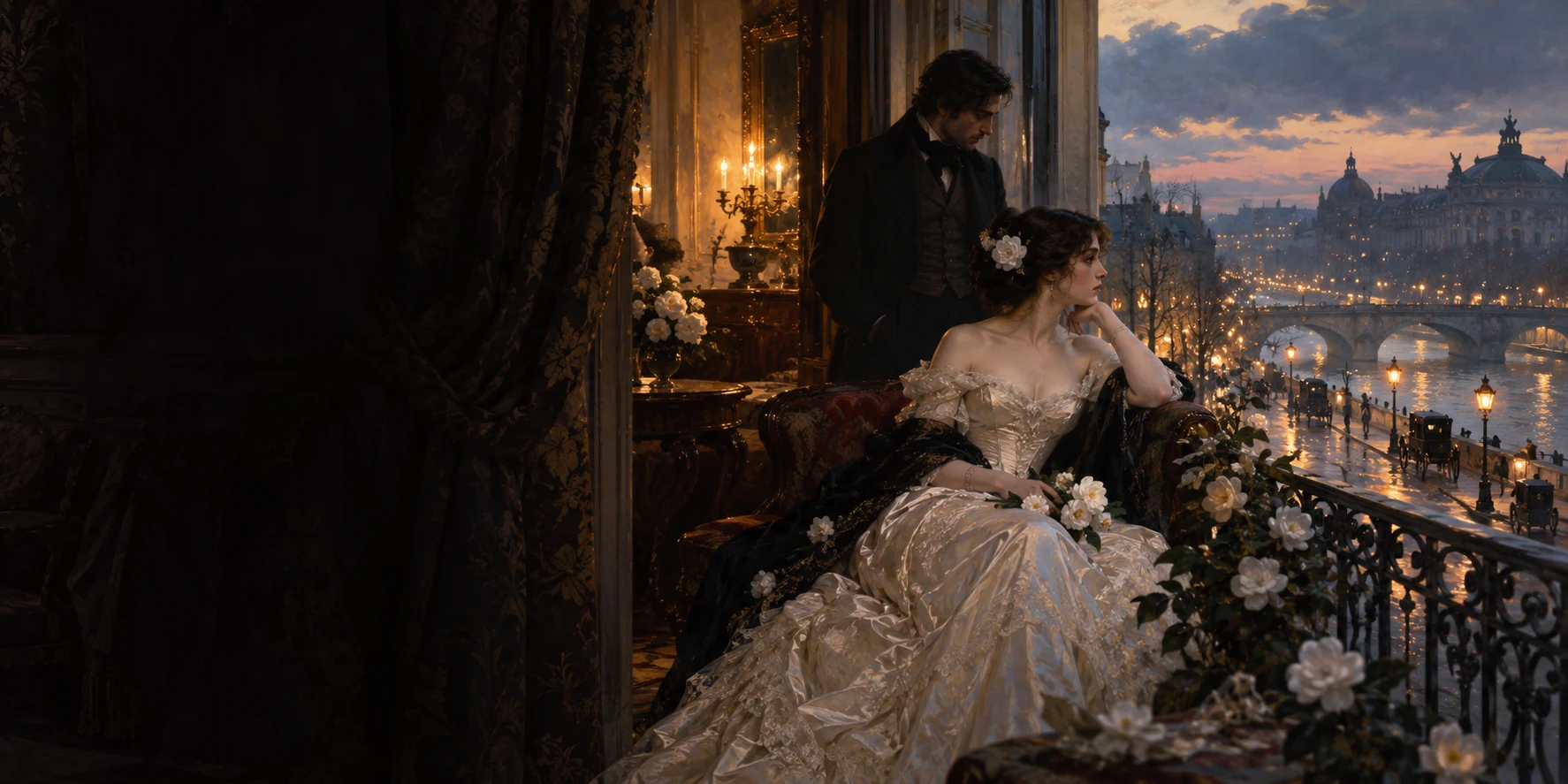
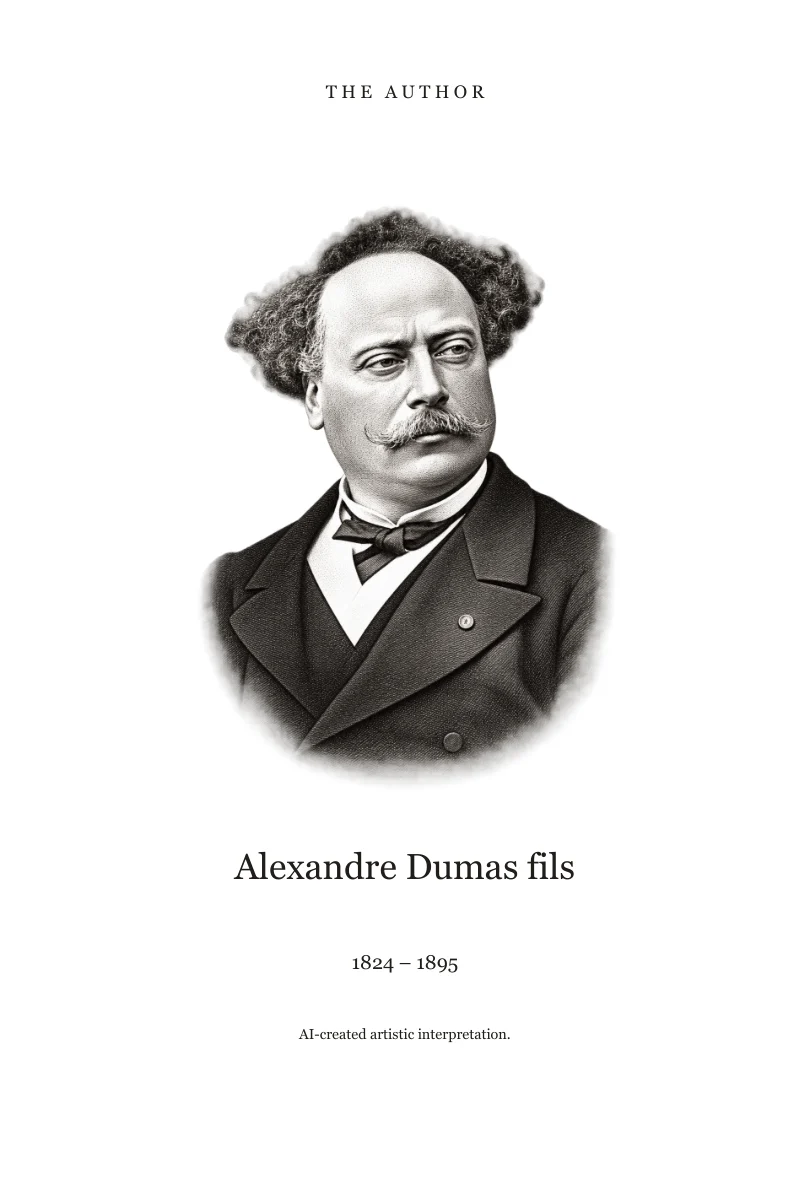
Violetta Valéry, the heroine of La traviata, began life as Marguerite Gautier, and before that she was a real woman: Marie Duplessis, a Parisian courtesan who died of tuberculosis in February 1847, aged twenty-three. Her former lover Alexandre Dumas fils, the same age, put her into a novel the following year. Verdi’s opera, first heard at La Fenice in Venice on 6 March 1853, was jeered in places on its opening night. Within a few years it was everywhere.
That is a common story. Many of the operas that fill the world’s houses today began as novels and plays, some of them now far less read than the music they inspired. The books are worth meeting on their own terms: they are often darker, stranger and more surprising than the operas.
Famous operas and the books behind them
- 1835
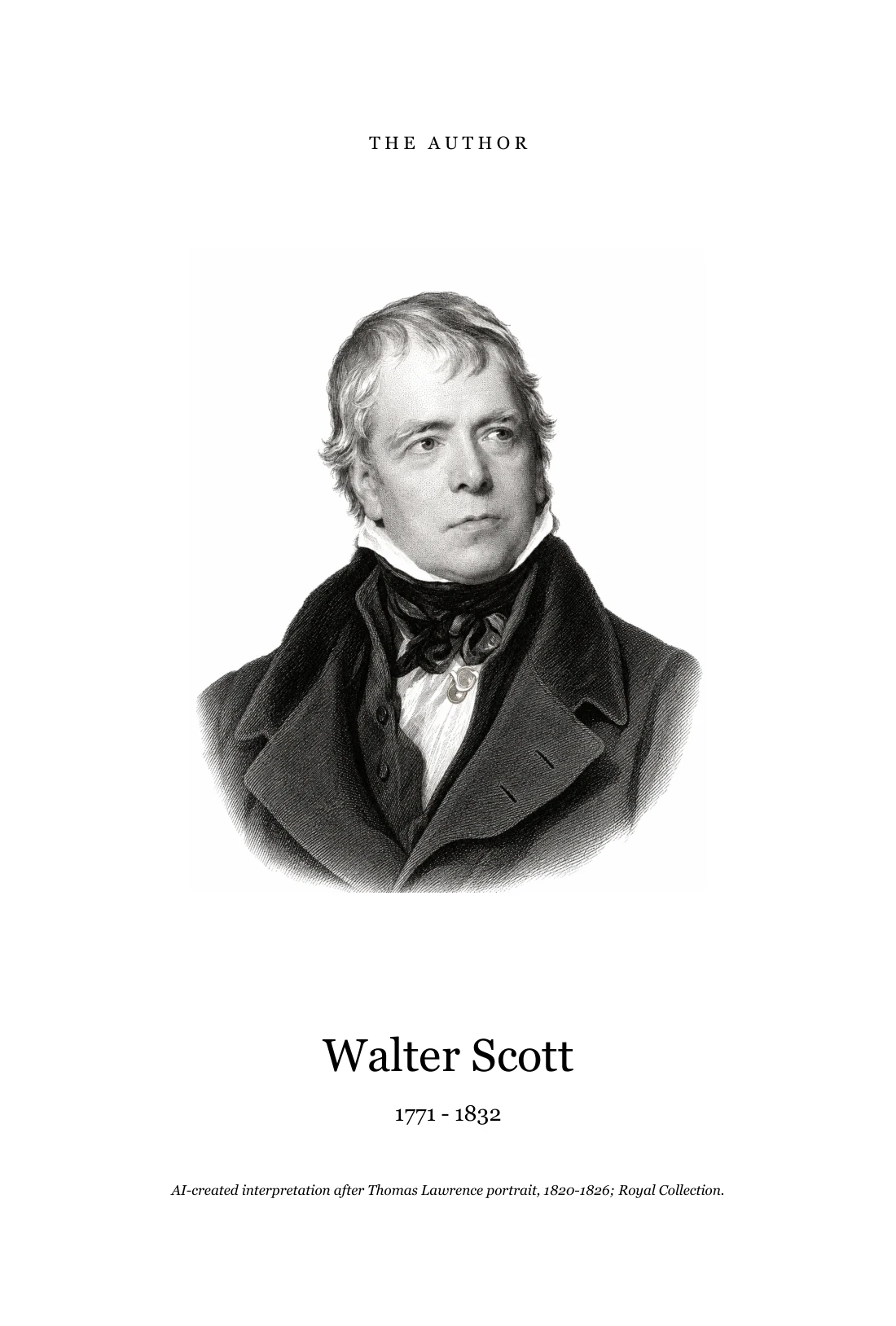
Donizetti’s Lucia di Lammermoor, from Walter Scott, opens at the Teatro di San Carlo in Naples
- 1853
Verdi’s La traviata, from Dumas fils, is first performed at La Fenice in Venice
- 1856
Auber’s Manon Lescaut, from Prévost, is staged by the Opéra-Comique in Paris
- 1859
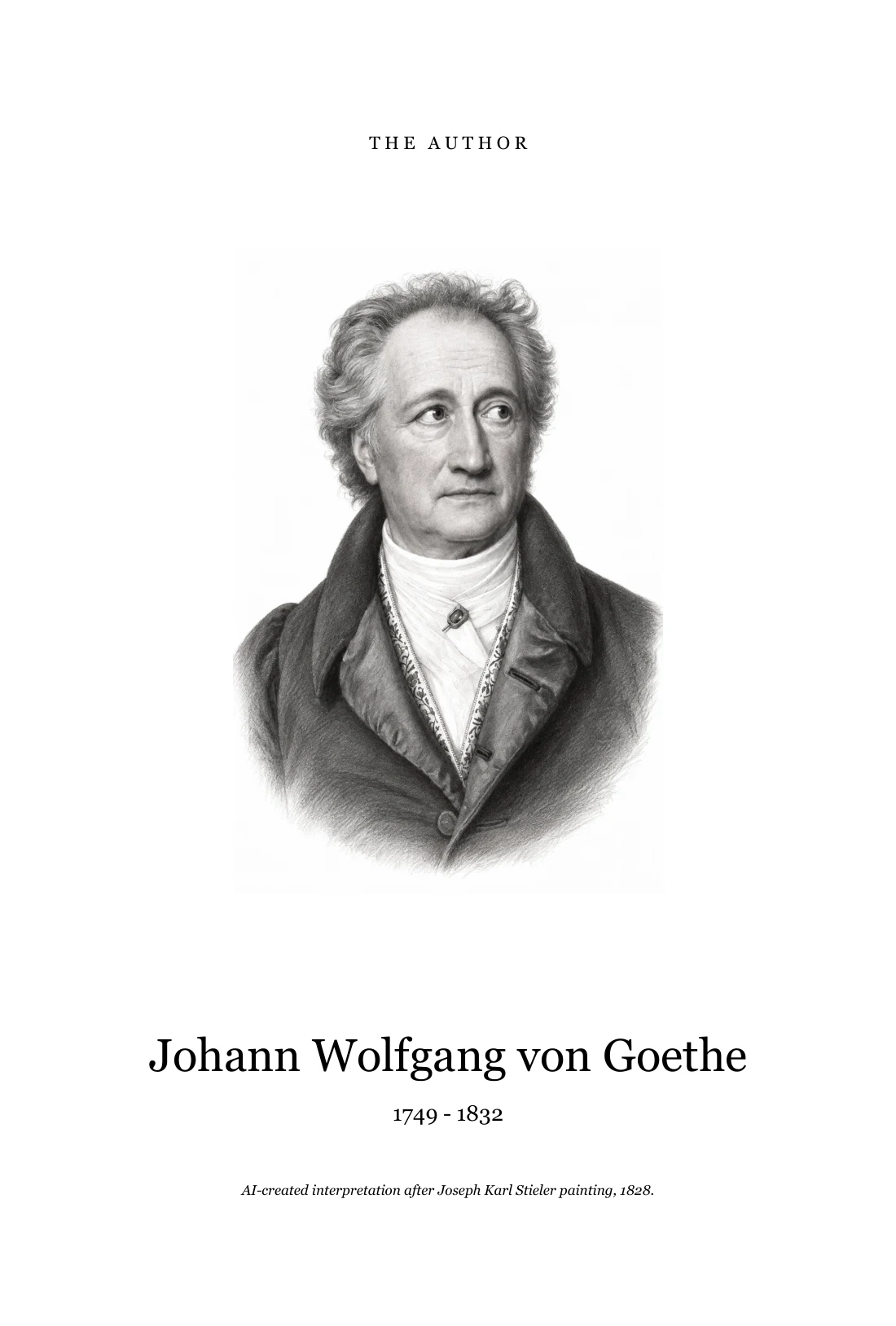
Gounod’s Faust, from Goethe, opens at the Théâtre Lyrique in Paris
- 1875
Bizet’s Carmen, from Mérimée, opens at the Opéra-Comique in Paris
- 1884
Massenet’s Manon has its premiere at the Opéra-Comique
- 1887
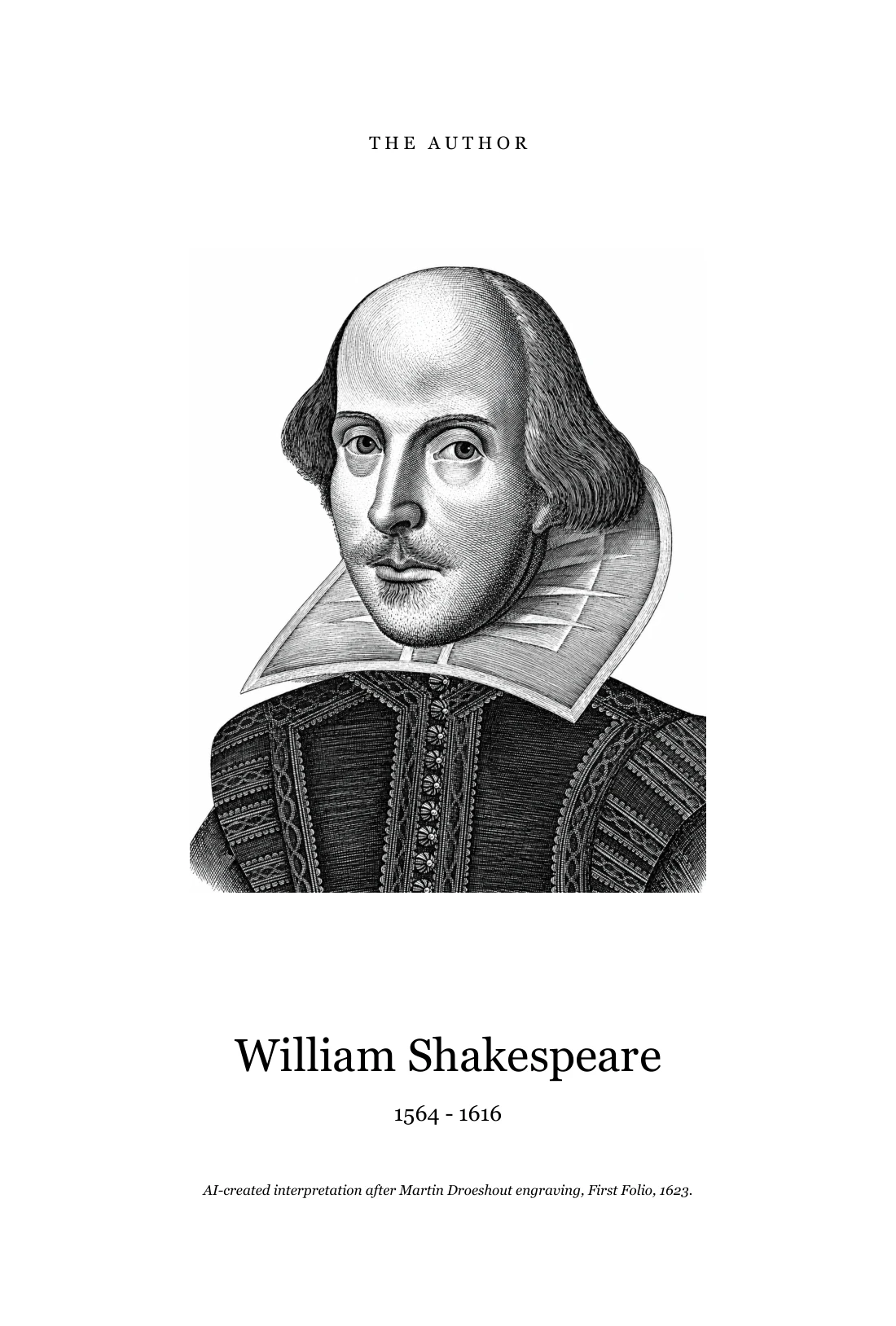
Verdi’s Otello, from Shakespeare, opens at La Scala in Milan
- 1892
Massenet’s Werther, from Goethe, has its premiere in Vienna, sung in German
- 1893
Puccini’s Manon Lescaut opens at the Teatro Regio in Turin
- 1905
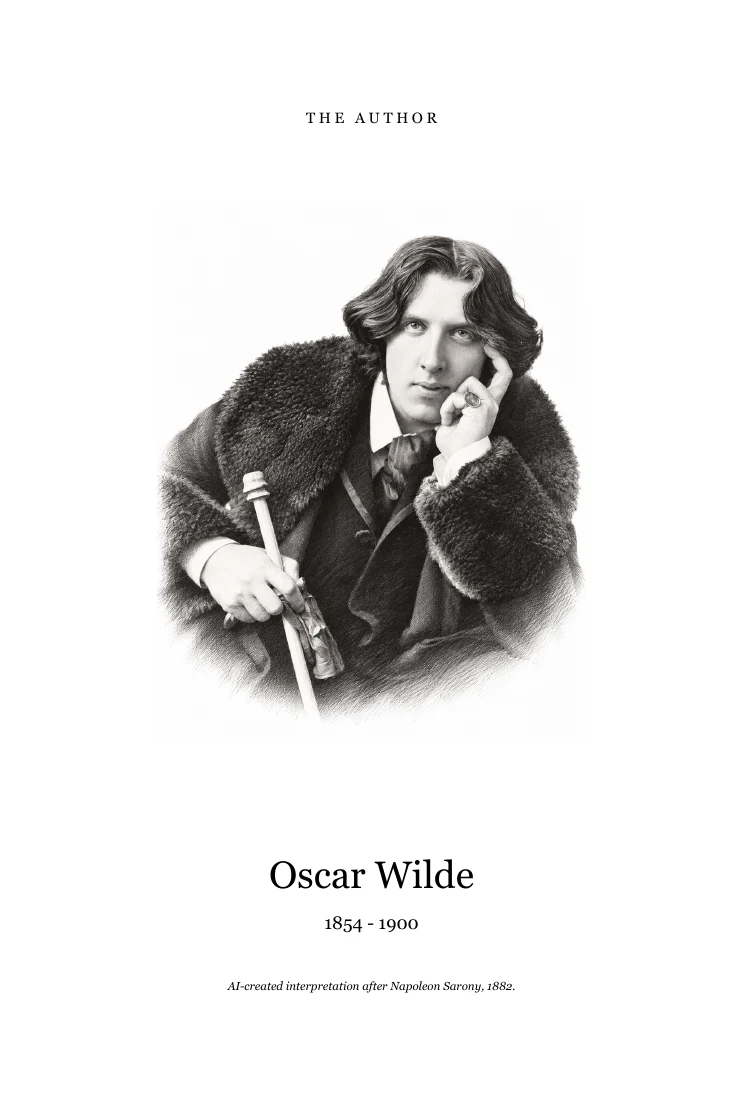
Richard Strauss’s Salome, from Oscar Wilde, opens in Dresden
The novels
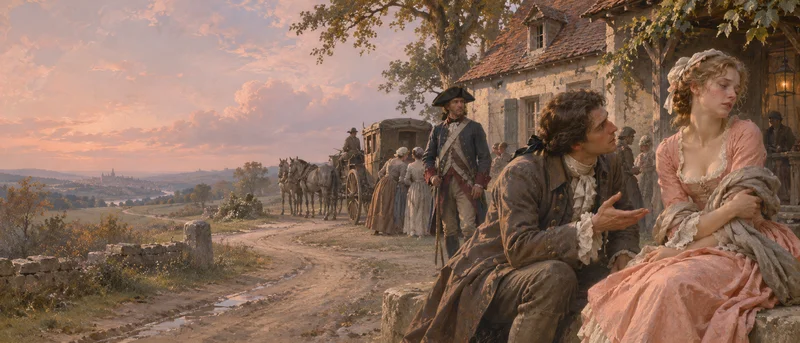
Camille (La Dame aux camélias)
1848. Dumas fils based Marguerite Gautier on Marie Duplessis, the courtesan he had loved, and later turned the novel into a play. Verdi renamed her Violetta Valéry for La traviata, and kept the camellias out of the title.
Manon Lescaut
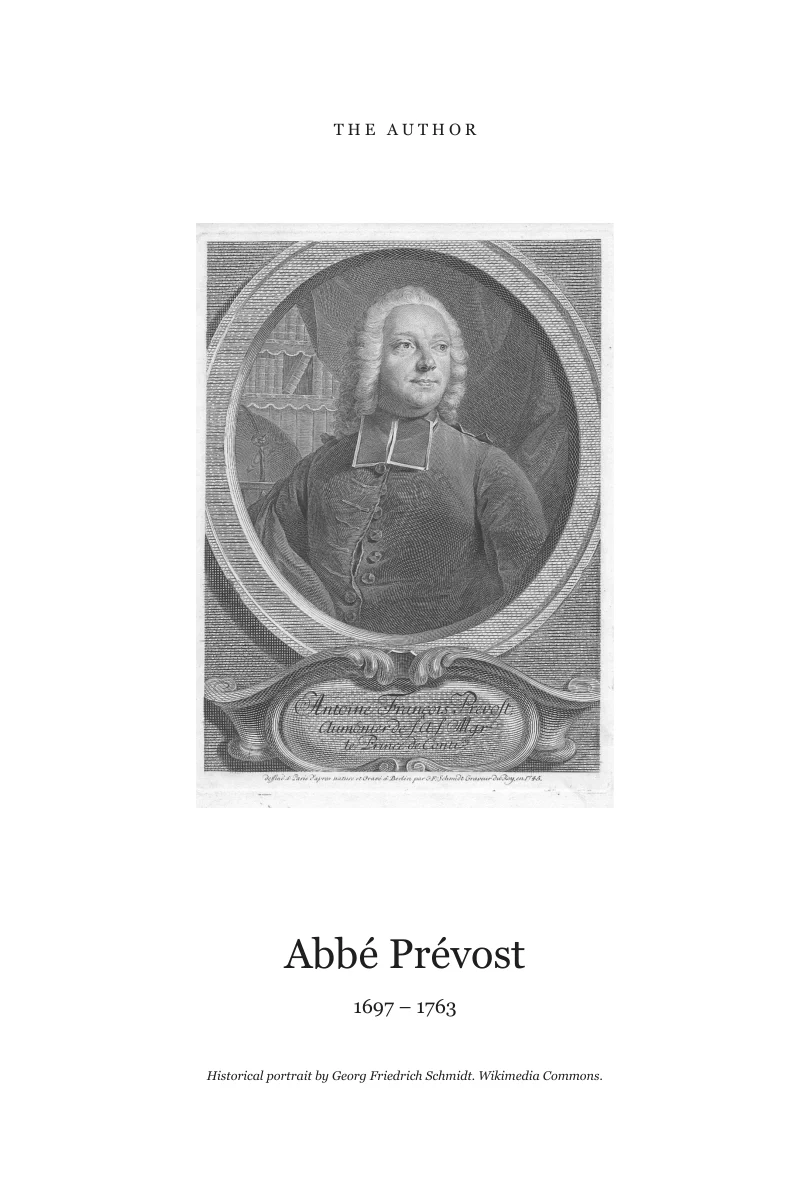
1731. A young nobleman ruins himself for a girl who loves him and luxury in roughly equal measure. Prévost’s short novel inspired three operas, by Auber (1856), Massenet (1884) and Puccini (1893), whose version was his first great success.
Carmen
1845. Mérimée’s novella appeared in the Revue des deux Mondes thirty years before Bizet’s opera, told by a travelling scholar who meets the bandit José. Leaner and colder than the stage version.
The Bride of Lammermoor
1819. Lucy Ashton and the Master of Ravenswood, lovers from feuding families, in a Scotland full of omens. Donizetti’s librettist Salvadore Cammarano adapted it loosely, and gave the world the soprano’s famous “mad scene”.
The Sorrows of Young Werther
1774. Goethe’s novel in letters about a young man’s hopeless love for Lotte. Massenet’s Werther turned it into one of the great French operas, though its first audience heard it in German.


Prévost’s novel shows how differently composers can read the same book. Massenet’s Manon, first heard at the Opéra-Comique on 19 January 1884, is elegant and French to its fingertips. Puccini’s Manon Lescaut, which opened in Turin on 1 February 1893, is hungrier and more desperate, and it made his name: it was his third opera and his first great success. Werther, meanwhile, had to wait until December 1892 for a performance in French, in Geneva.
We tell the story of Mérimée’s original in Did you know Carmen was a novella before it was an opera?, and the craze Goethe’s novel set off in Did you know The Sorrows of Young Werther started a fashion craze?
The plays
Opera composers raided the theatre as eagerly as the bookshop, and three of the most famous sources on this list are plays.
Faust, Part One
1808. Faust’s bargain with Mephistopheles and his seduction of Gretchen. Gounod’s Faust took its libretto from a French play that was itself loosely based on Goethe’s Part One, keeping Faust, Marguerite and Mephistopheles at its heart.
Othello
c. 1603. Shakespeare’s tragedy of jealousy, which Verdi and his librettist Arrigo Boito turned into Otello (1887), the composer’s penultimate opera and, for many, his greatest.
Salomé: A Tragedy in One Act
1891. Oscar Wilde wrote Salomé in French. Richard Strauss set a German translation by Hedwig Lachmann, and the opera’s “Dance of the Seven Veils” made it notorious when it opened in 1905.


Goethe’s legend runs much wider than Gounod. For Marlowe, Balzac and Louisa May Alcott’s versions, see Faust in classic books. And for an opera that started as a play with songs, see Did you know “Mack the Knife” comes from a remake of The Beggar’s Opera?
Should you read the book before seeing the opera?
Yes, if you enjoy surprises. Operas compress: whole characters vanish, subplots disappear and endings are rearranged for a big final scene. Reading Prévost or Scott first makes the opera richer, because you know what the composer chose to keep and what he threw away. Reading Mérimée first makes Bizet’s Carmen look almost sunny.
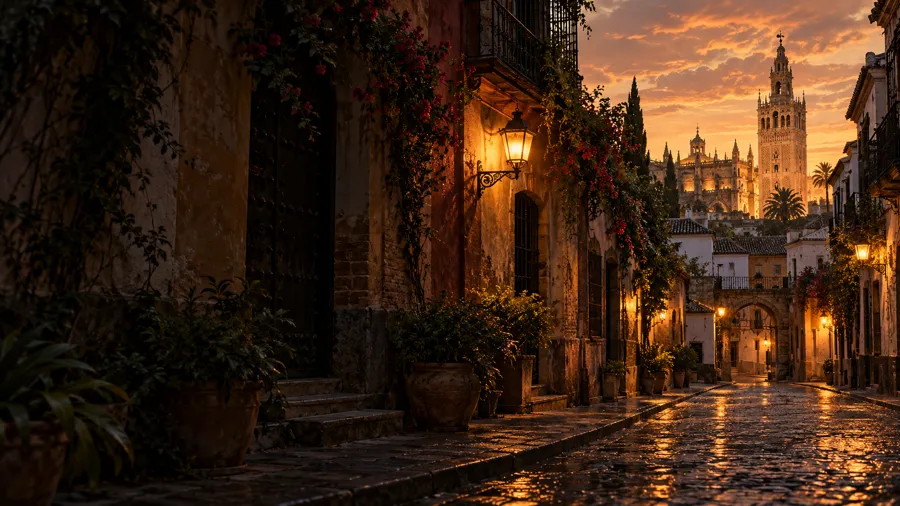
If you only read one, choose the shortest and the strangest. Make it Carmen, with Mérimée’s scholar riding through Andalusia in 1830, and see how much darker the story was before anyone sang it.
Questions readers ask
Which famous operas are based on books?
Bizet’s Carmen (1875) comes from Prosper Mérimée’s novella, Verdi’s La traviata (1853) from Alexandre Dumas fils’s La Dame aux camélias, Donizetti’s Lucia di Lammermoor (1835) from Walter Scott’s The Bride of Lammermoor, and Puccini’s Manon Lescaut (1893) from the Abbé Prévost’s novel.
What book is La traviata based on?
La traviata is based on La Dame aux camélias by Alexandre Dumas fils, first a novel (1848) and then a play (1852). Verdi’s opera opened at La Fenice in Venice on 6 March 1853.
How many operas are based on Manon Lescaut?
Three are well known: Auber’s Manon Lescaut (1856), Massenet’s Manon (1884) and Puccini’s Manon Lescaut (1893). All three come from the Abbé Prévost’s novel of 1731.
Is Lucia di Lammermoor based on a true story?
It is based on Walter Scott’s novel The Bride of Lammermoor (1819), which Scott said was based on a real incident in the history of the Dalrymple family; the model for his heroine was Janet Dalrymple.