When The Sorrows of Young Werther appeared in 1774, it did something few German novels had done before: it became a sensation across Europe. Readers did not just admire it. They dressed like its hero, wept over it in public, bought souvenirs of it and argued about whether it should be allowed at all. The phenomenon became known as Werther-Fieber — Werther fever.
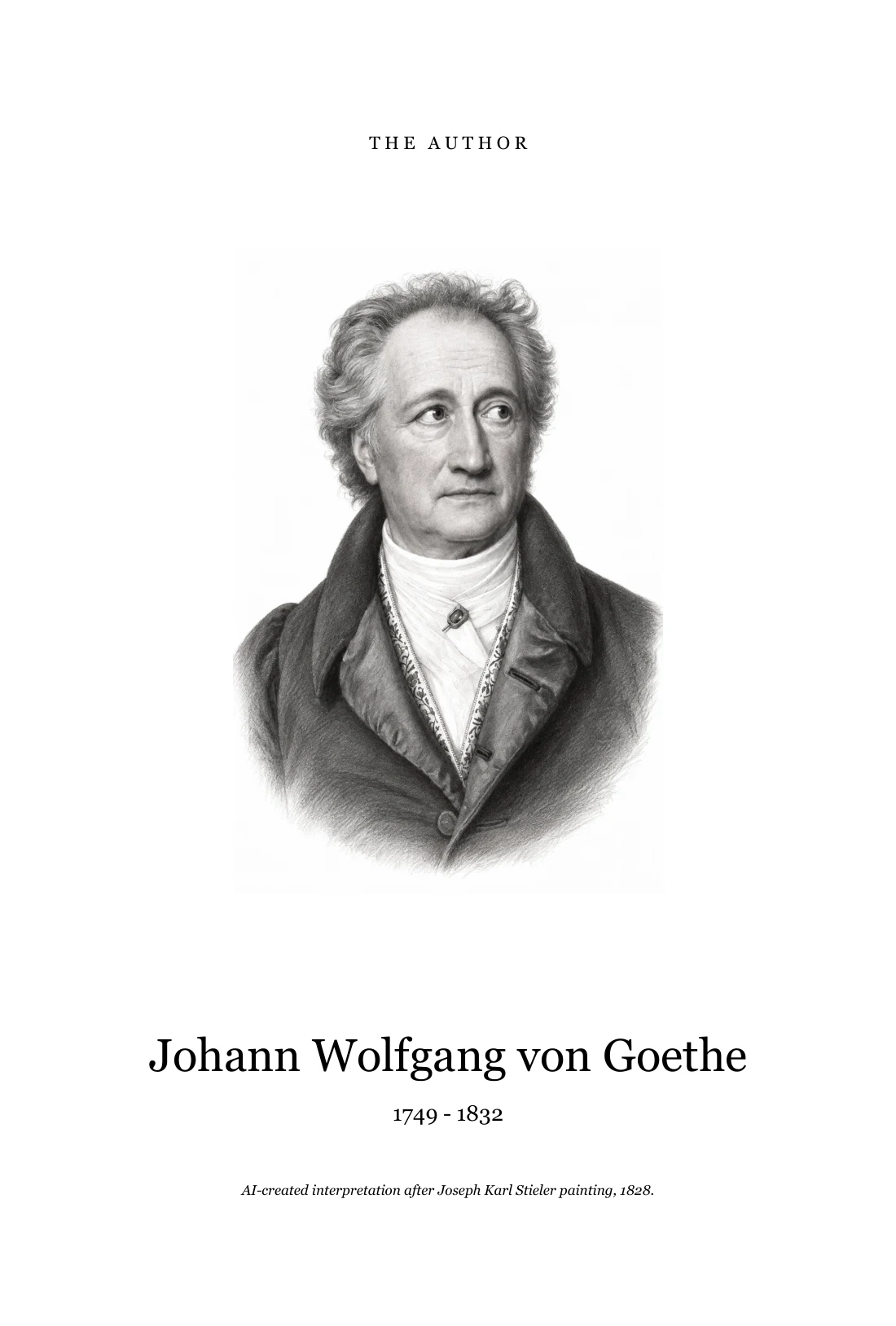
Its author, Johann Wolfgang von Goethe, was a young lawyer from Frankfurt with a few poems and a play to his name. He is said to have written the novel in a matter of weeks. It made him the most famous writer in Germany, a reputation he spent the next fifty years both enjoying and trying to outgrow.
What was Werther fever?
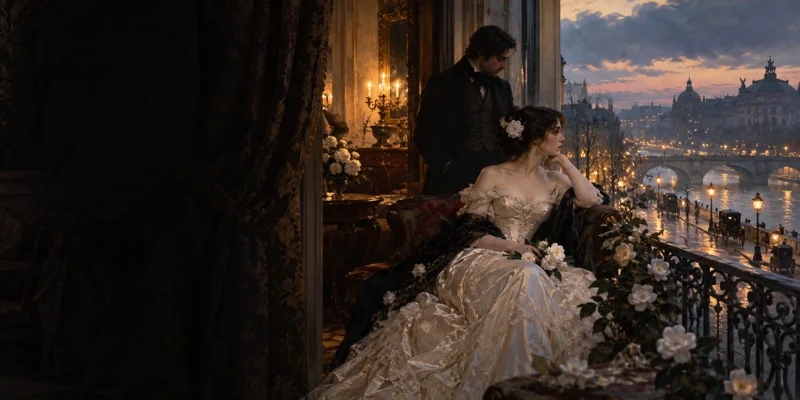
The book tells, mostly in Werther’s own letters to a friend, how a sensitive, restless young man falls in love with Lotte, a warm and capable young woman who is already engaged to someone else. Werther is devoted to the plain blue tailcoat he wore the first time he danced with her, worn with a yellow waistcoat and breeches. That outfit became a uniform.
Young men across the German states and beyond copied it, down to the boots. Werther’s image turned up on porcelain, prints and fans, and the novel was quickly translated into French and English, carrying the craze with it. Some accounts even mention a Werther scent, though the stories of souvenirs have grown in the retelling.
Not everyone was charmed. Clergy and moralists attacked the book for seeming to sympathise with despair, and the authorities in Leipzig banned it in 1775. There were also reports of young readers who took their own lives with the book nearby, but the evidence is disputed. Recent studies have traced only around a dozen possible cases, and Goethe’s biographer Rüdiger Safranski dismisses the idea of a suicide wave as a persistent rumour. Two centuries later a sociologist borrowed the name “Werther effect” for the way publicised suicides can be followed by others — one reason the subject is still handled with care today.
The real story behind Werther
Goethe built the novel out of his own life. In 1772, working at the imperial court in Wetzlar, he fell for Charlotte Buff, who was engaged to his friend Johann Christian Kestner. He left town rather than come between them. A few weeks later he learned that Karl Wilhelm Jerusalem, a young acquaintance from Wetzlar, unhappy in love and in his career, had shot himself with pistols borrowed from Kestner.
Goethe fused the two: his own longing and Jerusalem’s fate. Kestner and Charlotte, now married, recognised themselves in the book and were not entirely pleased. Goethe revised the novel in 1787, smoothing some of the edges, but never escaped it. Even Napoleon, when he met Goethe at Erfurt in 1808, wanted to talk about Werther; he is said to have read it many times.
The Sorrows of Young Werther
1774. Werther’s letters from a country town, where nature, poetry and a young woman named Lotte take hold of him entirely. Short enough for a single sitting.
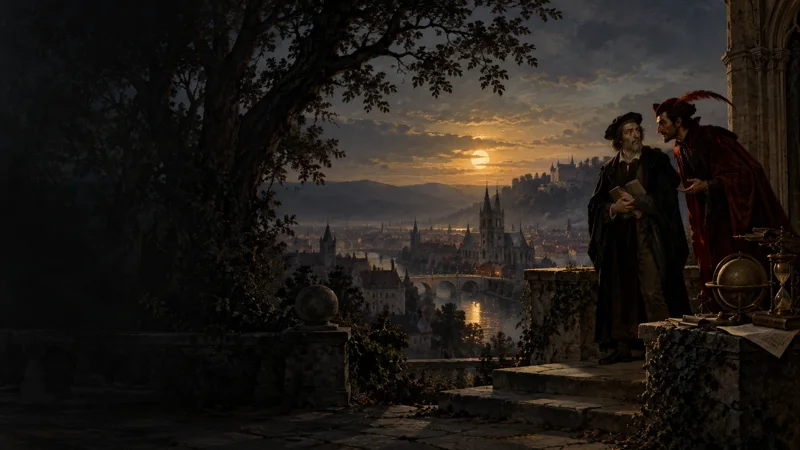
Faust, Part One
The work Goethe spent most of his life on. A scholar bargains with Mephistopheles, and the young Gretchen pays for it.
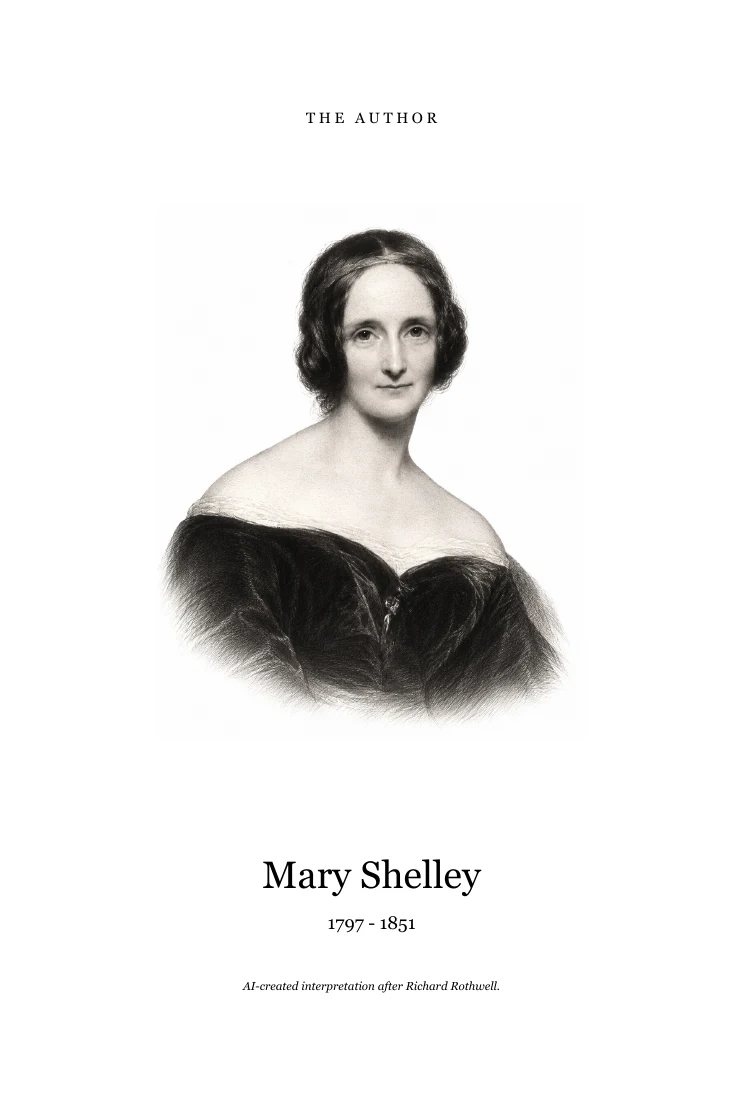
Frankenstein
Werther is one of the books Frankenstein’s creature finds and reads in the woods — and it affects him deeply.


Is The Sorrows of Young Werther worth reading today?
Yes, and more easily than you might expect. It is short, and the letters give it the intimacy of a diary. Werther is wonderful on landscape, on children, on the small pleasures of a country summer, and the early pages are full of light. Then the mood slowly darkens, and Goethe lets you see what Werther cannot: how much of his suffering comes from his own refusal to look away.
Many readers today find him infuriating as well as sympathetic, which is part of the point. The book is less a celebration of passion than a portrait of a young man who mistakes intensity for truth. Read it alongside your own memories of being twenty-four and it can be uncomfortably accurate.
If you like novels told in letters, see our list of epistolary novels, which runs from Werther to Dracula. And for another book written by someone still in her teens that changed literature, read Did you know Frankenstein was written by an 18-year-old?.
Werther fever has long since cooled, but the book that caused it is still warm to the touch. Start with the first letter of The Sorrows of Young Werther, dated 4 May 1771, in which a young man arrives in the countryside and declares himself happy.
Questions readers ask
What was Werther fever?
Werther fever was the craze that followed The Sorrows of Young Werther in 1774. Young men dressed like the hero in a blue coat and yellow waistcoat, and the novel inspired souvenirs, imitations and heated public debate.
Is The Sorrows of Young Werther based on a true story?
Partly. Goethe drew on his own unrequited love for Charlotte Buff in Wetzlar in 1772 and on the death of a young acquaintance, Karl Wilhelm Jerusalem, later that year.
Why was Werther banned?
Critics believed it glamorised despair and suicide, and the Leipzig authorities banned it in 1775. The controversy only added to its fame.
How long is The Sorrows of Young Werther?
It is a short novel that most readers finish in two or three hours. It is told mainly through Werther’s letters, which makes it quick to read.
 Goethe's Theory of Colours378 pages · $19.99
 Maxims and Reflections148 pages · $12.99