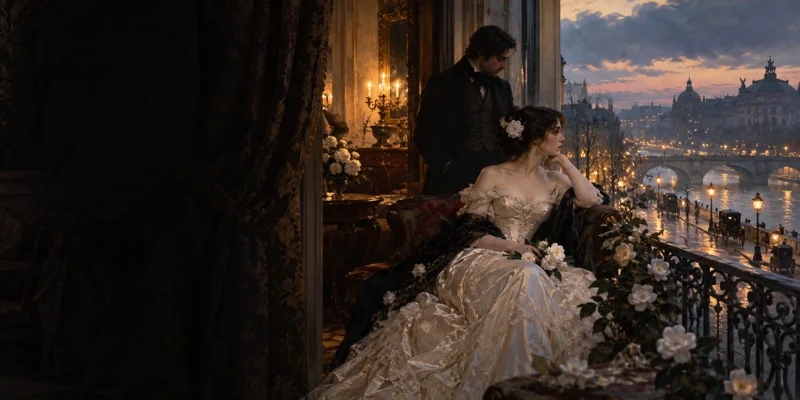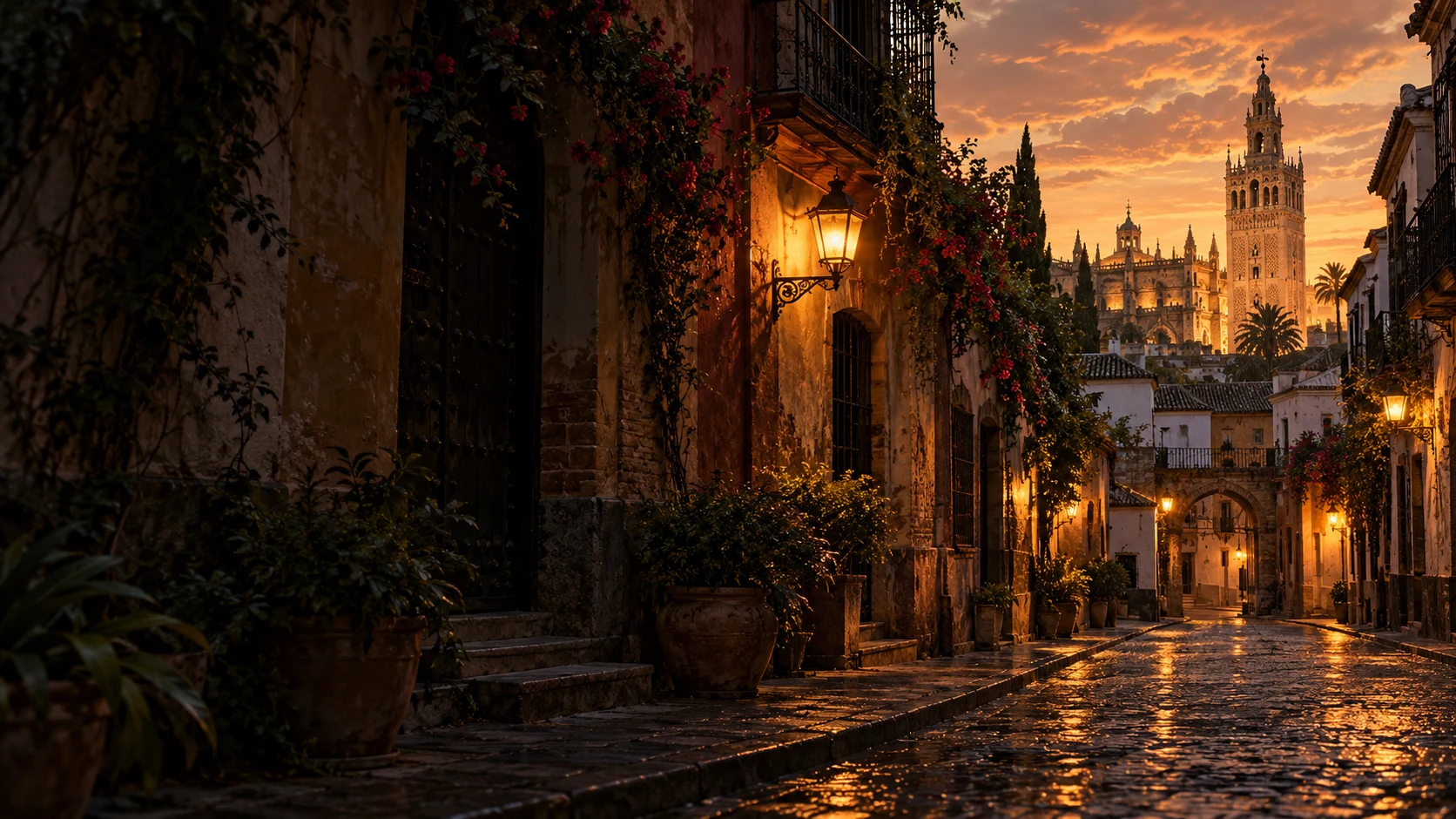
The narrator of Carmen is not looking for love. He is looking for Munda, the site of one of Julius Caesar’s battles, which he is convinced the geographers have put in the wrong place. In the autumn of 1830 he rides out across Andalusia with a guide, a notebook and a theory, and on the way he shares a cigar with a stranger who turns out to be José Navarro, “the most noted bandit in Andalusia”.
That is how Prosper Mérimée begins the story behind one of the world’s most popular operas. Carmen was published in the Revue des deux Mondes on 1 October 1845, three decades before Georges Bizet set it to music. It is short enough to read in an evening, and it is colder, harder and stranger than the opera you may know.
Who wrote Carmen originally?
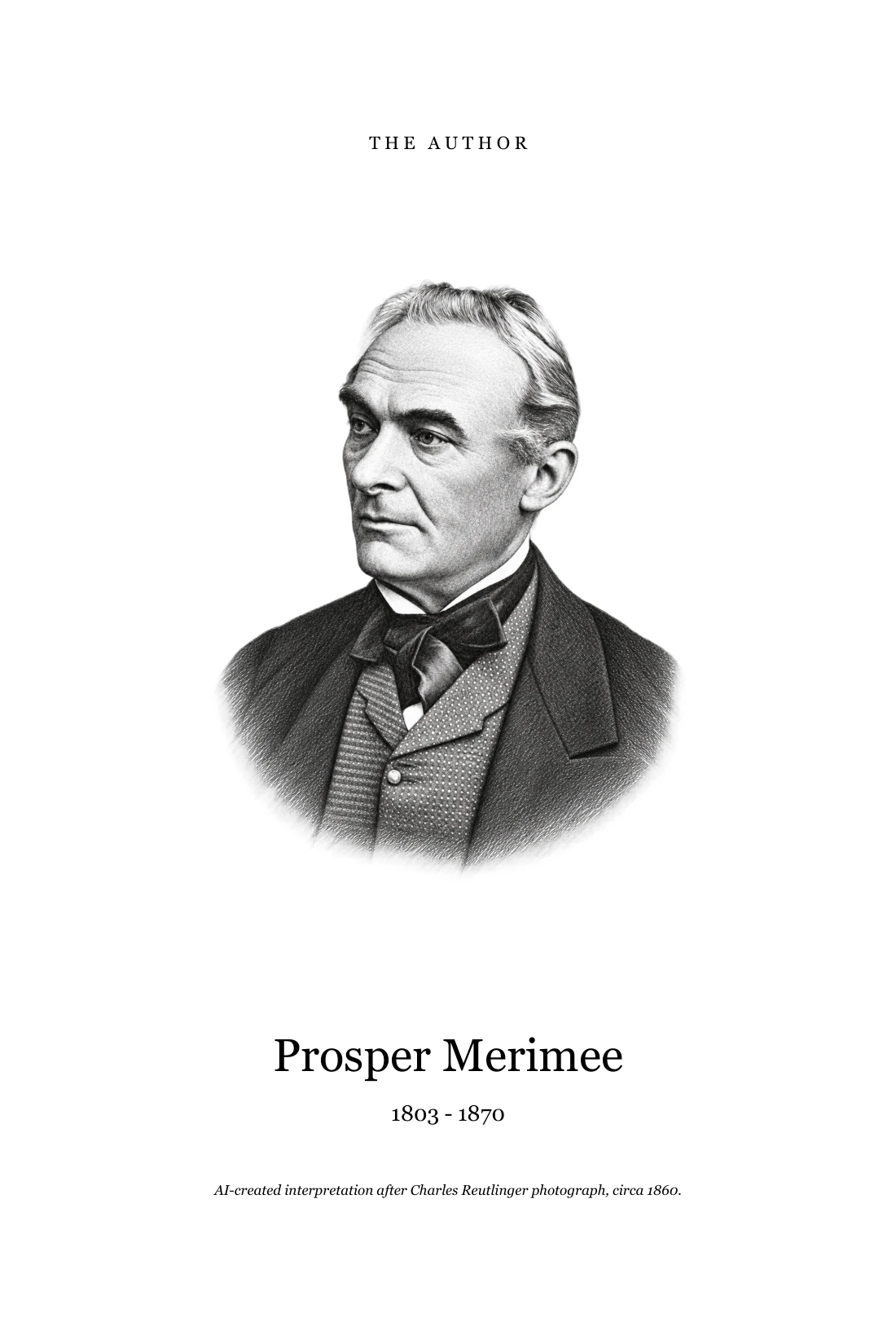
Mérimée, a French writer, historian and a leading figure in the effort to protect France’s historic buildings. He had travelled in Spain himself in 1830, the year in which he sets his narrator’s journey, and he gives that narrator his own antiquarian habits. The scholarly framing is part of the joke and part of the effect: a dry, curious, slightly pompous observer stumbles into a passion he can only report from the outside.
The novella came out in three parts in the magazine. When it appeared as a book, Mérimée added a fourth chapter, an essay in the voice of his narrator on the customs and language of the Roma, whom he calls gipsies. Sources disagree on whether that first book edition is dated 1846 or 1847.

How is the novella different from the opera?
In the opera, we watch the story happen. In the novella, we hear it from Don José himself, a Basque from Navarre and a former corporal of dragoons, as he waits in prison to be executed. The narrator, who met Carmen briefly in Córdoba and had his watch stolen for his pains, visits José in prison, and José tells him everything. Most of the book is that confession.
Many of the opera’s great moments are already there: the tobacco factory in Seville, the flower Carmen tosses at José, his arrest and disgrace, the smugglers in the mountains. But the librettists, Henri Meilhac and Ludovic Halévy, reshaped a great deal.
- Micaëla, the gentle sweetheart from home, is the librettists’ invention, spun from a single remark of José’s about the girls of his own country, in their blue skirts and long plaits.
- Escamillo, the swaggering toreador, grows out of a picador named Lucas, who appears late and briefly.
- Mérimée gives Carmen a husband, a brutal one-eyed bandit named García, whom the opera drops entirely.
- José in the novella is a much harder man. By the time he tells his story, he has become a robber and a killer.
The heroine is harder too, and stranger. Mérimée’s narrator describes her with a mixture of fascination and unease, and his first portrait of her lingers on the one feature he cannot forget.
Her eyes, especially, had an expression of mingled sensuality and fierceness which I had never seen in any other human glance.
Prosper Mérimée, Carmen, Chapter II (trans. Lady Mary Loyd)
Is Carmen worth reading if you know the opera?
Yes, precisely because you know the opera. The pleasure of the novella is in its distance. José’s story reaches us second-hand, through a narrator who is more interested in inscriptions than in people, and the gap between his cool tone and what he is reporting gives the book its chill. Carmen herself never explains herself to anyone, and in her last scene with José she says so outright.
Carmen will always be free. A calli she was born, and a calli she’ll die.
Prosper Mérimée, Carmen, Chapter III (trans. Lady Mary Loyd)
Modern readers will notice how Mérimée writes about the Roma. His narrator treats them as specimens to be studied, and the book leans on the stereotypes of its time — thieving, fortune-telling, fatally alluring. Bizet’s opera inherited much of that. The novella is worth reading with open eyes, as a portrait of what a Parisian gentleman of 1845 imagined he saw.
How long does Carmen take to read?
Our edition runs to 64 pages, so most readers will finish it in an evening, and it sits comfortably on our list of classics you can read in one evening. For more French fiction in English, see French classics in translation; for other stories that went from page to stage, try Classic books that became musicals. Browse more slim books on our short reads shelf.
Begin where Mérimée did, on a hot Andalusian hillside with a man who only wanted to find a battlefield. By the time he reaches Córdoba, you will understand why Bizet could not leave this story alone.
Questions readers ask
Is Carmen based on a book?
Yes. Bizet’s opera is based on Prosper Mérimée’s novella Carmen, published in the Revue des deux Mondes in 1845. The libretto was written by Henri Meilhac and Ludovic Halévy.
Who narrates Carmen?
A French scholar travelling in Andalusia in 1830 narrates the frame story. Most of the novella is Don José’s own account of his life with Carmen, told to the narrator in prison.
Is Micaëla in the original Carmen?
No. Micaëla, José’s sweetheart from home, was created by the opera’s librettists. Mérimée’s José only mentions, in passing, the girls of his native Navarre.