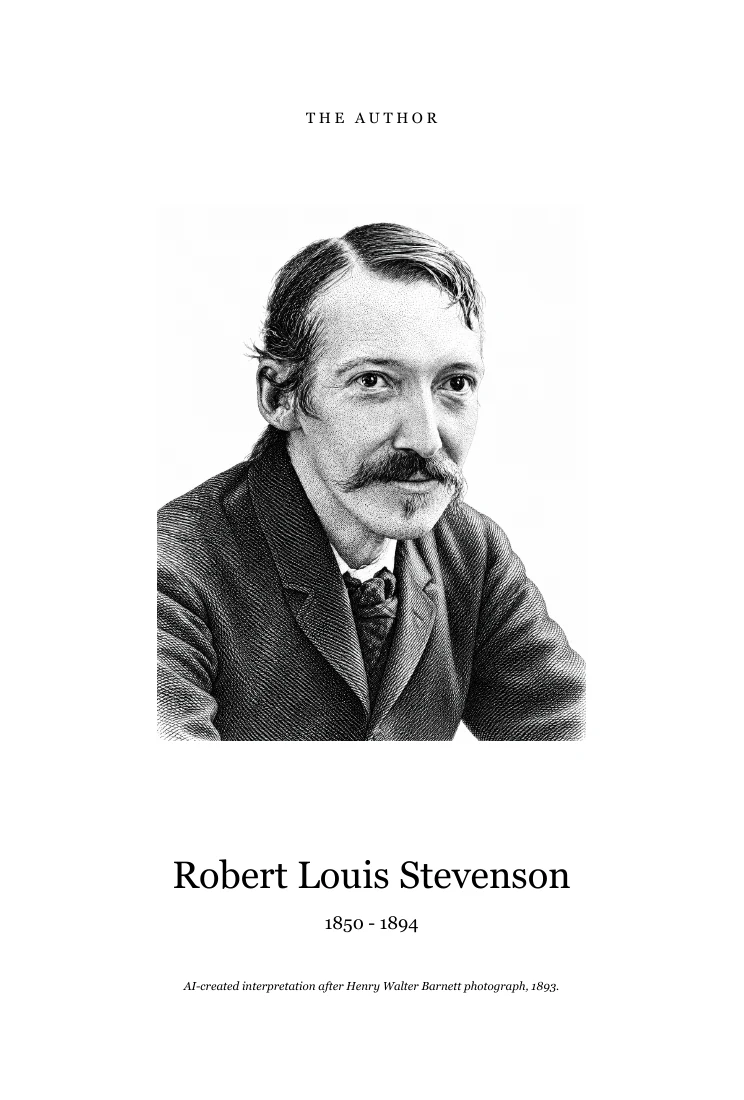
Robert Louis Stevenson’s book of poems for children was nearly called Penny Whistles. It came out in 1885 as A Child’s Garden of Verses instead, sixty-four poems written from a child’s point of view and dedicated to Alison Cunningham, the nurse who had looked after him through a sickly Edinburgh childhood.
It is the natural first book of classic poems for kids, but it is not the only one. Here are the books and poems we would reach for, from first rhymes for the very young to something properly spooky for a ten-year-old, with a note on the age each suits best.
A Child’s Garden of Verses: poems for the very young
Start with “Bed in Summer”, which every child who has been sent upstairs on a light evening will understand: “In winter I get up at night / And dress by yellow candle-light. / In summer quite the other way, / I have to go to bed by day.” Then “My Shadow”, which begins:
“I have a little shadow that goes in and out with me, And what can be the use of him is more than I can see.”
Robert Louis Stevenson, “My Shadow”, A Child’s Garden of Verses (1885)
Stevenson was often ill in bed as a boy, and “The Land of Counterpane” turns that memory into a game: “When I was sick and lay a-bed, / I had two pillows at my head, / And all my toys beside me lay, / To keep me happy all the day.” For a car or train journey, try “From a Railway Carriage”, whose rhythm rattles like the wheels: “Faster than fairies, faster than witches”. More on Stevenson is in Where to start with Robert Louis Stevenson.
Nonsense poems for laughing out loud
Through the Looking-Glass
1871. Contains “Jabberwocky” and “The Walrus and the Carpenter”, two of the most quoted nonsense poems in English. Read them aloud and let the made-up words do the work.
Just So Stories
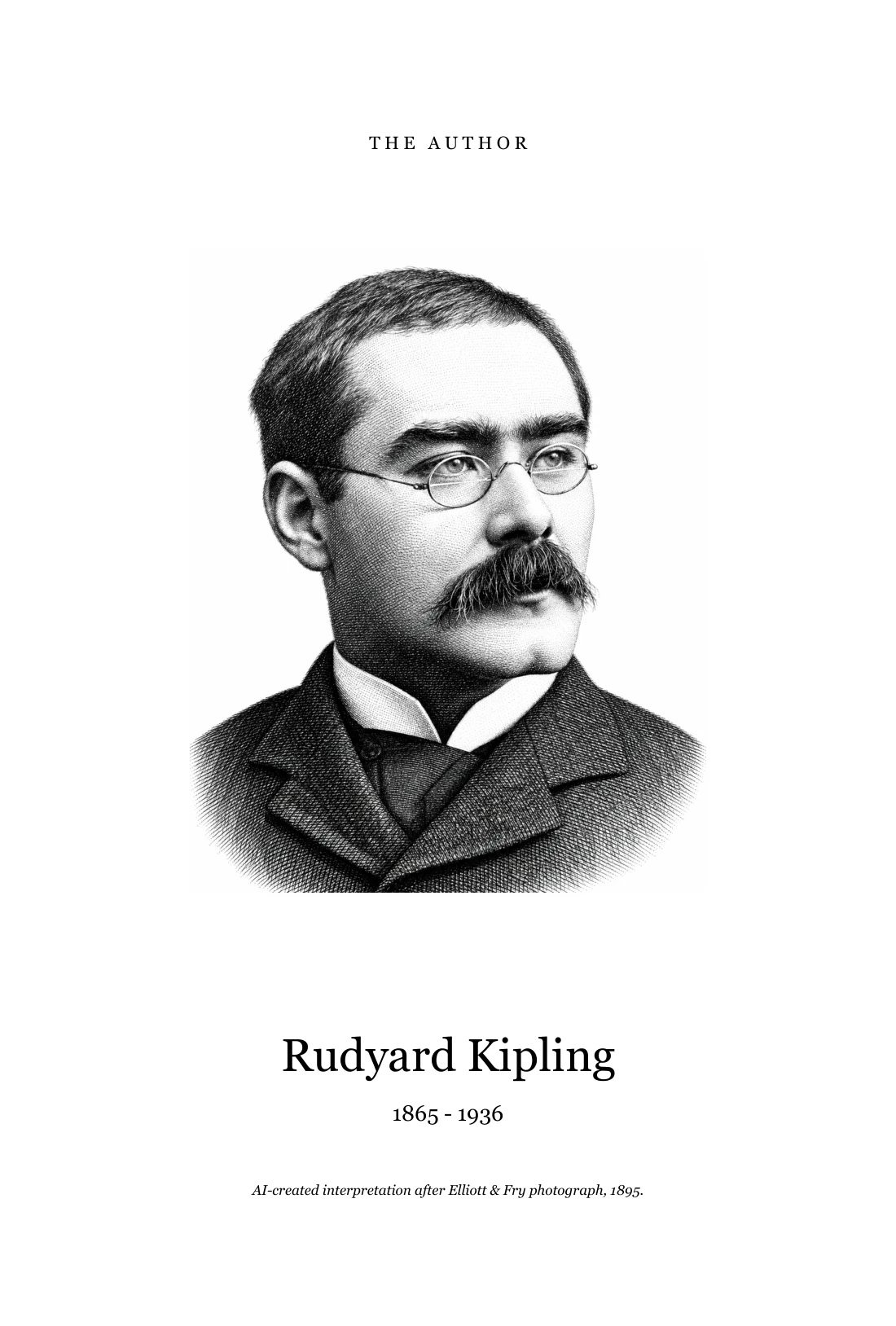
1902. Most of Kipling’s animal stories end with a poem; the one after “The Elephant’s Child” introduces his “six honest serving-men”. Wonderful for children who ask questions all day.


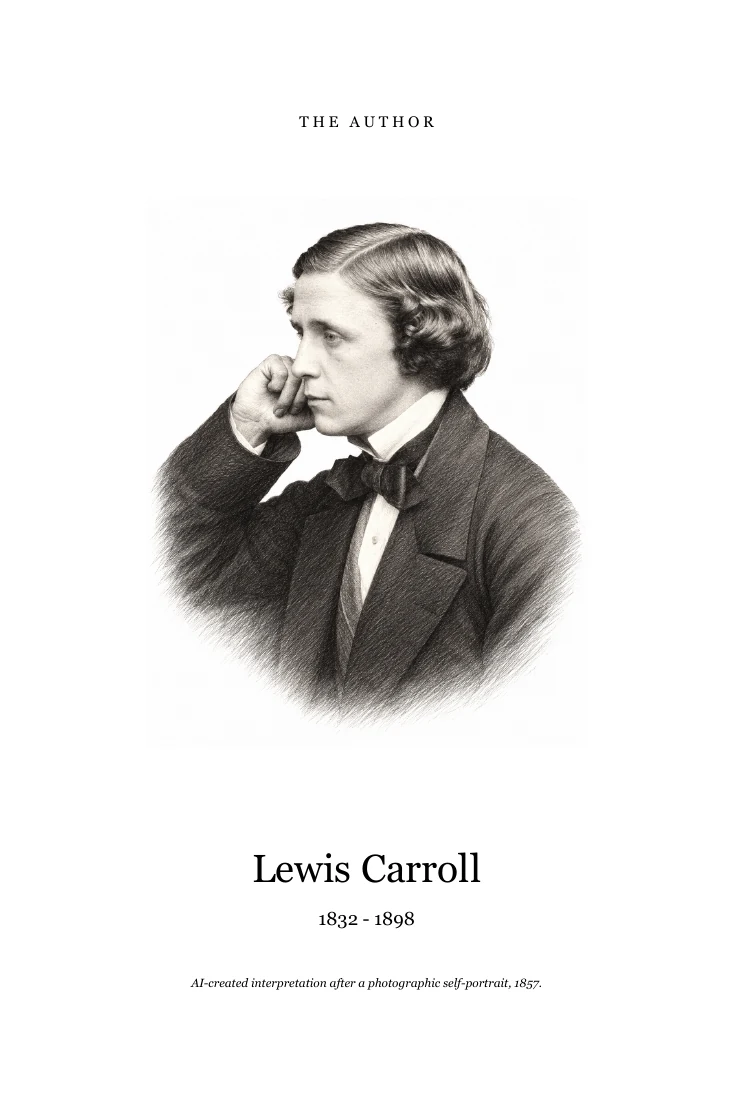
“’Twas brillig, and the slithy toves / Did gyre and gimble in the wabe” is meaningless and somehow completely clear, which is why children love it. Carroll had written the first verse sixteen years earlier, for a magazine he produced to amuse his family, under the title “Stanza of Anglo-Saxon Poetry”. Kipling’s serving-men, meanwhile, have the best names in children’s verse: “Their names are What and Where and When / And How and Why and Who.” Explore more in Funny classic kids’ books.
Poems that are a little older and stranger
Songs of Innocence and of Experience
Innocence 1789, combined with Experience 1794. Blake’s paired poems, from “The Lamb” to “The Tyger”, look simple and are not. Young children enjoy the sound; older ones start to ask what the poems mean.
The Raven
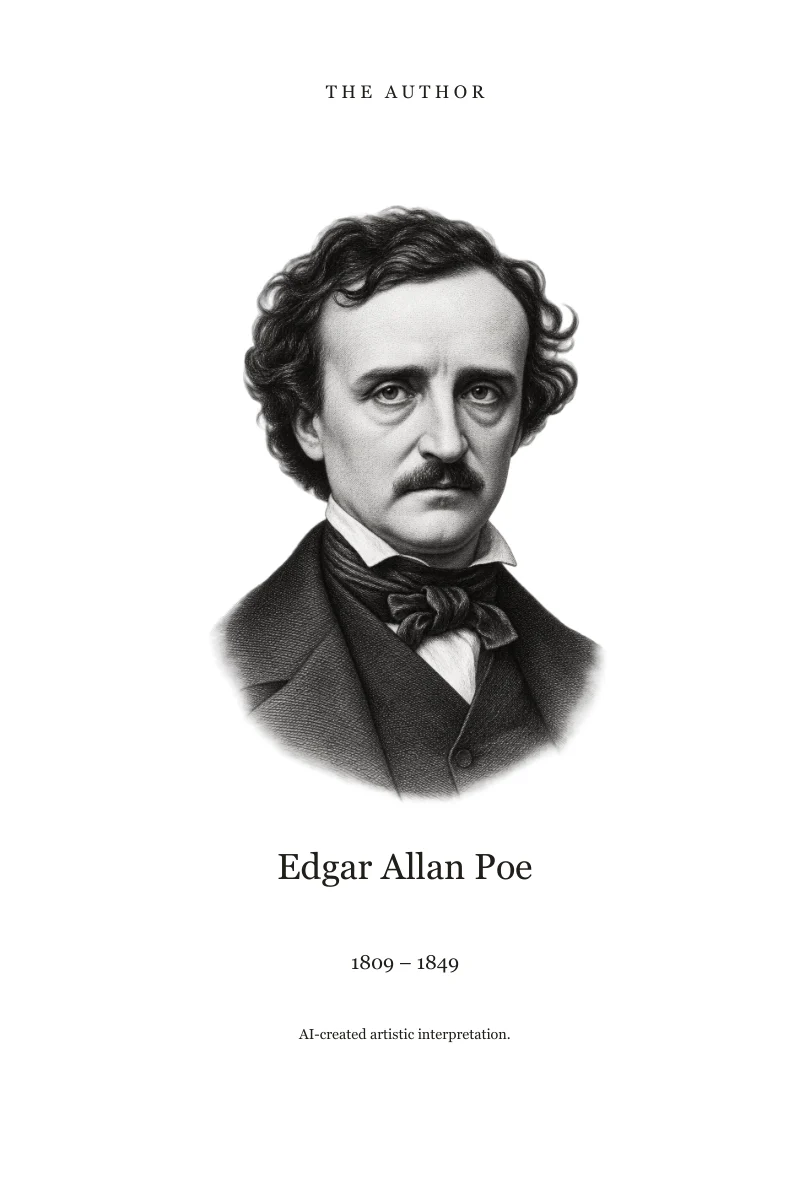
1845. A man mourning his lost Lenore is visited at midnight by a raven that will say only “Nevermore”. Spooky, hypnotic and best from about nine, ideally read aloud by candlelight.


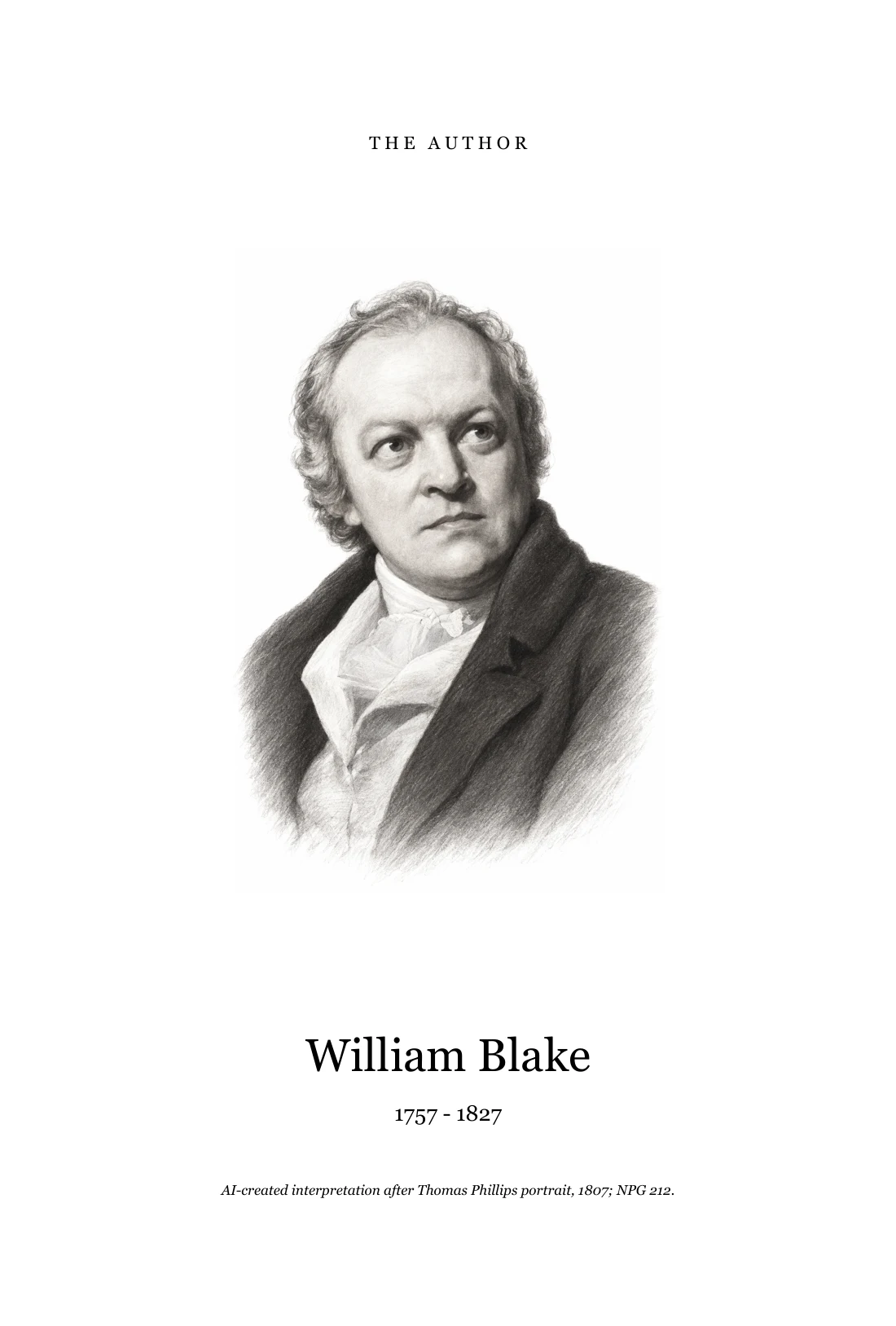
William Blake engraved, printed and hand-coloured his songs himself, so each poem was originally a picture as much as a text. Read “The Lamb” and “The Tyger” side by side and ask a child which animal they would rather meet; the conversation that follows is the whole point of the book.
“Once upon a midnight dreary, while I pondered, weak and weary, Over many a quaint and curious volume of forgotten lore—”
Edgar Allan Poe, “The Raven” (1845)
“The Raven” is not a children’s poem, but it is one children adore once they are old enough for a good shiver. Its rhymes and repetitions make it irresistible to read aloud, and the single word the bird keeps repeating does more than any monster could. The poem made Poe famous after the New York Evening Mirror printed it under his name on 29 January 1845, a story told in Did you know The Raven made Poe famous overnight?

Which classic poems for kids suit which age?
- Ages three to five: Stevenson’s “Bed in Summer”, “My Shadow” and “Rain”.
- Ages five to seven: “The Walrus and the Carpenter”, “The Lamb” and Kipling’s serving-men.
- Ages seven to nine: “Jabberwocky”, “From a Railway Carriage” and “The Tyger”.
- Ages nine and up: “The Raven”, read aloud, with the lights low.
How to read poems to children
Read them more than once. Children love repetition, and a poem heard five times is a poem they own. Let them join in on the rhymes, and do not stop to explain unless asked. Our guide to reading classics aloud to children has more practical tips, and Classic bedtime stories to read aloud pairs well with a poem at lights-out.
If you buy one book of poems for a child this year, make it A Child’s Garden of Verses. Open it at “My Shadow” tonight, and see whether yours jumps into bed first.
Questions readers ask
What are some classic poems for kids?
Robert Louis Stevenson’s “My Shadow” and “Bed in Summer”, Lewis Carroll’s “Jabberwocky” and “The Walrus and the Carpenter”, William Blake’s “The Lamb” and “The Tyger” and Kipling’s “I Keep Six Honest Serving-Men” are all classics children enjoy.
Is The Raven appropriate for children?
It is a poem about grief and is quite eerie, but it contains nothing graphic. Most children of nine or ten enjoy it, especially read aloud.
What is the best poetry book for young children?
A Child’s Garden of Verses by Robert Louis Stevenson is the classic choice. Its sixty-four short poems are written from a child’s point of view and are ideal for reading aloud from about three.