
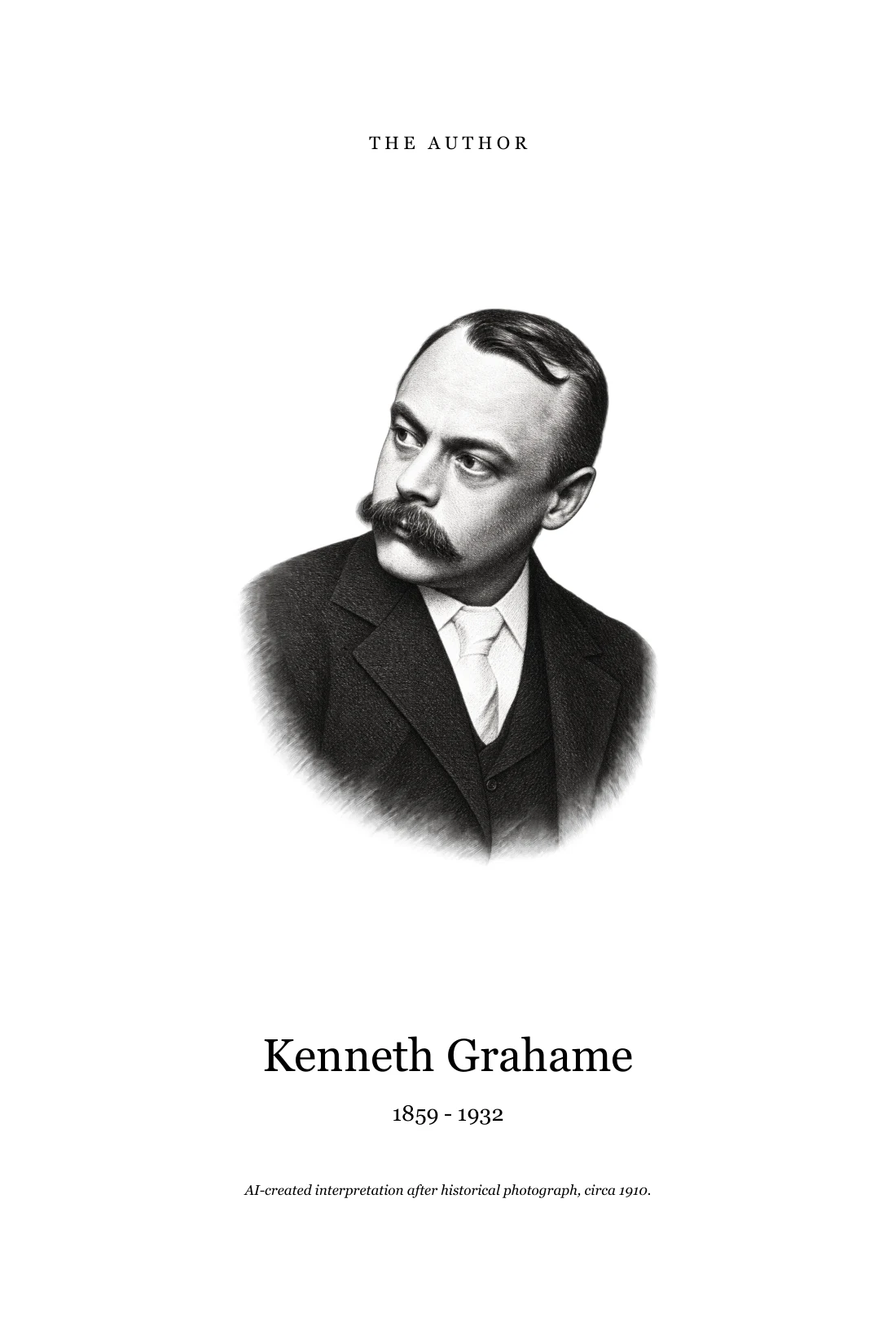
The origin of The Wind in the Willows is about as cosy as the book itself. Kenneth Grahame, a senior official at the Bank of England, had one child, a son named Alastair, born in 1900 and nicknamed “Mouse”. From around 1904 Grahame made up bedtime stories for him, and over the next few years the animals of the riverbank began to take shape in them.
When Alastair went away on a seaside holiday with his governess in 1907, the stories did not stop. Grahame continued them in a series of letters, mostly about the misadventures of a boastful, motor-mad toad. A year later, reworked and greatly expanded, they became one of the best-loved books in English.
The Wind in the Willows origin: stories for Mouse
Family accounts say the earliest stories, told around Alastair’s fourth birthday, involved a mole and a water rat, among other creatures. We only have those accounts to go on, so the details of the very first tellings are uncertain. What is clear is that the riverbank world grew out of the nursery, told aloud by a father to a son.
The letters are another matter. They survive, and they show Grahame working out Toad’s story in instalments: the stolen motor car, the prison, the escape dressed as a washerwoman. They are breezy and affectionate, clearly written to make one small boy laugh, and many of their episodes went into the novel.

From letters to a book
Grahame was not a new writer. He had published essays and two much-admired books about childhood, The Golden Age and Dream Days, in the 1890s. But he had written little for some years, and it took encouragement, notably from the writer Constance Smedley, then scouting authors for an American magazine, to persuade him to turn the stories into a book.
What he produced in 1908 is more than a collection of bedtime tales. Alongside Toad’s escapades he wrote quieter, stranger chapters for grown-up readers: Mole’s longing for his old home at Christmas, Ratty’s temptation to sail south, and “The Piper at the Gates of Dawn”, in which the animals meet something close to a god on an island in the river. It is the mixture that makes the book unusual. Children come for Toad; adults find themselves moved by Mole.
The early reviews were mixed, and some critics did not know what to make of a book about animals that was not quite for children. Readers settled the question. By 1951 it had gone through a hundred editions in Britain alone, and in 1929 A. A. Milne adapted it for the stage as Toad of Toad Hall.
The Wind in the Willows
1908. Mole leaves his spring cleaning for the river, and finds friendship with Ratty, Badger and the incorrigible Toad. Born as bedtime stories for Grahame’s son.
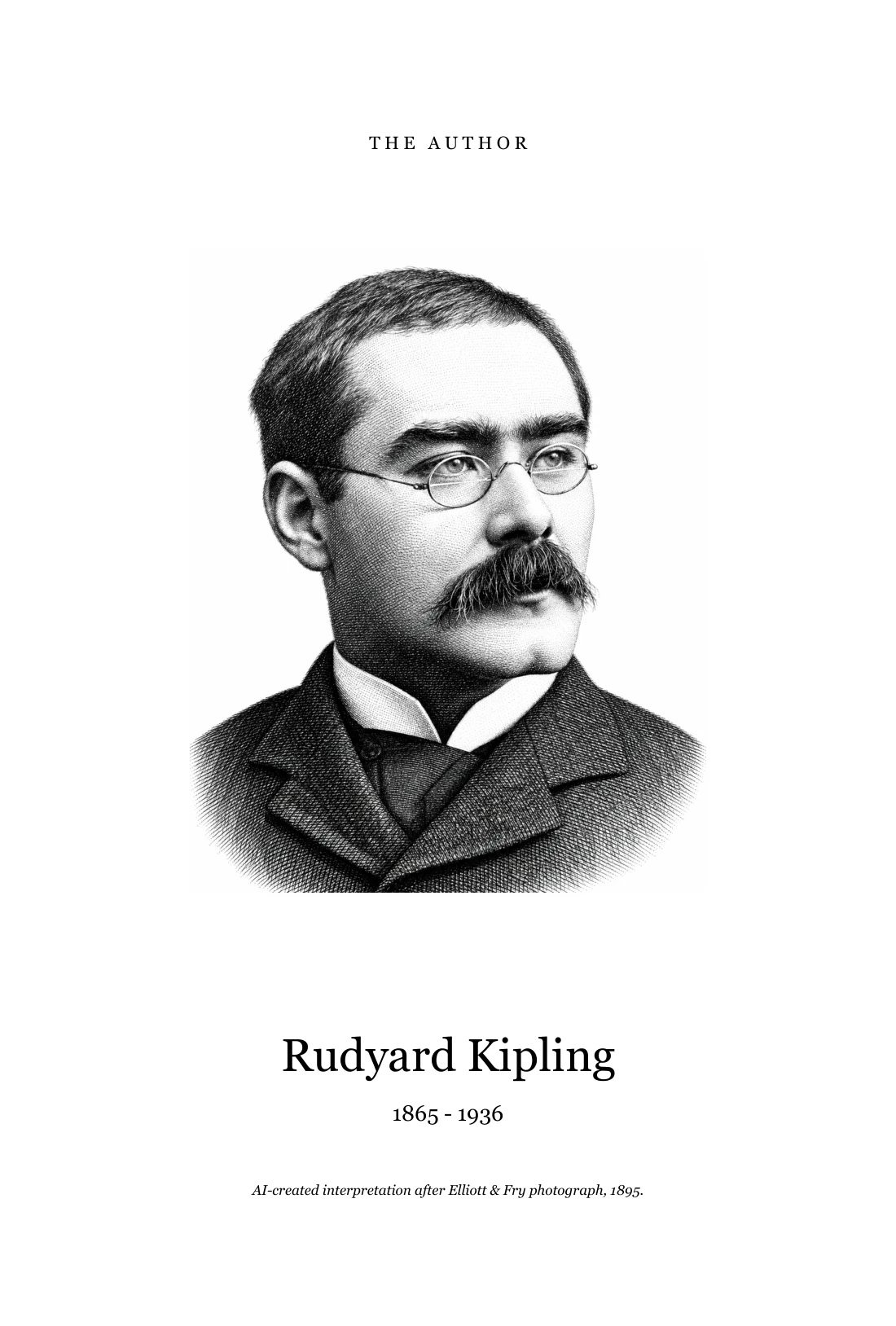
Just So Stories
1902. Kipling’s tales of how the camel got his hump and the leopard his spots, first told aloud to his own children.
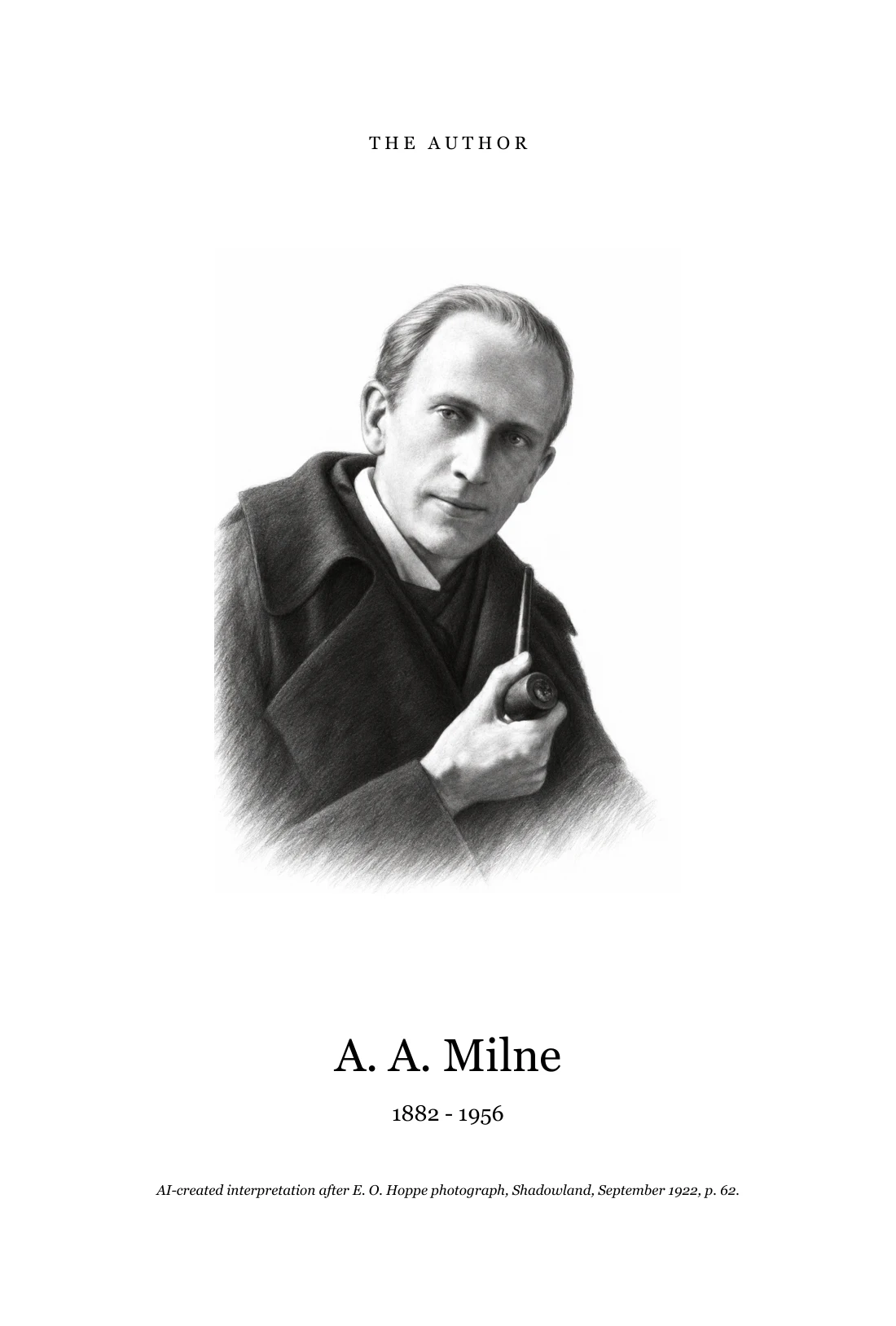
Winnie-the-Pooh
1926. A. A. Milne’s bear and his friends, written for and about Milne’s son. The other great book born in a nursery.


Is The Wind in the Willows good for bedtime reading?
It was made for it. Each chapter is a complete episode, and most can be read aloud in one or two sittings. The Toad chapters are the obvious favourites with young listeners, full of disguises, car crashes and narrow escapes, while the riverbank chapters have a slow, lulling beauty that suits the end of the day.
The vocabulary is rich, and Grahame’s sentences can be long, so it works best as a read-aloud for children of six or seven upward and as a solo read from about nine. Adults reading it to children often find it was really written for them as well.
If you are looking for more, our list of Classic bedtime stories to read aloud gathers the best of them, and Cosy classics: comfort reads for a quiet night in is full of books that share its spirit. Animal lovers might also enjoy Did you know Black Beauty was written to change how horses were treated?

Where to begin
There is only one Wind in the Willows, so the answer is easy. Start, as Grahame did, with Mole throwing down his brush on a spring morning and heading out into the sunshine. Read it to someone small at bedtime, the way it was first meant to be heard, and open The Wind in the Willows.
Questions readers ask
What is the origin of The Wind in the Willows?
Kenneth Grahame told bedtime stories to his son Alastair from around 1904, and in 1907 continued the Toad adventures in letters to him. Grahame reworked and expanded this material into the novel published in 1908.
Who was The Wind in the Willows written for?
It began as stories for Grahame’s young son, Alastair, nicknamed Mouse. The finished book also has chapters written with adult readers in mind.
What age is The Wind in the Willows suitable for?
It makes a lovely read-aloud from about six or seven, and confident readers can enjoy it alone from about nine. Many adults reread it for its riverbank chapters.