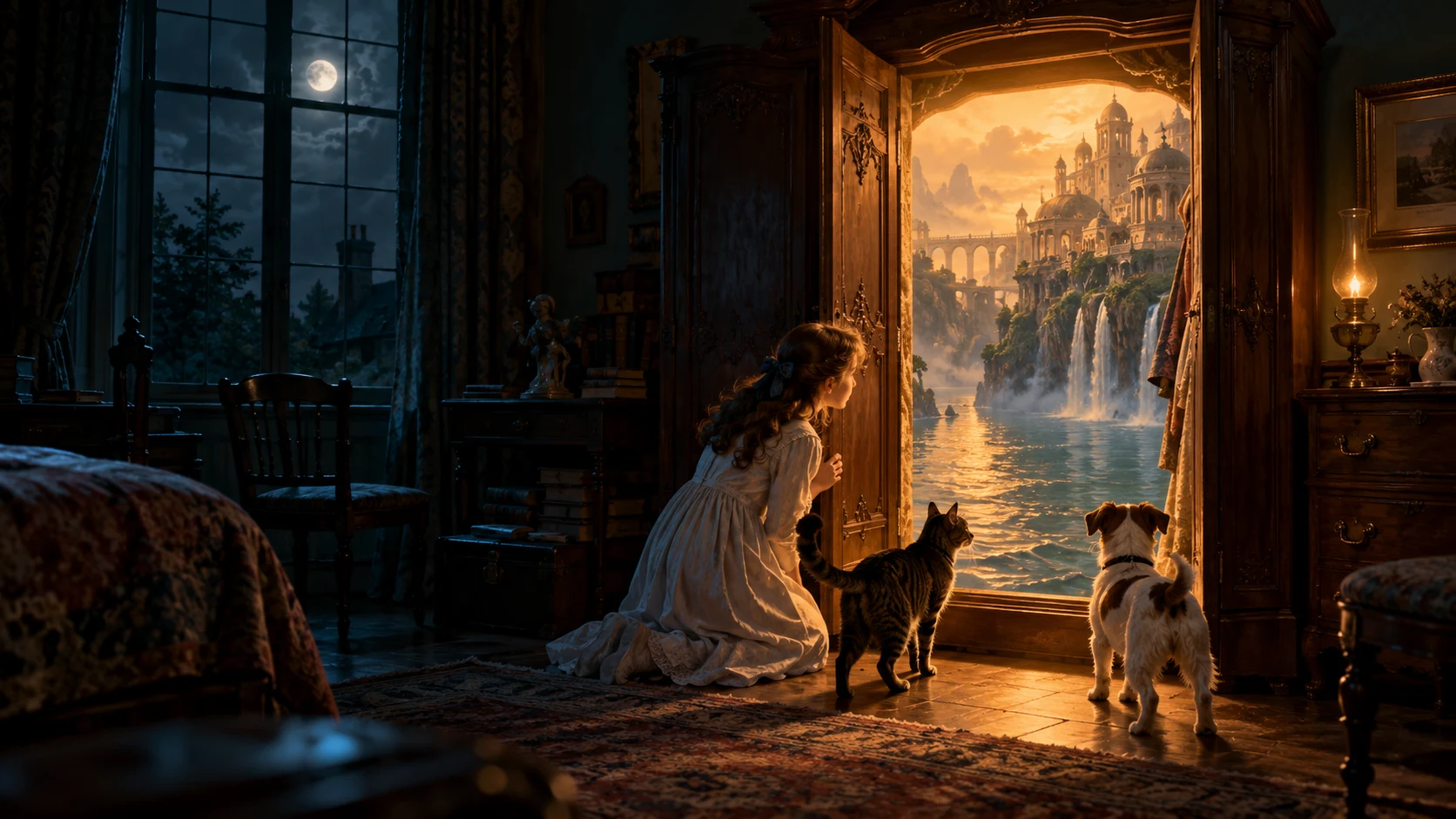
Thirty-eight years before Lucy Pevensie hid in a wardrobe, a girl called Amabel, shut in the best bedroom for a day as a punishment, found a railway guide listing a station called Bigwardrobeinspareroom. E. Nesbit published the story, “The Aunt and Amabel”, in The Magic World in 1912. The Lion, the Witch and the Wardrobe appeared in 1950.
She went straight to the Big Wardrobe and turned its glass handle.
E. Nesbit, “The Aunt and Amabel”, *The Magic World* (1912)
Lewis loved Nesbit’s books as a boy, and he said so in his own way: The Magician’s Nephew opens by dating itself to the days when Sherlock Holmes still lived in Baker Street and Nesbit’s Bastable children were hunting for treasure in Lewisham. So the best books like Narnia are often the ones Narnia grew out of. Here are eight classics for children who have reached the end of the seven Chronicles and want another door.
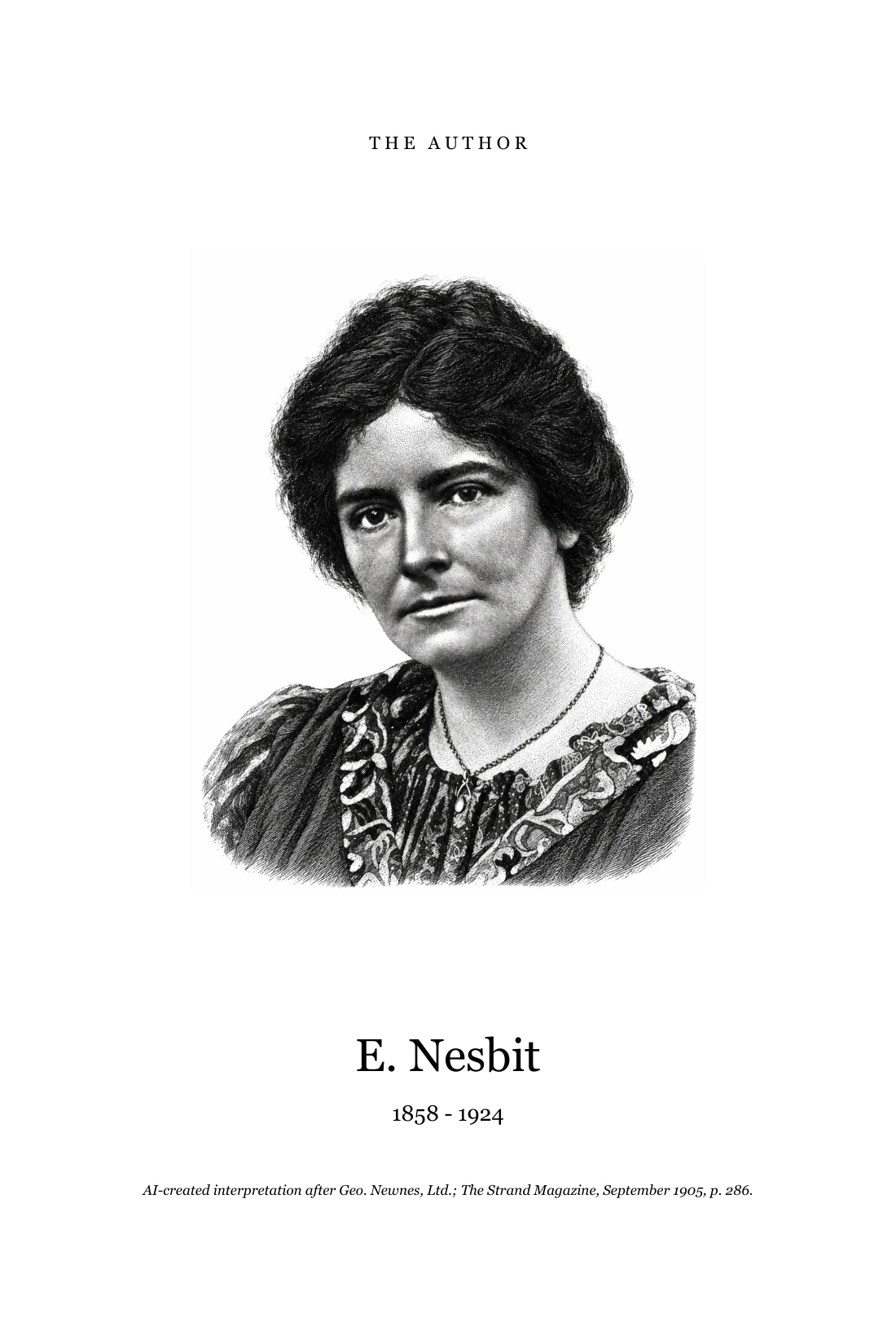
If they loved the wardrobe: E. Nesbit
E. Nesbit is the writer to read first, because she does exactly what Lewis does: puts ordinary, squabbling, likeable children into magic and lets them make mistakes. Her later fantasies are less well known than Five Children and It and just as good.
The Magic World
1912. Twelve stories, including “The Aunt and Amabel” and its wardrobe. The quickest way to see where one of Narnia’s best ideas was first tried.
The Magic City
1910. Philip builds a city out of books, bricks and toys, and wakes up inside it, where a prophecy names him the Deliverer. Narnia readers will feel at home.
The House of Arden: A Story for Children
1908. Edred and Elfrida inherit a crumbling castle and, with a grumpy magic mole called the Mouldiwarp, travel back through English history hunting the lost Arden treasure.
Wet Magic
1913. Four children rescue a captured mermaid and are drawn into a war under the sea, with a strange chapter in which characters escape from books.



Which books are like Narnia for younger readers?
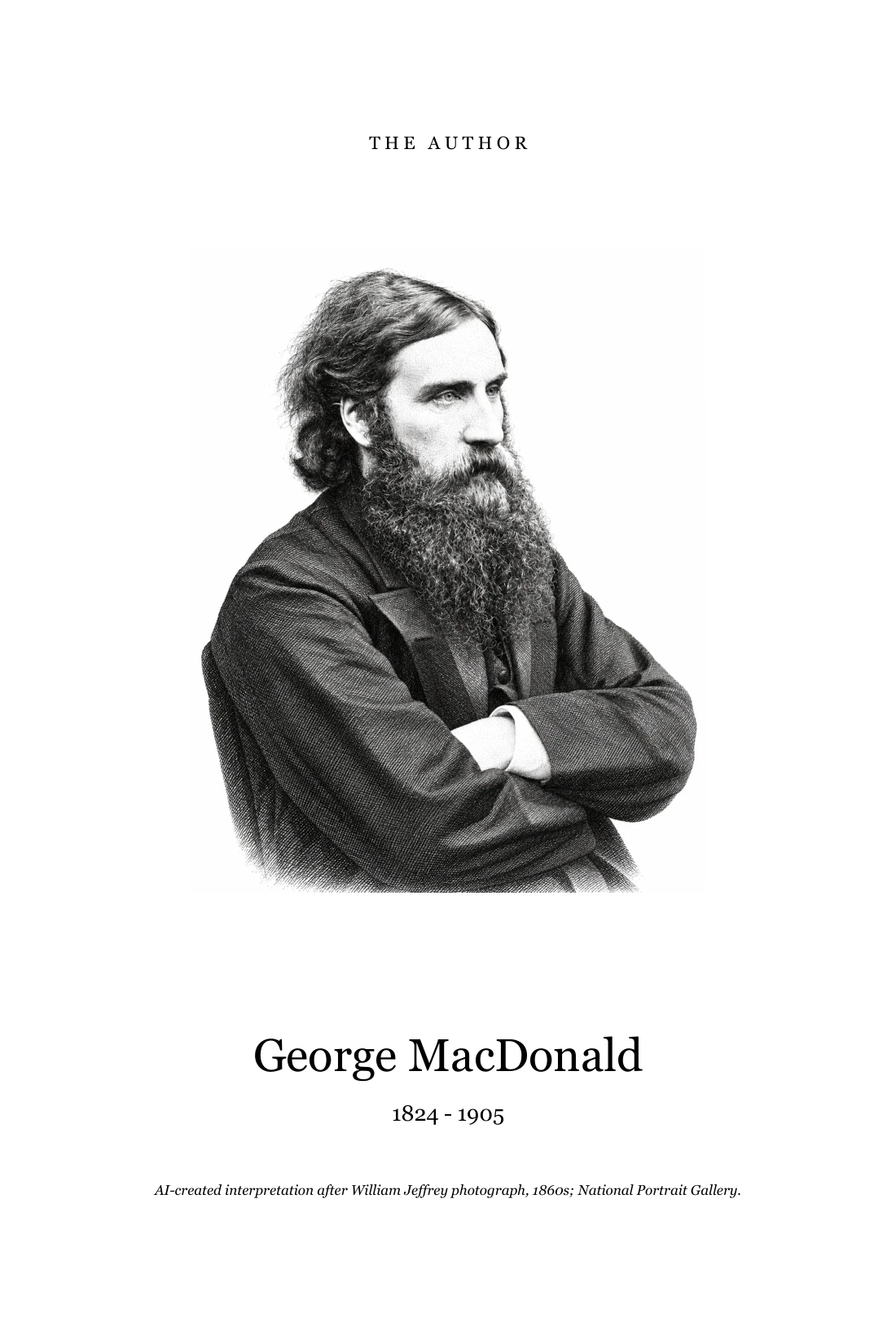
For children of six or seven who loved hearing Narnia read aloud, the shorter fairy tales work best. George MacDonald was the writer Lewis called his master, and his The Light Princess (1864) is a perfect bedtime length. A princess cursed at her christening by a spiteful aunt loses her gravity, floats about the palace laughing at everything and is only herself when she swims. It is very funny, and then, near the end, unexpectedly moving.
A Double Story, published in book form as The Wise Woman in 1875, is sterner. Two spoiled girls, a princess called Rosamond and a shepherd’s daughter called Agnes, are taken in hand by a mysterious Wise Woman who cures their selfishness in her own way. Children who remember how Eustace was changed in The Voyage of the Dawn Treader will recognise the method.
The Light Princess
1864. A weightless princess, a determined prince and a lake that matters more than anyone realises. MacDonald at his most playful.
A Double Story
1874–75. A fairy-tale parable about two very badly behaved girls, one rich and one poor. Read it aloud and talk about it after.


If they loved the creatures: the Snergs and the Tapestry Room
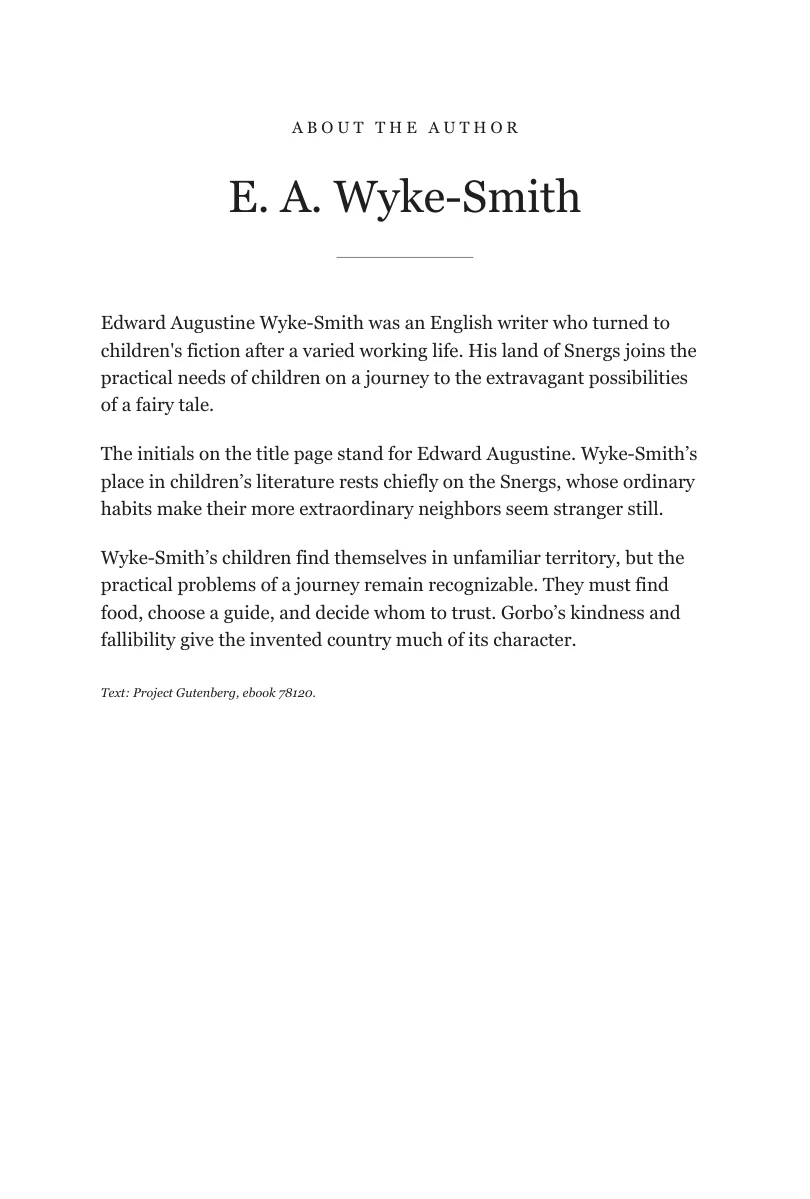
The Marvellous Land of Snergs (1927) by E. A. Wyke-Smith is set on a hidden island where a colony of rescued children live beside the Snergs, short, sturdy and helpful people. Two of the children, Sylvia and Joe, run off into the forest, meet an ogre who has supposedly reformed and a witch called Mother Meldrum, and are rescued by Gorbo, a Snerg of heroic muddle. Tolkien read it to his own children; we tell that story in Did you know Tolkien called The Marvellous Land of Snergs a source for The Hobbit?
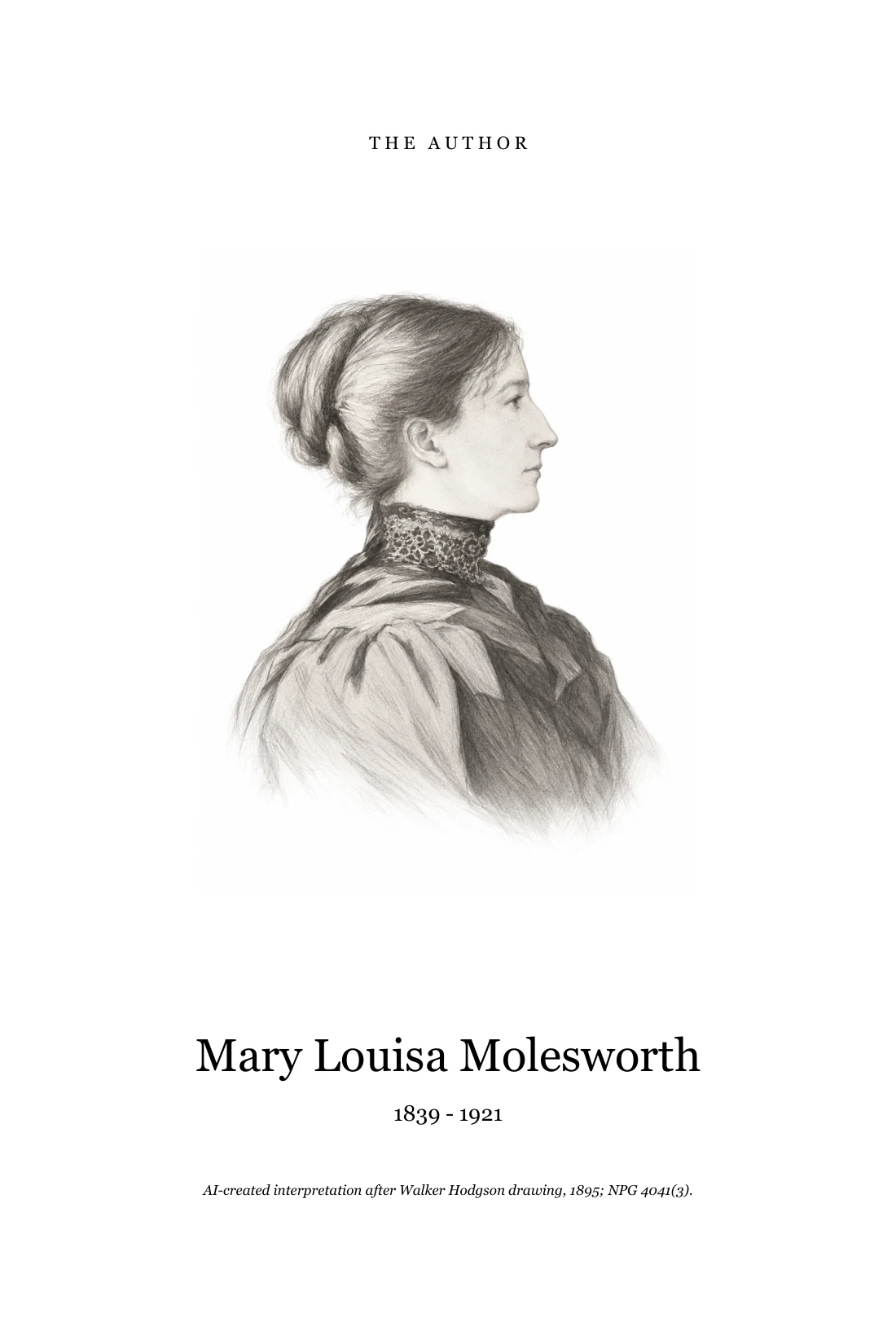
Mrs Molesworth’s The Tapestry Room (1879) is the oldest and gentlest book here. Jeanne and her cousin Hugh live in an old French house with a room whose old woven hangings show a garden that seems to come alive by moonlight, and an elderly raven called Dudu who is not quite an ordinary bird. It suits a child who loved the quieter, stranger moments of Narnia.
The Marvellous Land of Snergs
1927. An island of lost children, a reformed ogre and a hero who is brave mostly by accident. Funny, a little frightening and very English.
The Tapestry Room: A Child's Romance
1879. Two children, a talking raven and the adventures stitched into an old wall-hanging. Dreamlike and old-fashioned in the best way.


Where to start
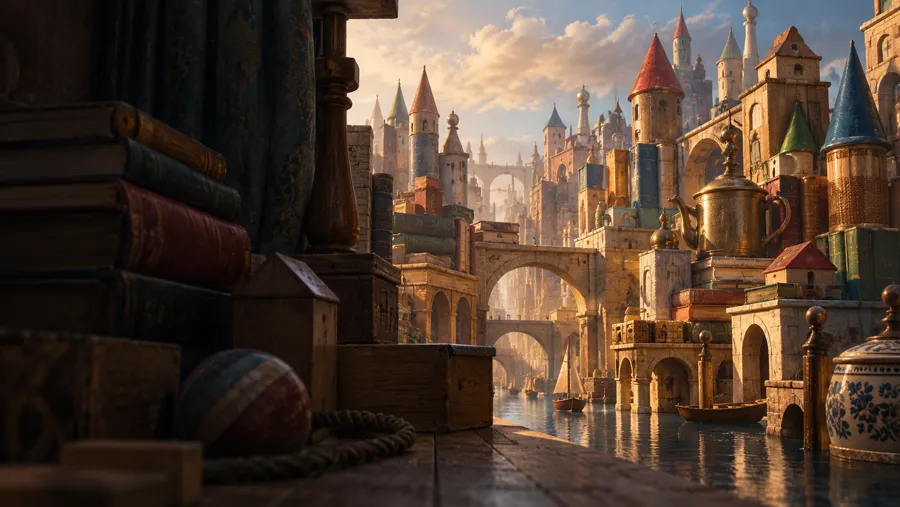
For a child who has just finished the last Chronicle, start with The Magic City: it has the prophecy, the quest and the sense of a whole world to explore. Then go back to The Magic World for Amabel’s wardrobe. If you want Nesbit’s best-known fantasies, our guide to E. Nesbit’s books starts with the Psammead, and Did you know George MacDonald inspired both Tolkien and C. S. Lewis? explains why MacDonald matters so much to Narnia. Fantasy before Tolkien and the fantasy shelf have more.
And if you only try one tonight, turn the glass handle with Amabel. The Magic World is a book of short stories, so the first door takes ten minutes to open.
Questions readers ask
What books are like the Chronicles of Narnia?
Classic fantasies with a Narnia feel include E. Nesbit’s The Magic City, The House of Arden and Wet Magic, E. A. Wyke-Smith’s The Marvellous Land of Snergs and George MacDonald’s fairy tales such as The Light Princess.
Did E. Nesbit influence C. S. Lewis?
Yes. Lewis loved Nesbit’s books as a child, and The Magician’s Nephew opens by placing itself in the days when Nesbit’s Bastable children were looking for treasure. Her story “The Aunt and Amabel” (1912) also has a girl entering a magic world through a wardrobe.
What should my child read after Narnia?
For confident readers of eight and up, E. Nesbit’s The Magic City or The Marvellous Land of Snergs are good next steps. For younger listeners, George MacDonald’s The Light Princess makes a short, funny read-aloud.
 The Railway Children176 pages · $13.99
 Five Children and It168 pages · $13.99
 The Phoenix and the Carpet176 pages · $13.99
 The Enchanted Castle200 pages · $13.99