Modern fantasy is often dated from J. R. R. Tolkien, and The Lord of the Rings did more than any book to define it. But fantasy before Tolkien was a rich, strange tradition. Victorian and Edwardian writers had already invented secondary worlds with their own geographies and histories, sent heroes on quests into Faerie, and filled underground halls with goblins.
This list gathers eleven early fantasy novels and their ancient sources, in roughly the order they were written. Some Tolkien certainly knew and admired; others belong to the same generation and simply show how wide the field was. Together they make a reading map of the road to Middle-earth.
The ancient roots
Beowulf
An Old English poem of a hero who fights the monster Grendel, Grendel’s mother and, in old age, a dragon guarding a hoard. Tolkien was one of its great scholars.
Undine
1811. A water spirit marries a knight in order to gain a human soul. A German fairy romance that was admired across Europe throughout the nineteenth century.


Tolkien was a professor of Old English, and his 1936 lecture “Beowulf: The Monsters and the Critics” changed how scholars read the poem. A thief stealing a cup from a sleeping dragon’s hoard appears in Beowulf — and again, in a different shape, in The Hobbit.
The Victorian founders
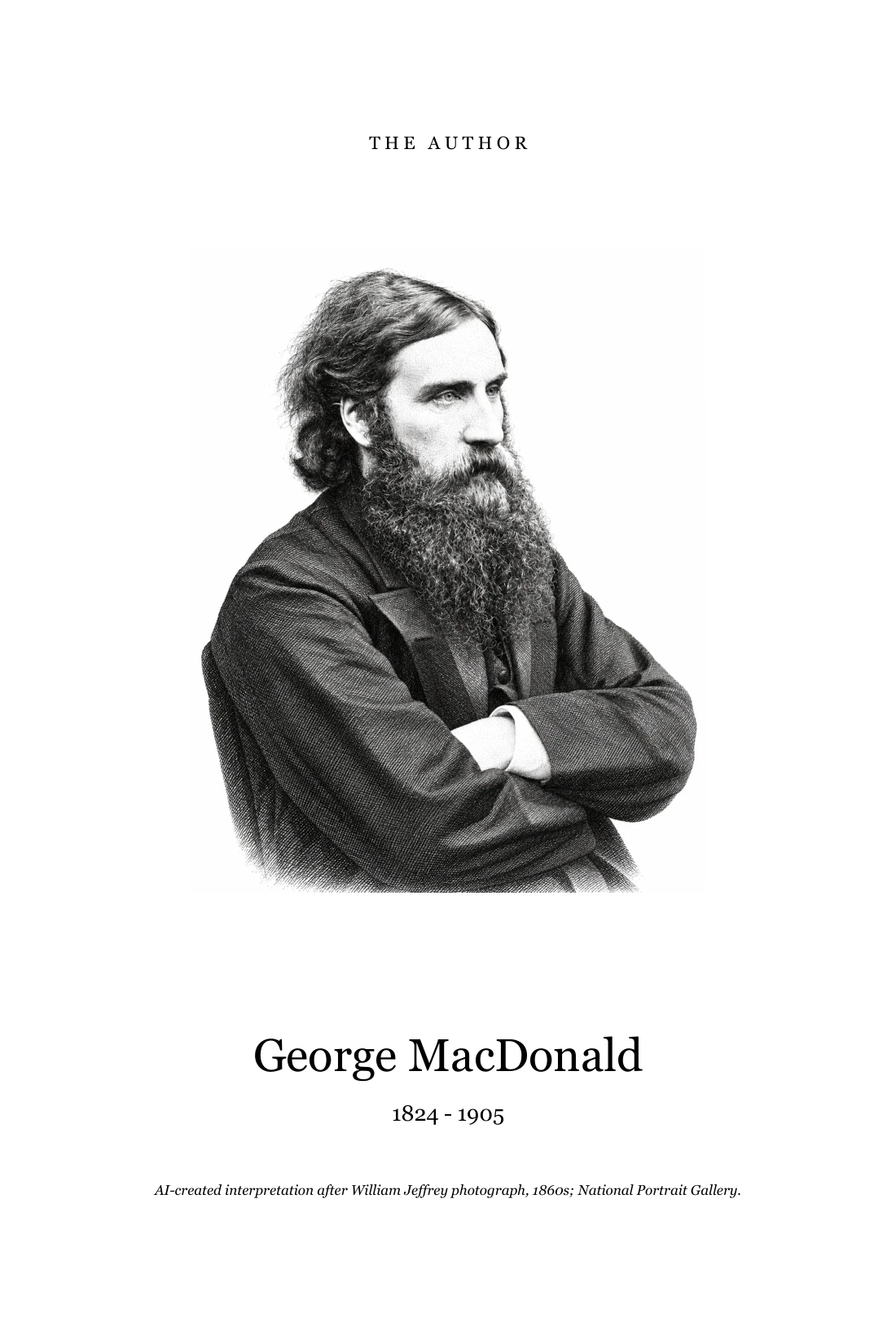
George MacDonald, a Scottish minister turned novelist, wrote some of the first great fantasies in English, for adults and for children. His friend Lewis Carroll tried out the manuscript of Alice on MacDonald’s children, whose delight helped persuade him to publish it; the book’s own beginnings are told in Did you know Alice in Wonderland began on a boat trip?
Phantastes
1858. A young man wakes to find his bedroom turning into a forest, and wanders through Fairy Land in pursuit of an ideal. C. S. Lewis later wrote that reading it baptised his imagination.
The Princess and the Goblin
1872. Princess Irene and the miner’s boy Curdie face goblins tunnelling beneath the mountain. Tolkien acknowledged that his own goblins owed a good deal to MacDonald’s.


William Morris and the invented world
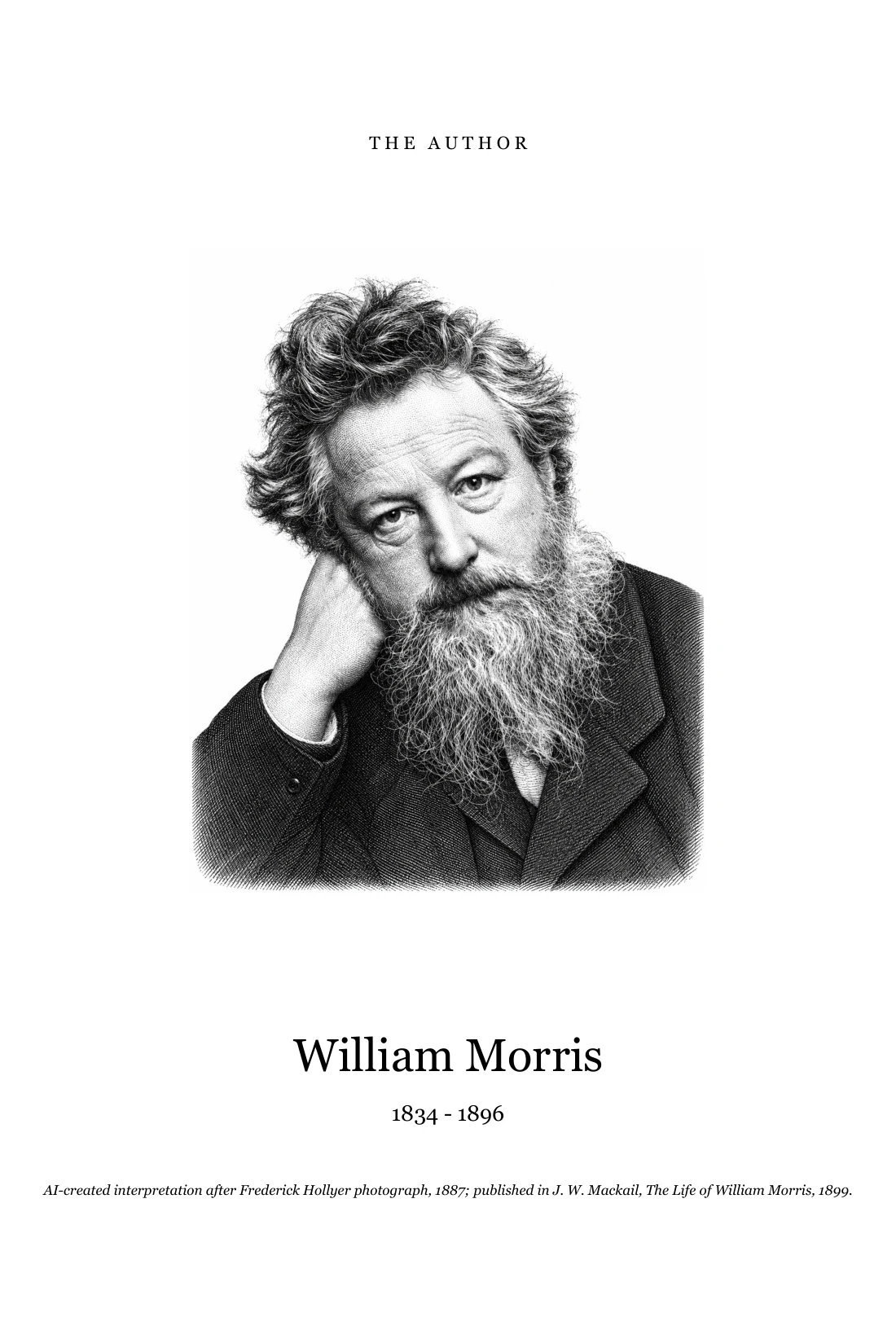
William Morris — designer, poet and socialist — spent his last years writing prose romances set in imagined lands. The later ones, such as The Wood Beyond the World, are often called the first fantasy novels set entirely in an invented world.
The House of the Wolfings
1889. A Gothic tribe living by a forest called Mirkwood takes up arms against the invading legions of Rome. Part prose, part verse, steeped in the sagas.
The Wood Beyond the World
1894. A merchant’s son sails beyond the known world and enters a wood ruled by a sorceress, her monstrous servant and a captive maid. The best short introduction to Morris.


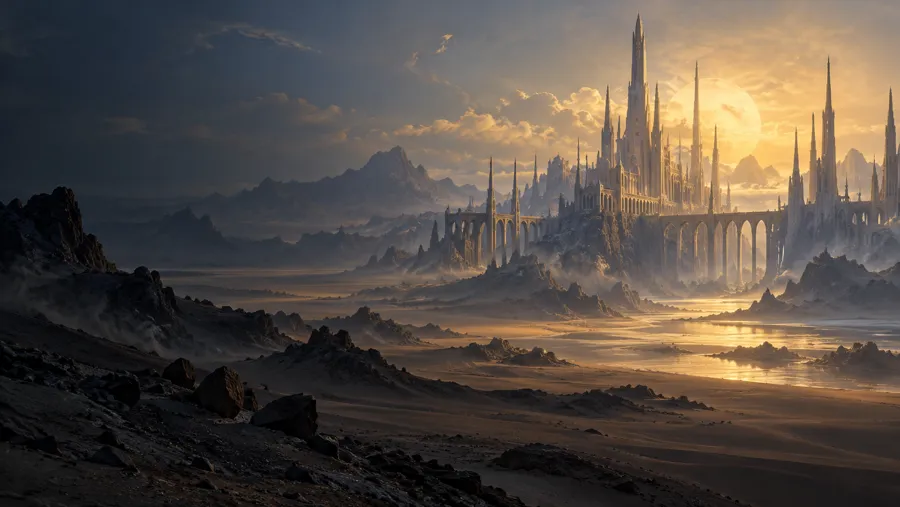
Fantasy before Tolkien: the twentieth century
In the early twentieth century, and above all after the First World War, a remarkable group of writers produced fantasies of real ambition. Tolkien was writing his own early legends at the same time.
The Gods of Pegana
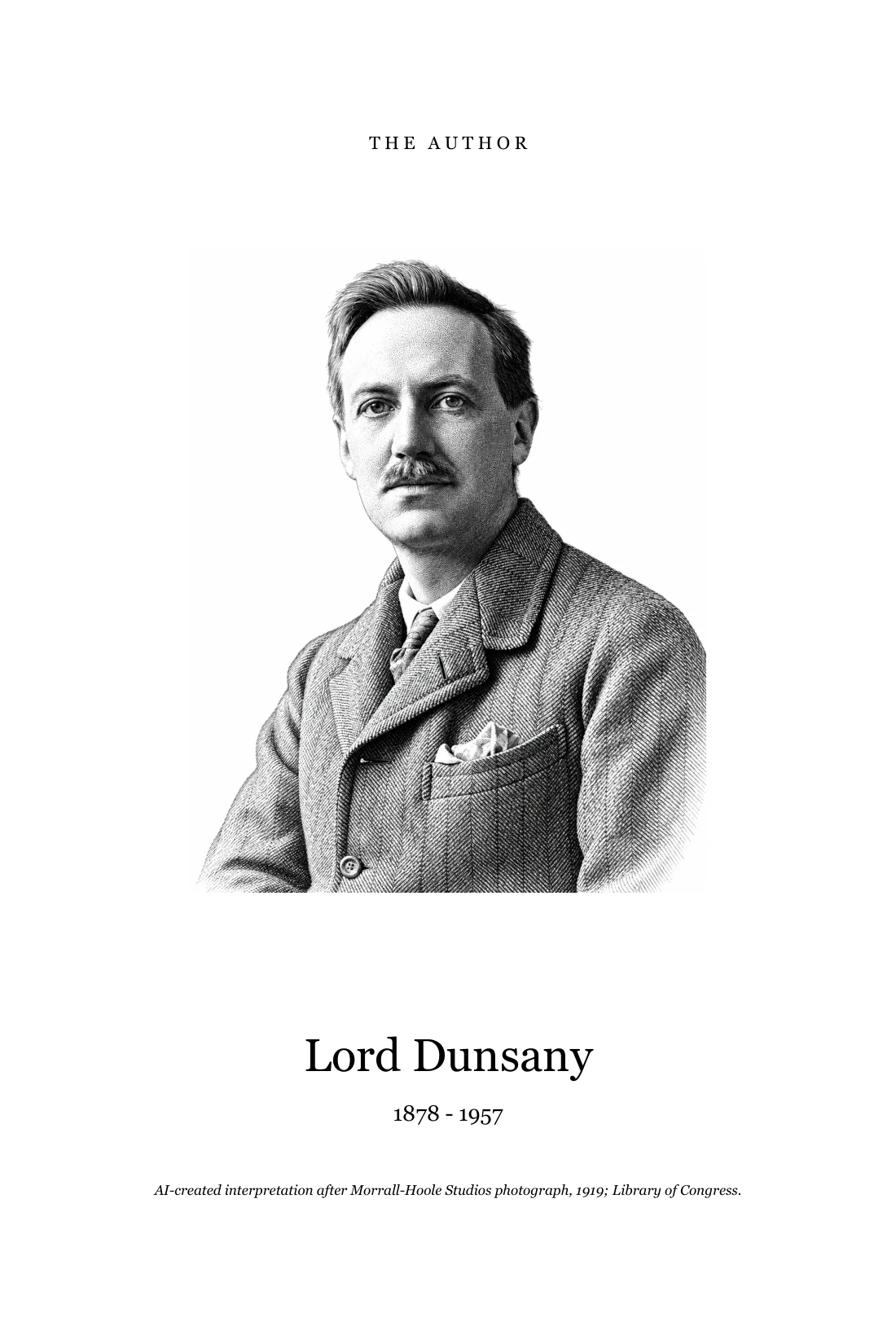
1905. Lord Dunsany’s first book: a mythology of invented gods, told in short, incantatory chapters. A strong influence on later fantasy and weird fiction.
A Voyage to Arcturus
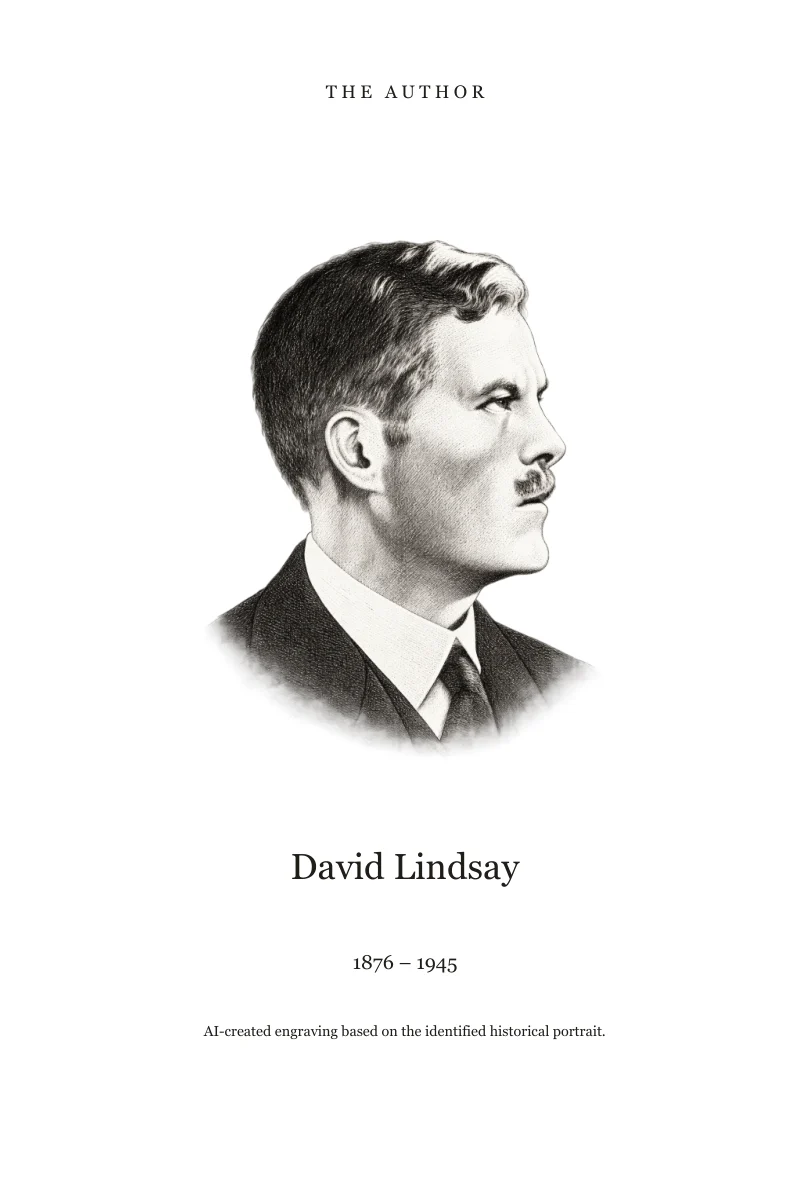
1920. A man is transported to a planet circling the star Arcturus and journeys across a landscape that changes his body and mind. A visionary, philosophical oddity; C. S. Lewis cited it as an influence on his own space novels.
The Worm Ouroboros: A Romance
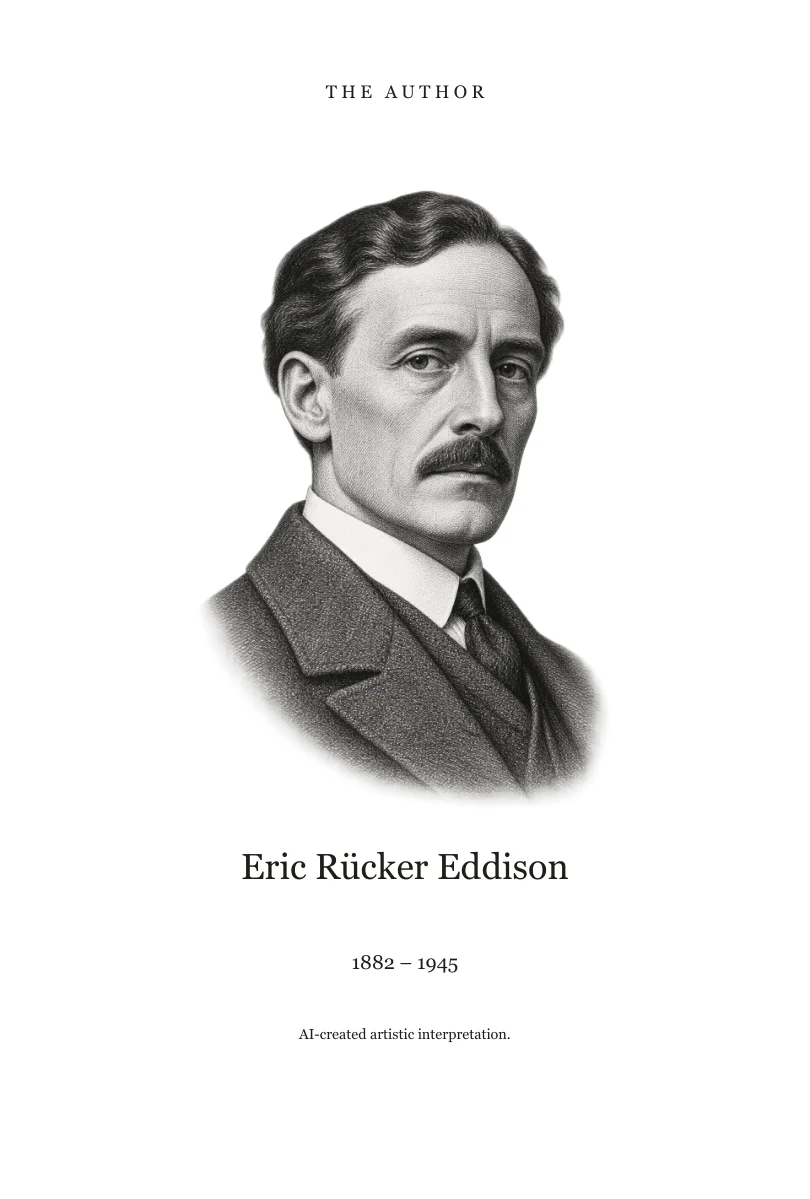
1922. The lords of Demonland and the king of Witchland wage an epic war in a world of sorcery, honour and gorgeous archaic prose. Tolkien is known to have read Eddison with admiration.
The King of Elfland’s Daughter
1924. A prince marries the daughter of the King of Elfland and brings her home, where she can never quite belong. Dunsany’s most beautiful novel.
Lud-in-the-Mist
1926. In a prosperous town that has outlawed all talk of Fairyland, smuggled fairy fruit begins to bewitch its citizens. Witty, eerie and now regarded as a lost classic.


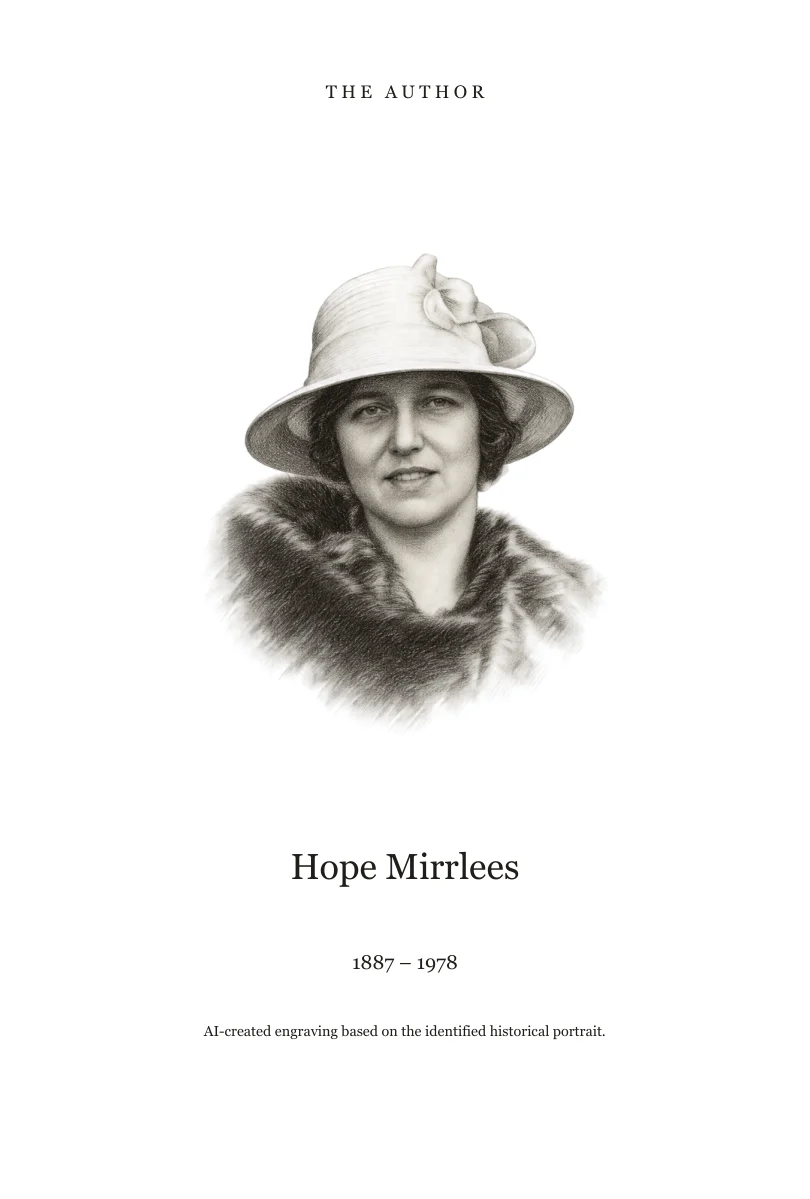
Dunsany’s influence ran far beyond fantasy; H. P. Lovecraft was among his admirers. And Hope Mirrlees, a friend of Virginia Woolf, published only one novel of this kind, but many fantasy readers rank it among the best.
Which early fantasy novel should I read first?
For the clearest line to Tolkien, read The Princess and the Goblin: it is short, charming and full of the underground menace that Tolkien knew well. For grown-up enchantment, choose The King of Elfland’s Daughter or Lud-in-the-Mist. And if you want an epic in the grand manner, set aside a few weeks for The Worm Ouroboros.
Many of these books began as fairy tales, and the older tales were far stranger and darker than you might remember; see Did you know the original fairy tales were darker? For more adventures in hidden lands, try our list of lost world novels, or browse the whole fantasy shelf. But if you only take one step down this road, make it into the forest that grows up in Anodos’s bedroom at the start of Phantastes. It has been leading readers astray for more than a century and a half.
Questions readers ask
What fantasy books came before Tolkien?
Notable fantasy before Tolkien includes George MacDonald’s Phantastes and The Princess and the Goblin, William Morris’s prose romances, Lord Dunsany’s The King of Elfland’s Daughter, E. R. Eddison’s The Worm Ouroboros and Hope Mirrlees’s Lud-in-the-Mist, all of which predate The Hobbit.
What books influenced Tolkien?
Tolkien drew deeply on Beowulf, Norse sagas and medieval romance. He acknowledged a debt to George MacDonald’s goblins and read William Morris and E. R. Eddison with admiration.
What is considered the first fantasy novel?
There is no single answer. George MacDonald’s Phantastes (1858) is often called the first fantasy novel for adults in English, and William Morris’s The Wood Beyond the World (1894) is often credited as the first set in a wholly invented world.