
If you have read all sixty Sherlock Holmes stories and want more, you are in luck. The success of Holmes in The Strand Magazine in the 1890s set off a boom in detective fiction, and editors on both sides of the Atlantic went looking for the next great detective. The result was a generation of brilliant, eccentric investigators, and a few equally brilliant criminals.
These are the best books like Sherlock Holmes in our library. We chose detectives who each changed the formula in some way: a priest, a blind man, a scientist, an old man in a teashop, a woman at Scotland Yard. Each note tells you what makes them different, and none of them gives away a solution.
The great detectives who followed Holmes
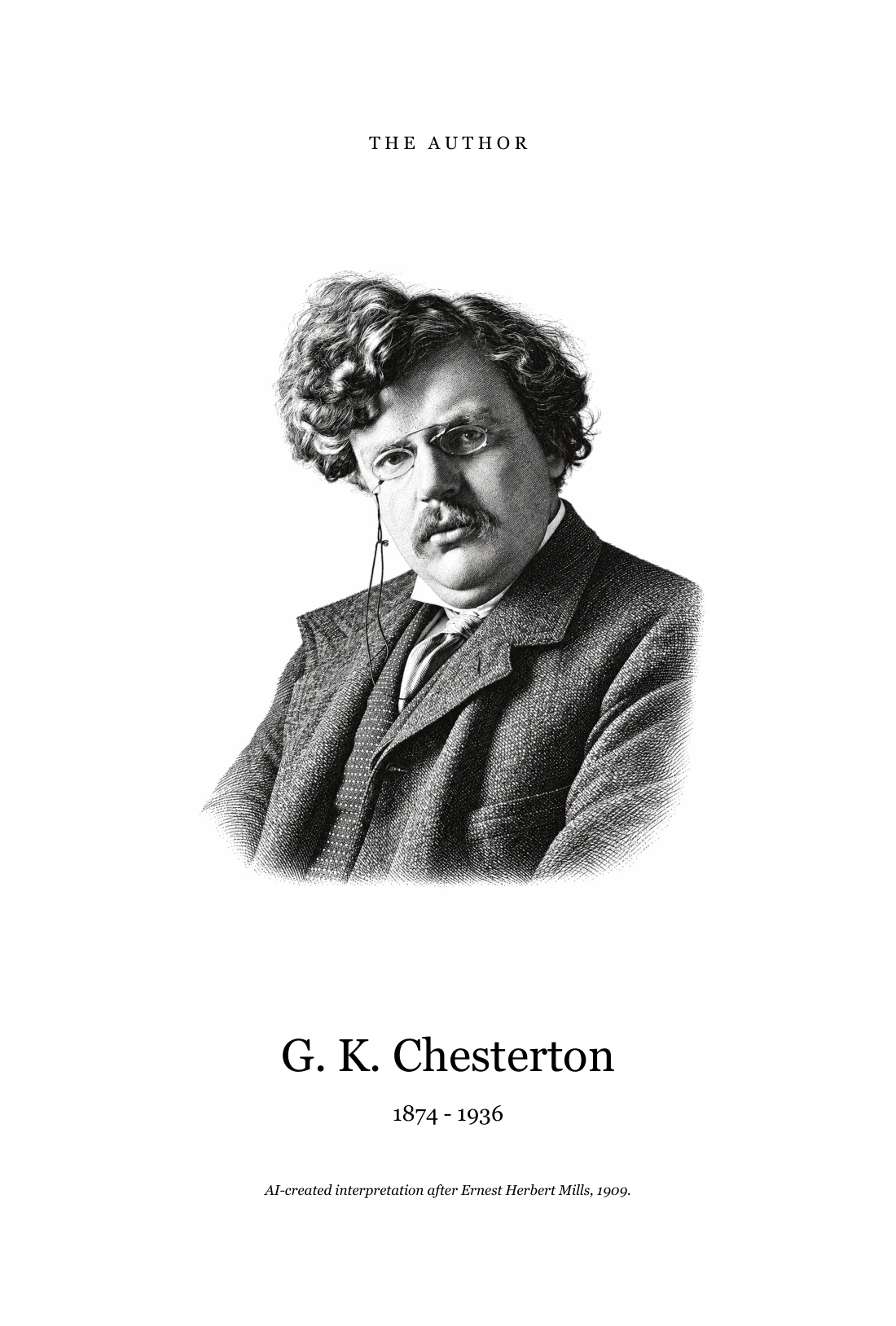
The Innocence of Father Brown
1911. G. K. Chesterton’s Father Brown is a shabby little Catholic priest who solves crimes by understanding sinners rather than measuring footprints. Short, paradoxical and beautifully written.
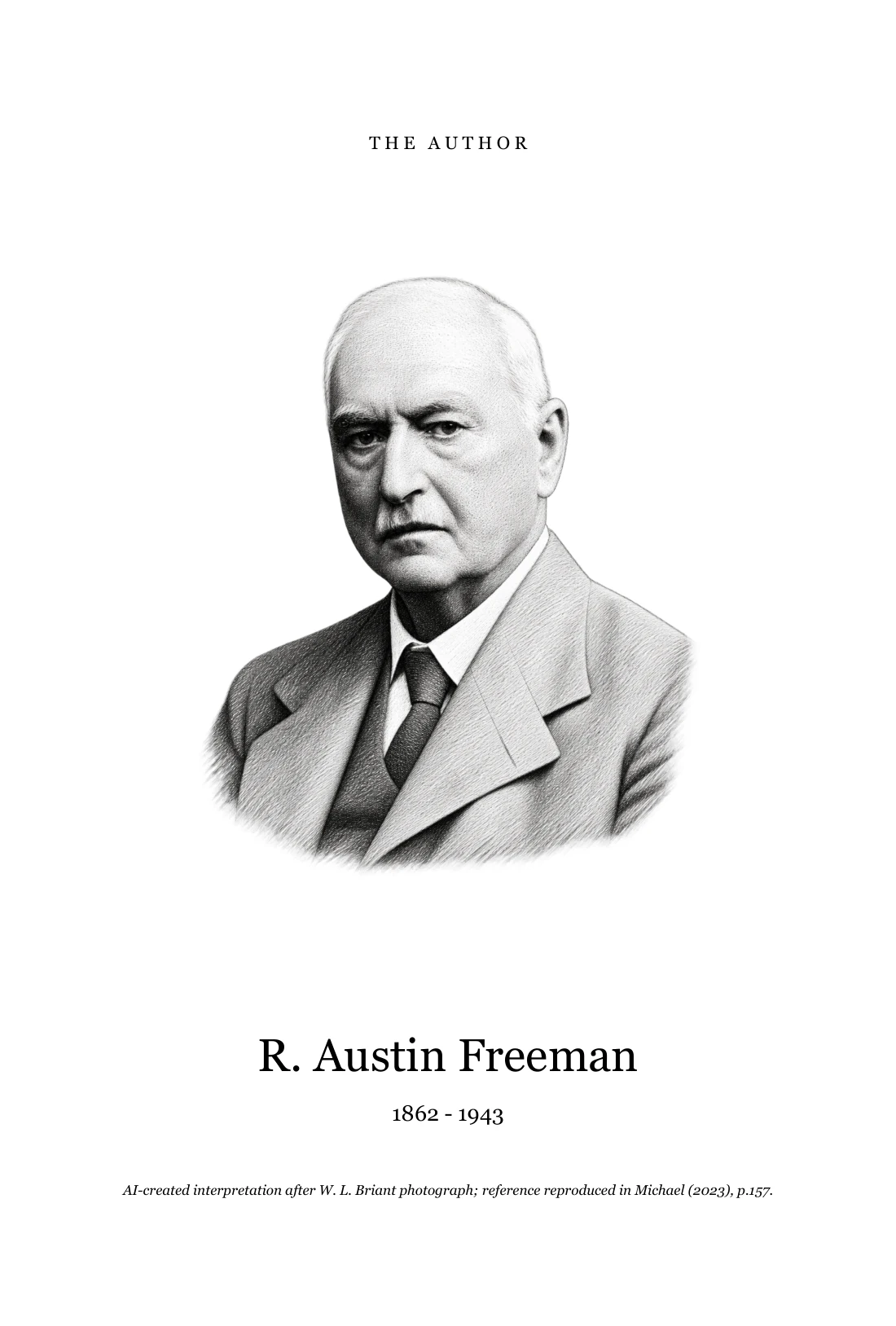
The Red Thumb Mark
1907. Dr John Thorndyke is a medical jurist who lets the microscope do the talking. R. Austin Freeman, himself a doctor, is said to have tested many of his methods in his own laboratory, and this first novel turns on a fingerprint.
The problem of Cell 13
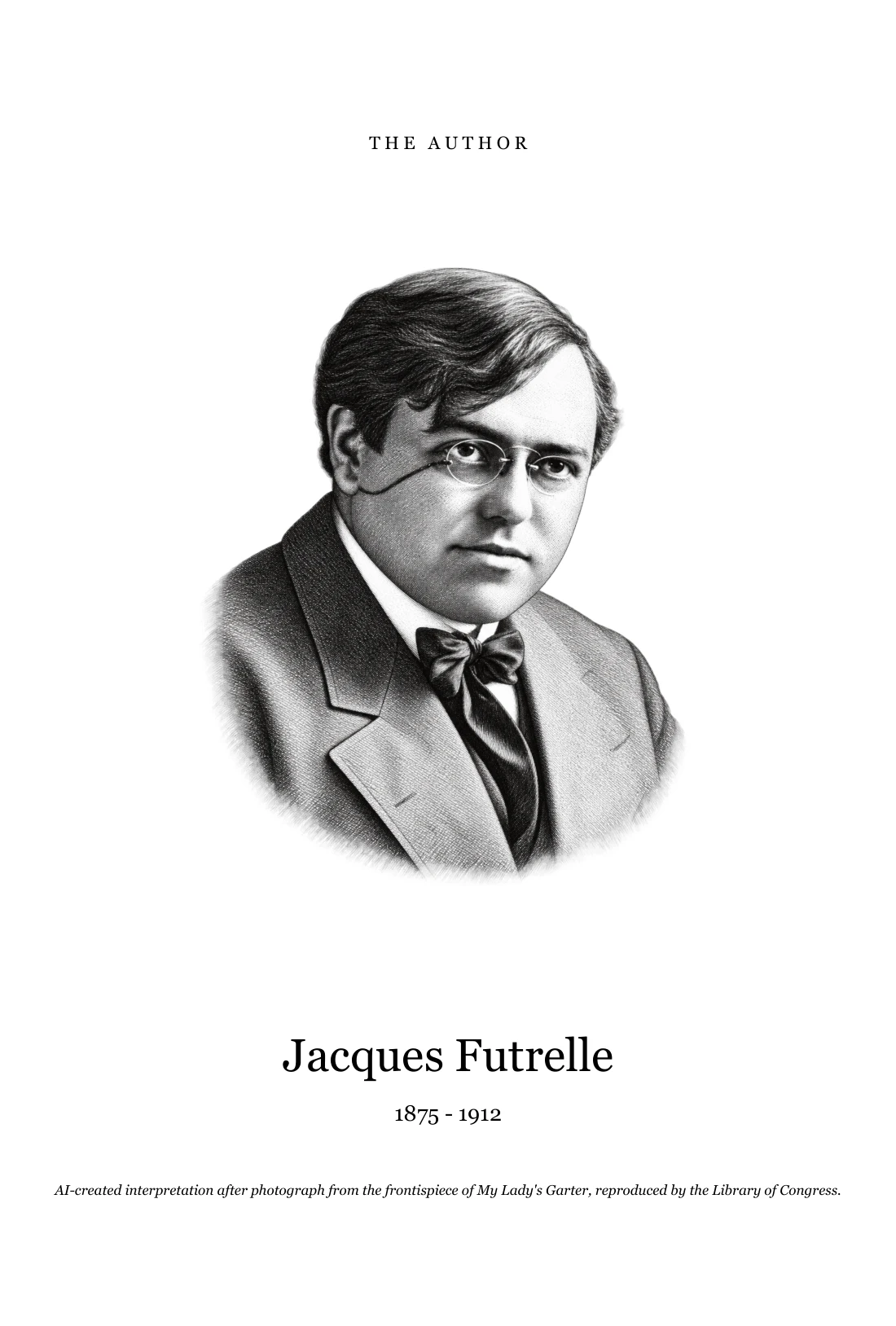
Professor Van Dusen, ‘the Thinking Machine’, bets that he can escape from a prison cell by pure logic. Jacques Futrelle’s title story is one of the most famous puzzles in the genre.
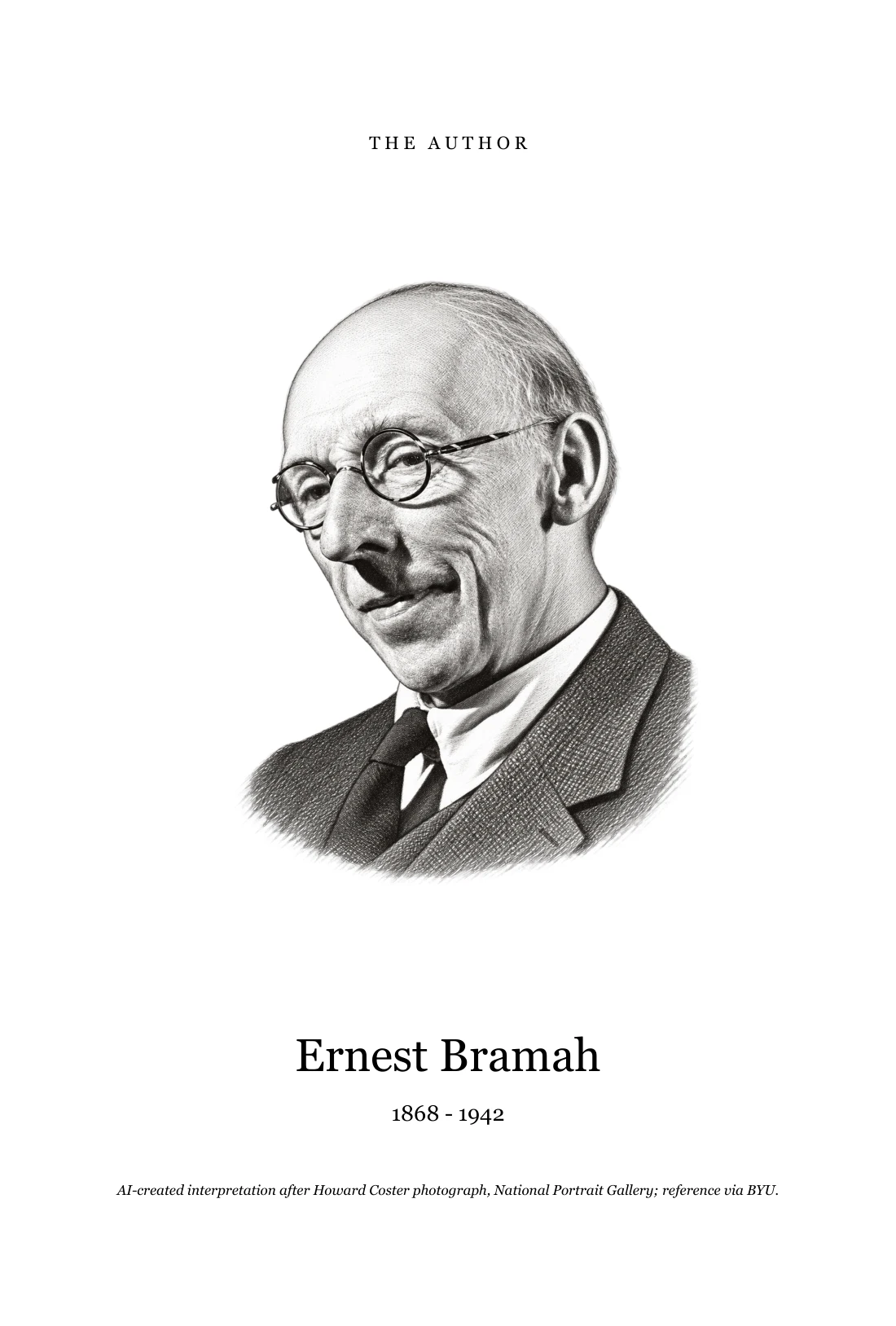
Max Carrados
1914. Max Carrados is blind, and his other senses make him formidable. Ernest Bramah’s stories are clever, humane and often very funny.
The Old Man in the Corner
An old man in a teashop ties knots in a piece of string while he explains to a young journalist how the police got it wrong. Baroness Orczy’s armchair detective does his explaining without leaving his seat.
Lady Molly of Scotland Yard
1910. Lady Molly of Scotland Yard, also by Baroness Orczy, is one of the first women detectives in fiction, narrated by her loyal assistant.
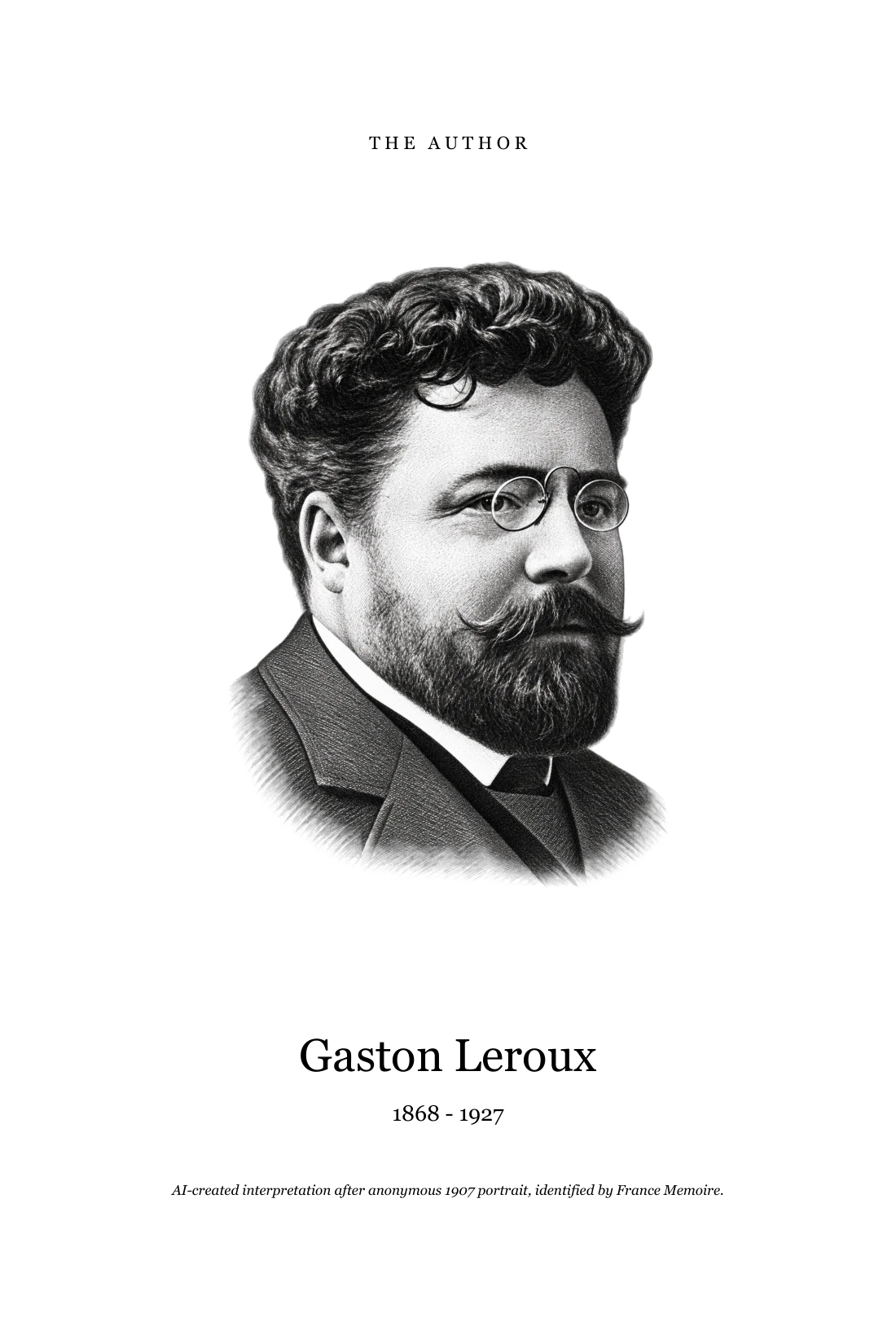
The Mystery of the Yellow Room
1907. A young reporter, Joseph Rouletabille, takes on a crime in a room locked from the inside. Gaston Leroux’s puzzle is one of the great locked-room mysteries.
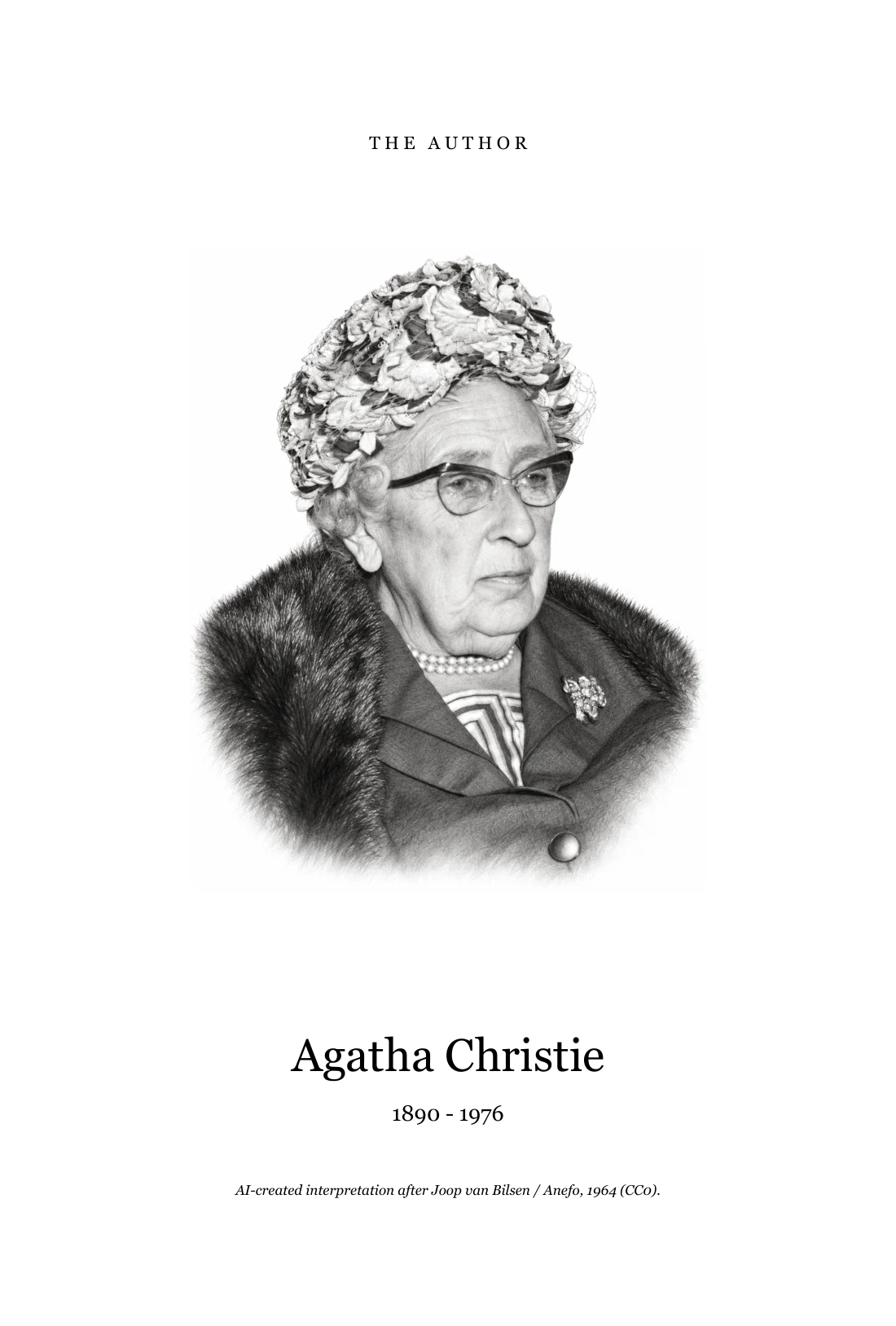
Poirot Investigates
1924. Agatha Christie gave Hercule Poirot his own Watson in Captain Hastings, and these short cases show the partnership at its liveliest.



Gentleman thieves: Holmes turned inside out
Not everyone wanted another detective. Some writers had more fun with the other side of the law.
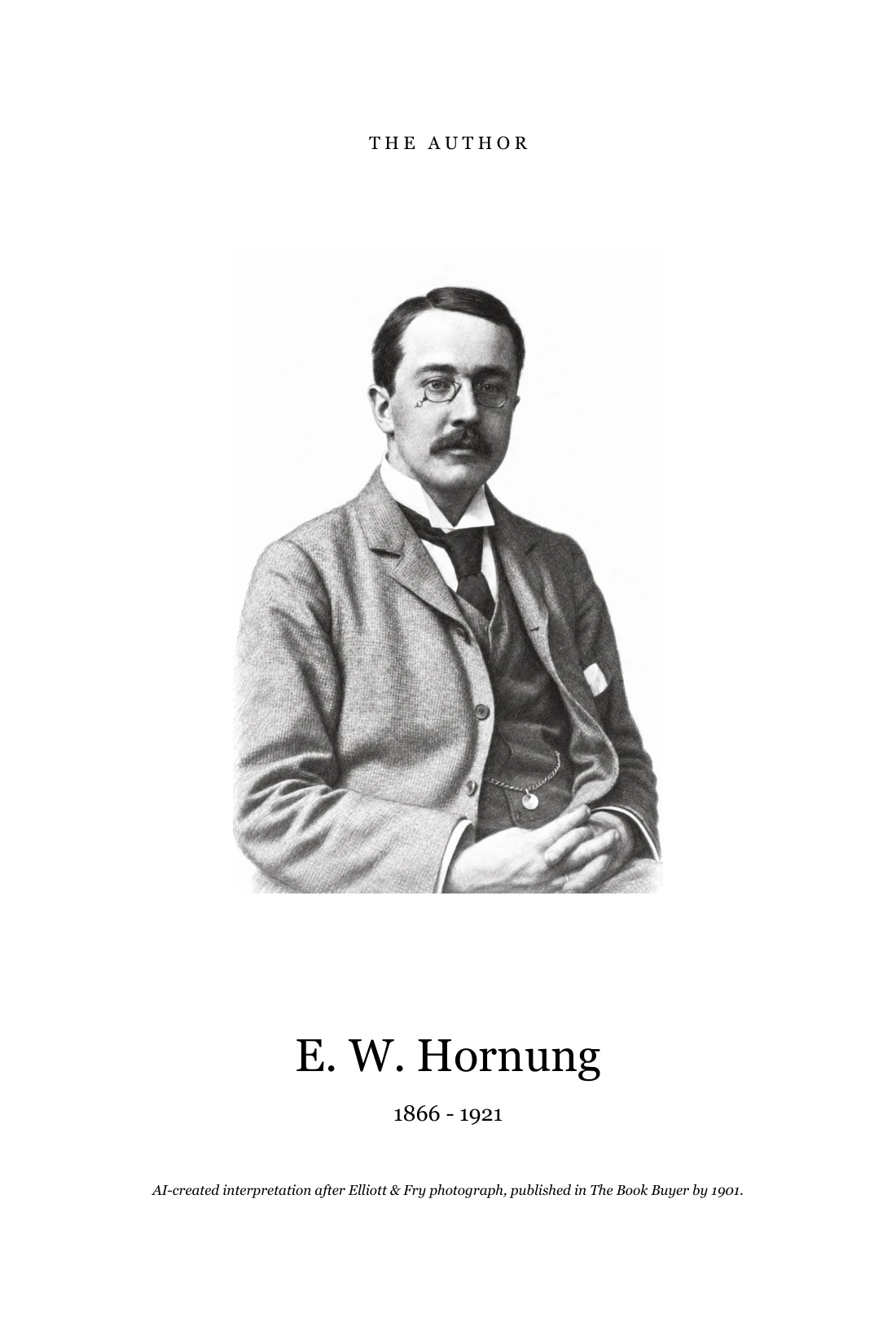
The Amateur Cracksman
1899. A. J. Raffles is a celebrated cricketer and a gentleman burglar, and his loyal friend Bunny tells the story, like a criminal Watson. E. W. Hornung was Conan Doyle’s brother-in-law and dedicated the book to him.
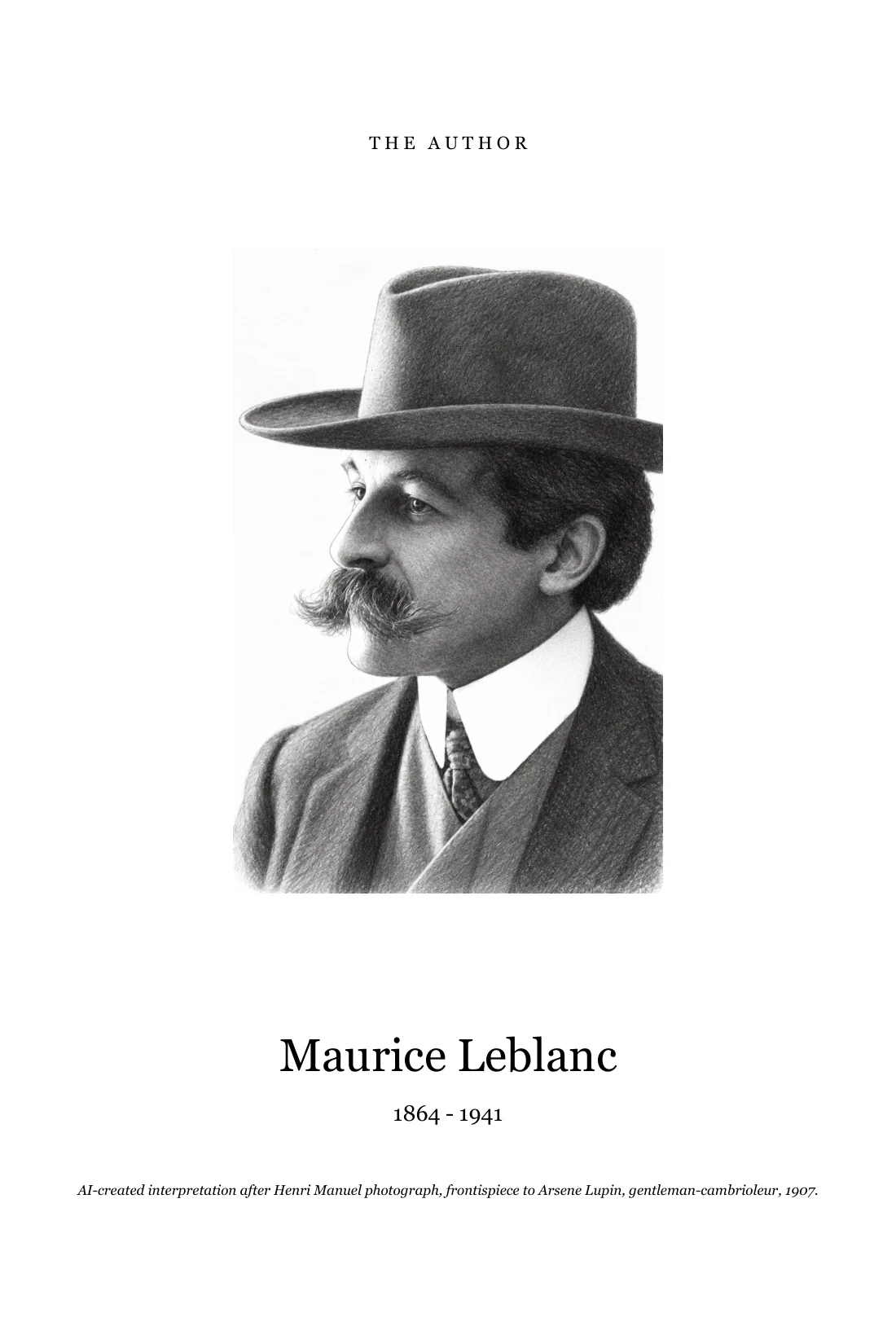
The Extraordinary Adventures of Arsène Lupin, Gentleman-Burglar
Arsène Lupin, Maurice Leblanc’s gentleman-burglar, outwits the police with charm and disguise. Leblanc even pitted him against Sherlock Holmes himself, renamed Herlock Sholmes after Conan Doyle objected.


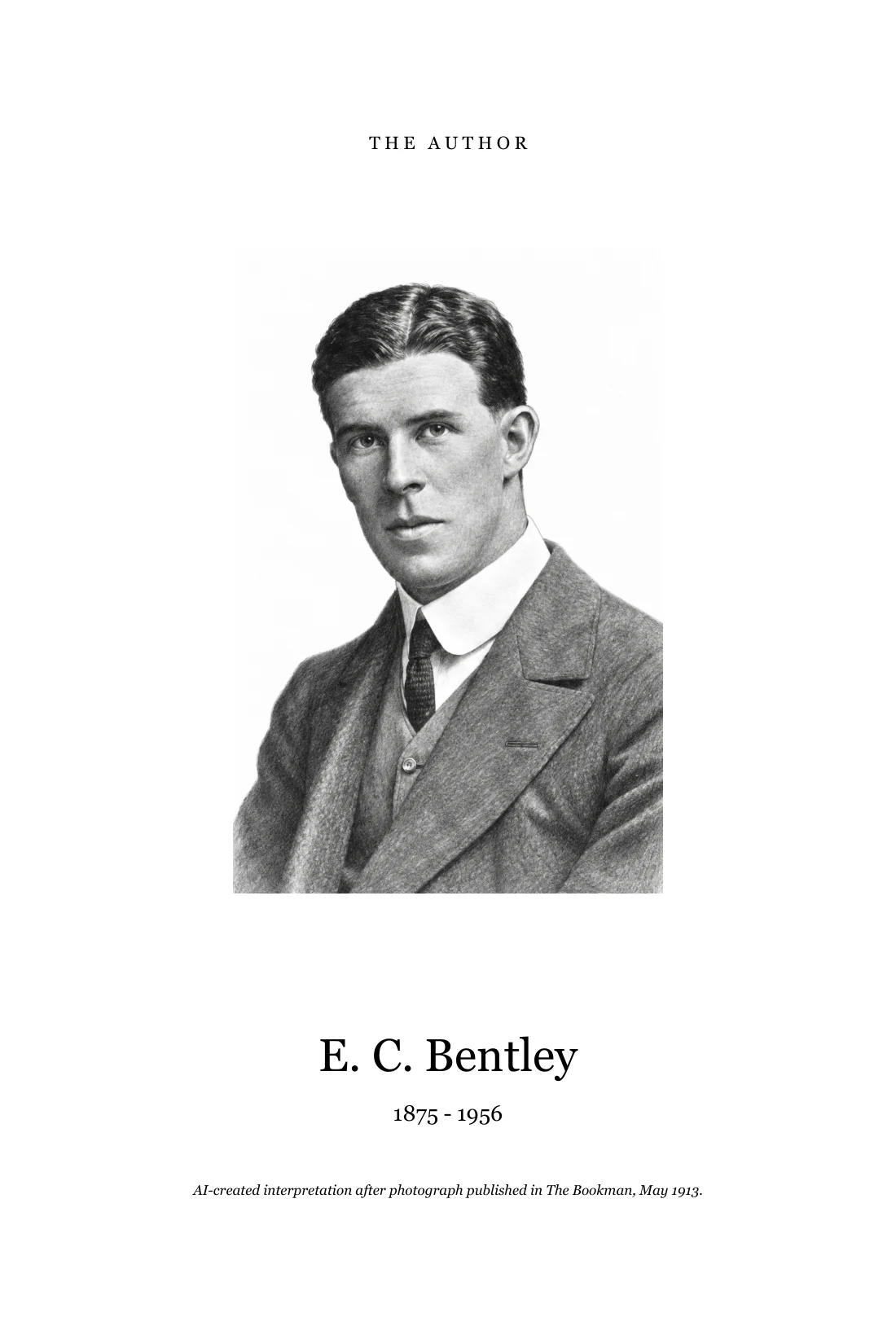
A detective story that questions detectives
By 1913 the all-knowing detective was ripe for teasing, and one of Chesterton’s oldest friends obliged.

What makes a good Sherlock Holmes read-alike?
Three things, mostly. A detective with a distinctive method, whether that is Thorndyke’s microscope, Carrados’s fingertips or Father Brown’s understanding of the human heart. A companion who tells the story and asks the questions we would ask. And fair play: the clues should be there for an alert reader to catch.
The short stories here are the closest in spirit to Holmes, because like Conan Doyle’s originals most of them were written for magazines, one case at a time. Read one a night and you’ll find yourself trying to beat the detective to the answer. For the next generation of puzzle-makers, see golden age detective novels to start with and the best locked-room mysteries.
Which Holmes rival should you read first?
- For the closest match to Holmes: Dr Thorndyke in The Red Thumb Mark.
- For the best writing: The Innocence of Father Brown. Our Father Brown books in order shows where to go next.
- For a villain you’ll root for: The Amateur Cracksman. Read about its family connection in Raffles and Conan Doyle’s brother-in-law.
- For a single brilliant puzzle: The Problem of Cell 13.
And if you haven’t yet read every Holmes story, our guide to the Sherlock Holmes books in order will take you through them. The whole mystery shelf is waiting after that. But if you want just one rival to start with, choose The Innocence of Father Brown. The first story alone, with its blue cross and its chase across London, is worth the price of admission.
Questions readers ask
What should I read after Sherlock Holmes?
G. K. Chesterton’s Father Brown stories, R. Austin Freeman’s Dr Thorndyke novels and Ernest Bramah’s Max Carrados stories are the best next steps. All were written in the wake of Holmes’s success.
Who were Sherlock Holmes’s rivals?
The ‘rivals of Sherlock Holmes’ include Father Brown, Dr Thorndyke, Max Carrados, the Thinking Machine, the Old Man in the Corner, Lady Molly and the gentleman thieves Raffles and Arsène Lupin.
Is Raffles a parody of Sherlock Holmes?
Not exactly, but Raffles and his friend Bunny deliberately mirror Holmes and Watson from the criminal side. E. W. Hornung was Arthur Conan Doyle’s brother-in-law and dedicated the first collection to him.