
We of the Female Department are dreadfully snubbed by the men, though don’t tell me that women have not ten times as much intuition as the blundering and sterner sex.
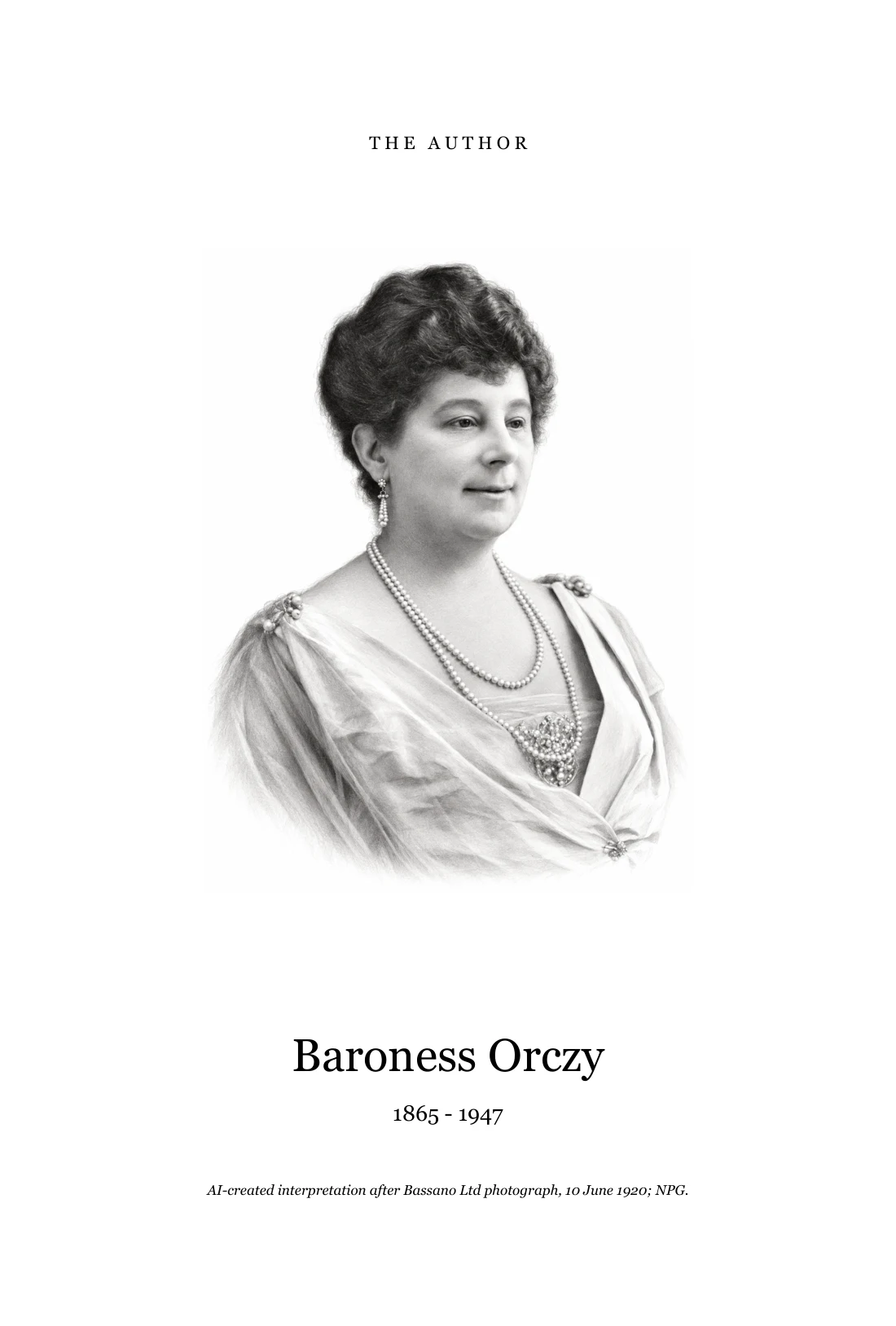
Baroness Orczy, Lady Molly of Scotland Yard (1910)
That is Mary Granard, assistant and narrator to Lady Molly, the head of a “Female Department” at Scotland Yard, complaining in the opening pages of a book published in 1910. No such department existed. London’s Metropolitan Police took on its first women patrol officers only after the First World War, and they were not given the power of arrest until 1923. Fiction was simply ahead of the force.
The female detectives below are the ones classic crime readers return to: Victorian pioneers, Edwardian professionals, and the two great amateurs of the golden age, Tuppence Beresford and Jane Marple. If you want a single starting point, jump to Miss Marple; if you want the whole story, start at the beginning.
How women detectives arrived in fiction
- 1864
The Female Detective, edited by “A.F.” (Andrew Forrester), offers Victorian readers one of the first professional women detectives.
- 1893
Catherine Louisa Pirkis’s Loveday Brooke, a London lady detective, appears in The Ludgate Monthly.
- 1897
Anna Katharine Green introduces the inquisitive spinster Amelia Butterworth in That Affair Next Door.
- 1908
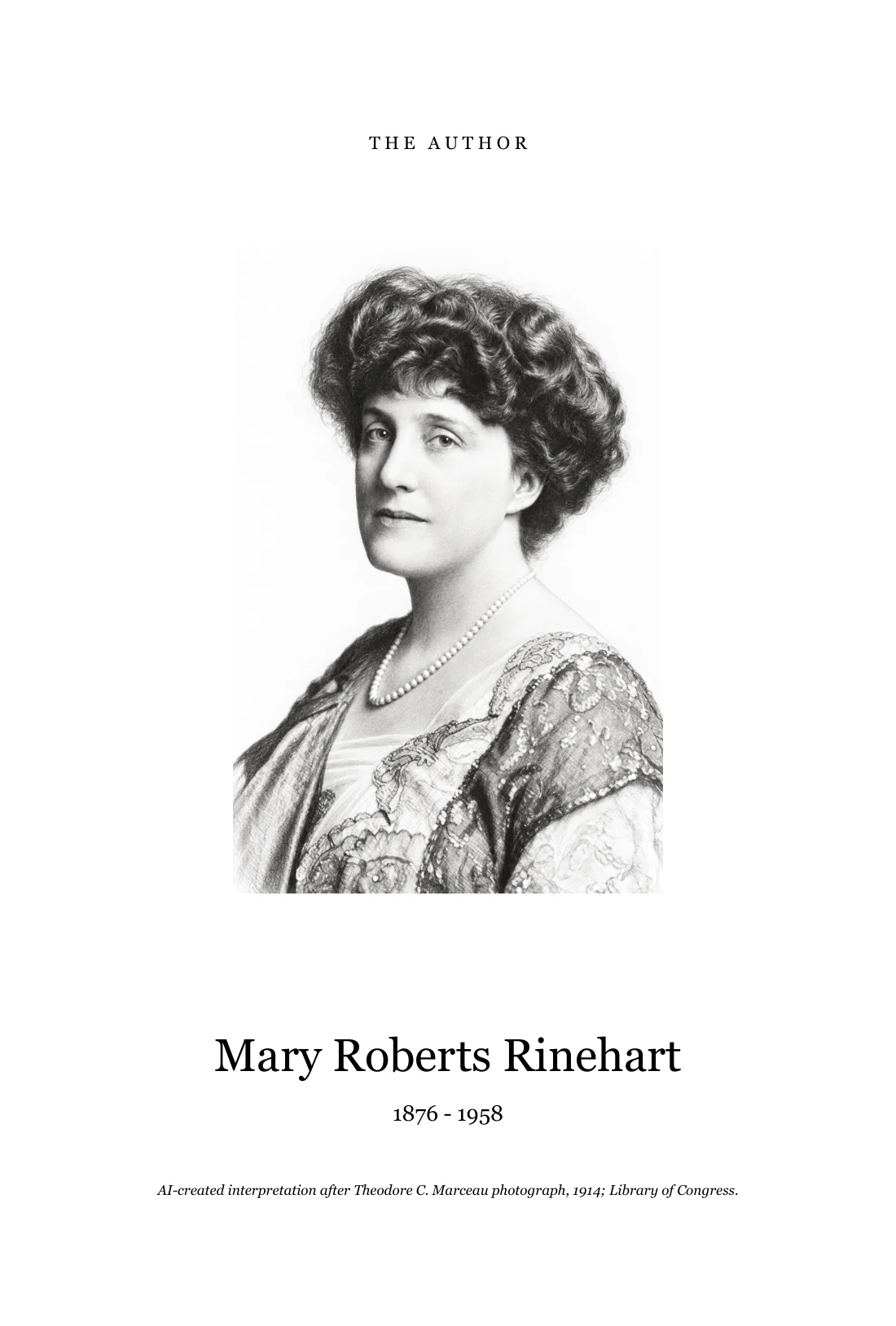
Mary Roberts Rinehart’s The Circular Staircase gives its mystery to a middle-aged householder, Rachel Innes.
- 1910
Baroness Orczy’s Lady Molly of Scotland Yard collects twelve cases of a fictional police detective.
- 1922
Agatha Christie’s second novel launches Tommy and Tuppence.
- Dec 1927
Miss Marple’s first appearance, in the short story “The Tuesday Night Club”.
- 1930
Miss Marple’s first novel and Nancy Drew’s first case both appear.
The Edwardian professionals
Lady Molly of Scotland Yard
1910. Twelve cases solved by Lady Molly Robertson-Kirk, told by her devoted assistant. Orczy gives her heroine an eye for the domestic clues the men at the Yard walk straight past.
The Old Man in the Corner
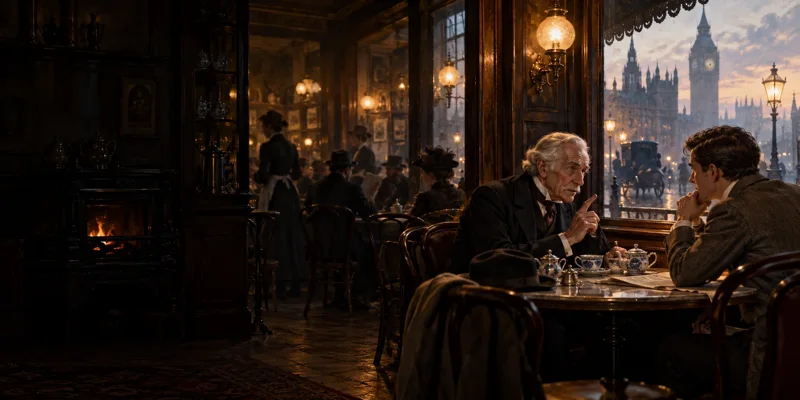
Orczy’s other detective is a man, but the stories are told to a woman: Polly Burton, a young journalist who sits across a tea-shop table while an old man knots string and solves crimes from the newspapers.
The Circular Staircase
Book form 1908. Rachel Innes rents a country house for the summer and finds a body at the foot of its staircase. She investigates herself, tartly and bravely, and narrates with hindsight.


Baroness Orczy is best known for The Scarlet Pimpernel, but she was a busy crime writer too, and Lady Molly is among her liveliest creations. Its cases are short and brisk, ideal for reading one at a sitting. Our post on Baroness Orczy’s detectives covers the rest of her crime fiction.
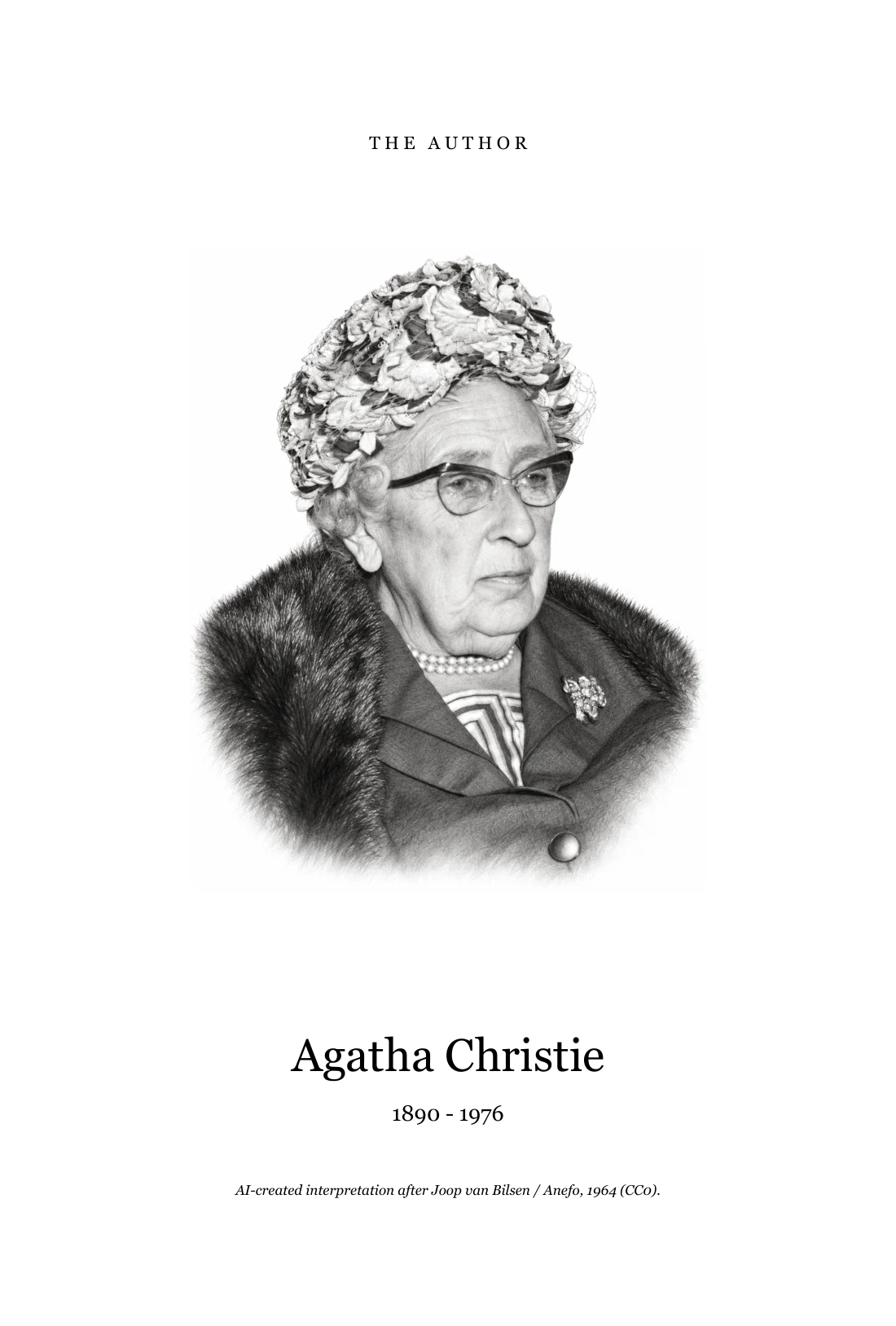
Agatha Christie’s female detectives
Agatha Christie wrote two very different kinds of woman detective, and both are on our shelves.
The Secret Adversary
1922. Two broke young friends back from the war set up as “Young Adventurers” and are hired almost at once into a spy plot. Tuppence is the bold one, and the plan is usually hers.
Partners in crime
1929. Tommy and Tuppence take over a detective agency and solve each case in the style of a famous fictional sleuth: Holmes, Dr Thorndyke, Father Brown and even Poirot.
The Murder at the Vicarage
1930. The first novel to feature Miss Marple, narrated by the vicar of St Mary Mead. She knows the village, she knows human nature, and she is usually right.


The joke of Partners in Crime is that its heroes have read too much detective fiction. In “The Sunningdale Mystery” Tommy sits in a London tea shop playing Orczy’s Old Man in the Corner, with Tuppence cast as his listener, Polly Burton, and she asks the obvious question: “Where’s your piece of string?” It works best if you already know the originals, which makes it an ideal next step after a few classic detective stories. See the Tommy and Tuppence books for their full run.
Miss Marple took longer to arrive. Her first appearance was a short story in The Royal Magazine in December 1927; The Murder at the Vicarage followed in 1930, and she went on solving crimes for the rest of Christie’s career. Her method is comparison: every suspect reminds her of someone in the village. It sounds cosy, and it is ruthless.

The girl detective
Nancy Drew’s first case appeared in April 1930, the same year as The Murder at the Vicarage. The two could hardly be more different, one an elderly spinster who rarely leaves her village, the other a teenager who rarely stays put. Read about the writers behind the name in Did you know Carolyn Keene was not a real person?
Where should a new reader start?
For the pleasure of watching a mind at work, start with The Murder at the Vicarage. For fun and pace, The Secret Adversary. And for the strangeness of an Edwardian woman running cases at Scotland Yard years before any real woman could, open Lady Molly of Scotland Yard at the first page and let Mary Granard tell you what the men got wrong. For more in the same spirit, try golden age detective novels to start with.
Questions readers ask
Who was the first female detective in fiction?
Professional women detectives appeared in British fiction as early as 1864, notably in The Female Detective by Andrew Forrester. Loveday Brooke (1893), Amelia Butterworth (1897) and Lady Molly (1910) followed before Miss Marple.
When did Miss Marple first appear?
Miss Marple first appeared in the short story “The Tuesday Night Club”, published in December 1927. Her first novel was The Murder at the Vicarage (1930).
Was Lady Molly a real detective?
No. Lady Molly Robertson-Kirk is a fictional character created by Baroness Orczy in 1910. London’s Metropolitan Police did not take on women patrol officers until after the First World War.