
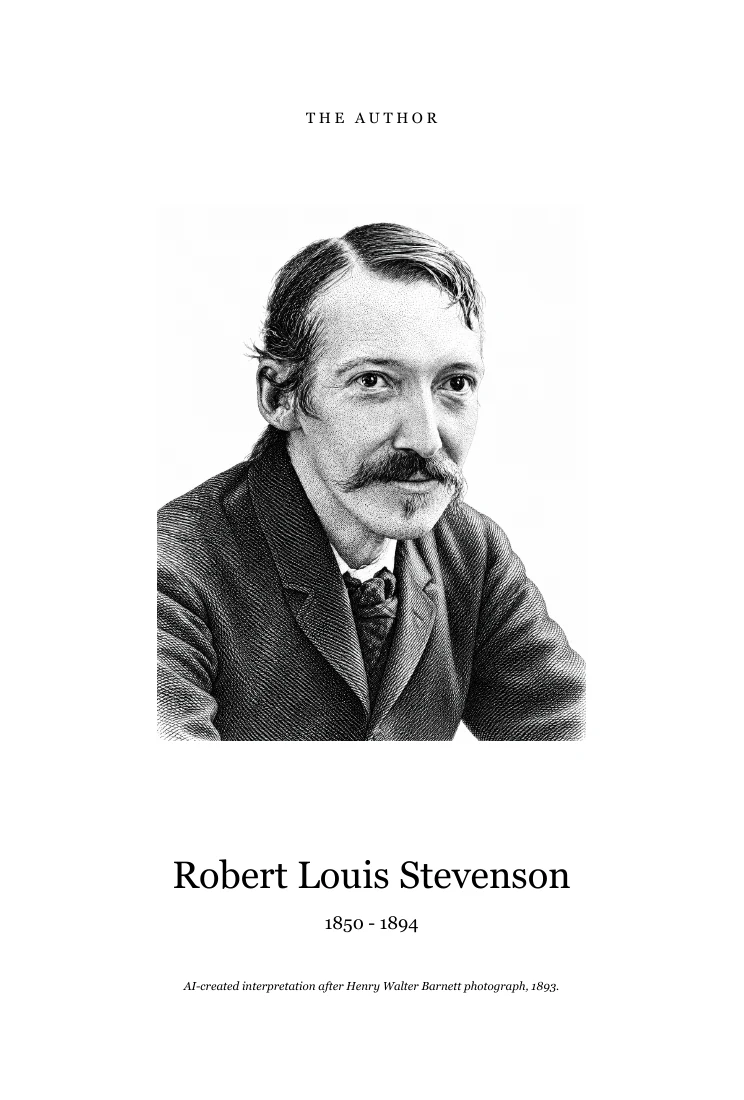
Some of the most famous unfinished novels in English stopped for the simplest of reasons: their authors died. Charles Dickens left The Mystery of Edwin Drood half written in 1870. Elizabeth Gaskell died in 1865 with one instalment of Wives and Daughters to go. Robert Louis Stevenson was working on Weir of Hermiston in Samoa when he collapsed in 1894.
Each of these books still repays reading, and in most cases we have some idea of how the story was meant to end: notes, letters, conversations with friends. Below are the unfinished novels in our library, what survives of each, and what we know, or can guess, about the missing chapters. We have avoided spoiling any of the mysteries.
Unfinished novels cut short by death
The Mystery of Edwin Drood
1870. A choirmaster, his nephew Edwin, and a disappearance on a stormy Christmas Eve. Dickens had written six of a planned twelve monthly parts when he died, leaving one of literature’s great open questions.
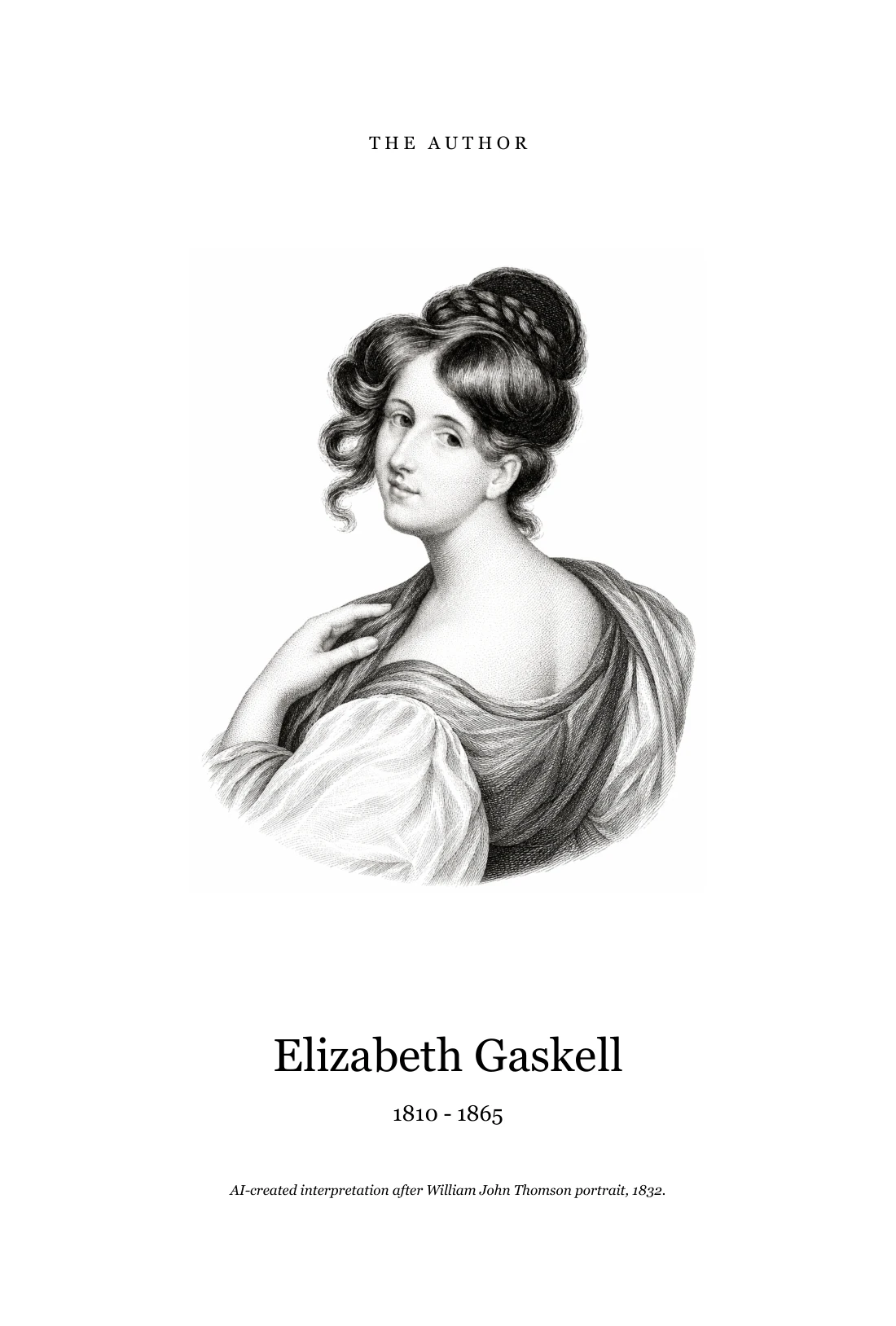
Wives and Daughters
1864–66. Gaskell died suddenly with only the final part unwritten. Her editor added a note explaining how she had meant to resolve things, and few readers feel cheated.
Weir of Hermiston: An Unfinished Romance
Published 1896. A harsh Scottish judge and his sensitive son. Stevenson was dictating it in the last months of his life, and many critics think it would have been his masterpiece.
Maria
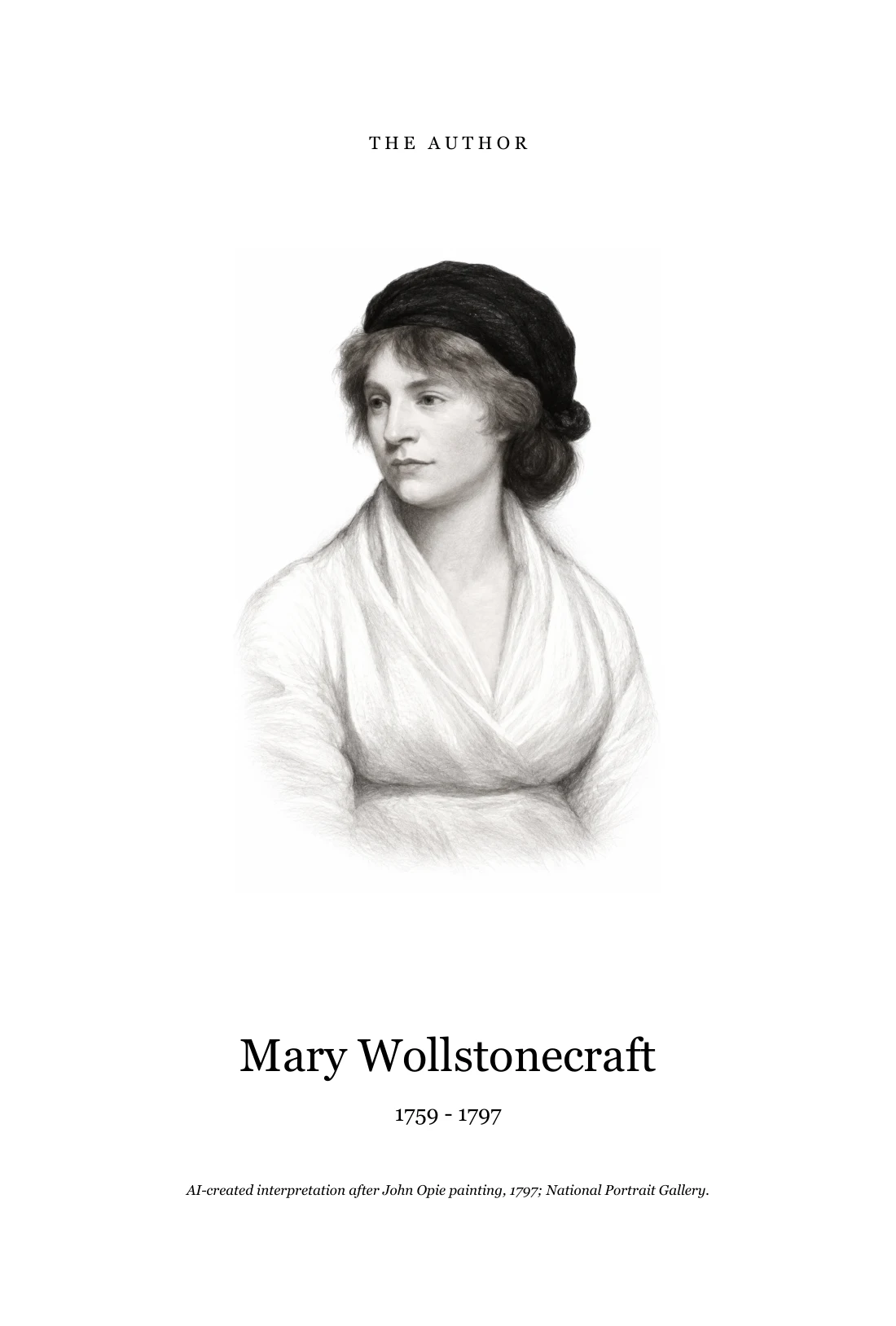
Published 1798. Mary Wollstonecraft’s novel of a woman locked in an asylum by her husband was unfinished when she died in 1797. Her husband, William Godwin, published it with her notes for several possible endings.


How might Edwin Drood have ended?
This is the most argued-over question in Victorian fiction. Dickens left no written plan, but his friend and biographer John Forster later recorded what he said Dickens had told him about the ending, and the illustrator of the monthly parts, Luke Fildes, also recalled hints Dickens gave him. Whether Dickens would have stuck to that plan, and whether Forster remembered it correctly, has been debated ever since.
Over the years, writers have offered solutions, ‘trials’ of the main suspect have been staged, and modern adaptations have invented endings of their own. We won’t spoil the clues here. Read the six surviving parts and make up your own mind: that, in a sense, is the only ending the book now has.
Novels their authors abandoned or destroyed
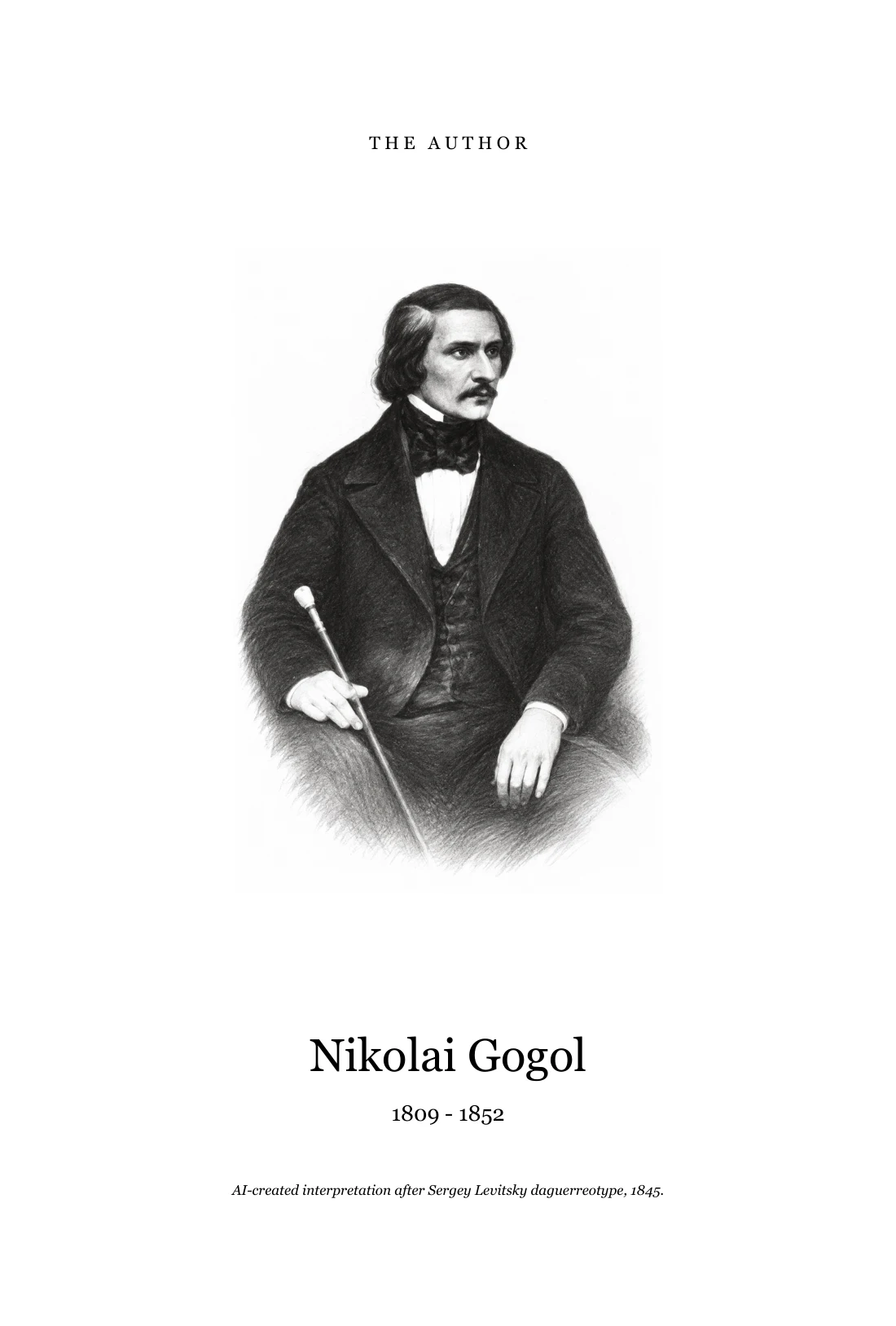
Dead Souls
1842. Gogol planned a sequel to his comic novel of a swindler buying up dead serfs, and laboured over it for a decade. Shortly before his death in 1852 he burned the manuscript. Fragments survive.
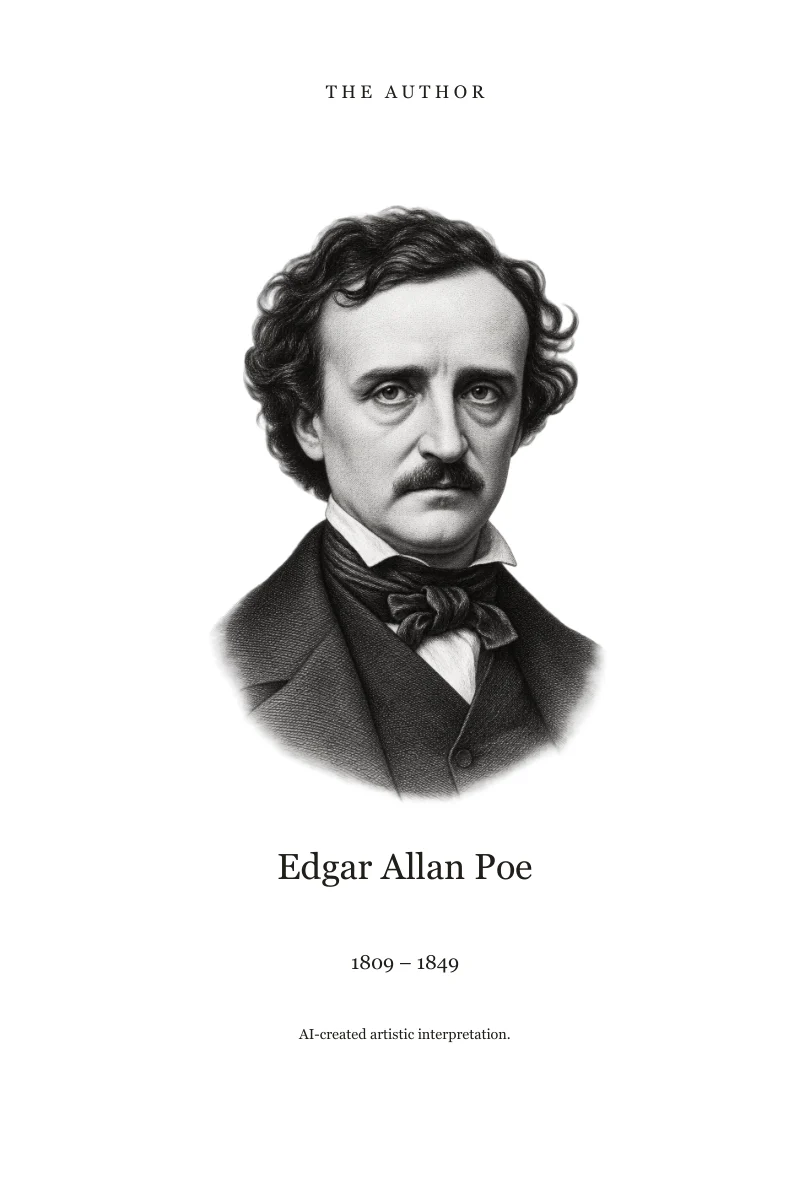
The Narrative of Arthur Gordon Pym of Nantucket
1838. Edgar Allan Poe’s only complete novel breaks off on the edge of a mystery, with a note claiming that its narrator died before finishing. The unfinished ending is part of the fiction.


Unfinished projects: books meant to be the first of more
Some books are complete in themselves but were meant to be part of something larger.
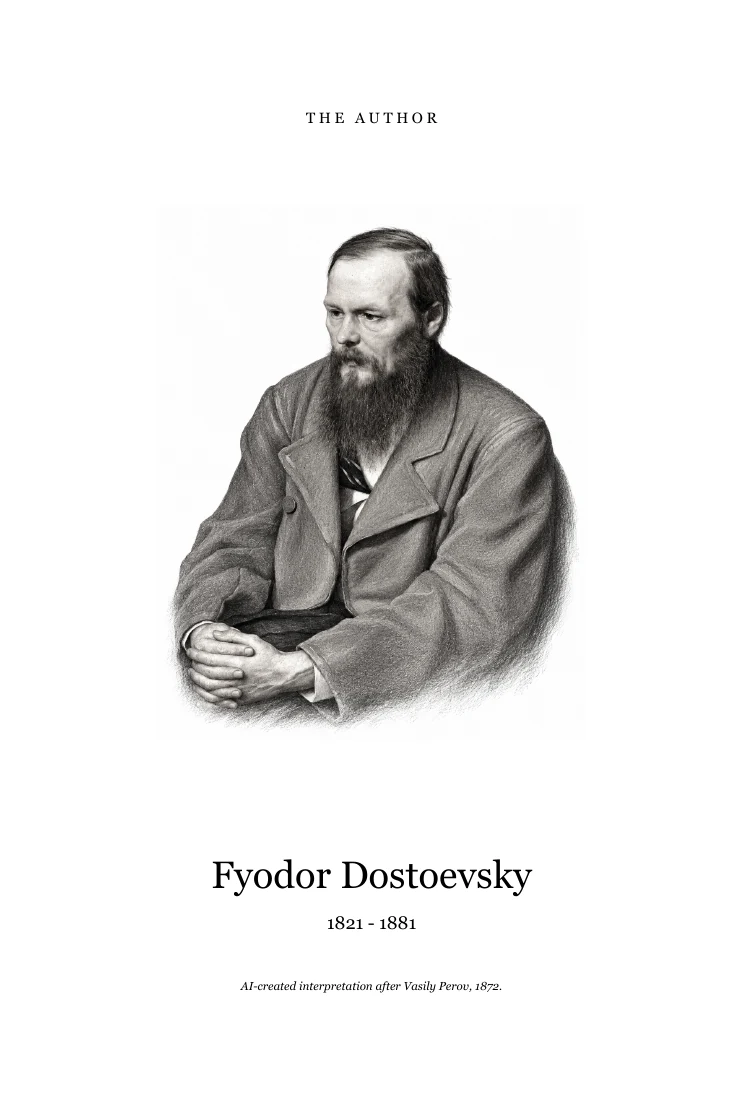
The Brothers Karamazov
1880. Dostoevsky’s preface describes this as the first of two novels about Alyosha Karamazov. He died a few months after it was published, and the second was never written.
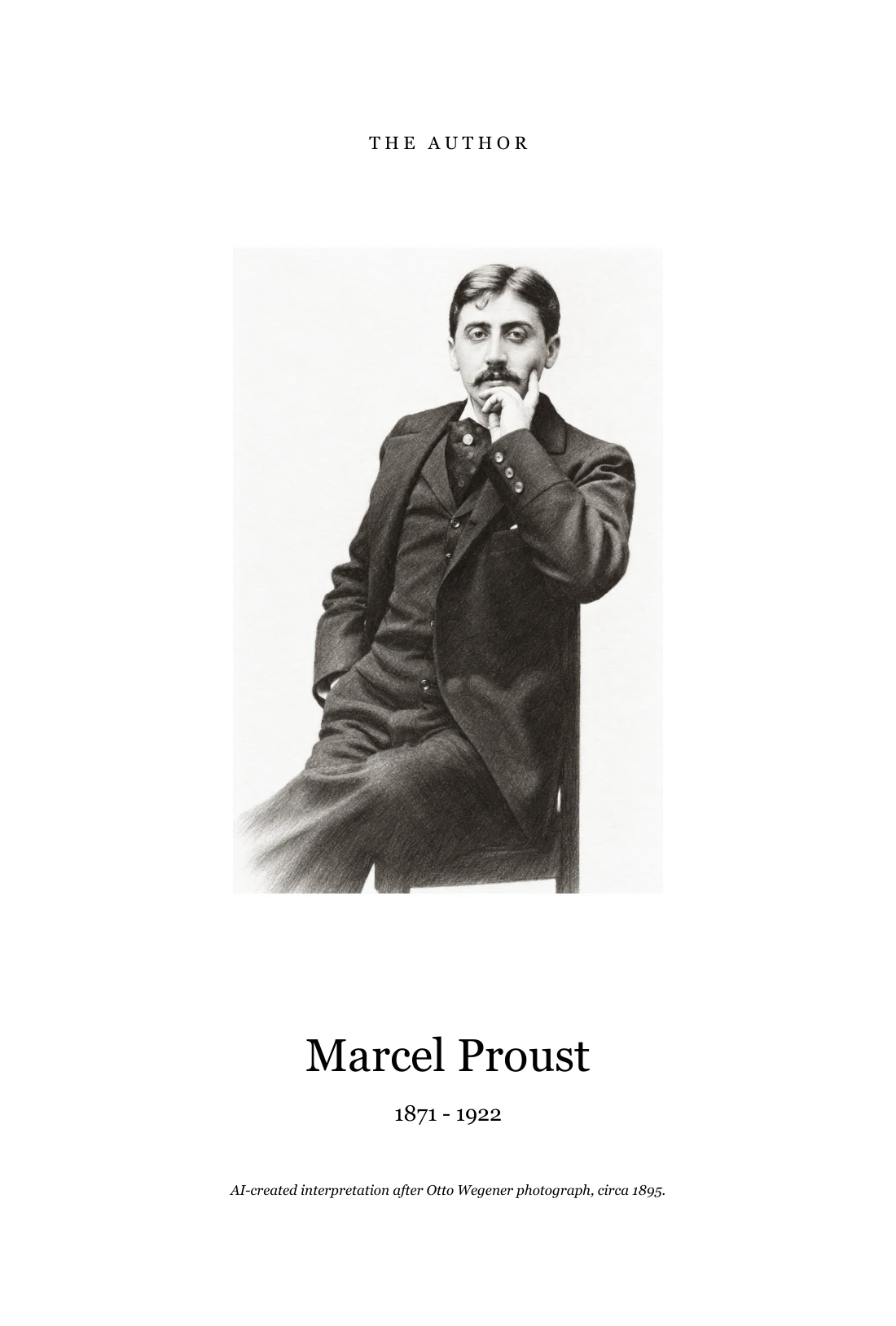
Swann's Way
1913. The first volume of In Search of Lost Time. Proust died in 1922 still revising the final volumes, which were published after his death.


How might the others have ended?
For Wives and Daughters, the editor’s note makes the intended ending fairly clear. For Weir of Hermiston, Stevenson’s friend Sidney Colvin published an outline of the plot, drawing on what Stevenson had told his stepdaughter, though Stevenson often changed his plans as he wrote. For Dead Souls, Gogol is said to have meant the full work to follow a journey like Dante’s, from a kind of hell towards redemption; whether he could have managed it, nobody knows.
That is part of the strange appeal of unfinished books. A finished novel closes doors; an unfinished one leaves them open, and every reader walks through a different one.
Which unfinished novel should you read first?
- For a mystery to solve yourself: The Mystery of Edwin Drood. See also where to start with Charles Dickens.
- For a long, warm read that barely suffers from its missing chapter: Wives and Daughters, one of the longest classic novels in our library.
- For a short, powerful fragment: Weir of Hermiston. More in where to start with Robert Louis Stevenson.
- For comedy: Dead Souls, and the story of its burning in Did you know Gogol burned Dead Souls?
If you want one to argue about over dinner, start with The Mystery of Edwin Drood. Dickens left the clues; the solution is up to you.
Questions readers ask
What is the most famous unfinished novel?
Charles Dickens’s The Mystery of Edwin Drood is probably the most famous unfinished novel in English. Dickens died in 1870 with only half of it written, leaving the mystery unsolved.
Why was Edwin Drood never finished?
Dickens died of a stroke in June 1870, having completed six of the twelve monthly instalments he had planned.
Did Gogol finish Dead Souls?
No. Gogol published the first part in 1842 but burned the manuscript of the second part shortly before his death in 1852. Only fragments of it survive.