
Eight hundred and two thousand, seven hundred and one. That is the year, A.D. 802,701, that the little dials on the Time Traveller’s machine record when he stops and climbs down onto a hillside where the Thames has shifted its course. He has travelled there deliberately, at his own speed, in a vehicle of nickel, ivory and crystal that he built himself, and he can, in principle, come back.
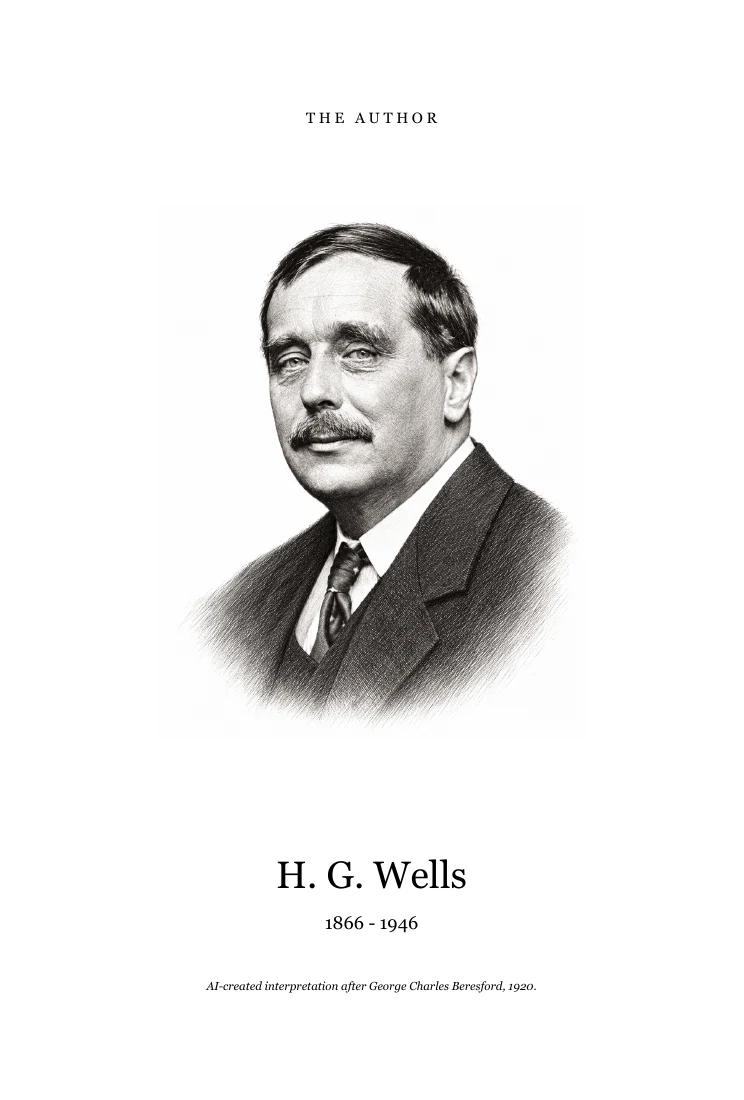
That idea, of a machine you could steer through time, is what H. G. Wells made famous with The Time Machine in 1895. He did not invent time travel in fiction; people had been sleeping into the future and dreaming their way into the past for centuries. But the novella is generally credited with popularising time travel as a chosen, controlled journey, forwards or backwards, and Wells is credited with coining the phrase “time machine” itself.
Was The Time Machine the first time travel story?
No, and not even the first with a machine. Older tales moved people through time by magic, dreams or very long sleeps. In September 1881 a New York newspaper, The Sun, printed an anonymous story by Edward Page Mitchell, The Clock That Went Backward, often called the first to use a mechanical device for time travel. In 1887 the Spanish writer Enrique Gaspar published El anacronópete, a novel about a time-travelling machine. Mitchell’s story was so obscure that it is usually assumed Wells never saw it.
- 1819
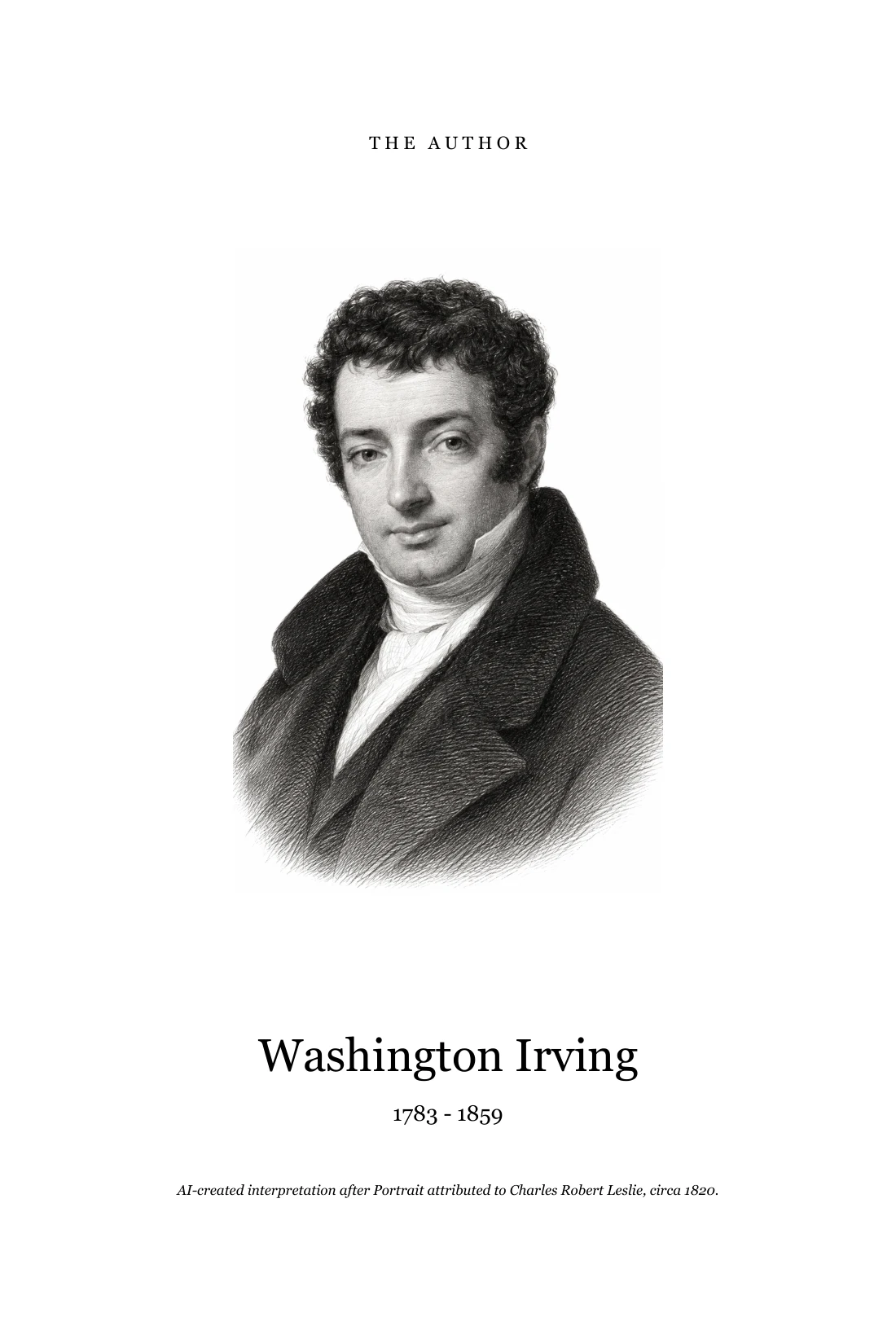
Washington Irving’s Rip Van Winkle sleeps his way into the future in The Sketch-Book
- 1843
Dickens’s spirits show Scrooge his past and his future in A Christmas Carol
- September 1881
Edward Page Mitchell’s The Clock That Went Backward appears in The Sun
- 1887
Enrique Gaspar publishes El anacronópete in Barcelona
- 1888
Wells’s student story The Chronic Argonauts introduces his first time-travelling inventor
- 1889
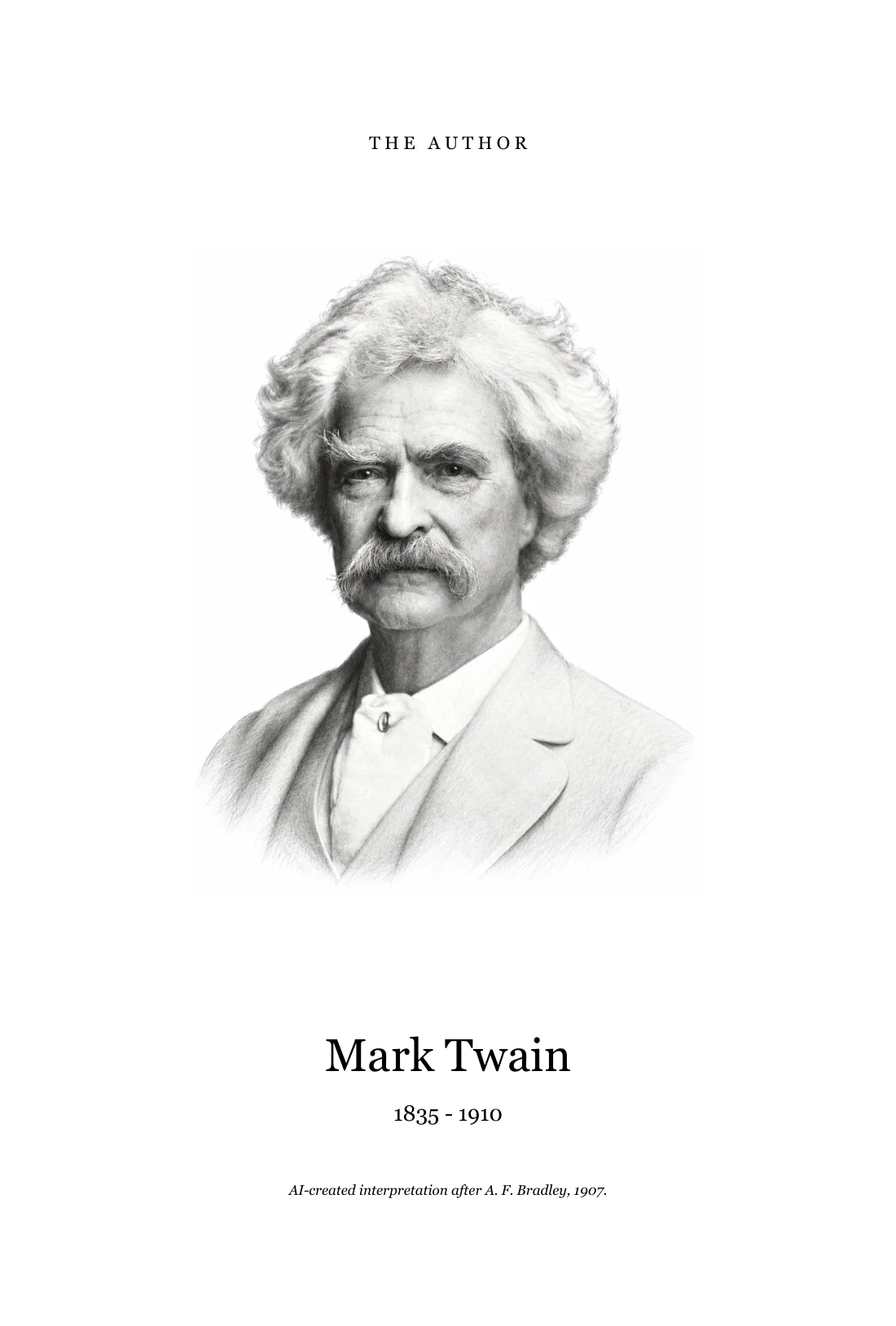
Mark Twain sends a Connecticut Yankee back to King Arthur’s court
- January–May 1895
The Time Machine is serialised in the New Review
- May 1895
Henry Holt in New York and Heinemann in London publish it as a book

Where did Wells get the idea?
From his own student days. In 1888 Wells published a serial called The Chronic Argonauts in the Science Schools Journal, the student magazine of the London college where he had studied science, about a mysterious inventor, Dr Moses Nebogipfel, who arrives in a Welsh town with a machine for travelling in time. Wells abandoned it, kept the idea, and rewrote it over several years, most heavily in 1894. By the time it appeared in the New Review in 1895, the gothic inventor had become the calm, unnamed Time Traveller, explaining his theory to sceptical dinner guests.
That theory is the novella’s real innovation. Wells grounds the impossible in the language of geometry, at a time when the fourth dimension was a fashionable puzzle:
“Clearly,” the Time Traveller proceeded, “any real body must have extension in four directions: it must have Length, Breadth, Thickness, and—Duration.”
H. G. Wells, The Time Machine (1895)
Time, he argues, is simply a fourth dimension, along which our consciousness happens to move in one direction. If you can move freely in the other three, why not in that one? It is an argument, not a spell, and that is what made every later time machine possible.
What does the Time Traveller find?
A future that looks like paradise and is not. In 802,701 he meets the Eloi, small, beautiful, childlike people who live in idleness among ruined palaces. Then he discovers the Morlocks, pale creatures who live underground and work the machinery. He comes to suspect that humanity has divided along the lines of Victorian class, the favoured aristocracy becoming the Eloi and the servant class the Morlocks.
That is the sting in the tale. The Time Machine uses time travel not as a game but as a way of following present trends to their conclusion, and its later chapters, which journey further still, towards the end of life on Earth, are among the most haunting pages Wells wrote. Even the frame is distinctive: the story is told to a circle of friends, including a Medical Man, a Psychologist and a Provincial Mayor, who are not at all sure they believe it.
The Time Machine
1895. An inventor builds a machine, rides it to the year 802,701, and finds humanity divided into Eloi and Morlocks. The novella that made time travel a matter of engineering.
A Connecticut Yankee in King Arthur’s Court
Twain’s 1889 satire sends a practical Yankee back to Camelot. Time travel without a machine, and comedy where Wells chose dread.
The Sketch-Book of Geoffrey Crayon
Washington Irving’s miscellany, home of Rip Van Winkle, who sleeps through two decades and wakes in a changed country. The older way of travelling into the future.



Where to go next
Wells was full of ideas that later came true, as Did you know H. G. Wells predicted the atomic bomb? shows, and The Time Machine features in The science fiction firsts. For another nineteenth-century journey to the future, by sleep rather than machine, see Did you know an 1888 novel imagined the credit card?. And for the other side of Wells, try H. G. Wells beyond science fiction: the comic novels.
Then join the dinner guests. The Time Machine runs to under 120 pages, and from the first argument about cubes to the last view of a dying beach, it never lets you forget how far from home the Traveller has gone.
Questions readers ask
Did H. G. Wells invent time travel?
No. Stories of travel through time by sleep, dream or magic are much older, and earlier writers, such as Edward Page Mitchell in 1881, used mechanical devices. Wells popularised the idea of a deliberate journey in a machine and is credited with coining the term “time machine”.
When was The Time Machine published?
It was serialised in the New Review from January to May 1895 and published as a book in May 1895, by Henry Holt in New York and Heinemann in London.
What year does the Time Traveller visit?
He stops in the year A.D. 802,701, where he meets the Eloi and the Morlocks, before travelling much further into the future.