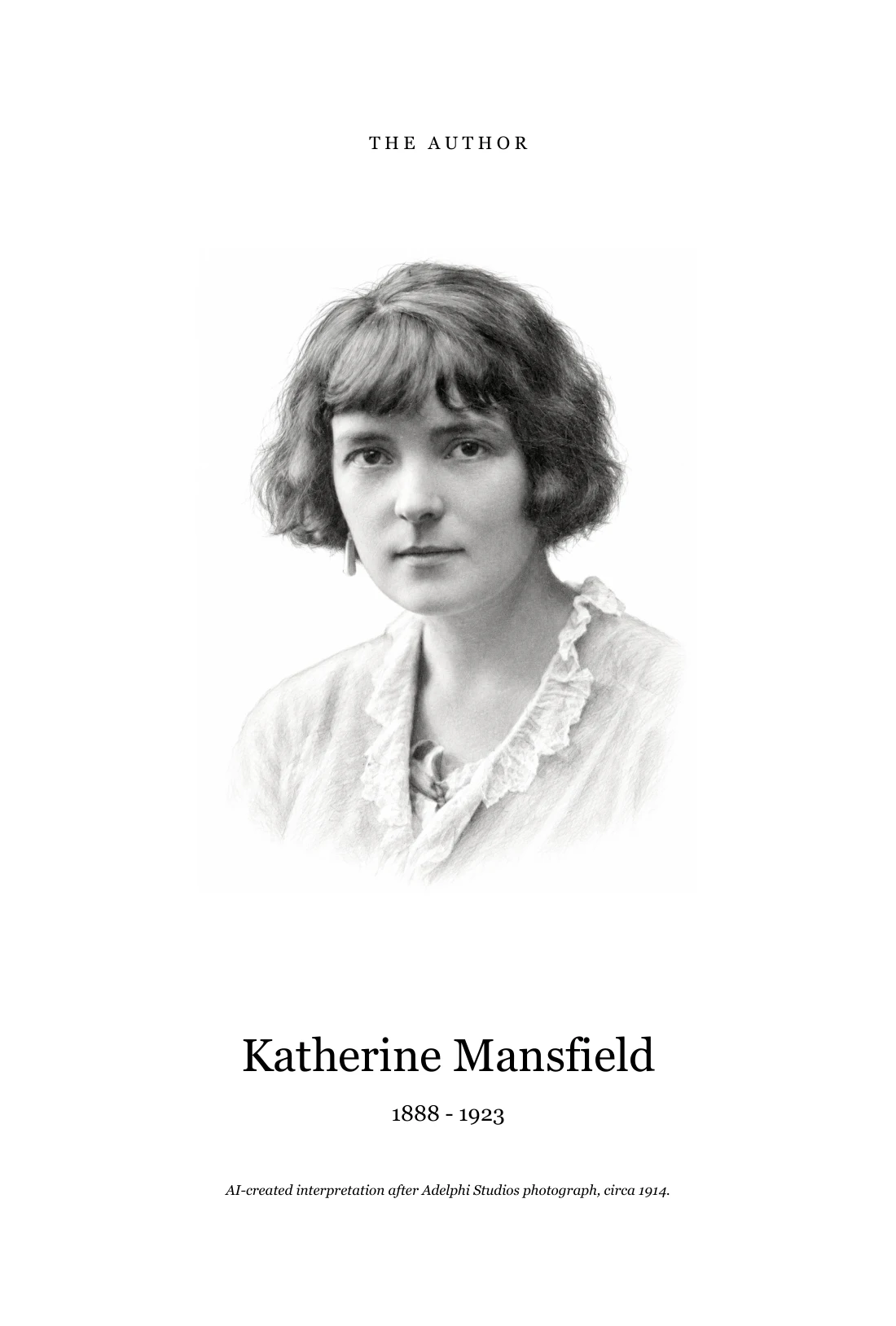
In 1920 Katherine Mansfield was asked whether her first book could be reprinted, and she said no. In a German Pension had come out in 1911, when she was twenty-three, and she now thought its stories juvenile and, after the war, too easy to read as an attack on Germans. It stayed out of print until her husband reissued it in 1926, three years after her death.
Writers are often harsh about their short fiction, and readers tend to follow their lead. Yet the short story collections by novelists below include some of the sharpest work their authors produced. Six of them come from famous novelists. The other two are wild cards: Mansfield, who never wrote a novel at all, and Irvin S. Cobb, a humorist whose stories are better than his reputation.
Why do short story collections by novelists get overlooked?
Mostly because the novels got there first. A reader who loves Tess or The House of Mirth goes looking for the next novel, not for a slim book of tales. And story collections are often assembled from magazine work, so they arrive without the fanfare of a big new book. But a story lets a novelist try something in miniature, and these are the books where you can watch them do it.

The Victorians: Hardy and Meredith
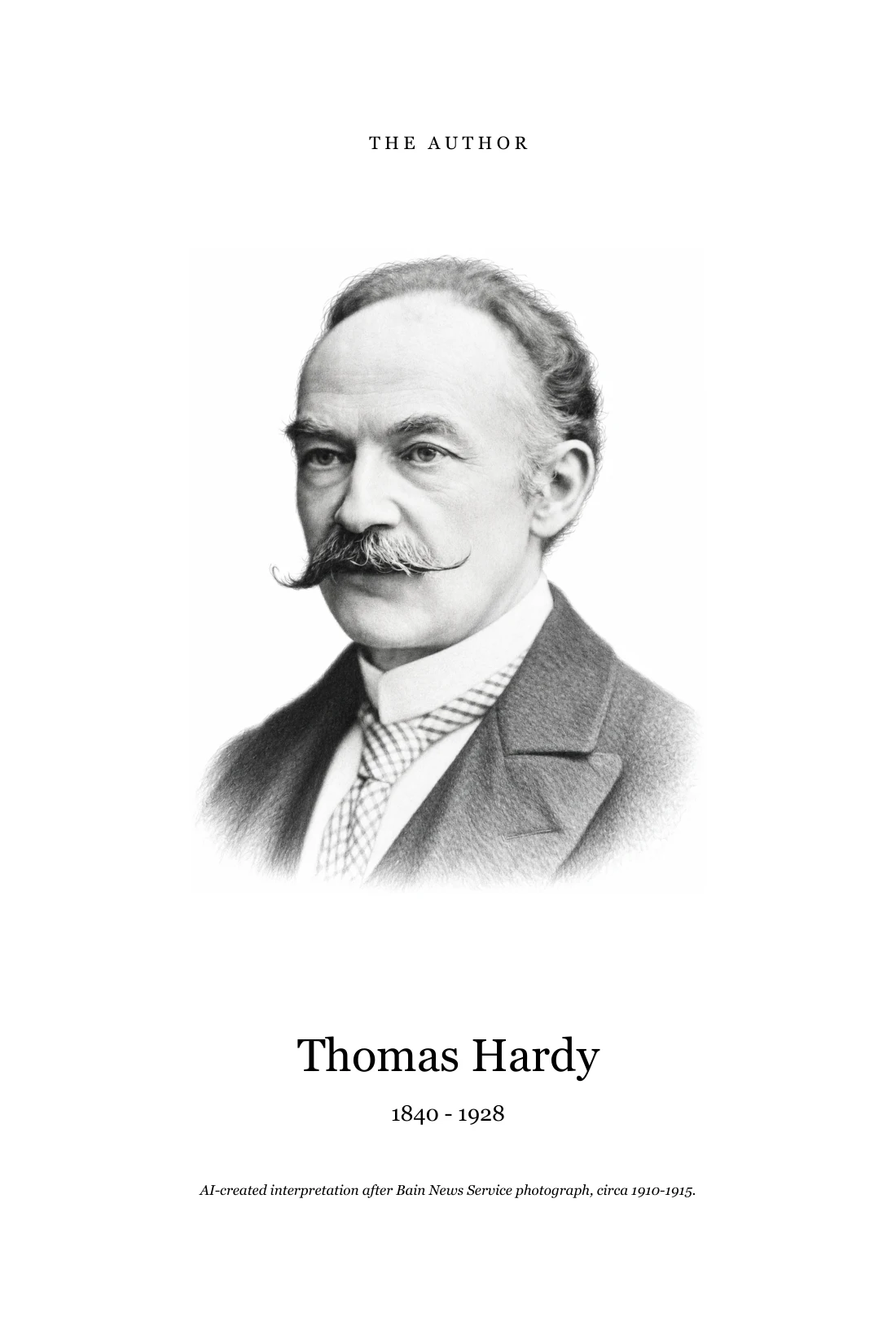
Thomas Hardy published Life’s Little Ironies in February 1894, the year before Jude the Obscure, and every story had already appeared in a magazine. The title is exact. In “The Son’s Veto” a widow’s snobbish son forbids her to remarry the man she loves; in “On the Western Circuit” a love affair is conducted by letters someone else writes. “A Few Crusted Characters” closes the book with a carrier’s cart full of villagers swapping comic tales, Hardy at his warmest.
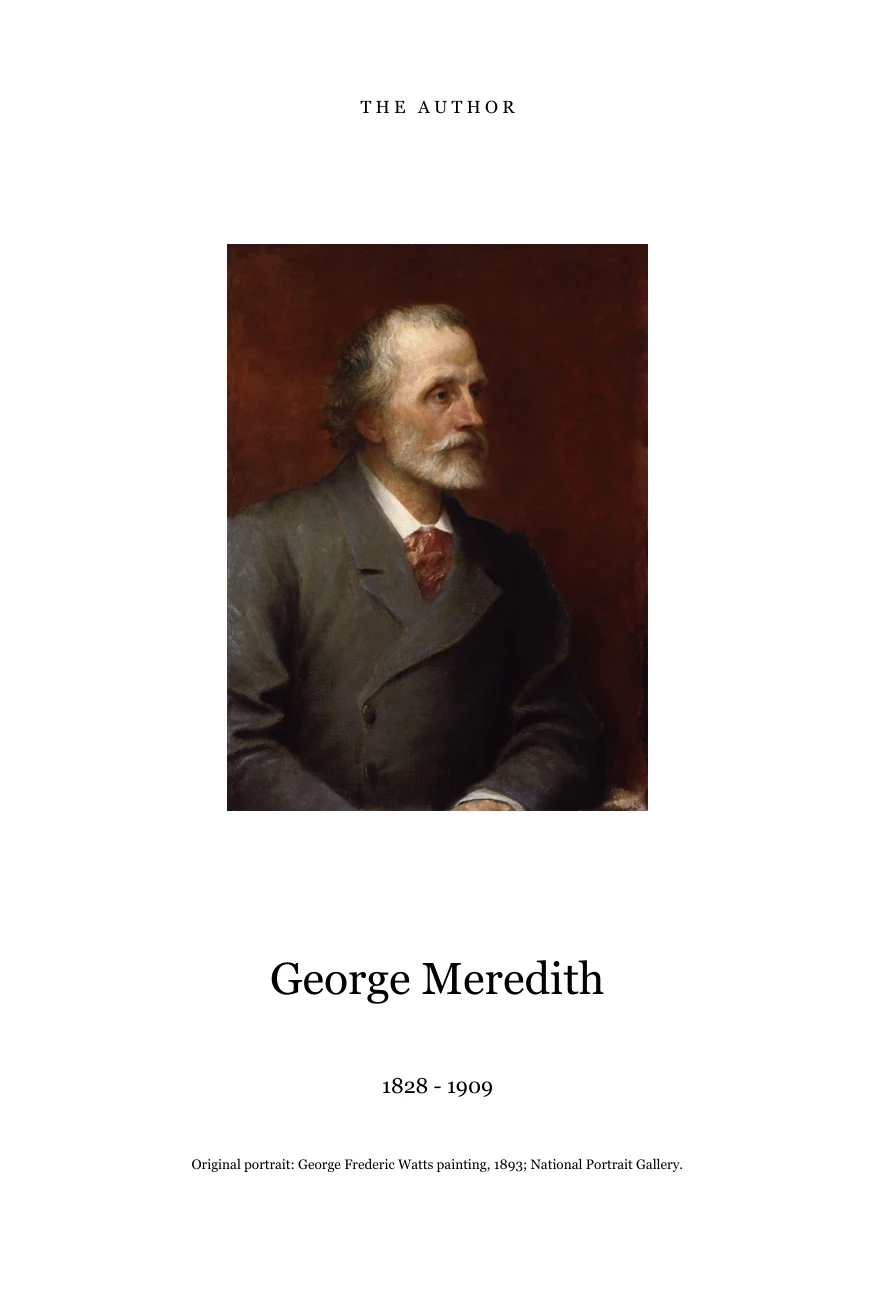
George Meredith is now known, if at all, for difficult novels such as The Egoist. His shorter fiction is the easier door: the comic novellas The House on the Beach and The Case of General Ople and Lady Camper (both 1877), the tragic Tale of Chloe (1879) and Farina, a mock-medieval romance set in Cologne. His contemporaries took him very seriously, Sherlock Holmes included.
And now let us talk about George Meredith, if you please, and we shall leave all minor matters until to-morrow.
Sherlock Holmes in Arthur Conan Doyle’s “The Boscombe Valley Mystery”
Life's Little Ironies
Irony, tragedy and village comedy, every story first published in a magazine. Start with “The Son’s Veto”.
Complete Short Works of George Meredith
Meredith’s novellas and shorter pieces in one volume. Try The Case of General Ople and Lady Camper, a comedy of a pompous general and the neighbour who answers his pomposity with caricatures.


The Americans: Wharton and Cather
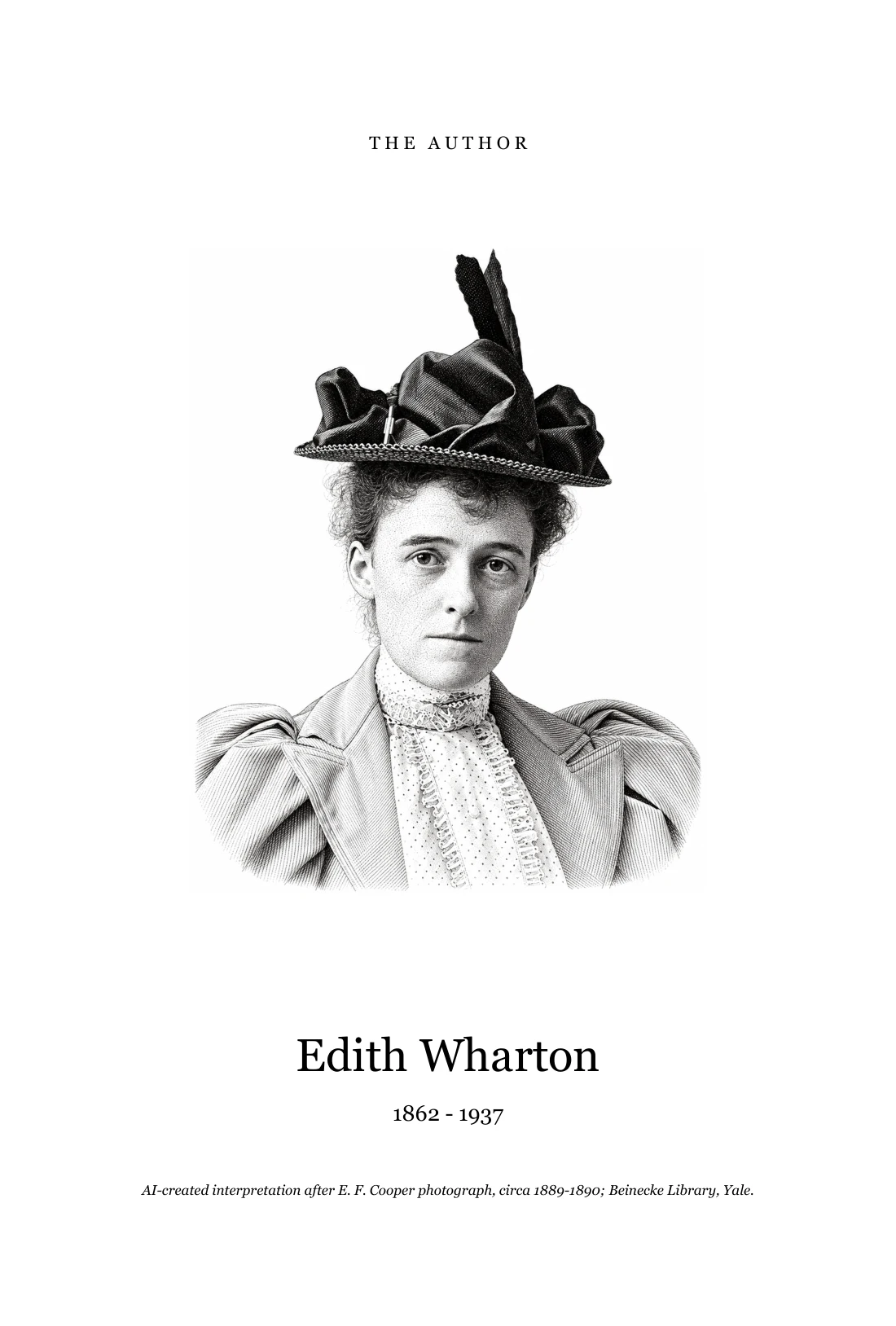
Edith Wharton was in her late thirties when The Greater Inclination became her first book of fiction, published by Scribner’s on 28 March 1899. Its first printing of 1,250 copies had sold out by June. There are seven stories and a short play, and “Souls Belated”, about a couple who have run away together and find that freedom has rules of its own, already sounds like the Wharton of the great novels.
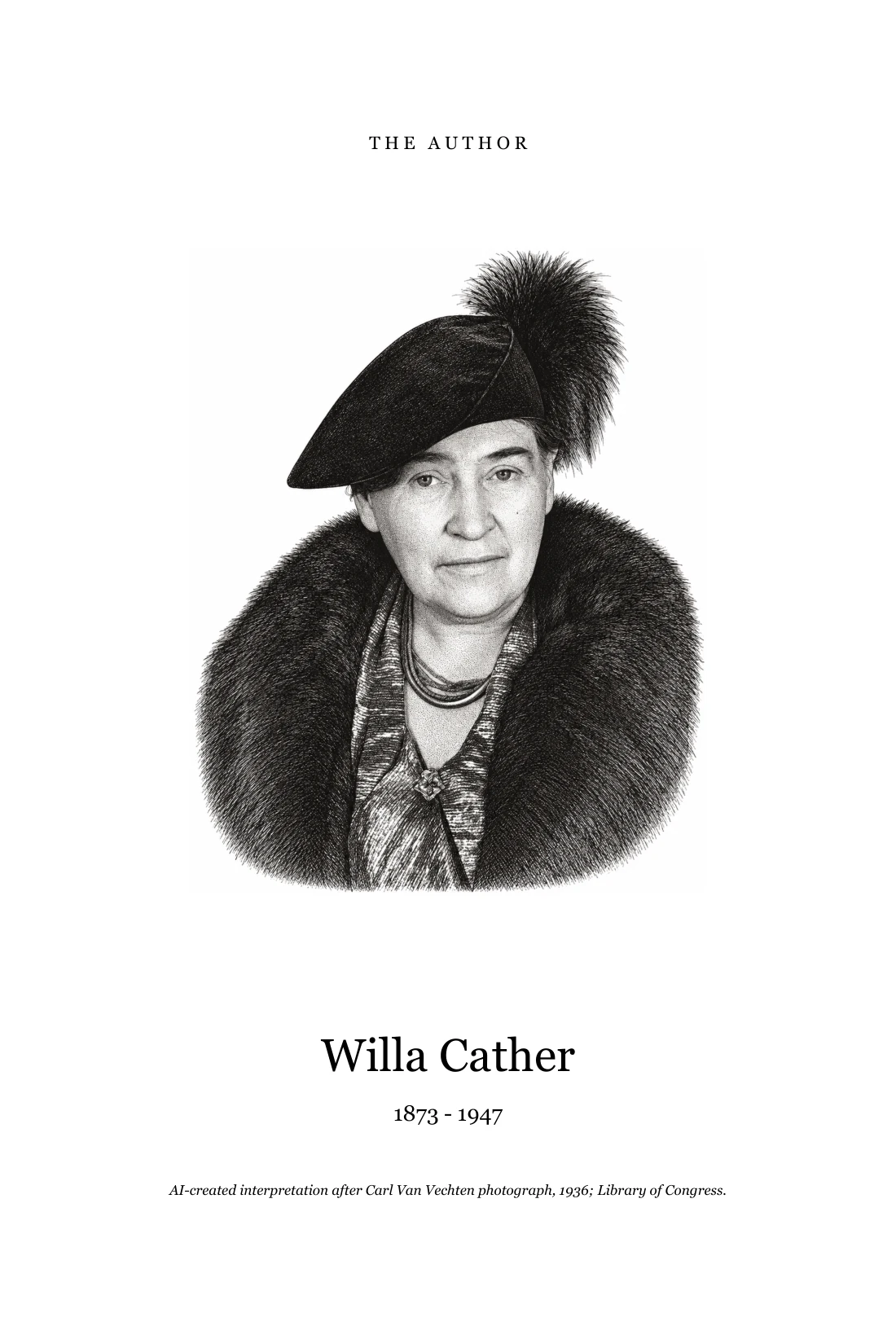
Willa Cather chose Youth and the Bright Medusa (1920) as her first book with Alfred A. Knopf. It gathers eight stories about artists and singers, four collected for the first time and four rescued from her early collection The Troll Garden, among them “Paul’s Case”, the story of a Pittsburgh boy starved of beauty that many readers meet at school and never forget.
The Greater Inclination
Wharton’s debut: seven stories and a play about marriage, art and social nerve. “The Muse’s Tragedy” and “Souls Belated” are the ones to begin with.
Youth and the Bright Medusa
Eight stories of talent and ambition, from New York studios to a sculptor’s funeral in a Kansas town. Includes “Paul’s Case” and “A Wagner Matinee”.


The moderns: Woolf and Wodehouse
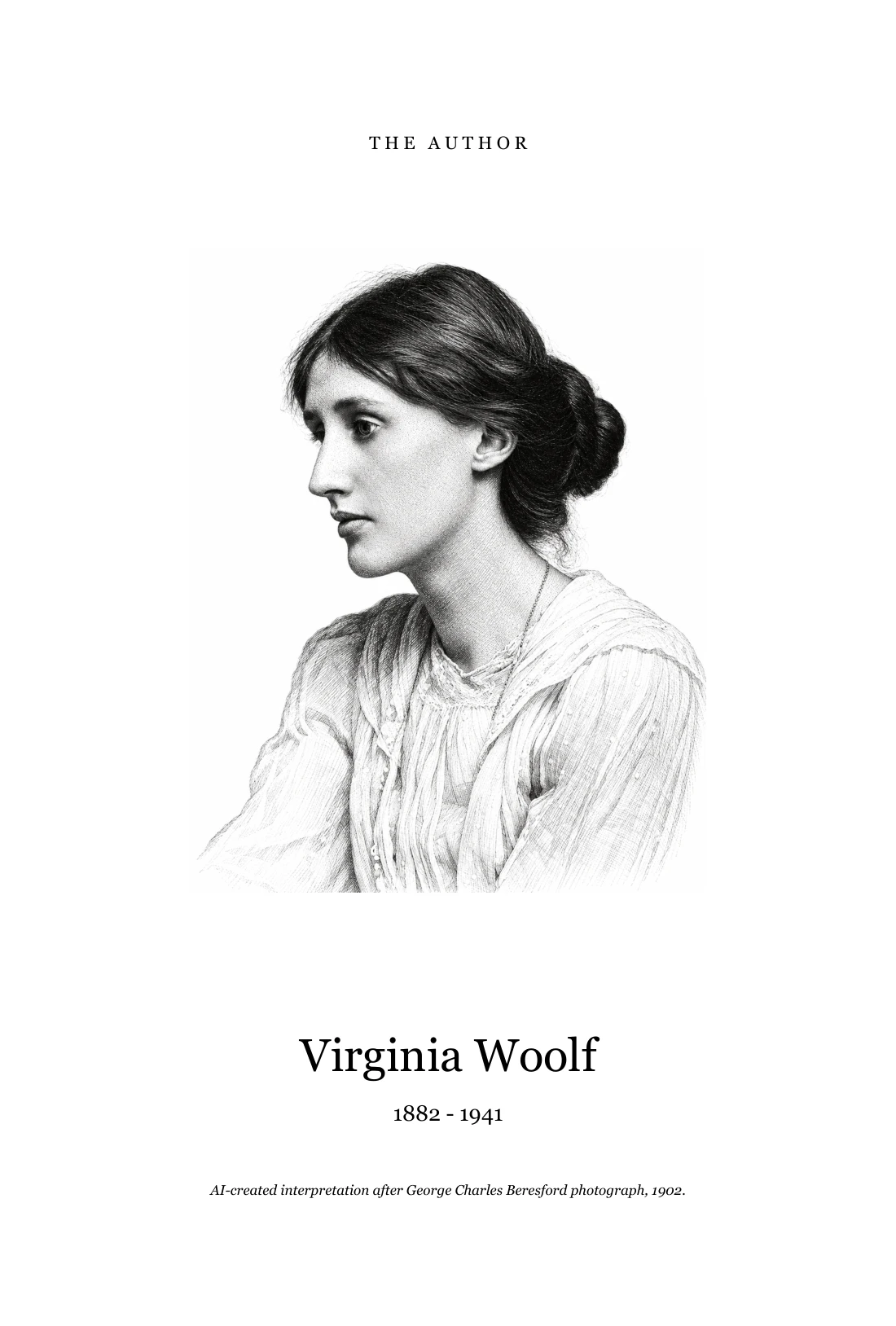
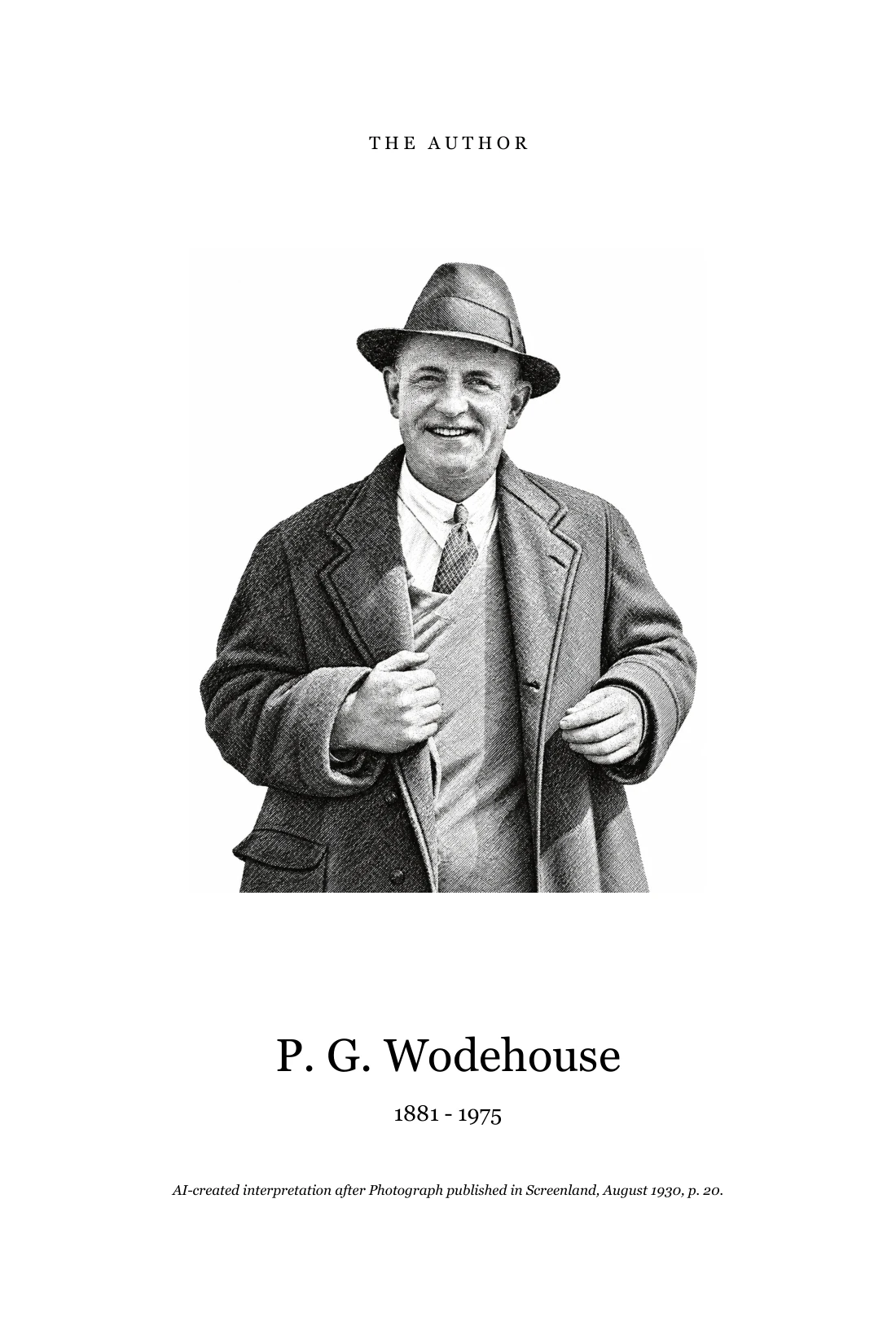
It is hard to picture two writers further apart. Virginia Woolf’s Monday or Tuesday (1921) was the only collection of stories she published herself, eight pieces including “Kew Gardens” and “The Mark on the Wall” in which she tried out the methods of her later novels. P. G. Wodehouse’s The Man Upstairs (1914) collects nineteen stories, most first printed in the Strand or American magazines, and features none of his regular characters. They are romances, mostly, and the title story is a small comic gem about a composer, an artist and a broom handle.
Monday or Tuesday
Eight short experiments, some only a page or two long. The best place to see Woolf inventing her style in miniature.
The Man Upstairs and Other Stories
Nineteen early Wodehouse stories of love and mild calamity, from before Jeeves and Blandings took over. The book was not issued in America.


The two wild cards
Mansfield earned her place by doing what none of the novelists here did: she made the short story her whole art. In a German Pension is early work drawn from her stay at a Bavarian spa in 1909, and it is spikier and funnier than her later masterpieces. We cover those in Katherine Mansfield: where to start.
Irvin S. Cobb, a journalist and humorist from Paducah, Kentucky, is the true unknown. Sundry Accounts (1922) is a book of ten stories, several of them set in a small Southern town, and the first, “Darkness”, is a genuinely eerie tale about a house where the lights never go out. Like much American writing of its time, it includes period attitudes to race that readers will notice.
In a German Pension
Mansfield’s first book, the one she refused to reprint. Sharp, satirical sketches of a German boarding house, with flashes of the writer to come.
Sundry Accounts
Ten stories, several of them set in a small Southern town: comic, sentimental and sometimes unsettling. Read “Darkness” first.


Which collection should you start with?
For a single story that will make you want more, try Cather’s “Paul’s Case” or Hardy’s “The Son’s Veto”. For pure pleasure, Wodehouse. For a writer changing before your eyes, Woolf. Our wider guide to the best classic short story collections covers Joyce, Chekhov and Saki, and the novels behind several of these books are in Thomas Hardy’s novels in order and Edith Wharton’s overlooked books.
Short books invite a short experiment. Read the first story in Life’s Little Ironies tonight, and see whether Hardy is not every bit as unsparing at twenty pages as he is at five hundred.
Questions readers ask
Did Thomas Hardy write short stories?
Yes. Hardy published several collections, including Wessex Tales (1888) and Life’s Little Ironies (1894), one of the short story collections by novelists that many readers miss. Most of the stories first appeared in magazines.
What was Edith Wharton’s first book of fiction?
The Greater Inclination, a collection of seven stories and a short play published by Scribner’s in March 1899. Her first novel, The Valley of Decision, followed in 1902.
Did Katherine Mansfield write a novel?
No. Mansfield wrote only short stories. In a German Pension (1911) was her first collection, followed by Bliss (1920) and The Garden Party (1922).
Which Willa Cather collection includes “Paul’s Case”?
“Paul’s Case” first appeared in 1905, in McClure’s Magazine and in her collection The Troll Garden. Cather reprinted it in Youth and the Bright Medusa (1920).