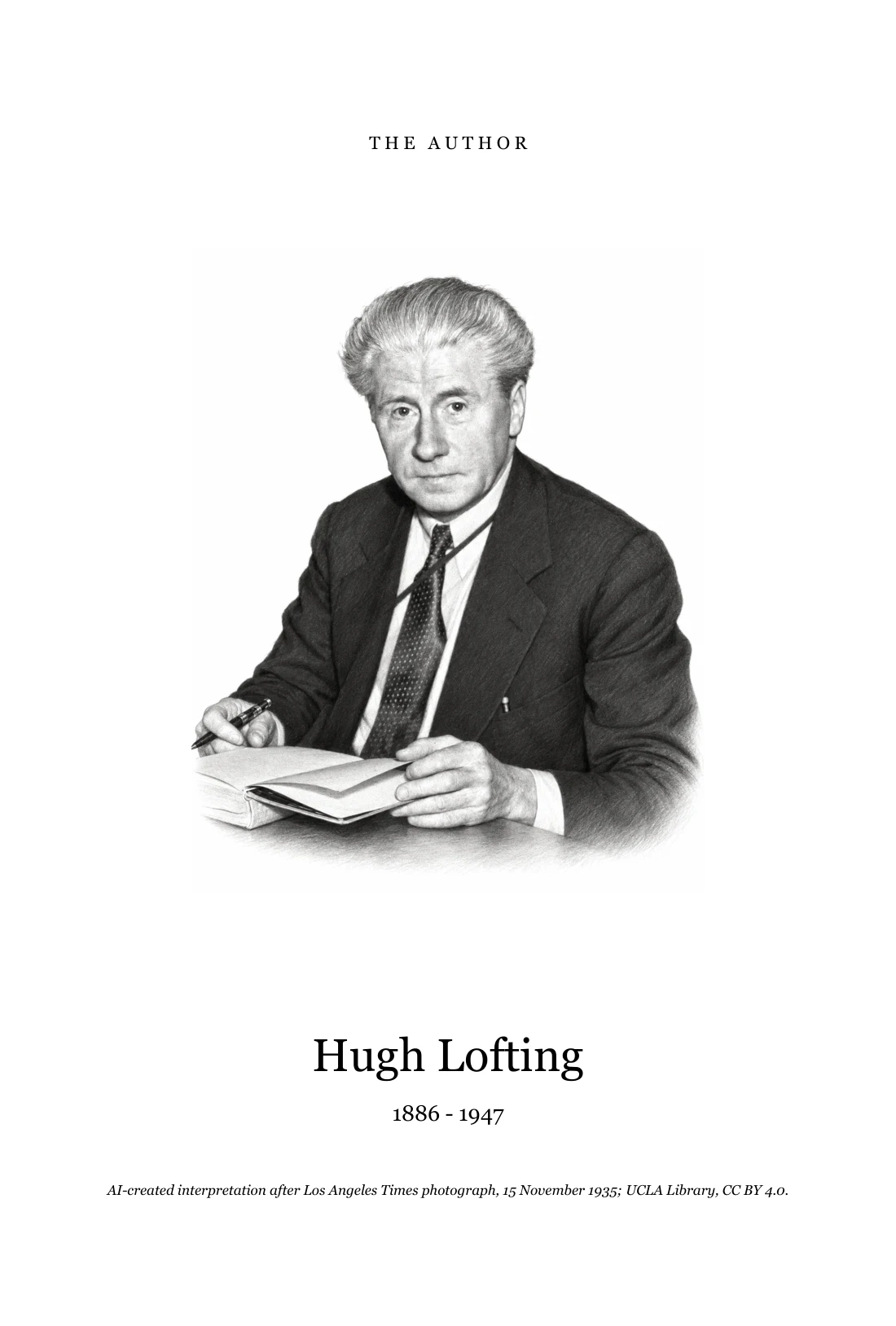
Doctor Dolittle was born in a trench. Hugh Lofting, serving with the Irish Guards in the First World War, did not want to write home to his children about the war, because the real news, he later said, was too horrible or too dull. So he sent them illustrated letters about a country doctor who learns to talk to animals instead. Children have been asking for the next chapter ever since.
That is the trick behind good books for reluctant readers: they were often written for one particular child, to be read aloud, in pieces. Every book below is under 150 pages, most have short chapters that end on a hook, and none of them feels like homework. Start with whichever one matches your child’s sense of humour.
Six short classics for reluctant readers
- $10.99
The Story of Doctor Dolittle
A doctor who prefers animals to patients learns their languages from his parrot, Polynesia, and sails to Africa to cure a sickness among the monkeys. Brisk, silly and kind. The original text contains a racist episode with an African prince, which later editions rewrote, so skim ahead before you read it aloud.
- $11.99
The Wonderful Wizard of Oz
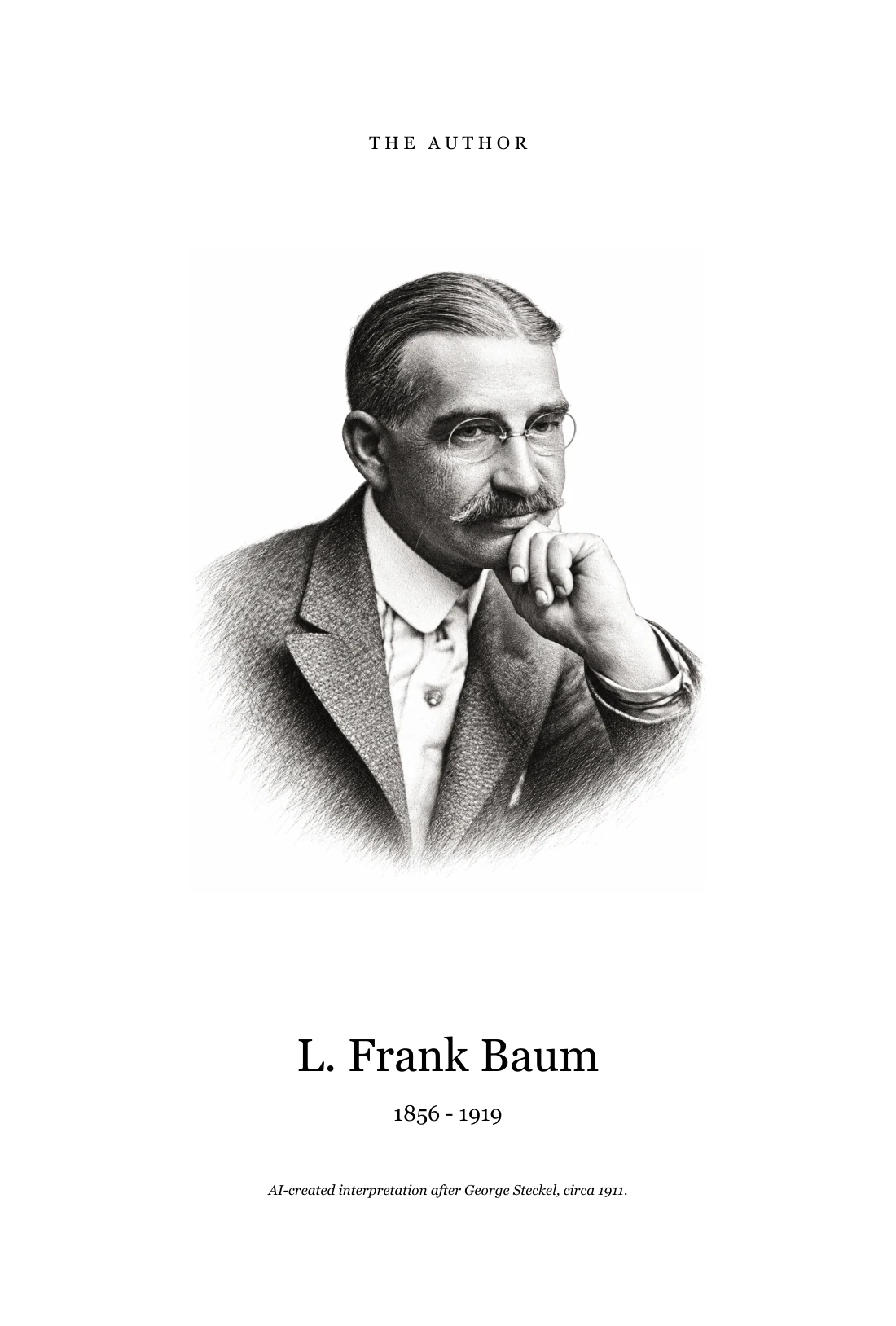
A cyclone, a yellow brick road and three companions who each want something they already have. Twenty-four short chapters, each almost a complete adventure, so it is easy to stop and start.
- $9.99
The Velveteen Rabbit
A toy rabbit wants to be Real, and the old Skin Horse explains how it happens. The shortest book here, and the one most likely to be asked for again.
- $11.99
The Adventures of Pinocchio
A wooden puppet who lies, runs away, gets swallowed by a giant fish and cannot stay out of trouble. Collodi’s chapters were written as a magazine serial, so chapter after chapter ends with something going wrong.
- $11.99
The Book of Dragons
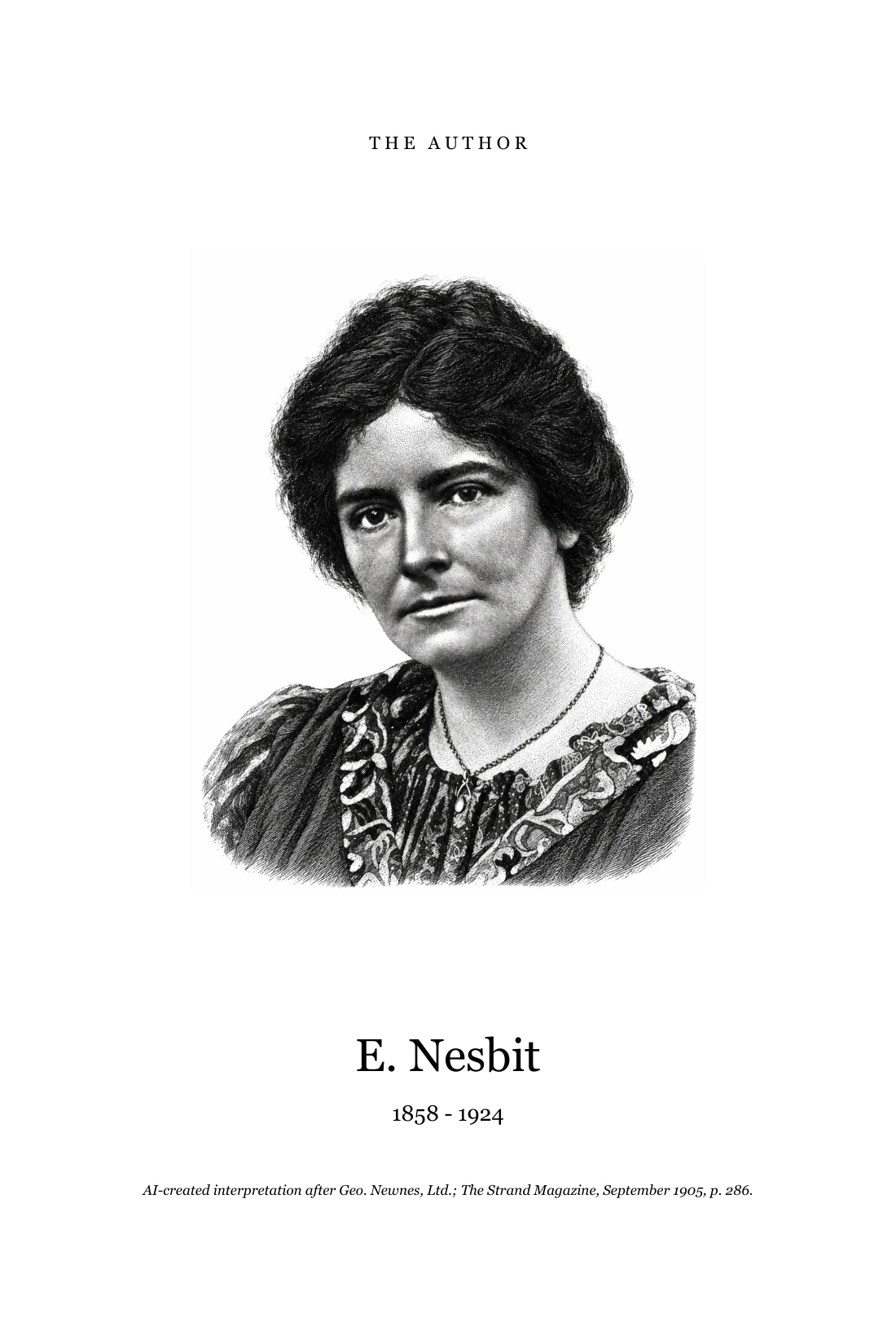
Eight funny, inventive dragon stories, first published in The Strand Magazine in 1899. A magic book whose pictures come alive, an ice dragon near the North Pole, a dragon whose purring pleases a baby. Each story stands alone.
- $10.99
The Little Lame Prince
Prince Dolor cannot walk and is shut away in a lonely tower, until a fairy godmother gives him a magic travelling cloak that flies him over the world. A gentle, thoughtful story for a child who likes quiet books.



Why short classics work for reluctant readers
Several of these books began as serials or as stories told to real children, which means they were built to hold attention a chapter at a time. Pinocchio ran in the Italian children’s paper Giornale per i bambini from July 1881 to January 1883 before it became a book; the serial first stopped at chapter 15, with a far darker ending, until readers and the editor asked for more, a story told in Did you know Pinocchio’s story was first meant to end at chapter 15?. Nesbit’s dragon stories ran month by month in The Strand.
“Did you know that animals can talk?” “I knew that parrots can talk,” said the Doctor.
Polynesia and John Dolittle, in Hugh Lofting, The Story of Doctor Dolittle (1920)
Lofting’s first book came out in 1920, and its sequel, The Voyages of Doctor Dolittle, won the Newbery Medal. The trench letters are told in Did you know Doctor Dolittle began as letters from the trenches?, and the whole series is in The Doctor Dolittle books in order.
How to help a reluctant reader start a classic
- Read the first chapter aloud yourself, then stop at the cliffhanger. Many children will pick the book up to find out what happens.
- Take turns: you read a page, they read a page.
- Let them choose between two or three books rather than handing over one.
- Keep it short. A finished short book does more for confidence than an abandoned long one.
- Never test them on it. Talk about the best bit instead.
Older reluctant readers, eleven and up, often respond to the same approach with darker short classics: Strange Case of Dr Jekyll and Mr Hyde is barely over a hundred pages, and our list of classics you can read in one evening has more. For younger children, try classic bedtime stories to read aloud or funny classic books for kids.
Which short classic should you try first?
For a child who loves animals, Doctor Dolittle. For one who loves jokes and trouble, Pinocchio or The Book of Dragons. For a child who is anxious about reading at all, The Velveteen Rabbit, which can be finished in a single evening and still feel like a real book.
And if you are not sure, choose the one that started a whole series. The Wonderful Wizard of Oz has twenty-four short chapters, a road that goes somewhere, and thirteen sequels waiting for any child who gets to the end.
Questions readers ask
What are good classic books for reluctant readers?
Short classics with quick chapters work best, such as The Story of Doctor Dolittle, The Wonderful Wizard of Oz, The Velveteen Rabbit, The Adventures of Pinocchio and E. Nesbit’s The Book of Dragons.
How do I get a reluctant reader to read classics?
Start with a short book, read the first chapter aloud and stop at an exciting moment, and let the child choose between a few titles. Finishing a short book builds more confidence than struggling with a long one.
What age is Doctor Dolittle for?
It suits most children from about seven as a read-aloud and eight or nine as an independent read. Be aware that the original text contains racist passages that later editions revised.