
Stephen Crane was born in Newark, New Jersey, in November 1871, more than six years after the American Civil War ended. He was in his early twenties, a struggling New York journalist, when he wrote The Red Badge of Courage. A shortened version ran in newspapers late in 1894, and the full novel appeared in 1895. It made him famous on both sides of the Atlantic almost overnight.
What astonished readers was its realism. Instead of flags and glory, Crane gave them the inside of a frightened young soldier’s head: the boredom of waiting, the panic of the first charge, the shame, the rumours, the noise. Many readers took it for the work of a veteran.
How did Stephen Crane write The Red Badge of Courage without seeing war?
By reading and listening. Crane grew up surrounded by people who remembered the war, and in the early 1890s magazines were full of veterans’ memoirs. He is generally believed to have studied Battles and Leaders of the Civil War, a huge series of first-hand accounts published by The Century Magazine, and he drew on the stories he heard from old soldiers.
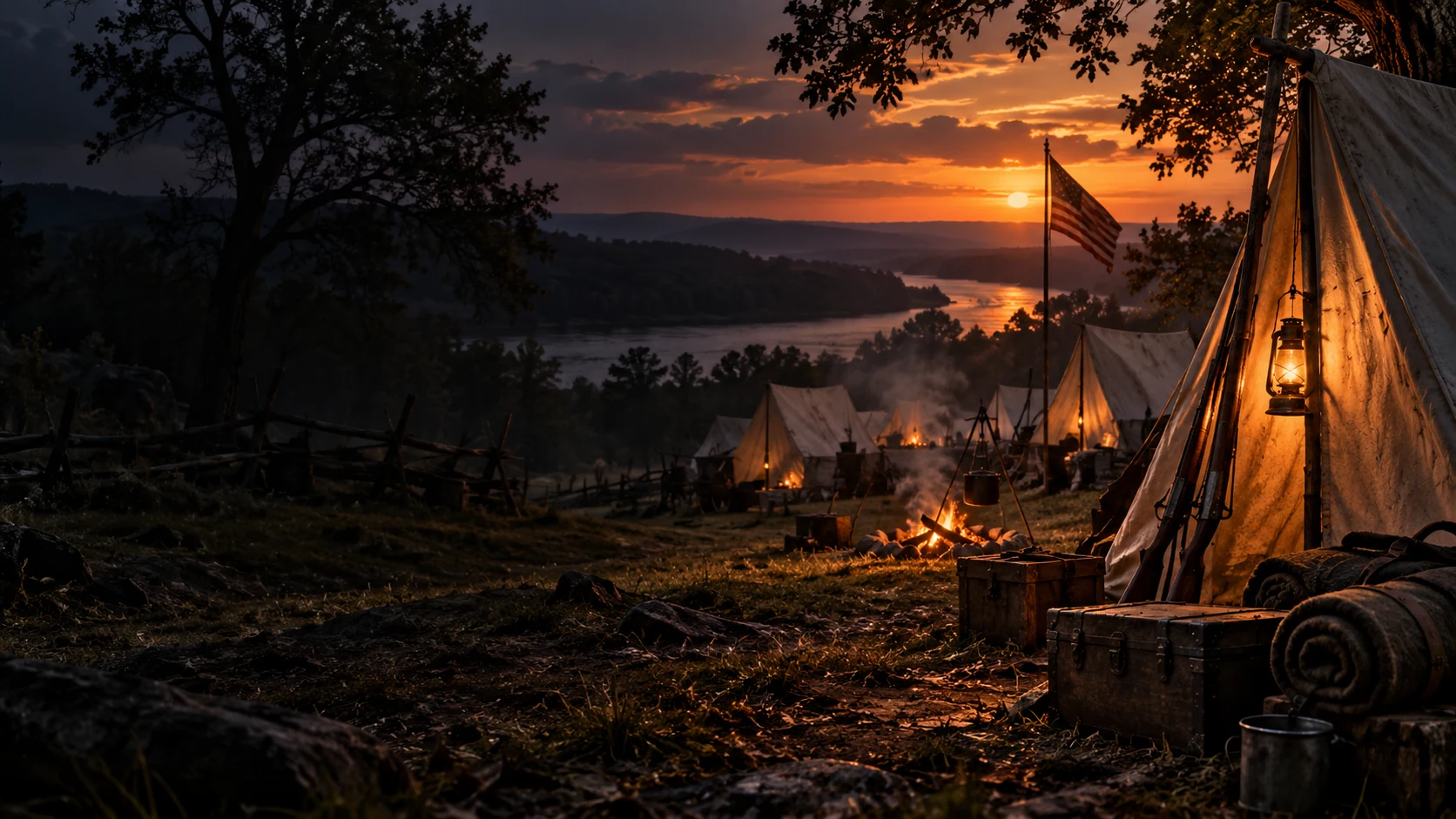
Then he did something none of those memoirs had done. He left out almost all the history. The battle in the book is never named, though readers have long identified it with Chancellorsville in 1863. The generals are barely glimpsed. The hero, Henry Fleming, is usually just called “the youth”. Crane cared less about what happened in the war than about what it felt like, and that is why the book has never dated.
The cold passed reluctantly from the earth, and the retiring fogs revealed an army stretched out on the hills, resting.
Stephen Crane, The Red Badge of Courage (1895)
Did Crane ever see war?
Yes, but only after the book made his name. Newspapers sent him as a correspondent to the war between Greece and Turkey in 1897, and to Cuba during the Spanish–American War in 1898, where he reported under fire. By most accounts, what he saw confirmed what he had imagined.
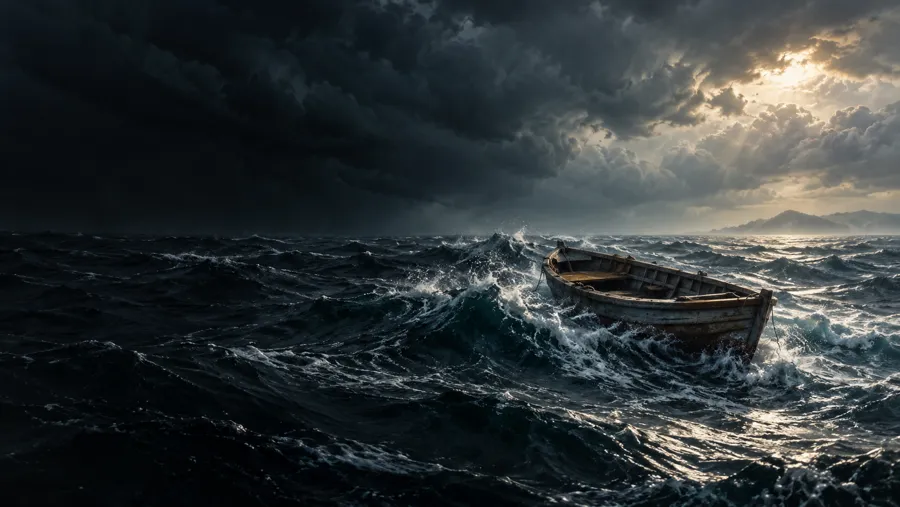
On his way to Cuba in early 1897, the ship he was on sank off the coast of Florida, and Crane spent more than a day in a small boat in heavy seas. He turned the experience into “The Open Boat”, one of the finest short stories in American literature. He died of tuberculosis in 1900, aged just twenty-eight.
He packed a remarkable amount into those few years. Before The Red Badge of Courage he had published Maggie: A Girl of the Streets, a grim novel of New York slum life, at his own expense, and in 1895 he also brought out The Black Riders, a collection of strikingly modern free verse.
The Red Badge of Courage
1895. Henry Fleming dreams of glory, enlists, and discovers in his first battle that he has no idea whether he is brave. Short, raw and modern.
The Open Boat and Other Stories
Crane’s short fiction, led by the story he drew from his own shipwreck. The best companion to the novel.
All quiet on the Western Front
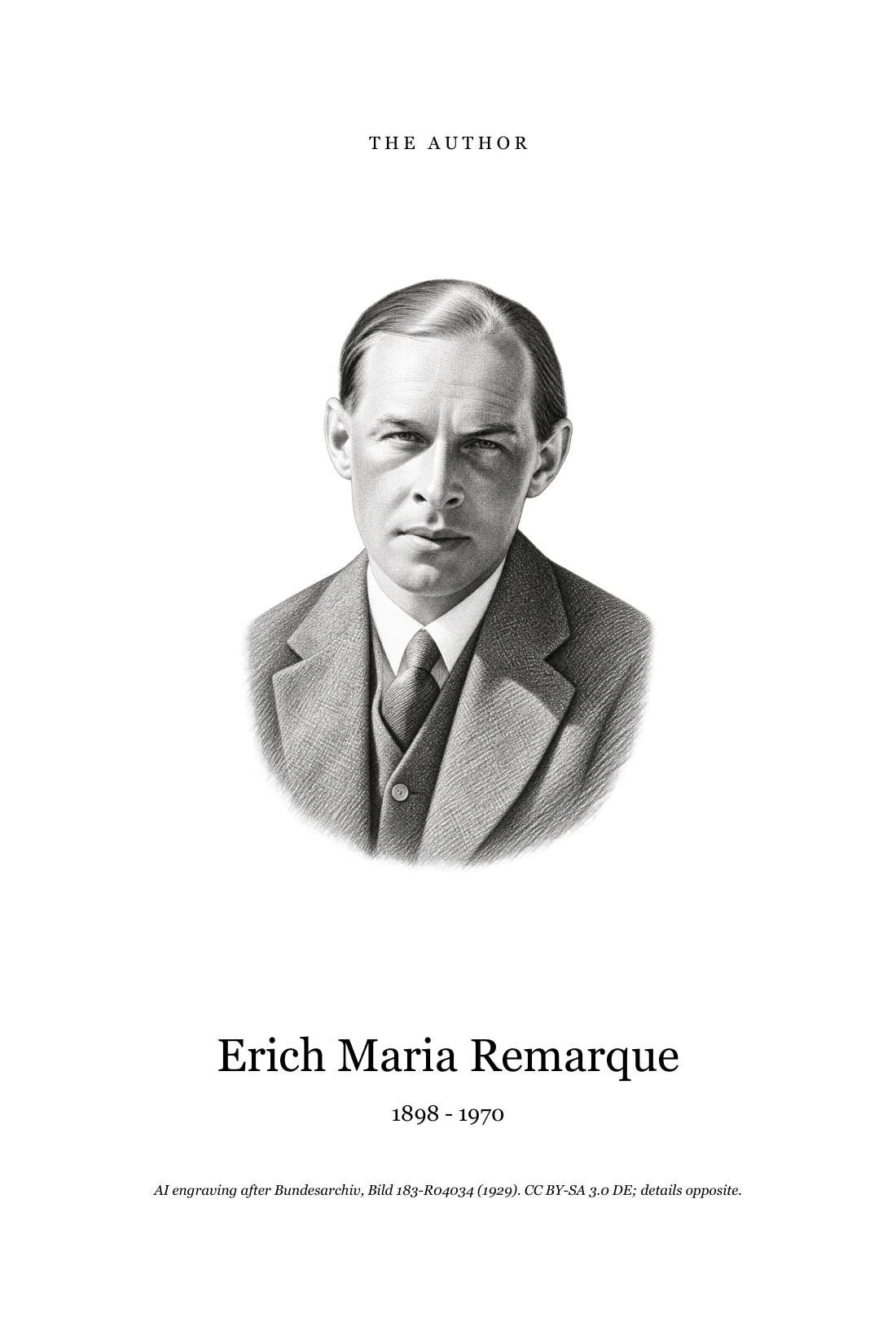
1929. Erich Maria Remarque’s novel of the First World War, written by a man who had been in the trenches, and just as unsparing.


What is The Red Badge of Courage like to read today?
Short, intense and surprisingly experimental. Crane writes in bursts of colour and sound, almost like an impressionist painter, and the prose can feel closer to the twentieth century than the nineteenth. It is a book of moods rather than plot, and readers who expect a conventional war story are sometimes caught off guard. The ironic meaning of the title only becomes clear partway through, so we will leave you to discover it.
That is why it remains a staple of school reading lists, and why adults who read it at fifteen often find it hits harder second time round. It suits anyone interested in the psychology of fear, and it pairs naturally with the great war novels of the twentieth century.
Where to go next
We cover Crane’s short life in Stephen Crane: a short life and two great books, and place his novel among its successors in Classic war novels. For a Civil War story told by someone who really fought, read Did you know Ben-Hur was written by a Civil War general?, and if you are working through a school list, see High school required reading.
Then give the youth an evening. The Red Badge of Courage is a short novel, and it may be the most convincing act of imagination in American fiction.
Questions readers ask
Did Stephen Crane fight in the Civil War?
No. Crane was born in 1871, six years after the Civil War ended. He wrote The Red Badge of Courage from reading, veterans’ accounts and imagination, and only saw war later as a correspondent.
What battle is The Red Badge of Courage based on?
The battle is never named, but it is generally identified with the Battle of Chancellorsville in Virginia in 1863.
What is The Red Badge of Courage about?
It follows Henry Fleming, a young Union recruit, through his first experience of battle, as he struggles with fear, shame and the question of what courage really is.