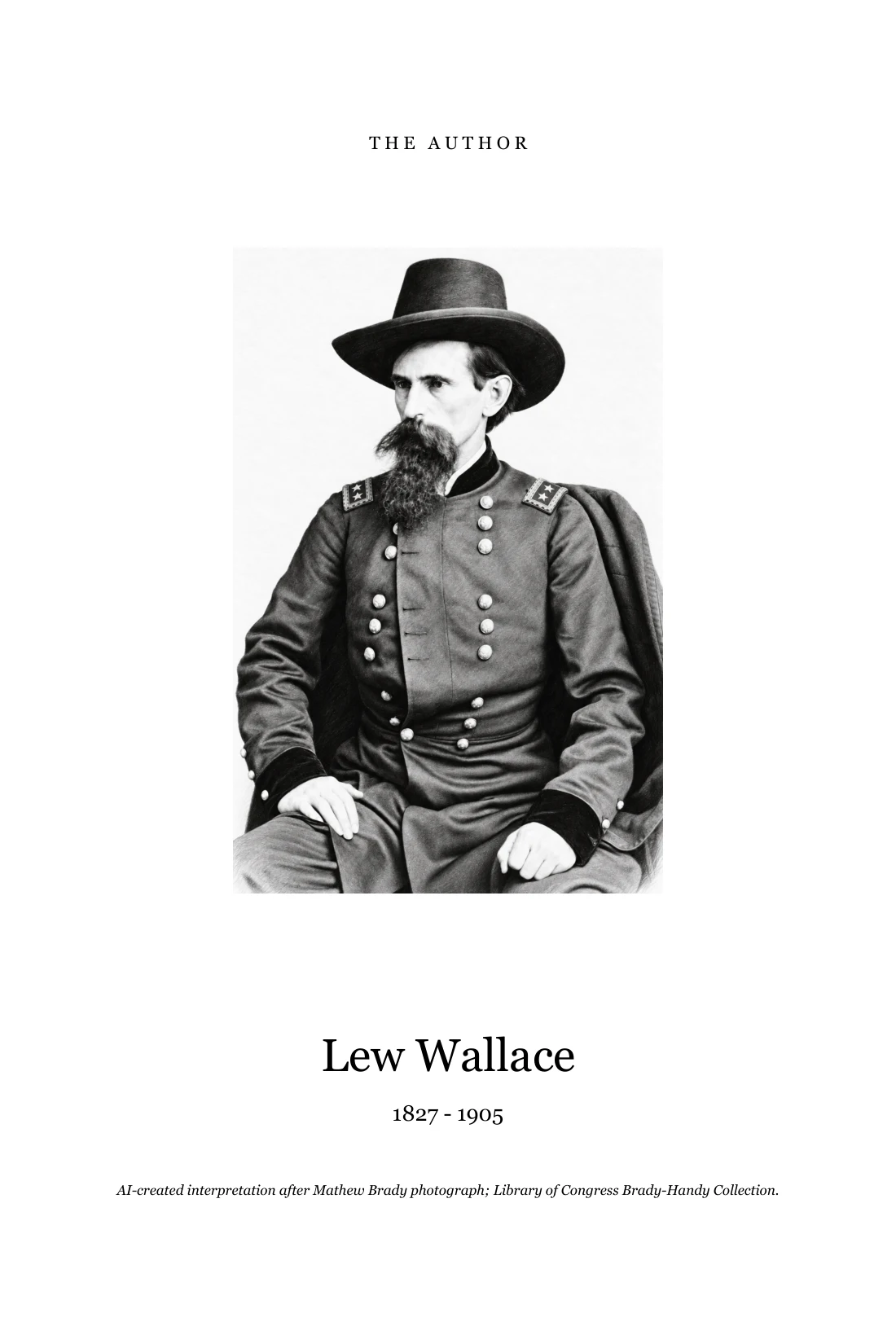
Lew Wallace was a lawyer from Indiana who became one of the youngest major generals in the Union army during the American Civil War. Fifteen years after the war ended he published Ben-Hur: A Tale of the Christ, a novel of revenge, faith and chariot racing in the Roman Empire. It went on to become one of the bestselling American novels of the nineteenth century.
That double career surprises most people who know Ben-Hur only from the 1959 film. But Wallace’s soldiering is all over the book: in the galley battle, in the brutal logic of Roman power, and in a hero who spends years training for a single decisive fight.
Lew Wallace in the Civil War
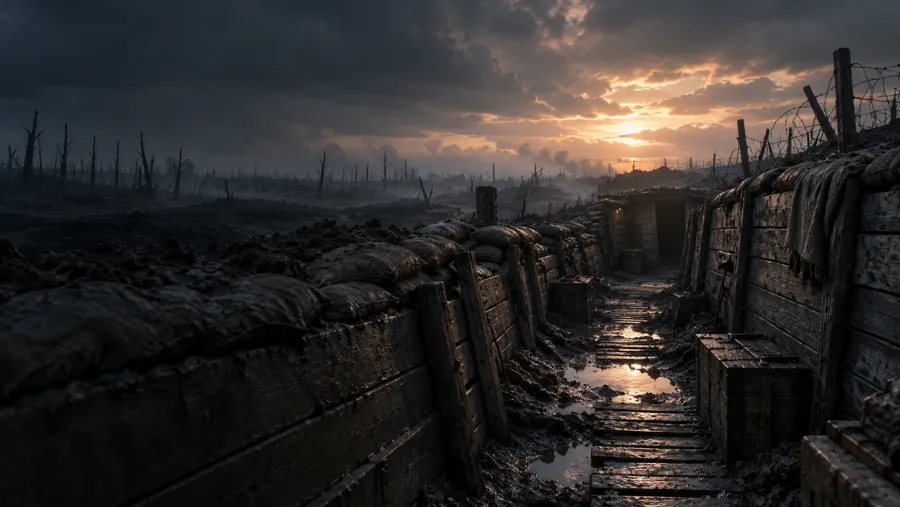
Wallace’s war was distinguished and controversial in equal measure. At the Battle of Shiloh in April 1862 his division arrived late on the first day, after a confusion over routes, and the blame followed him for the rest of his life. He spent years trying to clear his name.
His finest moment came in July 1864 at the Battle of Monocacy in Maryland. Badly outnumbered, Wallace’s force held up a Confederate army marching on Washington for a vital day, giving the capital time to bring in reinforcements. He lost the battle but is widely credited with helping save the city. After the war he served on the military commission that tried the conspirators in Abraham Lincoln’s assassination.
Wallace never stopped working in public life. After his years in New Mexico he served as American minister to the Ottoman Empire in Constantinople, and from there he was at last able to visit the lands he had described. He wrote other novels too, including The Fair God, about the Spanish conquest of Mexico, and The Prince of India, but neither came close to the success of Ben-Hur.

How did Lew Wallace come to write Ben-Hur?
Wallace later told the story himself. In 1876, on a train, he fell into a long conversation with the famous agnostic speaker Robert G. Ingersoll, who challenged his beliefs. Wallace realised how little he actually knew about Christianity and decided to study it, and the study became a novel. He researched the geography and history of the Holy Land in libraries long before he ever saw it.
Harper & Brothers published the book in November 1880. Sales were slow at first, then grew steadily for years, until Ben-Hur was being read in homes, churches and schools across America. A lavish stage version opened in 1899, with real horses running on treadmills for the chariot race, and the story has been filmed several times since, most famously in 1959.
Ben-Hur
1880. Judah Ben-Hur, a Jewish prince betrayed by his Roman friend Messala, survives the galleys and returns to seek justice, while the life of Christ unfolds on the edges of his story.
The Red Badge of Courage
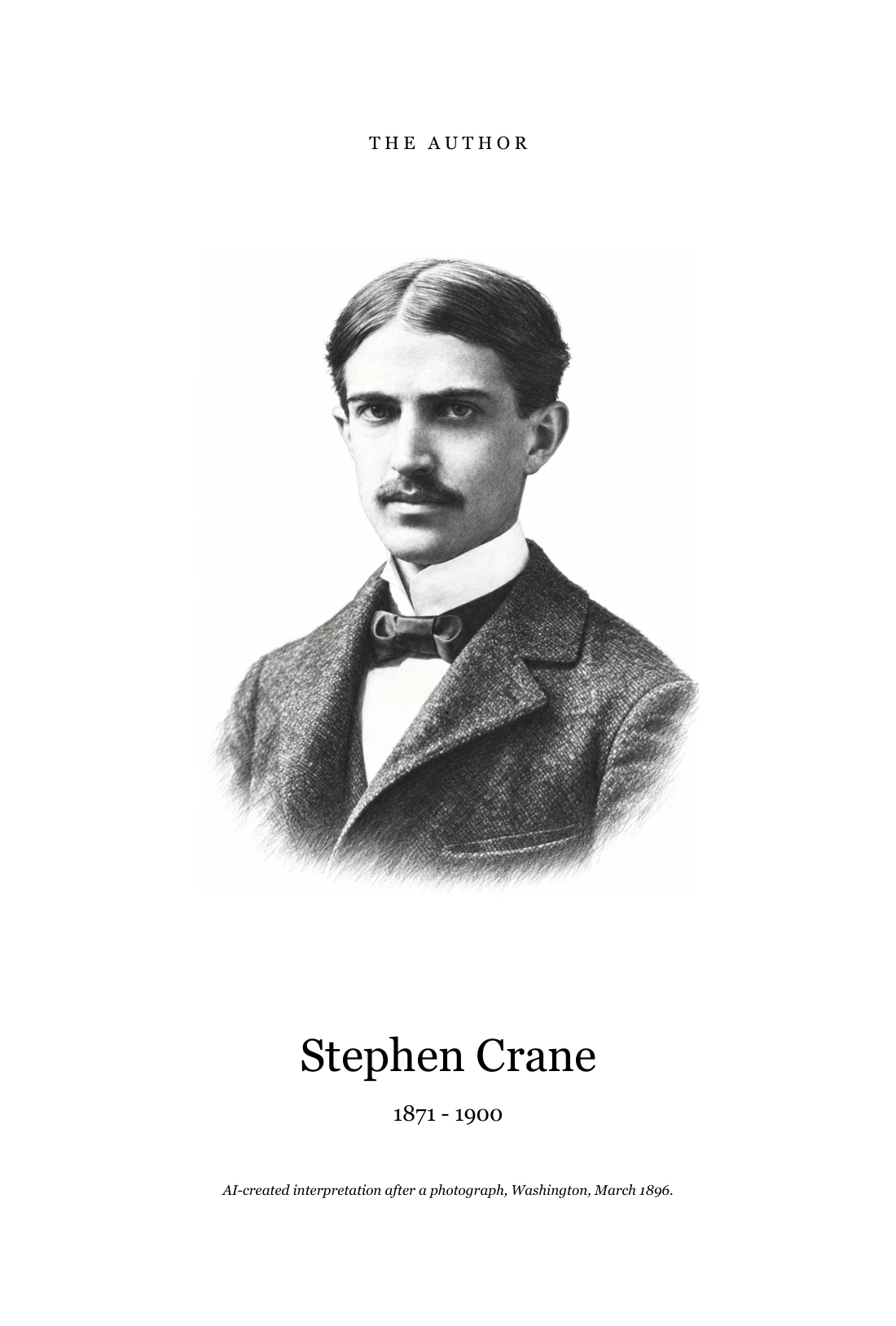
1895. For a very different picture of the Civil War, Stephen Crane’s short novel of a young soldier’s fear, written by a man who had never been in battle.


What is Ben-Hur like to read today?
Bigger and slower than the film, and richer for it. Wallace opens with the journey of the three Wise Men before Judah has even appeared, and he takes his time with the world of Roman Judea: its politics, markets, religion and roads. When the action comes, in the sea battle and the great race at Antioch, it is genuinely thrilling.
The prose is Victorian, with long descriptive passages and some formal dialogue, so it suits readers who enjoy an immersive historical epic and do not mind a leisurely start. Fans of The Count of Monte Cristo will recognise the shape: a man wronged, transformed by suffering and returned to settle the score. The Christian story runs alongside the adventure rather than replacing it.
The novel’s Jewish hero was striking for its time, and Wallace writes about Judaism with evident respect, though inevitably through a nineteenth-century Christian lens.

Where to go next
For the story behind the screen’s most famous race, see Ben-Hur: the novel behind the chariot race. For another Civil War surprise, read Did you know Stephen Crane had never seen a battle?, and for revenge on an even grander scale, try The Count of Monte Cristo. Classic war novels gathers more books shaped by the soldier’s experience.
Ben-Hur is a long book, but it is one you live in rather than read. Give Ben-Hur the first hundred pages and let Judah’s story carry you the rest of the way.
Questions readers ask
Who wrote Ben-Hur?
Ben-Hur: A Tale of the Christ was written by Lew Wallace, an American lawyer, Union general and politician, and published in 1880.
Was Lew Wallace a Civil War general?
Yes. Wallace was a Union major general who fought at Fort Donelson and Shiloh and is credited with delaying the Confederate advance on Washington at the Battle of Monocacy in 1864.
Is the Ben-Hur book different from the movie?
The novel is much longer and broader, opening with the Wise Men and spending more time on Roman Judea and on Judah’s family. The 1959 film keeps the main plot and the chariot race but compresses a great deal.