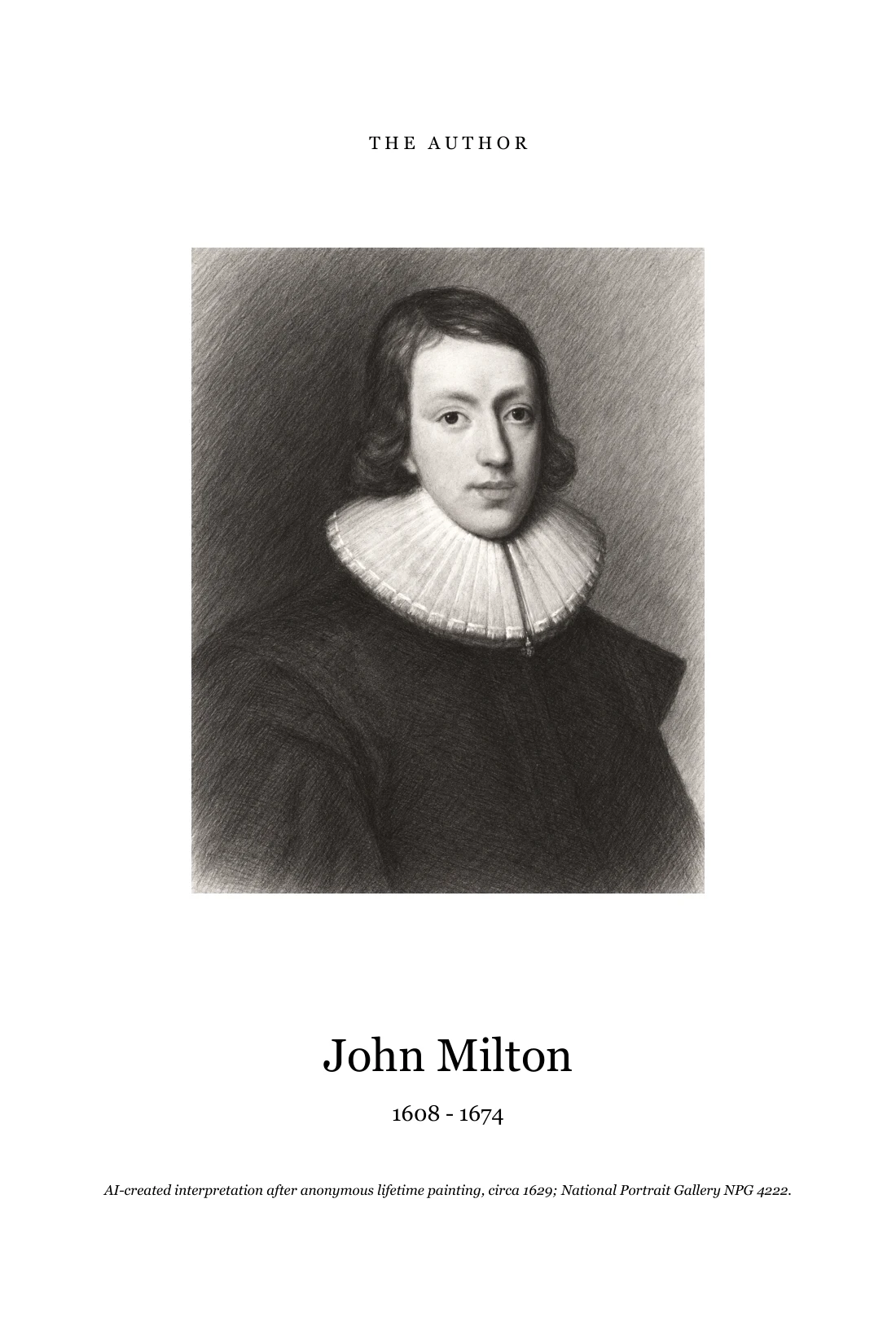
Was Milton blind when he wrote Paradise Lost? Yes. John Milton had lost his sight completely by about 1652, in his early forties, and composed the poem over the following years, mostly in the late 1650s and early 1660s. He held passages in his memory and dictated them to helpers — friends, pupils, relatives and paid assistants — who wrote them down for him.
The result runs to more than ten thousand lines of blank verse. It was published in 1667, when Milton was nearly sixty, out of favour, and lucky to be alive.
How did Milton write Paradise Lost when he was blind?
By memory and by voice. Early accounts of his life, written by people who knew him or his circle, describe him composing verses at night or in the early morning, sometimes a substantial batch at a time, then waiting for someone to arrive and take them down. One story has him complaining, when his scribe was late, that he wanted to be milked. Whatever its exact truth, it captures the arrangement: the poem accumulated in Milton’s head and was emptied onto paper by other hands.
He then had the text read back to him and corrected it by ear. It is an astonishing feat of concentration, and you can hear its effects in the poem’s long, rolling sentences, which are built to be spoken and heard, carrying the listener across line endings and through clause after clause.

Why was Milton in danger?
Before he went blind, Milton had been the most prominent public defender of the English Revolution. He wrote pamphlets justifying the execution of Charles I and served Cromwell’s government as a secretary for foreign-language correspondence, work he continued after losing his sight.
When the monarchy was restored in 1660, he went into hiding. Some of his books were publicly burned, and he was arrested and briefly imprisoned before being released, probably thanks to friends with influence. He spent his last years living quietly in London, finishing the poem he had dreamed of writing since his youth.
In 1667 he sold the rights to a printer for £5, with further payments promised as editions sold. A revised edition, reorganised from ten books into twelve, appeared in 1674, the year he died.
Milton’s blindness in his own words
Milton rarely wrote about his blindness, but when he did it was unforgettable. In a sonnet usually dated to the 1650s, he wrestles with the fear that his talent is now wasted, and ends with the line “They also serve who only stand and wait.” In Paradise Lost itself, he opens the third book with a hymn to light he can no longer see, and asks for an inner light in its place.
So much the rather thou, celestial Light, / Shine inward, and the mind through all her powers / Irradiate; there plant eyes; all mist from thence / Purge and disperse, that I may see and tell / Of things invisible to mortal sight.
John Milton, Paradise Lost, Book III
Paradise Lost
1667. The fall of Satan and the fall of Adam and Eve, from war in Heaven to the gates of Eden — the great English epic.
Frankenstein
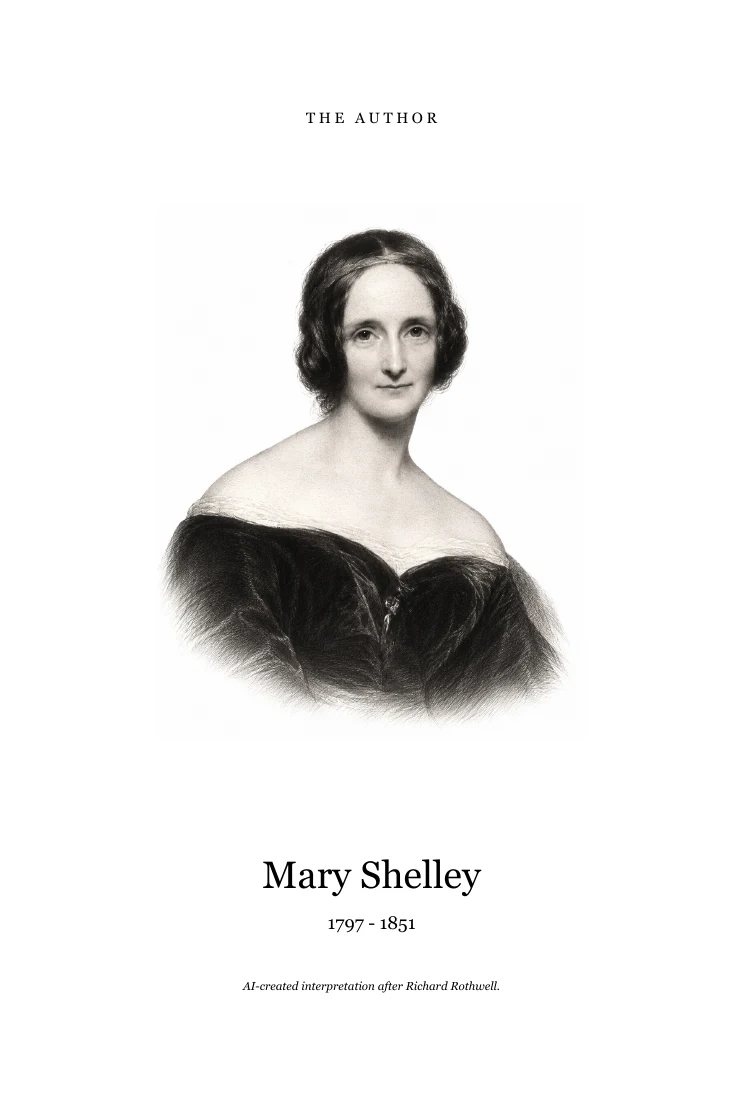
Mary Shelley’s creature learns about the world from Paradise Lost, and the novel’s epigraph comes from Adam’s complaint to his Maker.
Songs of Innocence and of Experience
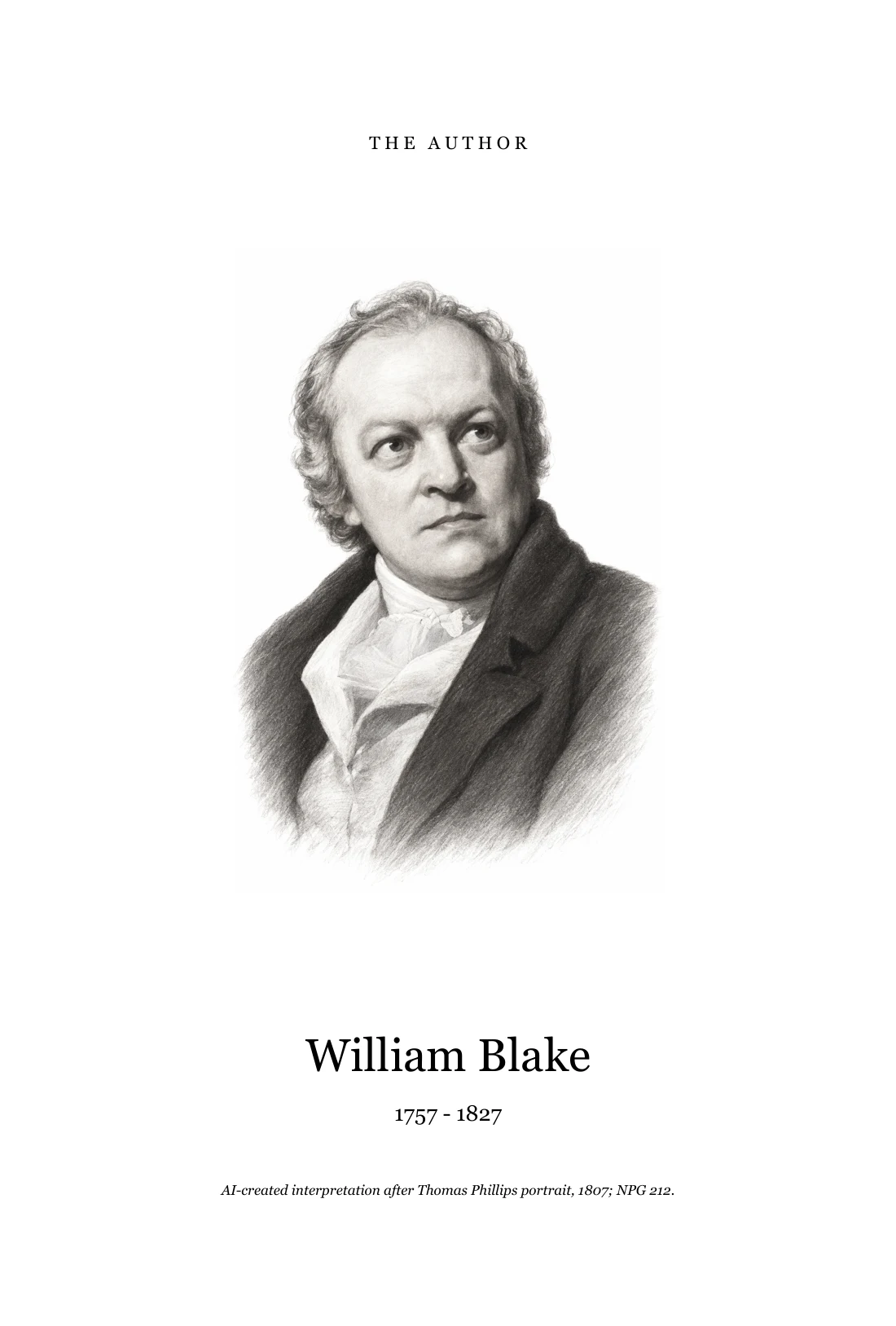
William Blake revered Milton and argued with him all his life. His songs are the perfect short companion to the long epic.


What is Paradise Lost like to read today?
Grand, strange and more dramatic than you might fear. It opens in Hell, with the fallen angels waking on a burning lake, and Satan is given the first great speeches: proud, wounded, magnetic. Generations of readers have found him the most compelling character in the poem. William Blake famously said Milton was “of the Devil’s party without knowing it.”
Then the poem moves to Eden, and the portrait of Adam and Eve — their conversations, their work in the garden, their love and their quarrel — is tender and surprisingly human. The language is dense, and the Latinate syntax takes a little getting used to, but the best way in is Milton’s own method: read it aloud, a book at a time, and let the sound carry you.
For Milton’s place beside Homer, Virgil and Dante, see the great epic poems and Why is Dante’s Divine Comedy called a comedy?. And to see how Paradise Lost shaped one of the most famous novels ever written, read Did you know Frankenstein was written by an 18-year-old?
Then begin where Milton began, with man’s first disobedience and the fruit of that forbidden tree. The opening of Paradise Lost was spoken before it was ever written — and it still sounds best that way.
Questions readers ask
Was Milton blind when he wrote Paradise Lost?
Yes. Milton was totally blind by about 1652 and composed Paradise Lost over the following years, dictating it to helpers. It was published in 1667.
Who wrote down Paradise Lost for Milton?
A number of people, including friends, former pupils, relatives and paid assistants. Stories that his daughters did most of the work are uncertain and still debated.
Why did Milton go blind?
The cause is not known for certain. His sight failed gradually through his thirties and early forties, and modern writers have suggested several possible conditions.
Is Paradise Lost hard to read?
It is challenging because of its long sentences and classical references, but it was composed to be heard. Reading it aloud, a book at a time, makes it far more approachable.