
The most famous genie story of all was never in the old Arabic manuscripts of the Thousand and One Nights. “Aladdin” first appeared in the French version made by Antoine Galland in the early 1700s, who based it on a tale told to him in Paris in 1709 by Hanna Diyab, a young Maronite storyteller from Aleppo. The lamp, the ring and the genie who builds a palace overnight reached Europe by way of a conversation.
From there the wish story became one of the great engines of children’s books. The best books about wishes share a rule that Aladdin’s mother would have recognised: getting exactly what you ask for is the start of the trouble, not the end. Here are four classics built on that idea, and how to match them to a reader.
- 1704–17
Antoine Galland publishes the Nights in French, the first European version
- 1709
Hanna Diyab tells Galland the story of Aladdin in Paris
- 1898
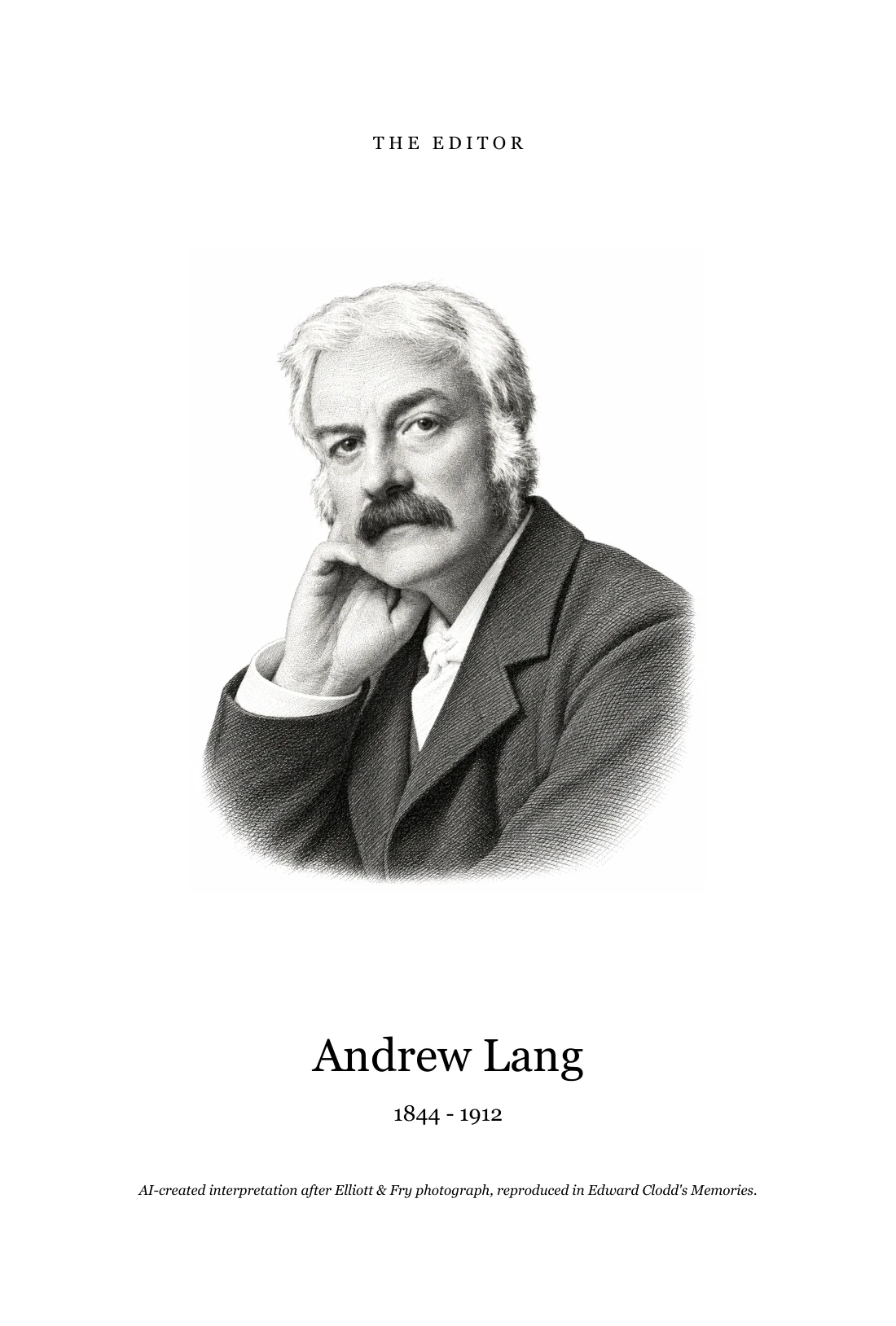
Andrew Lang’s Arabian Nights Entertainments retells Galland for children
- 1900
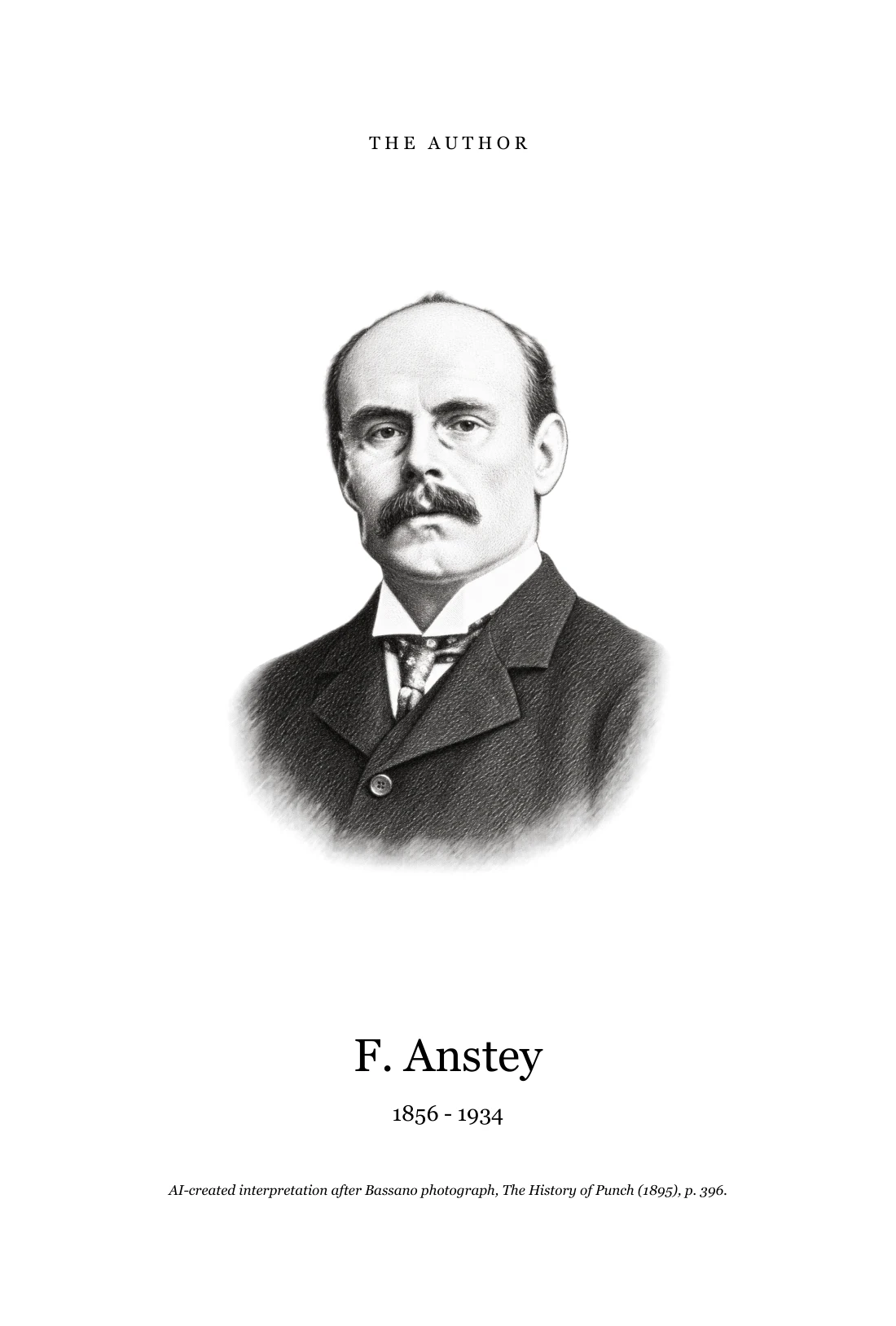
F. Anstey’s The Brass Bottle lets a djinn loose in London
- 1902
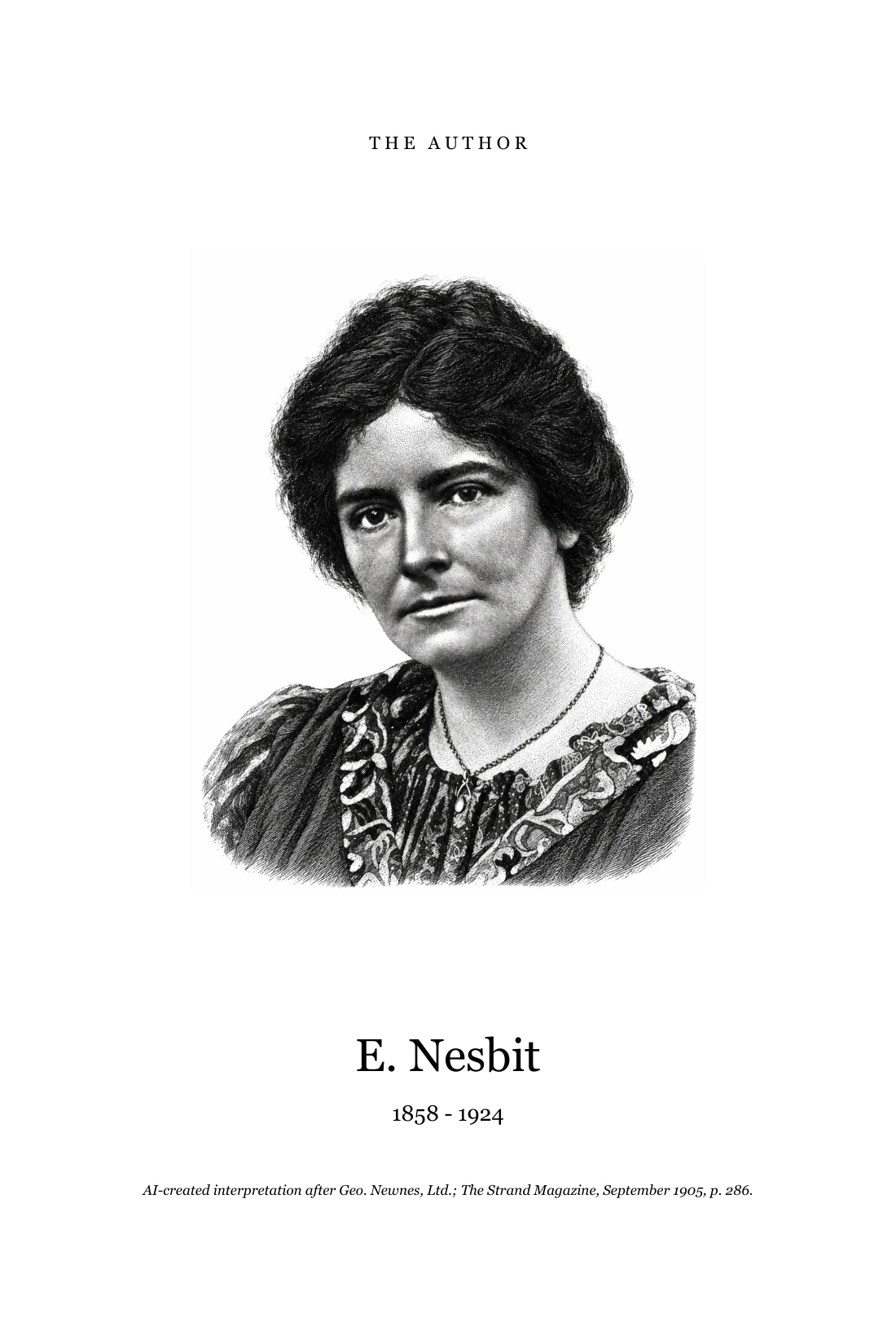
E. Nesbit’s sand-fairy appears in the Strand Magazine, then in Five Children and It
- 1904
The Phoenix and the Carpet follows the same five children
- 1964
The Brass Bottle is filmed with Tony Randall, Burl Ives and Barbara Eden
The Arabian Nights: where the genies come from
Andrew Lang’s 1898 selection is the natural first stop. It has Aladdin and Sindbad’s seven voyages, the enchanted horse that flies when you turn a peg, and “The Story of the Fisherman”, in which a poor man nets a sealed jar, opens it, and releases a giant who announces that he will kill him. The fisherman survives by refusing to believe that anything so huge could ever have fitted inside, and the genie climbs back in to prove him wrong. It is as good a lesson in thinking on your feet as any child will meet.
Lang made no secret of how he got his text. He worked from Galland’s French, shortened the stories “here and there”, and cut what he thought unsuitable for children. His preface is also a lovely thing to read to a child who is about to start.
I can remember reading “The Arabian Nights” when I was six years old, in dirty yellow old volumes of small type with no pictures, and I hope children who read them with Mr. Ford’s pictures will be as happy as I was then in the company of Aladdin and Sindbad the Sailor.
Andrew Lang, preface to The Arabian Nights Entertainments (1898)
Two things to know. Lang’s selection is not the whole Nights: “Ali Baba and the Forty Thieves”, which many families expect, is not among its stories. And it carries the attitudes of its time, from that preface’s aside about pieces “only suitable for Arabs and old gentlemen” to plenty of beheadings, cruel sultans and enslaved characters within the tales. Read aloud from about seven; strong readers can manage it alone at nine or ten.

Nesbit’s wishes: the sand-fairy and the carpet
No one wrote wishes better than E. Nesbit. In Five Children and It five children dig up a bad-tempered sand-fairy, the Psammead, who grants one wish a day; whatever they wish for vanishes at sunset. They wish to be beautiful and their baby brother does not recognise them. They wish for gold and cannot spend it. They wish for wings and end up stranded on a church tower. Every chapter is a small, perfect disaster.
The Phoenix and the Carpet (1904) follows the same children. A new nursery carpet arrives with an egg rolled up in it, the egg hatches in the fire into a vain and talkative phoenix, and the carpet turns out to grant three wishes a day, carrying the children wherever they like. One wish fills the house with 199 Persian cats, all of them hungry.
Both books need one flag each. Five Children and It has a chapter, “Scalps”, in which the children wish for “Red Indians” and get the stereotyped ones of old adventure stories. The Phoenix and the Carpet has a chapter, “The Queen Cook”, set on a tropical island of “savages” whom the children fear may be cannibals. Both are single chapters, easy to skip or to talk through. Otherwise these are ideal from seven or eight as read-alouds, and nine or ten alone.
The Brass Bottle: a genie for older readers
F. Anstey wrote for grown-ups, but The Brass Bottle (1900) is one of the funniest genie stories in English and a treat for bookish children of eleven and up. Horace Ventimore, a struggling young London architect, buys an old brass bottle at auction and lets out Fakrash-el-Aamash, a djinn imprisoned by King Solomon. Fakrash is enormously grateful, and his gratitude is a catastrophe: he fills Horace’s rooms with treasure and Eastern splendour, lays on a dinner for the parents of the girl Horace hopes to marry, and cannot understand why none of it helps a man trying to stay respectable in London.
It is a comedy of manners as much as a fantasy, and the jokes are about money, snobbery and what the neighbours will think. That is what makes it work for teenagers who have outgrown Nesbit. The 1964 film starred Tony Randall as the architect and Burl Ives as the djinn, with Barbara Eden as his fiancée; Sidney Sheldon took the idea for his television series I Dream of Jeannie from it, which put Eden in the bottle herself.

Books about wishes: which one for which reader?
Five Children and It
1902. One wish a day, all gone at sunset. The tightest of the wish books, with a sand-fairy who is magnificently rude. Best read aloud from 7.
The Phoenix and the Carpet
1904. A phoenix, a flying carpet and three wishes a day. Bigger adventures than the first book, and more chances to get stranded far from home.
The Arabian Nights Entertainments: The Andrew Lang Selection
1898. Aladdin, Sindbad, the fisherman’s genie and the flying horse, from Lang’s Fairy Book team. Ages 7 and up; expect some old-fashioned cruelty.
The Brass Bottle
1900. A djinn set loose among London’s snobs, who keeps trying to help. For confident readers of 11 and up and every adult who reads it to them.


Nesbit finished the trilogy with The Story of the Amulet, in which the same children travel through time; our guide to the Psammead trilogy and where to start with E. Nesbit go further. For more stories gathered from many countries, try fairy tales from around the world or Lang’s own coloured Fairy Books.
Begin with the sand pit. Five Children and It is our favourite wish story for children, and by the time the five have spent a day with wings, a day under siege and a day with a giant in the family, most young readers have worked out what they would do with a wish. Then they change their minds.
Questions readers ask
What are some good books about wishes for kids?
Classic books about wishes include E. Nesbit’s Five Children and It and The Phoenix and the Carpet, Andrew Lang’s Arabian Nights Entertainments with Aladdin and the fisherman’s genie, and, for older readers, F. Anstey’s comic novel The Brass Bottle.
Was Aladdin in the original Arabian Nights?
No. Aladdin is not in the surviving Arabic manuscripts. It first appeared in Antoine Galland’s French translation, based on a story told to him in 1709 by the Syrian storyteller Hanna Diyab.
What age is Five Children and It for?
It works best as a read-aloud for children of about seven to ten, and confident readers of nine or ten can manage it alone. One chapter draws on old caricatures of Native Americans, so parents may want to read ahead.
Was I Dream of Jeannie based on a book?
Indirectly. Sidney Sheldon was inspired by the 1964 film The Brass Bottle, which adapted F. Anstey’s 1900 novel about a London architect who releases a djinn.
 The Railway Children176 pages · $13.99
 The Enchanted Castle200 pages · $13.99
 The Story of the Amulet206 pages · $14.99
 The Book of Dragons116 pages · $11.99