Five Children and It (1902) is the book most people remember, but it is only the first part of a trilogy. E. Nesbit followed it with The Phoenix and the Carpet (1904) and The Story of the Amulet (1906). All three follow the same family of children, and the irritable, wish-granting Psammead appears in each.
So the Five Children and It sequels, in order, are The Phoenix and the Carpet and The Story of the Amulet. Each works on its own, but reading them in sequence lets you watch the children grow and the magic grow stranger, from a gravel pit in Kent to ancient Egypt and lost Atlantis.
The Psammead trilogy in order
- $13.99
Five Children and It
1902. Cyril, Anthea, Robert, Jane and their baby brother, the Lamb, dig up a Psammead in a gravel pit. Wishes for beauty, riches and wings all go comically, disastrously wrong.
- $13.99
The Phoenix and the Carpet
1904. Back in London, the children find an egg inside an old carpet. It hatches into a vain and talkative phoenix, and the carpet turns out to fly.
- $14.99
The Story of the Amulet
1906. The children buy half of an ancient amulet in a London shop. With the Psammead’s help it becomes a doorway into the past, and the search for the missing half begins.



What is Five Children and It about?
Five children are spending the summer in a house in the country when both their parents are called away. Digging in a gravel pit, they uncover the Psammead, an ancient, ill-tempered creature that has been asleep for thousands of years. It agrees, grudgingly, to grant them one wish a day.
What follows is Nesbit’s great joke: getting what you wish for is a nuisance. Wish to be beautiful and your own family will not recognise you. Wish for gold and nobody will accept it in the shops. Every chapter is a fresh wish and a fresh scrape, and the children usually spend the afternoon trying to survive until sunset, when the magic ends.
What happens in the Five Children and It sequels?
The Phoenix and the Carpet moves the family back to their London home. The magic now comes from a wishing carpet and the phoenix that hatches from an egg rolled up inside it, a proud, flattery-loving bird who becomes the children’s guide. The Psammead returns for part of the story, and the carpet carries the children everywhere from a French castle to a tropical island.
The Story of the Amulet is the most ambitious of the three, and many readers think it the best. The children rescue the Psammead from a pet shop and acquire half of a magic amulet, which lets them travel through time in search of its other half. They visit ancient Egypt, Babylon and Atlantis, and at one point bring a Babylonian queen to Edwardian London, with chaotic results. A kindly, absent-minded scholar who lodges upstairs helps them read its inscription. Nesbit dedicated the book to E. A. Wallis Budge, the Egyptologist at the British Museum, in thanks for his help.

Do you need to read them in order?
It helps. Each book is a complete story, but the children grow up a little across the series, and the Psammead’s character and the family’s circumstances carry over. The Story of the Amulet in particular assumes you already know how the Psammead behaves. Read in order, the trilogy makes an ideal family read-aloud: short chapters, each with its own adventure, and plenty of jokes aimed squarely at the grown-up reading.
A word of warning for reading aloud: the books are of their time, and a few passages, especially in the travels, reflect Edwardian attitudes to other peoples and places. They are brief, but worth knowing about in advance.
Nesbit’s legacy
Nesbit’s idea of ordinary children meeting magic in the everyday world, and finding it more trouble than it is worth, changed children’s fiction. C. S. Lewis admired her books, and critics have long seen echoes of The Story of the Amulet in his The Magician’s Nephew. The trilogy has been adapted for television and film, and Jacqueline Wilson wrote a modern sequel, Four Children and It.
Nesbit wrote plenty more, including The Railway Children and the Bastable family stories, which we cover in the Bastable children books in order. For a wider view, see E. Nesbit’s books and the golden age of children’s literature. Readers of eight and up who want more stories like these will find plenty in classic chapter books for 8-year-olds.
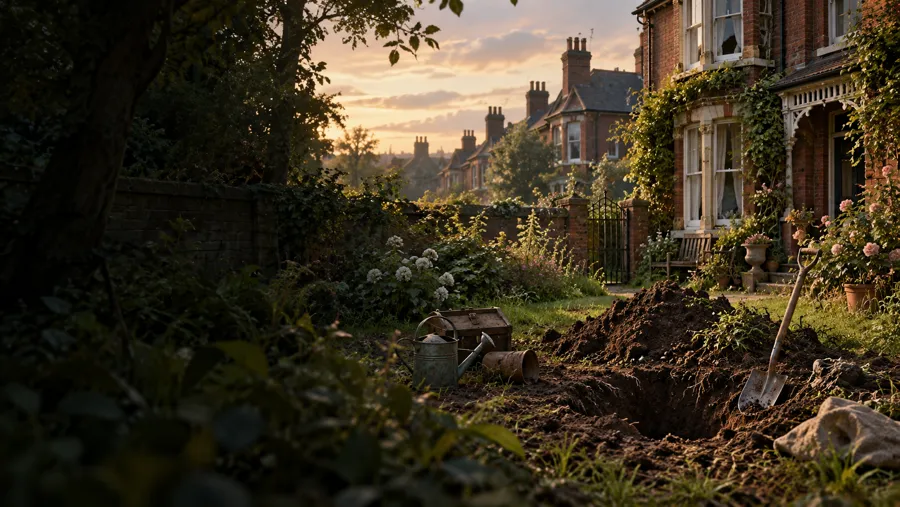
But it all begins in a gravel pit on a hot summer’s day, with a spade and a cross, furry creature that would much rather be left alone. Start with Five Children and It.
Questions readers ask
What are the sequels to Five Children and It?
E. Nesbit wrote two sequels: The Phoenix and the Carpet (1904) and The Story of the Amulet (1906). Together with Five Children and It (1902) they are known as the Psammead trilogy.
What is the Psammead?
The Psammead is a grumpy, ancient sand-fairy the children dig up in a gravel pit. It can grant wishes, but they last only until sunset and usually go wrong.
What age is Five Children and It suitable for?
It makes a lovely read-aloud from about six, and confident readers of eight to eleven can enjoy it alone.
 The Railway Children176 pages · $13.99
 The Enchanted Castle200 pages · $13.99
 The Book of Dragons116 pages · $11.99
 Wet Magic144 pages · $12.99