
Tom Sawyer’s summer Saturday begins with a punishment: thirty yards of board fence, nine feet high, to be whitewashed while every other boy in town goes off to play. By the end of the morning he has persuaded those boys to pay him for the privilege of doing it, and he is sitting in the shade, collecting their apples, kites and marbles as payment.
That is the spirit of classic summer reading for kids. The books children remember from long holidays are usually about long holidays: free time, a little boredom, and the trouble that fills it. The five below were all written more than a century ago, but each catches something about summer that has not changed, and together they make a reading list for the whole break.
Summer reading for kids: five classics
The Adventures of Tom Sawyer
1876. A Mississippi River town in the hot months: fence-painting, a desert island, a treasure hunt and a cave. The definitive book about boyhood summers. Ages 9 and up.
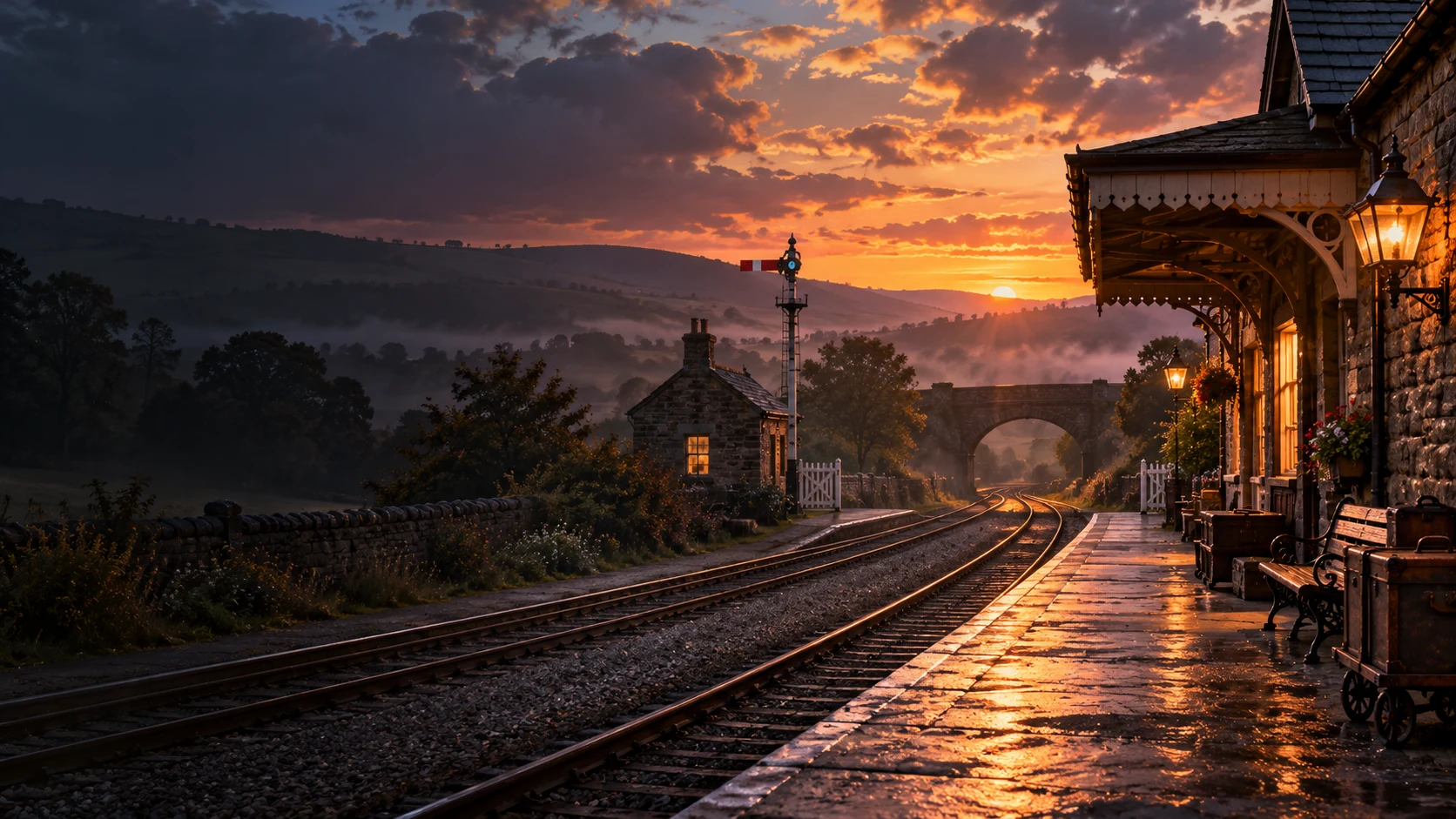
The Railway Children
1906. Three children, newly poor, run wild by a country railway line: picnics, canal boats, a paper-chase through a tunnel. Ages 7 and up.
Five Children and It
1902. Five children on holiday in the Kentish countryside dig up a sand-fairy in the gravel pit. Each wish lasts until sunset. Ages 6 and up.
The Wind in the Willows
1908. A riverbank in high summer, a picnic, a gypsy caravan and the motor car that sends Toad mad. The most beautiful book here. Ages 6 and up read aloud.
Treasure Island
1883. The holiday book to save for a rainy week. Begun on a wet family holiday in the Scottish Highlands, which seems only fair. Ages 9 and up.



Why these books feel like summer
The Adventures of Tom Sawyer is built from summer: swimming, running away to Jackson’s Island to be pirates, and a picnic that ends with Tom and Becky lost in McDougal’s Cave. Mark Twain based the town on Hannibal, Missouri, where he grew up, and the book has the freedom of a childhood that adults rarely interrupt.
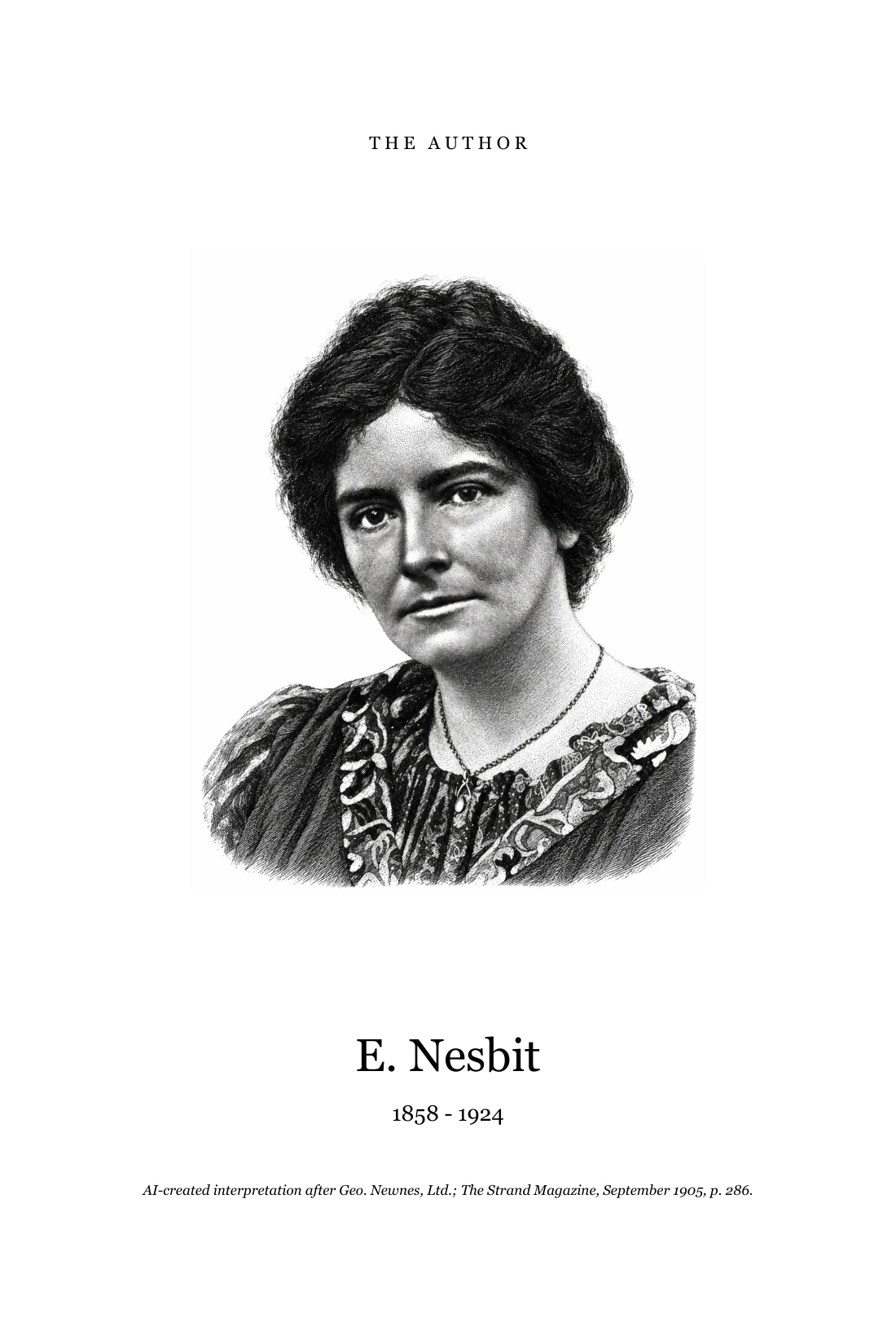
The Railway Children follows Roberta, Peter and Phyllis through a year in the country after their father is mysteriously taken away, and its summer chapters are the happiest. They make friends with the bargee’s family on the canal and save a baby when the barge cabin catches fire, and on a paper-chase they find a boy in a red jersey with a broken leg deep in the railway tunnel. E. Nesbit writes outdoor freedom better than almost anyone.
Nesbit’s Five Children and It starts with exactly what a summer holiday should be: five children in a house in the country, with nothing to do and a gravel pit to dig in. When they wish for riches, the whole pit fills with gold, too dazzling to look at, “like trying to look at the sun at high noon on Midsummer Day”.
The Wind in the Willows opens with Mole abandoning his spring-cleaning, and soon he is on the river with Rat, who sums up the whole philosophy of a summer afternoon.
Believe me, my young friend, there is nothing—absolute nothing—half so much worth doing as simply messing about in boats.
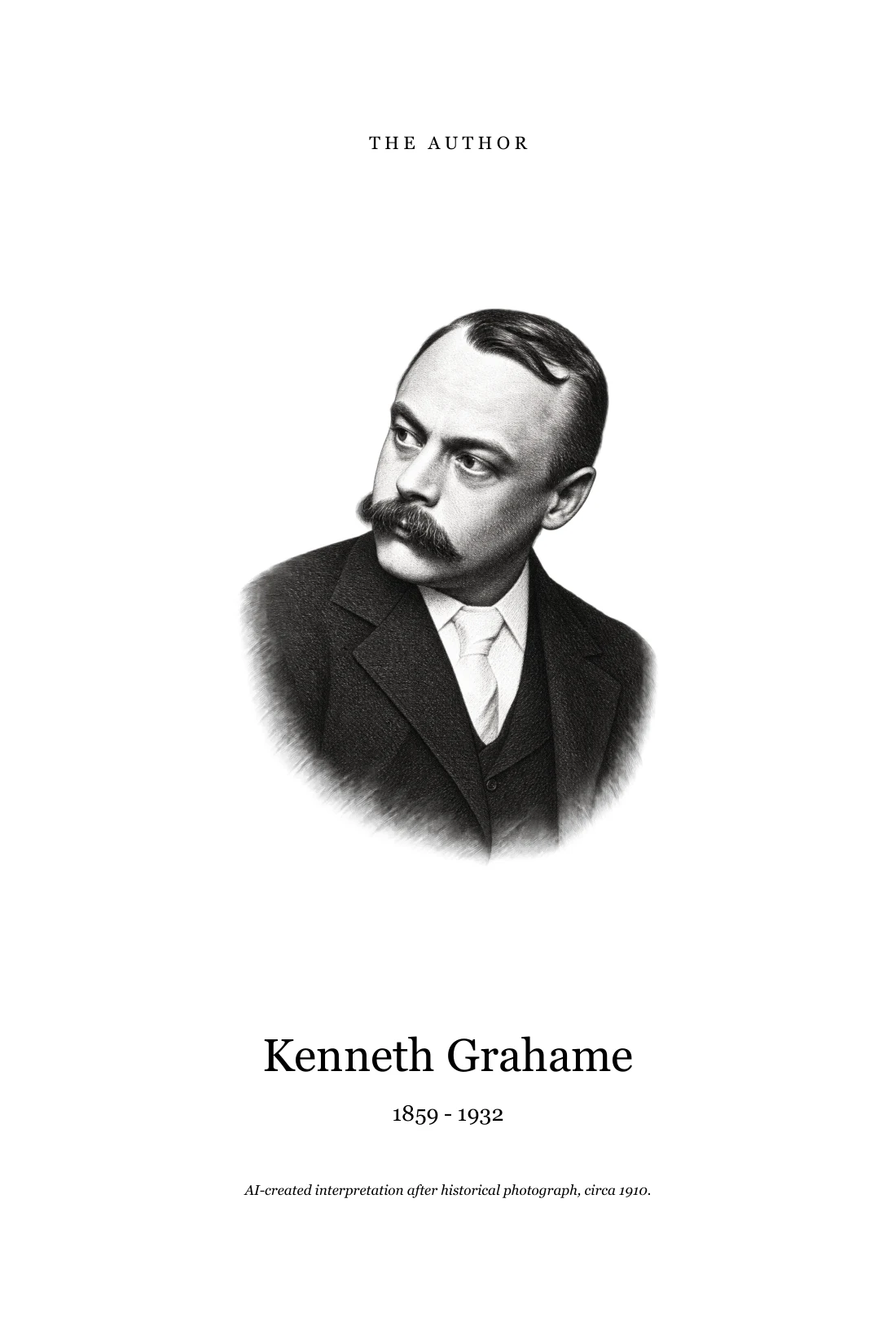
The Water Rat, in Kenneth Grahame’s The Wind in the Willows (1908)
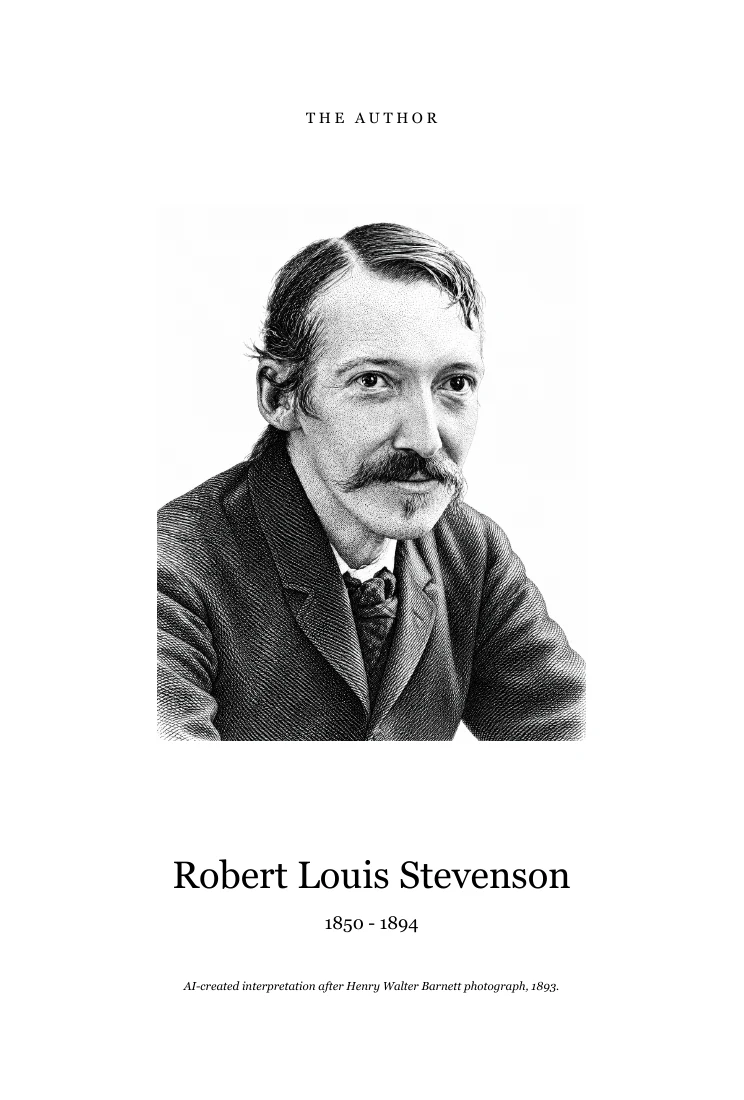
Treasure Island is the odd one out. It is not set in summer, but it was born in one: Robert Louis Stevenson started it at Braemar in 1881, when bad weather kept the family indoors. It is the perfect book for the wet week every British summer seems to contain.
A classic summer reading plan
These books vary a lot in length, so it helps to pace them. Here is one way to spread them across a six-week holiday, reading aloud or alone:
- Weeks 1–2: Five Children and It. Eleven chapters, each one a new wish, so it suits short bursts while everyone settles into the holiday.
- Week 3: The Wind in the Willows. Twelve chapters; read the river ones outdoors if you can.
- Weeks 4–5: The Railway Children or Tom Sawyer, depending on the reader’s age. Both are long enough to need a fortnight.
- Week 6, or whenever it rains: Treasure Island. Short, punchy chapters that end on cliffhangers, ideal for an afternoon indoors.

What to know before you start
- Tom Sawyer: the dialogue includes the N-word, Injun Joe is drawn from ugly frontier prejudice, and the midnight murder and the chase through the cave are frightening. Best from nine, ideally with an adult nearby for the first read.
- The Railway Children: the father’s absence is the emotional heart of the book, and the reason for it comes as a shock. Some children find the final chapter overwhelming in the best way.
- Five Children and It: one chapter brings a stereotyped band of “Red Indians” to Kent and can be skipped.
- The Wind in the Willows: Toad is sentenced to twenty years in prison, which children find hilarious, and the Wild Wood at nightfall is genuinely eerie.
- Treasure Island: pirates, rum and some bloodshed, all at full adventure tempo.
Looking for more? Try more classic summer reads, classic adventure books for kids and family read-aloud adventures, or browse the children’s shelf.
If you only pack one book for the holiday, pack The Railway Children. It begins with a family losing almost everything and ends, a year of country summers later, on a station platform, and few children close it without wanting to go and wave at a train.
Questions readers ask
What are good classic books for summer reading for kids?
Good classic summer reads for kids include The Adventures of Tom Sawyer, The Railway Children, Five Children and It, The Wind in the Willows and Treasure Island. All are about children, or animals, with long days and plenty of freedom.
What age is The Railway Children for?
The Railway Children is ideal from about seven as a read-aloud, and most children can manage it alone by nine or ten. Nothing in it is very frightening, though there is a near train crash, a barge fire and a boy hurt in a tunnel, and the father’s absence makes it moving.
Is Tom Sawyer appropriate for 9-year-olds?
Many nine-year-olds love it, especially read aloud. Parents should know it contains a racial slur, a stereotyped villain and a frightening graveyard murder, and may want to read along.