Every book card in these posts carries a small line of print: a reading time. Readers often ask where it comes from, and the answer is simple arithmetic that you can do for any book you own. It also shows that The Great Gatsby takes under three hours, David Copperfield about sixteen, and that far fewer classics are as long as their reputations suggest.
How long does it take to read a classic? At an ordinary, unhurried pace, a page of a classic novel takes a little over a minute, so you will get through about fifty pages an hour. That is the rate we use for the reading times on our book cards, and it is the rate behind every figure below. Multiply your book’s page count by 1.2 and you have the minutes; divide by fifty and you have the hours.
Reading times for six great classics
Here are six of the books people most often ask about, from shortest to longest, with page counts from our editions. Hours are rounded to the nearest hour.
- $12.99
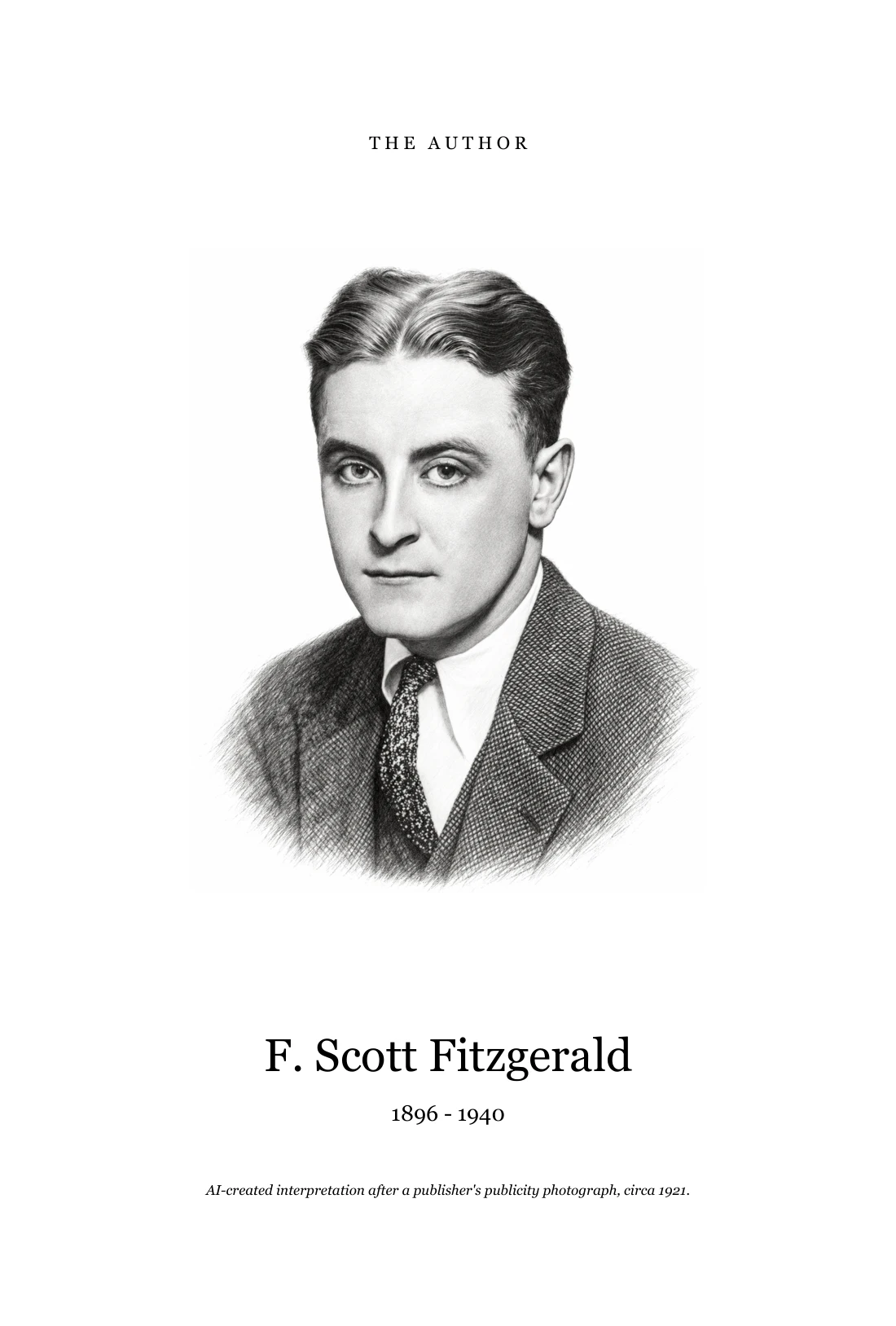
The Great Gatsby
134 pages: about 3 hours (2 hours 40 minutes by the formula). Nine short chapters. A weekend afternoon, or a week of bedtimes.
- $14.99
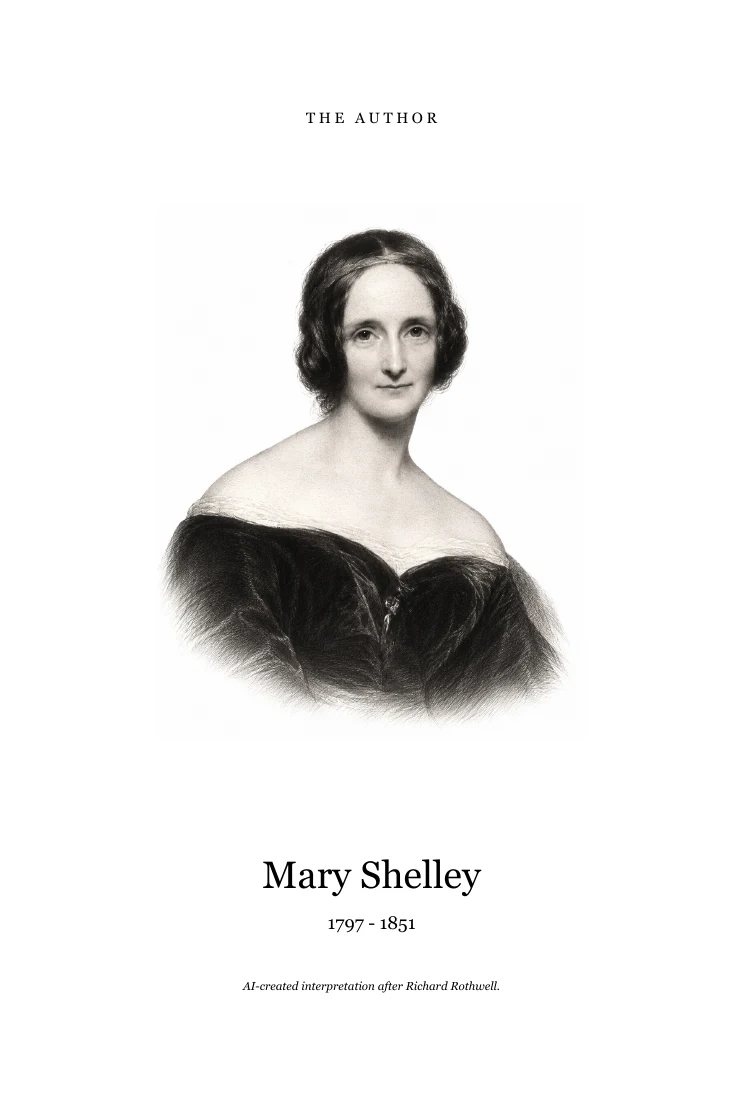
Frankenstein
214 pages: about 4 hours. Mary Shelley’s 1818 novel is far shorter than its fame, and a natural two-evening read.
- $24.99
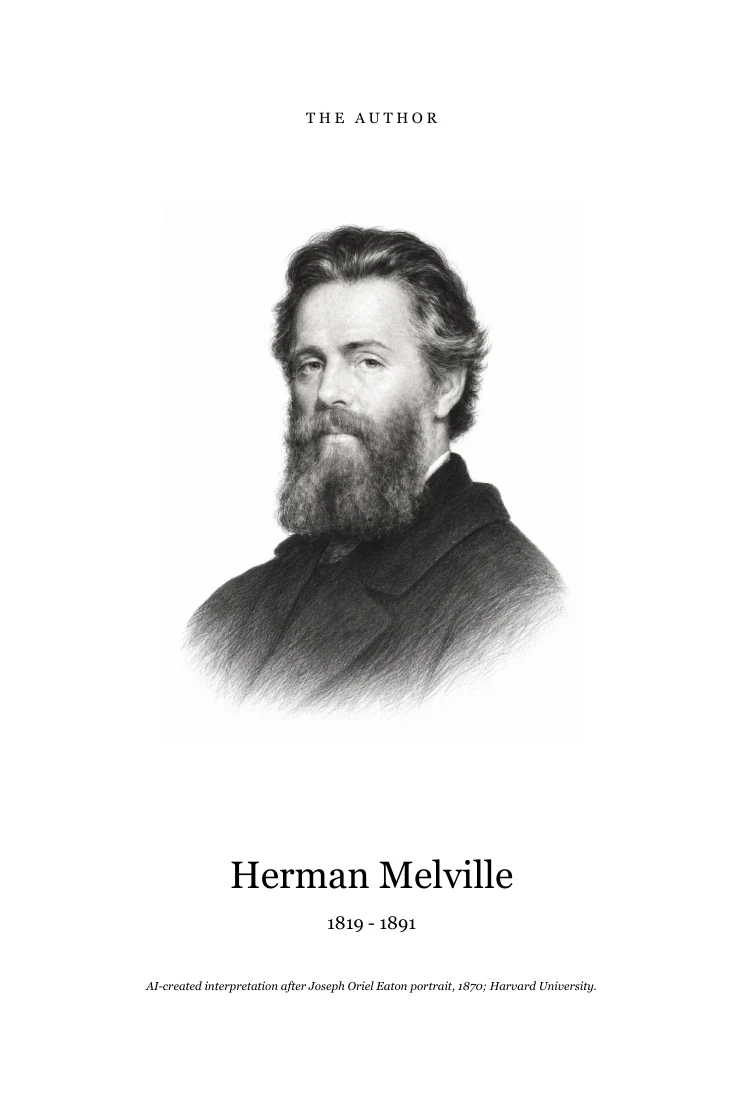
Moby-Dick
560 pages: about 11 hours. 135 chapters plus an epilogue, many only a page or two long, which makes it easier to read in short bursts than it looks.
- $29.99
The Brothers Karamazov
778 pages: about 16 hours. Serialised over nearly two years, from 1879 to 1880; read it the same way, a book at a time.
- $29.99
Anna Karenina
780 pages: about 16 hours. Eight parts, which make natural milestones; a part every few days gets you through in a month.
- $29.99
David Copperfield
800 pages: about 16 hours. First published in nineteen monthly parts in 1849–50. At a chapter or two a day it is a companion for a season.


How long is that in days?
Hours on their own can mislead, because nobody reads sixteen hours straight. A more useful question is how many days a book takes at the time you actually have. At half an hour a day, which is about twenty-five pages, here is how the six books above work out.
- The Great Gatsby: five or six days.
- Frankenstein: a little over a week.
- Moby-Dick: about three weeks.
- The Brothers Karamazov, Anna Karenina and David Copperfield: each about a month.
- All six together, 3,266 pages: about 65 hours, or four months at half an hour a day. At an hour a day, a little over two months.
A few other favourites, by the same arithmetic: A Christmas Carol (86 pages) takes under two hours, Wuthering Heights (330 pages) and Pride and Prejudice (372 pages) about seven hours each, and Crime and Punishment (496 pages) about ten.
Why your own times will differ
The fifty-pages-an-hour rule is an average, and three things move it. First, the edition: a page count depends on type size and layout, so the same novel can run longer or shorter in another printing. Second, the prose: Austen’s dialogue moves faster than Melville’s whaling chapters, and a dense modernist novel such as Ulysses will take many readers far longer than its page count implies. Third, the reader. If you read a lot, you may manage seventy pages an hour; if you are reading in a second language, or reading closely for study, thirty is perfectly normal.
The easiest way to find your own rate is to time yourself for twenty minutes with the book you are actually reading, count the pages, and multiply by three. Then use that figure instead of ours.

How to finish a long classic
Long classics are usually finished by habit, not willpower. Pick a fixed time, such as the commute or the last half-hour before bed, and a fixed amount, such as a chapter or twenty-five pages. Many of these books were first published in instalments, and reading them in instalments again suits them; our guide to Victorian serial novels explains why. For more help with the doorstoppers, try how to read a long Victorian novel.
Each of these books has its own guide, too: how long is Moby-Dick, how long is Anna Karenina and how long is The Great Gatsby. If you want to see the very biggest books, our longest classic novels list ranks them.
If sixteen hours sounds daunting, start with three. Read The Great Gatsby by F. Scott Fitzgerald this weekend, time yourself as you go, and you will know exactly how long your next classic will take.
Questions readers ask
How long does it take to read a classic novel?
At about fifty pages an hour, a short classic such as The Great Gatsby (134 pages) takes under three hours, a mid-length one such as Frankenstein (214 pages) about four, and a long one such as David Copperfield (800 pages) about sixteen.
How many hours does it take to read Anna Karenina?
About sixteen hours for our 780-page edition, at fifty pages an hour. At half an hour a day, that is roughly a month.
How long does it take to read Moby-Dick?
About eleven hours for our 560-page edition. Reading half an hour a day, most people will finish in about three weeks.
How many pages can you read in an hour?
Around fifty pages of a typical classic novel, or a little over a minute a page. Fast readers may manage seventy, and careful or second-language readers thirty or so.