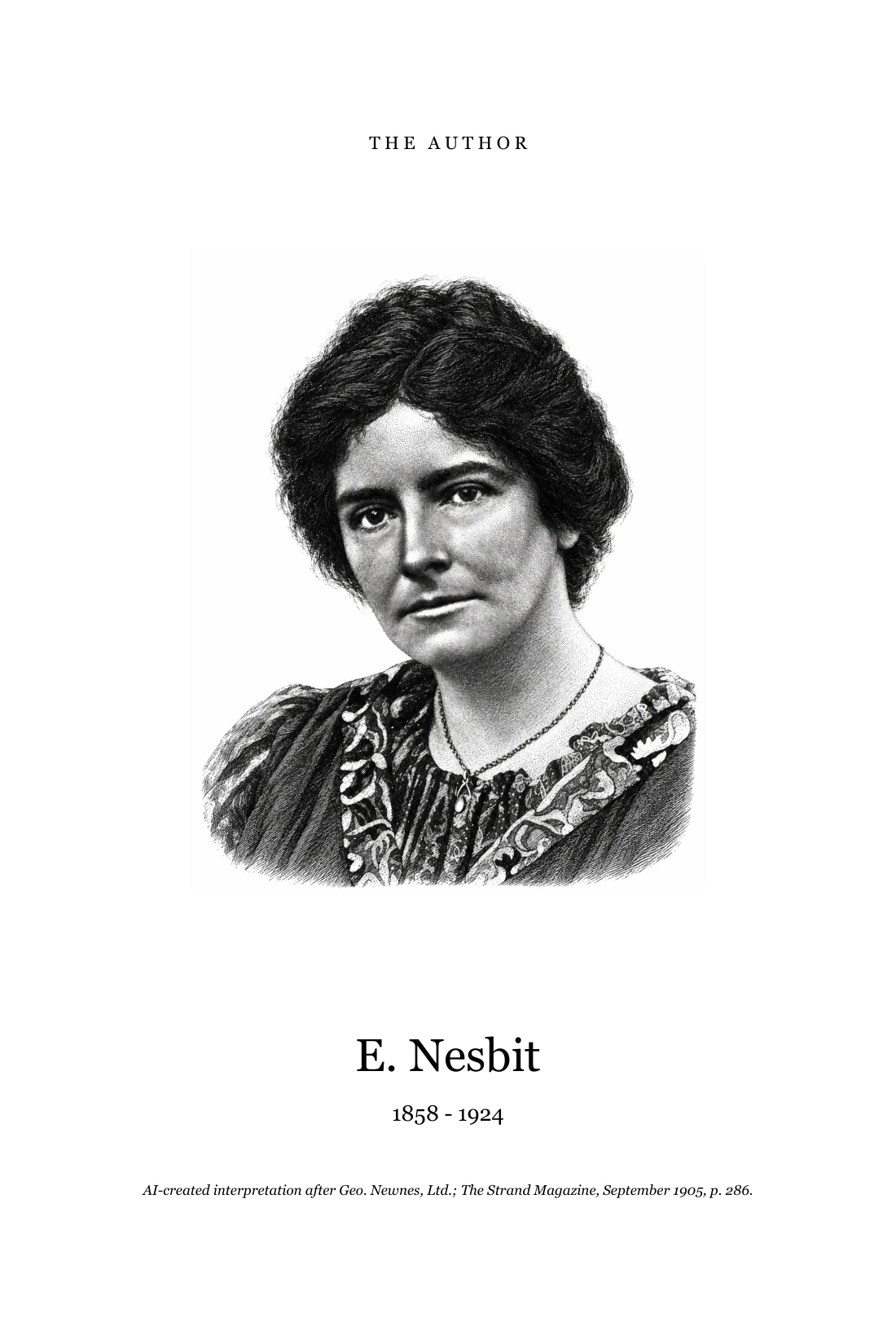
Although every word of this story is as true as despair, I do not expect people to believe it.
E. Nesbit, “Man-Size in Marble”, collected in Grim Tales (1893)
That sentence was written by the woman who later gave the world the Psammead, the Phoenix and The Railway Children. E. Nesbit published “Man-Size in Marble” in a London magazine called Home Chimes in December 1887, years before her children’s books, and it remains her most anthologised story.
She is not alone. The classic writers on this list built their reputations on detectives, sensation plots and drawing-room manners, yet each of them wrote unexpected horror stories that hold up beside the specialists. Here they are, author by author, with the book to read for each.
E. Nesbit: the children’s author who wrote Grim Tales
Nesbit’s Grim Tales came out in 1893 and holds seven stories, all of which had first appeared in magazines such as Longman’s, Temple Bar and The Argosy. The settings are cosy on purpose: a cottage, a church, a newly-wed couple. Then the knights on the church tombs start to matter.
For Nesbit’s far sunnier side, see Did you know E. Nesbit helped found the Fabian Society?

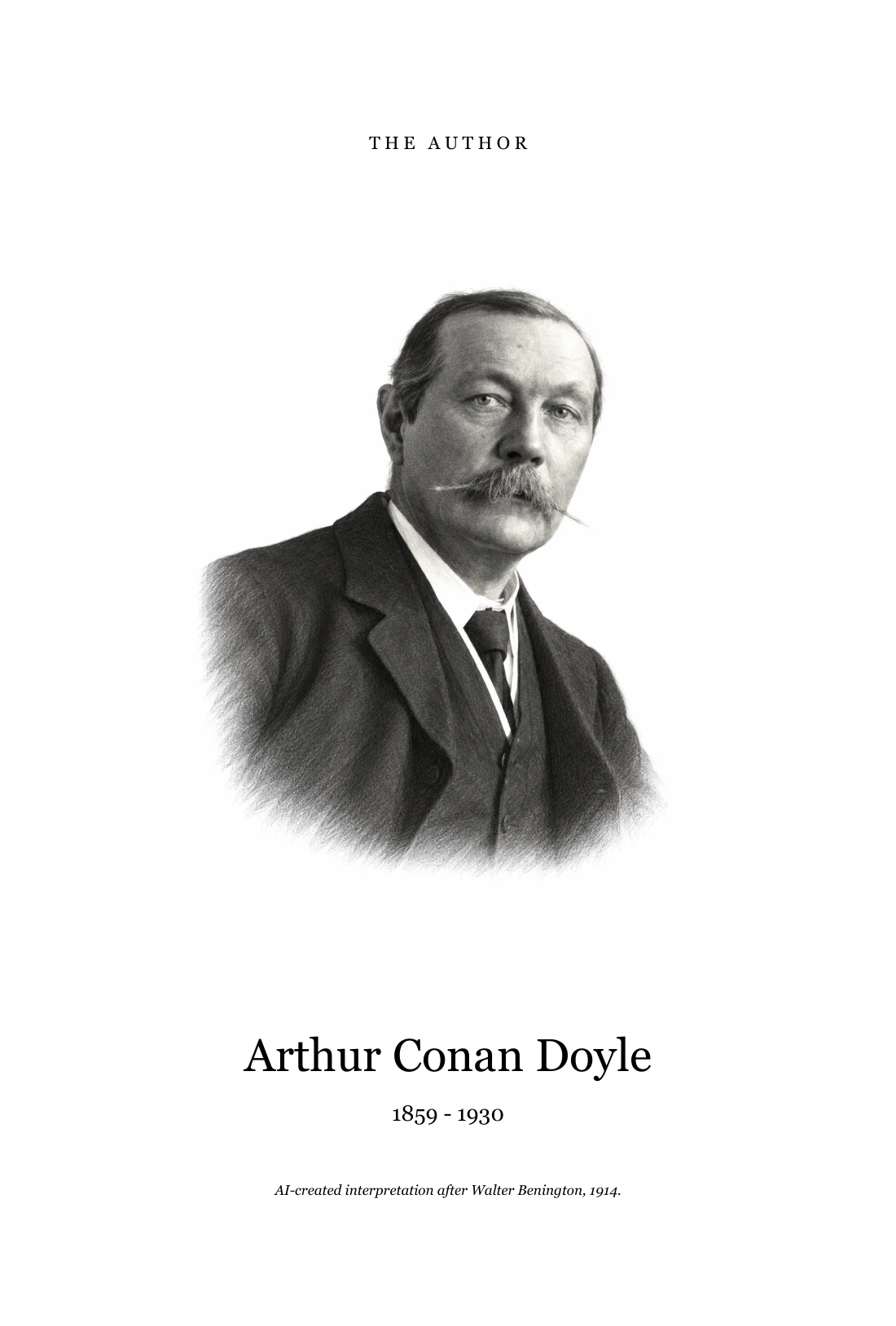
Arthur Conan Doyle’s horror stories
The creator of Sherlock Holmes kept a second career in the uncanny running alongside the first, and he is the biggest surprise here. Holmes always finds a rational answer. Many of Arthur Conan Doyle’s other stories refuse to give one.
The best known is “Lot No. 249”, first published in Harper’s in 1892. An Oxford medical student notices that his neighbour, an Egyptology student, keeps a mummy in his rooms, and that the neighbour’s enemies keep getting attacked. It is often credited as the first story to make a reanimated mummy dangerous, and mummy stories and films have borrowed from it ever since. It was collected in Round the Red Lamp (1894), a book mostly made of stories about doctors and patients, which makes it land harder.
Round the Red Lamp
1894. Doyle’s stories of medical life, from a student’s first operation to a country doctor’s rivalry. “Lot No. 249” sits among them like a cobra in a consulting room.
Tales of Terror and Mystery
1922. Twelve stories, six of terror and six of mystery. “The Horror of the Heights” imagines monsters living in the upper air, and “The Brazilian Cat” is a lesson in never visiting a rich cousin you have not met.
The Captain of the Polestar, and Other Tales
An early collection led by the title story, the journal of a medical student on a whaler trapped in Arctic ice with a captain who sees something on the floes. It also includes a second Egyptian tale, “The Ring of Thoth”.
The mystery of Cloomber
Serialised in 1888 and published as a book in 1889, this is one of the first novels Doyle wrote: a retired general in Wigtownshire who waits, year after year, for a debt from his soldiering days in India and Afghanistan to be called in.


“The Captain of the Pole-Star” draws on real experience. In 1880, as a medical student, Doyle sailed as the doctor on the Greenland whaler Hope of Peterhead, and he remembered the ice. More of his non-Holmes writing is gathered in Did you know Arthur Conan Doyle didn’t think Sherlock Holmes was his best work?
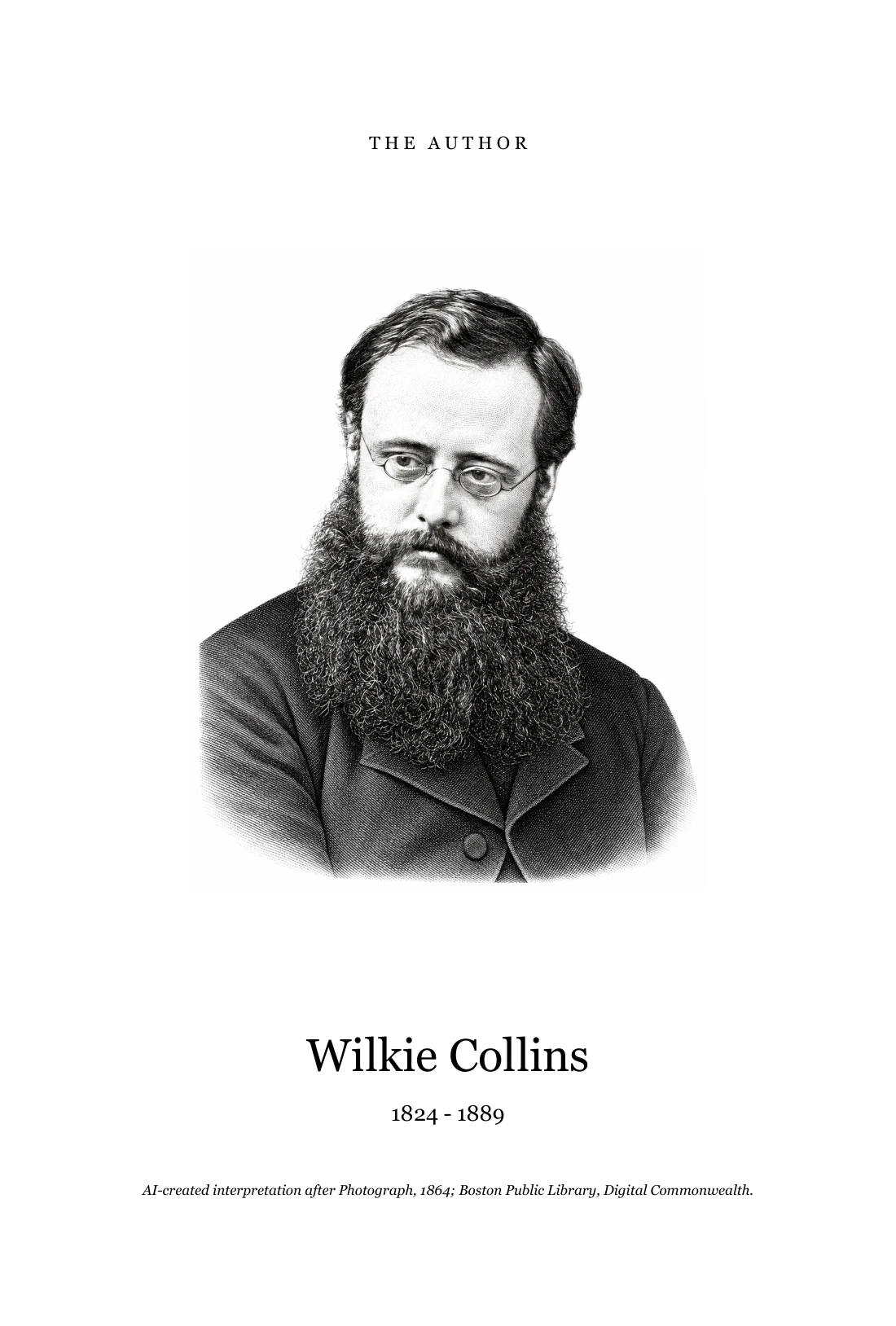
Wilkie Collins: a ghost story from the sensation king
Wilkie Collins is remembered for The Woman in White and The Moonstone, which take their thrills from forged letters and stolen identities. His short novel The Haunted Hotel was serialised from June to November 1878, and it lets a real ghost in.
Collins’s wider career is covered in Wilkie Collins: Dickens’s friend and the king of the sensation novel.
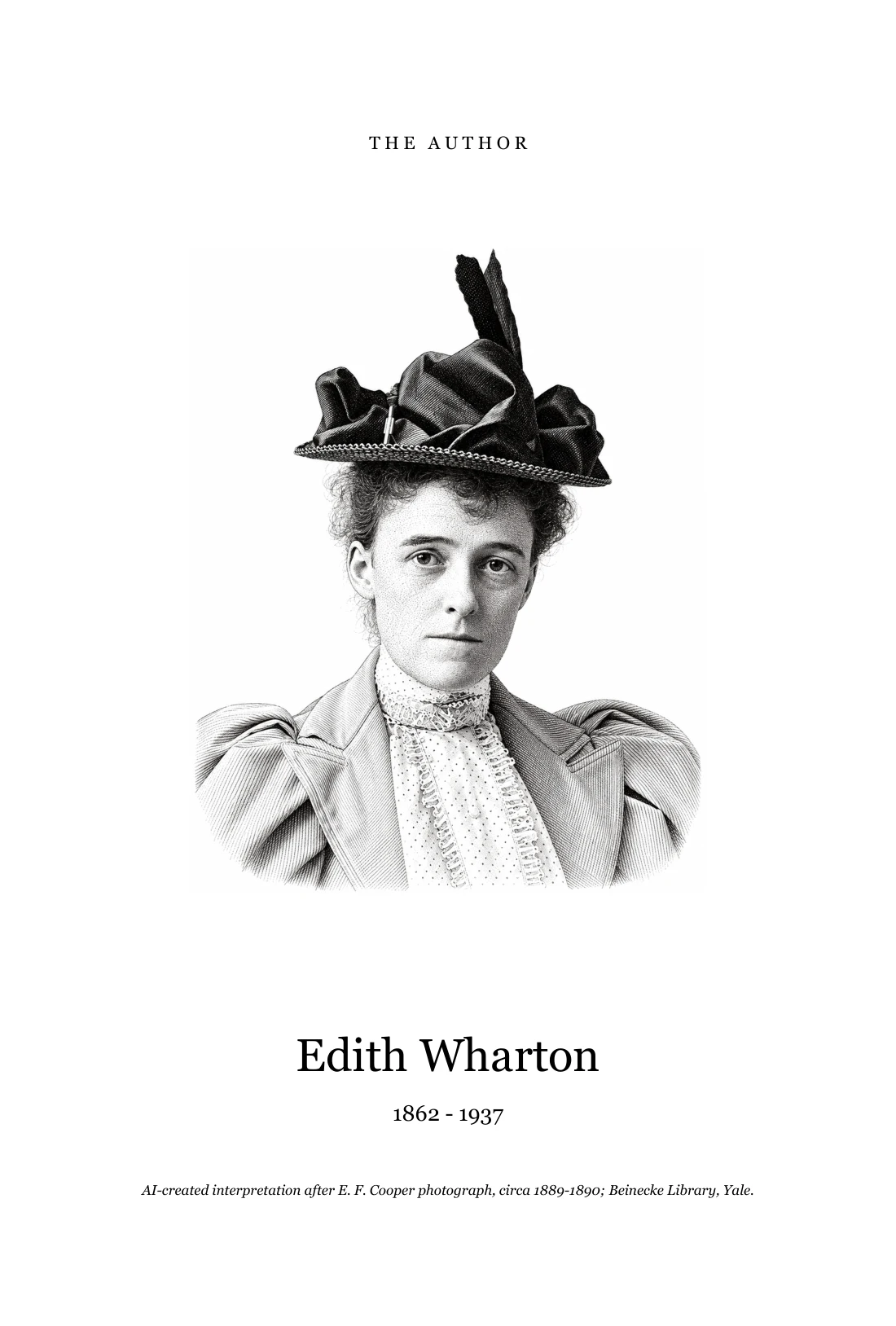
Edith Wharton’s ghosts
The most elegant surprise is Edith Wharton, the first woman to win the Pulitzer Prize for Fiction. Her ghosts behave like her society hostesses: quietly, politely and with devastating timing.
Wharton went on writing ghost stories for the rest of her life, and a collection simply called Ghosts appeared in 1937, the year she died. Her novellas and other haunted pieces are covered in Where to start with Edith Wharton’s ghost stories and novellas.
Which unexpected horror story should you read first?
For a single sitting, start with Nesbit. Grim Tales runs to about seventy pages in our edition, and “Man-Size in Marble” shows how a cheerful writer can turn a sunny cottage against its owners. If you prefer a slow-building novel, take The Haunted Hotel to bed with you. And if you want proof that Holmes’s creator could frighten as well as reassure, read “Lot No. 249” with the lamp on.
There is a long tradition behind all of these: Victorian readers expected a ghost story at Christmas, as we explain in Did you know ghost stories were once a Christmas tradition? Begin with the two stone knights in Grim Tales, and see how quiet a church can be.
Questions readers ask
Did Arthur Conan Doyle write horror stories?
Yes. Alongside Sherlock Holmes he wrote many horror and supernatural tales, including “Lot No. 249” (1892), an early mummy story, and the Arctic ghost story “The Captain of the Pole-Star”. Twelve of his later stories are collected in Tales of Terror and Mystery (1922).
Which Conan Doyle book has Lot No. 249 in it?
“Lot No. 249” first appeared in Harper’s Magazine in 1892 and was collected in Round the Red Lamp (1894). It is not in Tales of Terror and Mystery.
Did E. Nesbit write horror stories?
She did. Before her famous children’s books she published horror stories in magazines, and seven of them were collected as Grim Tales in 1893, including “Man-Size in Marble”.
What are some unexpected classic horror stories?
Good starting points are E. Nesbit’s “Man-Size in Marble”, Conan Doyle’s “Lot No. 249”, Wilkie Collins’s The Haunted Hotel and Edith Wharton’s “Afterward”, all by writers better known for other kinds of book.