The oldest book on this homeschool reading list was composed around the 8th or 7th century BC, probably for an audience that heard it rather than read it. The newest came out in Boston in 1908. In between sit a German fairy-tale collection, a pirate novel, an Indian jungle written in Vermont, and a girl in silver shoes. Together they make a sequence that grows with a child, and that doubles as a tour through the history of storytelling.
The list is arranged in rough order of reading age, starting with books for reading aloud to five and six-year-olds. Each comes with a note on where it fits alongside other subjects, because one of the pleasures of home education is that a novel can lead somewhere else entirely.
- c. 700s BC
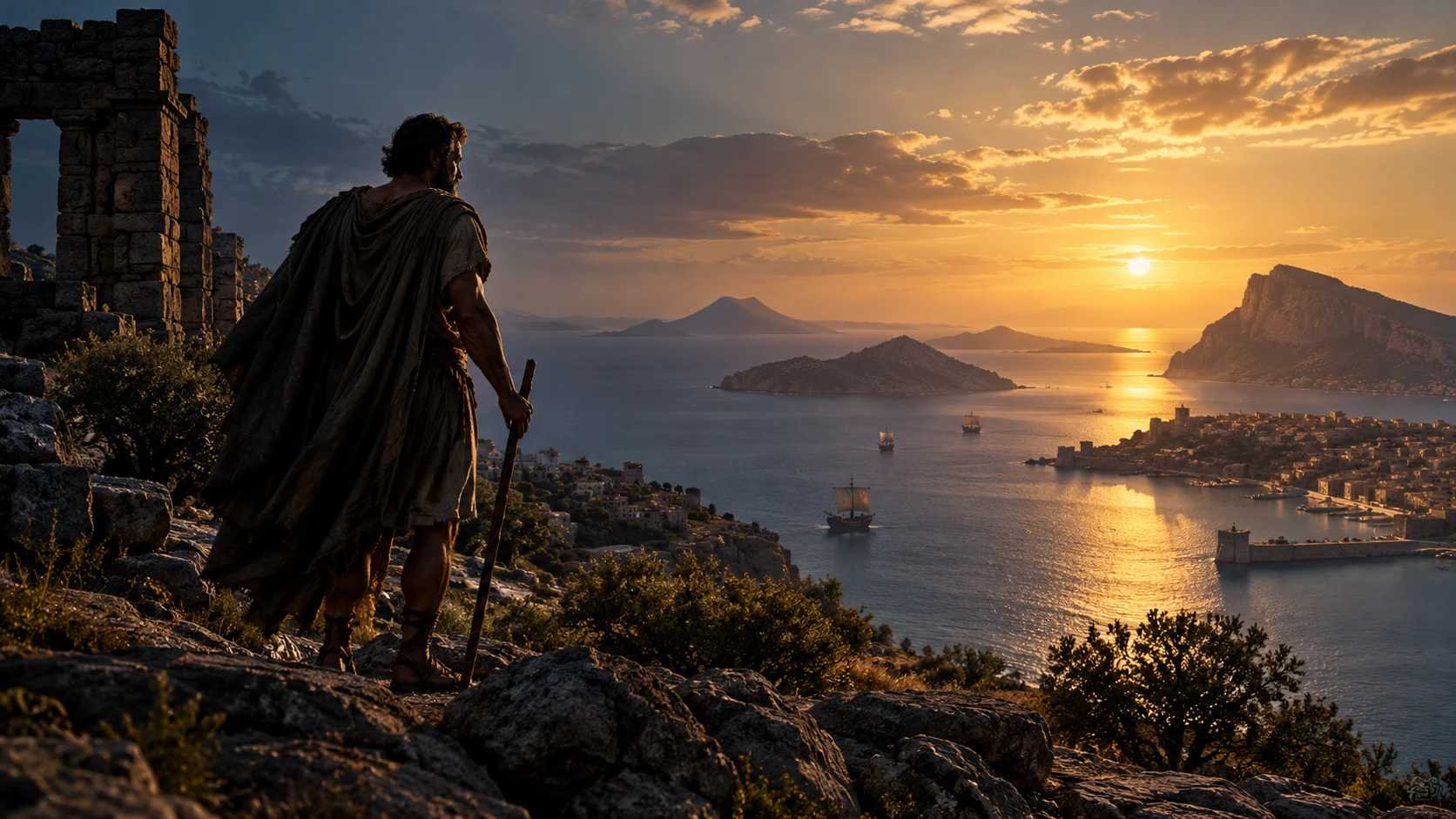
Homer’s Odyssey is composed, around the 8th or 7th century BC
- 1812
The first volume of the Grimms’ Children’s and Household Tales is published
- 1883
Treasure Island appears as a book, after a magazine serial
- 1894
Kipling publishes The Jungle Book, written at his home in Vermont
- 1900
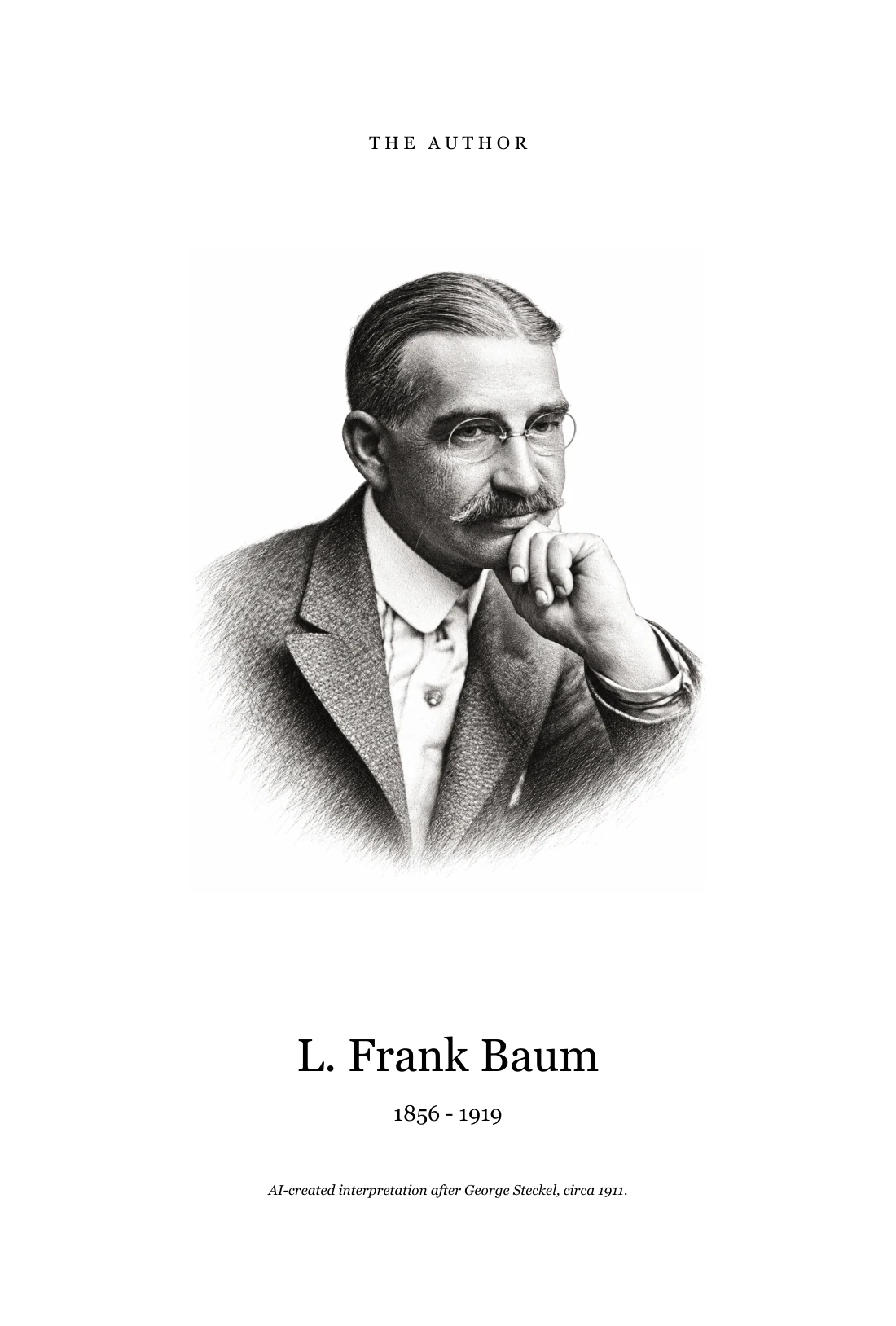
The Wonderful Wizard of Oz is published, with W. W. Denslow’s pictures
- 1908
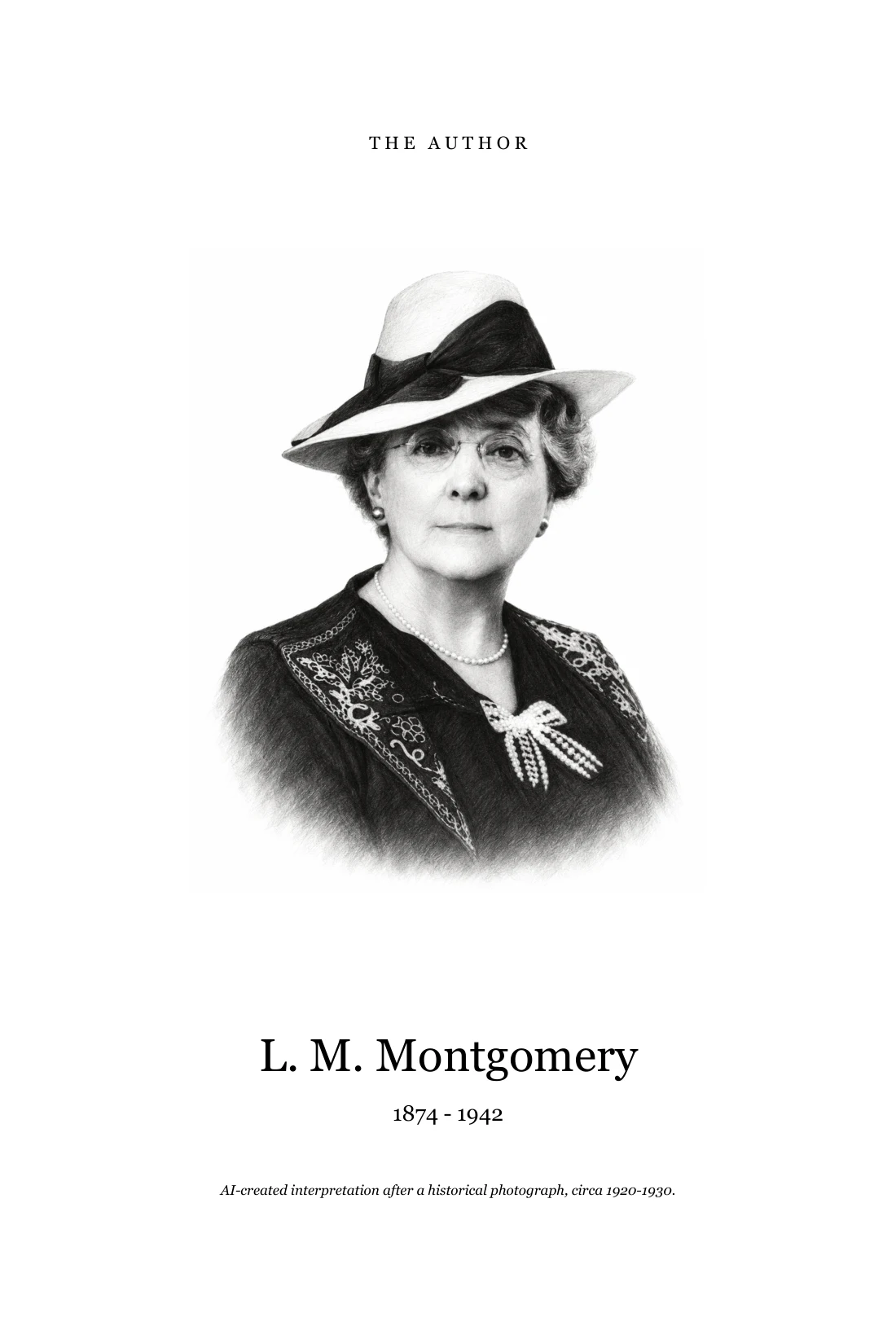
Anne of Green Gables is published in Boston
The homeschool reading list, in order of age
- $11.99
The Wonderful Wizard of Oz
Ages 5–7, read aloud. Short chapters, a clear quest and three companions who each believe they lack something. The ideal first long book.
- $15.99
Grimms' Fairy Tales
Ages 6 and up, chosen story by story. Hansel and Gretel, Rumpelstiltskin and the rest, as the Grimms collected them. Pick and preview.
- $12.99
The Jungle Book
Ages 8 and up. Mowgli among the wolves, plus a white seal’s search for a safe beach and a mongoose’s war on two cobras.
- $14.99
Treasure Island
Ages 9 and up. A boy, a map, a mutiny and a one-legged cook. The adventure every other adventure is measured against.
- $15.99
Anne of Green Gables
Ages 10 and up. An orphan’s first five years on Prince Edward Island, from slate-breaking to scholarship. Funny and moving in equal parts.
- $16.99
The Odyssey
Ages 11 and up. The original long journey home: Cyclops, Sirens, Circe and a final reckoning in Ithaca.


Where each book leads across the curriculum
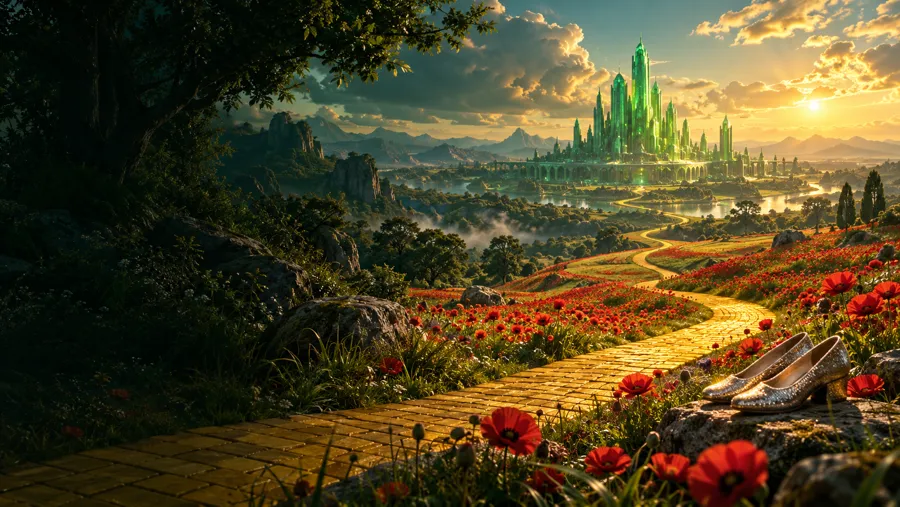
- The Wonderful Wizard of Oz: compare the book with the 1939 film, starting with the colour of Dorothy’s shoes, for a first lesson in how adaptations change a story. See the book versus the film.
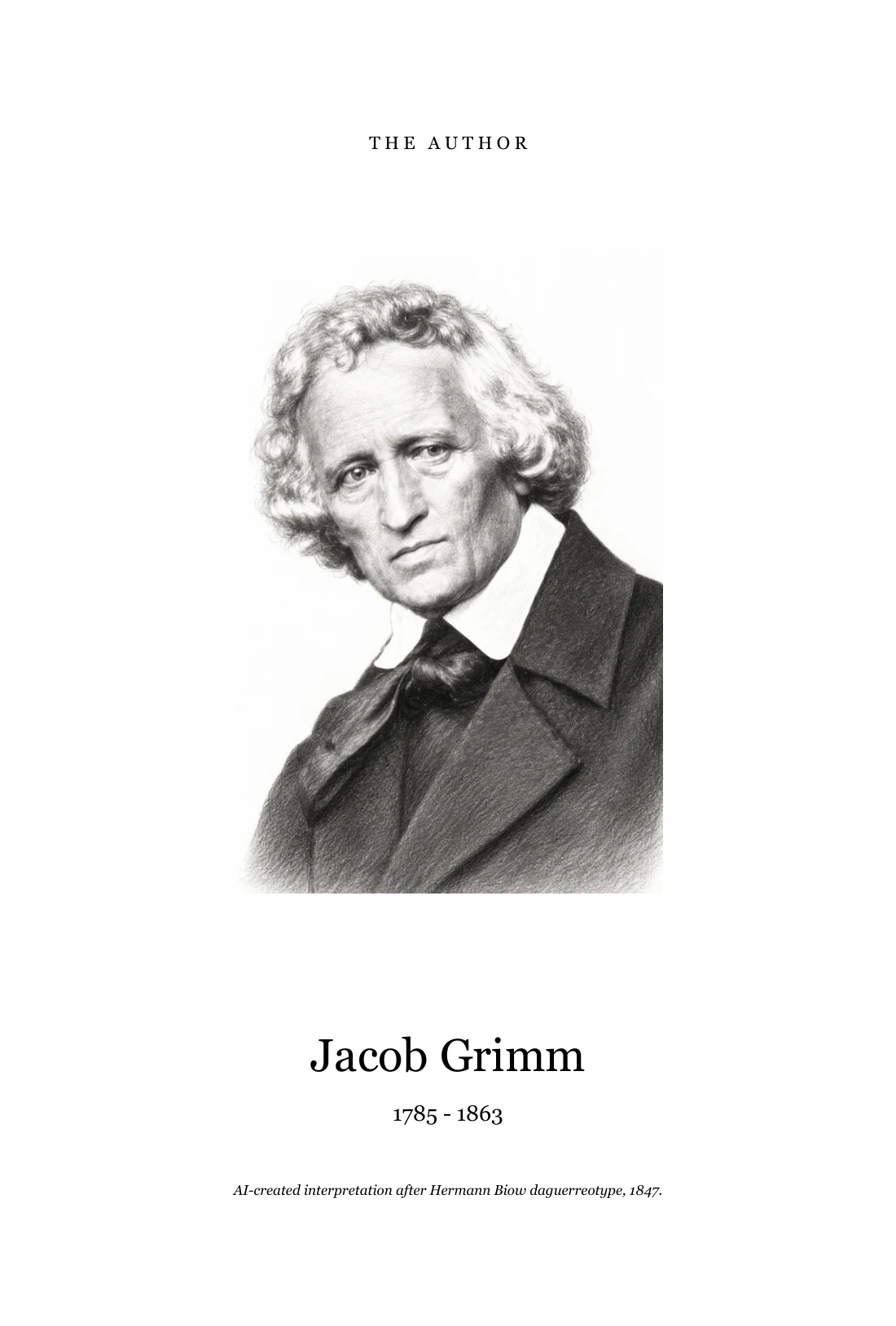
- Grimms’ Fairy Tales: the brothers believed old stories preserved the history of a language and a people. Their project is a way into German history and into why anyone collects folk tales at all; see who collected the fairy tales.
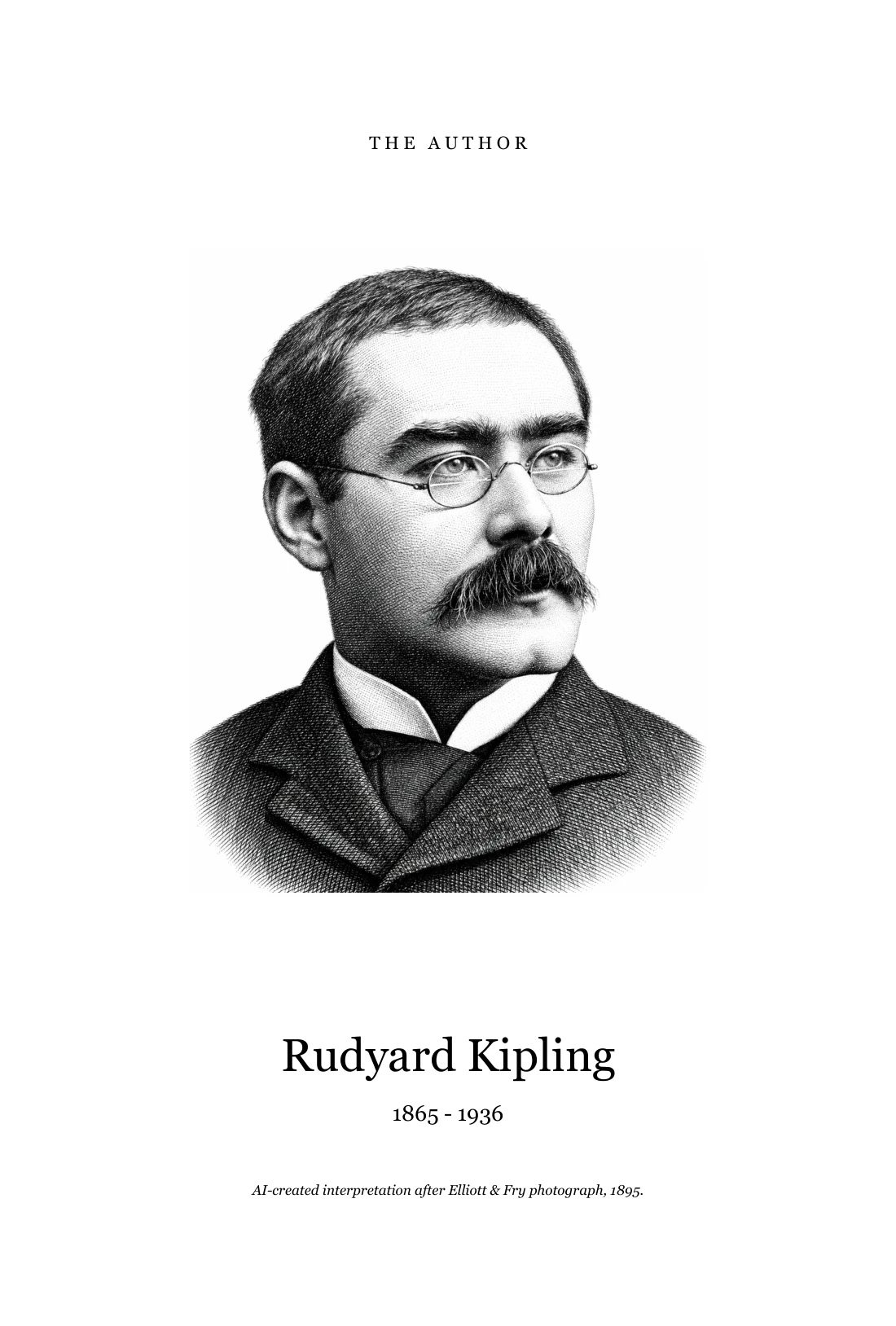
- The Jungle Book: Kipling was born in Bombay in 1865, and the stories are set in India, from the central Indian jungle to an army camp in the north, apart from one in the Bering Sea. Pair it with the geography and natural history of both, and with a conversation about British rule in India.
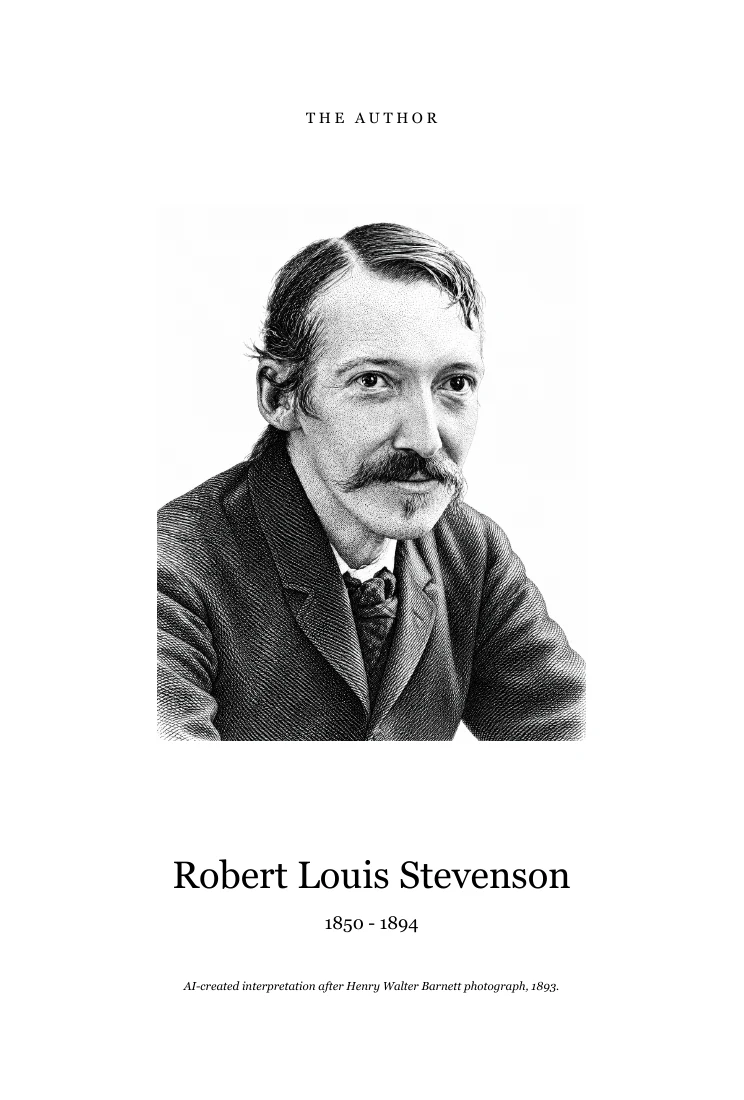
- Treasure Island: Robert Louis Stevenson began it by painting a map with his stepson, and a child who reads it can draw their own island and plot a story around it. Read how it happened in Treasure Island began with a map.
- Anne of Green Gables: Prince Edward Island geography, one-room schoolhouses, and a heroine who takes the entrance exam for teacher training. Older children can follow Anne through the rest of the series.
- The Odyssey: ancient Greece, Mediterranean geography and the idea of oral poetry. Our guide to reading the Odyssey suggests how to tackle it.
Using these books with narration
Many home educators follow the approach of Charlotte Mason, the English educator who coined the phrase “living books” for literature that sparks a child’s imagination, as opposed to textbooks and abridgements, and who relied on oral narration, with the child retelling a passage in their own words. These six books suit narration well. Their chapters are self-contained episodes, so a child can retell one at a sitting: Dorothy meeting the Tin Woodman, Mowgli at the Council Rock, Jim in the apple barrel, Odysseus in the Cyclops’s cave.
Two practical tips. Read Grimm and The Odyssey aloud even to children who read well alone, because both were made to be heard. And let a child abandon a book that is not working; Anne or Treasure Island left at nine is often devoured at eleven.
What to know before you start
- Grimms’ Fairy Tales: the violence is real. A witch is pushed into her own oven, a wolf is cut open with scissors, and in “Ashputtel”, the Grimms’ Cinderella, one stepsister cuts off her own toe to fit the slipper. Preview stories for younger children, or see how the original fairy tales were darker.
- The Odyssey: Odysseus kills all of his wife’s suitors when he gets home, and Telemachus hangs the enslaved women who had slept with them. The cyclops eats several of Odysseus’s men. These scenes are brief but blunt.
- The Jungle Book: Mowgli skins the dead tiger Shere Khan, and the final story, “Her Majesty’s Servants”, is an admiring picture of an army camp in British India, very much of its moment.
- Treasure Island: men die by knife and pistol, and the rum flows freely.
- Anne of Green Gables and The Wonderful Wizard of Oz: little to worry about, though Anne’s closing chapters bring a real loss.
The Odyssey comes in many English versions, verse and prose, and for a first reading at eleven or twelve a plain prose translation is usually easiest. For younger children who want the story earlier, reading a chapter at a time aloud works well.
Begin at the beginning: The Wonderful Wizard of Oz at five or six, read aloud one chapter a night. By the time Dorothy is home, your child will have taken their first long journey through a book, and the road to Ithaca will not seem so far.
Questions readers ask
What classics should be on a homeschool reading list?
A strong homeschool reading list might include The Wonderful Wizard of Oz, Grimms’ Fairy Tales, The Jungle Book, Treasure Island, Anne of Green Gables and The Odyssey, read roughly in that order from age five to twelve.
What are living books?
Living books is a phrase coined by the educator Charlotte Mason for well-written books that bring a subject to life and spark a child’s imagination, as opposed to dry textbooks, summaries and abridgements.
What age should children read The Odyssey?
Many children can enjoy The Odyssey read aloud from about nine, and read it themselves in prose translation from eleven or twelve. Parents may want to know about the violent ending in advance.
Are Grimms’ Fairy Tales suitable for young children?
Some are, but many are violent, so it is best to choose and preview stories for children under eight. Read aloud, the gentler tales work well from about six.