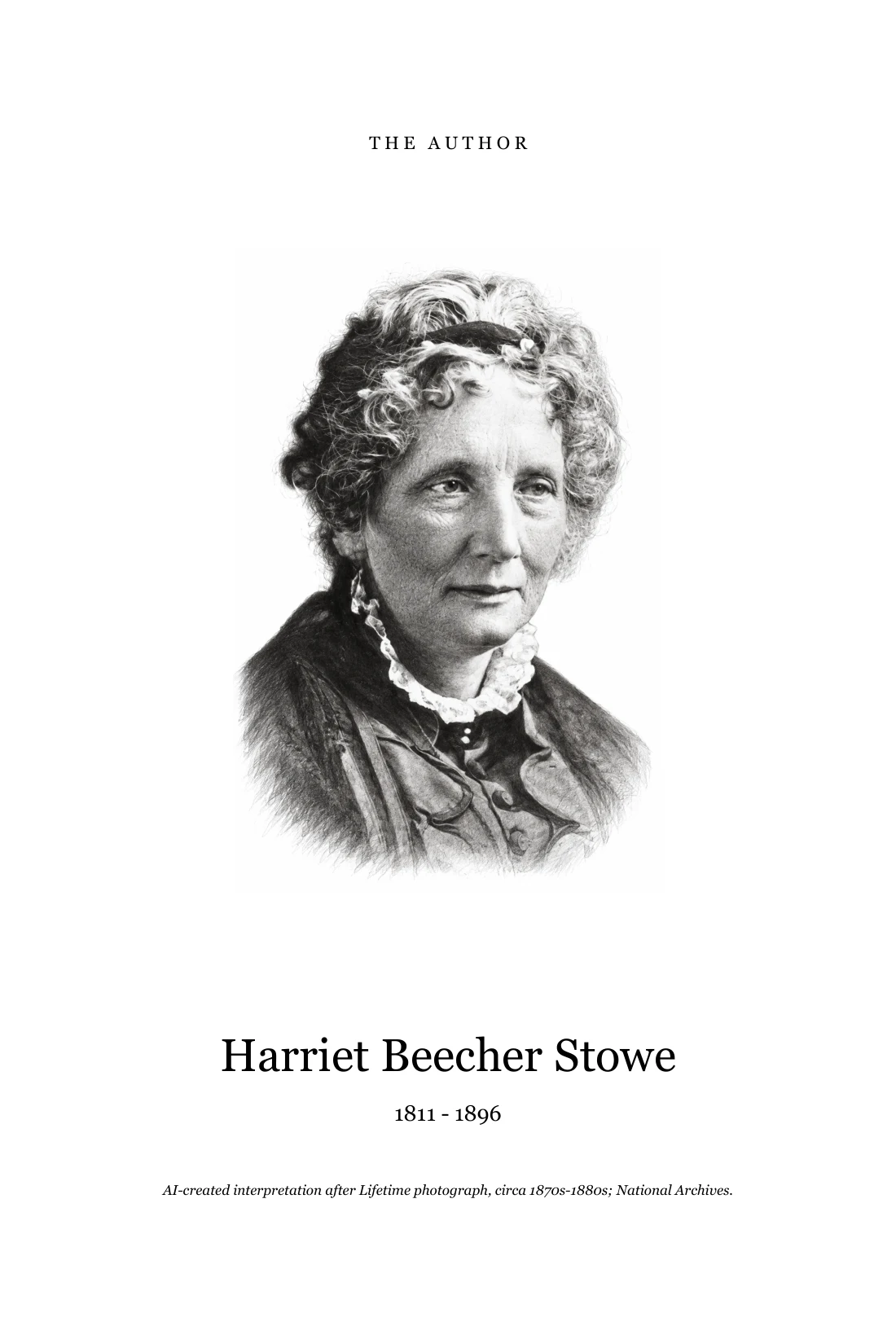
Abraham Lincoln is supposed to have greeted Harriet Beecher Stowe in 1862 with the words “So this is the little lady who started this great war.” He probably never said it. Stowe wrote to her husband a few hours after the meeting and did not mention the line, and historians remain unsure. But the story survives because it captures something true: an American novel had changed how a country argued about itself.
That is a useful test for the American classic novels on this list. Each one changed what American fiction could be about, and most of them took a while to be recognised. Read in order, they span three-quarters of a century of publishing, from a Nantucket whaler in 1851 to Long Island in 1925.
The American classic novels to read first
- $24.99
Moby-Dick
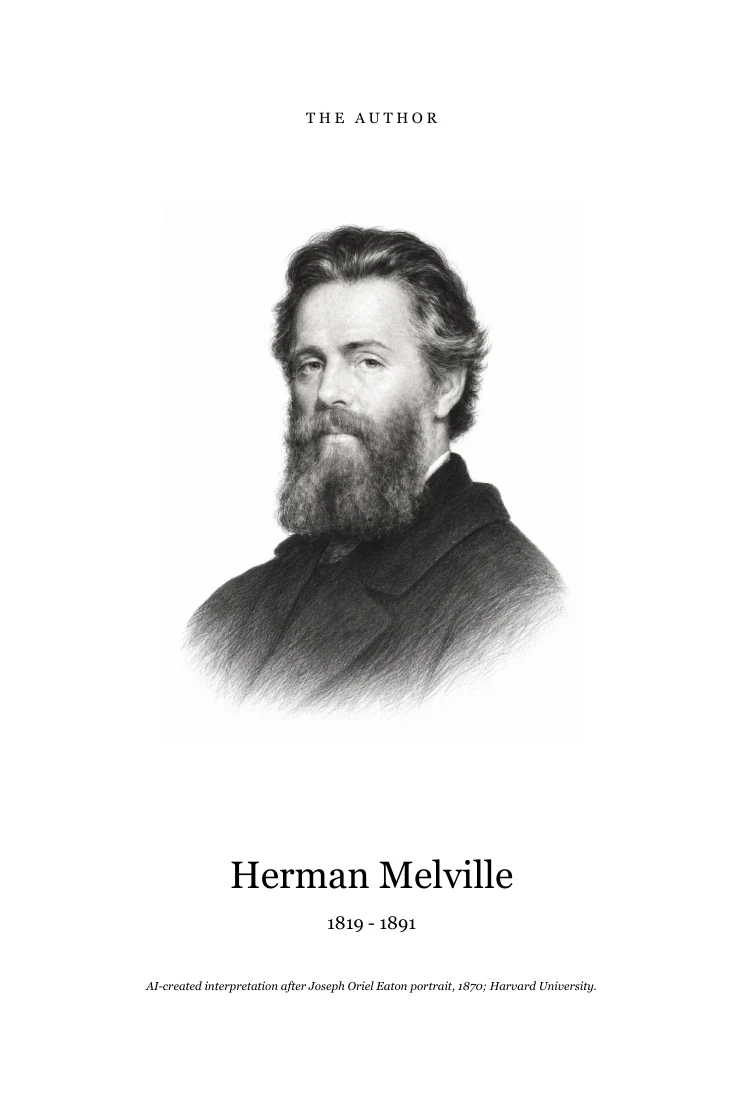
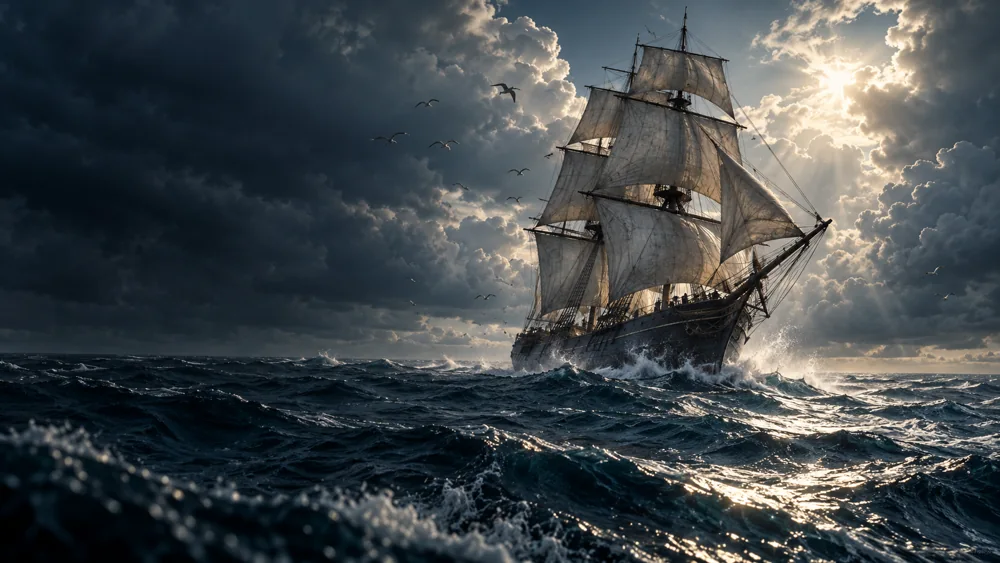
1851. A narrator who asks you to call him Ishmael ships out on a whaler commanded by a man hunting one white whale. It sold poorly, and its reputation as a great American novel was only secured in the twentieth century.
- $22.99
Uncle Tom's Cabin
Serialised from 1851, a book on 20 March 1852, when it sold three thousand copies in a day. The best-selling American novel of the nineteenth century, and the one that brought the human cost of slavery into Northern parlours.
- $18.99
Adventures of Huckleberry Finn
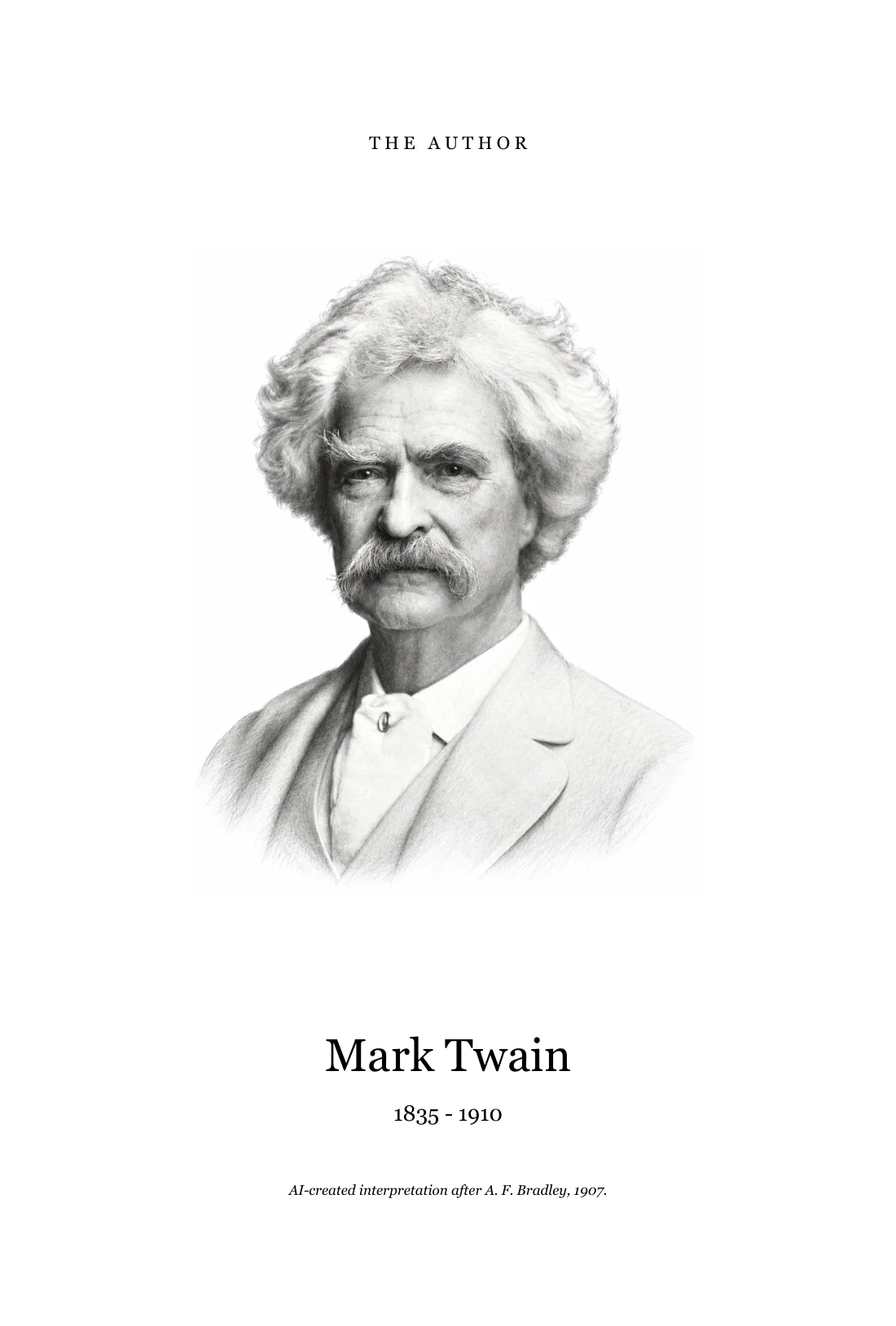
Published in Britain in December 1884 and America in February 1885. Huck and Jim on a raft down the Mississippi, told in Huck’s own voice. The book’s racial language is painful, and its central moral choice is Huck deciding to help Jim anyway.
- $17.99
The House of Mirth
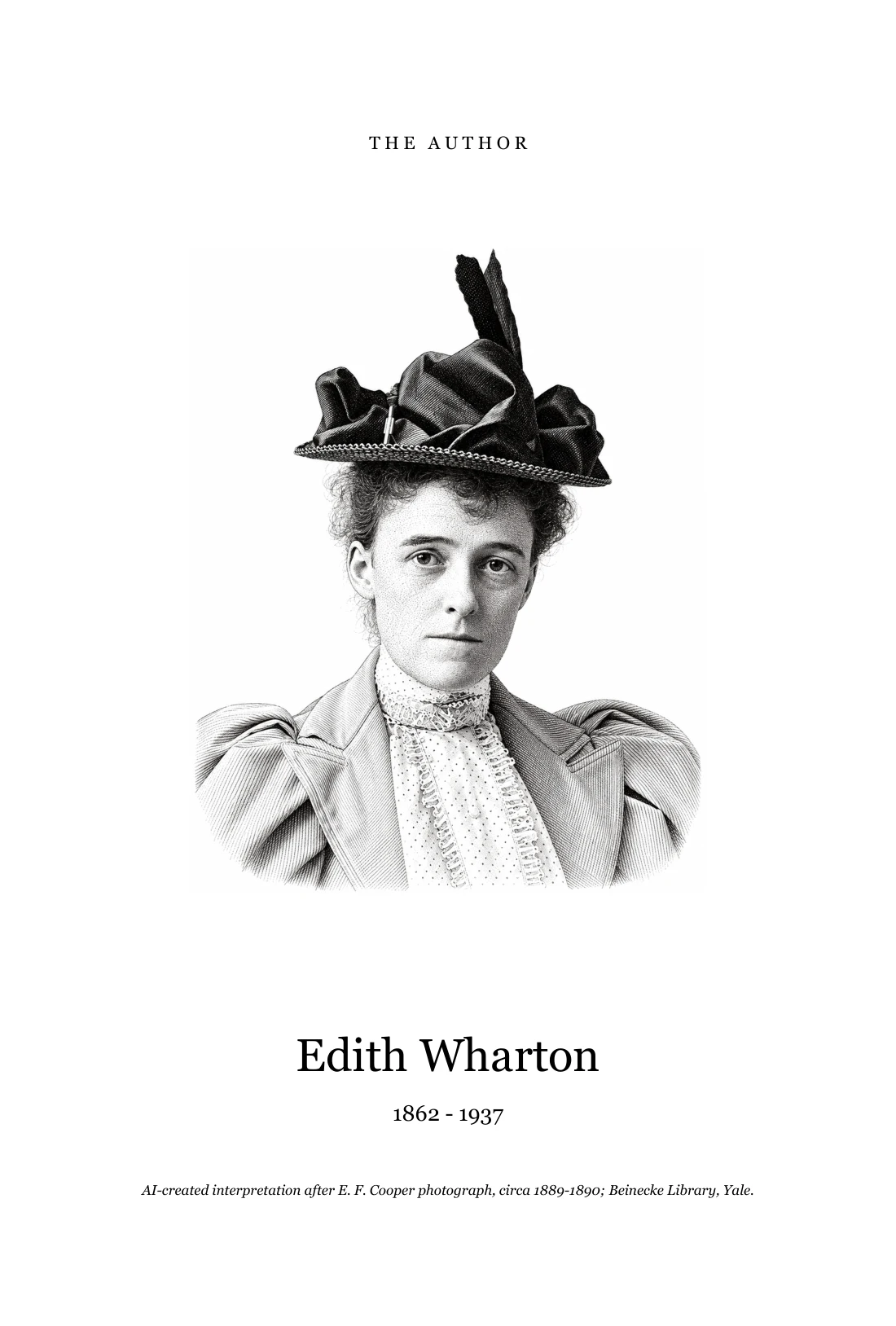
1905. Lily Bart, beautiful and broke, tries to marry well in Gilded Age New York and cannot bring herself to close the deal. Edith Wharton turned the society she grew up in into a trap.
- $14.99
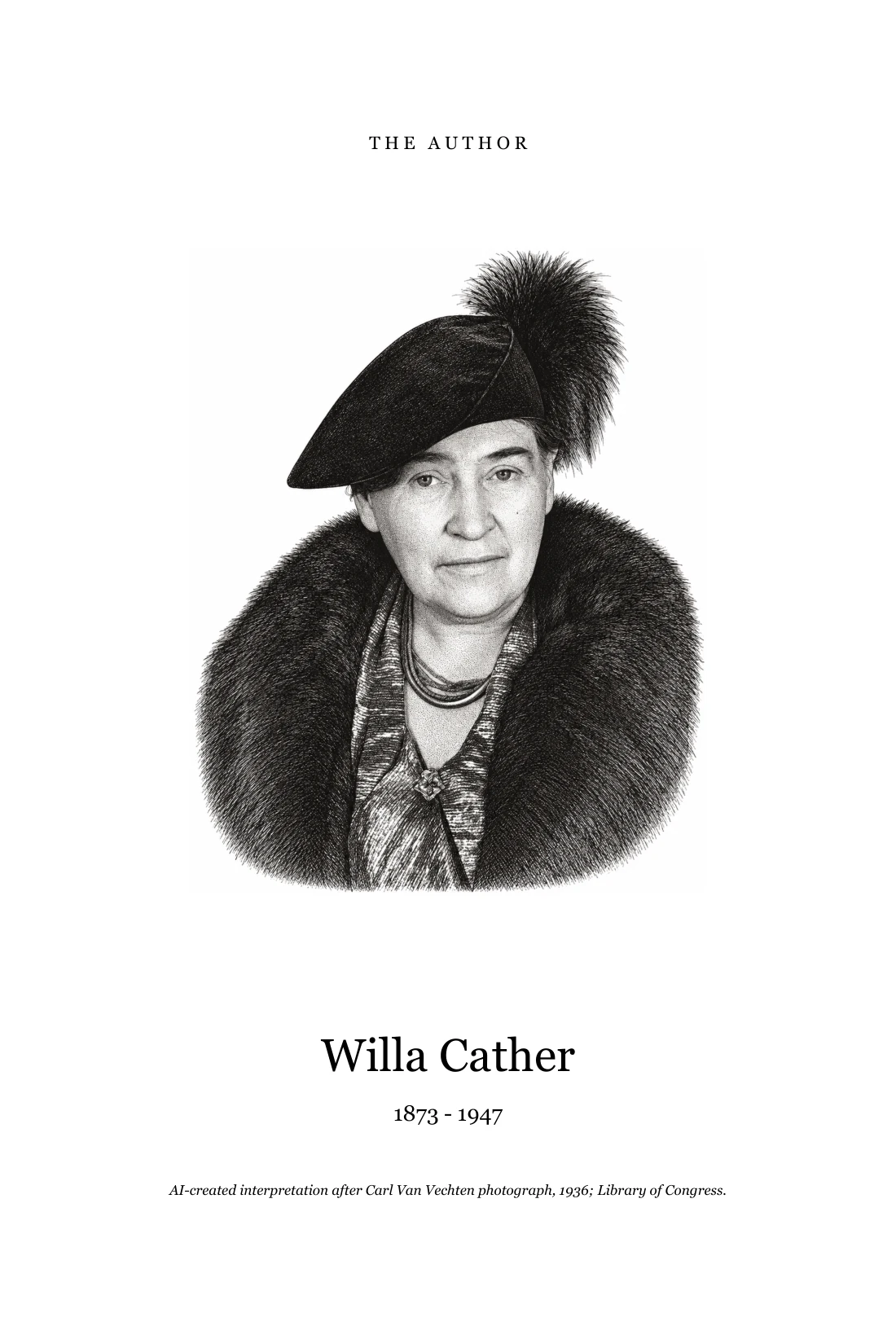
My Ántonia
1918. Jim Burden remembers growing up on the Nebraska prairie alongside Ántonia Shimerda, a girl from a Bohemian immigrant family. Willa Cather’s quiet, glowing tribute to the pioneers.
- $12.99
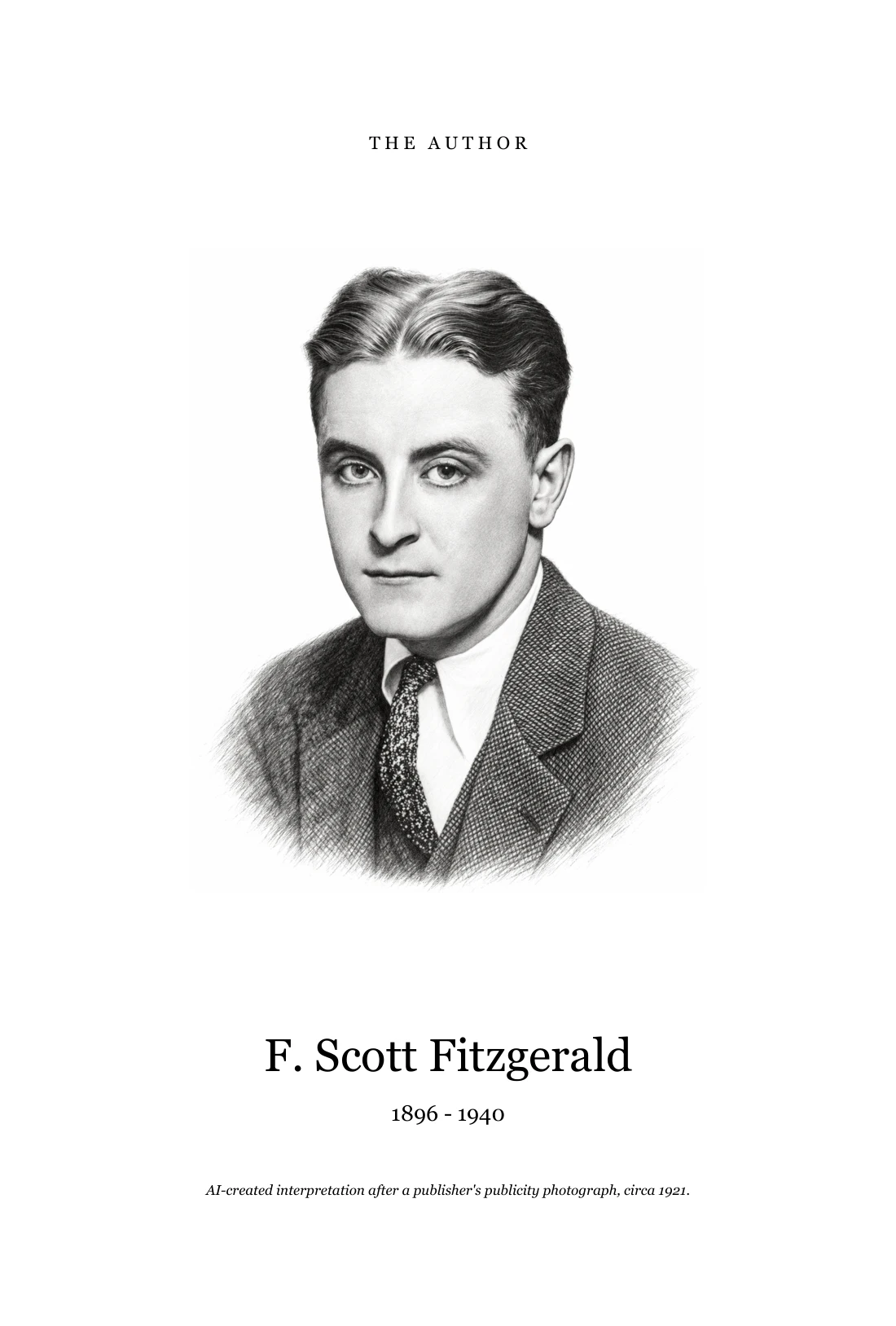
The Great Gatsby
1925. Nick Carraway rents a cottage next to a mansion on Long Island and watches his mysterious neighbour throw glittering parties in the hope that one particular woman will wander in. Fewer than twenty thousand copies sold in its first months.


Why these six?
Between them they cover the great American subjects: the frontier, slavery and its aftermath, money and class, the immigrant experience and the dream of making yourself new. They are also six very different kinds of book. Herman Melville writes an encyclopaedia disguised as a sea story. Harriet Beecher Stowe writes a protest novel that became a publishing phenomenon. Mark Twain hands the whole novel to a barely schooled boy and lets the vernacular carry it. Edith Wharton, Willa Cather and F. Scott Fitzgerald show the twentieth century arriving, each from a different corner of the country.
The flops that became essential
If you think of classics as books that were obviously great from the start, the history of these is reassuring. Moby-Dick’s first American printing was under three thousand copies, and later printings sold so slowly that no new one was ordered after 1871. Its rescue began only after the centenary of Melville’s birth in 1919. The Great Gatsby was a commercial disappointment in 1925; it became a fixture of American reading partly because the Council on Books in Wartime sent a hundred and fifty-five thousand free copies to American soldiers overseas during the Second World War. We tell that story in Did you know The Great Gatsby disappointed in Fitzgerald’s lifetime?
Uncle Tom’s Cabin had the opposite problem. It was the best-selling novel of its century in the United States, and the first London edition alone sold two hundred thousand copies. Its stereotypes travelled just as far, and the stage “Tom Shows” that followed turned its hero into the subservient figure behind the insult “Uncle Tom”, which is not the man Stowe wrote. It deserves to be read for its force and its flaws together. See Did you know Uncle Tom’s Cabin was the best-selling novel of its century?
Three more essential American classics
Once you have read the six, these fill in the picture, and all of them are short.
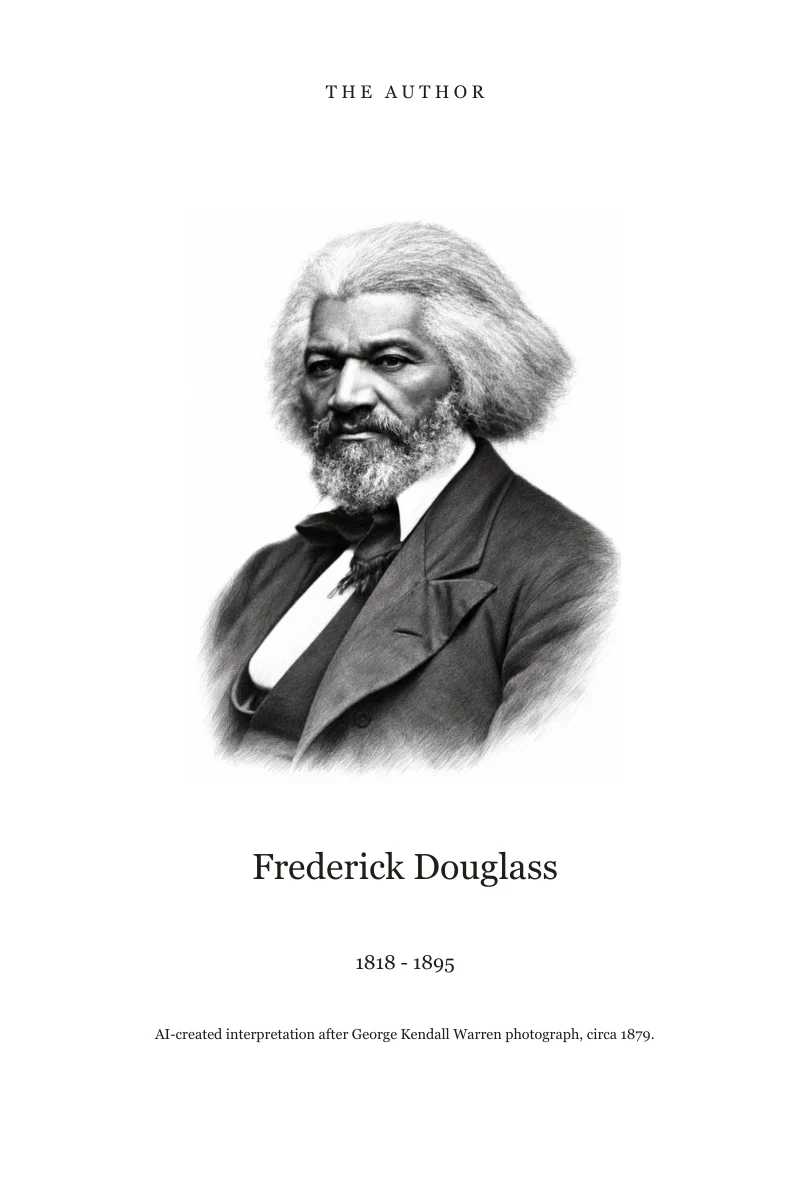
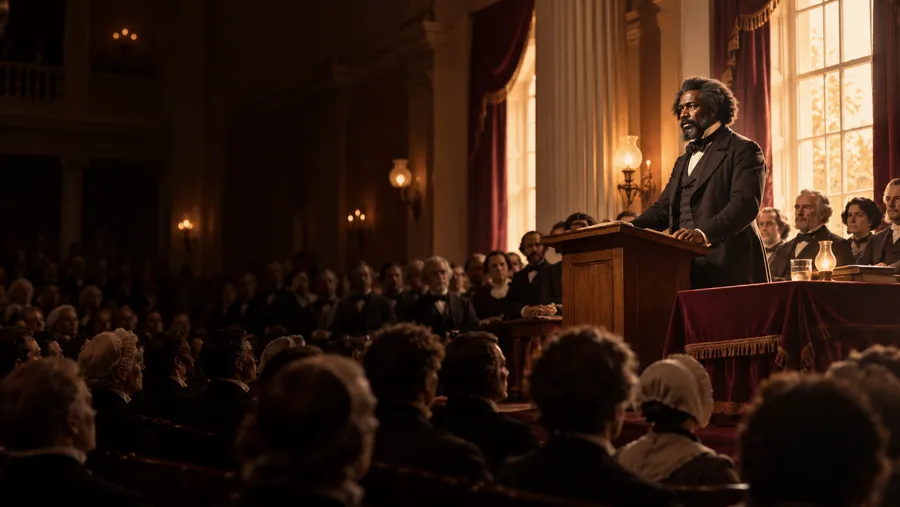
Narrative of the Life of Frederick Douglass, an American Slave
1845. Frederick Douglass’s first autobiography, which won over audiences who doubted that so eloquent a speaker had ever been enslaved. Essential reading alongside Stowe.
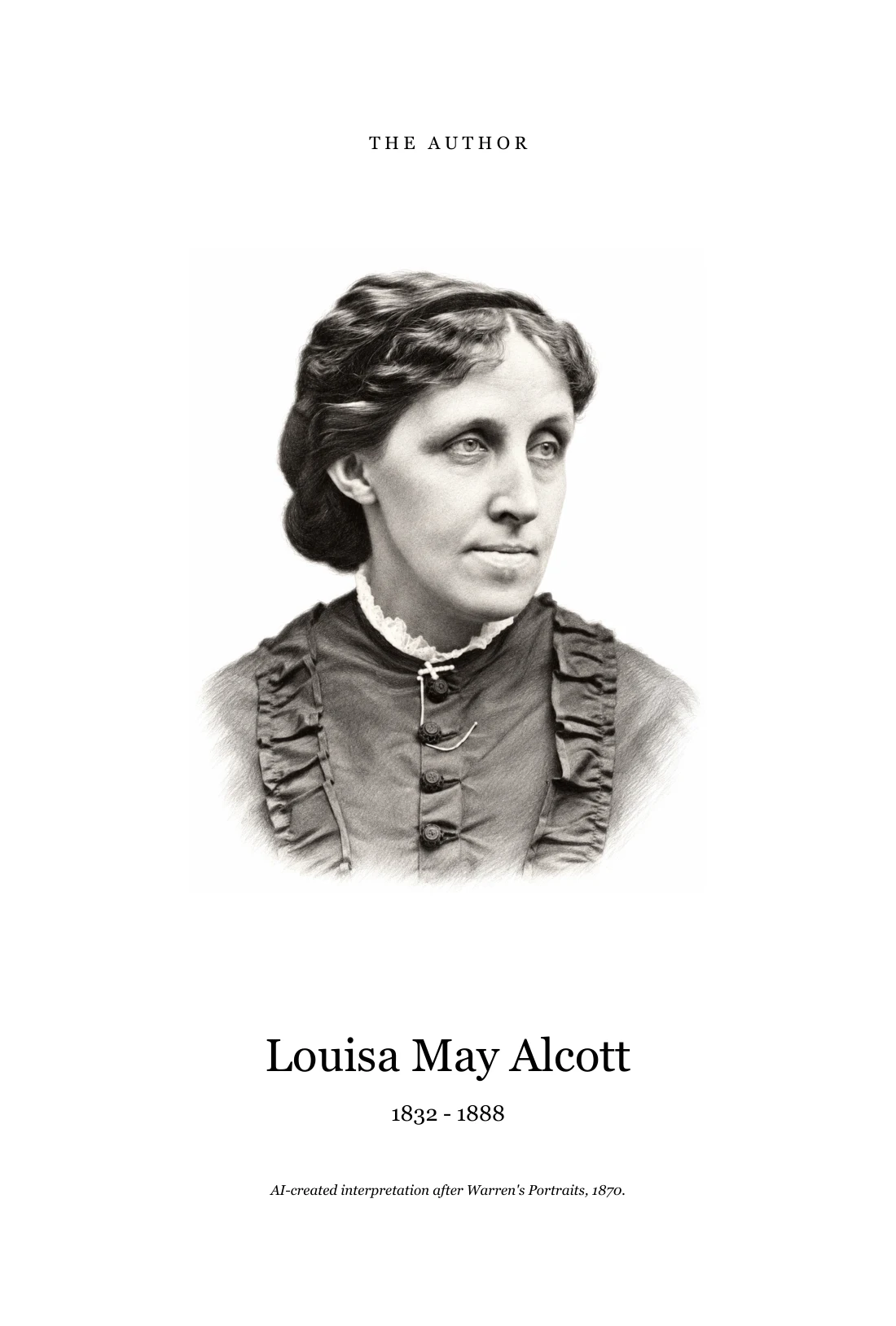
Little Women
1868 and 1869. Four sisters in Civil War Massachusetts. The great American family novel, and the reason generations of readers wanted to be Jo.
The Red Badge of Courage
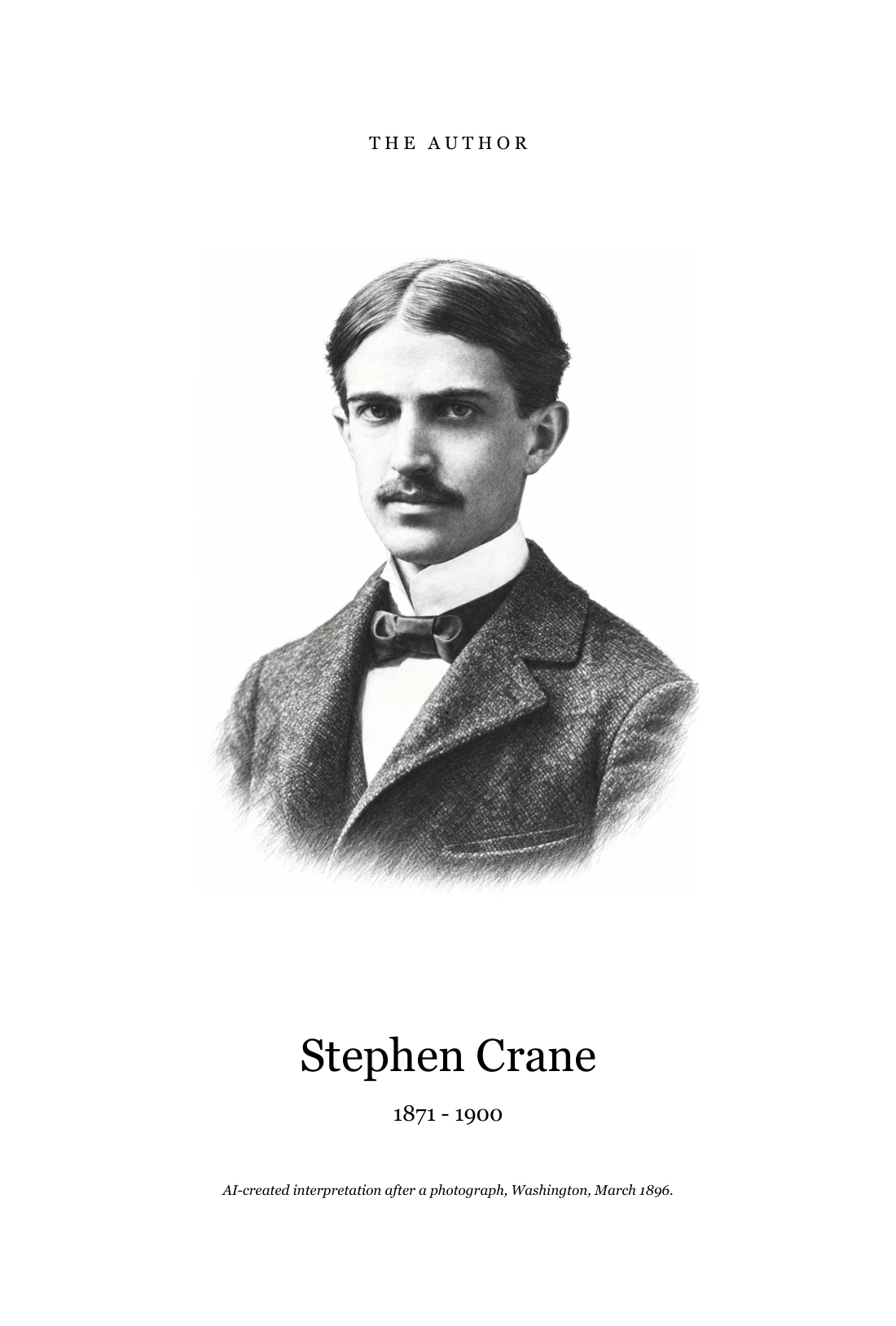
1895. A young Union soldier runs from his first battle and has to live with it. Stephen Crane was born six years after the war ended.


Where should you start with American classics?
If you want one book that feels unmistakably American, start with Adventures of Huckleberry Finn: the voice, the river and the moral argument at its heart. If you want something you can finish in a weekend, take The Great Gatsby, which runs to just 134 pages here. And when you are ready for the big one, the companion piece on how to read Moby-Dick makes the voyage much easier. For a school-shaped list, see high school required reading.
Questions readers ask
What are the most essential American classic novels?
Moby-Dick, Uncle Tom’s Cabin, Adventures of Huckleberry Finn, The House of Mirth, My Ántonia and The Great Gatsby make a strong core list, with Little Women, The Red Badge of Courage and Frederick Douglass’s Narrative close behind.
What is considered the Great American Novel?
There is no single answer, but Moby-Dick, Adventures of Huckleberry Finn and The Great Gatsby are the books most often named.
Which American classic should I read first?
The Great Gatsby is the shortest and easiest way in. Huckleberry Finn is the most distinctively American in voice, and My Ántonia is the gentlest.