An epistolary novel is one told through documents rather than by a narrator: usually letters, but often diaries, journals and newspaper cuttings too. The form was hugely popular in the eighteenth century, and it never really went away. Some of the most famous books ever written, including Frankenstein and Dracula, are epistolary novels at heart.
The appeal is intimacy. A letter-writer doesn’t know how the story ends, so neither do we. Each voice can be wrong, biased or lying, and the reader has to piece the truth together. We chose eleven classics from our library that use the form in different ways, in the order they were written.
The best epistolary novels: classics told in letters
- $19.99
The Expedition of Humphry Clinker
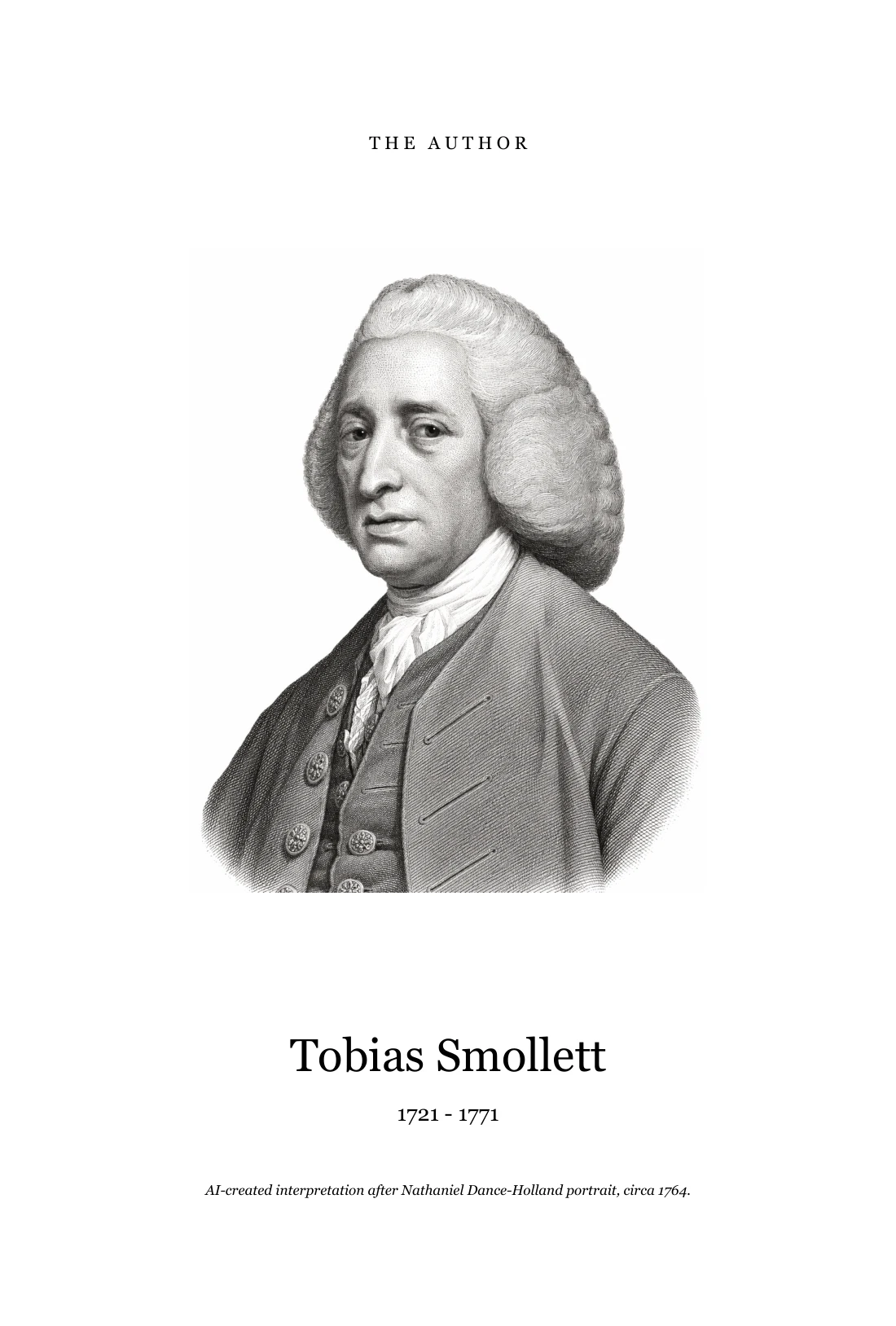
1771. A grumpy Welsh squire, his family and their servants tour Britain, and each writes home about it in a completely different voice. Smollett’s last novel, and his funniest.
- $11.99
The Sorrows of Young Werther
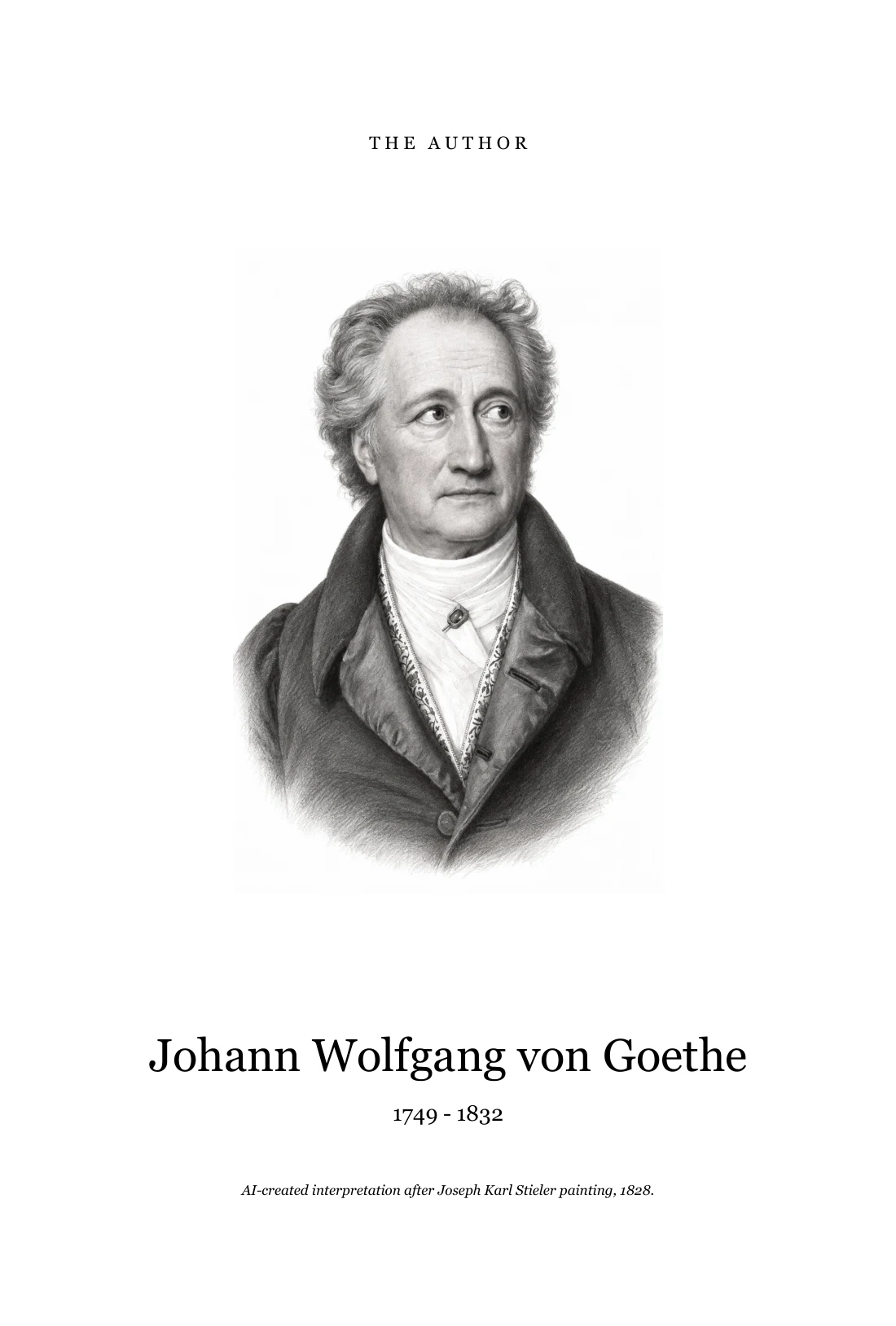
1774. A young man’s letters to a friend chart his love for a woman engaged to someone else. Goethe’s novel made him famous across Europe and launched a fashion for Werther’s blue coat and yellow waistcoat.
- $11.99
Love and Freindship and Other Early Works
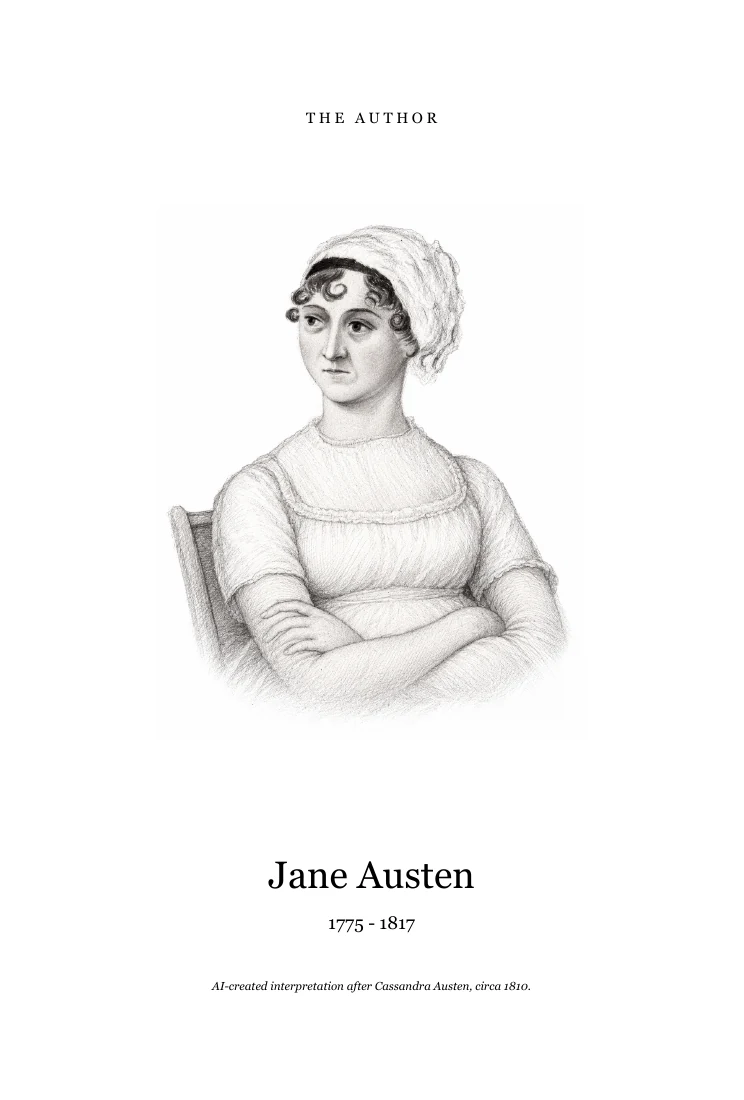
Written in 1790. Jane Austen was fourteen when she wrote this riotous parody of sentimental novels, told in letters full of swooning heroines. The misspelling of the title is hers.
- $10.99
Lady Susan
Written in the 1790s, published 1871. A beautiful, scheming widow manipulates everyone around her, and only her letters reveal what she is really up to. Austen’s wickedest heroine.
- $14.99
Frankenstein
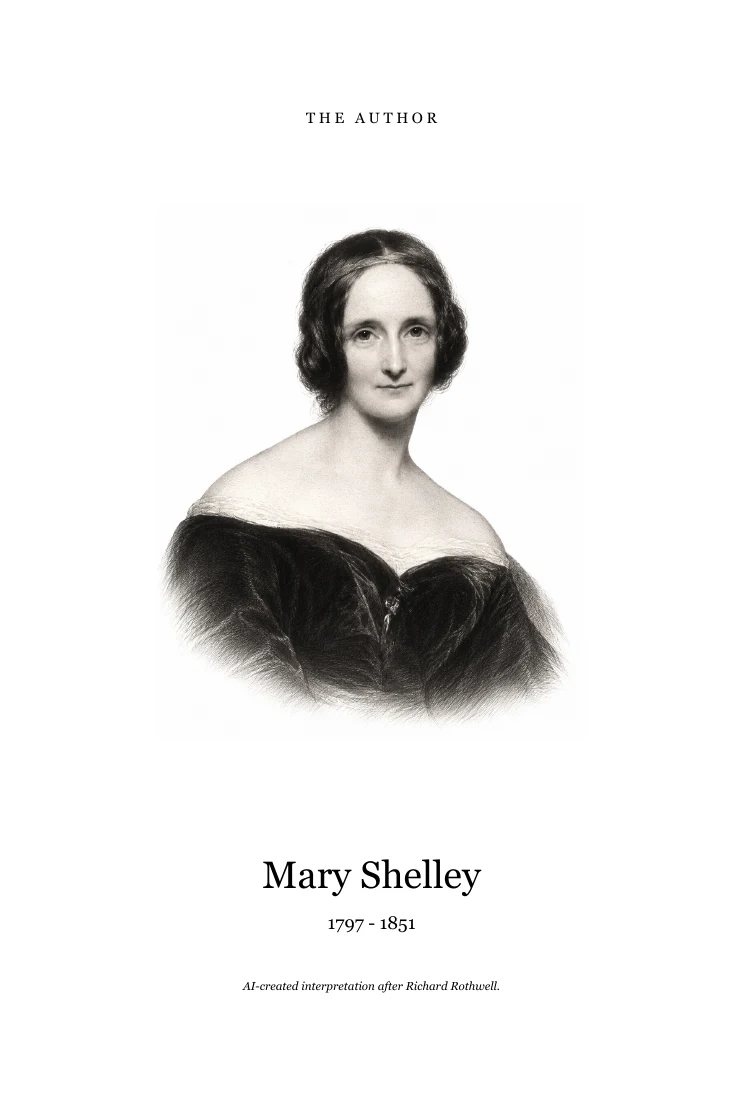
1818. Mary Shelley frames her story with an explorer’s letters to his sister in England, the later ones written from a ship trapped in Arctic ice. Inside them sits Victor Frankenstein’s confession, and inside that the creature’s own account.
- $12.99
Poor Folk
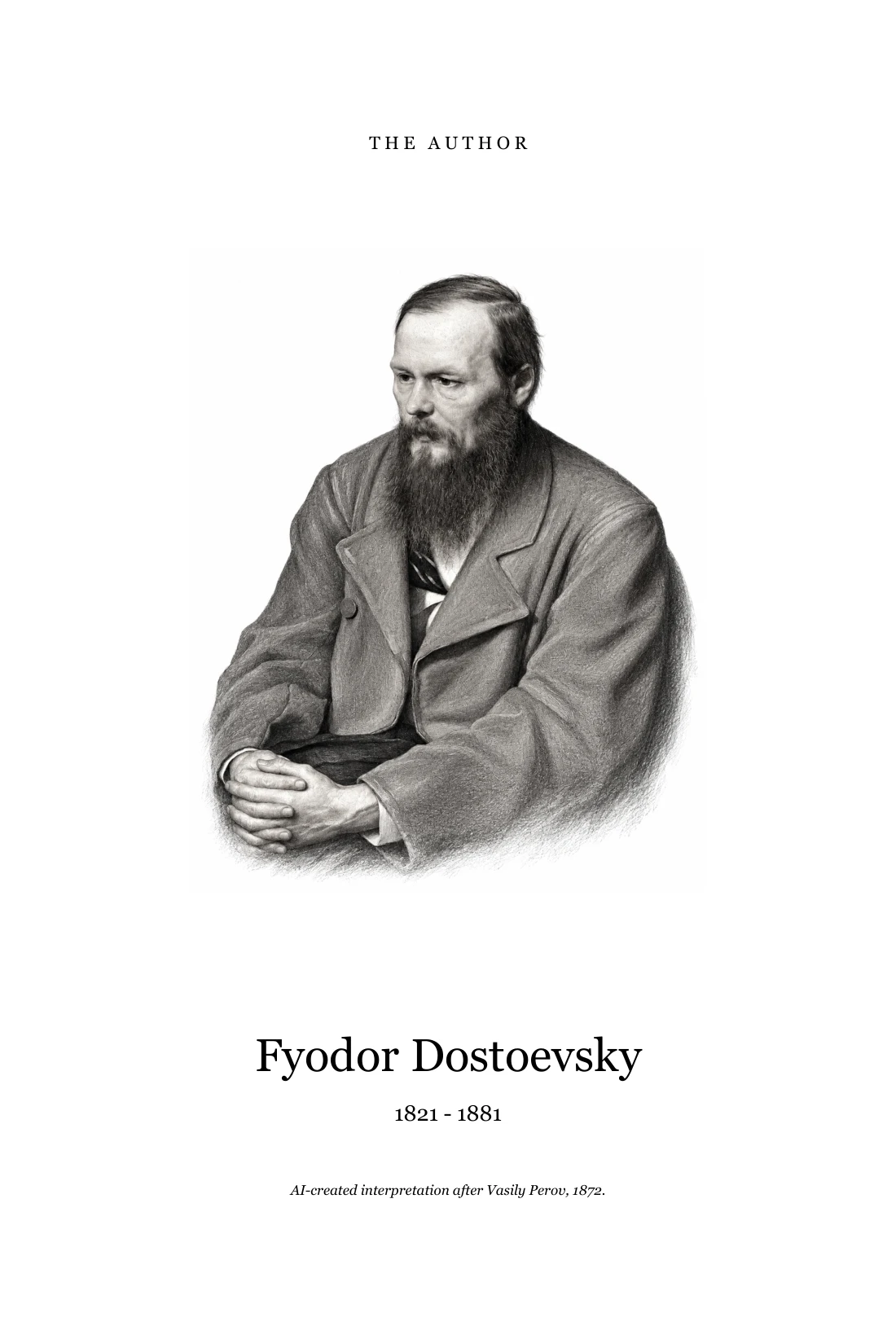
1846. Dostoevsky’s first novel is an exchange of letters between a poor, ageing clerk and the young woman he tries to help across the courtyard. A sensation in St Petersburg.



Novels told in letters, diaries and documents
In the nineteenth century, writers widened the form to take in diaries, statements and records, often to build suspense.
- $20.99
The Tenant of Wildfell Hall
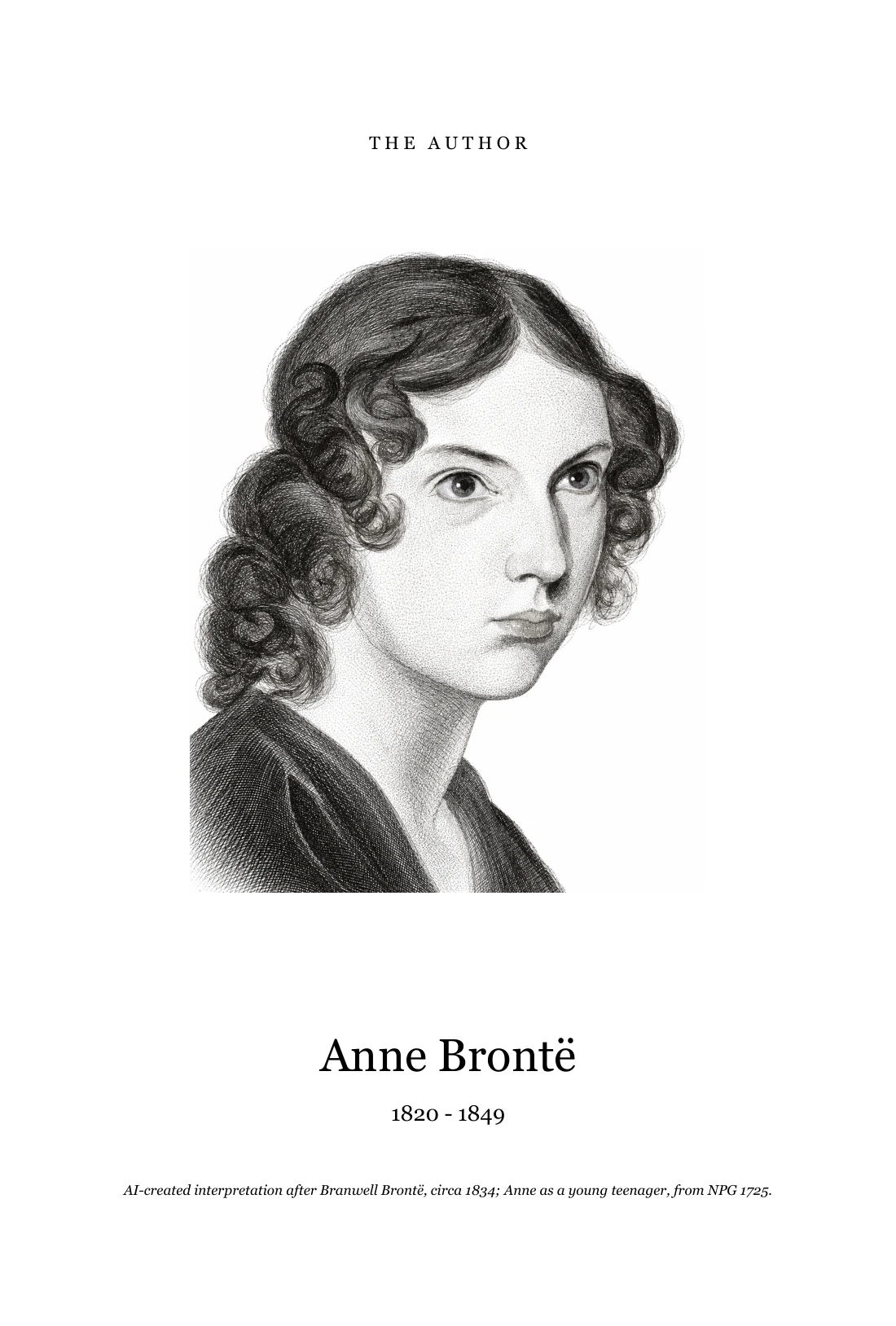
1848. Gilbert Markham writes to a friend about the mysterious young woman who has moved into the old hall, and at the centre of the book is her own diary. Anne Brontë’s most powerful novel.
- $24.99
The Woman in White
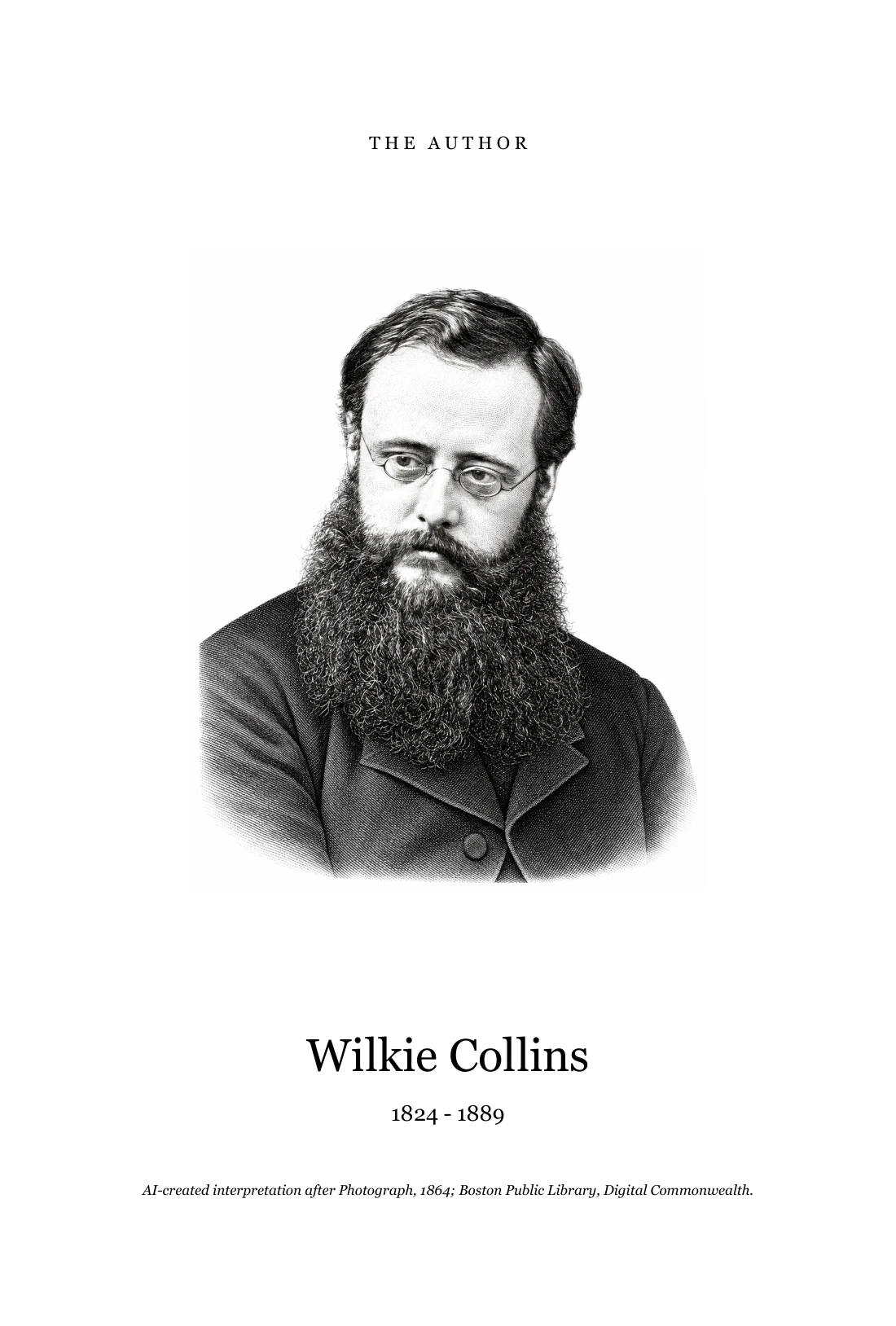
1859–60. Wilkie Collins tells his story through a series of witnesses, as evidence would be given in court. One of the great sensation novels, and impossible to put down.
- $21.99
The Moonstone
1868. A cursed diamond vanishes from a country house, and the story is pieced together from the accounts of everyone involved. Often called the first full-length detective novel in English.
- $20.99
Dracula
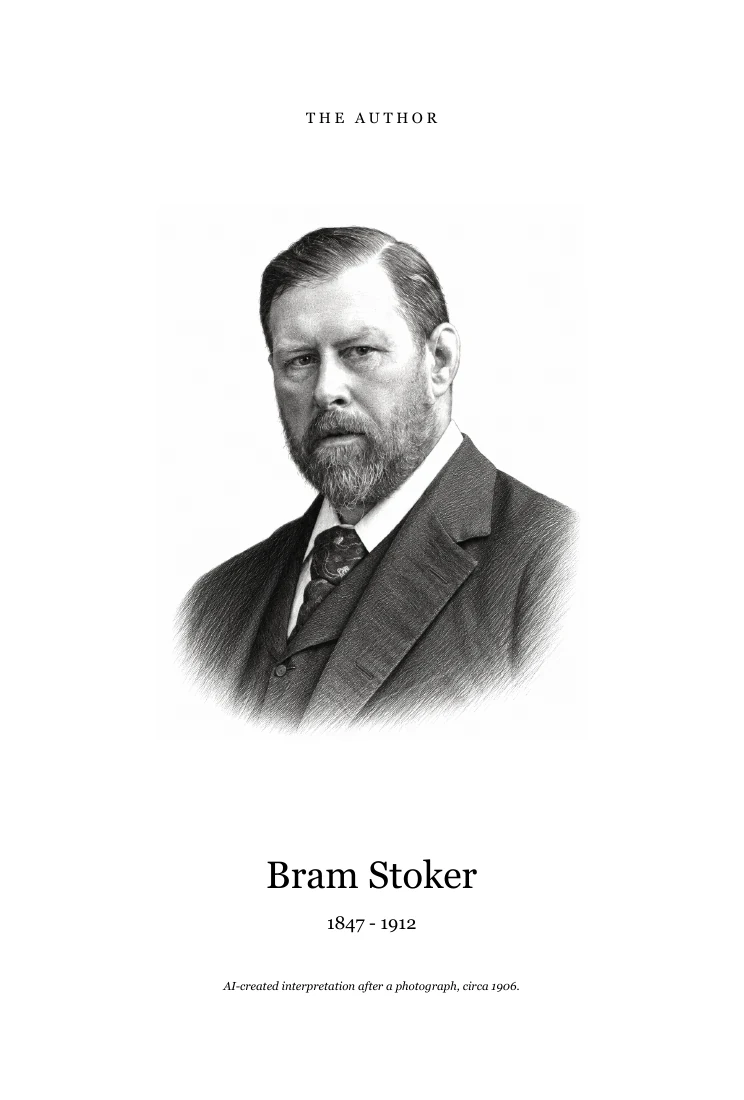
1897. Diaries, letters, telegrams, newspaper cuttings and even phonograph recordings. Bram Stoker’s collage of documents makes the reader the investigator.
- $11.99
Daddy-Long-Legs
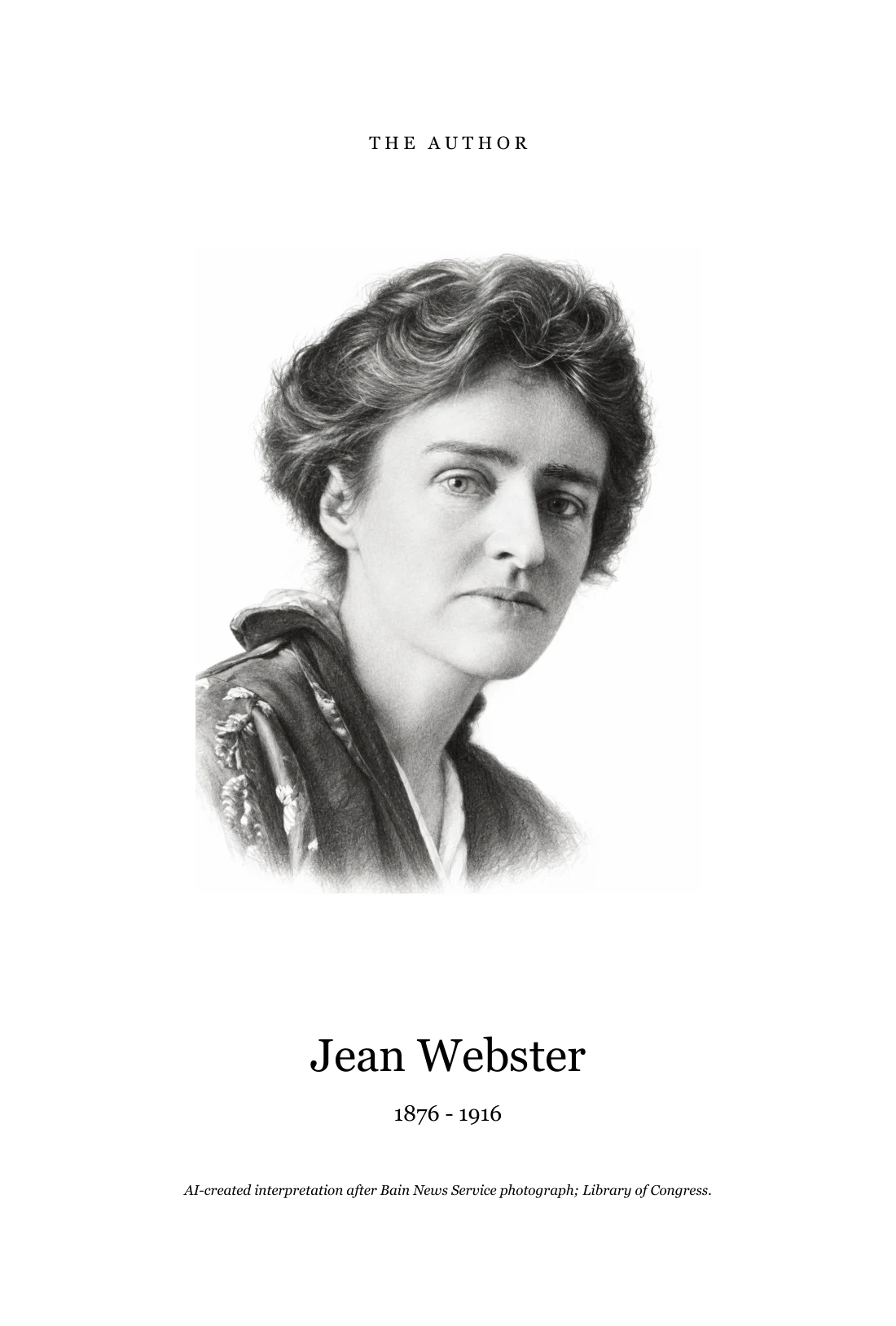
1912. An orphan sent to college by an anonymous benefactor writes him funny, frank letters about her new life. Jean Webster’s book is a delight, and its secret is worth keeping.


Why write a novel in letters?
Because it makes the reader a participant. In Dracula, nobody has the full picture until the characters gather their papers together, and the reader assembles them alongside. In The Moonstone, every narrator sees only part of the truth. In Lady Susan, the gap between what she writes to her friend and what she writes to everyone else is the whole joke.
Letters also allow a voice that a narrator can’t. Werther’s raw feeling, Judy Abbott’s cheek in Daddy-Long-Legs and Win Jenkins’s spelling in Humphry Clinker would all be flattened by a narrator standing between them and us.

Which epistolary novel should you read first?
- For a gentle, funny start: Daddy-Long-Legs, which you can read in an evening or two.
- For a thriller: Dracula. Read about how Stoker assembled it in Did you know Dracula was told in letters and diaries?
- For a mystery: The Moonstone, and our post on whether The Moonstone was the first detective novel.
- For a book that once caused a sensation across Europe: The Sorrows of Young Werther. Its story is told in Werther fever.
If you love the form, you will love the intimacy of Lady Susan: short, sharp and told almost entirely in letters by a woman who tells each correspondent a different story. It is the most fun you can have reading other people’s post.
Questions readers ask
What is an epistolary novel?
An epistolary novel tells its story through documents, usually letters, rather than through a narrator. Many also use diaries, journals or newspaper cuttings.
What are some famous epistolary novels?
Famous examples include Frankenstein, Dracula, The Sorrows of Young Werther, Daddy-Long-Legs and Samuel Richardson’s Pamela and Clarissa. The Moonstone and The Woman in White use a related form built from several narrators’ accounts.
Is Frankenstein an epistolary novel?
Yes, in its frame. The story is told through the explorer Robert Walton’s letters to his sister, which contain Victor Frankenstein’s narrative and the creature’s own story.