Half a crown is what it costs to turn a train into the right one. In Three Men in a Boat, J. and Harris cannot find the Kingston train at Waterloo, so they ask an engine-driver where he is going, slip him the coin, and beg him to be the 11.5 for Kingston. His reply: “I suppose some train’s got to go to Kingston; and I’ll do it.” Anyone who has stood beneath a departure board will feel for them, and it is one reason Three Men in a Boat is on our list of the funniest classic novels.
The railway changed how people lived, and writers noticed at once. These classic books about trains use it for comedy, comfort, terror, romance and murder, and the train is rarely just a way of getting from one chapter to the next. The place to start is the most famous railway book of all.
The Railway Children: the best-loved railway book
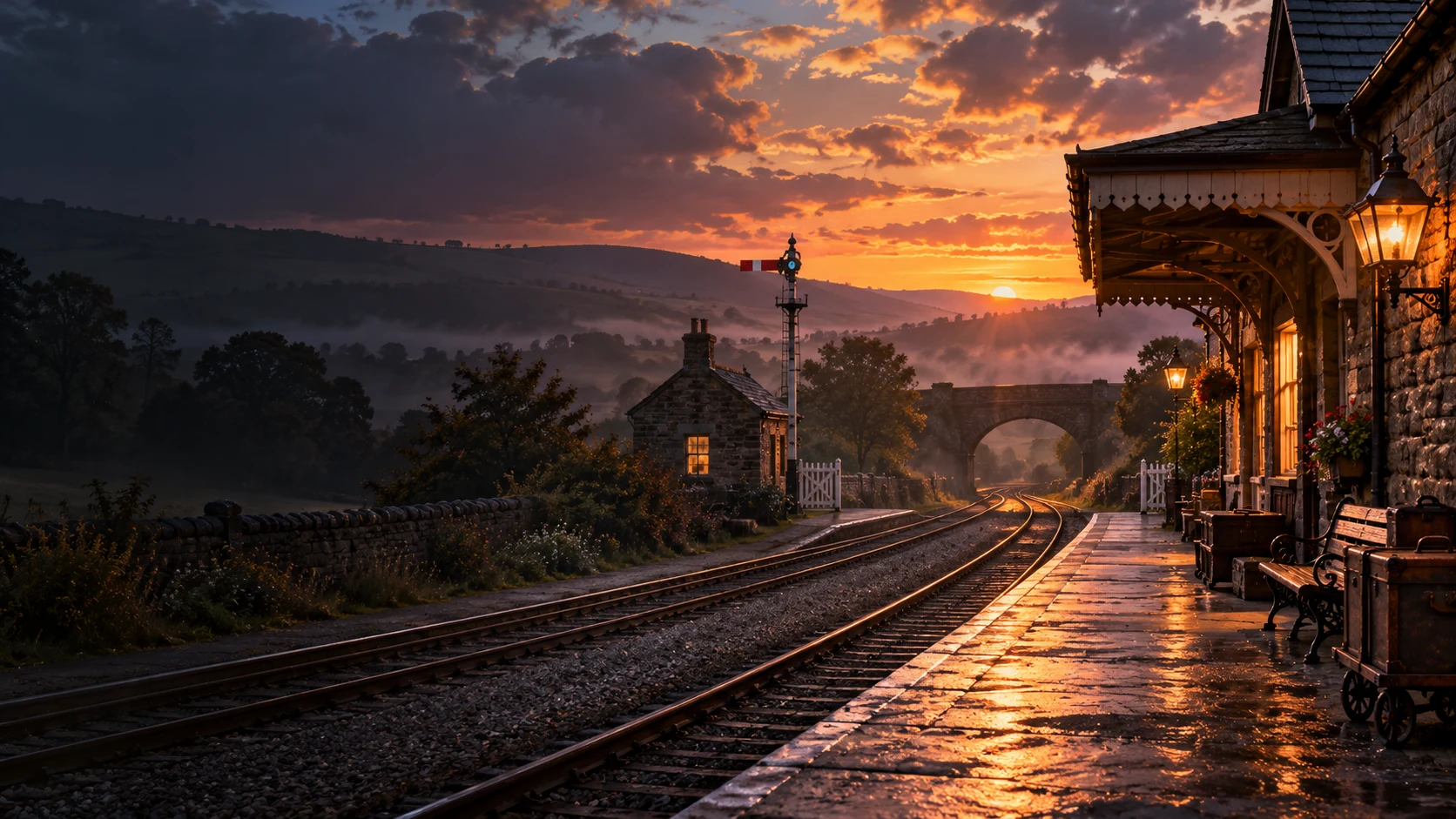
Bobbie, Peter and Phyllis come to terms with their new life by giving the trains names: “The 9.15 up was called the Green Dragon. The 10.7 down was the Worm of Wantley.” The midnight express is the Fearsome Fly-by-night, and every morning the three of them run down the hill to wave at the Green Dragon and ask it to carry their love to their absent father.
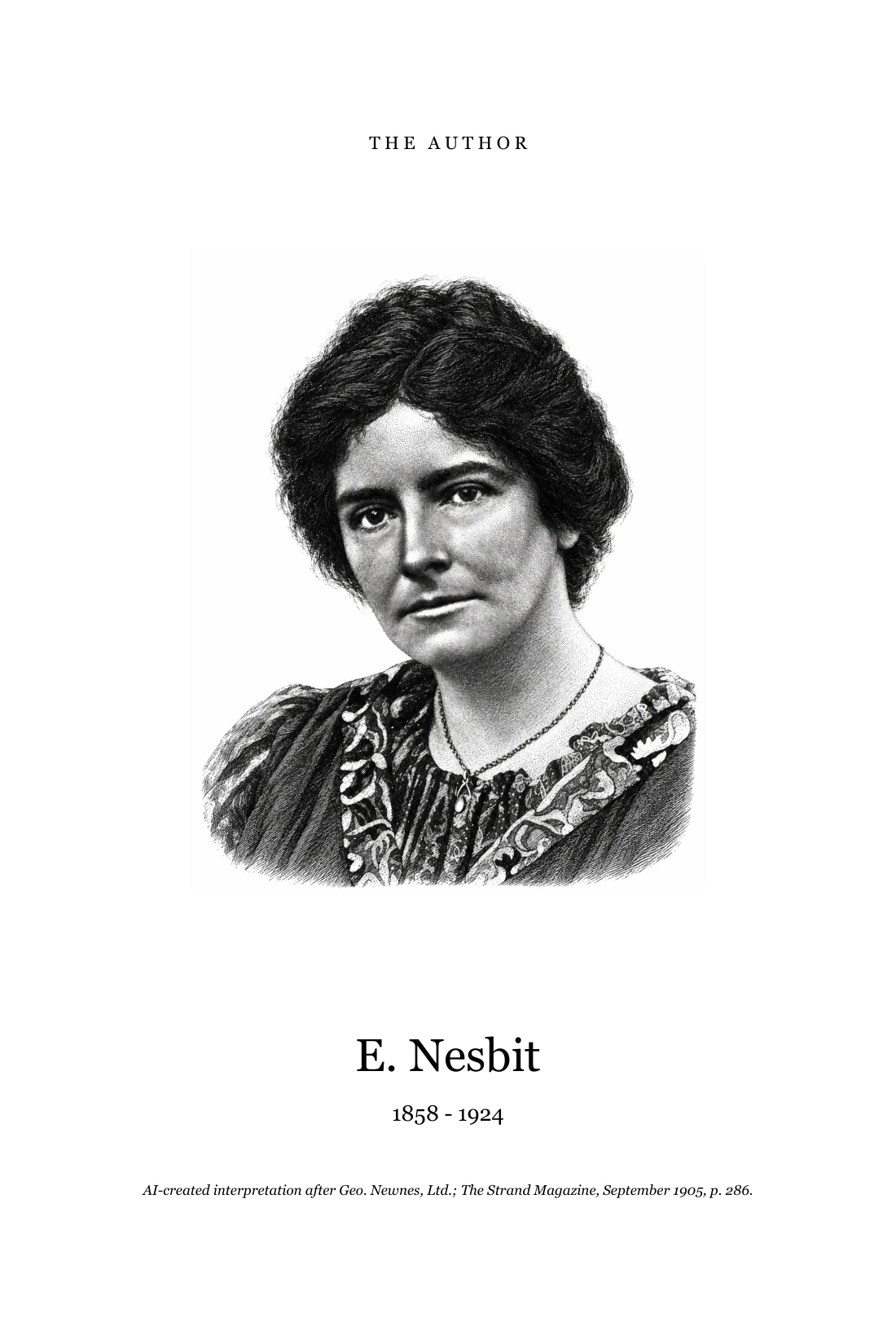
E. Nesbit serialised the story in The London Magazine from January 1905 to January 1906 before it came out as a book. The children befriend a station porter, a kind old gentleman who travels on the 9.15, and a great many passengers, and Nesbit makes the railway feel like a neighbour rather than a machine.
Most readers now meet it through the 1970 film, directed by Lionel Jeffries with Jenny Agutter as Bobbie. It was shot on the Keighley and Worth Valley Railway in Yorkshire, which had already been used for a BBC television version in 1968. The book is a little sharper and funnier than the film, and well worth reading aloud. More of Nesbit’s books are in Where to start with E. Nesbit.
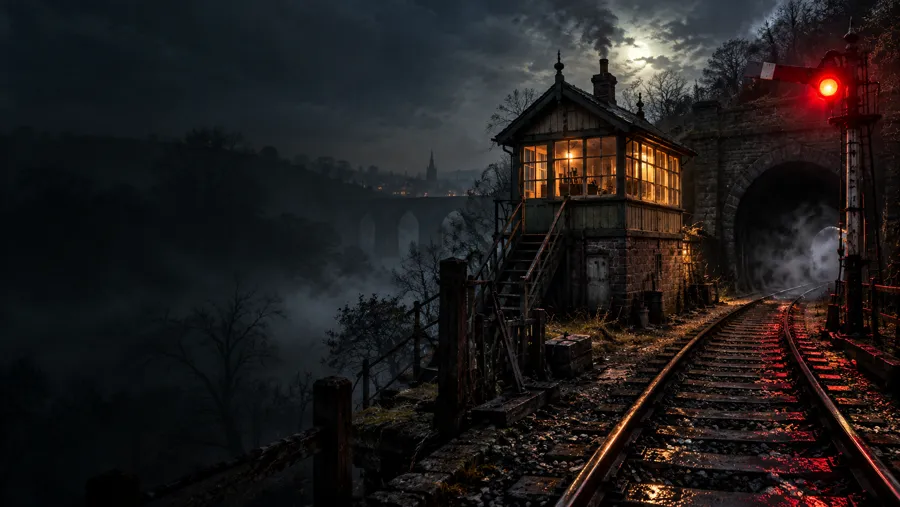
Railway ghosts and railway murders
For adults, the railway soon became a place of dread. Fast, crowded with strangers and liable to terrible accidents, it was perfect for crime and the supernatural.
Three Ghost Stories
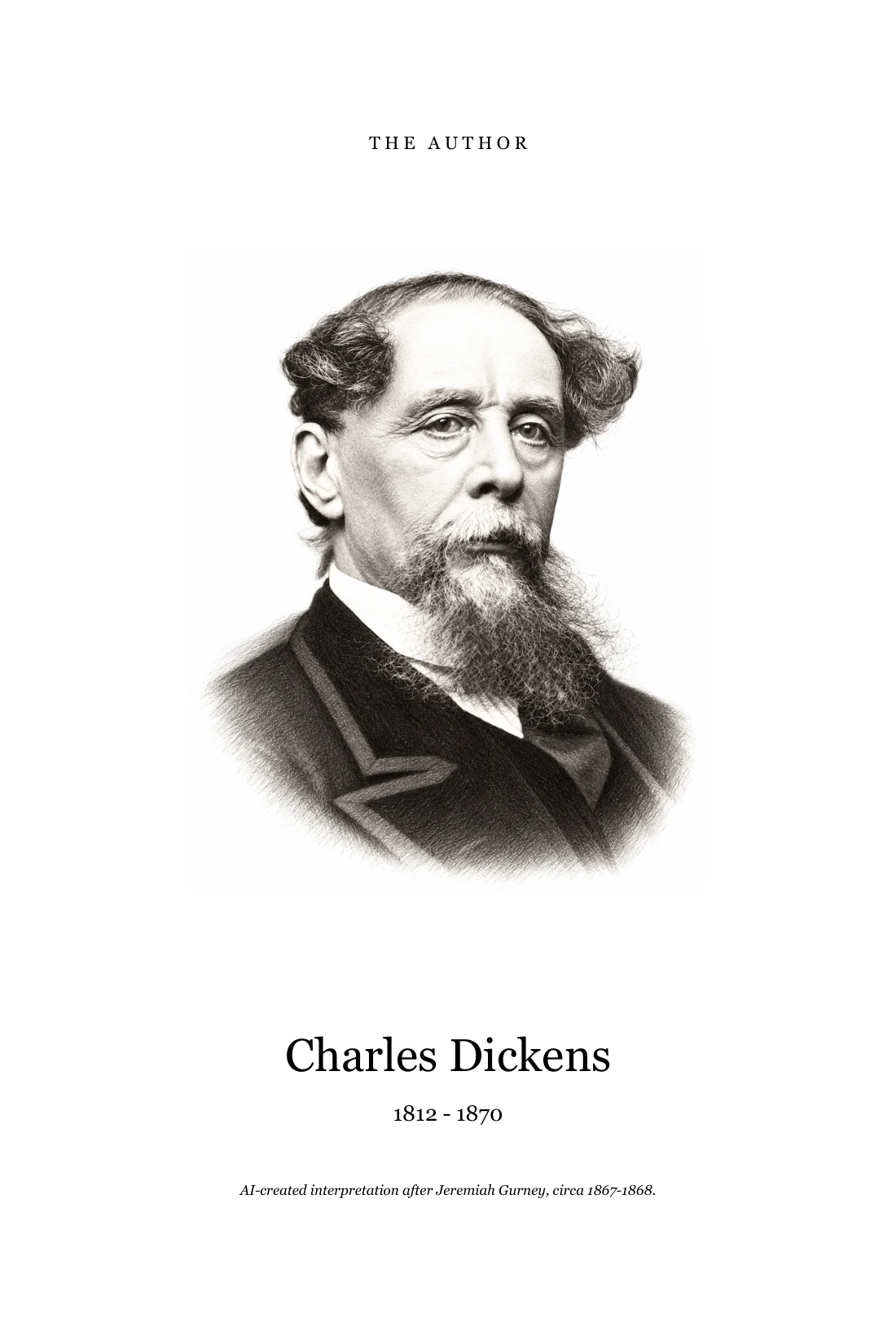
Contains “The Signal-Man” (1866), in which a lonely signalman in a deep cutting by a tunnel is warned of disaster by a spectral figure at the mouth of the tunnel. One of the finest ghost stories in English, and all the more unsettling for its plainness.
The mystery of the Blue Train
1928. An American heiress is found dead in her compartment on the luxury Blue Train to the Riviera, and her famous ruby is missing. Poirot happens to be travelling on the same train.
His Last Bow
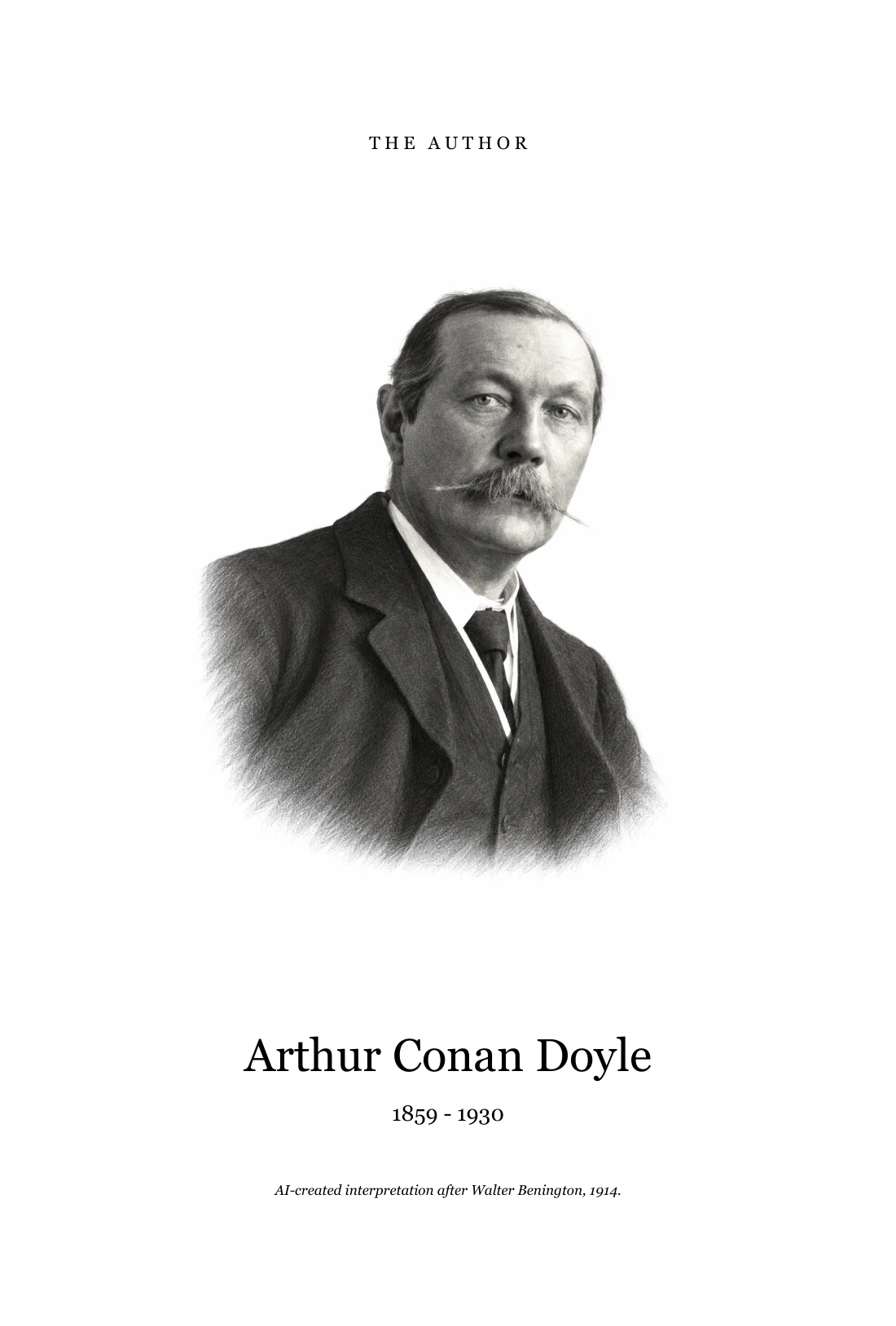
Includes “The Bruce-Partington Plans” (1908), in which a young clerk is found dead beside the London Underground line, with secret submarine plans in his pocket. Holmes, the fog and the Tube at their best.


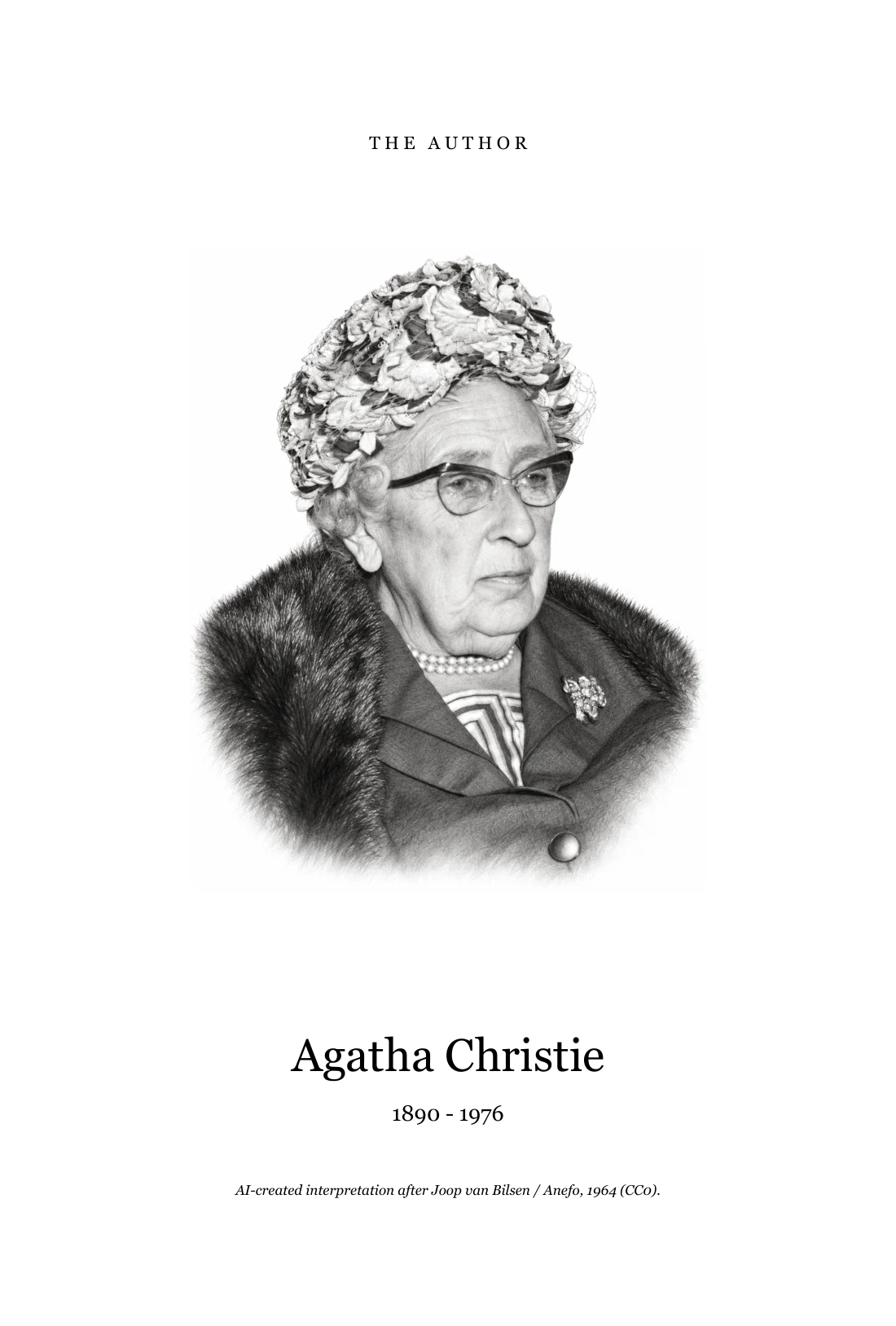
Agatha Christie wrote The Mystery of the Blue Train in the miserable period after her mother’s death and the collapse of her first marriage, and she later said she had “always hated it”. Many readers disagree: the train, the Riviera and the jewel make it one of her most atmospheric early Poirots. For more, see Books like Agatha Christie.
Novels where the train is the turning point
Anna Karenina
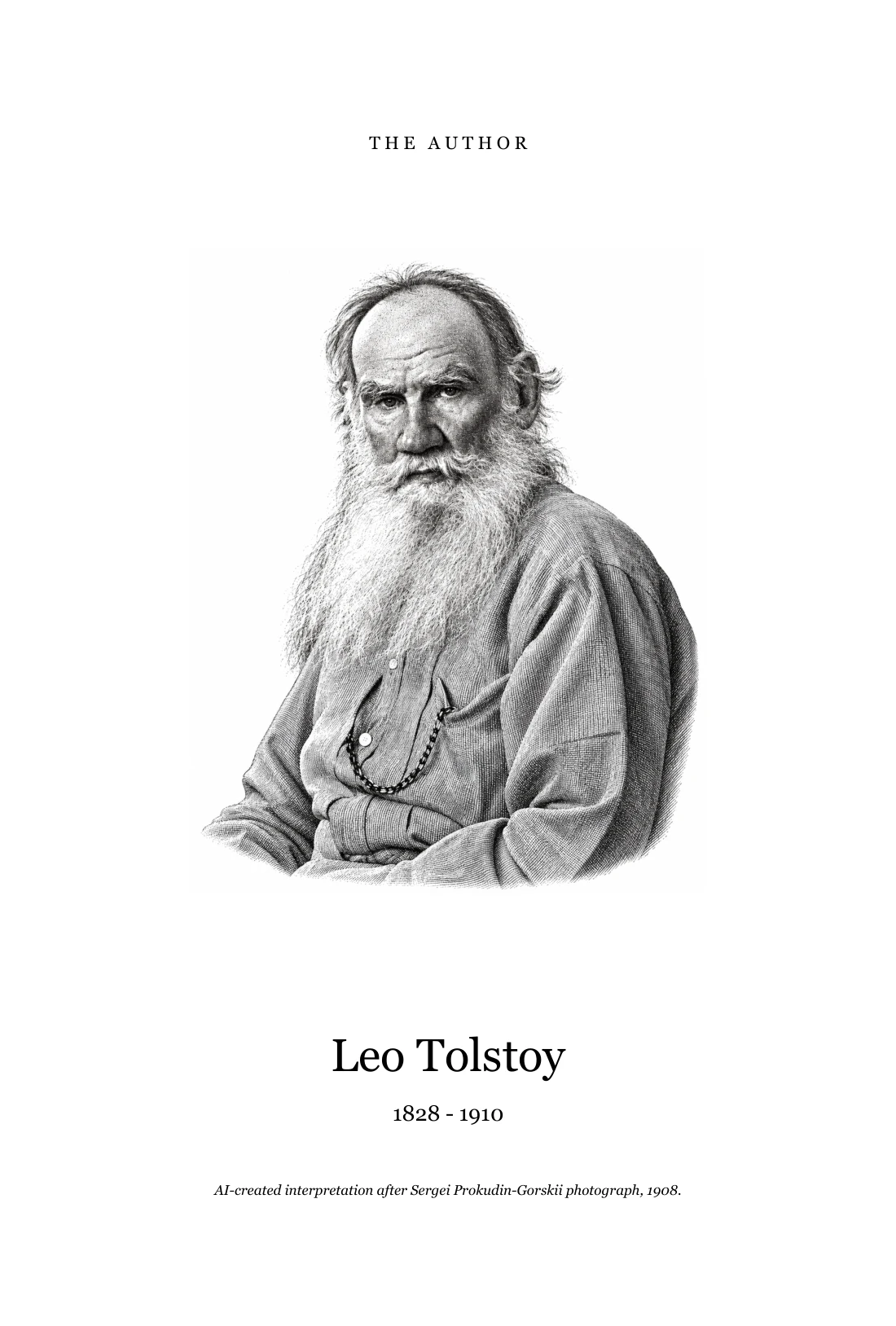
Serialised 1875 to 1877. Anna and Vronsky first see each other at a Moscow station, on a day when a railway worker is killed under a train, and Anna takes it as an evil omen. Trains run through the whole novel.
Around the World in Eighty Days
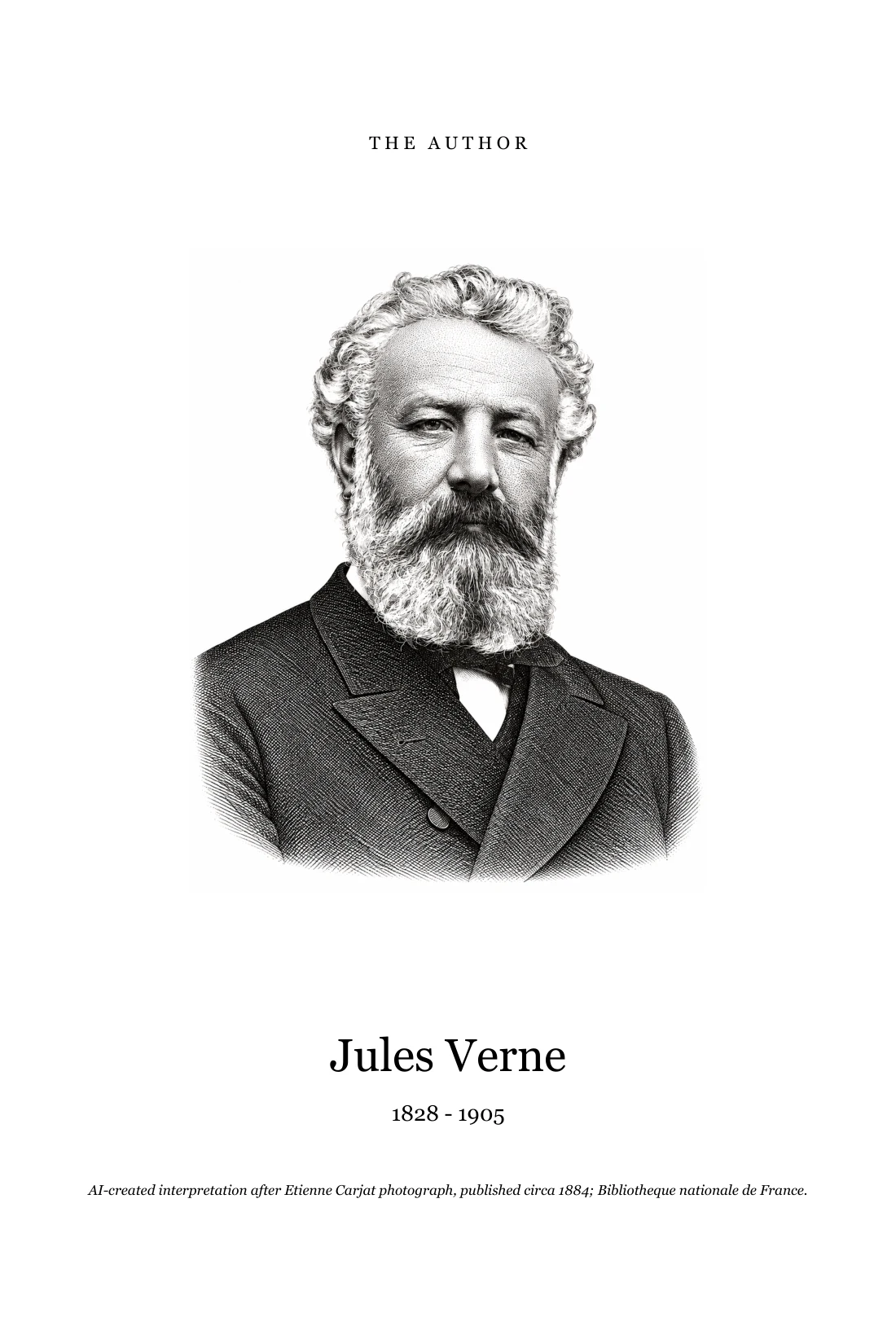
1872. Fogg’s wager depends on timetables, and the timetables keep failing: a railway in India that turns out to be unfinished, and an American train that meets bison, a weak bridge and an ambush.
The Thirty-Nine Steps
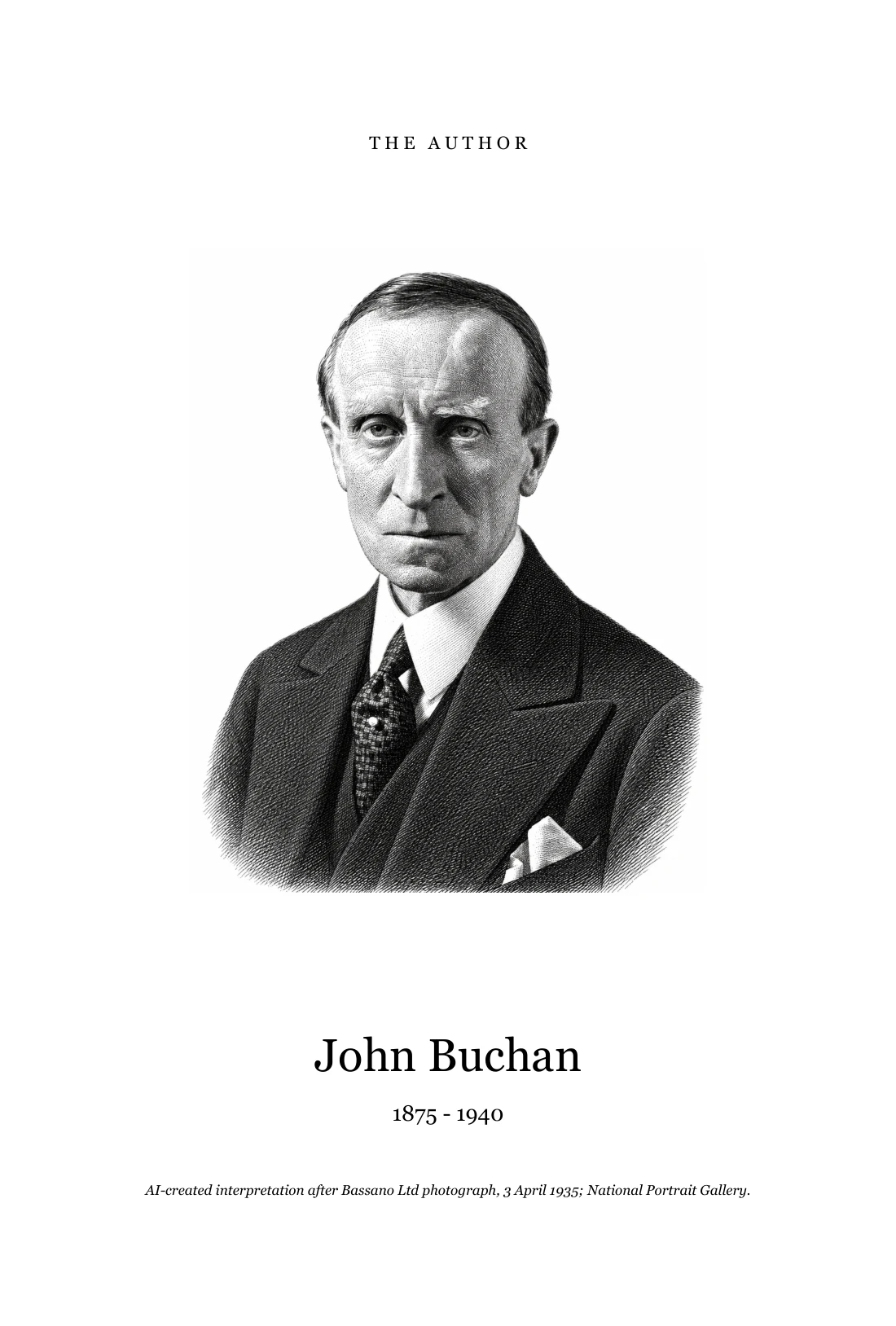
1915. Richard Hannay, wanted for a murder he did not commit, dashes for a train at St Pancras and gets off at a forgotten little station in Galloway. Short and breathless.
Dracula
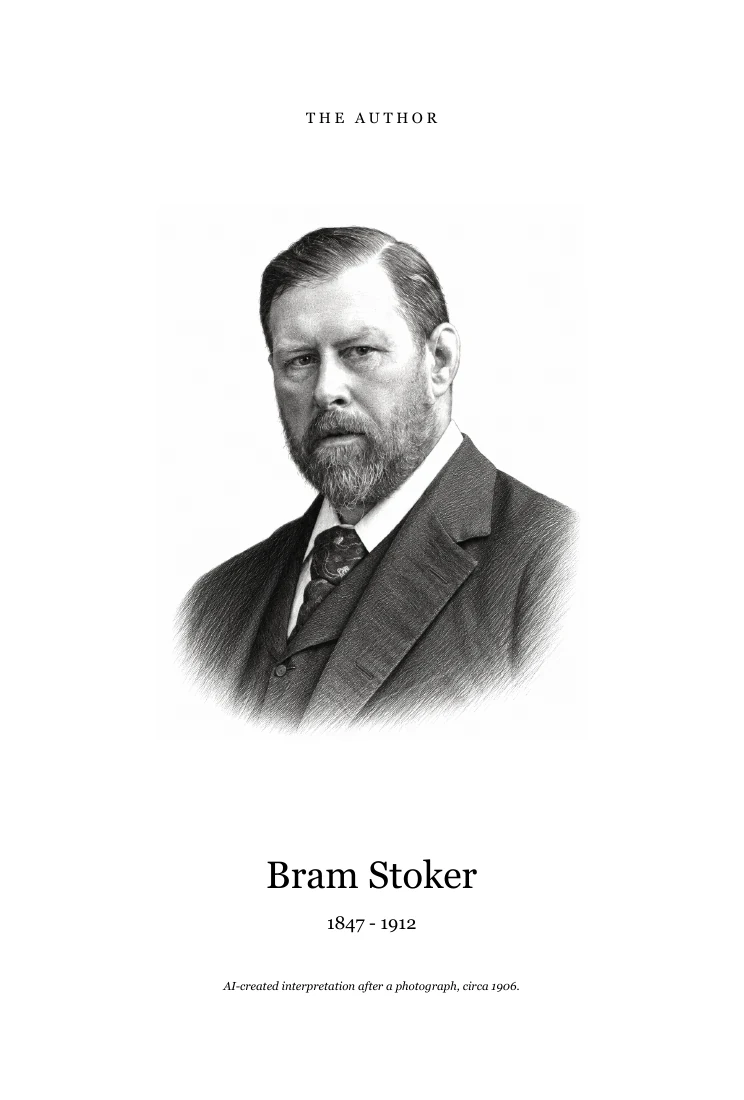
1897. Jonathan Harker grumbles that “the further east you go the more unpunctual are the trains”, and the Count is found reading an English Bradshaw’s railway guide. Later, the hunters cross Europe on the Orient Express.


Buchan’s thriller has its own story of book against film, told in The Thirty-Nine Steps: book vs. film. Dracula’s modernity is easy to forget, but Stoker’s vampire hunters live by telegrams and train times, which is part of what makes the old monster so frightening when he comes to London.
Which train book should you read first?
For children, or for reading to them, The Railway Children has no rival. For a winter evening, “The Signal-Man”, which takes well under an hour. For a full-length journey, The Mystery of the Blue Train, a puzzle that keeps its secrets almost to the buffers.
But the best first stop is the one with the Green Dragon. Open The Railway Children, and find out why three children wave at the 9.15 every morning.
Questions readers ask
What are the best classic books about trains?
E. Nesbit’s The Railway Children is the best-loved. Dickens’s ghost story “The Signal-Man”, Christie’s The Mystery of the Blue Train, Buchan’s The Thirty-Nine Steps and Tolstoy’s Anna Karenina all use the railway at their heart.
Where was The Railway Children filmed?
The 1970 film was shot on the Keighley and Worth Valley Railway in Yorkshire, which had also been used for the BBC’s 1968 television serial.
Is The Railway Children based on a true story?
No. It is a novel, first serialised in The London Magazine in 1905 and published as a book in 1906. Its story of a father wrongly taken away may have been influenced by the Dreyfus affair, which was international news a few years earlier.