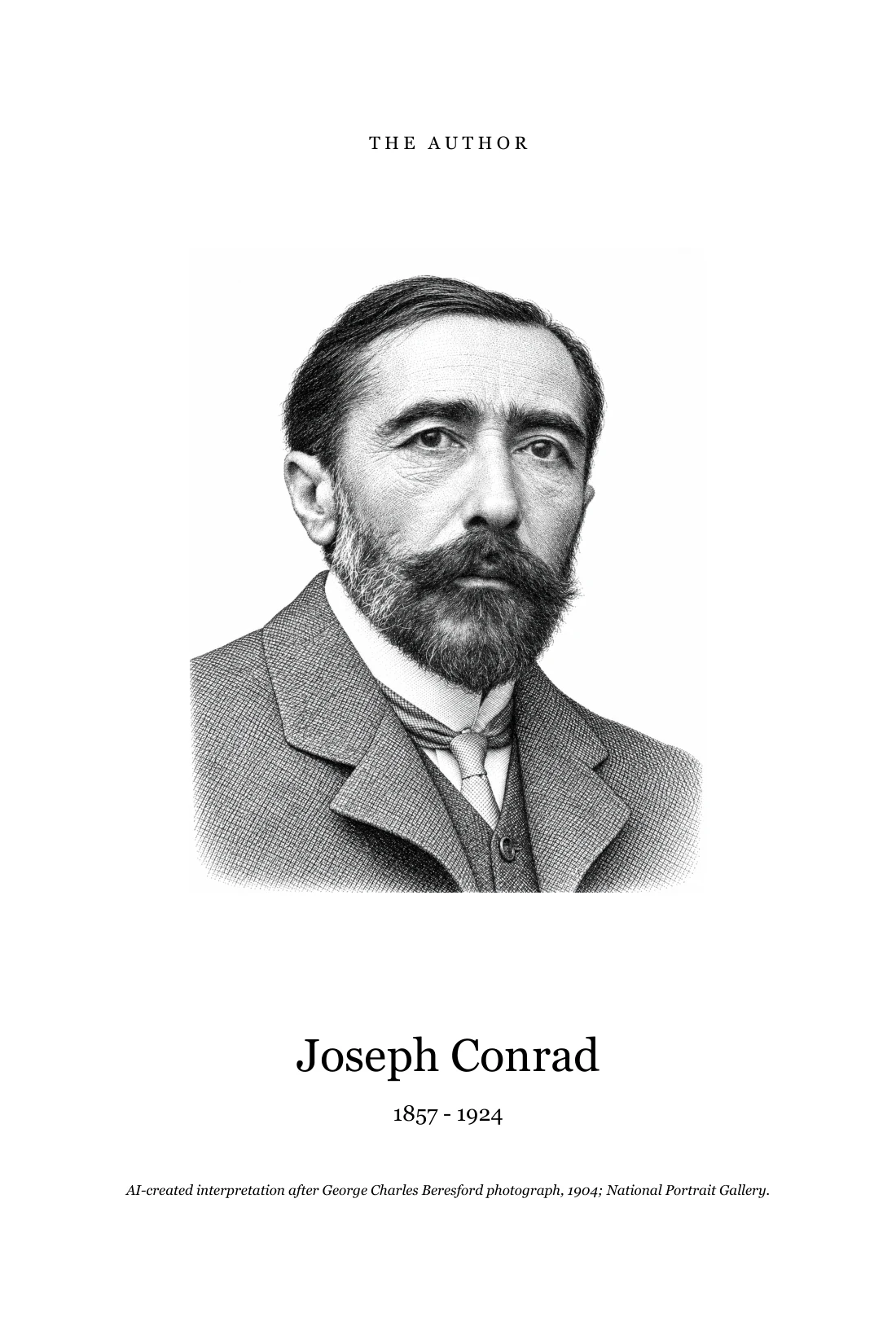
Nobody has ever quite agreed how long a novella is, and the great ones have rarely fitted anywhere comfortably. Take Heart of Darkness. When Blackwood’s Magazine, the Edinburgh monthly that had been running since 1817, reached its thousandth issue in February 1899, it marked the occasion by printing the first part of a new story by Joseph Conrad, about a steamboat captain’s journey up an African river in search of an ivory agent named Kurtz. Heart of Darkness ran in three instalments, and it reached book form only in 1902, tucked into a volume with two other stories.
That awkward length is the novella’s whole character. Long enough to build a world, short enough to be read in a single evening, it lets a writer hold one situation under pressure until it cracks. The classic novellas below are among the most famous books in the language, and every one of them runs to fewer than 130 pages in our editions.
Stories inside stories
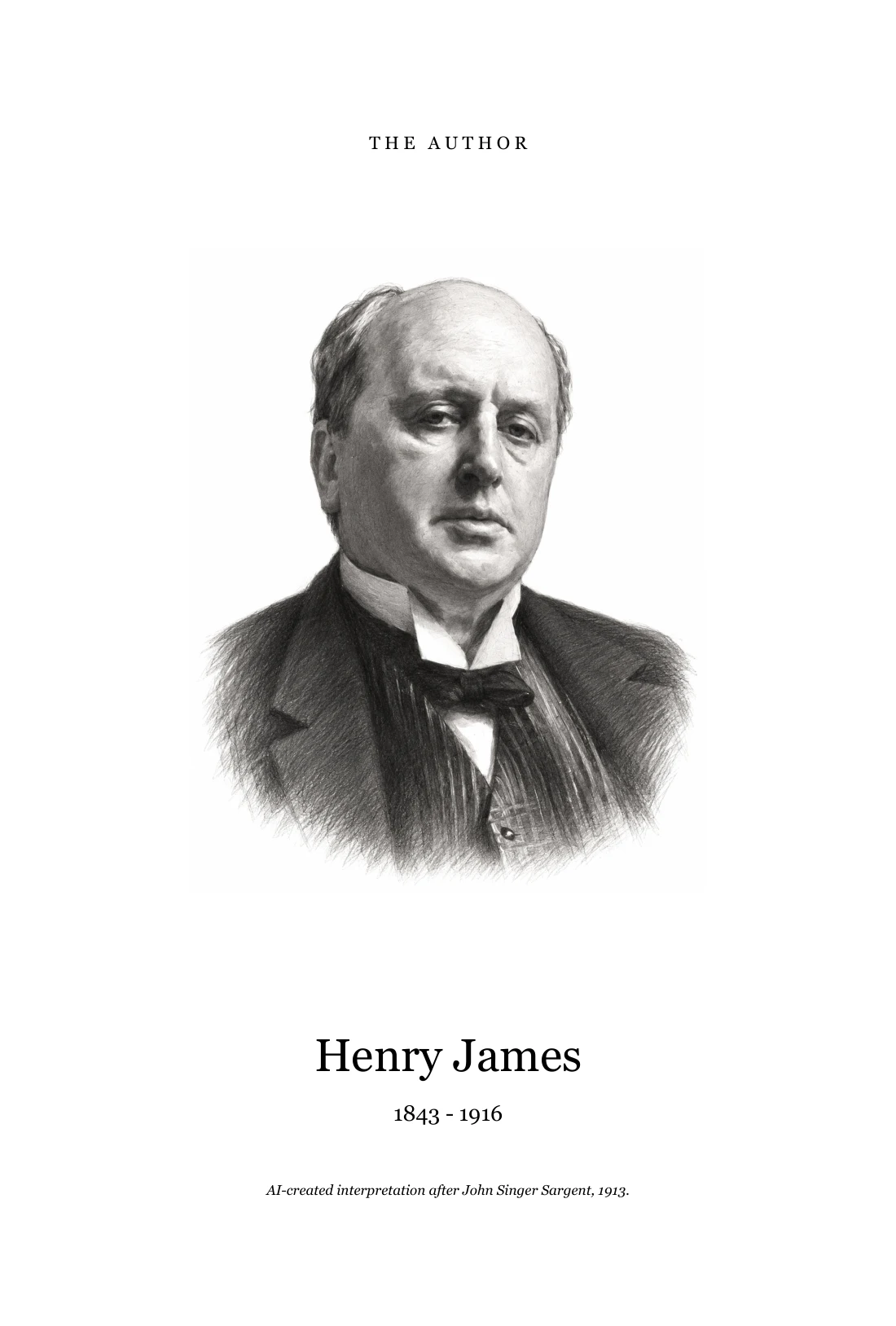
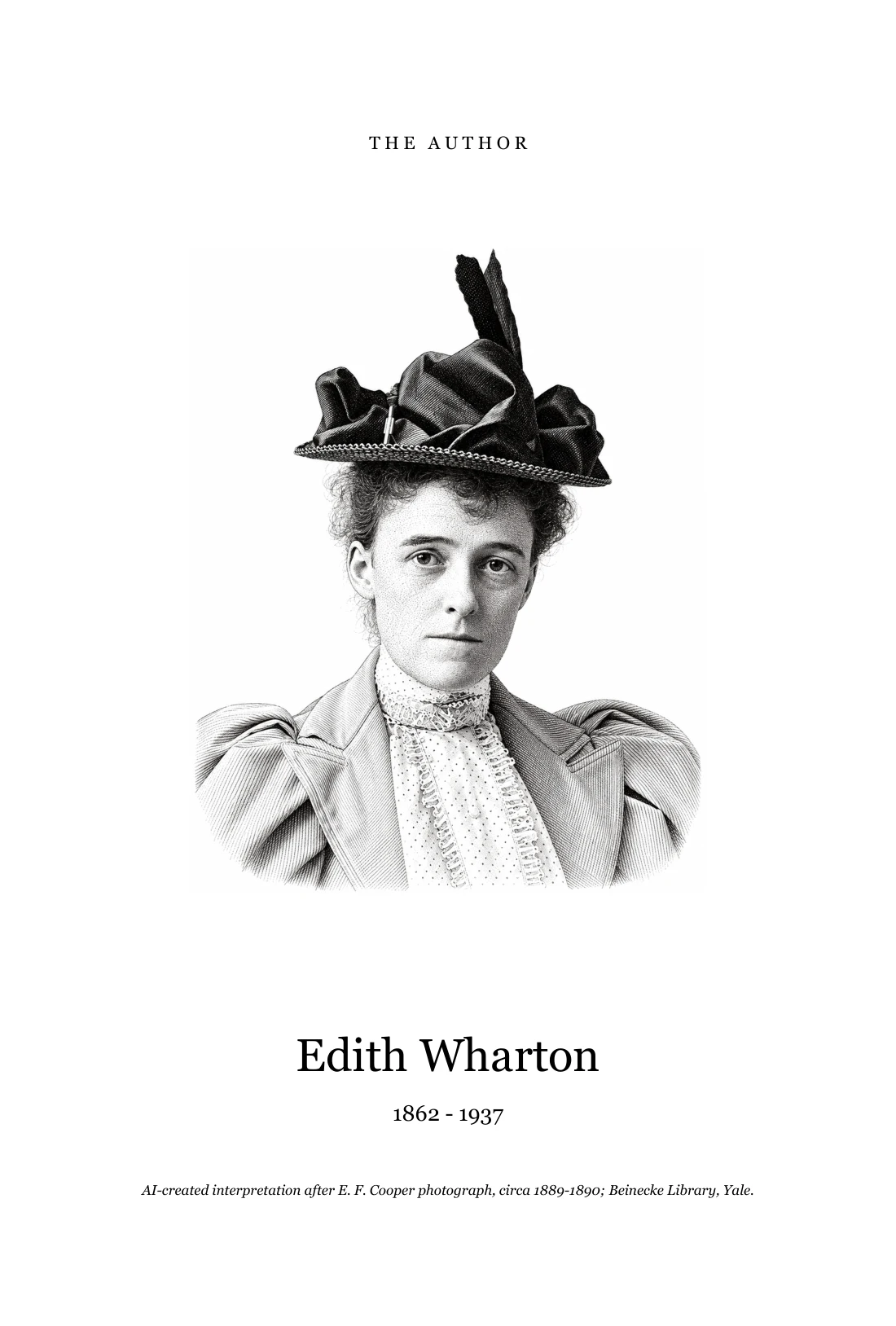
Look closely at the most famous classic novellas and a pattern appears. Conrad, Henry James and Edith Wharton all chose not to tell their stories directly. Each puts a listener or a second narrator between the reader and the events, so that what we get is a story about the telling of a story.
Heart of Darkness
1899. On a yawl anchored in the Thames at dusk, Marlow tells four companions about his voyage up the Congo. Every horror comes filtered through his voice, and through an unnamed listener who passes it on to us.
The Turn of the Screw
1898. A group round a fire on Christmas Eve, a manuscript read aloud, and a governess’s account of two children and two figures who may be ghosts. James never tells you which reading is true.
Ethan Frome
1911. An engineer stranded for the winter in a New England village pieces together the story of a silent, limping farmer. The heart of the book is what he imagines, not what he is told.


Why the frame? Partly because it suits the length: a novella has room for one long scene of listening, not for the dozens of viewpoints a big novel needs. But mostly because it lets doubt in. Marlow struggles to put into words what he saw; the governess may be mistaken; Wharton’s narrator admits he is filling gaps. The frame turns each book into a puzzle about how much we can know, and that is why readers are still arguing about all three. The Turn of the Screw first ran in twelve weekly parts in Collier’s Weekly in 1898, and you can read why its opening is set on Christmas Eve in Did you know The Turn of the Screw is a Christmas Eve ghost story?
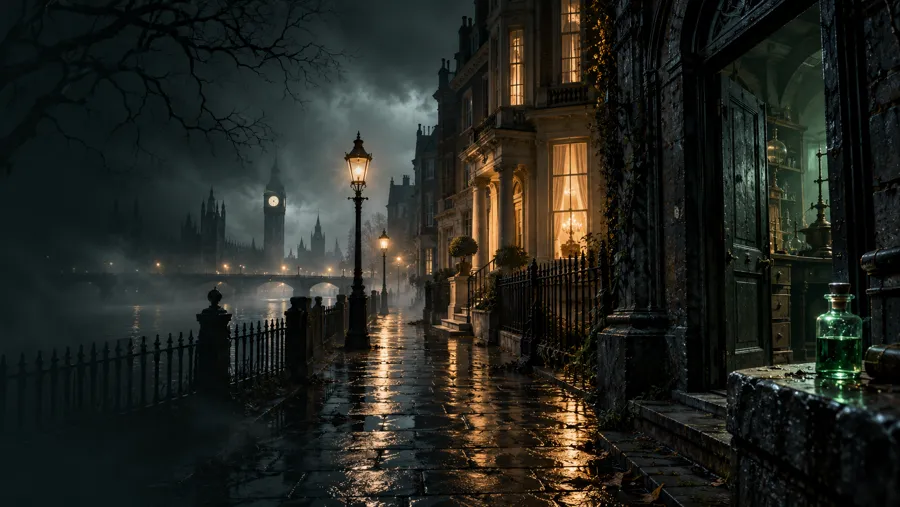
Confessions and case files
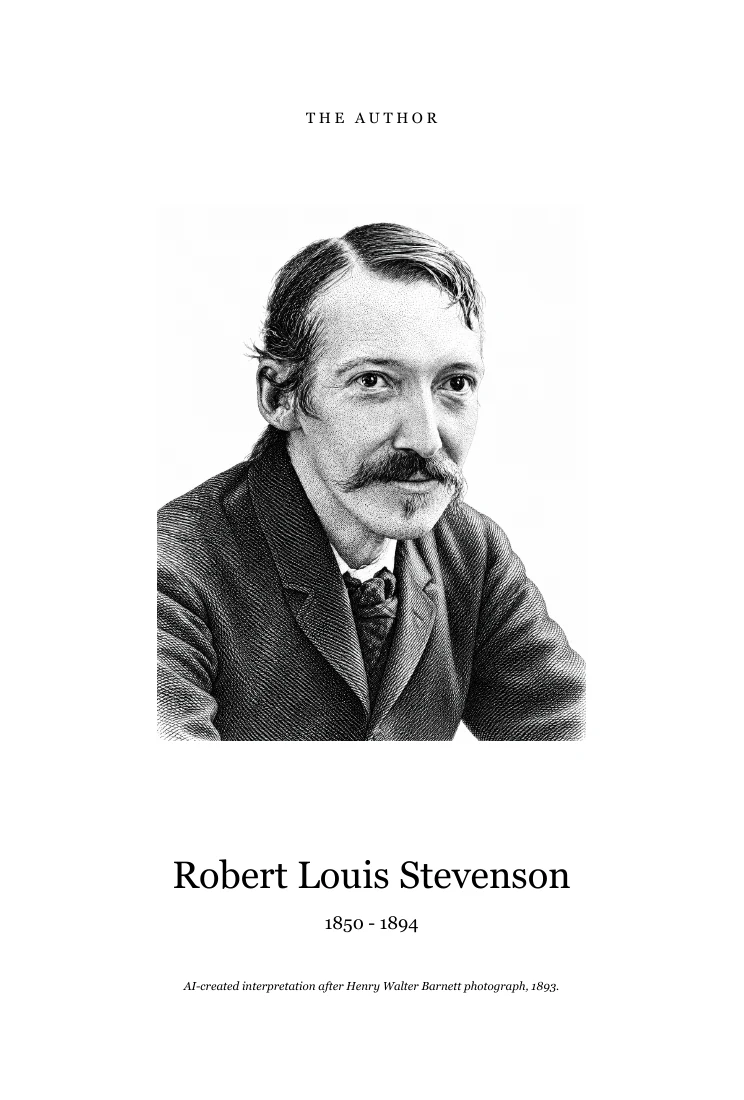
Strange Case of Dr Jekyll and Mr Hyde
1886. A lawyer investigates his old friend’s connection to a brutal stranger. The solution is world-famous, but the book is built as a mystery, and the final statement is still a shock to read in full.
Notes from Underground
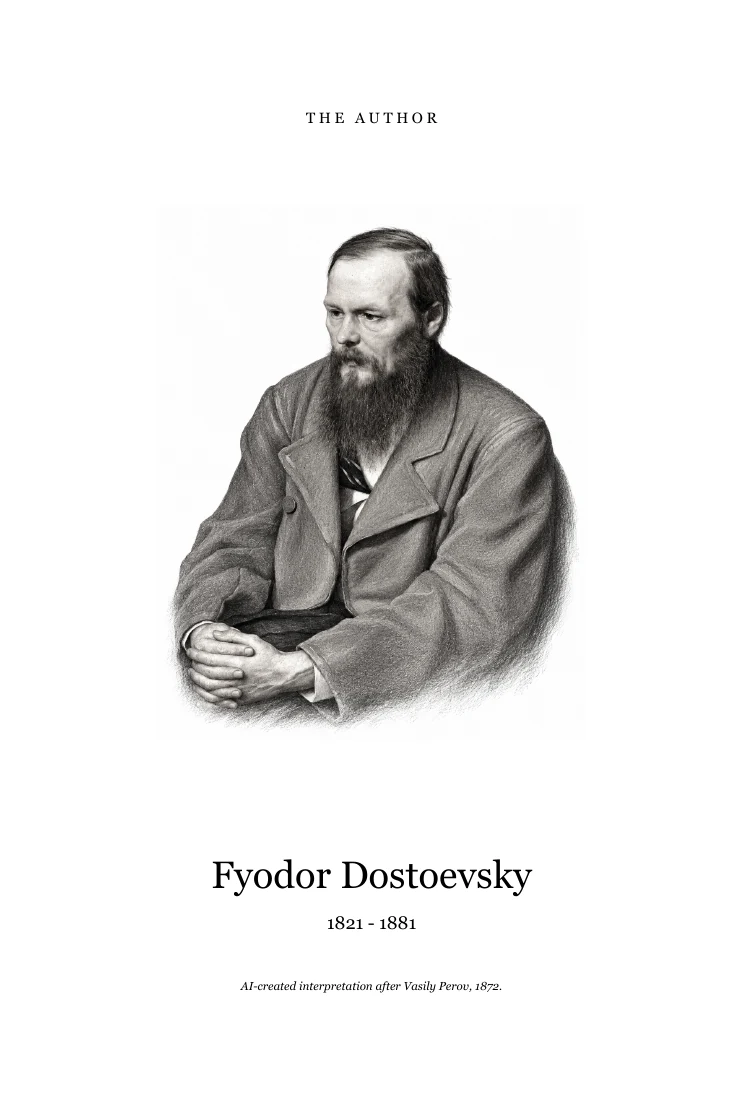
1864. A retired civil servant, holed up in his “corner” in St Petersburg, talks, argues and contradicts himself for a hundred pages. Often called the first great anti-hero, and the funniest book of despair you will read.
Daisy Miller
1878. Subtitled “A Study”: an American girl abroad, observed by a young man who cannot decide what she is. Short, cool and unexpectedly sad.


Notes from Underground begins with one of the most arresting first lines in fiction:
I am a sick man.... I am a spiteful man. I am an unattractive man. I believe my liver is diseased.
Fyodor Dostoevsky, Notes from Underground (1864), translated by Constance Garnett
Stevenson’s case file ends with a confession too: Henry Jekyll’s own statement, in which he describes the discovery “that man is not truly one, but truly two”. Both books show what the novella does best: one mind, one idea, pushed as far as it will go. Stevenson famously wrote his in a rush, and burned a first draft, as we tell in Did Stevenson really burn the first draft of Jekyll and Hyde?
Three more classic novellas worth your evening
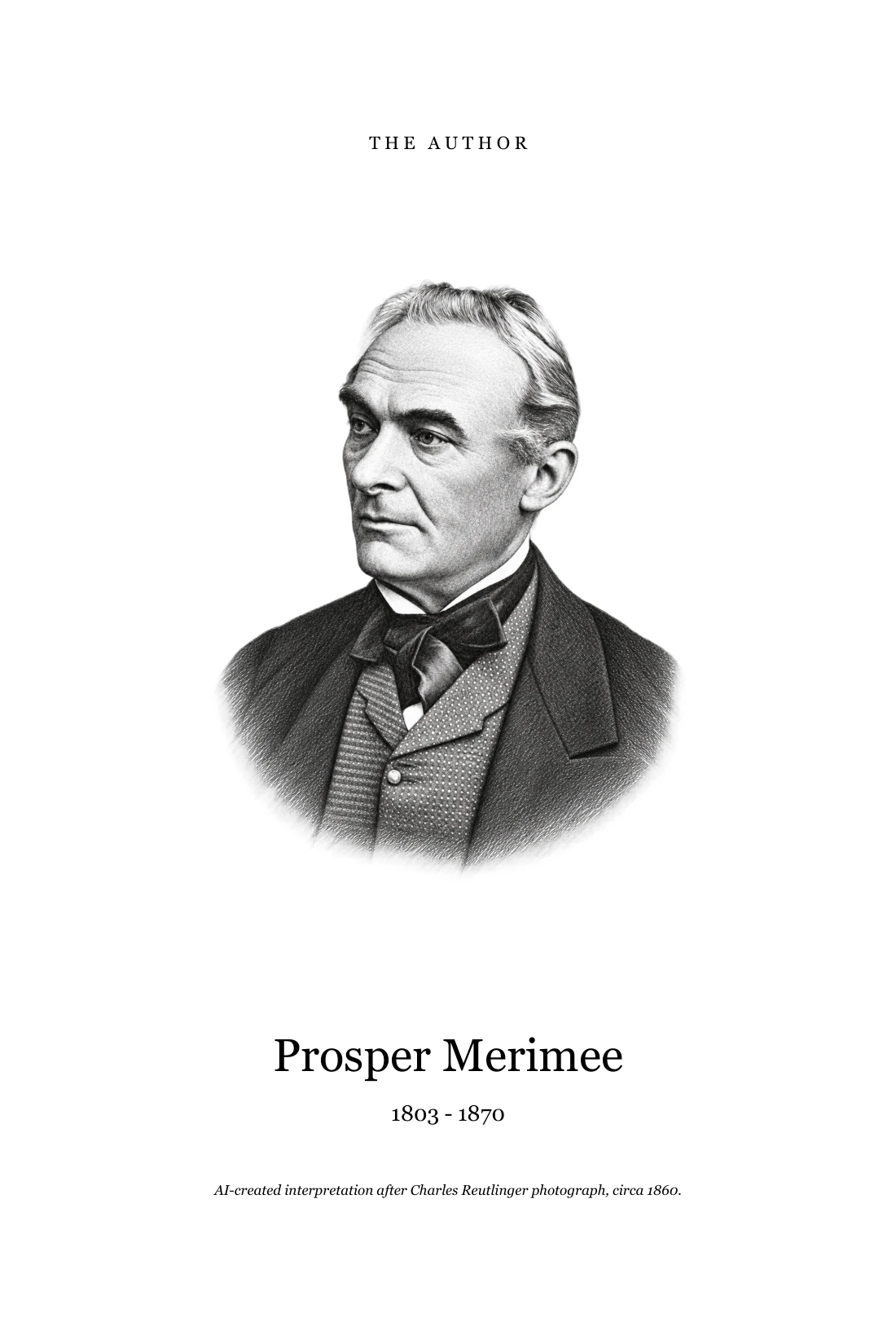
Carmen
1845. A French scholar travelling in Spain meets a bandit, and the bandit tells him how he ruined himself for a woman. Another frame story, and the source of Bizet’s opera.
White Nights
1848. Four nights and a morning in St Petersburg: a lonely dreamer meets a girl leaning on a canal railing. Dostoevsky at his most tender.
The Shadow Line: A Confession
1917. A young officer takes his first command and finds the ship becalmed and the crew falling sick. Conrad dedicated it to his son Borys and all who had crossed the shadow-line of their generation.


Which classic novella should you read first?
For atmosphere, The Turn of the Screw. For a book that will change how you think about a whole century, Heart of Darkness, read with the knowledge that it is written from inside the imperial world it attacks and that its portrayal of Africans has been fiercely criticised. For a single, perfect evening, Daisy Miller or Ethan Frome. And for a voice you will not forget, Notes from Underground. Novellas also make the best introduction to authors who wrote long books; see Where to start with Dostoevsky and Where to start with Henry James.
Begin where Blackwood’s readers did. Open Heart of Darkness on the deck of the Nellie, as the sun goes down over the Thames, and listen to Marlow start talking.
Questions readers ask
What is a novella?
A novella is a work of prose fiction longer than a short story but shorter than a novel. Many awards define it as roughly 17,500 to 40,000 words. The novellas on this list run from about 60 to 130 pages in our editions.
What are the most famous classic novellas?
Heart of Darkness, Strange Case of Dr Jekyll and Mr Hyde, The Turn of the Screw, Ethan Frome, Daisy Miller and Notes from Underground are among the most famous. Carmen and White Nights are shorter classics from France and Russia.
Is Heart of Darkness a novella?
Yes. It is usually classed as a novella. It first ran in three parts in Blackwood’s Magazine in 1899 and was published in book form in 1902 alongside two other stories.