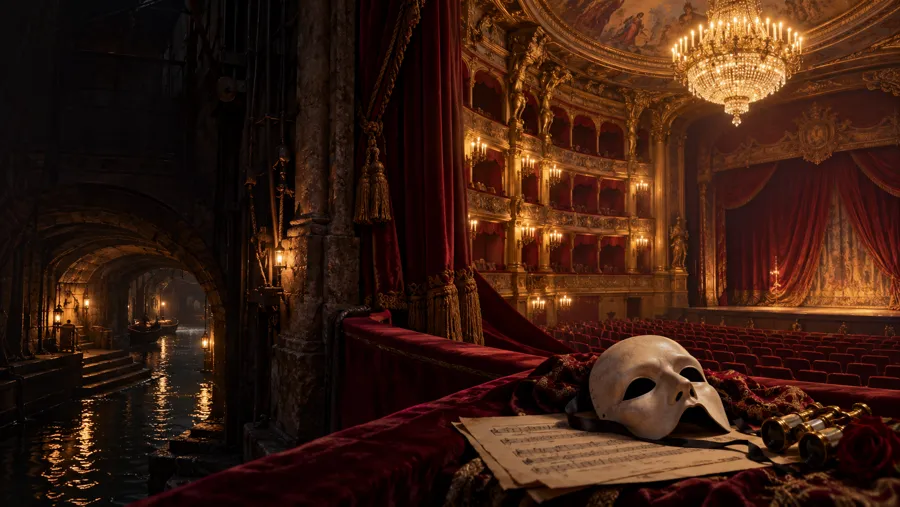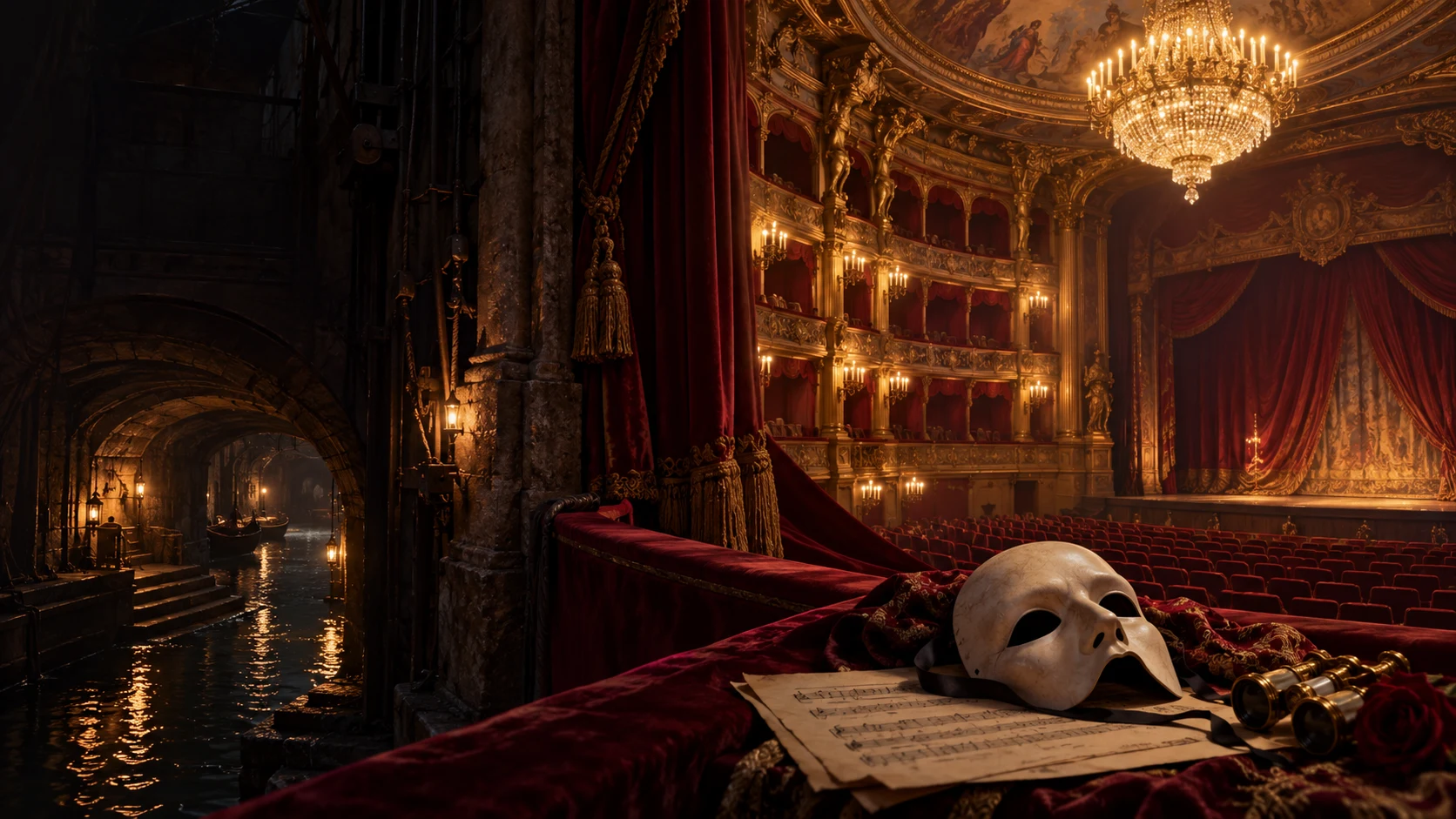
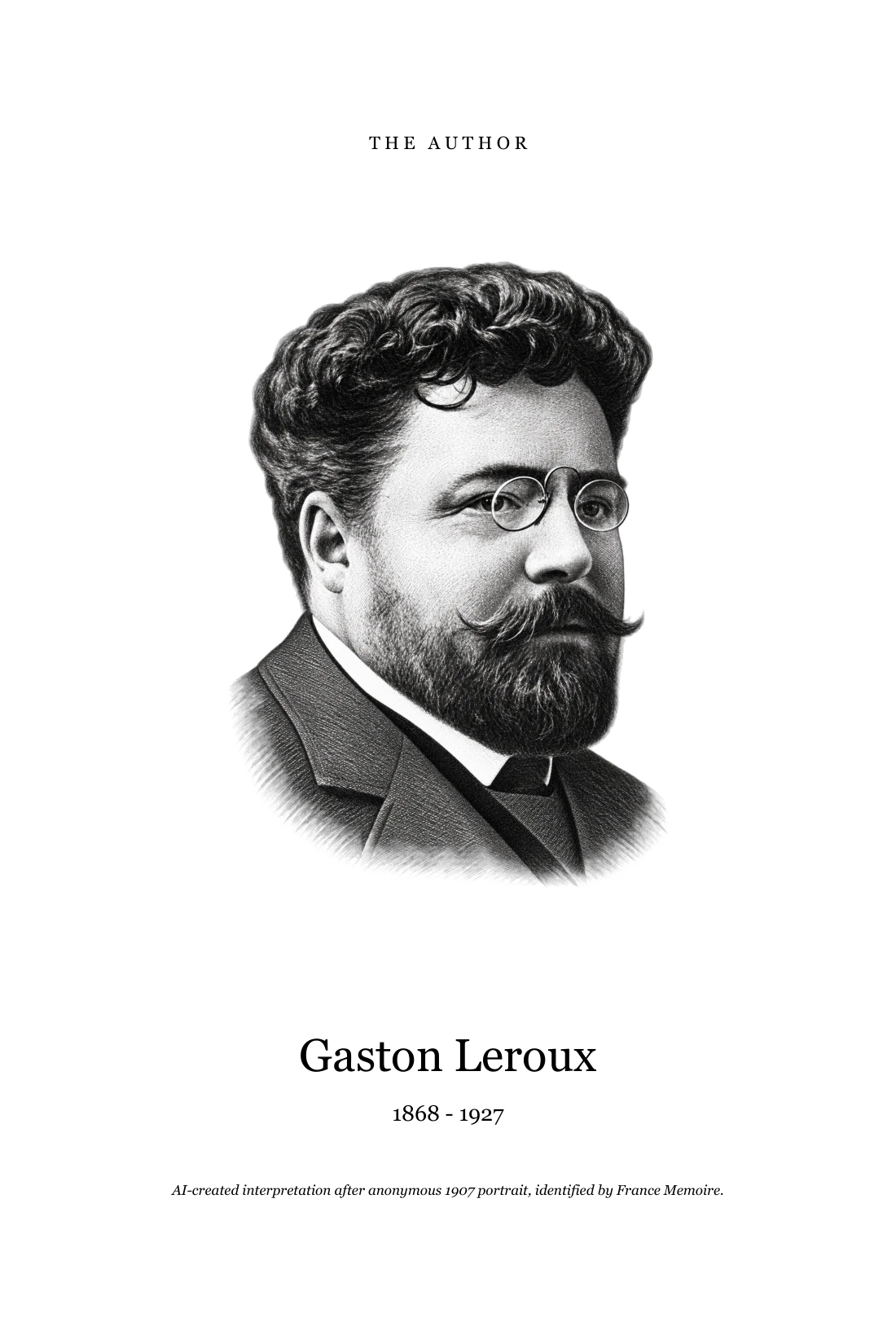
On 20 May 1896, during a performance at the Paris Opera, one of the counterweights for the great chandelier in the Palais Garnier broke free and crashed into the auditorium, killing a concierge. Gaston Leroux, a former newspaper reporter, folded the accident into a novel. The Phantom of the Opera ran as a serial in the Paris newspaper Le Gaulois from September 1909 to January 1910, and came out as a book in 1910.
Seventy-six years later, Andrew Lloyd Webber turned it into a musical that would become the longest-running show in Broadway history. If you know the show and are wondering whether to read the book, the short answer is yes, and be ready for something stranger, darker and much more of a mystery.
Is The Phantom of the Opera based on a book?
Yes. Every version, from Lon Chaney’s silent film to the musical, goes back to Gaston Leroux’s novel. Leroux presents it as a piece of reporting. His prologue opens with a flat declaration, and then the narrator builds his case from interviews, letters and documents, as a crime reporter would.
The Opera ghost really existed. He was not, as was long believed, a creature of the imagination of the artists, the superstition of the managers, or a product of the absurd and impressionable brains of the young ladies of the ballet…
Gaston Leroux, The Phantom of the Opera (1910), prologue

The Phantom of the Opera book vs. musical: the main differences
- The Phantom has a name. In the novel he is Erik, and before the end we learn a good deal about his past: exhibited at fairs as a “living corpse”, years in Persia, and work as a contractor on the Opera itself. The musical tells us far less.
- The face. Leroux describes skin “stretched across his bones like a drumhead”, eyes like “two big black holes, as in a dead man’s skull”, and a nose “so little worth talking about that you can’t see it side-face”. The famous half-mask was designed for the musical by Maria Björnson; in the earliest preview the Phantom wore a mask covering his whole face.
- The Persian. A mysterious figure known as the Persian, who knew Erik long before Paris, is one of the novel’s most important characters and narrates a long section near the end. He has no place in the musical.
- Madame Giry. In the novel she is the gossiping box-keeper of the ghost’s private box, Box Five. The musical makes her the Opera’s ballet mistress.
- The chandelier. In the novel it falls on the audience during a performance of Gounod’s Faust, early in the story, and kills the woman newly appointed to Madame Giry’s job. In the musical it comes down at the end of the first act.
Much survives the journey intact: the managers’ comic bafflement, the diva Carlotta croaking like a toad mid-aria, the masked ball, the underground lake, and Erik’s own opera, Don Juan Triumphant, which the novel mentions and the musical stages. We look at the real water under the building in the underground lake.
Is the novel scarier than the musical?
Considerably. The musical is a romance with a tragic villain at its heart. The novel is a mystery first: for long stretches neither Raoul nor the reader knows who or what the ghost is, how he moves through walls, or what he wants. Its final third, in the cellars beneath the Opera, is a sustained piece of suspense with traps, darkness and a ticking choice that we will not give away. Chapter titles such as “The Scorpion or the Grasshopper: Which?” hint at what is coming without telling you.
The novel is also funnier than people expect. The two managers, Richard and Moncharmin, who keep finding notes from the ghost demanding his salary and his box, are straight out of farce.

The Phantom on film
Universal’s silent The Phantom of the Opera (1925), directed by Rupert Julian, starred Lon Chaney, whose self-devised make-up was kept a studio secret until the premiere. Universal’s Technicolor remake of 1943, with Claude Rains, won Academy Awards for its art direction and cinematography. Joel Schumacher’s 2004 film, with Gerard Butler and Emmy Rossum, is an adaptation of the musical rather than the novel.
The Phantom of the Opera
1910. The ghost, the chandelier, the lake and the Persian. A gothic romance told like an investigative report, and a page-turner to the end.
The Mystery of the Yellow Room
1907. Leroux’s locked-room mystery with the young reporter Rouletabille. John Dickson Carr’s detective Dr Fell calls it the best detective tale ever written.


For more of the same atmosphere, browse our gothic shelf or the best gothic novels. And whether you saw the show in London, on Broadway or on screen, the man in the cellar has a longer and sadder story than any production has time for. Begin it in The Phantom of the Opera, with the reporter who insists the ghost was real.
Questions readers ask
Is The Phantom of the Opera based on a book?
Yes. It is based on Gaston Leroux’s novel Le Fantôme de l’Opéra, serialised in Le Gaulois in 1909–10 and published as a book in 1910. The musical, and the earlier films, all adapt it.
What is the Phantom’s name in the book?
Erik. Leroux gives him a name and a long backstory, much of it told by a character called the Persian, who does not appear in the musical.
Does the chandelier fall in the book?
Yes. In the novel it falls on the audience during a performance of Faust and kills one woman. The musical keeps the fall but moves it to the end of the first act.
How long did The Phantom of the Opera run on Broadway?
From 26 January 1988 to 16 April 2023, almost 14,000 performances, making it the longest-running show in Broadway history.
 The Secret of the Night286 pages · $16.99
 The New Terror132 pages · $12.99