


In the autumn of 1843, Charles Dickens was thirty-one, famous and worried. His current serial, Martin Chuzzlewit, was selling less well than his earlier books, he had a growing family to support, and he was angry about the conditions of the poor children he had seen and read about that year. Out of all that came a short book about a miser and three spirits.
He wrote it at great speed, starting in October and finishing around the beginning of December, roughly six weeks of work alongside his monthly instalments of Chuzzlewit. A Christmas Carol was published on 19 December 1843, and the first printing had sold out before Christmas.
Why did Dickens write A Christmas Carol?
Partly for money, and partly from conviction. Earlier that year Dickens had read a government report on child labour and visited one of London’s ragged schools, which offered free lessons to destitute children. He spoke publicly about education for the poor that autumn. Rather than write a pamphlet, he decided a story would strike harder, and the two shadowy children who appear under the Ghost of Christmas Present, Ignorance and Want, are the clearest trace of that anger.
He was also deeply moved by his own creation. Dickens later described weeping and laughing over the manuscript and walking the streets of London at night as he composed it. Whatever the exact details, the book has the energy of something written in a rush of feeling.
A short history of A Christmas Carol after 1843
The book was an immediate success with readers and critics, and an immediate target for pirates. Within weeks a cheap unauthorised version appeared; Dickens sued and won, but the publishers went bankrupt and he was left with legal costs. It was one of the experiences that made him a lifelong campaigner for authors’ rights.
The Carol also launched a tradition. Dickens wrote a new Christmas book almost every year for the rest of the decade, from The Chimes to The Haunted Man, and later filled the Christmas issues of his magazines with stories. From 1853 he gave public readings of the Carol, first for charity and later on paid tours, and he performed it until the last year of his life.
His short preface sets the tone of the whole thing:
I have endeavoured in this Ghostly little book, to raise the Ghost of an Idea, which shall not put my readers out of humour with themselves, with each other, with the season, or with me.
Charles Dickens, preface to A Christmas Carol (1843)
What is A Christmas Carol like to read today?
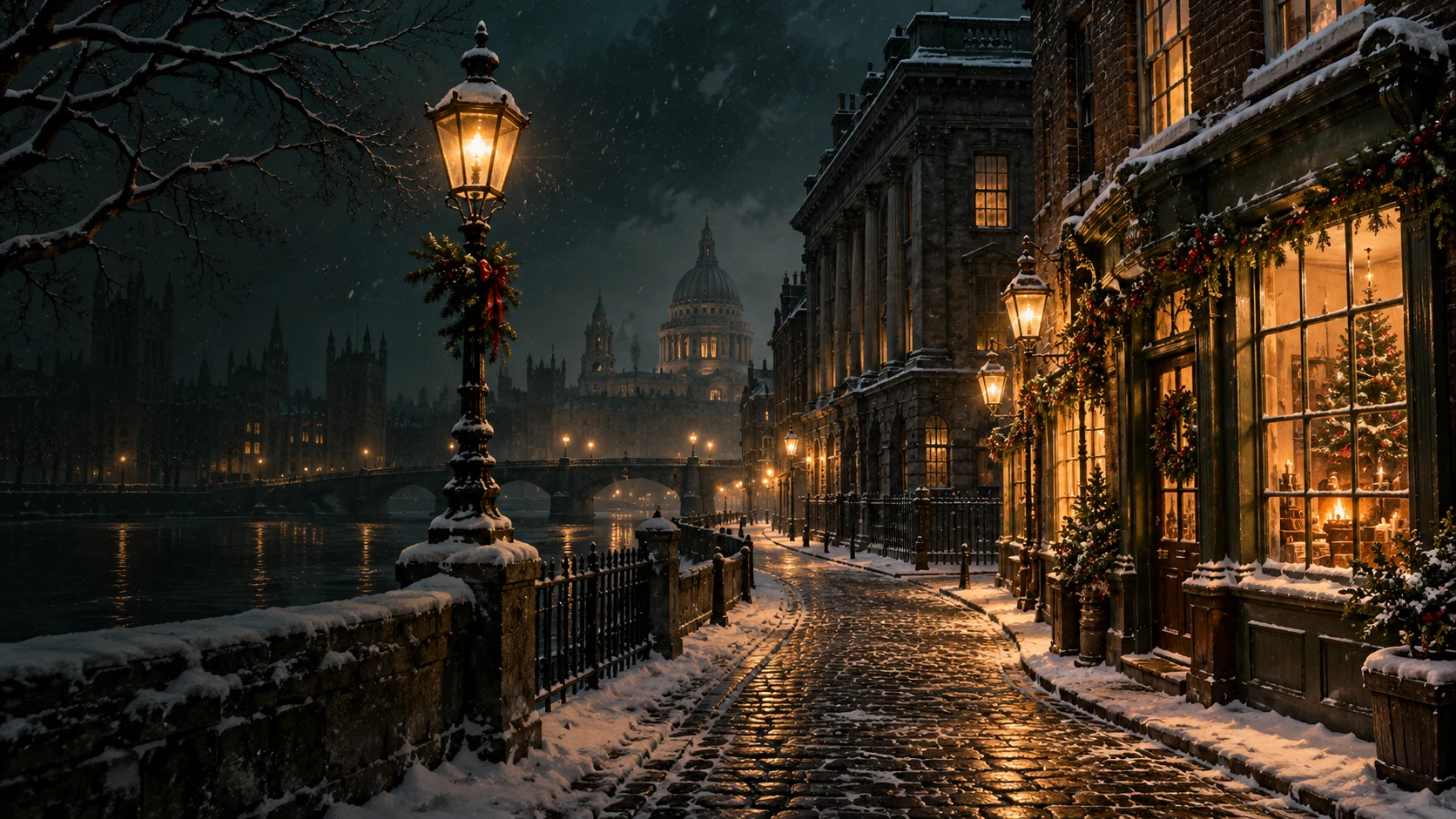
Even if you know every film version, the book is a pleasure, because so much of it is in Dickens’s voice rather than his plot. The narrator is chatty, funny and fond of digressions, beginning with a long, joking argument about whether Marley was really dead. The descriptions of food, fog and frost are among the most vivid he ever wrote.
It is a funnier book than people remember, too. The Fezziwigs’ dance, the Cratchits’ goose and Scrooge’s cheerful nephew Fred are drawn with real comic delight, and each ghost has a personality of its own: the Ghost of Christmas Past glows like a candle, the Ghost of Christmas Present is a jolly giant enthroned on a feast, and the last spirit never speaks at all.
It is also short. Dickens divided it into five “staves”, like the verses of a carol, and most readers finish it in a single evening or over a few nights in December. That makes it an ideal family read-aloud and an easy first step into Dickens for anyone daunted by his longer novels.
Where to go next
If you love the Carol, Dickens’s other Christmas books are the natural next step; we introduce all five in Did you know A Christmas Carol was the first of five Christmas books by Dickens?. For the older custom it drew on, see Did you know ghost stories were once a Christmas tradition?, and if you are ready for the novels, start with Where to start with Charles Dickens.
But this December, begin with the one he wrote against the clock. Pour something warm, open A Christmas Carol at Stave One, and let Marley be dead, to begin with.
After the familiar transformation, try another point of view
A reread of A Christmas Carol can lead to a question broader than its famous composition story: how do other writers make a change of heart convincing? Compare the visitor, gift or encounter that disrupts an ordinary routine, and notice whether the person receiving help becomes a fully heard character.
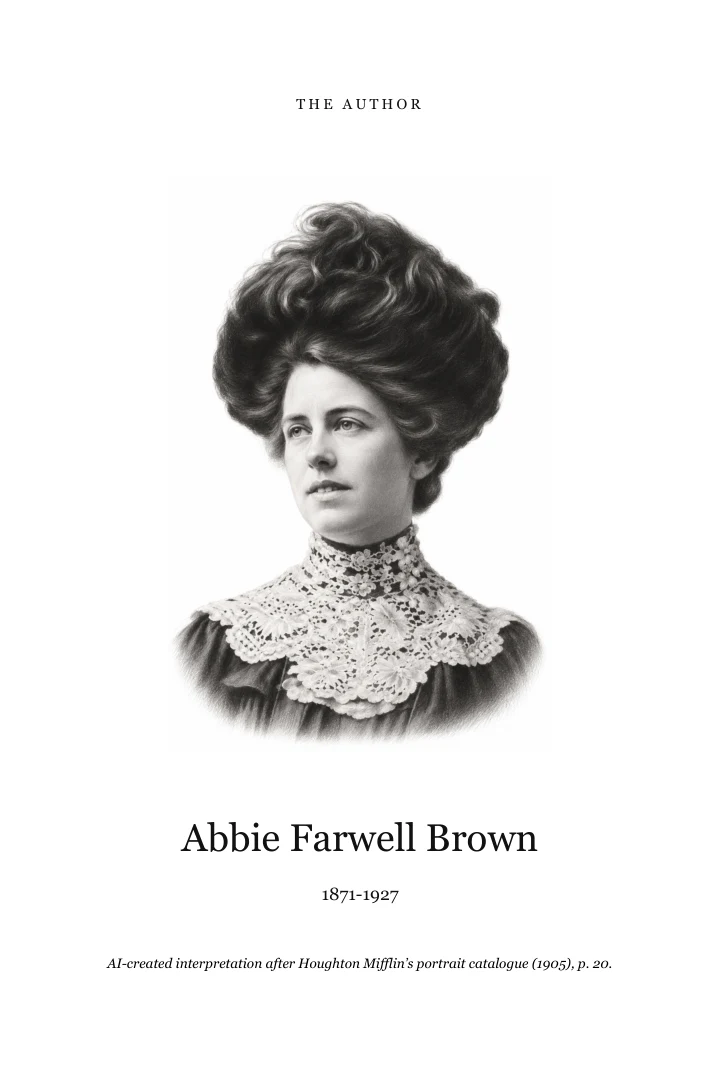
Santa Claus's Partner
Santa Claus’s Partner confronts wealth and loneliness through Berryman Livingstone’s interrupted Christmas routine. It offers a useful comparison with Scrooge without duplicating the same sequence of spirits.
The Christmas Angel
The Christmas Angel begins with discarded toys rather than a spectacular vision. Their movement into other lives makes a smaller-scale question about giving and the assumptions of the giver.
The Strange Visitation
The Strange Visitation uses an extraordinary Christmas Eve visitor to satirize wealth and human sympathy. Choose it for another supernatural challenge to comfortable habits.


Our guide to Christmas books about giving and second chances develops that comparison. For another evening-sized choice, see short Christmas books.
Questions readers ask
How long did it take Dickens to write A Christmas Carol?
About six weeks. He began in October 1843 and finished around the start of December, and the book was published on 19 December 1843.
Why did Charles Dickens write A Christmas Carol?
He needed money after disappointing sales of Martin Chuzzlewit, and he wanted to draw attention to poverty and the neglect of poor children, which he had seen at first hand that year.
How long does it take to read A Christmas Carol?
It is a short book in five chapters, called staves. Most adults can read it in an evening, or over three or four nights when reading aloud.





