Judy Abbott arrives at college straight from an orphanage and discovers how much everyone else has already read. She confesses it in a letter to the stranger paying her fees.
I never read Mother Goose or David Copperfield or Ivanhoe or Cinderella or Blue Beard or Robinson Crusoe or Jane Eyre or Alice in Wonderland or a word of Rudyard Kipling.
Jean Webster, Daddy-Long-Legs (1912)
Then she reads them, greedily and on her own terms, and loves most of them. That is the secret of classic books for teens: they work when they are discovered rather than assigned. The five below are the ones we find teenagers come back to unprompted, because each is about a young person facing a choice, and none of them is long or slow to start.
Classic books for teens that they actually enjoy
Daddy-Long-Legs
1912. A college girl writes witty, illustrated letters to the anonymous guardian funding her education. Short, funny and sharp about class. Ages 12 and up.
Frankenstein
1818. A student builds a creature, abandons it and spends the rest of his life paying for it. Begun when its author was eighteen. Ages 13 and up.
Treasure Island
1883. A boy, a treasure map and the most charming liar in literature. Faster and funnier than its films. Ages 10 and up.
Anne of Green Gables
1908. A temper, a talent and a feud with a boy over a slate, followed from eleven to sixteen. Not just for younger readers. Ages 10 and up.
The Great Gatsby
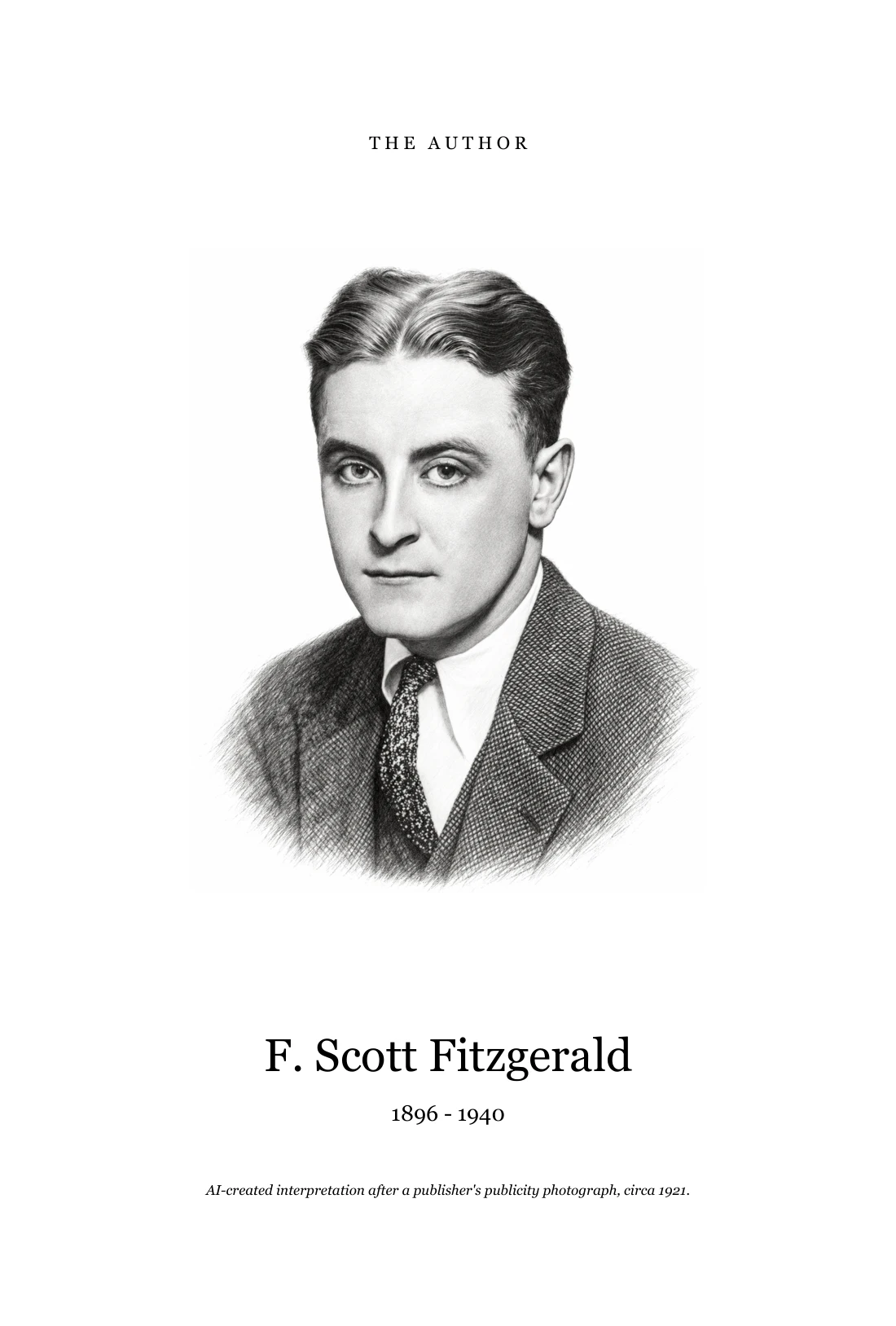
1925. A summer of parties on Long Island, told by a young man who sees too much. Under 50,000 words, and every one counts. Ages 14 and up.


Why these classics work for teenagers
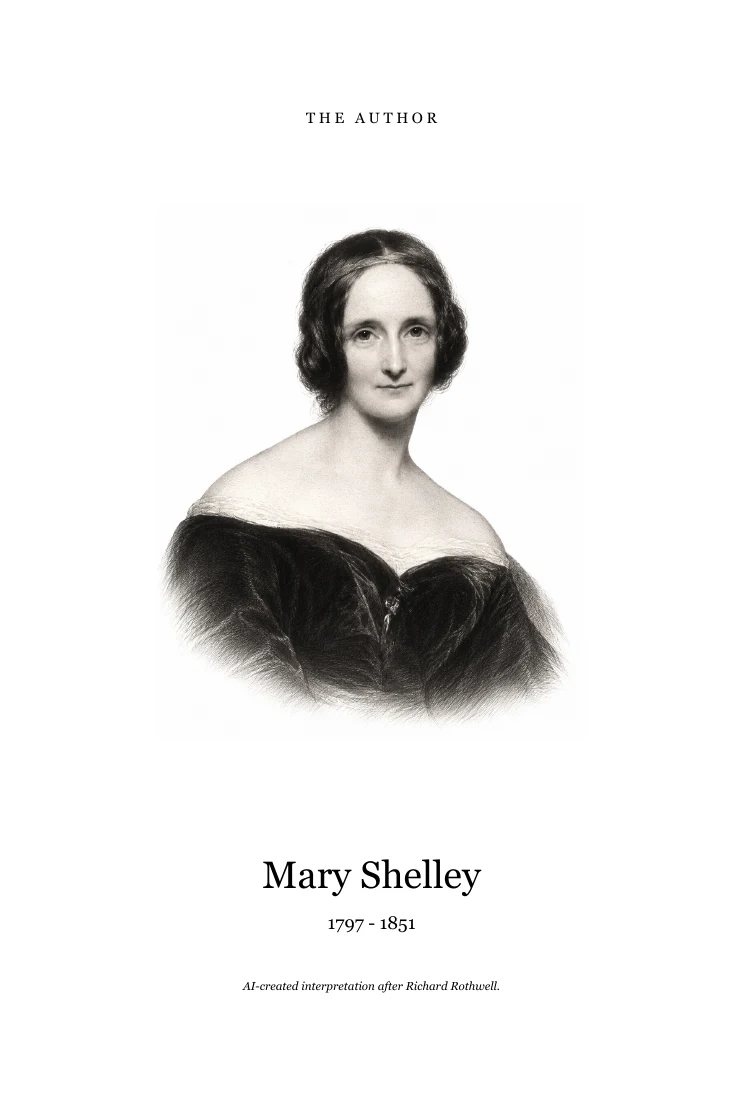
Frankenstein is the obvious place to start, because its back story sells it. Mary Shelley began it at eighteen, in the summer of 1816, when Lord Byron challenged his guests to each write a ghost story, and it was published anonymously when she was twenty. Teenagers who expect a bolt-necked monster find instead a creature who reads, reasons and asks his maker why he was made and then abandoned. The full story is in Frankenstein was written by a teenager.
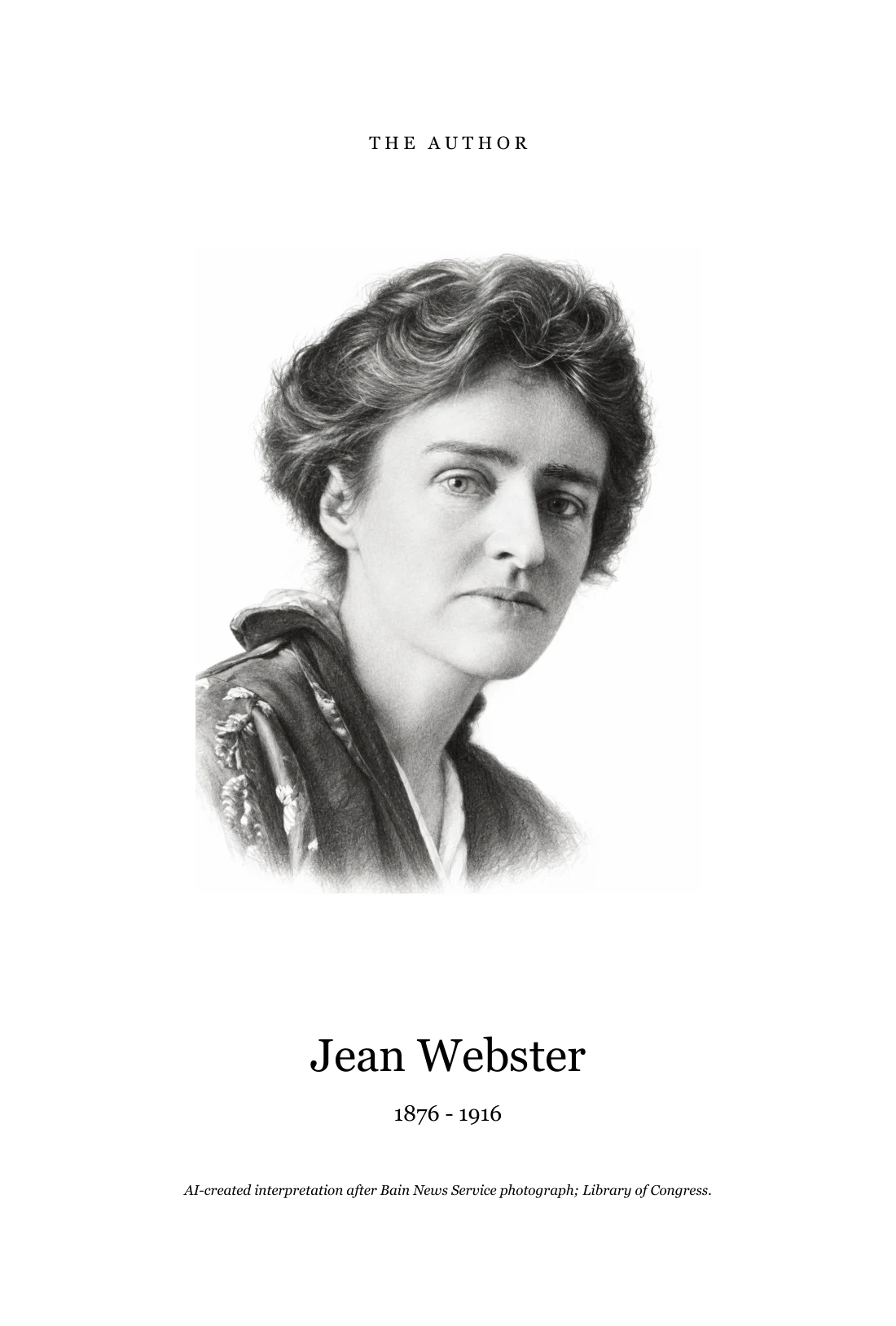
Daddy-Long-Legs is the one teenagers tend to love most and adults have usually forgotten. Jean Webster tells it entirely in Judy’s letters, decorated with her own childlike line drawings, and the voice is so modern that readers are surprised to learn it was serialised in the Ladies’ Home Journal in 1912. More in Daddy-Long-Legs and its letters.
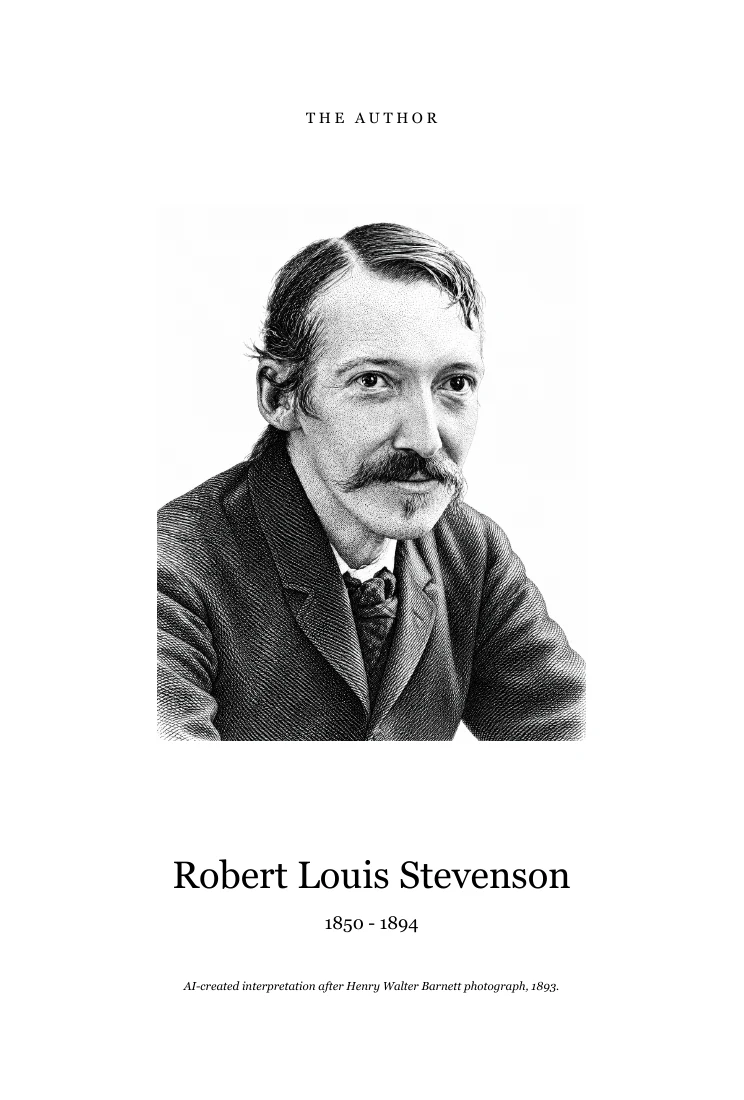
Treasure Island is not only for younger children. Robert Louis Stevenson first serialised it in a magazine called Young Folks, under the pen name “Captain George North”, and a teenager notices what an eight-year-old misses: that Jim goes on liking Long John Silver even after hearing him plot mutiny and murder, and that Stevenson lets the reader feel the same pull.
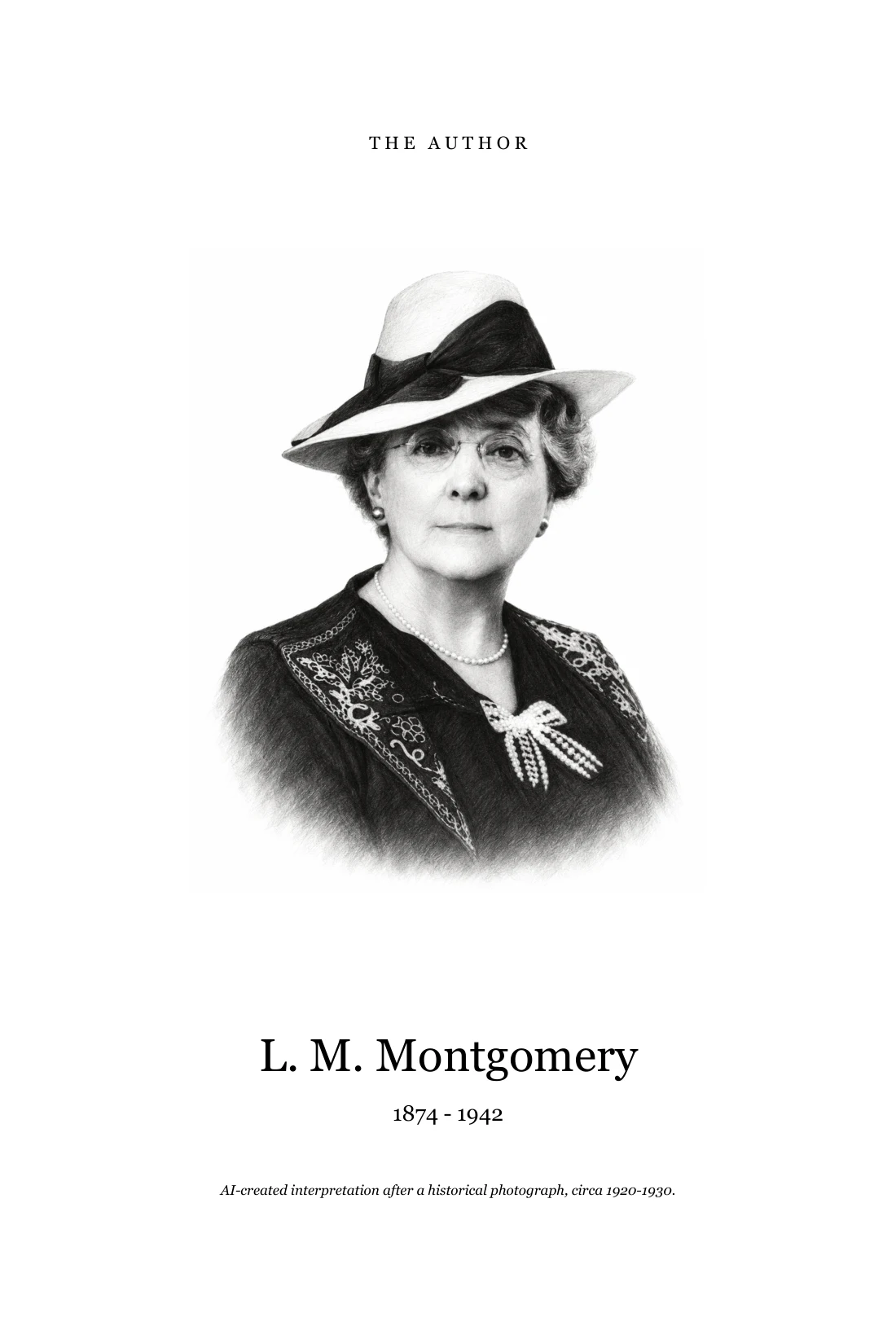
Anne of Green Gables covers Anne from eleven to sixteen, ending just after she earns her teaching licence and makes a hard decision about her future. Teenagers who dismissed it as a children’s book are often surprised by how funny it is, and the sequels follow her through college and beyond.
The Great Gatsby sold fewer than 20,000 copies in its first months, as we explain in why The Great Gatsby disappointed at first. It is brief enough for a weekend, and its narrator, Nick Carraway, is a young man arriving in a glittering world he only half understands, which is how many teenagers feel about adulthood.
What parents should know
- Frankenstein: several murders, including that of a small child, and a creature whose despair is hard to read. Nothing graphic, but the mood is dark.
- The Great Gatsby: heavy drinking, an affair, racist talk from Tom Buchanan about a book on “the Coloured Empires”, and an ending that turns violent. Best from fourteen.
- Daddy-Long-Legs: the romance takes a turn that some modern readers find uncomfortable, given who holds the power and the purse strings. Read it yourself and talk it over; we won’t spoil it here.
- Treasure Island: pirates kill people, sometimes treacherously, and there is plenty of rum. It is all at adventure-story pitch.
- Anne of Green Gables: nothing to worry about, though a death near the end makes many readers cry.
Where to go next
Teenagers who enjoyed these usually want something longer or stranger next. Jane Eyre (1847) and Pride and Prejudice (1813) are the natural steps for readers who loved Judy and Anne. Strange Case of Dr Jekyll and Mr Hyde (1886) is the follow-up for a Frankenstein fan, and The Hound of the Baskervilles for anyone who liked the pace of Treasure Island.
For younger readers, see classic books for 10 to 12-year-olds; for more by the same authors, try where to start with Stevenson.
If you hand a teenager one book, make it Daddy-Long-Legs. It is about a girl who starts out knowing nothing of the classics and decides to catch up, and it has a way of convincing its readers to do the same.
Questions readers ask
What classic books should teenagers read?
Good classic books for teens include Frankenstein, Daddy-Long-Legs, Treasure Island, Anne of Green Gables and The Great Gatsby. They are short or fast-paced, and each centres on a young person making difficult choices.
What is a good first classic for a 13-year-old?
Daddy-Long-Legs and Treasure Island are excellent first classics at thirteen: both are quick, funny and easy to get into. Frankenstein suits readers who like darker stories.
How old was Mary Shelley when she wrote Frankenstein?
She began Frankenstein at eighteen, in the summer of 1816, and it was published anonymously on 1 January 1818, when she was twenty.
Is The Great Gatsby appropriate for teens?
Yes, for most readers from about fourteen. It includes drinking, an affair, racist remarks by one character and a violent ending, but nothing is graphic, and it is widely taught in secondary schools.