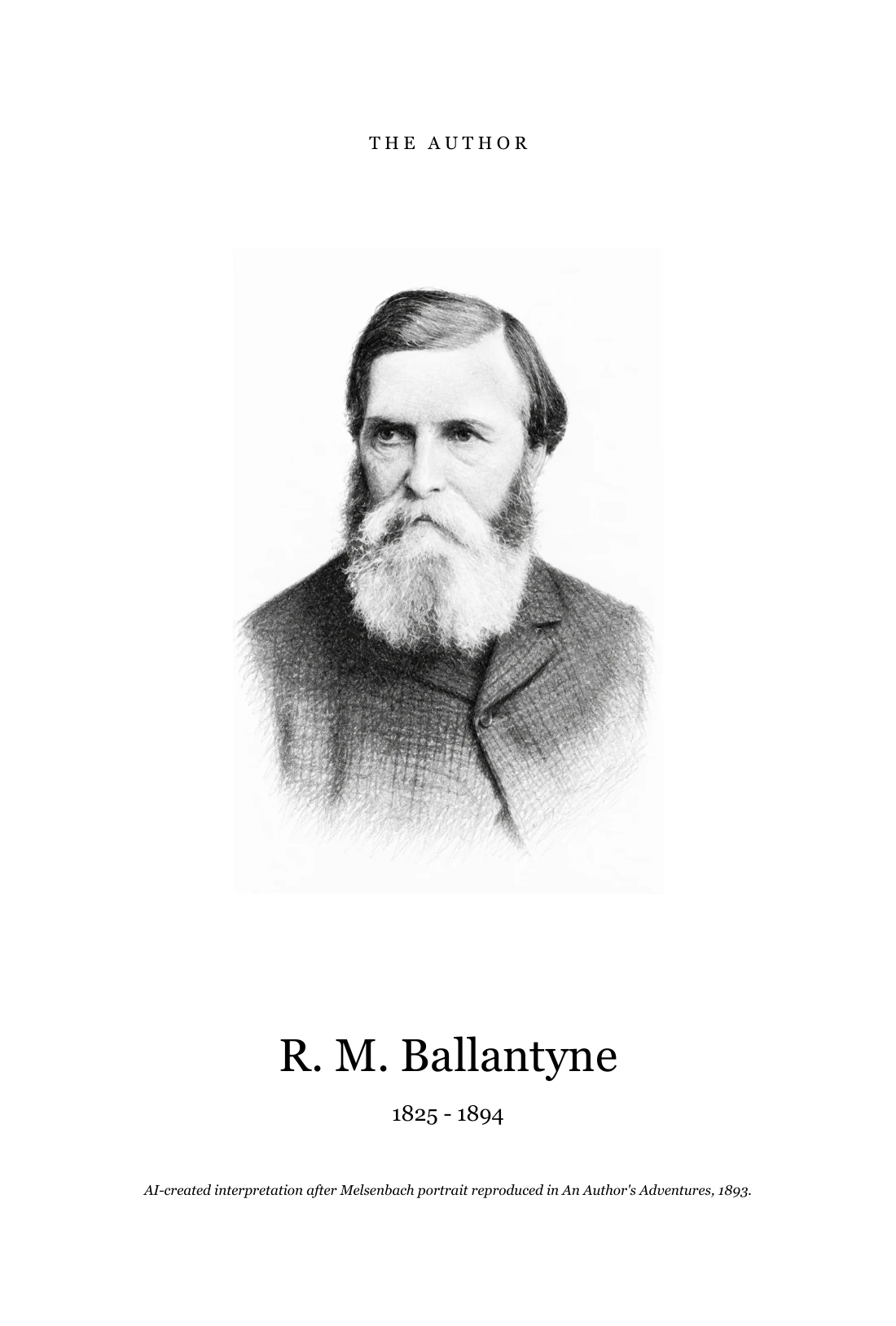
R. M. Ballantyne got the coconuts wrong. In The Coral Island (1857) he described them as soft and easy to open, and when he learned of the mistake he resolved to write only about things he had experienced himself. It is a good story to tell a child before reading the book: the author of a famous South Seas adventure had never been to the South Seas.
The best sea adventure books for kids mix that kind of armchair daring with real salt and danger. Here are the classics we would choose for young readers, from pirate yarns for nine-year-olds to gentle underwater fantasies for younger listeners, with a note on who each one suits.
The great sea adventure books for kids
Treasure Island
1883. Jim Hawkins, a sea chest, a treasure map and the smooth-talking cook Long John Silver. The pirate story every later pirate story borrows from. Best from about nine as a read-aloud, ten or eleven alone.
The Coral Island
1857. Ralph, Jack and Peterkin are shipwrecked on a Pacific island and must build a life from coconuts, fish and ingenuity. Thrilling, but its portrait of Pacific Islanders as savages needs talking through with young readers.
The Sea Fairies
1911. Trot, a girl who lives on a cliff above the Pacific, and her friend Cap’n Bill, an old sailor with a wooden leg, are turned into merfolk and taken to visit the kingdoms under the sea. Gentle, funny and good for six and up.



How Treasure Island began
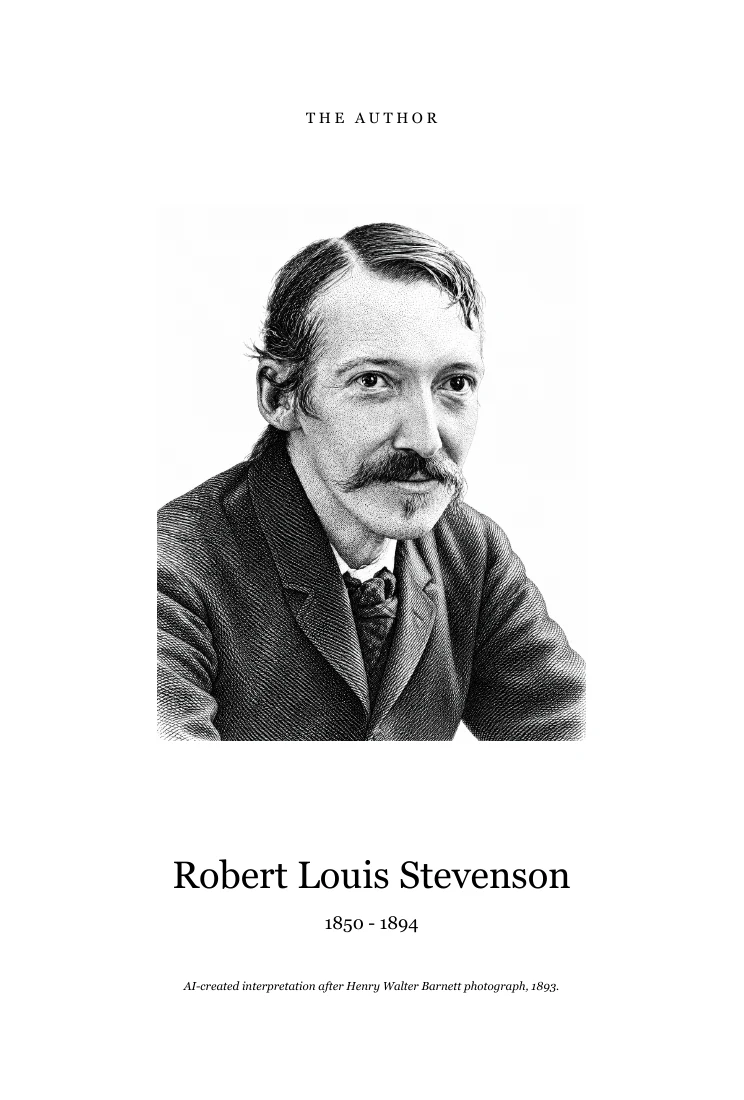
Treasure Island started with a picture. In the wet summer of 1881, stuck indoors at Braemar in Scotland, Robert Louis Stevenson drew a map of an imaginary island to amuse his thirteen-year-old stepson, Lloyd Osbourne, and a story grew out of it. It first ran as a serial in the children’s magazine Young Folks, under the pseudonym “Captain George North”, and became a book in 1883. The full story is in Did you know Treasure Island began with a map?
“…keeping nothing back but the bearings of the island, and that only because there is still treasure not yet lifted…”
Jim Hawkins, in the first sentence of Robert Louis Stevenson, Treasure Island (1883)
The book is genuinely frightening in places. Blind Pew tapping down the road and the black spot are the stuff of nightmares, so it is worth reading the first chapters aloud with older children before they go on alone.
Gentler voyages under the sea
Not every sea story needs cutlasses. Two classic fantasies take children below the waves instead, and they suit younger listeners who would find pirates too much.
Wet Magic
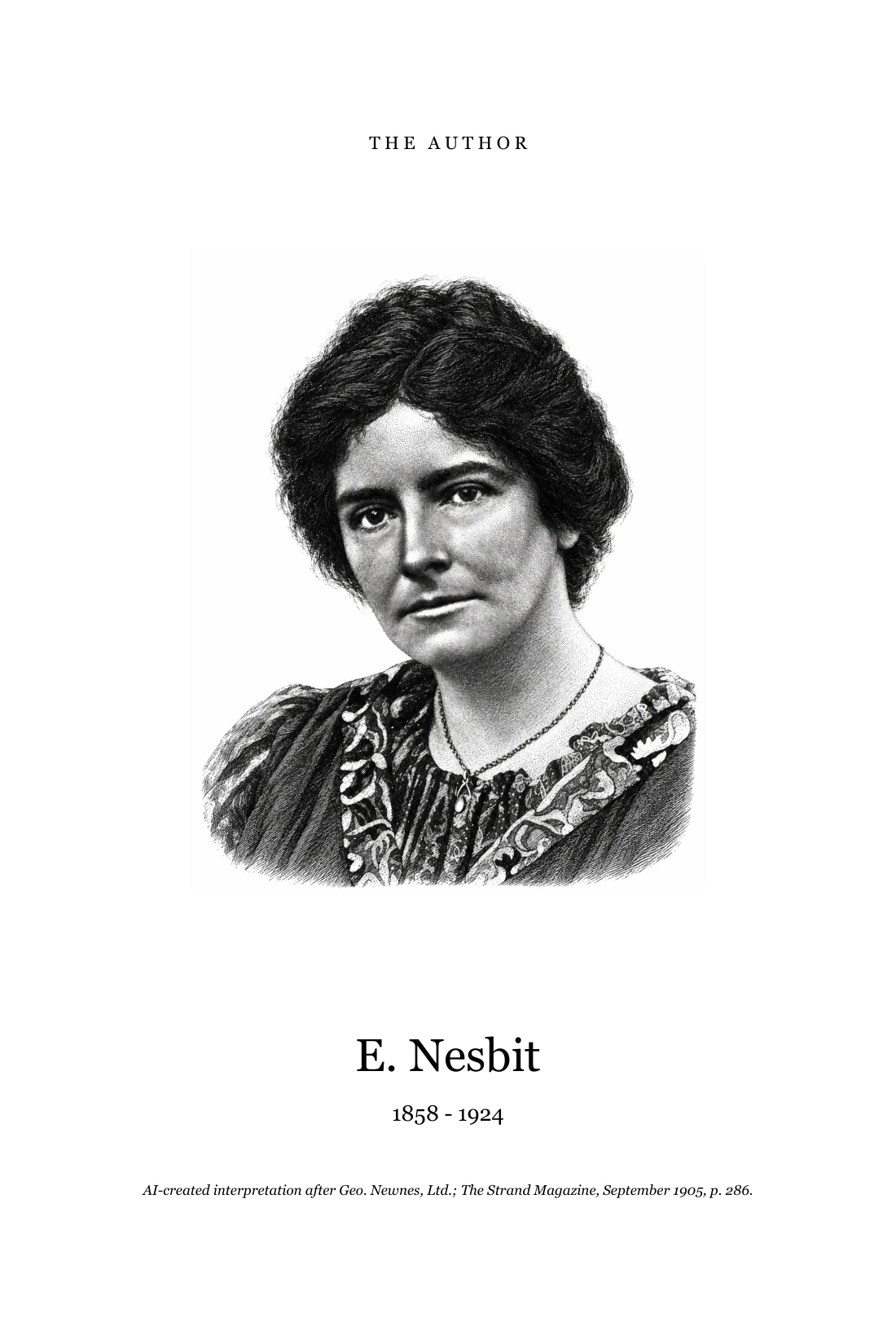
1913. Four children rescue a captured mermaid who is about to be put on show at a circus, and are drawn into a war beneath the sea. One of Nesbit’s last children’s books, and one of her least known.
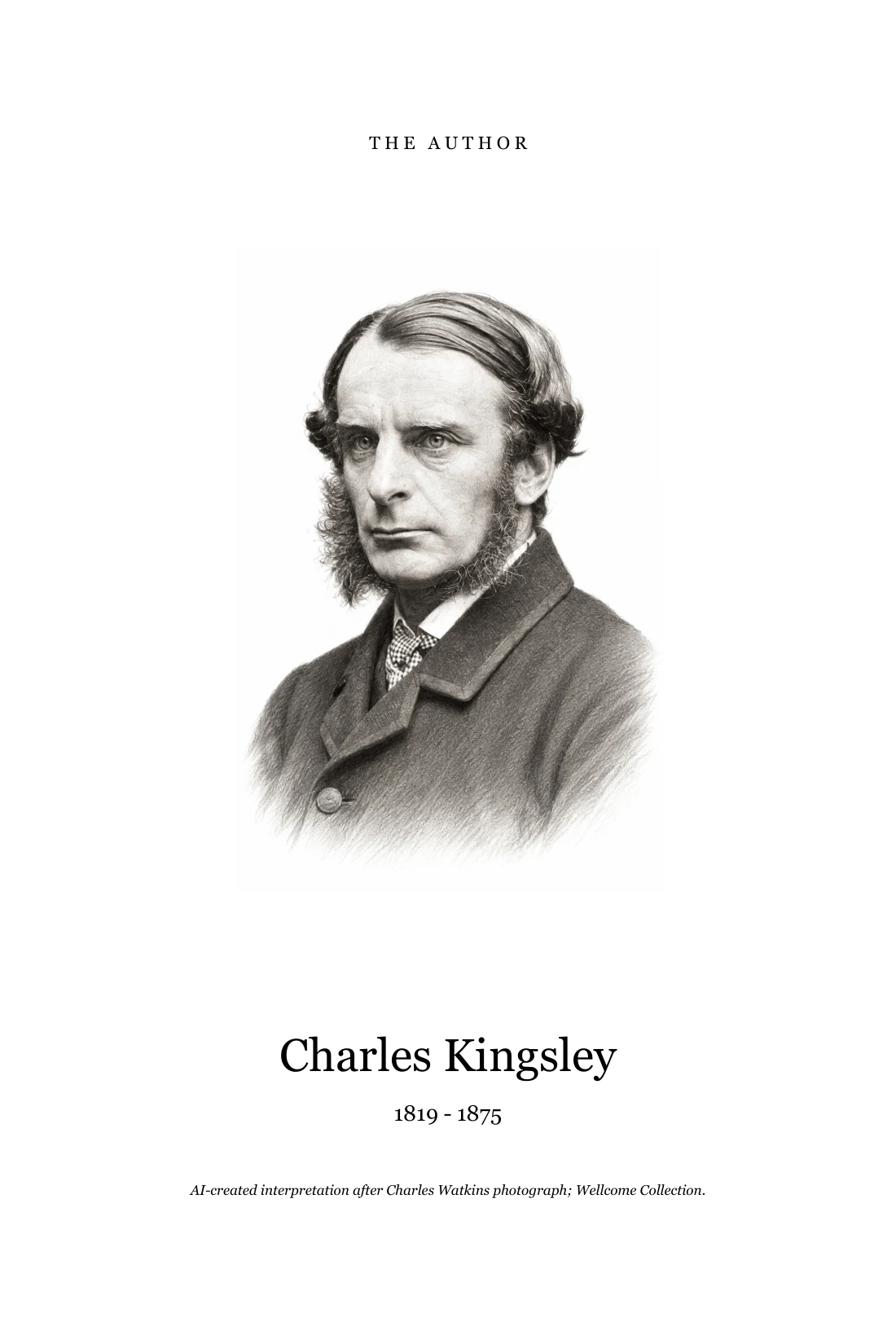
The Water-Babies
1863. Tom, a little chimney sweep, becomes a water-baby and journeys down the river to the ocean. Kingsley’s strange, preachy, beautiful fantasy, best enjoyed in chosen chapters.


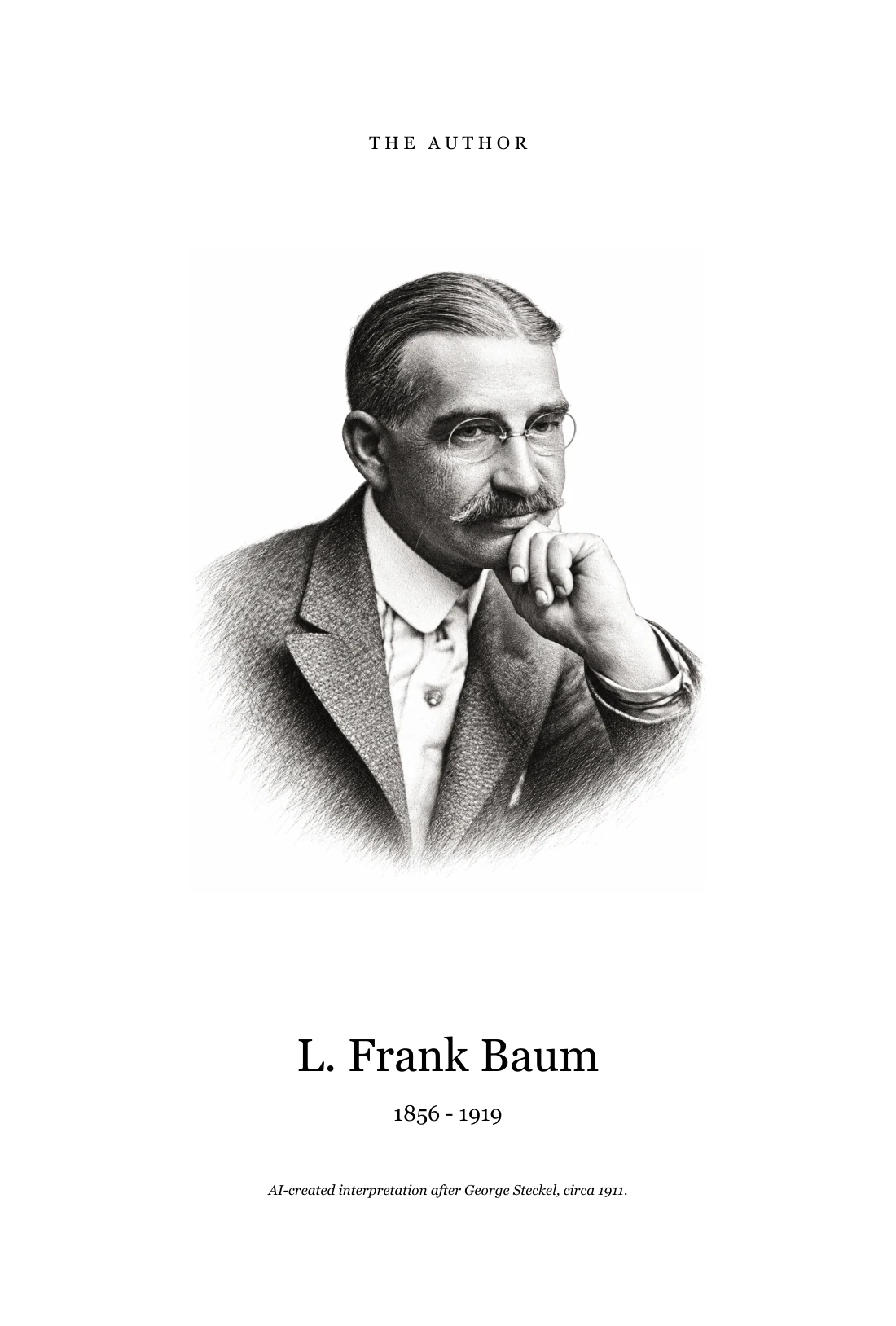
L. Frank Baum wrote The Sea Fairies as the start of a new series when he was trying to escape Oz, and Trot and Cap’n Bill later travelled to Oz itself. Their adventures are traced in Trot and Cap’n Bill: L. Frank Baum’s other heroes. The undersea villain, Zog, is one of the few truly wicked characters Baum ever wrote, which children tend to enjoy enormously.

Shipwrecks and castaways
The Swiss Family Robinson
1812. A Swiss pastor, his wife and four sons are shipwrecked and turn their island into a farm, with a menagerie that no real island could hold. Written by Johann David Wyss to teach his own sons.
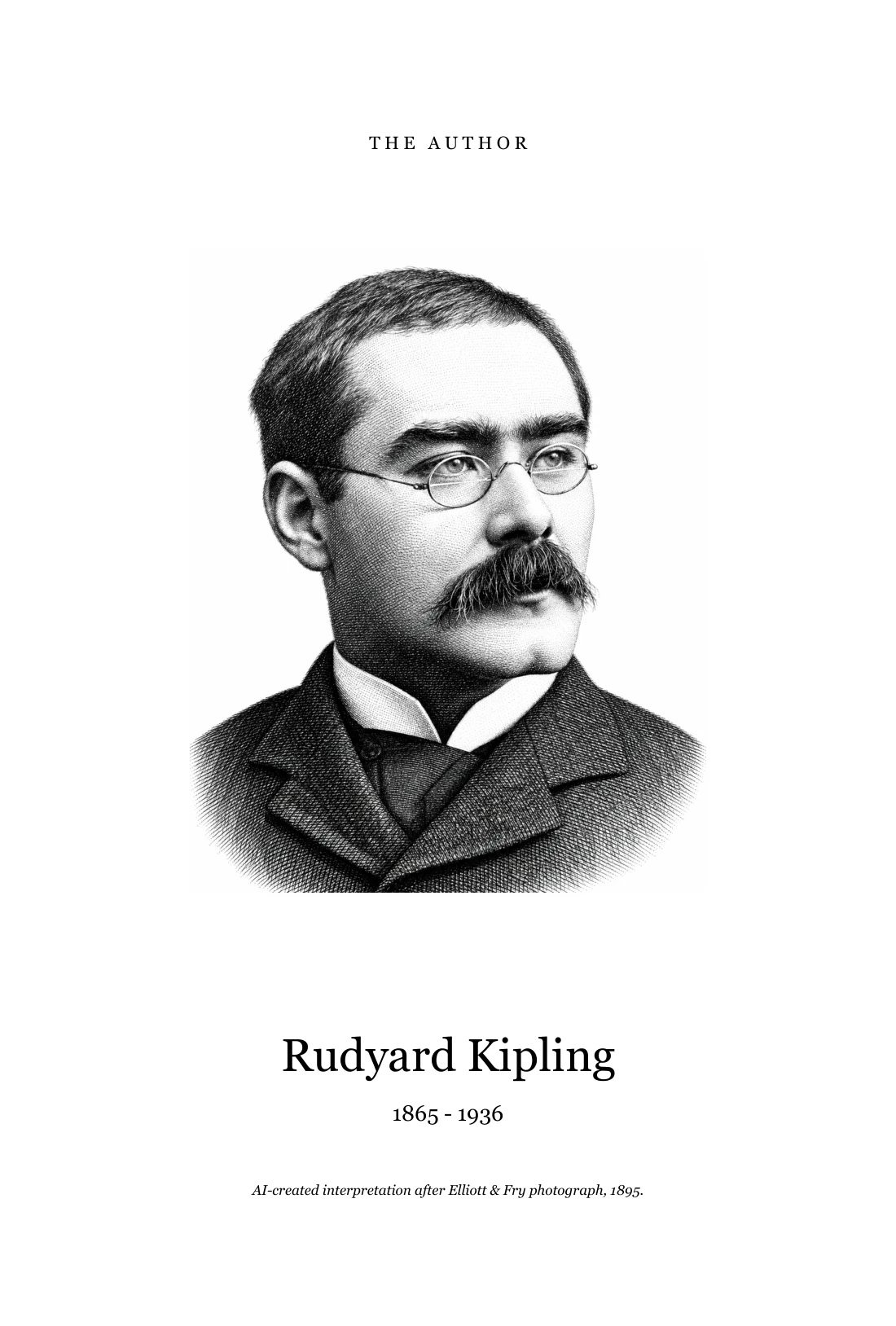
Captains Courageous
1897. A spoiled rich boy falls overboard from a liner and is picked up by a fishing schooner off the Grand Banks, where he has to work for his keep. Kipling’s best book for the ten-to-thirteen age group.
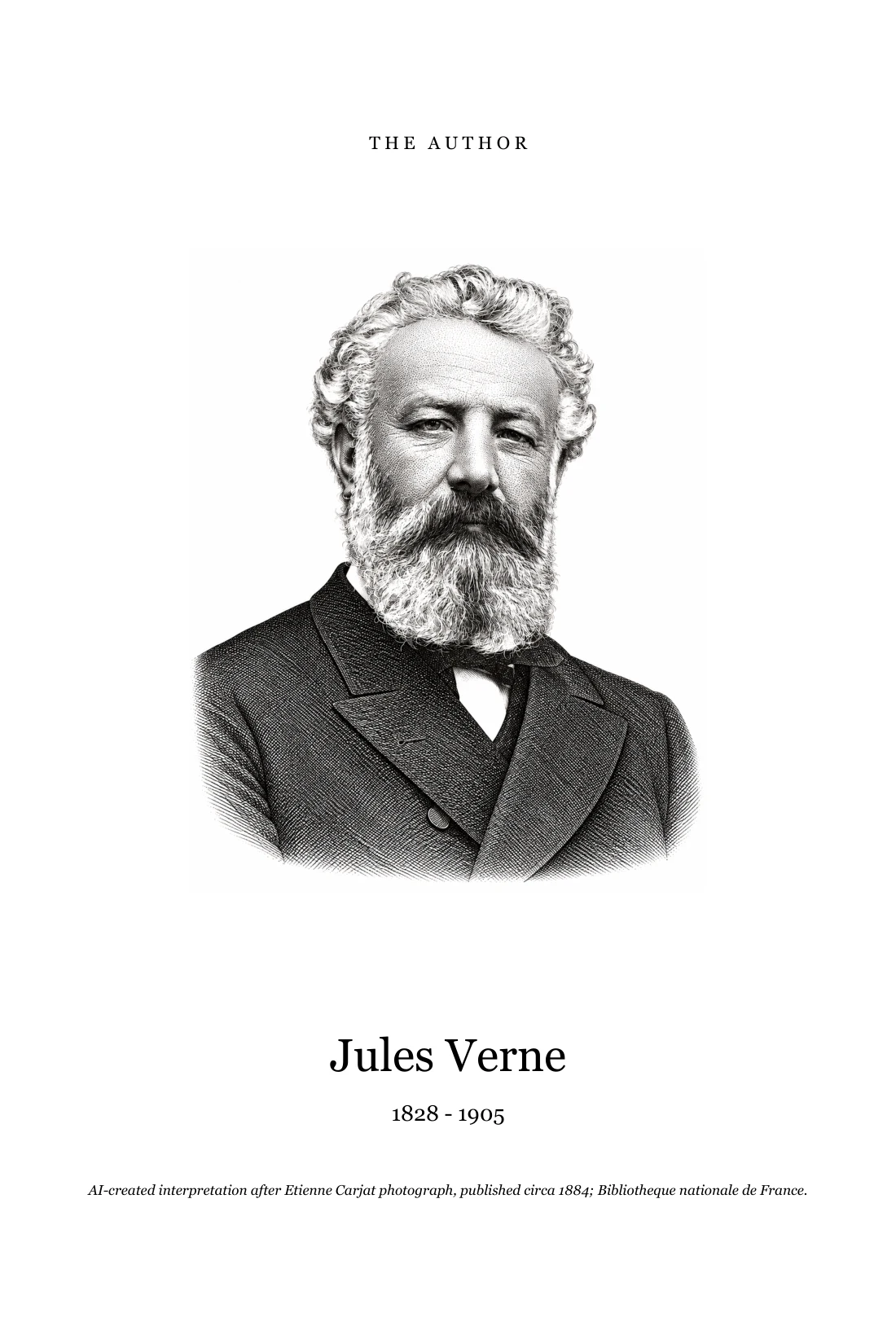
Twenty Thousand Leagues Under the Sea
1870. Captain Nemo, the submarine Nautilus and a voyage through the world’s oceans. Long, but full of giant squid and sunken Atlantis; good for keen readers of eleven and up.


Wyss’s book was literally a family project: his son Johann Rudolf edited it and another son illustrated it, as Did you know The Swiss Family Robinson was written for a pastor’s sons? explains. Verne’s title, meanwhile, puzzles every child who reads it, a mystery solved in Did you know Twenty Thousand Leagues Under the Sea is a distance, not a depth?
Which sea adventure should your child read first?
- Age six to eight, read aloud: The Sea Fairies, or Wet Magic.
- Age eight to ten: The Swiss Family Robinson and The Coral Island, ideally with a grown-up nearby.
- Age nine and up: Treasure Island, the best of them all.
- Age eleven and up: Captains Courageous and Twenty Thousand Leagues Under the Sea.
For more pirates, see Classic pirate novels, and for grown-up voyages, The greatest sea stories ever written. But for a first voyage, nothing beats a map with an X on it. Start with Treasure Island.
Questions readers ask
What are good classic sea adventure books for kids?
Treasure Island is the classic pirate adventure. The Coral Island, The Swiss Family Robinson and Captains Courageous are good for older children, while L. Frank Baum’s The Sea Fairies and E. Nesbit’s Wet Magic suit younger readers.
What age is Treasure Island suitable for?
It works well as a read-aloud from about nine, and most confident readers can manage it alone from ten or eleven. Some scenes are frightening, so younger children may prefer to hear it with an adult.
Is The Coral Island suitable for children today?
Yes, with some guidance. It is an exciting survival story, but its Victorian portrayal of Pacific Islanders as cannibals and savages is offensive by modern standards and is worth discussing.