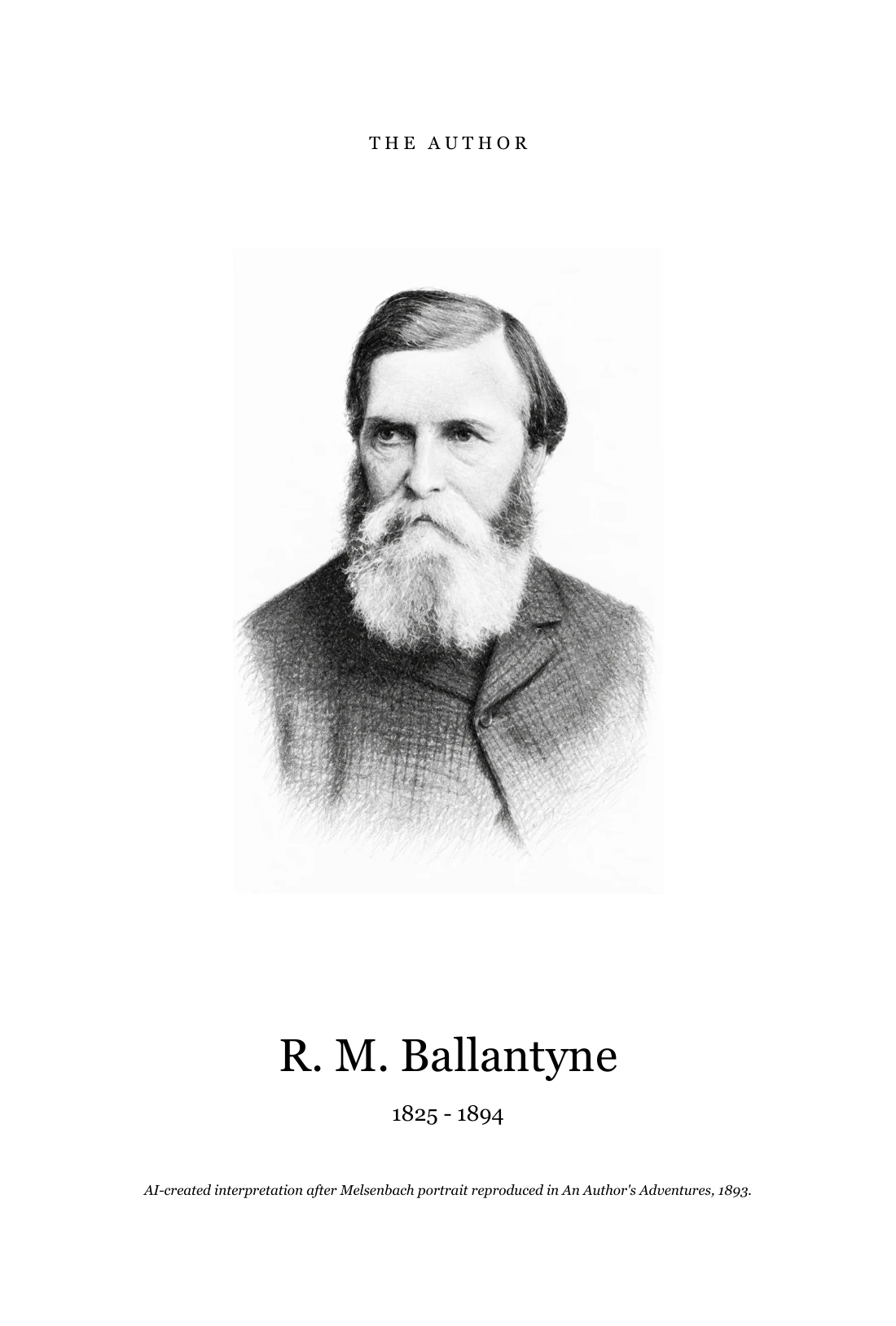
R. M. Ballantyne had never been to the South Seas when he wrote The Coral Island, and it showed. He got the coconuts wrong, describing them as far softer and easier to open than any real castaway would find them. When he learned of the mistake, he set out to know his subjects at first hand, and later lived with the keepers of the Bell Rock lighthouse before writing The Lighthouse.
That mix of wild invention and earnest instruction runs through all the great Victorian adventure books for kids. They were written to thrill children and improve them at the same time, and they range from the cosily educational to the genuinely violent. So the five below are ranked roughly by the age we would suggest, starting with the gentlest.
Five classic adventure books for kids, by age
- $17.99
The Swiss Family Robinson
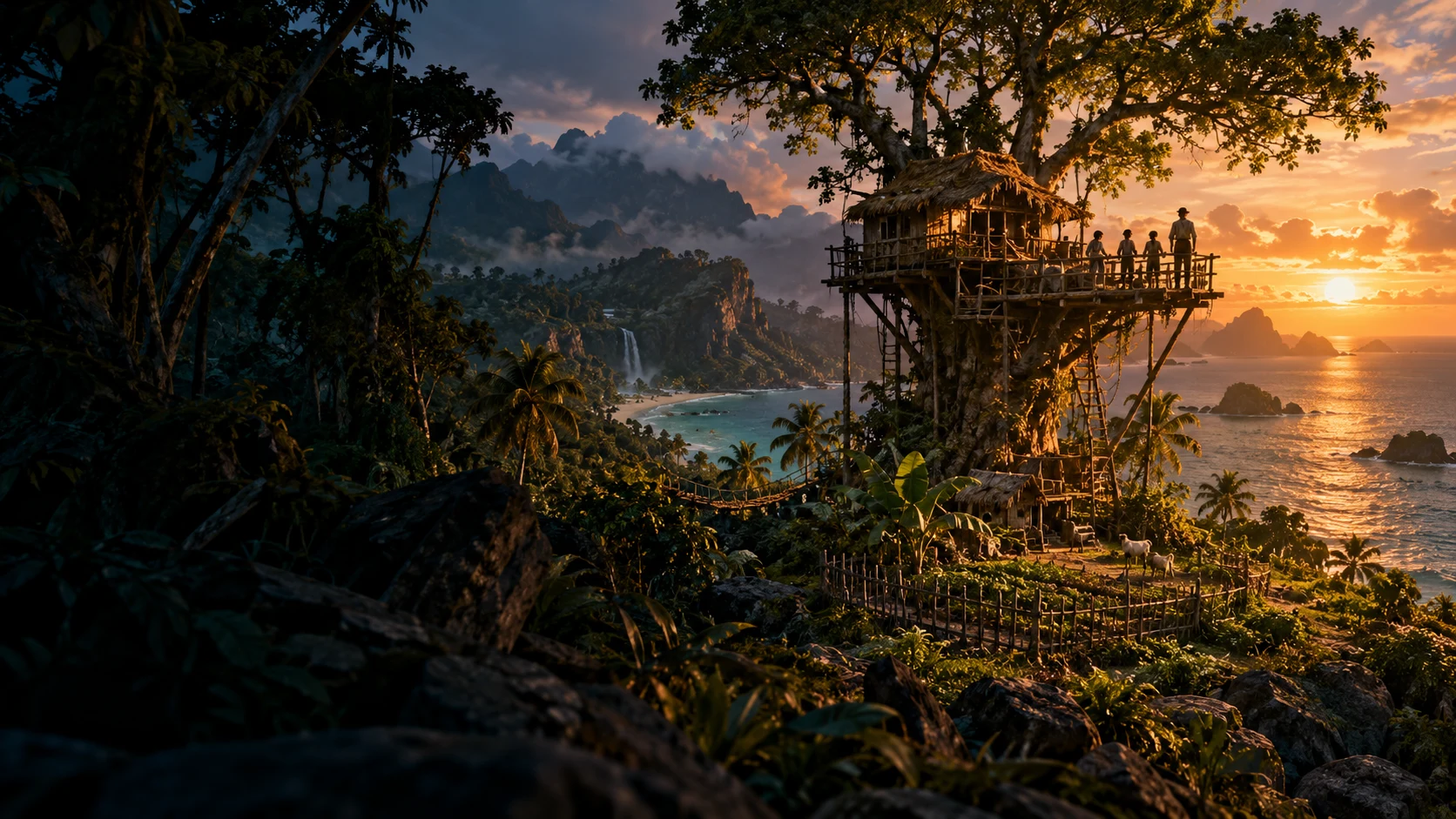
1812. A pastor, his wife and four sons are shipwrecked and build a whole new life, tree-house included. More practical handbook than thriller, and best for 8 and up, read aloud in instalments.
- $15.99
The Adventures of Tom Sawyer
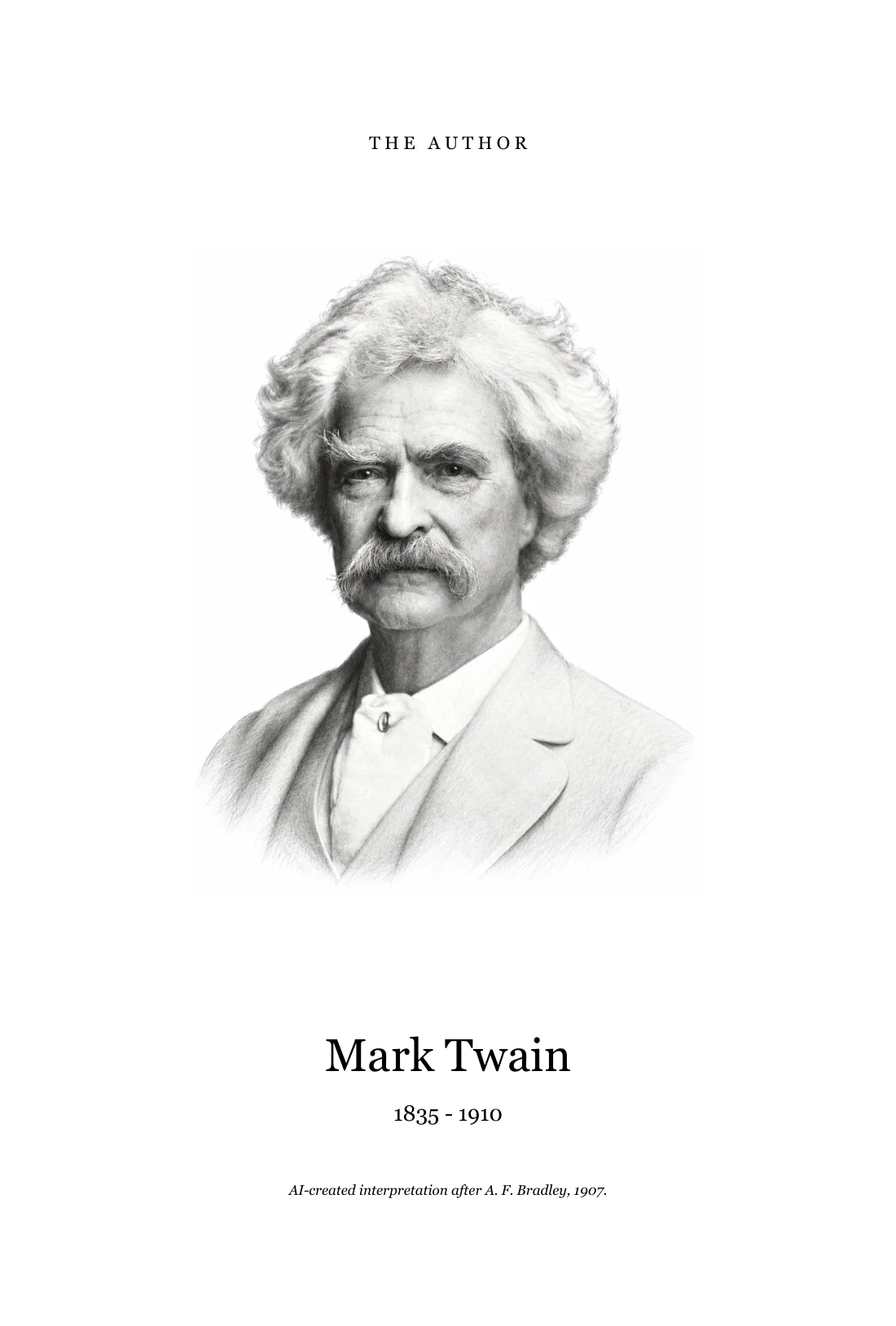
1876. Whitewashed fences, a raft, a graveyard at midnight and a cave. Mark Twain’s Mississippi boyhood, with real menace in it. Ages 9 and up.
- $14.99
Treasure Island
1883. The essential sea story: buried gold, a crew that turns pirate and a cook who may be the best villain in children’s fiction. Ages 9 and up.
- $16.99
Kidnapped
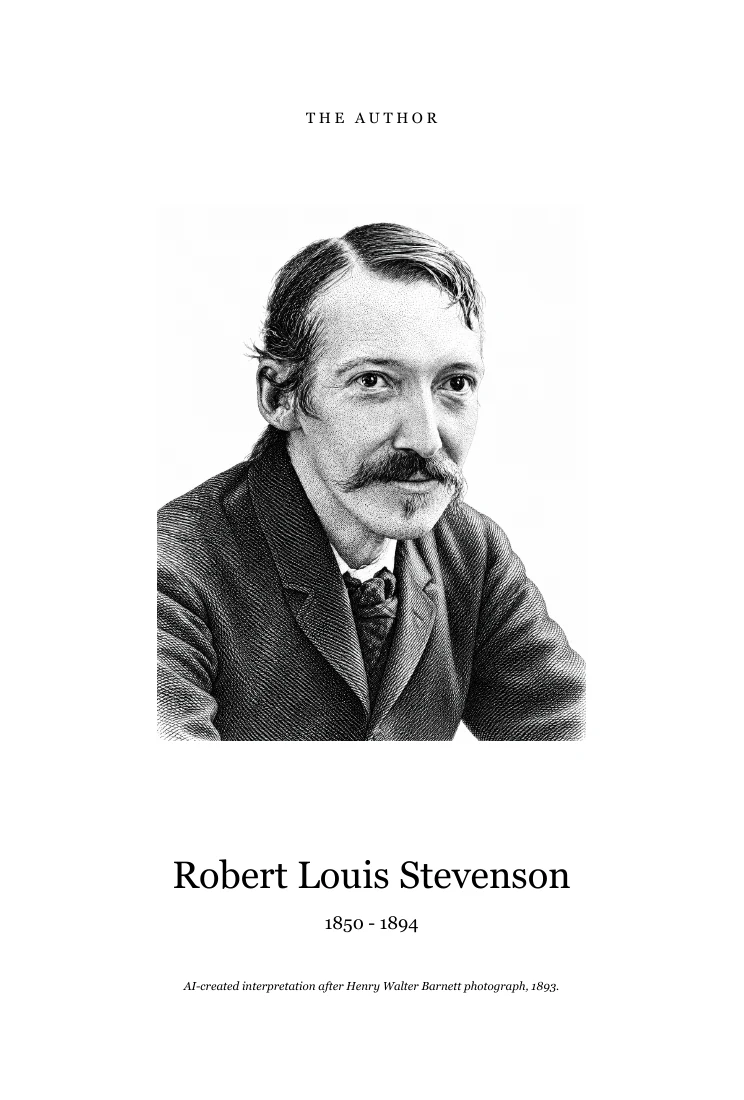
1886. A Lowland boy, a Jacobite outlaw and a flight across the Highlands after a real murder. Stevenson’s finest pairing of characters. Ages 11 and up.
- $15.99
The Coral Island
1857. Three boys alone on a Pacific island, from paradise to pirates. A historical curiosity as much as a story, and the book Lord of the Flies answers. Ages 12 and up, with discussion.



The gentle end: building a new world
Johann David Wyss wrote The Swiss Family Robinson for his own sons, as a way of teaching them natural history, farming and self-reliance, and his son Johann Rudolf edited it for publication in 1812. Every chapter is a problem solved: how to land the animals, how to build a house in a giant tree, how to make candles. Readers who love making dens and lists will adore it. Be aware that English versions vary a great deal; a French adaptation added whole new adventures, and translations have been expanded and cut ever since. Depending on the version, the island’s improbable zoo can include jackals, monkeys, flamingos, buffalo, penguins and kangaroos, and the family shoots a good many of them. See Swiss Family Robinson was written for his sons.
The middle: adventure with a dark edge
Mark Twain opens The Adventures of Tom Sawyer with a promise to parents as well as children.
Although my book is intended mainly for the entertainment of boys and girls, I hope it will not be shunned by men and women on that account, for part of my plan has been to try to pleasantly remind adults of what they once were themselves.
Mark Twain, preface to The Adventures of Tom Sawyer (1876)
The first half is comedy: the fence, the Sunday school, the runaway pirates on Jackson’s Island who turn up at their own funeral. Then Tom and Huck witness a murder in a graveyard, and the book becomes a thriller ending in a cave. Parents should know that Twain uses the N-word in dialogue, and that the villain, Injun Joe, is drawn with the era’s contempt for Native Americans.
Treasure Island needs little introduction, but it rewards a nine-year-old differently from a twelve-year-old. Younger readers take Long John Silver at face value; older ones notice how much Jim likes him. The violence is real, but told with such pace that few children find it upsetting. More in where to start with Robert Louis Stevenson.

The older end: history and hard truths
Kidnapped is the book to give a twelve-year-old who loved Treasure Island. David Balfour, seventeen and newly orphaned, is sent by his miserly uncle to climb a tower stair in the dark, a stair that simply stops in mid-air. He is then shipped off on a brig bound for the Carolinas. On board he meets Alan Breck Stewart, a real Jacobite, and the two end up fleeing across the Highlands after witnessing the shooting of Colin Campbell of Glenure, the “Red Fox”, a real murder of 1752 that Stevenson moves back a year. On the voyage the drunken mate kills the cabin boy, Ransome, over a dirty mug, and it is a harrowing scene.
The Coral Island is the hardest to recommend without a caveat. Ralph, Jack and Peterkin’s first chapters on the island are a joy. The second half, with pirates and Pacific islanders, depicts cannibalism, the sacrifice of babies and violence against women, and presents the islanders as savages to be saved by missionaries. For a thoughtful teenager it makes a fascinating pair with William Golding’s Lord of the Flies (1954), which borrowed the names Ralph and Jack and turned the story inside out; see The Coral Island and Lord of the Flies.
Which adventure book first?
- For an eight-year-old who likes making things: The Swiss Family Robinson, read aloud.
- For a nine or ten-year-old who wants excitement: Treasure Island.
- For a reader who prefers funny to frightening: the first half of Tom Sawyer, then see how they feel about the cave.
- For a strong reader of eleven or twelve: Kidnapped.
For more, see family read-aloud adventures, classic summer reading for kids and the whole adventure shelf.
If you hand over one, make it Treasure Island. It is the adventure story the others are measured against, and the moment a child first hears the tap-tap of blind Pew’s stick on the frozen road is the moment they become a reader of adventure books.
Questions readers ask
What are the best classic adventure books for kids?
Classic adventure books for kids include Treasure Island, Kidnapped, The Adventures of Tom Sawyer, The Swiss Family Robinson and, for older readers, The Coral Island.
What age is Kidnapped suitable for?
Kidnapped suits confident readers of about eleven or twelve and up. It is longer and more historical than Treasure Island, and includes a shipboard killing and a real-life murder.
Is The Coral Island suitable for children?
With care. The first half is a gentle island adventure, but the second includes cannibalism, violence and racist depictions of Pacific islanders, so it is best for teenagers reading it with some context, perhaps alongside Lord of the Flies.
Does Tom Sawyer contain offensive language?
Yes. Twain uses a racial slur in dialogue, and the villain Injun Joe is a stereotype of Native Americans. Many families read it aloud and discuss these passages.