There is no family called Robinson in The Swiss Family Robinson. The German title, Der Schweizerische Robinson, means simply “The Swiss Robinson”: a Swiss version of Robinson Crusoe, the name by then standing for any castaway who builds a life from a shipwreck. The family in the book are not Robinsons at all; the films that call them that are borrowing from the title.
The other surprise is who it was written for. Johann David Wyss was a Protestant pastor in Bern, and he wrote the story between about 1794 and 1798 for his own children, with no thought of publishing it. It was a family entertainment with a purpose: a way to teach his boys natural history, farming, practical skill, self-reliance and faith, wrapped in an adventure they would want to hear.
Who wrote The Swiss Family Robinson?
Wyss was born in Bern in 1743. From 1766 he served as chaplain to a Bernese regiment abroad, became pastor at Seedorf in 1775, and two years later was appointed to the Bern Minster, the city’s great church. In 1803 he retired to his country estate at Köniz, outside the city. He died in 1818.
His family was gifted. His son Johann Rudolf Wyss became a professor of philosophy at Bern and wrote the words of Rufst du, mein Vaterland, long sung as an unofficial Swiss national anthem. Another son, Johann Emmanuel, was an artist and drew illustrations for the book. It was Johann Rudolf who, in 1812, decided his father’s old manuscript deserved an audience, and edited it for the press. The first volume appeared in Zurich that year, the second in 1813.
Why are there so many versions of The Swiss Family Robinson?
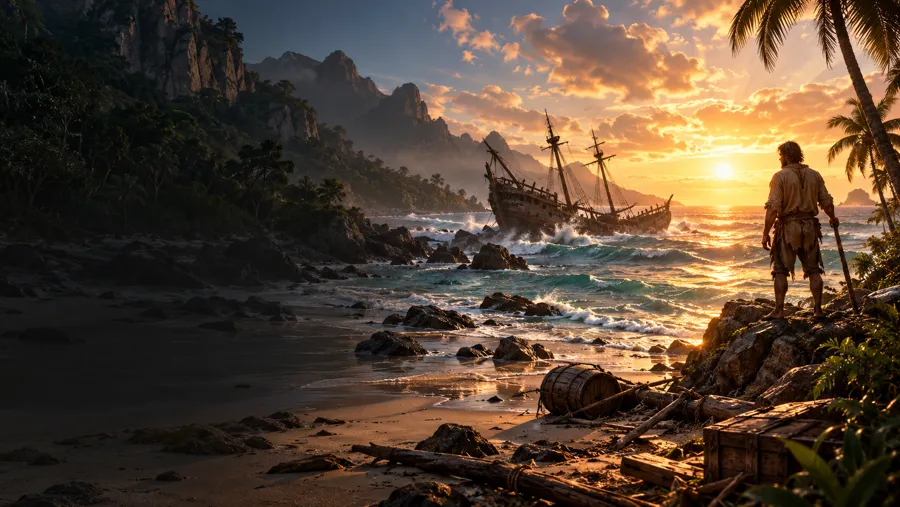
Because almost everyone who touched it added something. In 1814 the writer Isabelle de Montolieu produced a French adaptation and later wrote a continuation of her own, which Johann Rudolf approved, and further German volumes followed in 1826 and 1827. The first English translation came out in 1814 too, attributed to the philosopher William Godwin and published by his wife, Mary Jane Clairmont, though it already included some of Montolieu’s additions.
English versions multiplied through the nineteenth century, each trimming, expanding or rearranging. The best known is W. H. G. Kingston’s of 1879, which cut many of the father’s long moral lectures. Which story you read, and how it ends, depends a great deal on which translation you pick up. One nineteenth-century translator’s preface describes the book’s pull on its young readers:
Every young reader patronized either the noble Fritz, the studious Ernest, or the generous Jack, and regarded him as a familiar personal acquaintance.
Preface to a nineteenth-century English translation of The Swiss Family Robinson
Is the island in The Swiss Family Robinson realistic?
Not remotely, and it was never meant to be. The island is a teaching device, stocked with whatever a lesson needs. In the familiar English versions, penguins, kangaroos, buffalo, monkeys and flamingos share a landscape with sugar cane, rubber and breadfruit trees, a combination of animals and plants that could never have lived on a single island. For a father explaining the natural world to four boys, it was the perfect classroom.
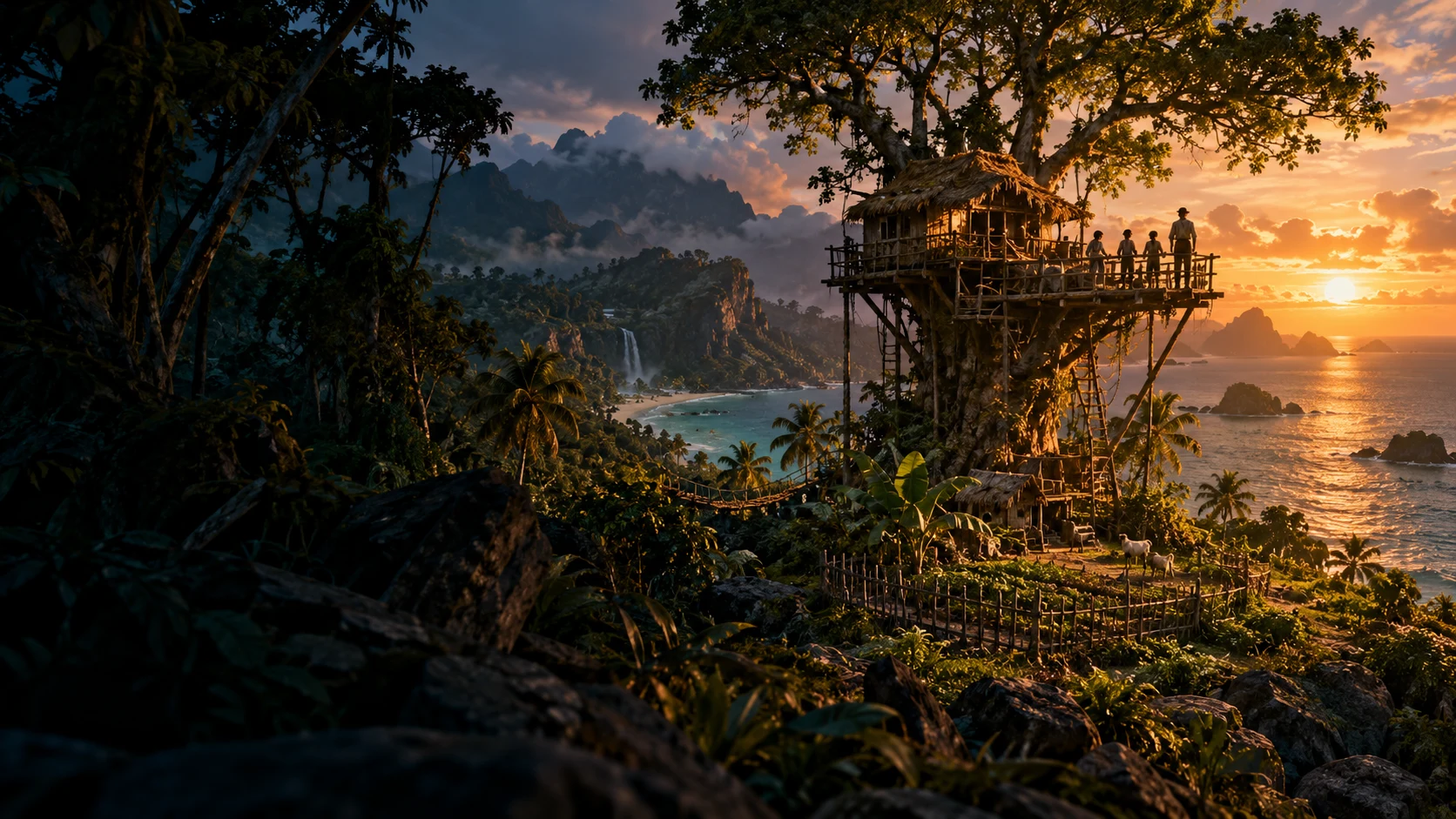
The same purpose shapes the story. Each chapter brings a new problem, whether shelter, food, tools or danger, and the family solves it by observation, ingenuity and hard work, before the father draws the moral. The famous treehouse is built that way. Modern readers will also notice the period attitudes: the family treats the island as theirs to claim, tame and harvest, and the wildlife is hunted freely.
The Swiss Family Robinson on screen
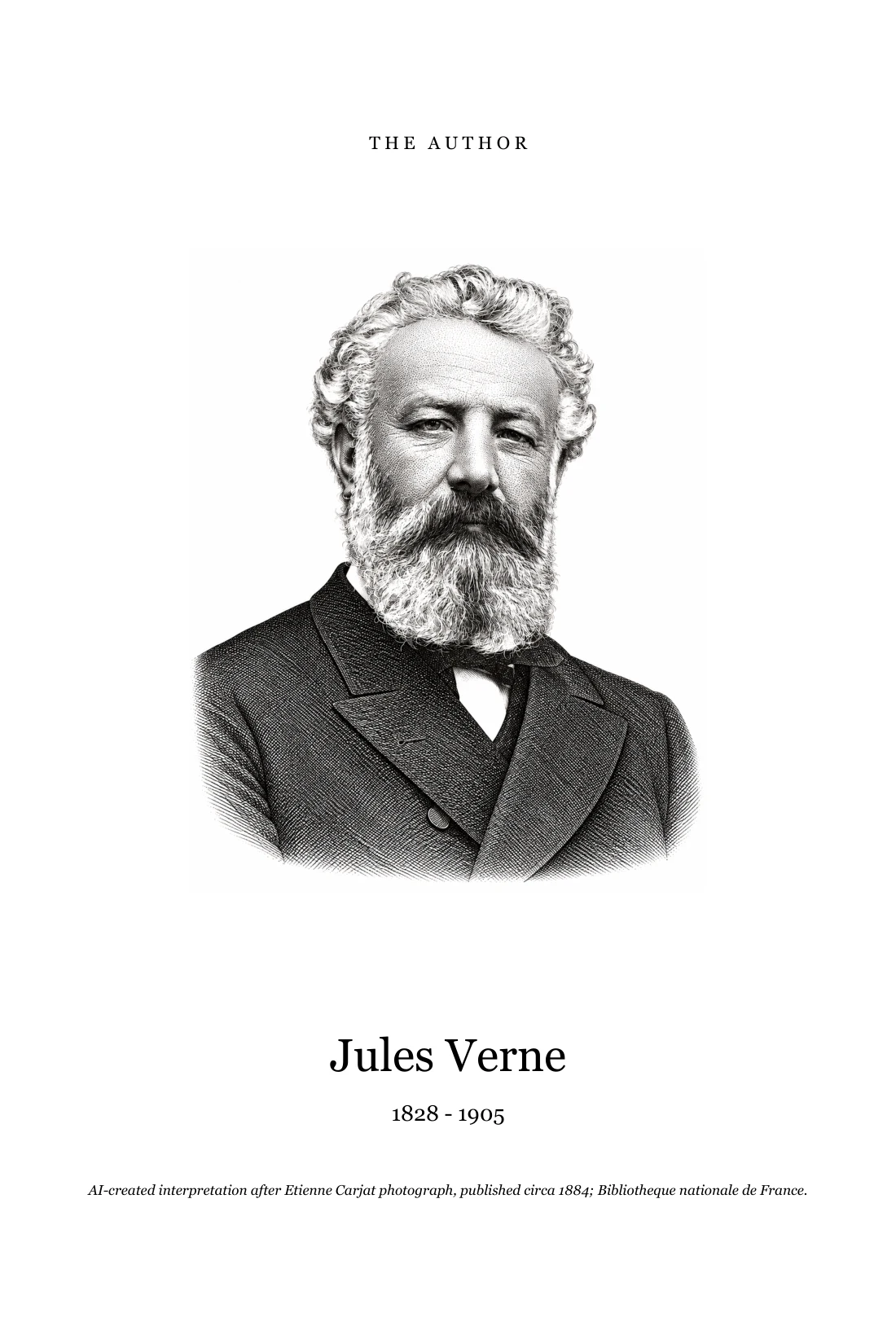
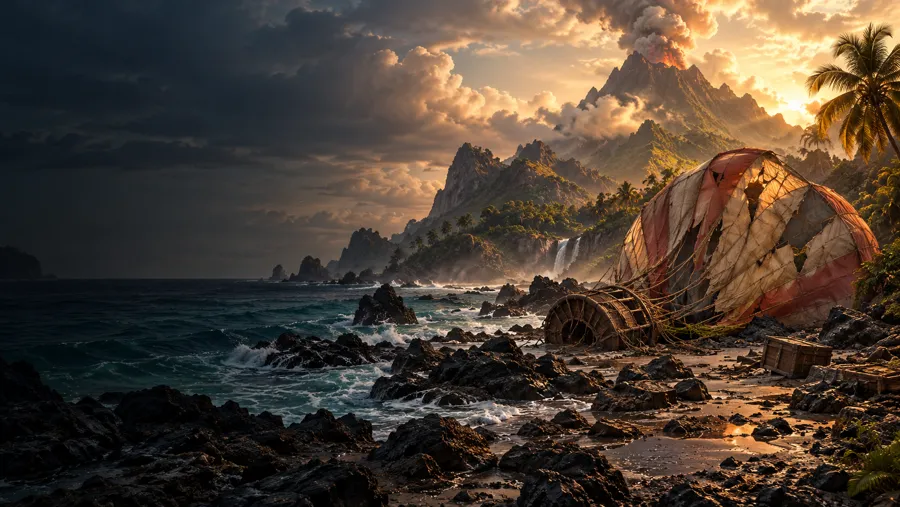
Walt Disney’s 1960 film, directed by Ken Annakin and starring John Mills and Dorothy McGuire, was shot almost entirely on the Caribbean island of Tobago and fixed the treehouse in popular memory. It also inspired the Swiss Family Treehouse, a walk-through attraction at several Disney theme parks. Jules Verne went so far as to write a sequel, The Castaways of the Flag, published in 1900.
The Swiss Family Robinson
1812. A shipwrecked Swiss family builds a home on a bountiful island, and every crisis becomes a lesson. Practical, pious and full of invention.
Robinson Crusoe
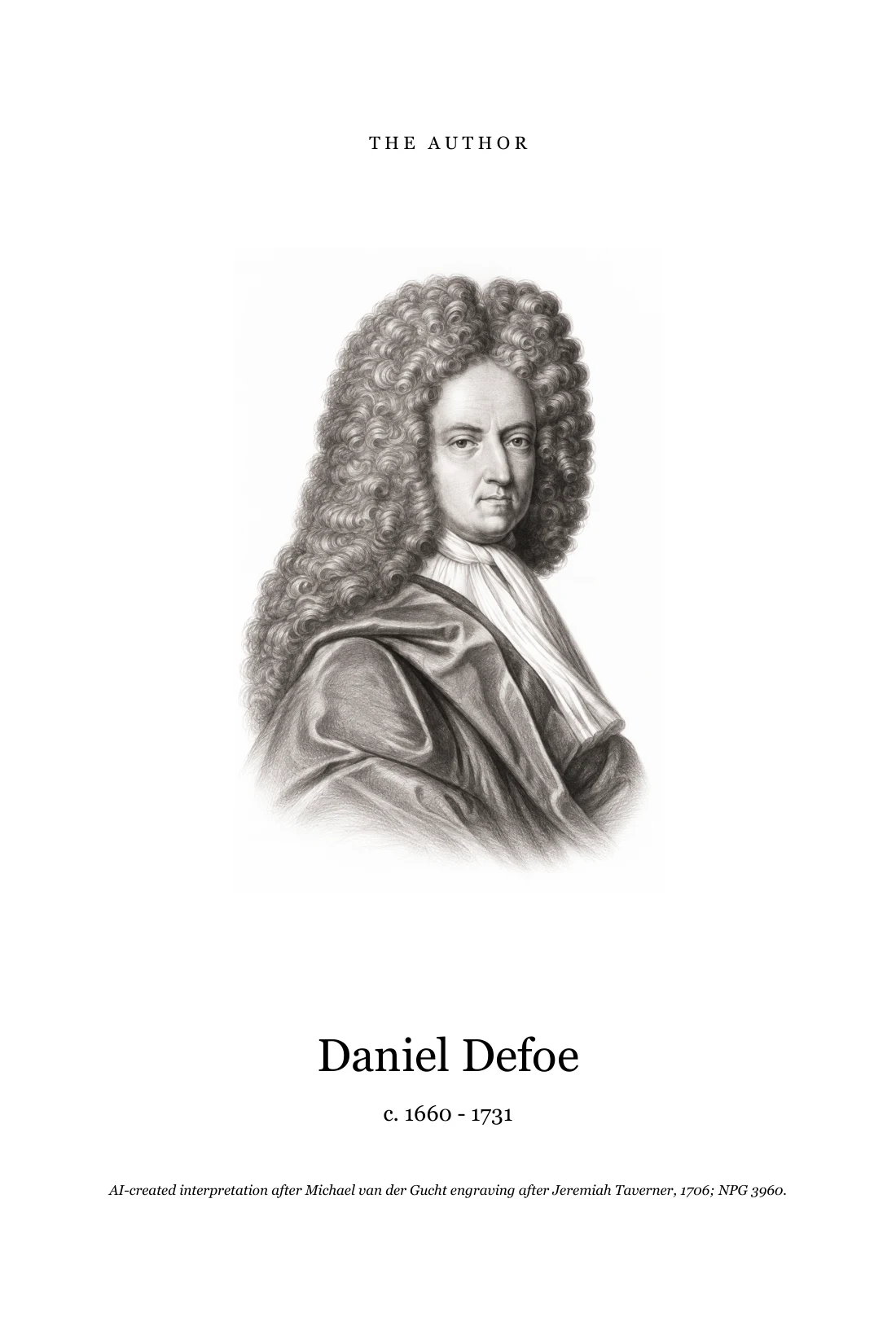
Daniel Defoe’s castaway, the book Wyss’s title salutes. One man alone, where Wyss gives you a whole family.
The Mysterious Island
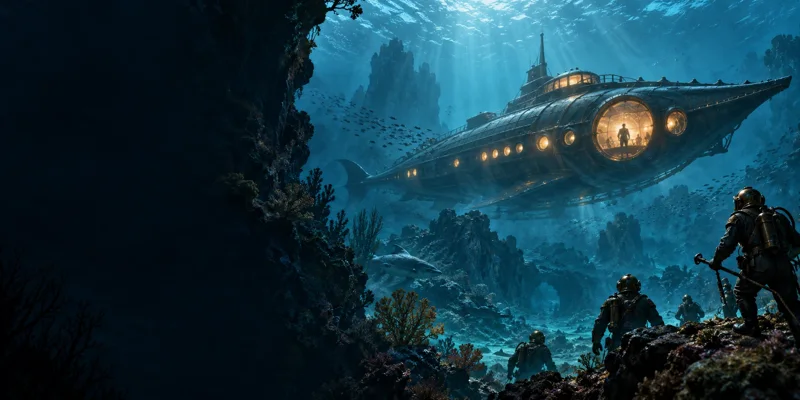
Jules Verne’s castaways engineer a civilisation on an unknown island. Verne later wrote his own sequel to Wyss; this is his grandest castaway novel.


Where to go next
The Robinsonade has a long line of descendants. Start with Did you know a real castaway may have inspired Robinson Crusoe?, follow the island story into darker waters with Did you know Lord of the Flies was written as an answer to The Coral Island?, and find more for young readers in Classic adventure books for kids. Another book that began as stories for a child is The Wind in the Willows.
Then try it as it was first heard: aloud, a chapter at a time. The Swiss Family Robinson was written by a father for his sons, and it still works best with someone listening.
Questions readers ask
Who wrote The Swiss Family Robinson?
Johann David Wyss, a Swiss pastor from Bern, wrote it for his children in the 1790s. His son Johann Rudolf Wyss edited it and published it in 1812–1813.
Why is it called The Swiss Family Robinson if no one is named Robinson?
The German title, Der Schweizerische Robinson, means “The Swiss Robinson”, after Robinson Crusoe. It marks the book as a castaway story; the family in the book are not called Robinson.
Which translation of The Swiss Family Robinson is best?
W. H. G. Kingston’s 1879 version is the best known in English and trims the long moral lectures. Older translations often include Isabelle de Montolieu’s additions, so versions differ in length and ending.