Classic animal books for kids come in two kinds. In some, like The Wind in the Willows and The Story of Doctor Dolittle, animals talk, dress and behave much like people. In others, like Black Beauty and The Call of the Wild, they are real animals in a real world that is often cruel to them. Both kinds are wonderful, but they suit very different readers.
Below are our favourites, from gentle to grim, with an honest note on age and anything that might upset a young reader. Animal stories are where many children first meet death in fiction, so it helps to know what is coming.
The best classic animal books for kids
The Wind in the Willows
1908. Mole, Rat, Badger and the irrepressible Toad on the riverbank. The cosiest book here; ages 6 and up as a read-aloud.
The Adventures of Maya the Bee
1912. A young bee leaves her hive to see the world, meets a crowd of insects and finds herself in real danger. Ages 6 and up.
The Story of Doctor Dolittle
1920. A country doctor learns to talk to his animals, thanks to a parrot called Polynesia. Ages 7 and up; read the note below first.
The Jungle Book
1894. Mowgli, raised by wolves and taught by Baloo and Bagheera, plus a mongoose’s battle with two cobras. Ages 8 and up.
Black Beauty
1877. A horse tells his own life story, from a happy youth in the meadow to hard labour on the London cabs. Ages 8 and up, with tissues nearby.
The Call of the Wild
1903. A pet dog is stolen and sold into the brutal world of the Klondike sled teams. Ages 11 and up; it is violent.
White Fang
1906. The Call of the Wild in reverse: a wild wolf-dog slowly comes in from the cold. Ages 11 and up.



Talking animals: the gentler classics
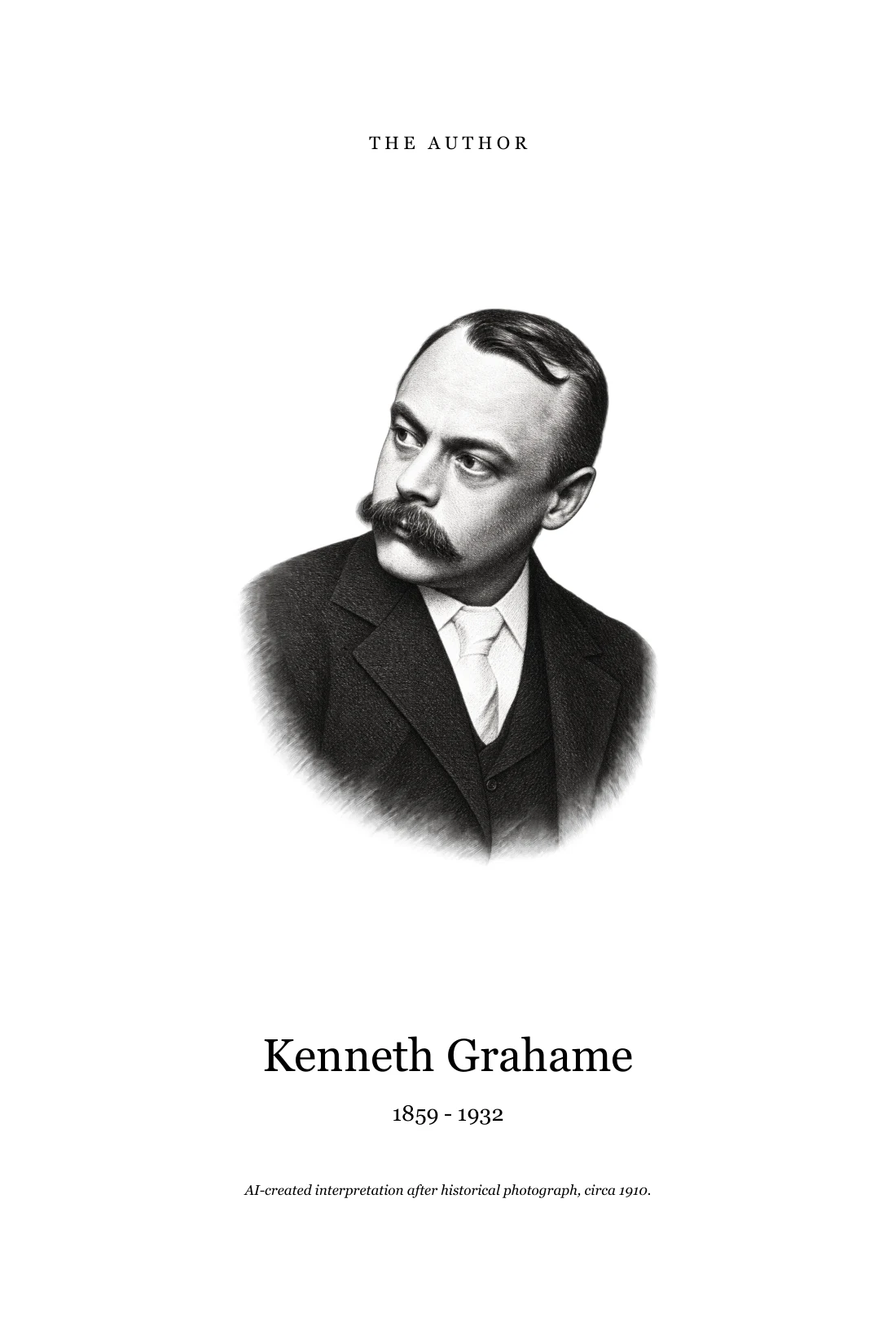
Kenneth Grahame’s riverbank is one of the most comforting places in fiction. Mole and Rat picnic, row and look after each other, while Toad crashes motor cars and escapes from prison dressed as a washerwoman. There is a scary night in the Wild Wood and a battle at the end, but nothing that keeps most six-year-olds awake.
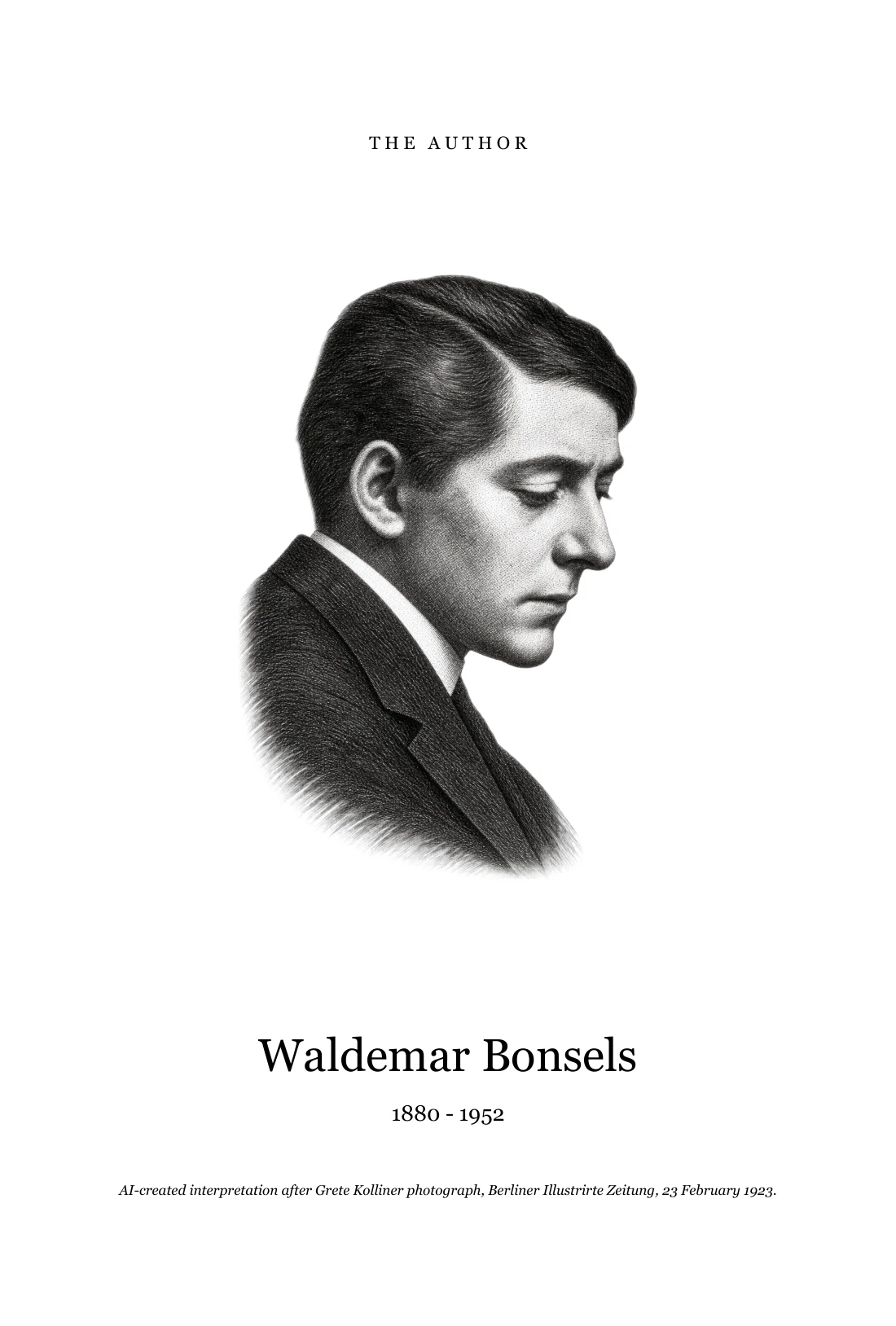
The Adventures of Maya the Bee by Waldemar Bonsels is far better known in Germany than in the English-speaking world. Maya’s meetings with beetles, flies and grasshoppers are full of close observation of nature, and some are frightening, above all her capture by hornets. Bonsels’s later record, including his antisemitism, is part of his story too, and his author page covers it honestly.
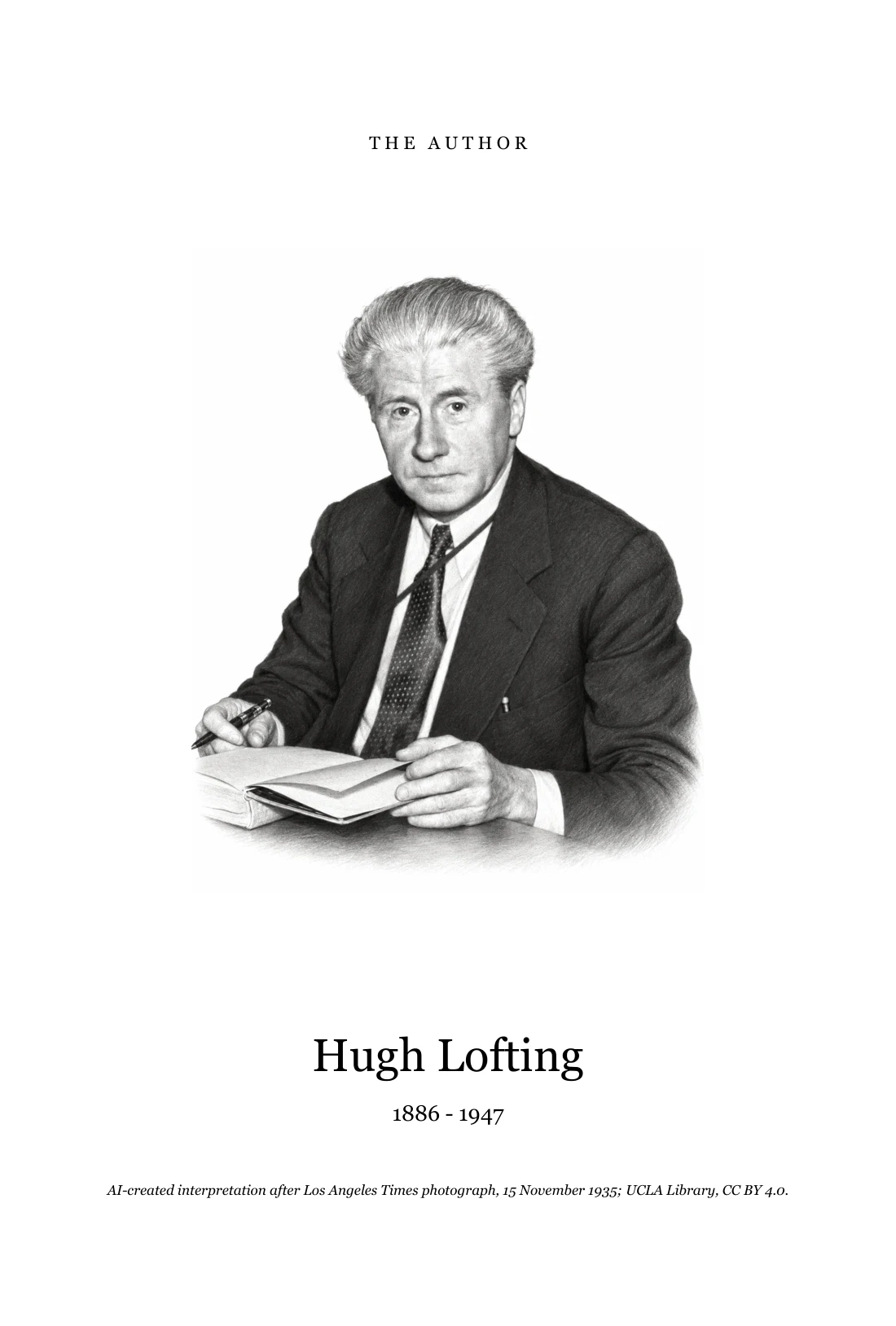
The Story of Doctor Dolittle is a joy for seven-year-olds: the two-headed pushmi-pullyu alone makes it worth reading. But Hugh Lofting’s original text includes a racist subplot about an African prince who wants to be made white, which later printings revised. Read ahead so you can decide how to handle it. The stories began in letters Lofting wrote home from the First World War; see Doctor Dolittle’s letters from the trenches.
Real animals: the classics that don’t look away
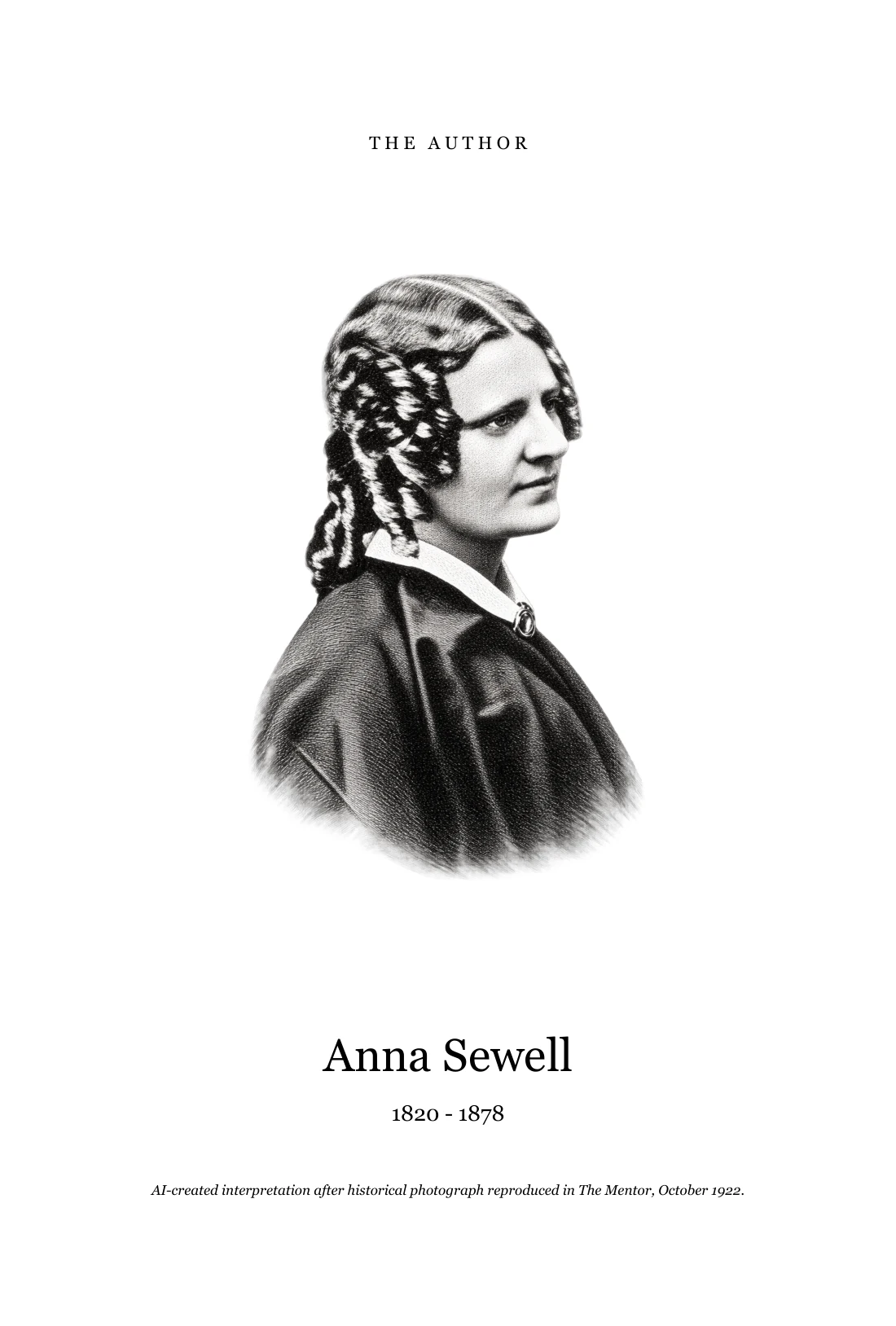
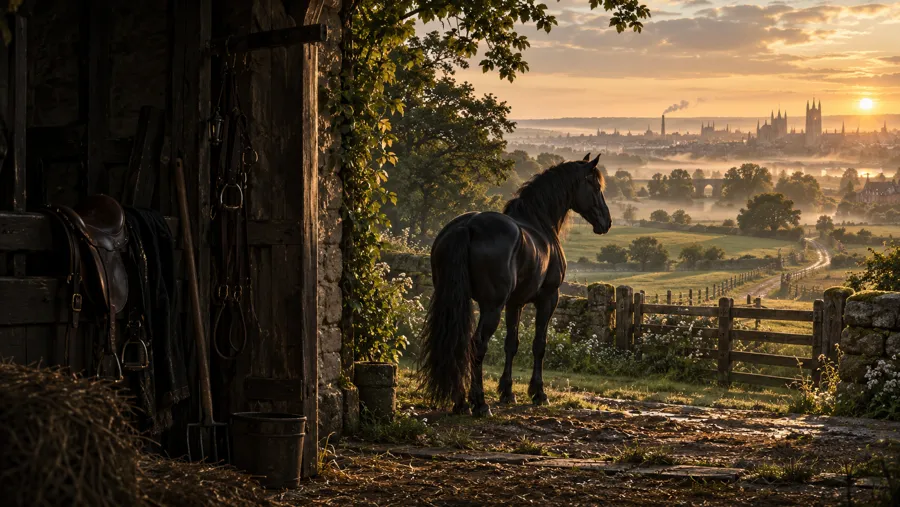
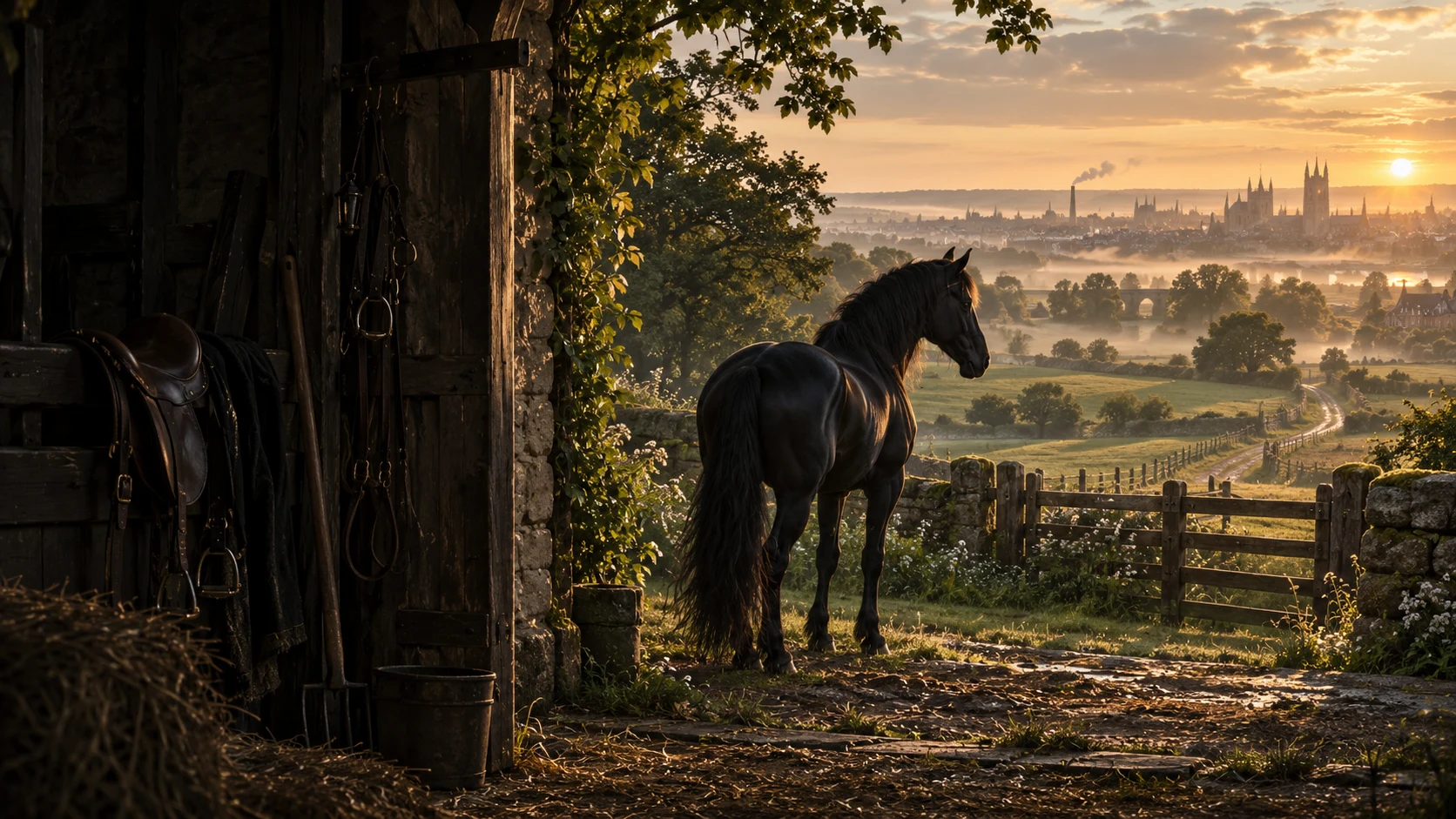
Anna Sewell wrote Black Beauty to encourage kinder treatment of horses, with the people who worked with them firmly in mind, and she died only months after it was published in 1877. It is narrated by the horse himself, and it opens in a place of complete safety.
The first place that I can well remember was a large pleasant meadow with a pond of clear water in it.
Anna Sewell, Black Beauty (1877)
From there, the book shows cruelty plainly: tight bearing reins, overwork, careless and drunken drivers. The story of Beauty’s friend Ginger is the hardest part, and many children will need a hug afterwards. The ending is a happy one. More in Black Beauty was written for horses.
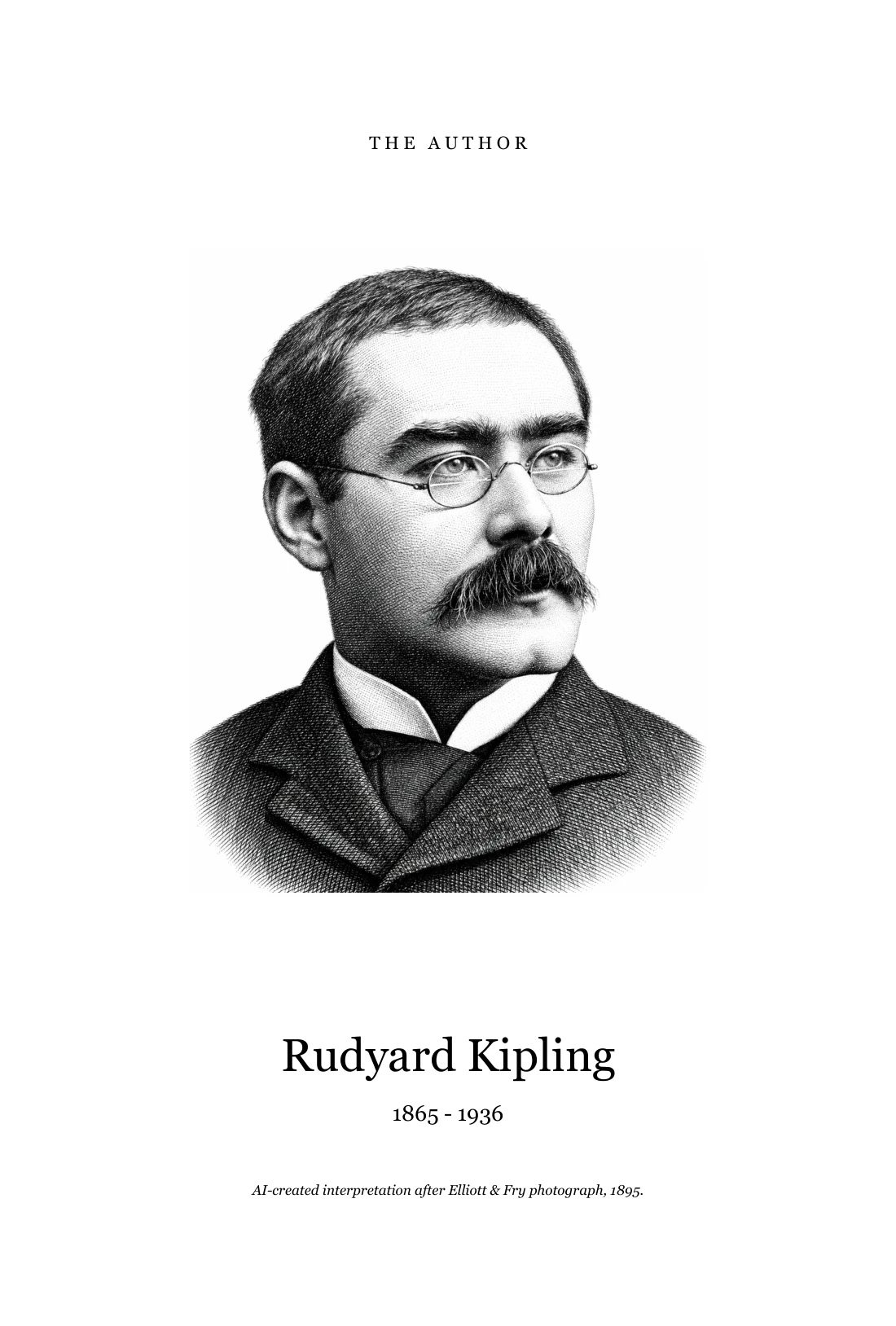
The Jungle Book sits between the two kinds. Rudyard Kipling’s animals talk, but they also hunt and kill, and the jungle has a Law that Mowgli breaks at his peril. “Rikki-Tikki-Tavi”, about a mongoose defending a family from cobras, is the best place for an eight-year-old to start.
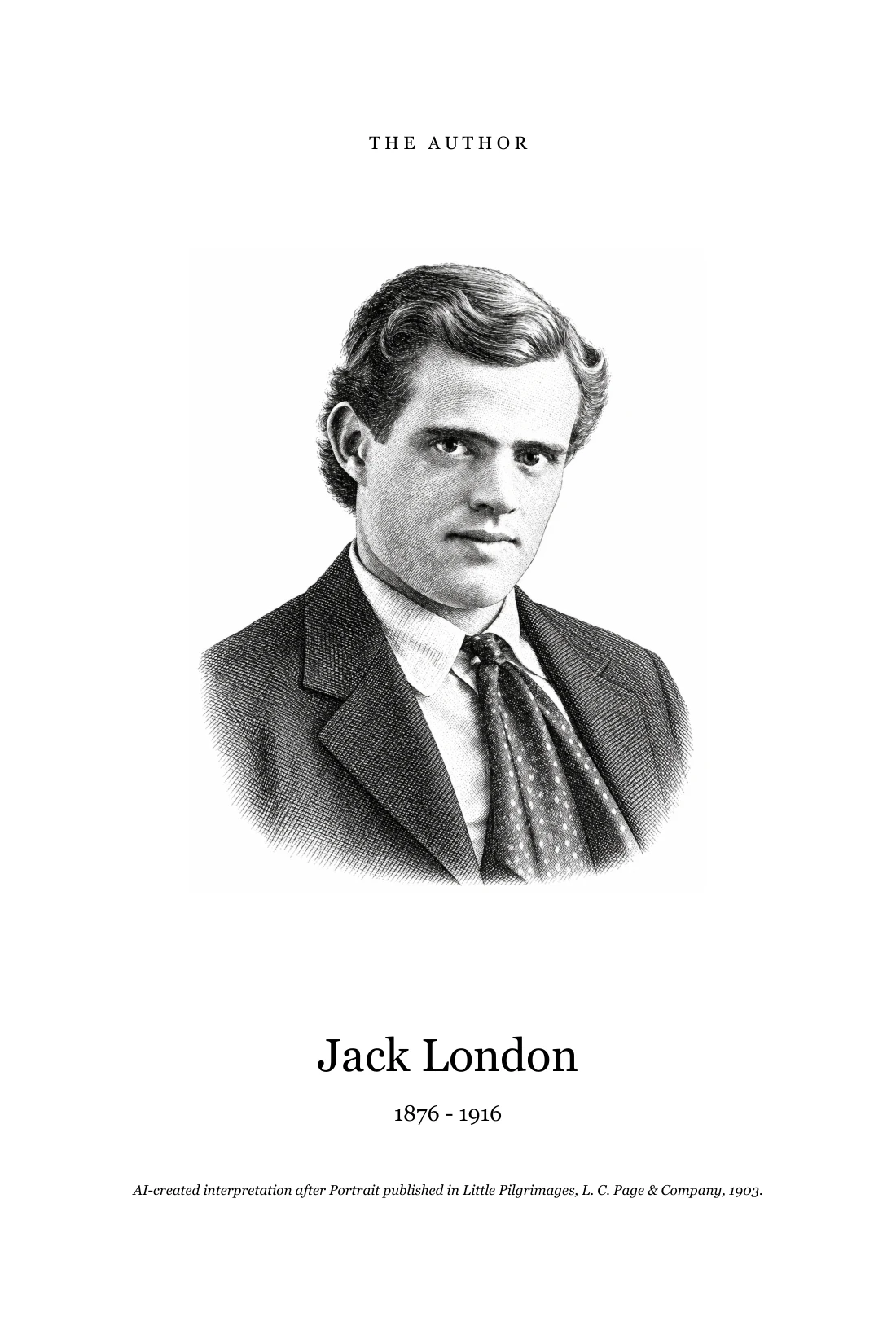
Jack London’s The Call of the Wild is for older children. Buck is beaten with a club, sees other dogs killed and learns to kill in turn, and some of the human characters are truly brutal. It is short and thrilling, and a strong choice for readers of eleven and up who have outgrown gentler animal stories. White Fang, its mirror image, has brutal dogfights of its own but ends in kindness.

Which animal story for which age?
- Ages 5–7: The Wind in the Willows read aloud, The Adventures of Maya the Bee and The Story of Doctor Dolittle.
- Ages 8–10: The Jungle Book and Black Beauty.
- Ages 11 and up: The Call of the Wild and White Fang.
For more books to share, see our classic bedtime stories to read aloud and the children’s shelf. And if you only pick one, make it Black Beauty. It was written to make its readers kinder to horses, and a century and a half later it still does the job.
Questions readers ask
What are the best classic animal books for kids?
The best-loved classic animal books for kids include The Wind in the Willows, Black Beauty, The Jungle Book, The Story of Doctor Dolittle and, for older children, The Call of the Wild.
Is Black Beauty sad?
Yes, in places. Black Beauty has a happy start and a happy ending, but the middle includes cruelty and the death of another horse, so younger readers may need some support.
What age is The Call of the Wild for?
It suits readers of about eleven and up. It is short but violent, with fights between dogs and harsh treatment by people.