
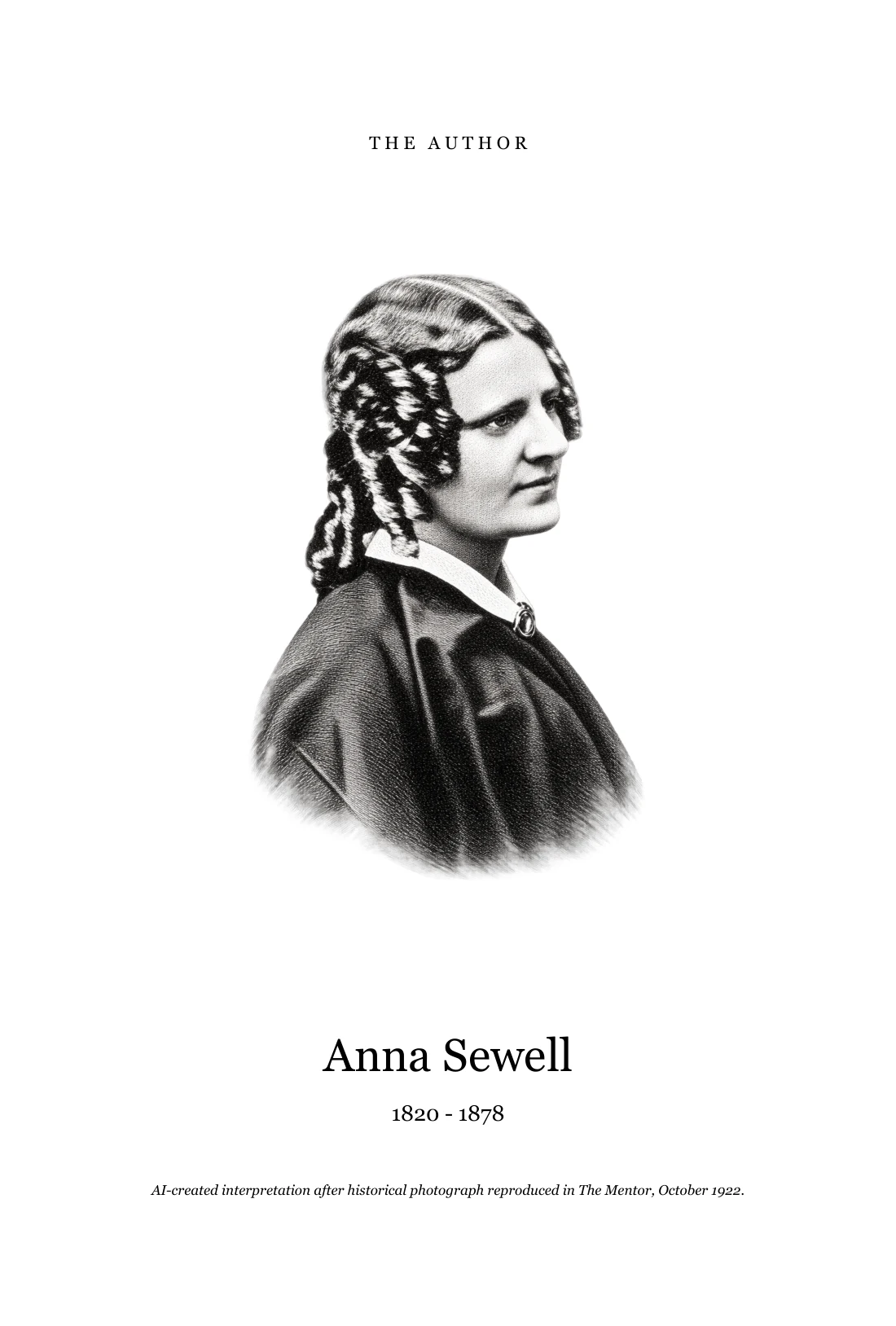
Anna Sewell wrote only one book, and she wrote it to change minds. Black Beauty, published in 1877, tells the life of a horse in his own words, from a happy colthood in the English countryside to hard years pulling a London cab. Every chapter is designed to show its readers what their carelessness felt like from the other end of the reins.
Sewell was not mainly writing for children. Her aim, in her own words, was to encourage kindness, sympathy and an understanding treatment of horses, and the readers she had in mind were the grooms, coachmen, cab drivers and owners who handled them every day. That the book became a children’s classic is one of the happy accidents of publishing history.
Why did Anna Sewell write Black Beauty?
Sewell was born in 1820 in Great Yarmouth, into a Quaker family. As a teenager she was injured in a fall, and she was lame for the rest of her life. Unable to walk far, she depended on horses and carriages to get about, and she spent more time than most people watching how horses were handled, well and badly.
Victorian Britain ran on horsepower. Horses pulled cabs, buses, carts and private carriages, and many were worked until they dropped. One fashion Sewell particularly hated was the bearing rein, a strap that held a horse’s head high to look smart, causing pain and making it harder to pull. In the novel, the proud mare Ginger rebels against it, and Black Beauty describes exactly what it feels like.

Written from a sickbed
Sewell began the book in the early 1870s at her home near Norwich, by which time she was seriously ill and often confined to her sofa. She worked slowly, over several years. When she was too weak to write, she is said to have dictated passages or written on slips of paper that her mother, Mary Sewell, herself a popular writer, copied out.
The Norwich publisher Jarrold and Sons brought out Black Beauty in November 1877. Anna Sewell died the following April. She lived just long enough to see that the book was being read, but not long enough to learn how far it would travel.
Did Black Beauty change anything?
It certainly changed how people talked about horses. The book was quickly taken up by animal welfare campaigners on both sides of the Atlantic. In the United States, the Massachusetts animal protection campaigner George Angell had it printed in large, cheap editions and promoted it as the Uncle Tom’s Cabin of the horse, distributing copies to the people who worked with horses.
It is harder to say exactly what it achieved in law, and it would be wrong to claim it single-handedly abolished cruel practices. But it is widely credited with turning public feeling against the bearing rein and with making ordinary readers think about the inner lives of working animals, which was precisely what Sewell had set out to do.
Black Beauty
1877. A horse tells his own life, from a gentle start to the cab ranks of London. Anna Sewell’s only book, written to change how horses were treated.
The Call of the Wild
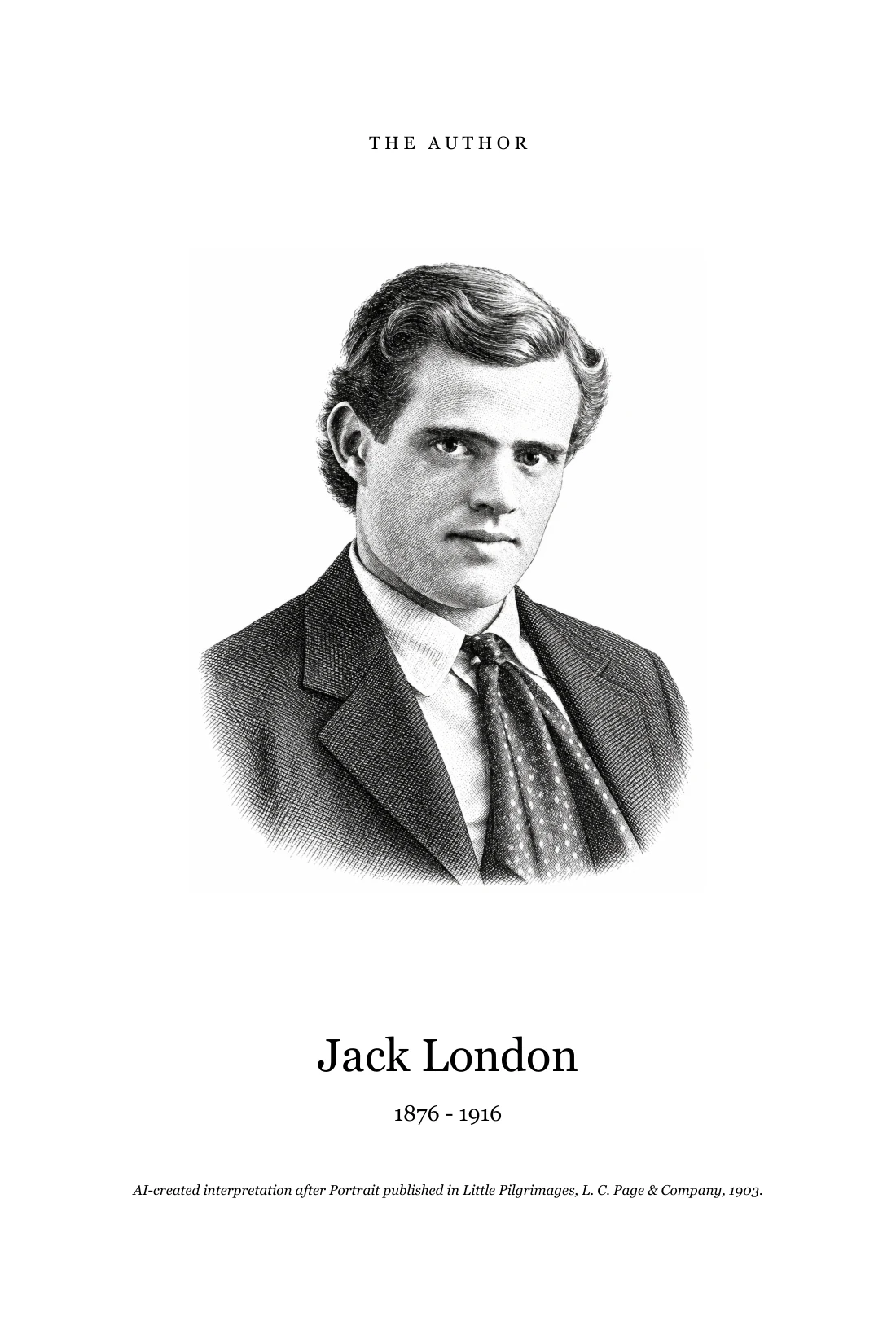
1903. Jack London’s sled dog, stolen from a comfortable home and thrown into the Klondike. Another life told from an animal’s side.
The Story of Doctor Dolittle
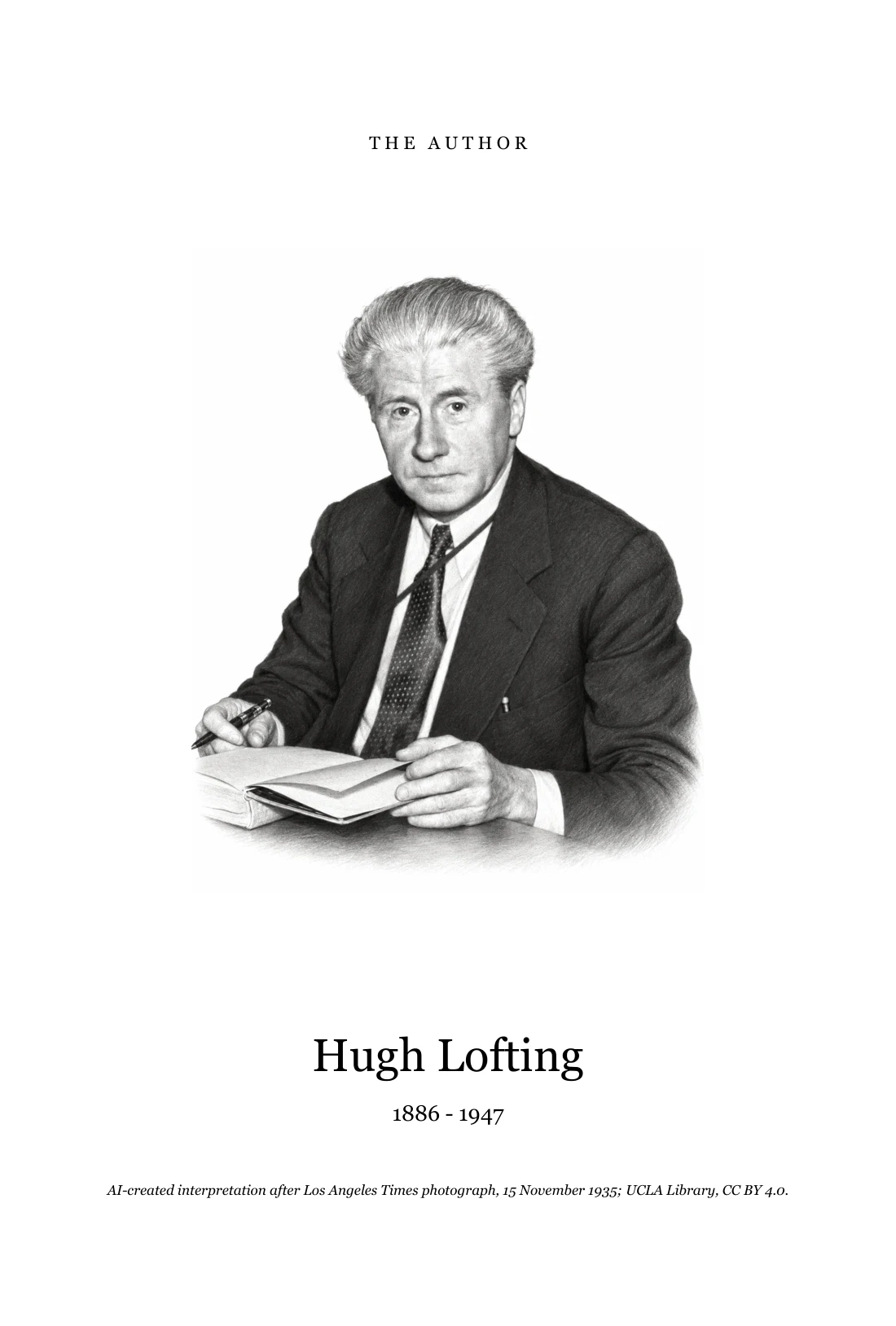
1920. A country doctor learns to talk to animals and becomes their physician. A gentler, funnier take on listening to animals.



What is Black Beauty like to read today?
Better than its reputation as a sad pony book suggests. Beauty is an observant, fair-minded narrator, and the book is full of people as well as horses: kind and cruel masters, a cheerful cabman and his family, a drunk groom, a young stable boy learning his trade. It is a portrait of a whole society seen from the shafts of a carriage.
Yes, there are sad chapters, and some readers will cry. But the book is never gratuitous, and it ends in a place of peace. Its short chapters, each one a single episode, make it a fine read-aloud for children of eight and up, and confident readers of nine or ten can manage it alone.
If your reader loves animal stories, there are plenty more in Classic animal stories for children and in our list of Classic books for 10 to 12-year-olds. For another classic that began with one particular audience in mind, read Did you know The Wind in the Willows began as bedtime stories?
Anna Sewell spent the last years of her life writing on behalf of creatures who could not speak for themselves. The least we can do is listen. Begin in a pleasant meadow with a pond and shady trees, with Black Beauty.
Questions readers ask
Why did Anna Sewell write Black Beauty?
She wanted to encourage kindness and understanding towards horses. Writing in the horse’s own voice, she showed the suffering caused by practices such as the bearing rein and by careless or cruel handling.
Was Black Beauty written for children?
Not originally. Anna Sewell had adults who worked with horses in mind, but the book’s clear storytelling and animal narrator made it a children’s favourite soon after publication.
Did Anna Sewell write any other books?
No. Black Beauty, published in 1877, is Anna Sewell’s only book. She died a few months after it was published.