The horses galloping flat out towards the audience were real, and so were the chariots. They were running on hidden treadmills while the scenery rolled past behind them, and the theatre was the Broadway Theater in New York, where the show opened on 29 November 1899. The play was Ben-Hur, adapted from Lew Wallace’s novel, and its chariot race was the reason people came.
Wallace had resisted a stage version for nearly twenty years. He doubted that anyone could portray Christ on stage, or stage a believable chariot race. When he finally agreed, the producers solved the first problem by representing Christ as a beam of light, and the second with machinery. The production toured for twenty-one years and was seen by more than twenty million people.
What is the chariot race like in the book?
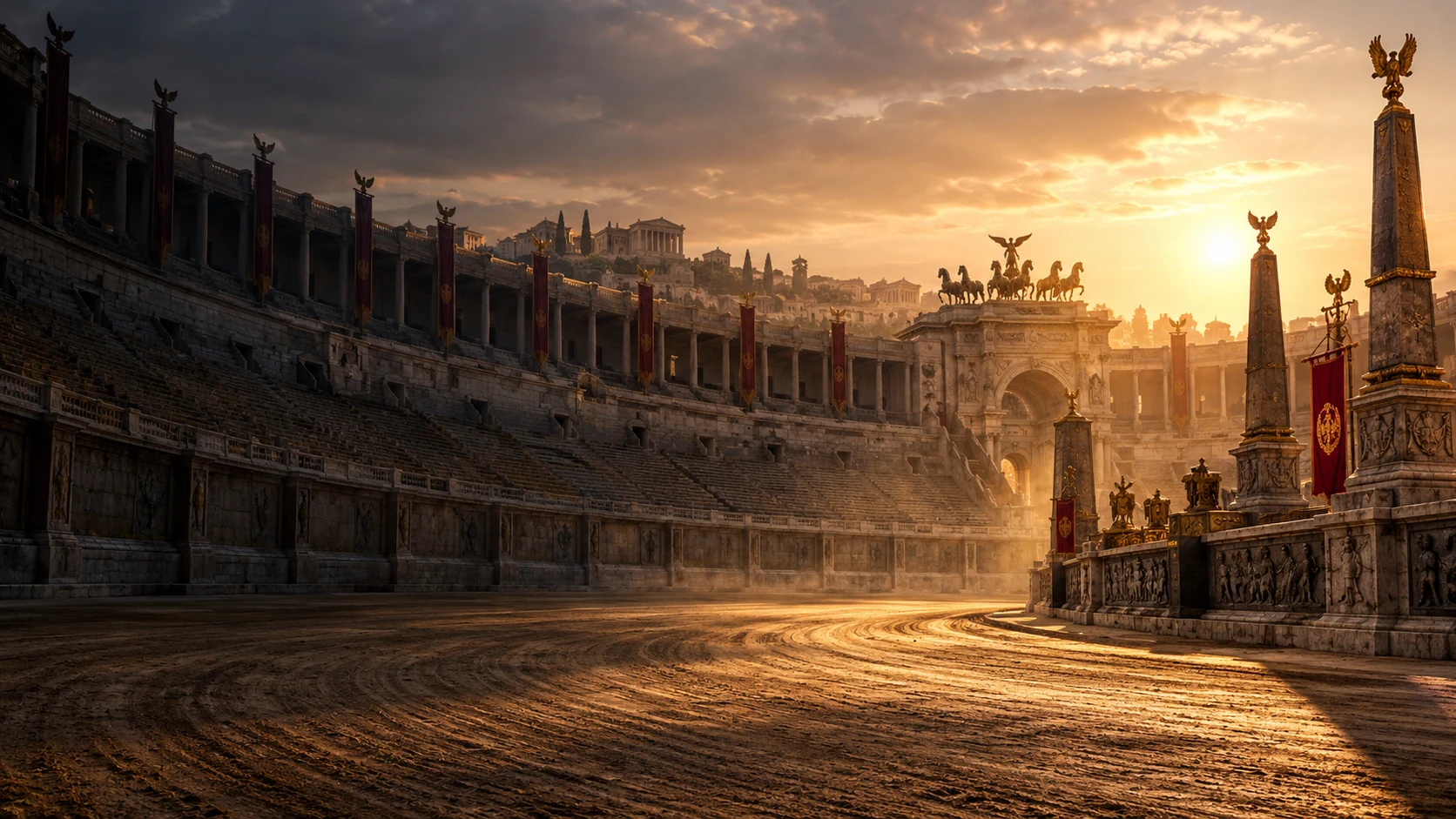
In the novel the race is the climax of the Fifth Book, and it takes place not in Jerusalem but in the great circus at Antioch. Judah Ben-Hur, a Jewish prince betrayed by his boyhood friend Messala and sent to the galleys, has survived, been adopted by a Roman admiral and trained as a charioteer. At Antioch he drives for Sheik Ilderim, an Arab horse-breeder, against Messala himself, and there is a fortune riding on the result.
Wallace takes his time. There are chapters on the wagers, the crowd, the start and the race itself, and a whole scene in which Ben-Hur meets Ilderim’s four Arabian horses, all named after stars: Rigel, Antares, Atair and Aldebaran, the sons of Sirius and Mira.
We borrow their names in gratitude, and give them in love.
Sheik Ilderim, in Lew Wallace, Ben-Hur: A Tale of the Christ (1880)

Ben-Hur book vs. movie: what changes
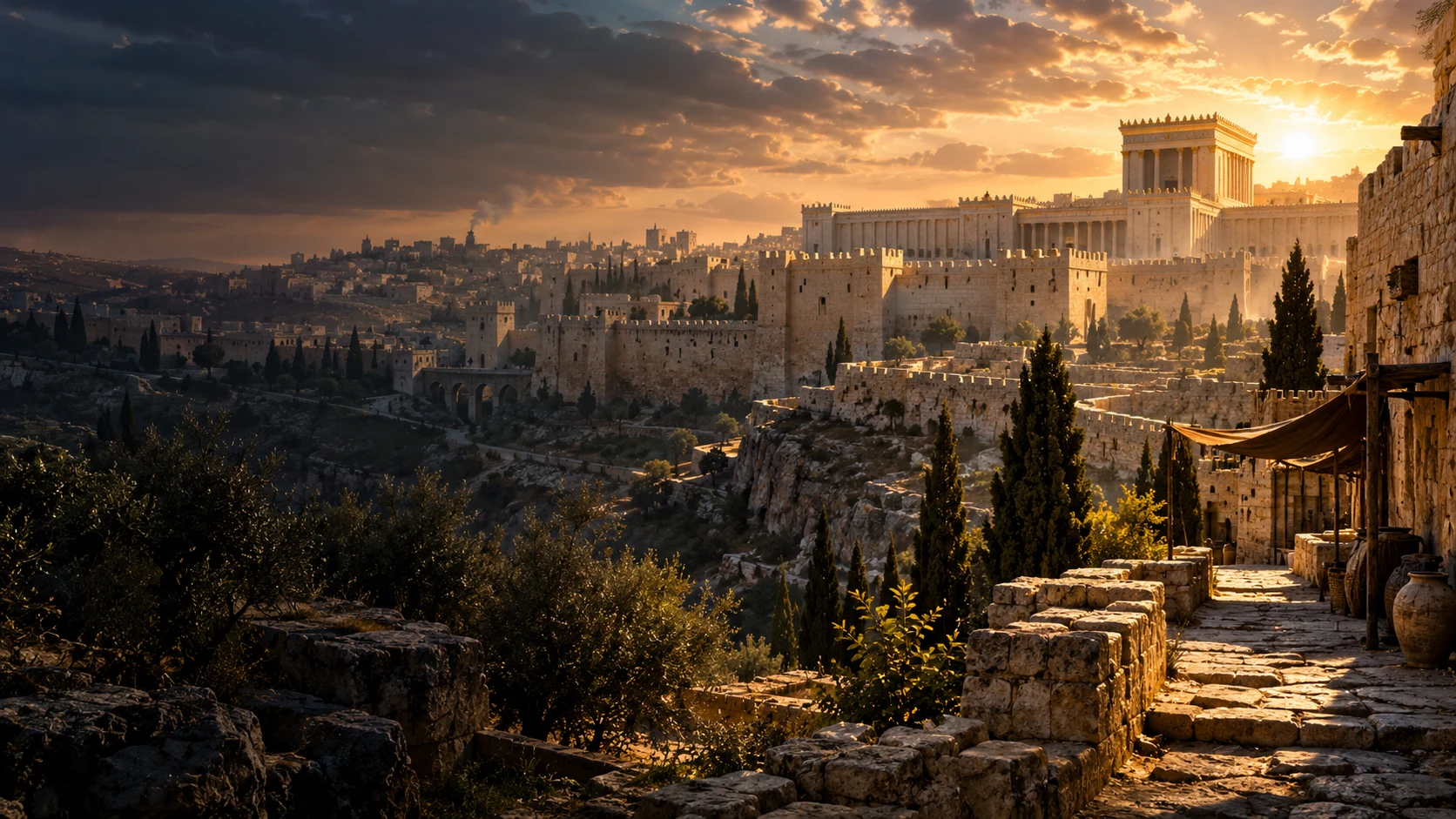
The 1959 film keeps the outline of the novel: the quarrel with Messala, the galleys, the rescue of the Roman commander Quintus Arrius, the race and the family’s fate. But it compresses a long, digressive book into a single line of revenge. The film’s arena was modelled on a circus in Jerusalem rather than Antioch, and the story’s religious frame, which in the novel is the whole point of the subtitle, sits more quietly in the background.
The biggest difference is what comes after the race. In the film, the race settles the score with Messala. In the novel, Messala survives: the physicians say he “will live, but never walk again”, and he remains a dangerous enemy. Much of the novel’s later action follows Ben-Hur as he gathers men and money to fight Rome, waiting for the king he has been promised, and Iras, the Egyptian Balthasar’s scheming daughter, who does not appear in the 1959 film, plays a large part.
Ben-Hur on film
The first film, in 1907, was a fifteen-minute short from the Kalem Company, with its chariot race shot in Brooklyn. Kalem had not asked permission. Wallace’s publishers, his son and the stage producers sued, and in 1911 the case reached the US Supreme Court, which ruled in Kalem Co. v. Harper Bros. that a film dramatising the novel without permission infringed its copyright. The case is often described as a landmark in film copyright.
MGM’s 1925 Ben-Hur: A Tale of the Christ, directed by Fred Niblo with Ramon Novarro as Judah and Francis X. Bushman as Messala, cost $3.9 million, making it the most expensive film of the silent era. The 1959 remake, directed by William Wyler with Charlton Heston and Stephen Boyd, won eleven Academy Awards, including Best Picture, Director and Actor. Only Titanic and The Lord of the Rings: The Return of the King have equalled that. Its race was directed by Andrew Marton and the stuntman Yakima Canutt. A 2016 version, directed by Timur Bekmambetov with Jack Huston and Morgan Freeman, was the fifth film of the novel.
Is the Ben-Hur book worth reading?
Yes, if you go in knowing what it is: a long, richly furnished Victorian historical novel, slower than the film and more interested in faith, but with set pieces that still move fast, the sea battle and the race above all. It became one of the best-selling American novels of the nineteenth century, eventually outselling Uncle Tom’s Cabin. The race chapters alone show why Hollywood kept coming back.
Ben-Hur
1880. A prince betrayed, a galley slave, a chariot race at Antioch and a long road to faith. Spectacle and sermon in one enormous volume.
The Count of Monte Cristo — Volume 1
1844. Another wronged young man, another prison, another long revenge. If Ben-Hur’s first half grips you, so will Dumas.


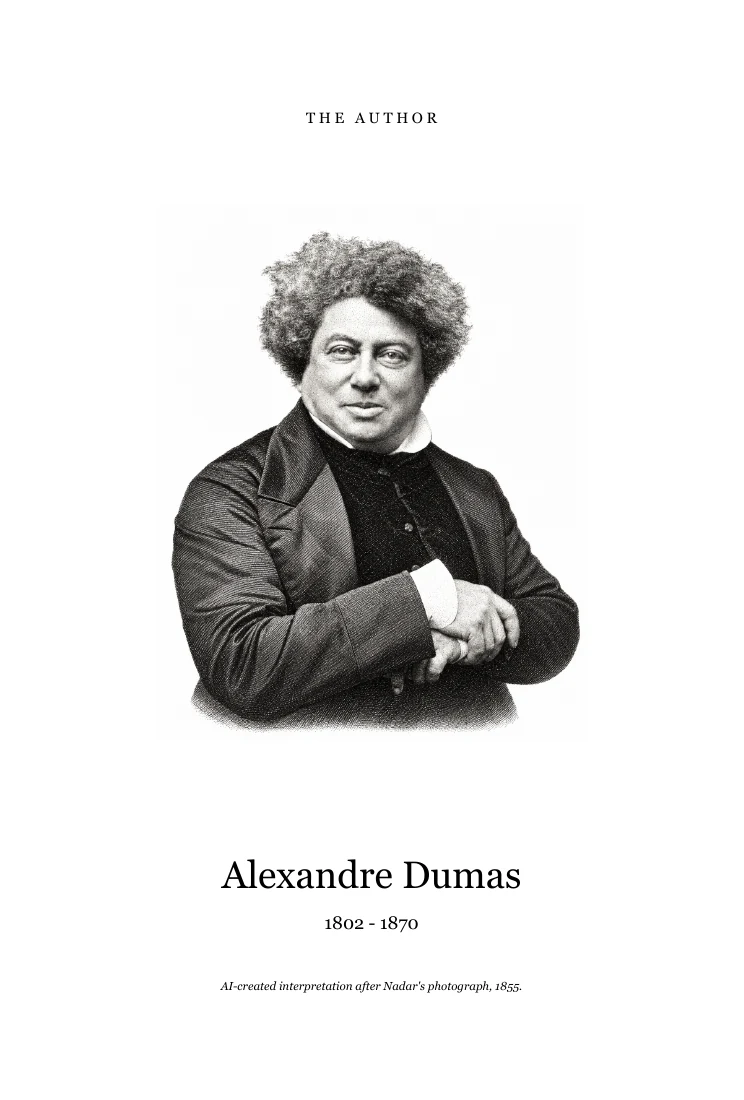
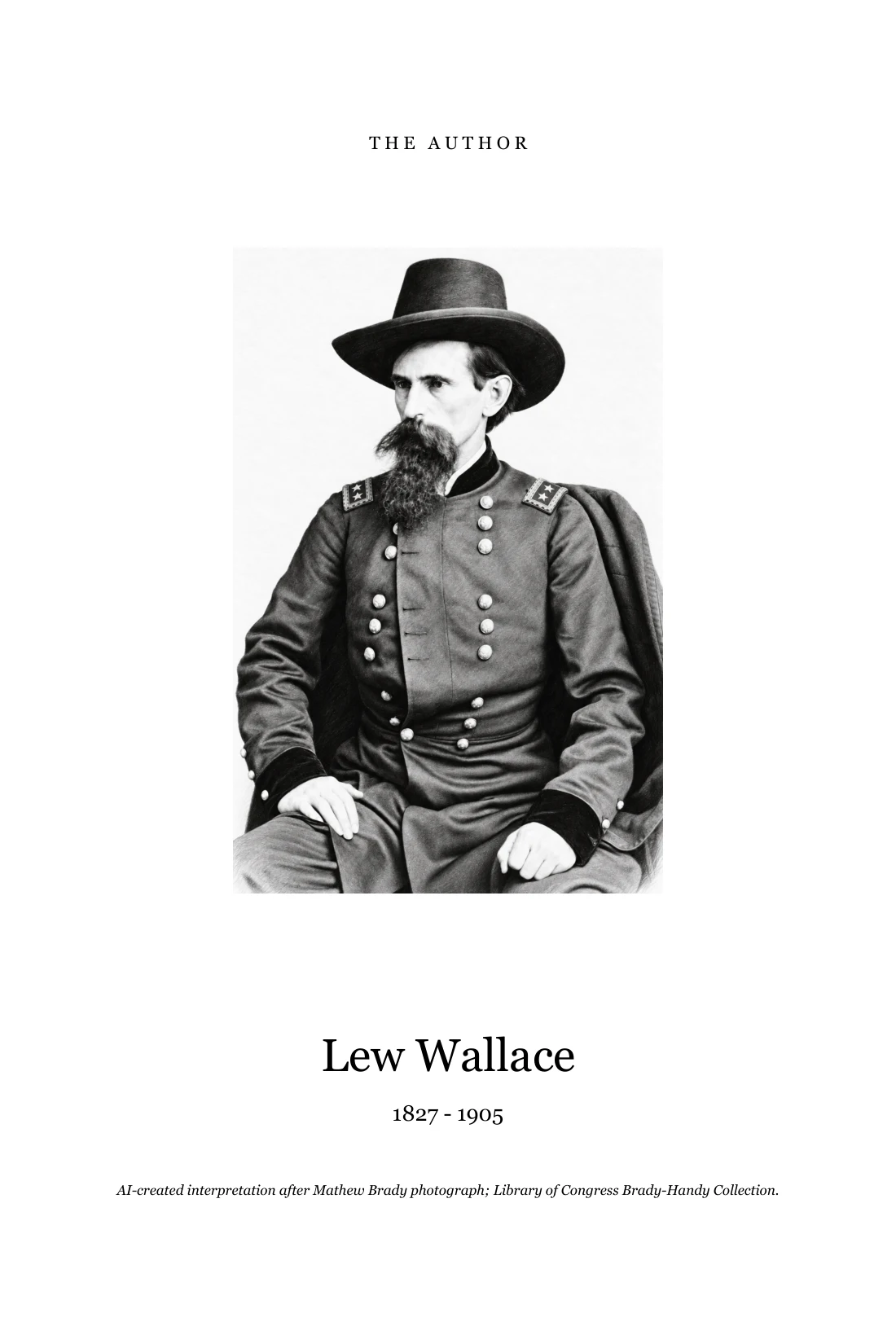
For the remarkable life of the author, who fought at Shiloh and governed New Mexico Territory, see Did you know Ben-Hur was written by a Civil War general?. Then turn to the Fifth Book of Ben-Hur, meet the four horses named for stars, and watch the race the way its first readers saw it: in their heads.
Questions readers ask
Is the Ben-Hur movie faithful to the book?
The 1959 film follows the main story of betrayal, the galleys, the chariot race and the family’s fate, but it simplifies the novel a great deal, moves the race’s arena from Antioch to a Jerusalem-style circus, and changes what happens to Messala.
Where does the chariot race take place in the Ben-Hur book?
In the circus at Antioch, in the Fifth Book of the novel. Ben-Hur drives four Arabian horses belonging to Sheik Ilderim.
Does Messala die in the Ben-Hur book?
Not in the race. In the novel he survives, crippled, and the physicians say he will never walk again. The 1959 film changes this.
How many Oscars did Ben-Hur win?
The 1959 film won eleven Academy Awards, a record later equalled by Titanic (1997) and The Lord of the Rings: The Return of the King (2003).