
The cover never really changed. It showed a view east along the Strand in London towards the church of St Mary-le-Strand, with the magazine’s title strung across the street on the telegraph wires. Behind that picture, from 1891 to 1950, sat 711 issues of short stories, serials, puzzles and pictures, and the first appearances of some of the best-loved fiction in English.
The Strand Magazine is best known as the home of Sherlock Holmes. But it also carried most of P. G. Wodehouse’s Jeeves stories in Britain, a late series of Agatha Christie’s Poirot stories, and serials by H. G. Wells and E. Nesbit. If you read popular fiction in Britain between the 1890s and the Second World War, sooner or later you read it in The Strand.
How The Strand Magazine began
George Newnes had already made a fortune with Tit-Bits, a weekly of snippets and curiosities he founded in 1881. His new monthly aimed higher while staying cheap: sixpence, about half what comparable magazines cost, for a thick issue with a picture on almost every page. Early numbers mixed fiction with articles on London institutions such as the fire brigade and the river police.
It was a hit from the first issue, which sold close to 300,000 copies. Circulation settled at nearly half a million and stayed there well into the 1930s. Its editor, Herbert Greenhough Smith, had pitched Newnes the idea of a monthly of stories each complete in itself, and ran it for almost forty years. His support for a young doctor’s detective stories did much to make them famous.
Sherlock Holmes and The Strand
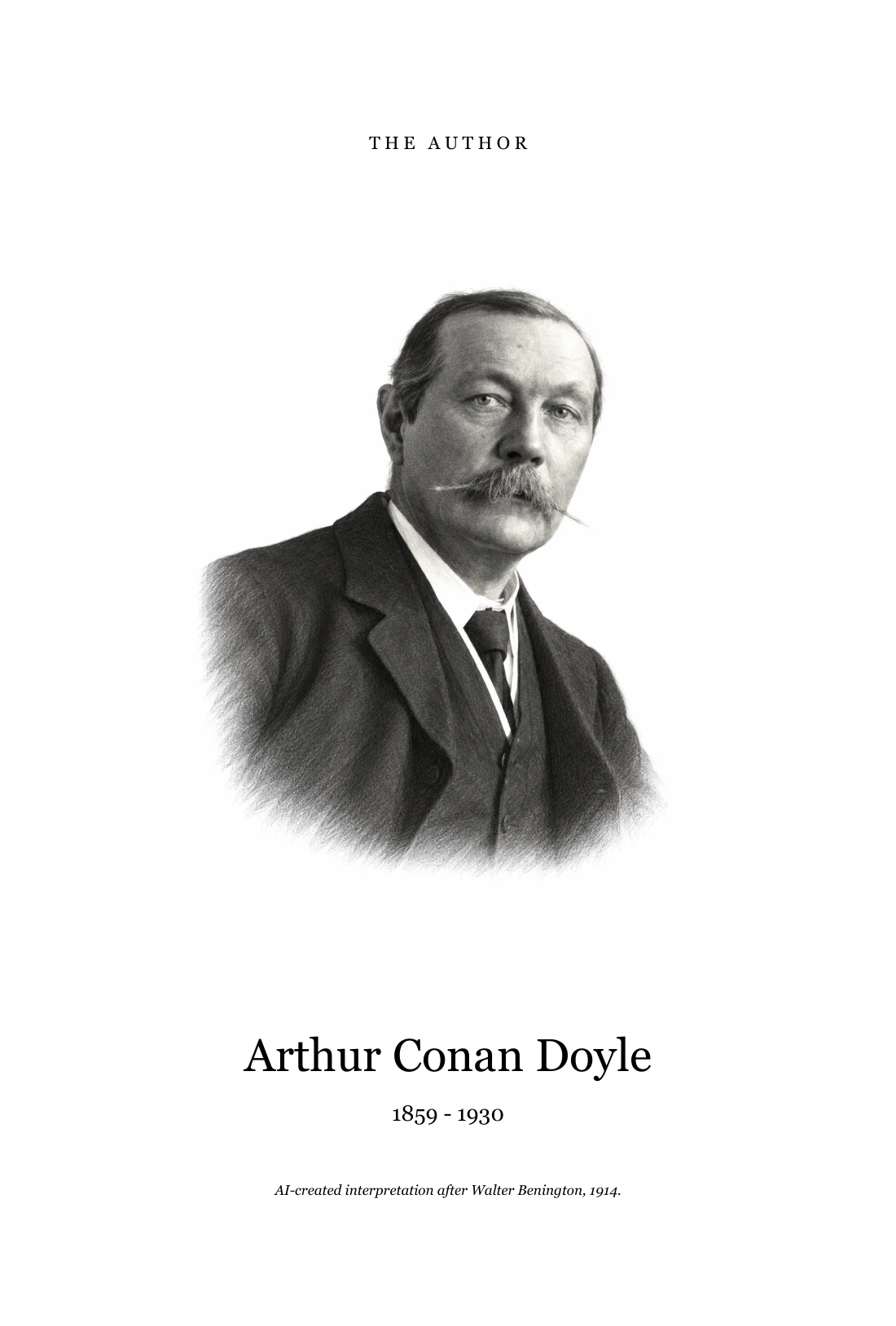
Holmes had already appeared in two short novels, but neither had made him famous. The change came when Arthur Conan Doyle turned to short stories and sent them to the new magazine, where Greenhough Smith was delighted with what he read. “A Scandal in Bohemia” appeared in the July 1891 issue, with illustrations by Sidney Paget, and the twelve stories that became The Adventures of Sherlock Holmes ran until June 1892.
Paget did as much as Doyle to fix the public picture of Holmes. It was Paget who first gave him the deerstalker cap and the Inverness cape, neither of which is mentioned in the stories. When Doyle sent Holmes over the Reichenbach Falls in “The Final Problem” in December 1893, the magazine is said to have barely survived the wave of cancelled subscriptions. Readers queued at the offices for each new part when The Hound of the Baskervilles brought Holmes back as a serial in 1901–02, and sales reached their peak.
The Adventures of Sherlock Holmes
The twelve stories that made The Strand, and Holmes, famous, from “A Scandal in Bohemia” to “The Copper Beeches”.
The Hound of the Baskervilles
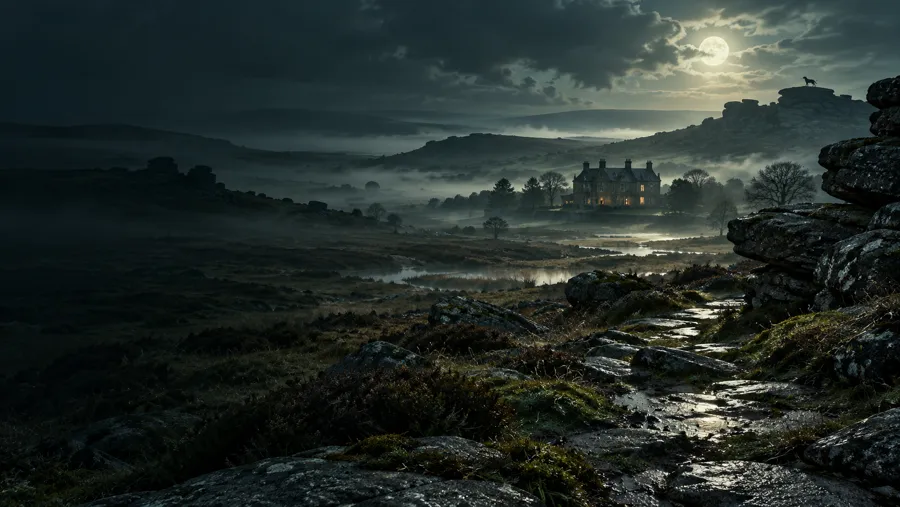
Serialised from August 1901 to April 1902. A legend, a moor and a hound, with Watson doing much of the legwork.


Wodehouse, Wells and Nesbit
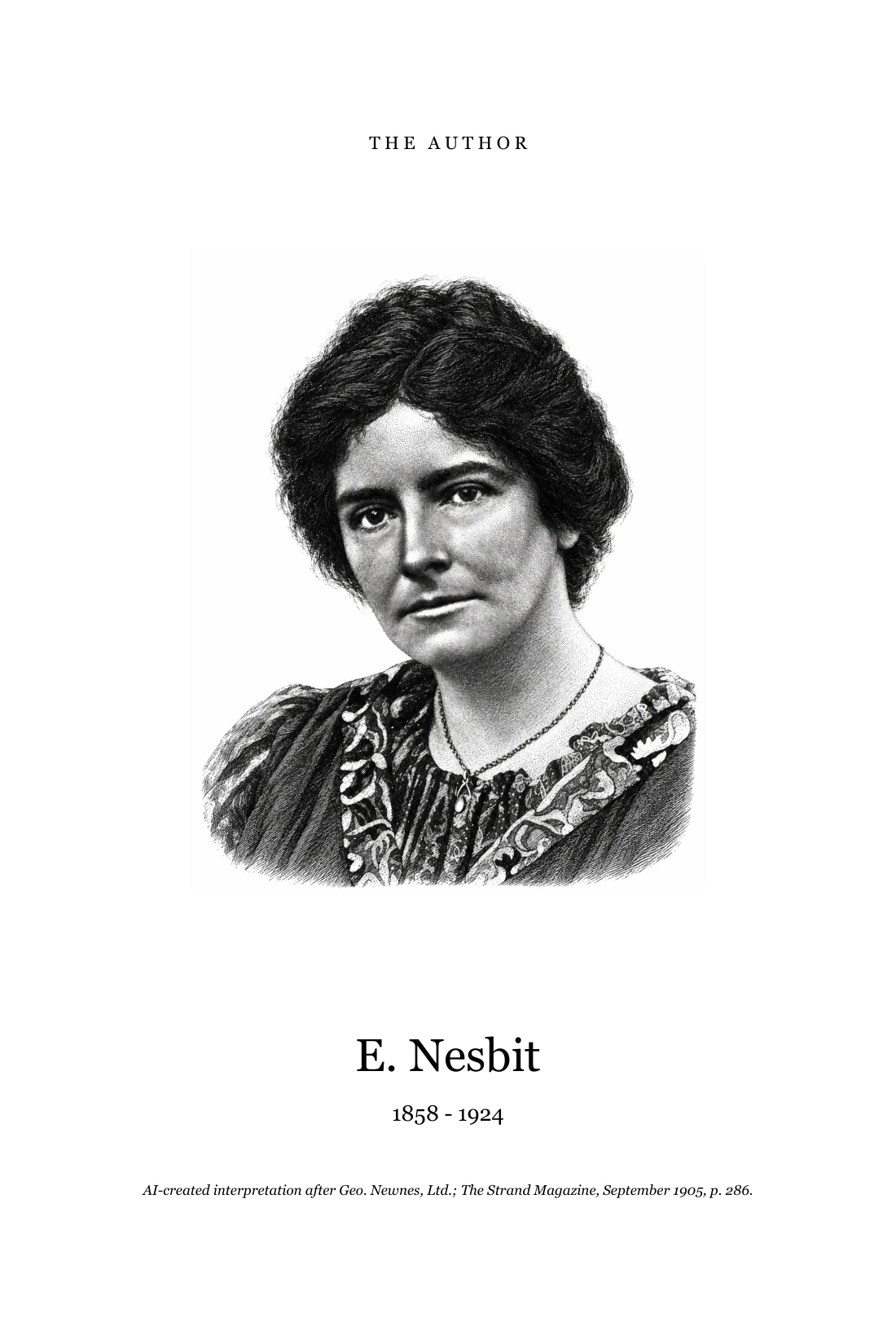
Doyle was far from the only star. H. G. Wells’s The First Men in the Moon ran in The Strand from late 1900 to 1901, and in a neat joke its narrator, Bedford, tells us he has “seen the greater portion of it appear in the Strand Magazine.” E. Nesbit’s Five Children and It appeared there month by month in 1902 before it became a book.
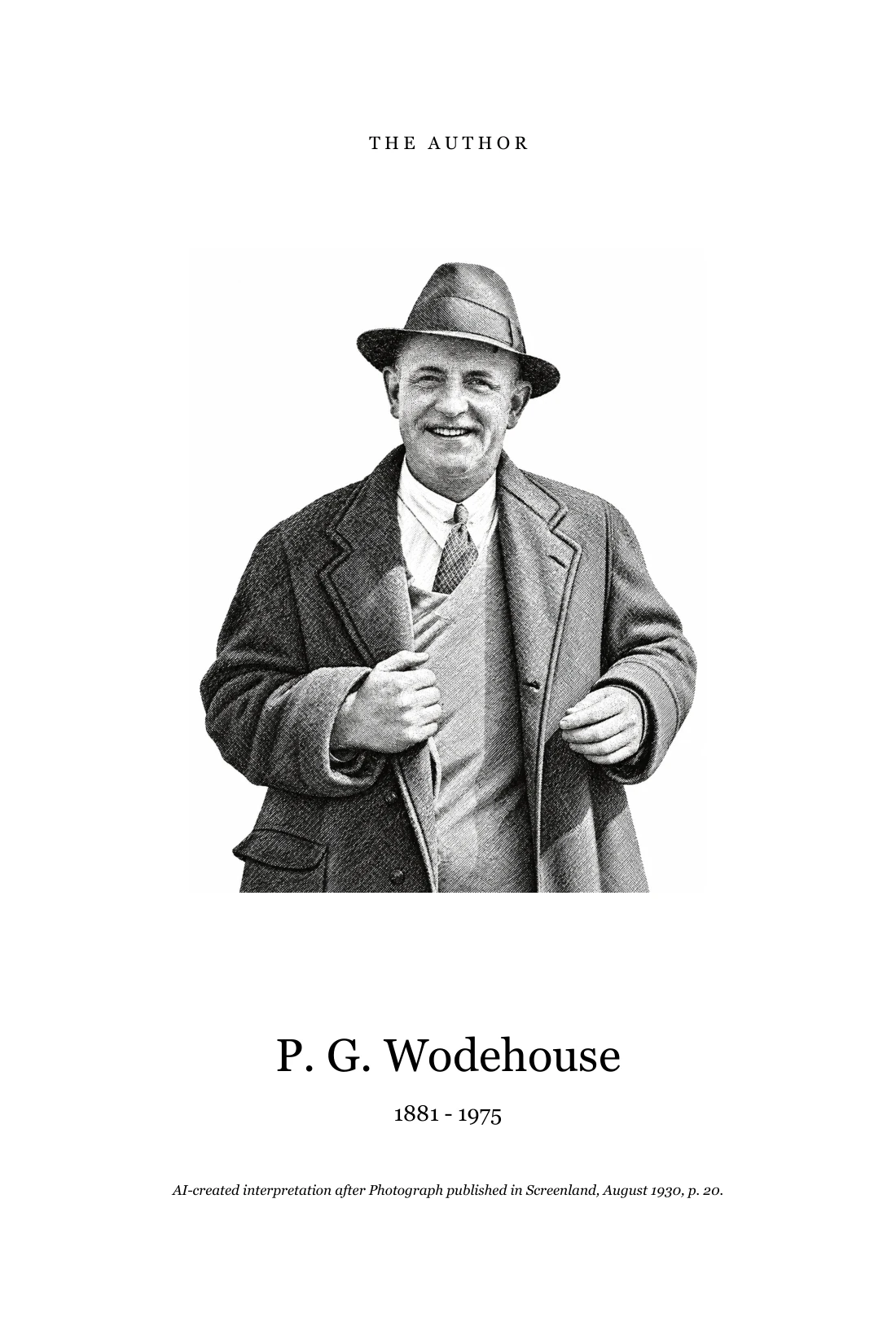
P. G. Wodehouse was a regular for decades. Many of his Jeeves stories ran in the American Saturday Evening Post and in The Strand in Britain, and his early collection My Man Jeeves was published in 1919 by Newnes, the magazine’s own publisher. Half its eight stories feature Jeeves and Bertie Wooster; the rest star Reggie Pepper, Bertie’s prototype.
My Man Jeeves
1919. The first book of Jeeves and Bertie stories (the pair had first reached book form in a single story in 1917’s The Man with Two Left Feet), with Reggie Pepper in support. Wodehouse finding his voice a story at a time.
The First Men in the Moon
1901. Two Englishmen fly to the Moon in a sphere built with cavorite, a substance that blocks gravity. Wells at his most playful.
Five Children and It
1902. Five children find a grumpy sand-fairy who grants wishes that go wrong by sunset. First published in The Strand, month by month.


Where does Agatha Christie fit in?
Christie came to The Strand later than you might expect. The stories in Poirot Investigates first ran in a different magazine, The Sketch, in 1923, and her stories began appearing in The Strand only in the 1930s. Her big Strand series came at the end of that decade: from November 1939 to September 1940 the magazine printed eleven of the twelve stories later collected as The Labours of Hercules. The twelfth, “The Capture of Cerberus”, was turned down, and Christie wrote a new story under the same title for the book.
The end of The Strand
The magazine shrank to a smaller digest size in October 1941. It closed with the March 1950 issue, beaten by falling sales and rising costs. A new quarterly under the old name was launched in the United States in 1998.
For the full Holmes story, see the Sherlock Holmes books in order and how Conan Doyle killed off Holmes. For Wodehouse, try where to start with P. G. Wodehouse.
Best of all, read the way Strand readers did, one story at a sitting. Open The Adventures of Sherlock Holmes by Arthur Conan Doyle at “A Scandal in Bohemia”, and you are holding the July 1891 issue’s headline act.
Questions readers ask
When was The Strand Magazine published?
The Strand Magazine ran from January 1891 to March 1950, a total of 711 issues. Its first issue went on sale before Christmas 1890. A separate quarterly using the name was revived in the United States in 1998.
Which Sherlock Holmes stories were in The Strand?
The Holmes short stories, beginning with “A Scandal in Bohemia” in July 1891, first appeared in Britain in The Strand, as did the serial of The Hound of the Baskervilles in 1901–02. The first two novels, A Study in Scarlet and The Sign of the Four, appeared elsewhere.
Did Agatha Christie write for The Strand Magazine?
Yes. Eleven of the twelve stories in The Labours of Hercules first appeared in The Strand in 1939–40. Her earlier Poirot stories, collected in Poirot Investigates, first ran in The Sketch.
Who illustrated Sherlock Holmes in The Strand?
Sidney Paget, whose drawings gave Holmes the deerstalker cap and Inverness cape that are never mentioned in the stories.