
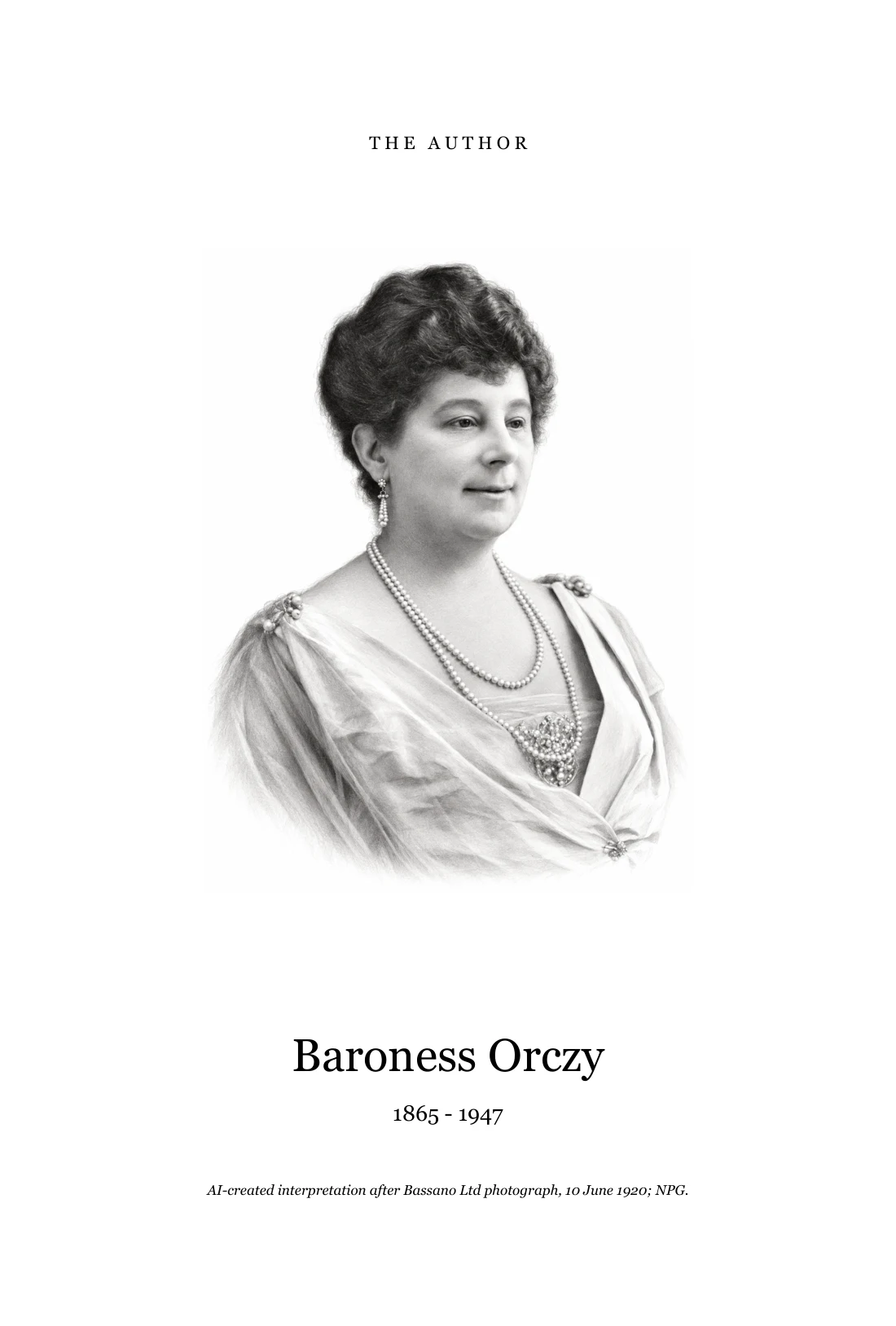
The history of the Scarlet Pimpernel begins with rejection. Baroness Orczy, a Hungarian-born writer living in London, wrote a story about an English gentleman who rescues aristocrats from the guillotine during the French Revolution. Publishers were not interested. So, with her husband, the writer and illustrator Montagu Barstow, she turned it into a play.
The play opened in Nottingham in 1903 and reached London’s New Theatre in January 1905. It was a huge success, and the novel, now with a famous name behind it, was published later that year. By most accounts the story was written as a novel first, but the public met it on stage, and the theatre made it a hit.
Scarlet Pimpernel history: how the play saved the book
The London production starred Fred Terry and Julia Neilson, a celebrated husband-and-wife acting team who specialised in romantic costume drama, and they made the Pimpernel one of the most popular roles of the period. The early reviews were not all kind, but audiences adored it, and the play ran for a long time and was revived again and again over the following decades.
That success changed the novel’s fortunes. A story publishers had passed over was now one that thousands of theatregoers already loved, and the book followed the play into lasting popularity. Orczy went on to write a long series of sequels and spin-offs about the Pimpernel and his League, and the hero she had struggled to place became her life’s work.
It was a remarkable turn for a writer who had come to English late. Orczy was born in Hungary in 1865, grew up partly in Budapest and Paris, and settled in London as a teenager. She trained as an artist, and her paintings were shown at the Royal Academy, before she turned to fiction to earn a living, writing short stories and translations before the Pimpernel made her famous.
Who is the Scarlet Pimpernel?
In the novel, it is 1792, and the Revolution is sending French aristocrats to the guillotine by the cartload. A mysterious Englishman, known only by the little red flower he uses as his signature, is smuggling them out of Paris under the noses of the revolutionary guard, with the help of a small band of young English gentlemen. Nobody knows who he is.
Meanwhile, in London society, the beautiful French actress Marguerite has married Sir Percy Blakeney, a wealthy, idle and rather foolish man of fashion, and the marriage has gone cold. When Chauvelin, an agent of the Republic, blackmails her into helping him unmask the Pimpernel, Marguerite is caught between loyalties, and the story becomes a race against time across the Channel.
We seek him here, we seek him there, / Those Frenchies seek him everywhere. / Is he in heaven?—Is he in hell? / That demmed, elusive Pimpernel?
Baroness Orczy, The Scarlet Pimpernel (1905)
Why does the Scarlet Pimpernel still matter?
Because he is one of the first great heroes with a secret identity, a man whose public face hides a life of daring. Masked avengers from Zorro onwards are often traced back to him, and the formula is still everywhere in films and comics. Reading the original, you can see the template being built.
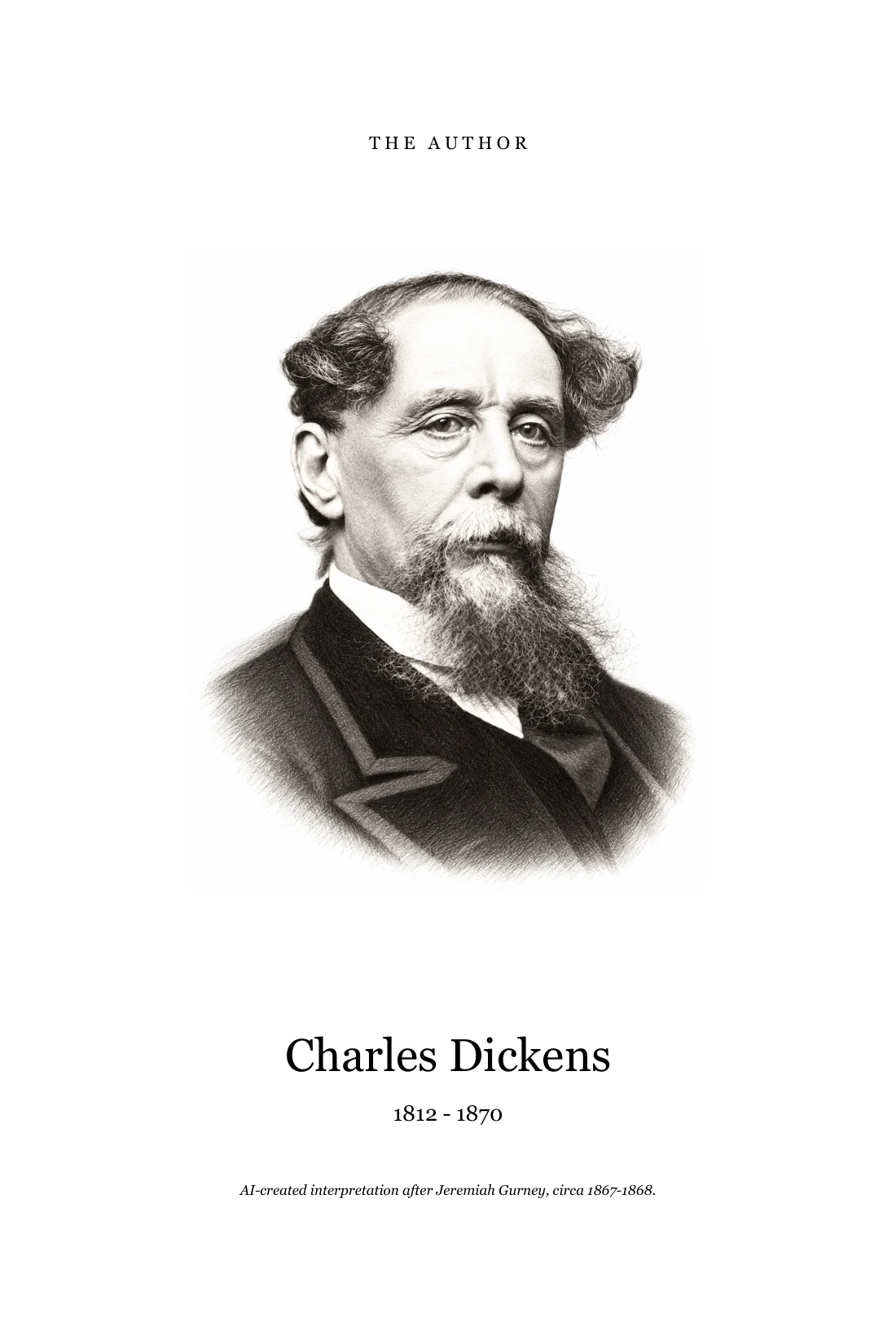
The novel is also good fun. It moves quickly, has a heroine at its centre rather than on its fringes, and saves its best surprises for the final chapters. It is unashamedly romantic and on the side of the aristocrats; Orczy has little interest in why the Revolution happened, so readers who want a fairer picture should pair it with Dickens.
The Scarlet Pimpernel
1905. An elusive Englishman rescues aristocrats from the guillotine, and a brilliant French wife is caught between her husband and her brother. The play that became a classic novel.
The Old Man in the Corner
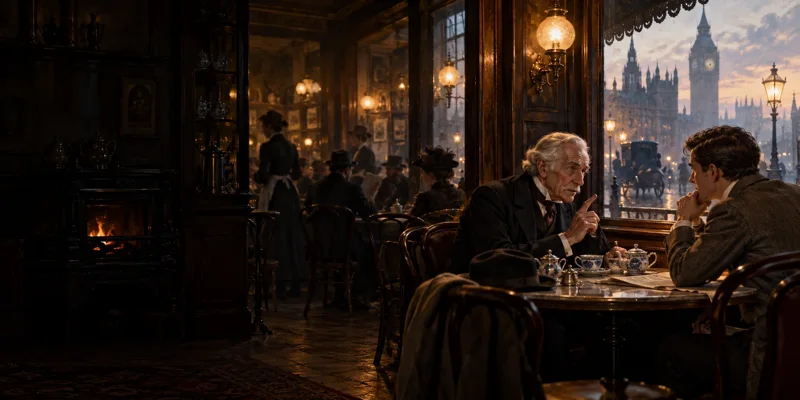
1909. Orczy’s other great creation: an old man in a tea shop who solves crimes without leaving his seat.
A Tale of Two Cities
1859. Dickens’s novel of London and Paris during the Revolution, with its own famous act of self-sacrifice. The perfect companion.



Where to go next
If you love swordplay, disguise and hairbreadth escapes, there is much more in Swashbuckling classics for when you need a sword fight. Orczy also invented one of the first armchair detectives, and we tell that story in Did you know the creator of the Scarlet Pimpernel also invented an armchair detective? For another adventure that gave the English language a word, read Did you know “Ruritania” comes from The Prisoner of Zenda?
The best way to read the Pimpernel is the way the first audiences met him: not knowing who he is, and enjoying every moment of not knowing. Begin in a Paris street in September 1792, at a barricade where an old woman with a cart is about to pass the guards, and open The Scarlet Pimpernel.
Questions readers ask
Was The Scarlet Pimpernel a play first?
By most accounts the story was written as a novel first, but after publishers rejected it, Baroness Orczy and her husband adapted it for the stage. The play opened in 1903 and was a London hit in 1905, and the novel was published that same year.
What is the history of The Scarlet Pimpernel?
Baroness Orczy wrote the story in the early 1900s. It was turned down by publishers, succeeded as a play starring Fred Terry and Julia Neilson, and was then published as a novel in 1905, followed by many sequels.
When is The Scarlet Pimpernel set?
It is set in 1792, during the French Revolution, in Paris, London and on the French coast.
 Lady Molly of Scotland Yard272 pages · $16.99
 The Elusive Pimpernel262 pages · $15.99