
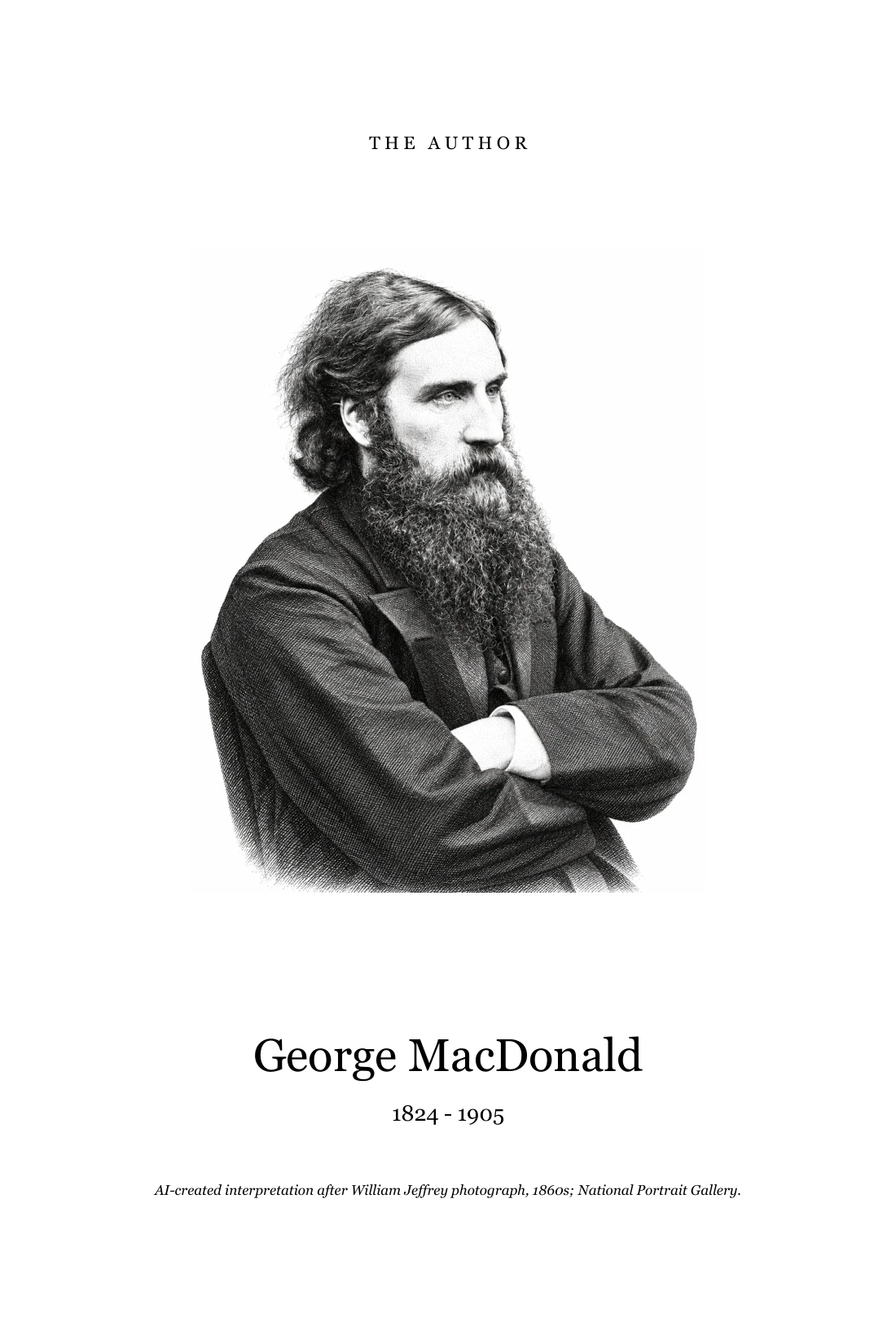
Plenty of people who loved The Princess and the Goblin as children never find out what happened next. The sequel exists, it is short, and it is one of the most unusual children’s books of the Victorian age. It is called The Princess and Curdie, and it turns the miner’s son of the first book into the hero of his own adventure.
There are two Curdie books in all, both by George MacDonald: The Princess and the Goblin (published in December 1871, though usually dated 1872) and The Princess and Curdie (1883). Take them in that order. The second takes place a year or two after the first and depends on everything Curdie learned there.
What is the sequel to The Princess and the Goblin?
The Princess and Curdie picks up the story with Irene gone from the mountain and Curdie, now a little older, back at work in the mines. One day, practising with a bow he has made himself, he shoots a white pigeon as it settles on a rock, and the shame of it leads him back to the tower where Irene’s mysterious great-great-grandmother lives. She gives him a mission, a strange gift and a companion, and sends him to the royal city of Gwyntystorm, where Irene’s father the king is mysteriously ill.
The gift is the heart of the book. The old princess makes Curdie plunge his hands into a fire of roses, and from then on he can feel the truth of anyone whose hand he holds.
Now here is what the rose-fire has done for you: it has made your hands so knowing and wise, it has brought your real hands so near the outside of your flesh gloves, that you will henceforth be able to know at once the hand of a man who is growing into a beast.
George MacDonald, The Princess and Curdie (1883)
It works the other way, too. His companion, Lina, is a hideous creature with a grin and green eyes, but when Curdie takes her paw he feels, astonished, the soft hand of a child.

The Princess and the Goblin and its sequel, in order
- $12.99
The Princess and the Goblin
1871–72. Eight-year-old Irene, a castle on a mountain, a miner’s boy who drives off goblins with rhymes, and a magic thread that always leads home. Gentle, funny and quietly profound.
- $12.99
The Princess and Curdie
1883. Curdie travels to a corrupt royal city with a monstrous, loyal companion and a gift for sensing what people really are. Darker and more political, with an ending that still startles.


- 1870–71
The Princess and the Goblin is serialised in Good Words for the Young, illustrated by Arthur Hughes.
- Dec 1871
The first book appears in volume form, often dated 1872.
- 1877
The Princess and Curdie is serialised in a children’s magazine.
- 1883
The sequel is published as a book.
- 1990s
An animated film of The Princess and the Goblin, directed by József Gémes, is released.
How is the sequel different?
The Princess and the Goblin is a cosy book with a frightening cellar. The goblins are menacing but faintly comic, with their soft feet (Curdie stamps on them) and their horror of poetry, and the great-great-grandmother’s tower is a place of safety. MacDonald writes that the goblins’ chief weakness was verse, “for they hated verse of every kind”, and the best defence was a new rhyme made up on the spot.
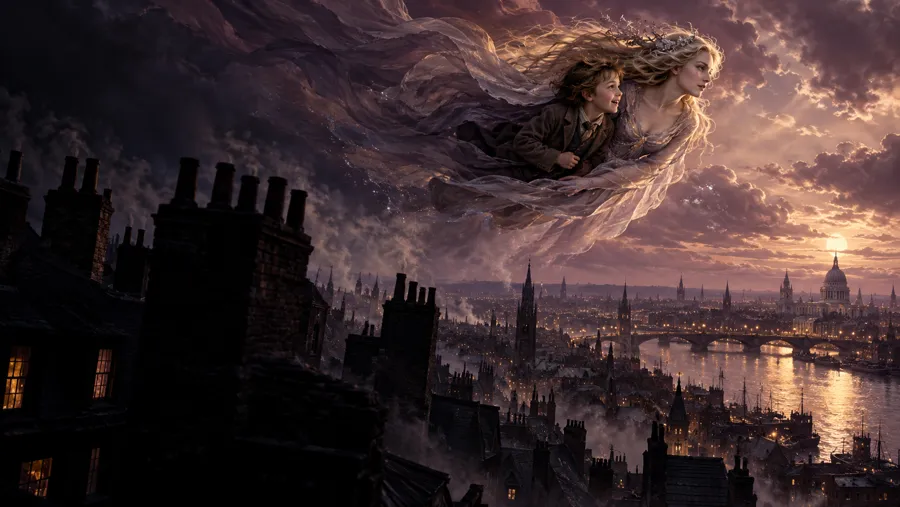
The Princess and Curdie is a different animal. Gwyntystorm is a city of greedy, lying, self-satisfied people, and Curdie’s gift lets him feel the beasts they are becoming. The ailing king is surrounded by people he cannot trust. The book is a fable about moral decay, and it has the courage to show that decay winning ground. Its last pages are startlingly bleak, and we will not spoil them, except to say that they are not the ending most children expect.
Are the Curdie books suitable for children?
The first, absolutely. It reads aloud beautifully from about six, its chapters are short, and its frights are the delicious kind. The second suits slightly older readers, perhaps eight or nine and up, who can enjoy its battles and its strange creatures and talk about its questions afterwards. Adults who come to both for the first time often find the sequel the more haunting of the two.
MacDonald’s influence
MacDonald’s fairy tales left a deep mark on the writers who came after him. G. K. Chesterton wrote that The Princess and the Goblin felt more real to him than any other story he had read, and the Tolkien scholar Douglas Anderson has suggested that Tolkien’s goblins owe a good deal to MacDonald’s. We explore that legacy in Did you know George MacDonald inspired both Tolkien and C. S. Lewis? and Fantasy before Tolkien.
If you are building a shelf of older fantasy for young readers, MacDonald’s At the Back of the North Wind is the natural companion, and The Golden Age of children’s literature, explained puts him in context.
The first book opens on a rainy day when Irene is bored and goes exploring. The Princess and the Goblin leads up a forgotten staircase to a spinning wheel, and once you have met the lady at the top you will want to follow Curdie wherever she sends him next.
Questions readers ask
Is there a sequel to The Princess and the Goblin?
Yes. George MacDonald’s The Princess and Curdie (1883) is the sequel. It follows Curdie, the miner’s son, on a mission to the royal city of Gwyntystorm.
How many Curdie books are there?
Two: The Princess and the Goblin (published December 1871, often dated 1872) and The Princess and Curdie (1883).
Is The Princess and Curdie darker than The Princess and the Goblin?
Yes. It is more political and more frightening, set in a corrupt city where the king lies ill among people he cannot trust, and its ending is startlingly bleak. It suits slightly older readers.
 Phantastes190 pages · $13.99
 The Light Princess50 pages · $9.99
 At the Back of the North Wind270 pages · $15.99
 Lilith: A Romance280 pages · $16.99