THE STORY
How does a novel hold us?
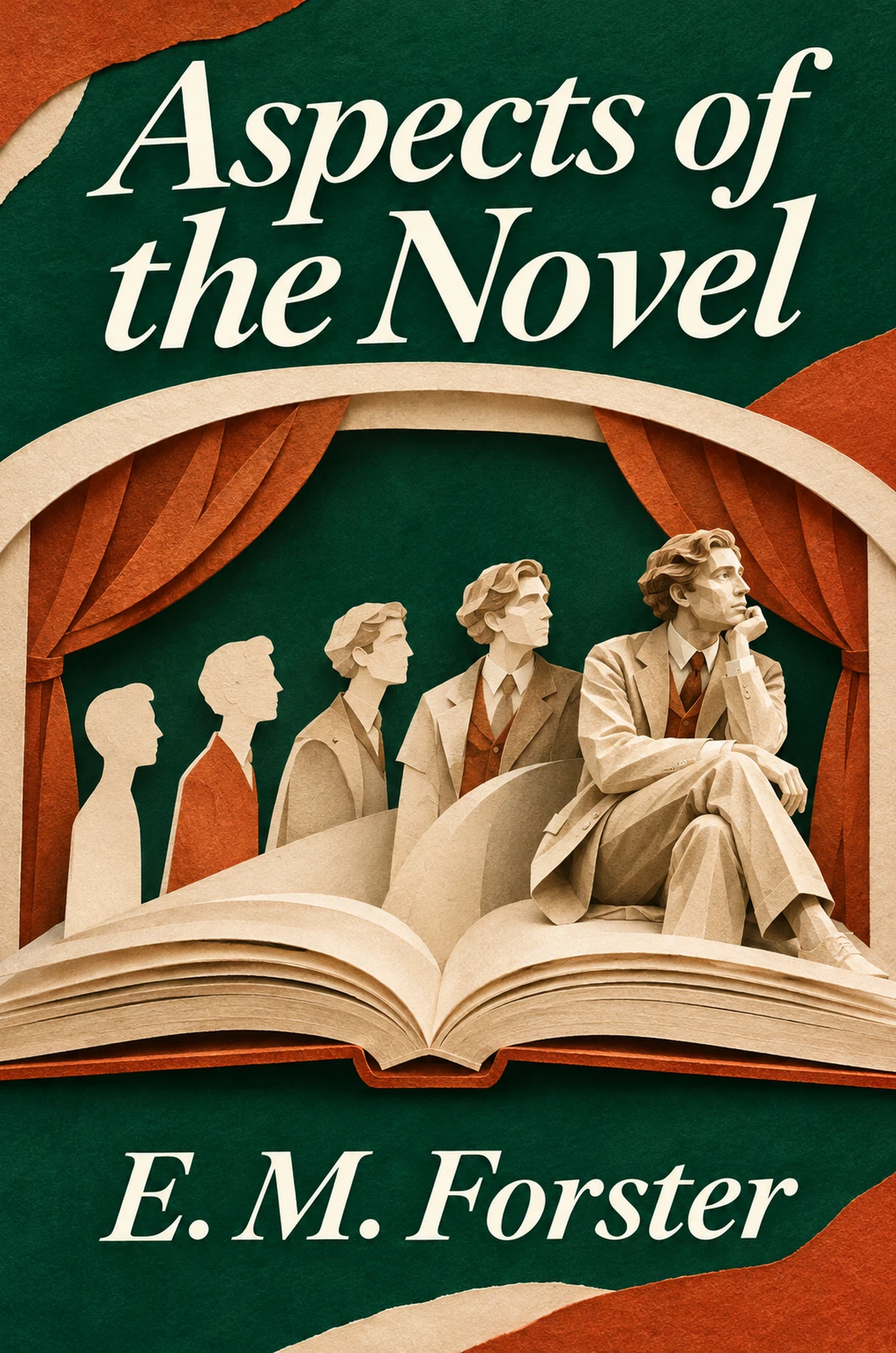
E. M. Forster takes the reader inside the novelist’s workshop. Story, plot, characters and rhythm come into view through candid comparisons, surprising pairings and the questions of a practicing novelist.
Browse collections

Find your next chapter
Explore timeless stories, unexpected discoveries, and old favourites.
E. M. Forster takes the reader inside the novelist’s workshop. Story, plot, characters and rhythm come into view through candid comparisons, surprising pairings and the questions of a practicing novelist.
$11.99
Printed for you. Shipping calculated at checkout.

THE STORY
E. M. Forster takes the reader inside the novelist’s workshop. Story, plot, characters and rhythm come into view through candid comparisons, surprising pairings and the questions of a practicing novelist.
THE WORLD OF THE BOOK
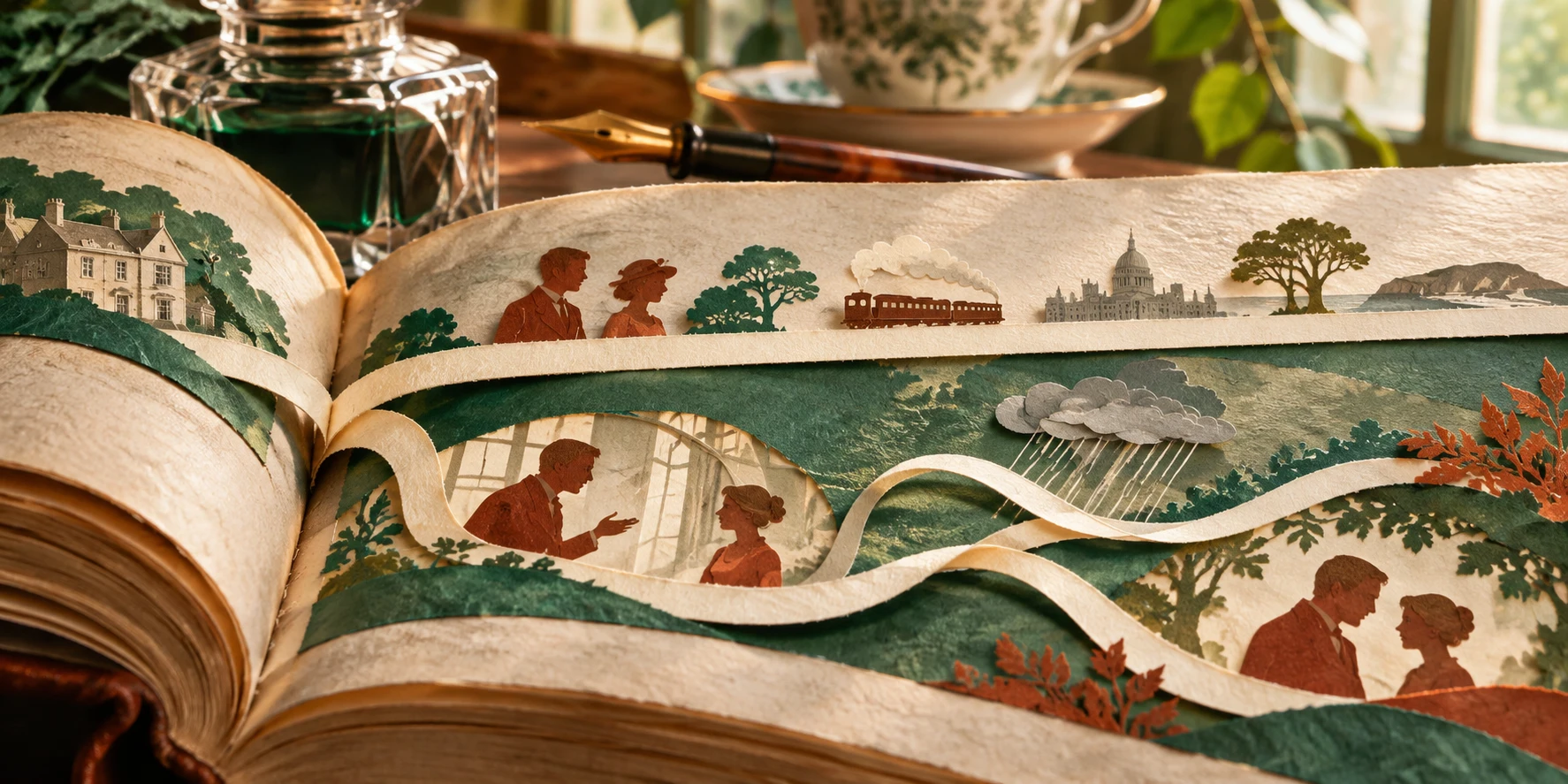
Painted ribbons of color wind through facing pages.
LOOK INSIDE
Preview six pages from this edition. Select a page to enlarge it, or use the arrows to keep reading.
Spread 1 of 3
ABOUT THE AUTHOR
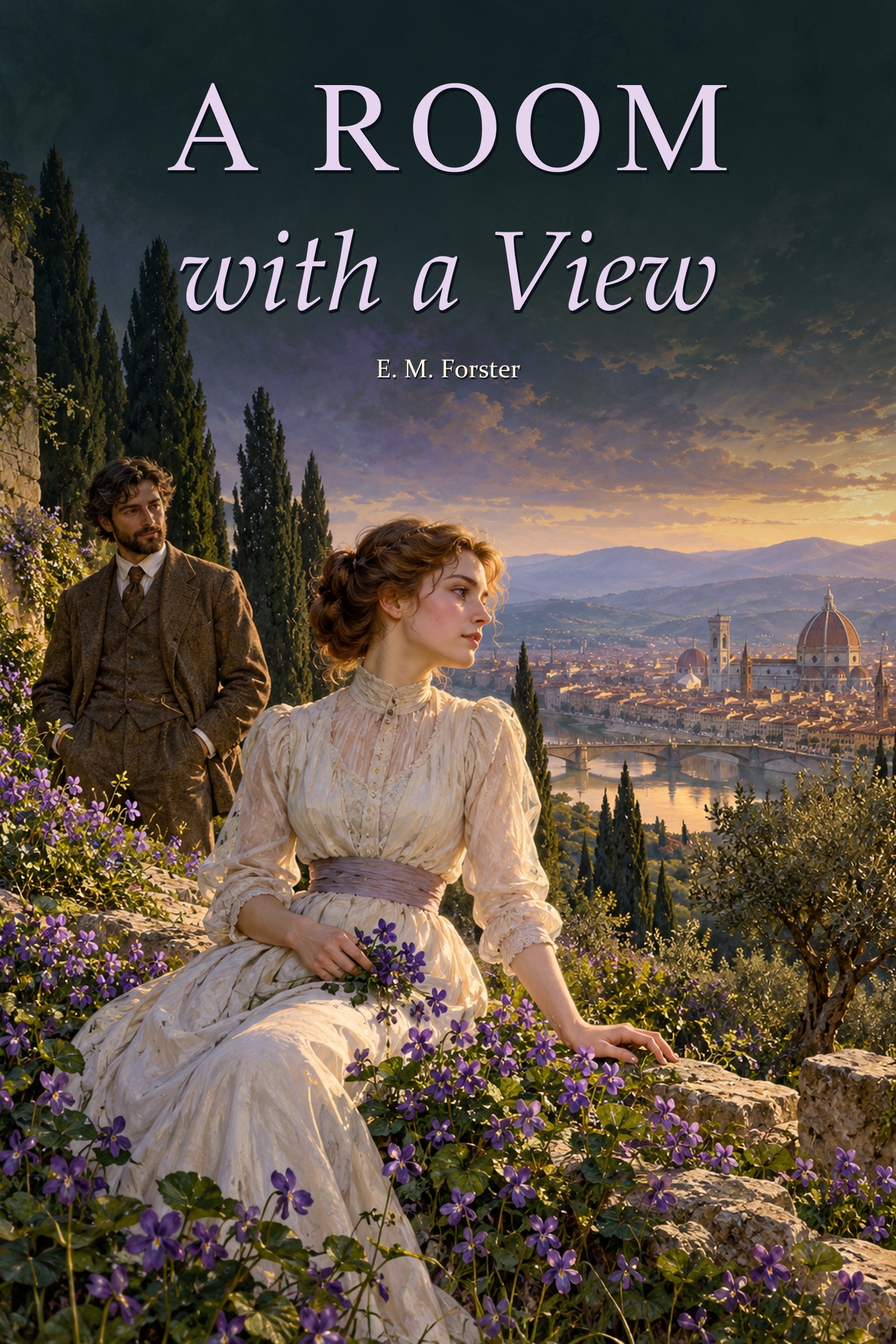
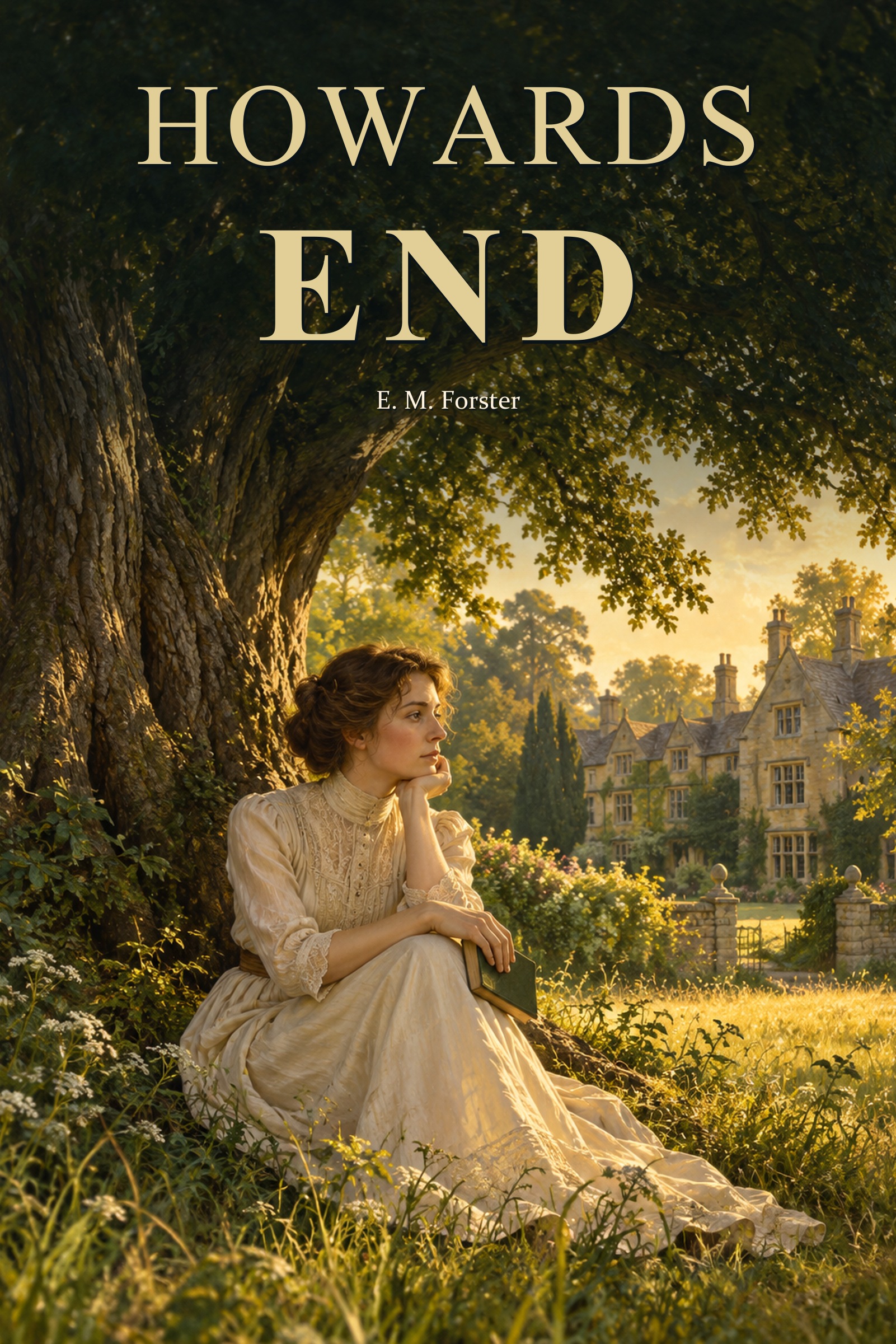
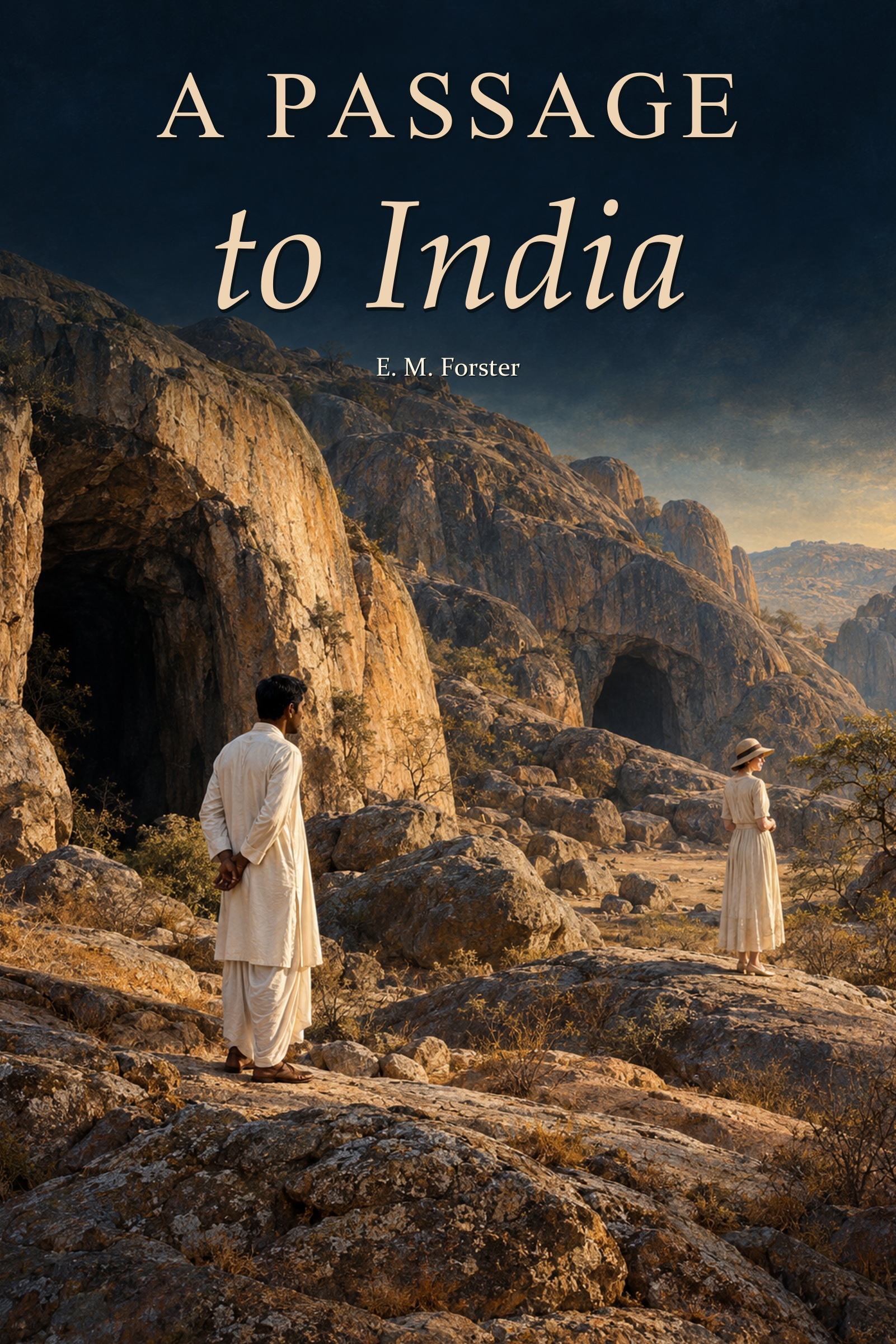
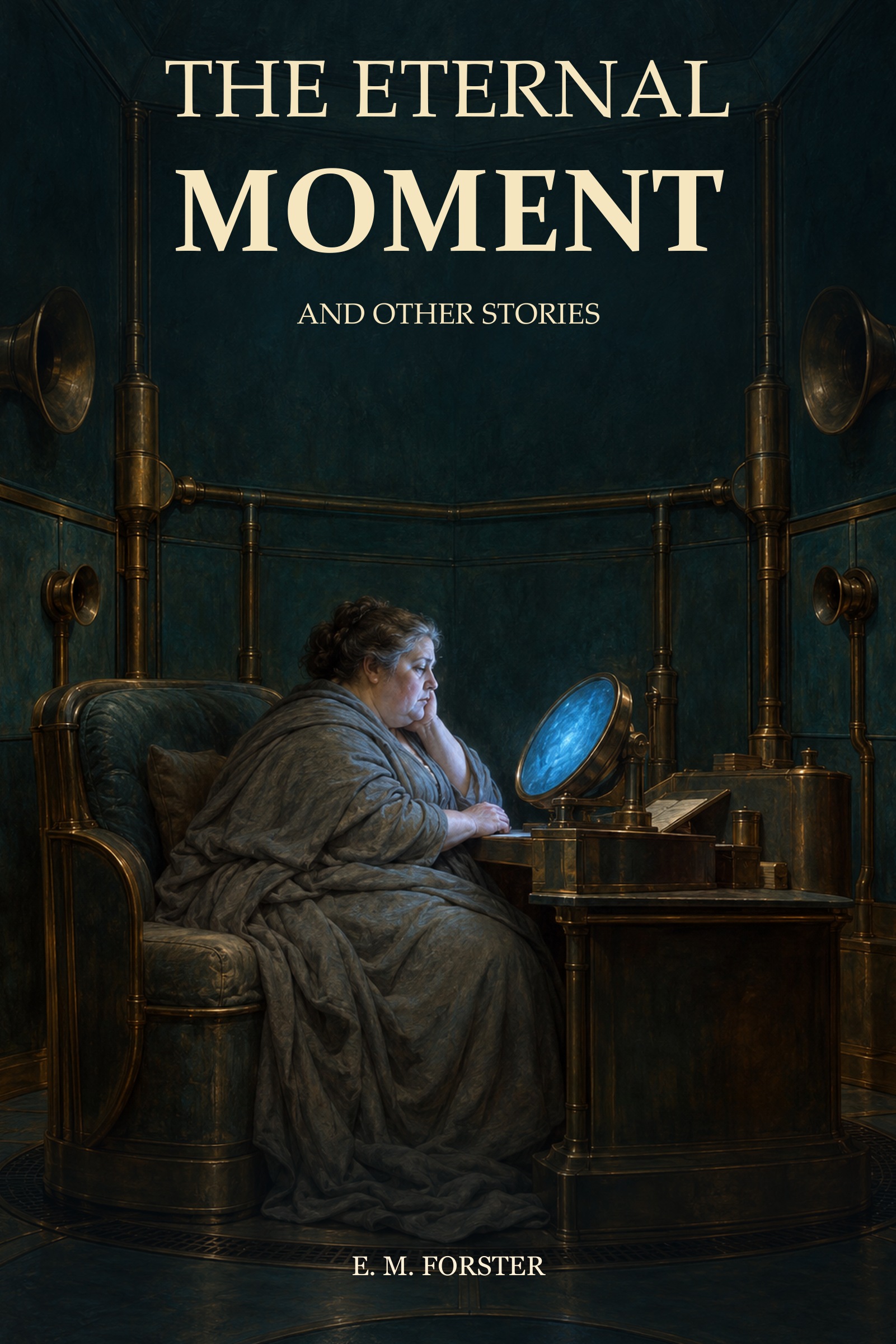
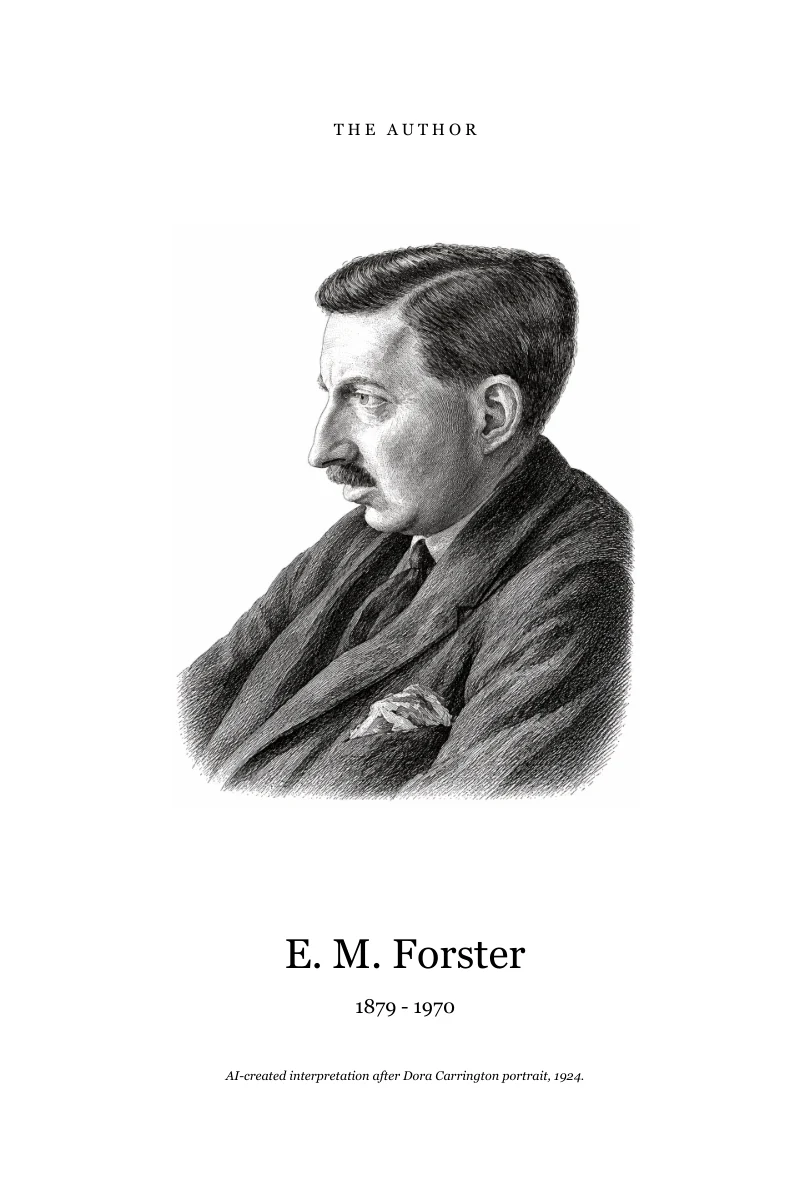
Edward Morgan Forster was an English novelist, essayist and short-story writer. He studied history and classics at King's College, Cambridge, and travelled in Europe before publishing his first novel, Where Angels Fear to Tread, in 1905. Travel and encounters across social boundaries became important elements of his fiction. A Room with a View, Howards End and A Passage to India examine the difficulty of making connections across differences of class, culture and expectation. Characters often discover that the social rules they have inherited do not provide an adequate guide to another person's experience. Forster's literary life also included criticism, biography, speeches and broadcasts. His short story The Machine Stops imagines dependence on an encompassing technological system. Later he collaborated on the libretto for Benjamin Britten's opera Billy Budd. His novel Maurice, completed in 1914, was published only after his death. Human relationships and the pressure of convention connect that book with his other work. Forster's humane intelligence does not make understanding seem easy; instead, it reveals how much attention and courage a meaningful encounter may require. Biographical reference: Wikipedia, E. M. Forster. Portrait source: Dora Carrington portrait, 1924. Full source records are retained in the edition archive.
More about the author ↗THE NEXT CHAPTER
FREE TO READ
Aspects of the Novel is in the public domain, so its words belong to everyone. Download our edition free. No account needed.
Best for phones, Apple Books, Google Play Books, Kobo and Kindle
The printed page layout, with illustrations
KEEP BROWSING