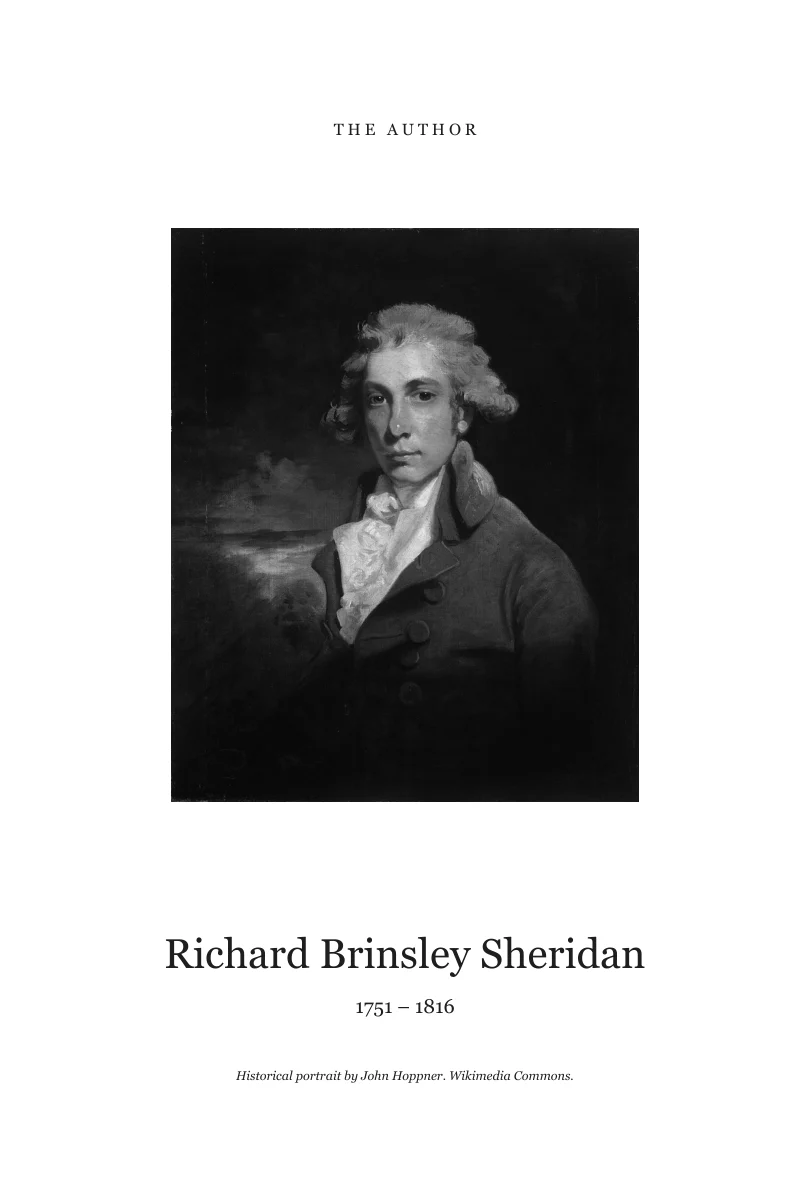
Jokes are supposed to go stale faster than anything else in literature. Yet audiences still laugh at a comedy first staged in Athens in 411 BC, while the city was losing a long and ruinous war, in which the women of Greece refuse to sleep with their husbands until the men make peace. Aristophanes’ Lysistrata has been getting laughs, and starting arguments, ever since.
The funniest classic plays share that nerve. They take a single absurd premise (a sex strike, a gentleman who mistakes a private house for an inn, a soldier who would rather eat chocolate than fight) and push it until everybody on stage is trapped. They are also short. Most of the plays below can be read in an evening, and all six are funnier on the page than their reputations suggest.
Six of the funniest classic plays, oldest first
- $10.99
Lysistrata
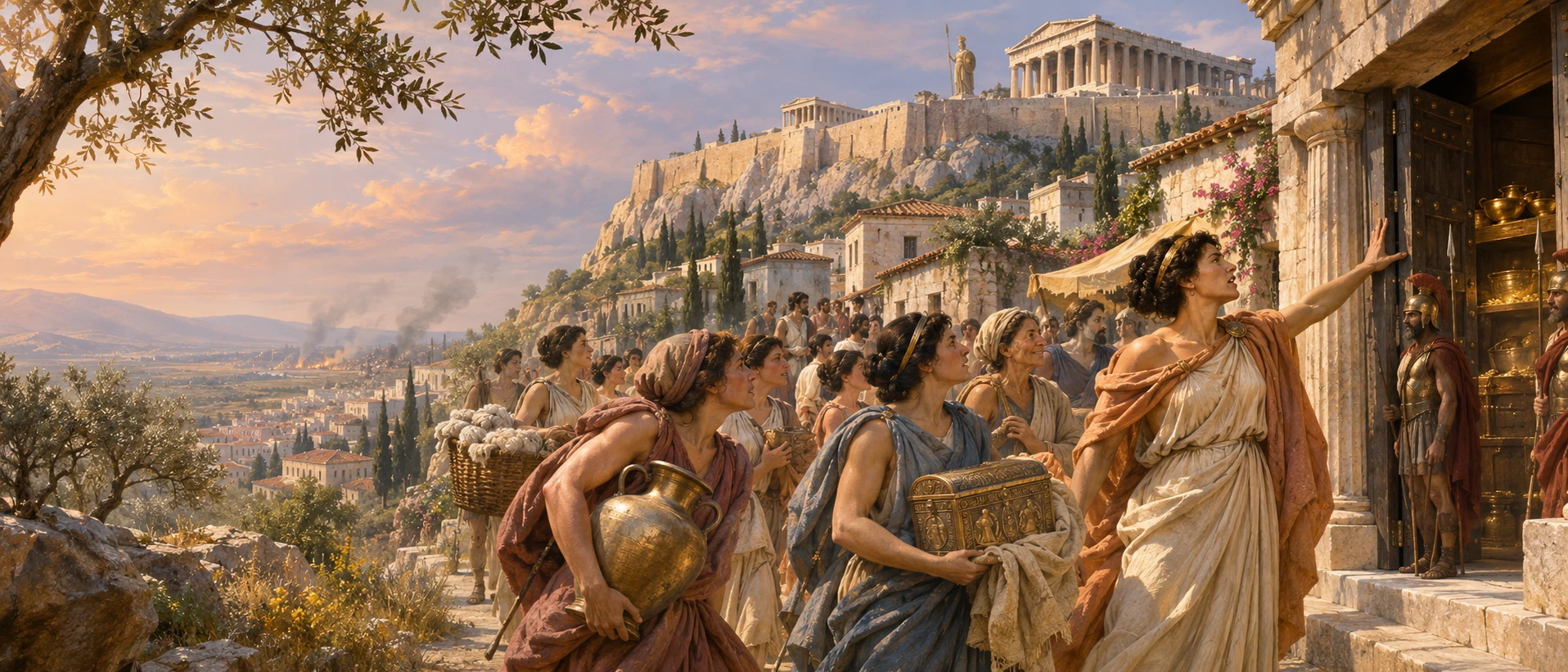
411 BC. Lysistrata persuades the women of the warring Greek cities to withhold sex until peace is signed, while the older women seize the Acropolis and the treasury that pays for the war. Bawdy, political and surprisingly modern.
- $11.99
Love's Labour's Lost
Mid-1590s. The King of Navarre and three lords swear to spend three years studying, fasting and avoiding women, just as the Princess of France arrives with three ladies. Shakespeare’s wordiest comedy, and his most unexpected ending.
- $10.99
She Stoops to Conquer
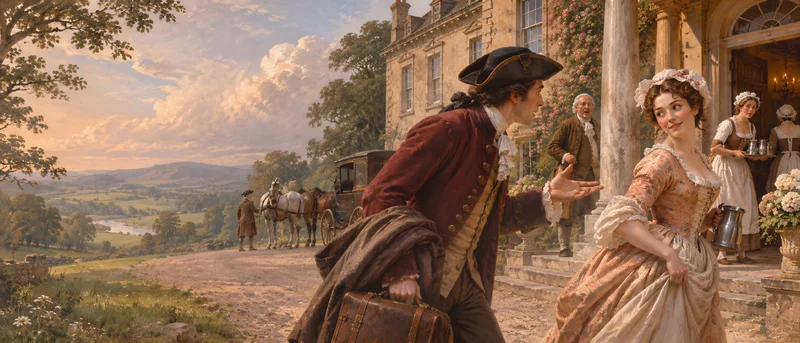
1773. Two young men are tricked into believing that Mr Hardcastle’s country house is an inn, and treat their host like a landlord. Kate Hardcastle plays along, disguised as a barmaid, to see what her shy suitor is like when he isn’t nervous.
- $11.99
The School for Scandal
1777. Lady Sneerwell’s circle of gossips ruins reputations for sport, while two very different brothers court the same heiress. Its famous fourth-act scene involves a library, a folding screen and far too many people hiding.
- $11.99
Arms and the Man
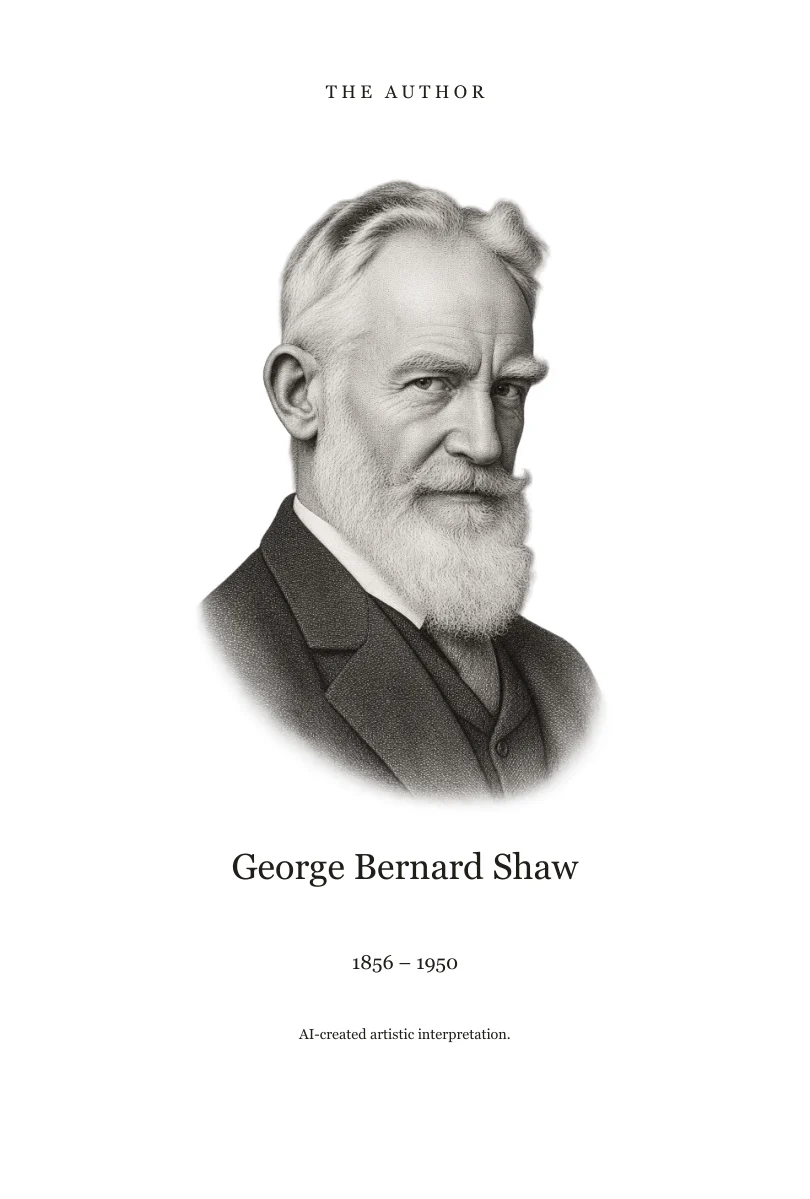
1894. A romantic Bulgarian girl hides a fleeing Swiss mercenary in her bedroom, and learns that he carries chocolates instead of cartridges. Shaw’s cheerful demolition of military glory.
- $11.99
The Importance of Being Earnest
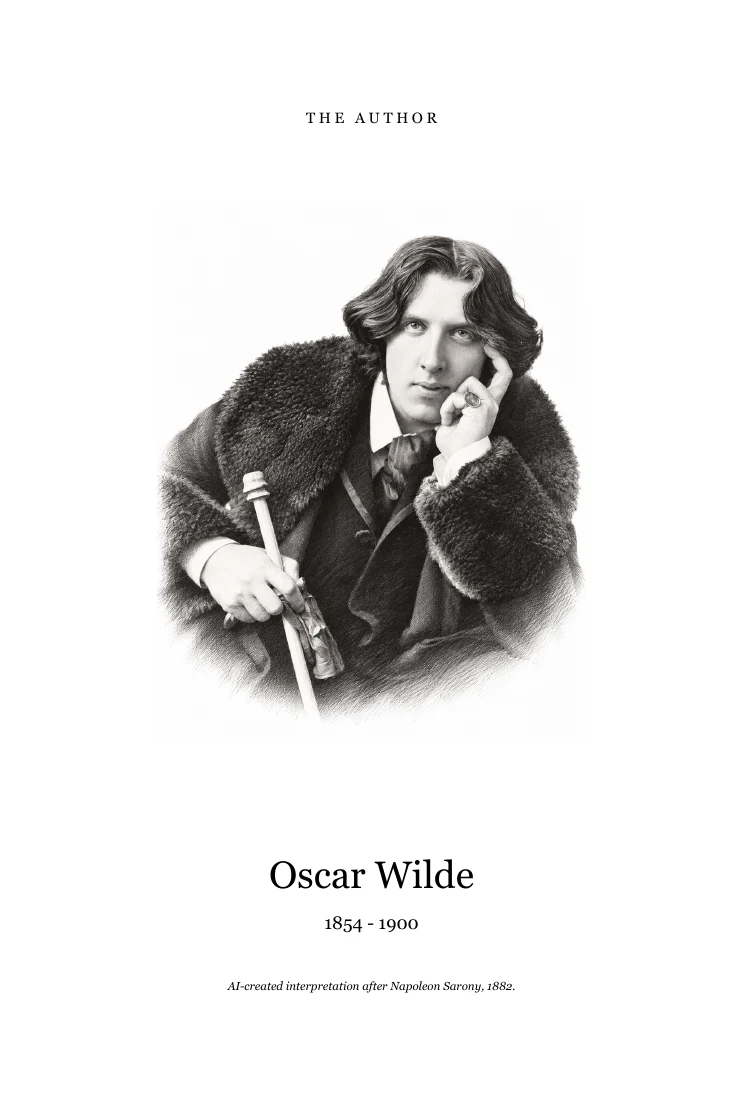
1895. Two young men invent people to escape their obligations: a troublesome younger brother called Ernest and an invalid friend called Bunbury. The result may be the most quoted comedy in English.



What makes these classic comedies so funny?
Every one of them is built on a lie that grows. In She Stoops to Conquer the mischief-maker Tony Lumpkin sends the travellers to the wrong house, and the joke runs on because nobody ever thinks to ask. His motto would do for the whole genre:
Ask me no questions, and I’ll tell you no fibs.
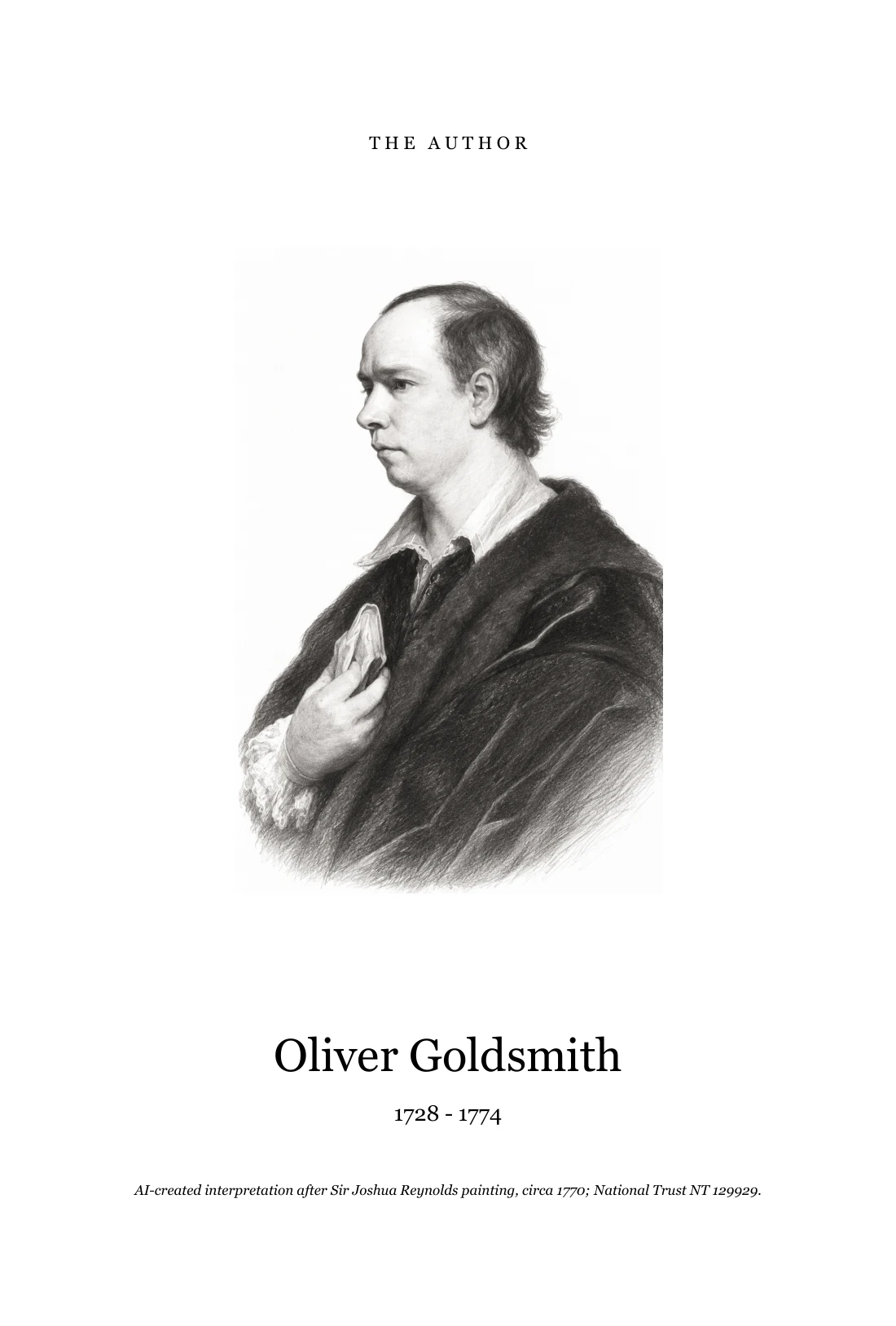
Tony Lumpkin, in Oliver Goldsmith, She Stoops to Conquer (1773)
The School for Scandal, first performed at Drury Lane on 8 May 1777, goes one better. Its great set piece hides one character behind a screen and another in a closet while a third tries desperately to keep them apart, and the reveal is one of the best-timed moments in English theatre. We won’t say who is behind the screen.
Shaw’s comedy works differently. Arms and the Man was first produced at the Avenue Theatre in London on 21 April 1894, and it gets its laughs by letting a professional soldier tell the truth about war to a girl brought up on heroic poetry. Captain Bluntschli puts it plainly:
You can always tell an old soldier by the inside of his holsters and cartridge boxes. The young ones carry pistols and cartridges; the old ones, grub.
Bluntschli, in Bernard Shaw, Arms and the Man (1894)
Which classic play is the funniest?
Many readers would give the crown to Oscar Wilde’s The Importance of Being Earnest, first performed at the St James’s Theatre on 14 February 1895. Lady Bracknell’s horror at learning that Jack was found “in a hand-bag” is perhaps the most famous two words of outrage in the language. Wilde’s other comedies are lined up in Oscar Wilde’s plays in order.
But the funniest is not always the most polished. Lysistrata is cruder and louder, and a good translation still makes people laugh out loud. Love’s Labour’s Lost is the clever one, full of puns, pedants and showing off. In one scene the clown Costard tells a page he is “not so long by the head” as honorificabilitudinitatibus, a 27-letter word that appears only once in Shakespeare.
For more William Shakespeare that makes people laugh, see Shakespeare’s comedies, ranked for first-time readers, and for the mystery of a possible sequel, Did you know Love’s Labour’s Lost may have had a sequel that vanished?
How to read a comedy on the page
Read the stage directions, because half the jokes live there. Say the lines aloud, at least in your head, and don’t stop to puzzle out every period reference; the plot will carry you. If you are new to plays in print, How to read a play on the page has more tips.
Start with the sunniest and silliest: She Stoops to Conquer, at the alehouse where Tony Lumpkin gives two lost travellers some very bad directions, and let the night of mistakes begin.
Questions readers ask
What is the funniest classic play?
Oscar Wilde’s The Importance of Being Earnest (1895) is the most often named. Strong rivals include Sheridan’s The School for Scandal, Goldsmith’s She Stoops to Conquer and Aristophanes’ Lysistrata.
What is Lysistrata about?
First staged in 411 BC, Lysistrata is Aristophanes’ comedy about a woman who persuades the women of the warring Greek cities to refuse sex with their husbands until the men agree to end the Peloponnesian War.
Where does “Ask me no questions and I’ll tell you no lies” come from?
The saying is traced to Oliver Goldsmith’s She Stoops to Conquer (1773), where Tony Lumpkin says, “Ask me no questions, and I’ll tell you no fibs.”