Marian Halcombe, the sharpest mind in The Woman in White, meets the man who will become her deadliest enemy and writes in her diary: “The man has interested me, has attracted me, has forced me to like him.” That is the secret of the great literary villains. They are not simply wicked. They are fascinating, and part of us is on their side.
Here are the villains of classic literature we think nobody should miss, grouped by the kind of menace they bring. We name them and describe them, but we do not give away their plots, their fates or any mystery’s solution.
The charmers
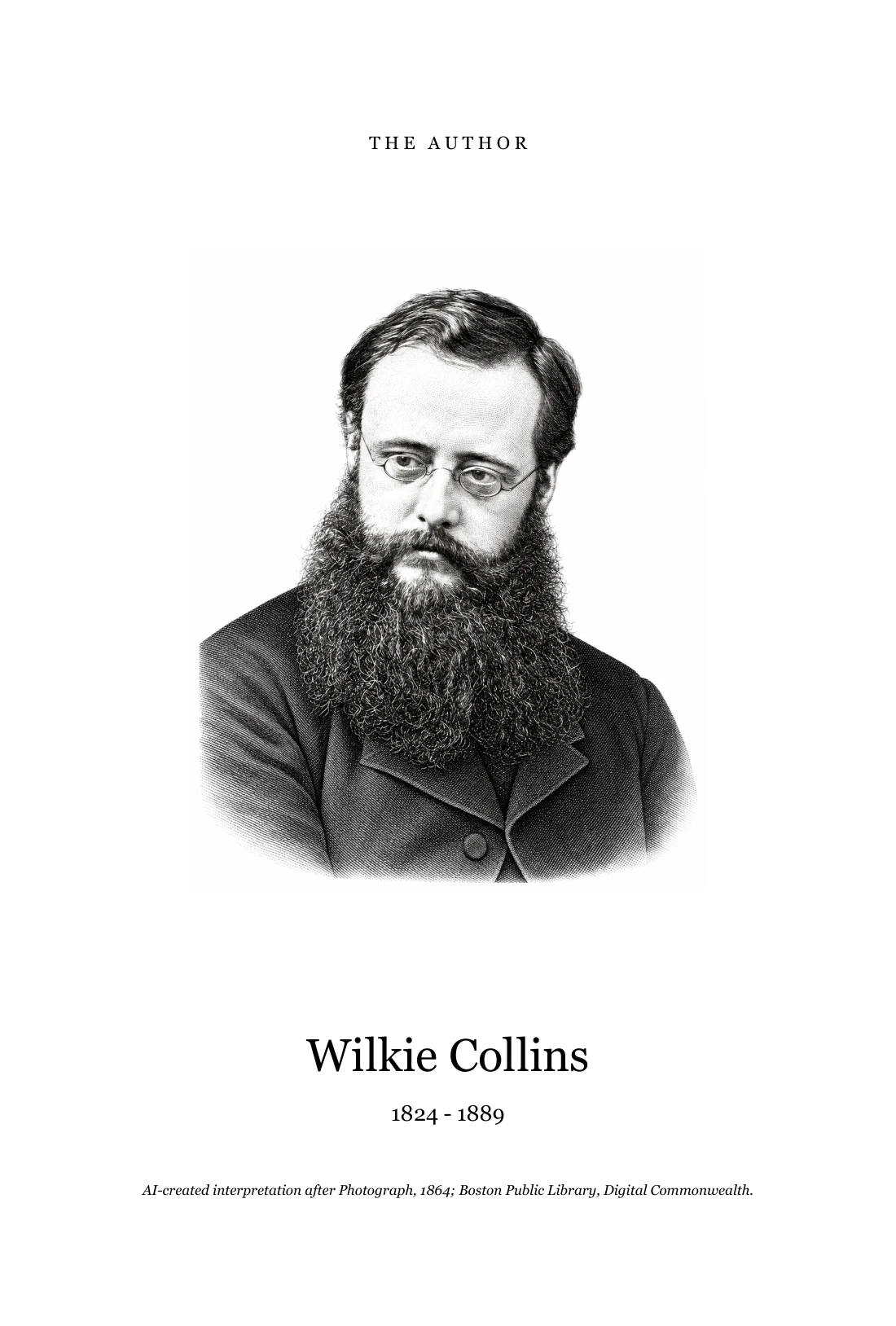
The Woman in White
1860. Count Fosco: immensely fat, softly spoken, devoted to his canaries and his tame white mice, and the most intelligent person in any room. Wilkie Collins built the template for the urbane, foreign mastermind.
Treasure Island
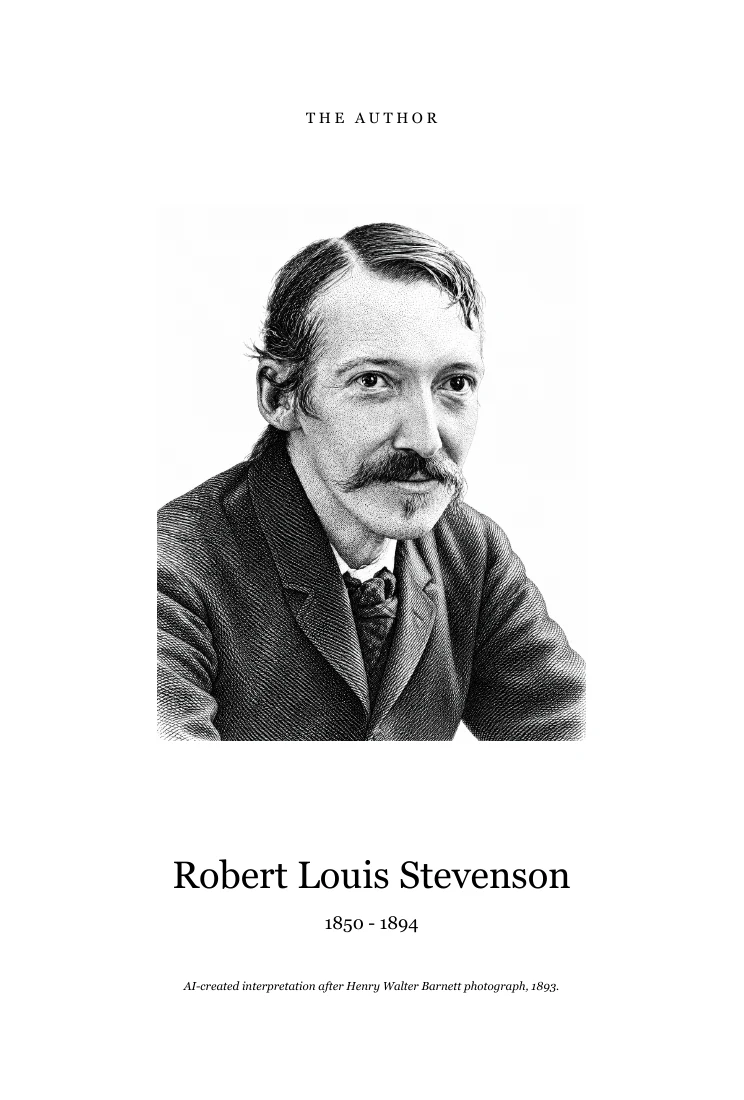
1883. Long John Silver, the one-legged ship’s cook whom Jim Hawkins likes and trusts before he knows better. Stevenson never quite lets us hate him, which is why he is so unsettling.
The Black Moth: A Romance of the XVIIIth Century
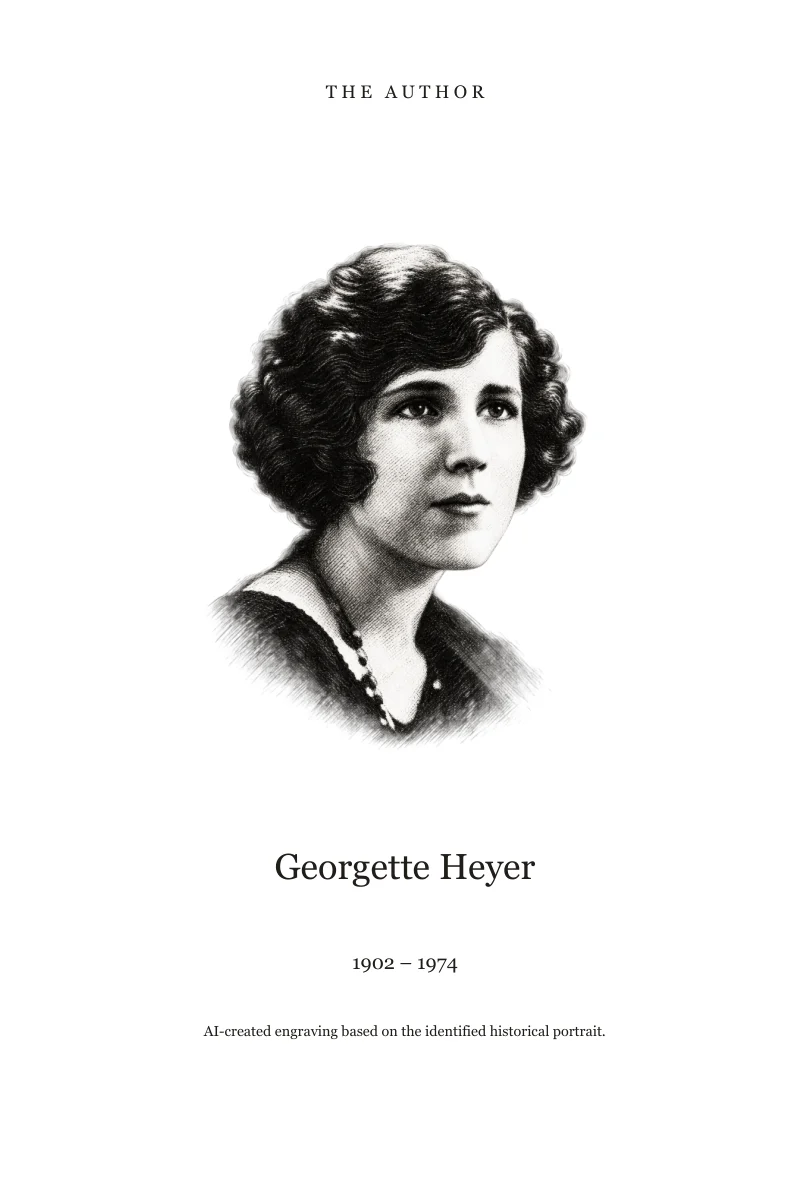
1921. Tracy Belmanoir, Duke of Andover, known as “Devil”: sarcastic, elegant, and determined to carry off the heroine. Georgette Heyer’s first villain was so vivid that she later meant to redeem him.


Heyer wrote The Black Moth in her teens as a story for her younger brother, and published it at nineteen. Andover so appealed to her that These Old Shades (1926) began life as a sequel that would redeem him; she then renamed the characters and made the new book stand alone. The story is told in Did you know Georgette Heyer wrote her first novel at seventeen?
The monster
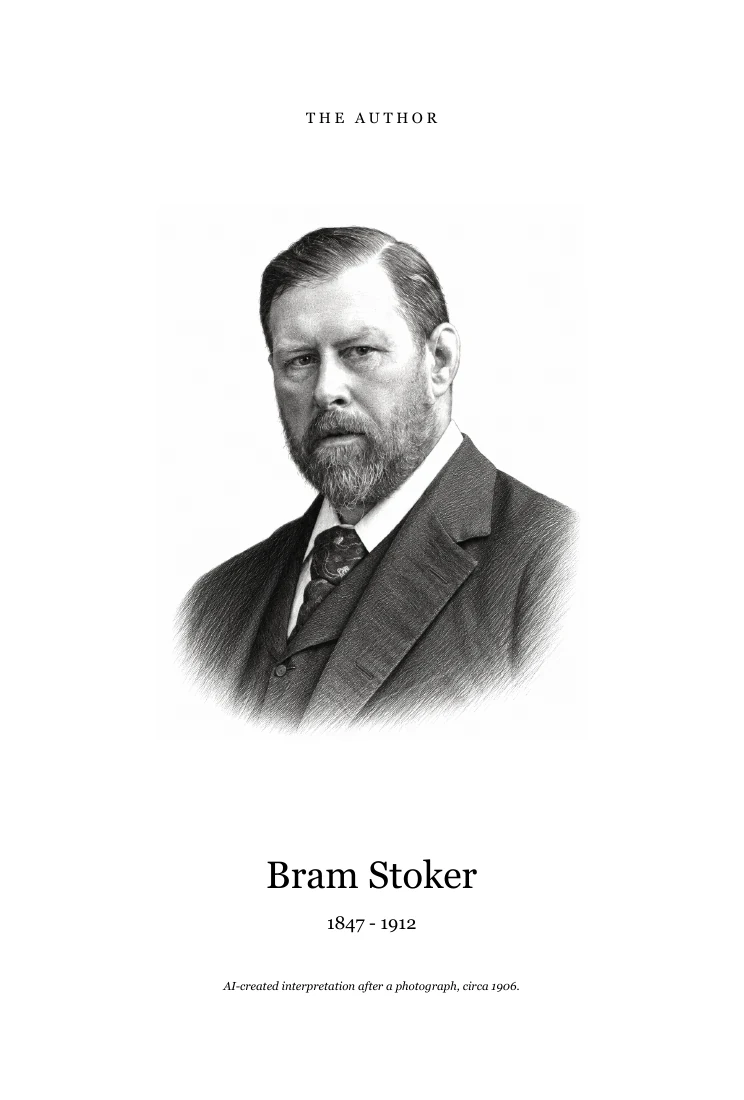
“I am Dracula; and I bid you welcome, Mr. Harker, to my house.”
Bram Stoker, Dracula (1897)
Stoker’s Count is mostly seen through other people’s letters and diaries, and the gaps are where the terror lives. Read how the form works in Did you know Dracula is told in letters and diaries?
The wounded
Miss Havisham is the most pitiable villain here. What she makes of Estella is one of Dickens’s darkest ideas. As for the real villains of Great Expectations, they are best met in the book, so we will say no more.
The masterminds and the rebels
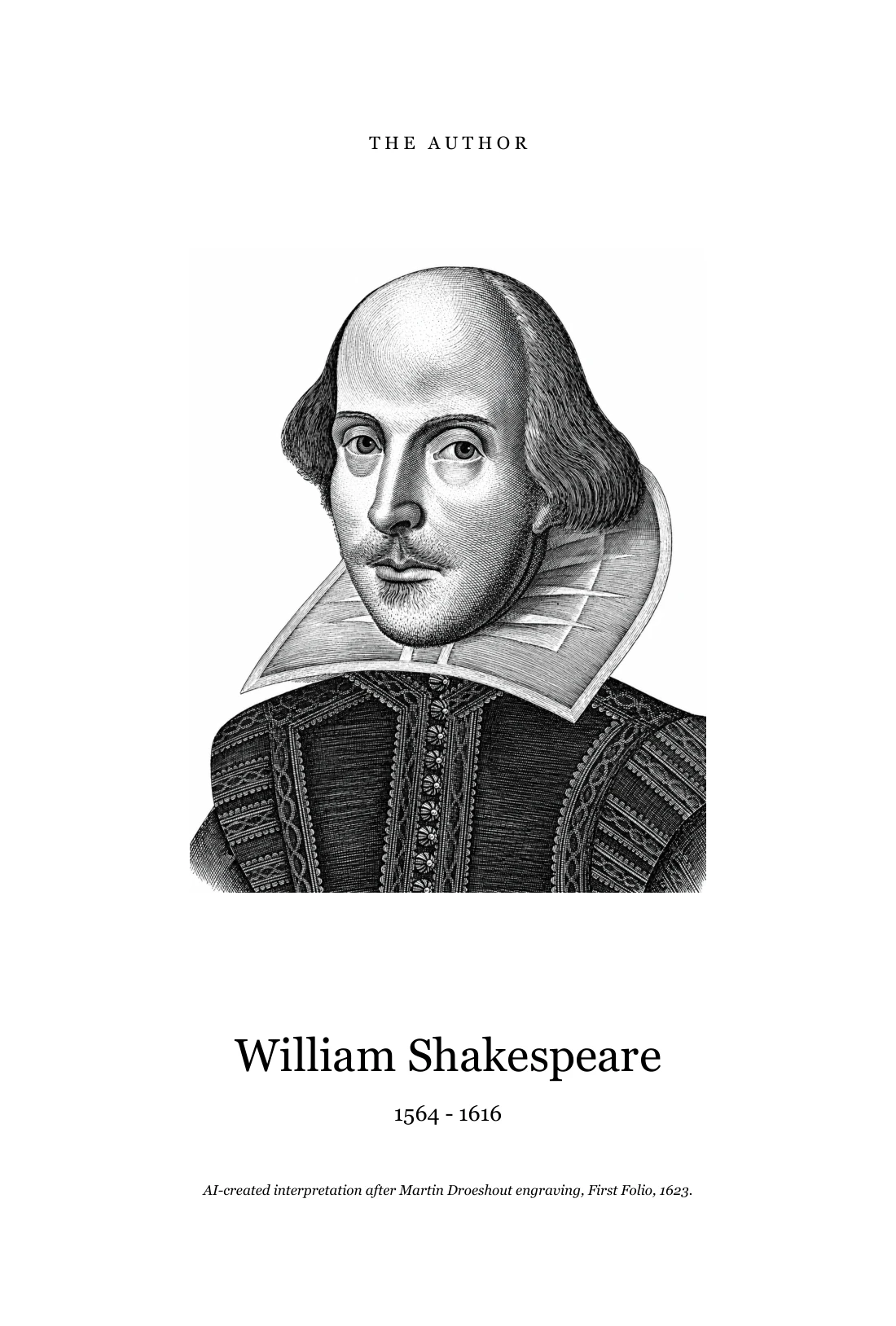
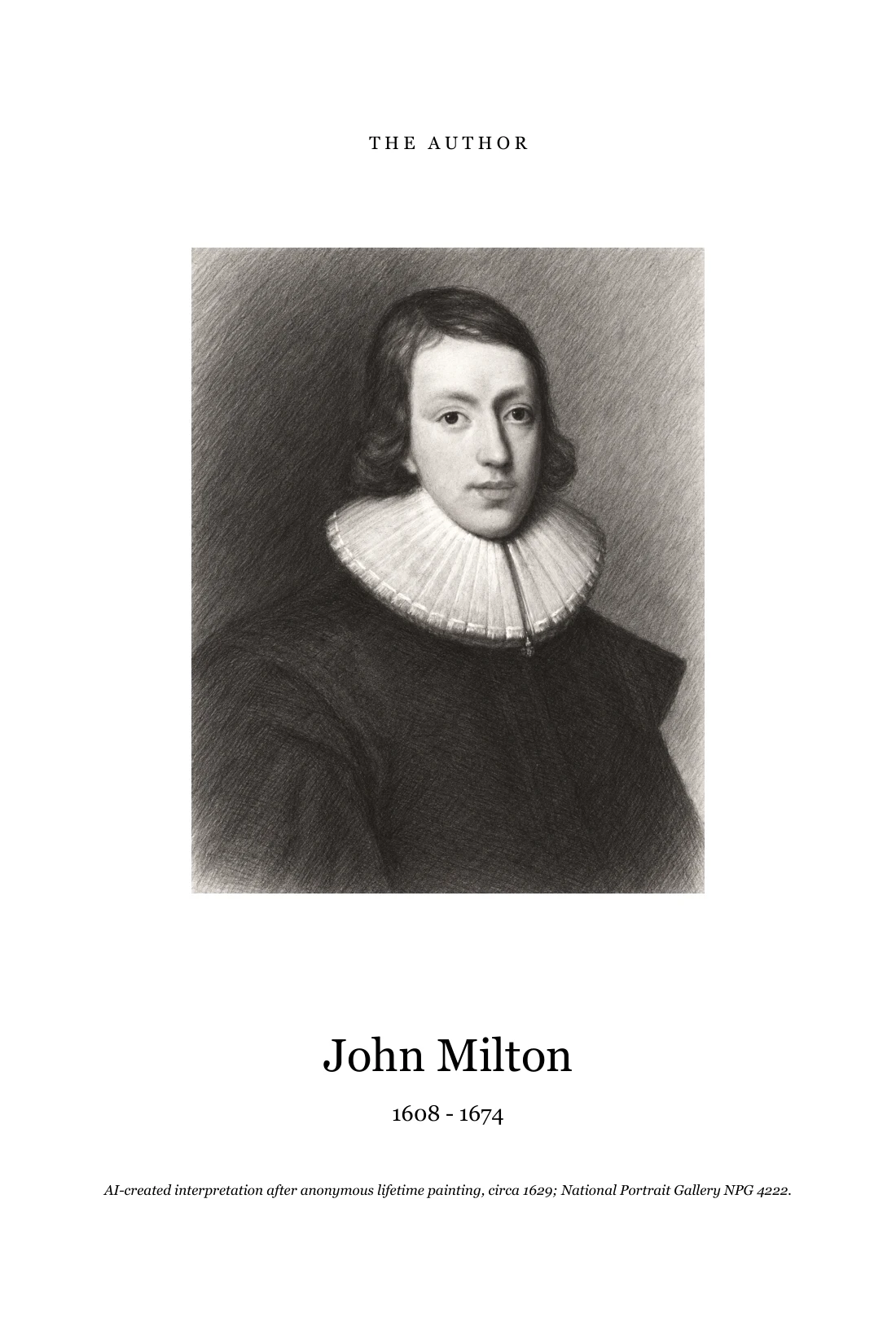
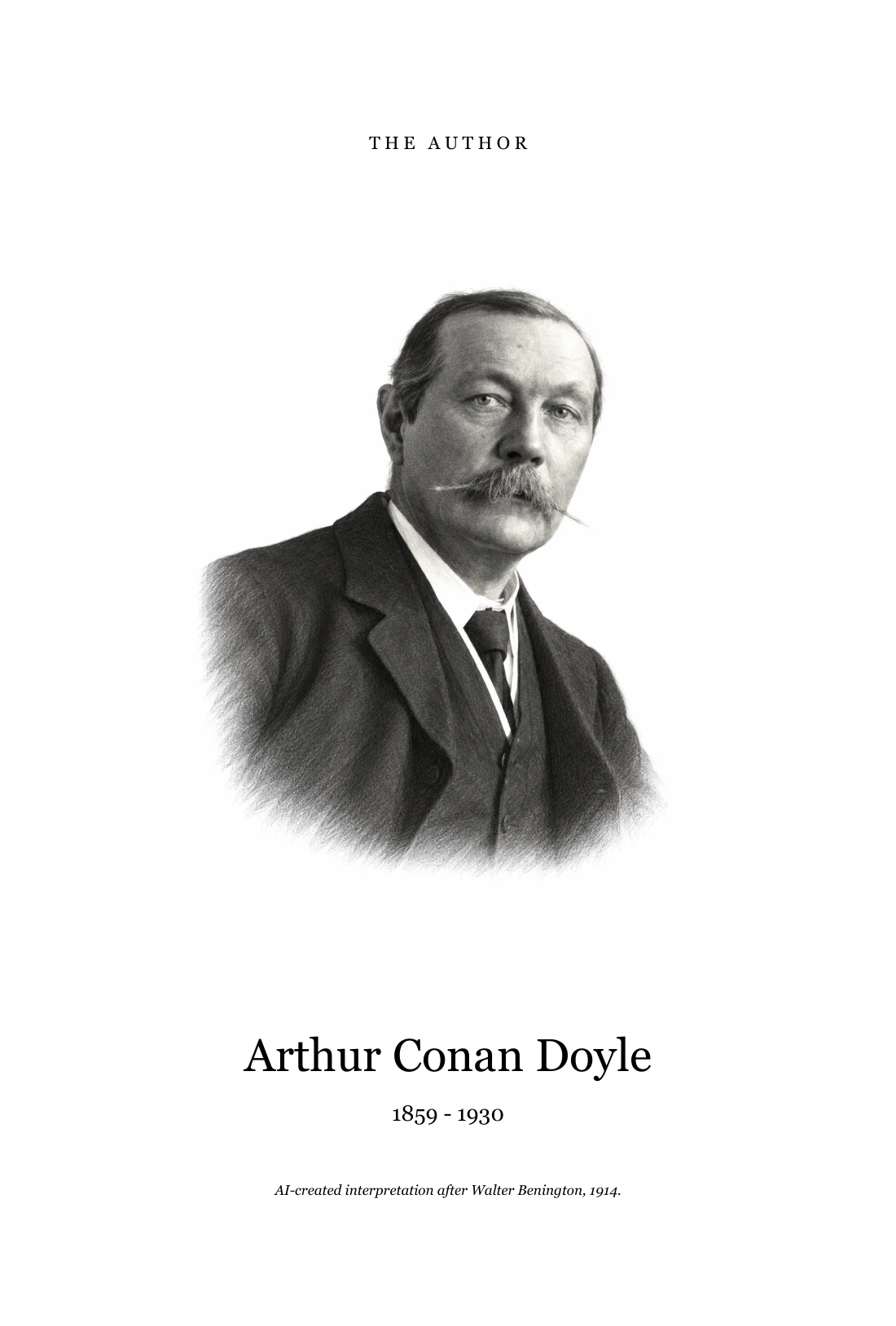
Some villains are defined by intellect, and some by pride. Shakespeare’s Iago tells the audience in the first scene, “I am not what I am,” and then spends the play proving it. Milton’s Satan, cast out of Heaven in Paradise Lost, declares it “Better to reign in Hell than serve in Heaven,” and generations of readers have found him the most compelling character in the poem. Conan Doyle needed a single short story to make Professor Moriarty immortal: Holmes calls him “the Napoleon of crime”.
Othello
c. 1603. Iago, the ensign who poisons Othello’s mind with nothing but hints and a handkerchief. Perhaps the most chilling villain in Shakespeare, because his motives never quite add up.
Paradise Lost
1667. Satan, magnificent and defiant in the opening books, then slowly diminished. The poem’s great argument is whether we should admire him.
The Memoirs of Sherlock Holmes
Contains “The Final Problem” (1893), the story that introduced Moriarty; he plays a direct part in only one other Holmes story, The Valley of Fear. Holmes describes him as a spider at the centre of a web with a thousand radiations.


The villain for children
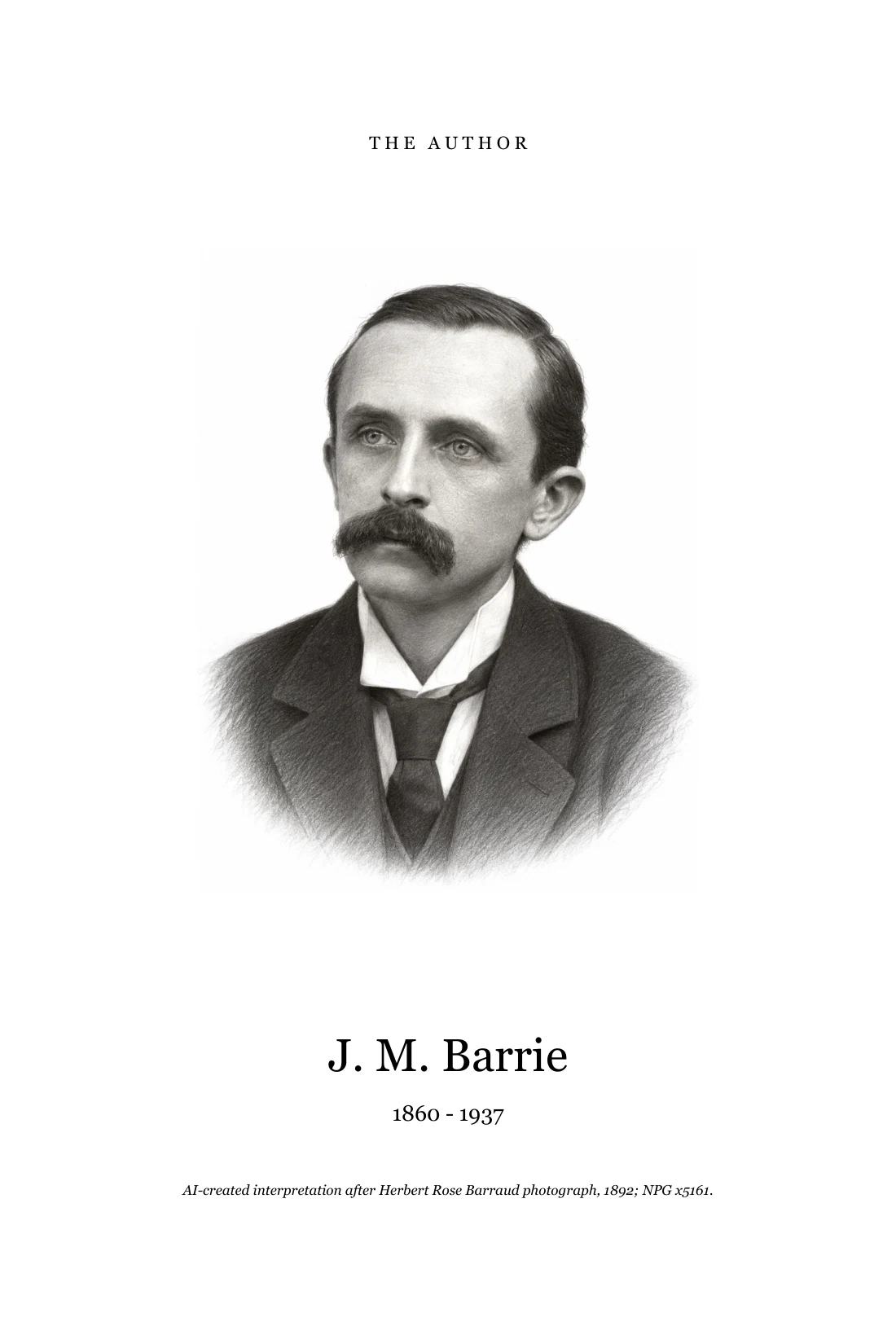
Barrie gives Hook a secret past: “Hook was not his true name,” the narrator confides, and to reveal who he really was “would even at this date set the country in a blaze”. It is the best joke in the book, and a nice lesson for any young reader on how a villain becomes memorable.
What makes a great literary villain?
- Intelligence: Fosco, Iago and Moriarty are always a step ahead.
- Charm: Silver and Andover make the reader like them, which is far more dangerous than making us fear them.
- A wound: Miss Havisham and, in his way, Satan have reasons we can understand.
- Restraint: Dracula and Moriarty are rarely seen, so imagination does the work.
For more darkness, try our pick of the best classic horror novels and the best Gothic novels. But if you want one villain to begin with, choose the fat man with the white mice. The Woman in White is long, gripping and, thanks to Count Fosco, very hard to put down.
Questions readers ask
Who is the greatest villain in classic literature?
There is no single answer, but Iago from Othello, Milton’s Satan, Count Dracula, Count Fosco from The Woman in White and Long John Silver are among those most often named.
Who is the villain in The Woman in White?
Count Fosco, an Italian nobleman of great charm and intelligence, is the novel’s celebrated villain.
Is Miss Havisham a villain?
She is often counted among Dickens’s great villains for the way she uses Estella to wound men, but she is also a victim, jilted on her wedding day, and the novel treats her with pity.