Which old-fashioned books for girls are worth taking down again? The famous ones, Little Women, What Katy Did, A Little Princess, never really went away. The ones that did are often just as readable: a thirteen-year-old who takes a job in a paper mill, a shy country girl sent to fashionable Newport, a new girl at boarding school, a club of little girls who cure a grumpy aunt, and a pair of orphan twins who save their wages to see the Chicago World’s Fair.
They were written between 1885 and 1916, all by women, and they share a belief that girls’ ordinary lives, at work, at school, at home, were worth a whole book. They also share the habits of their time, including a good deal of improving moral talk. Read them for their heroines, who are braver and funnier than the lessons around them.
Girls at work: Katie Robertson
Katie Robertson: A Girl’s Story of Factory Life (1885) by Margaret E. Winslow is the most unusual book here. Katie is thirteen, small for her age and the daughter of a poor widow, and without telling anyone she asks for work at the bookbindery of the Squantown Paper Mills, where her two older brothers already earn their keep. There is no vacancy, so she tries the mill itself. Her mother weeps; Katie laughs that she will not be much of a fighter. The author’s dedication says most of the incidents are true.
It was published by a Congregational Sunday-school society, and it is openly religious. But it takes a working girl’s life seriously, as something to be proud of rather than pitied, and Katie herself is spirited company.

Girls away from home: A Little Country Girl and Peggy
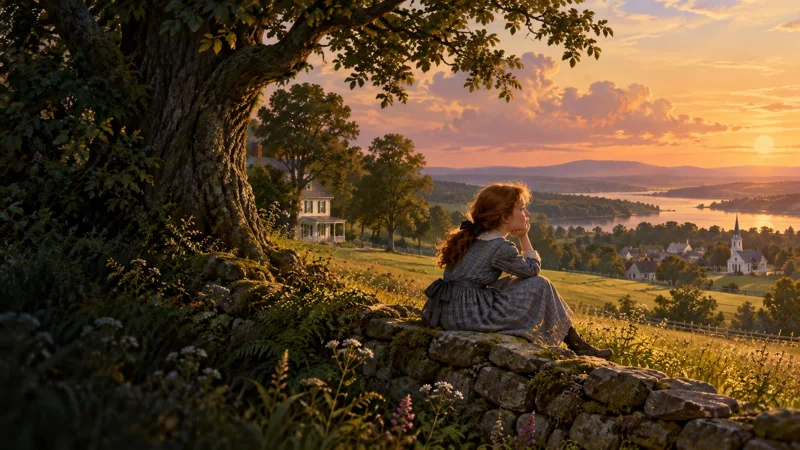
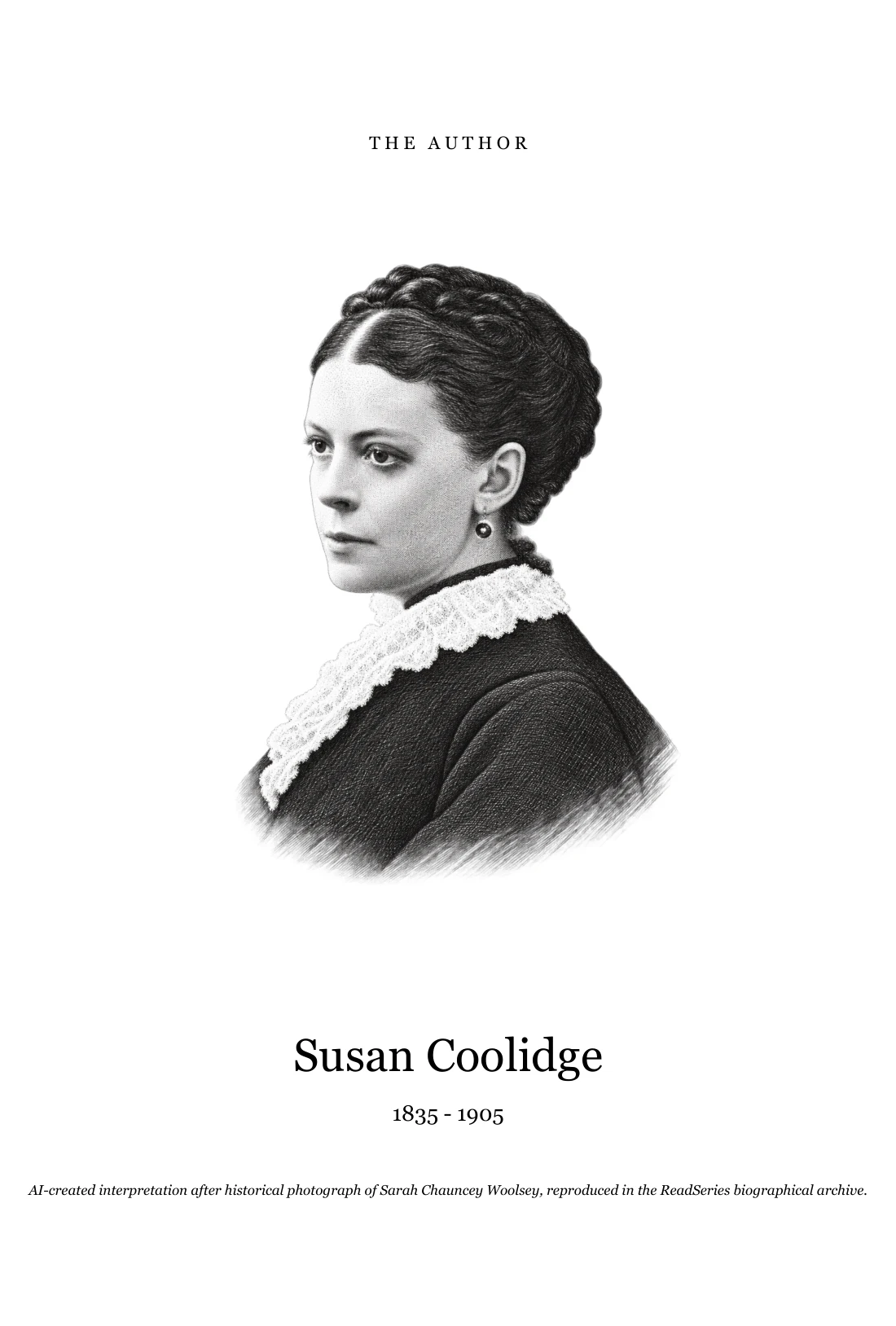
Susan Coolidge, the pen name of Sarah Chauncey Woolsey, is remembered for What Katy Did. A Little Country Girl (1885) begins on a steamer to Newport, where Candace Arden, travelling alone for the first time, is on her way to stay with her cousin, Mrs Courtenay Gray, among the summer families. What follows is a gentle story about shyness and fitting in, with chapters called “The Manual of Perfect Gentility” and “A Talk about Shyness”.
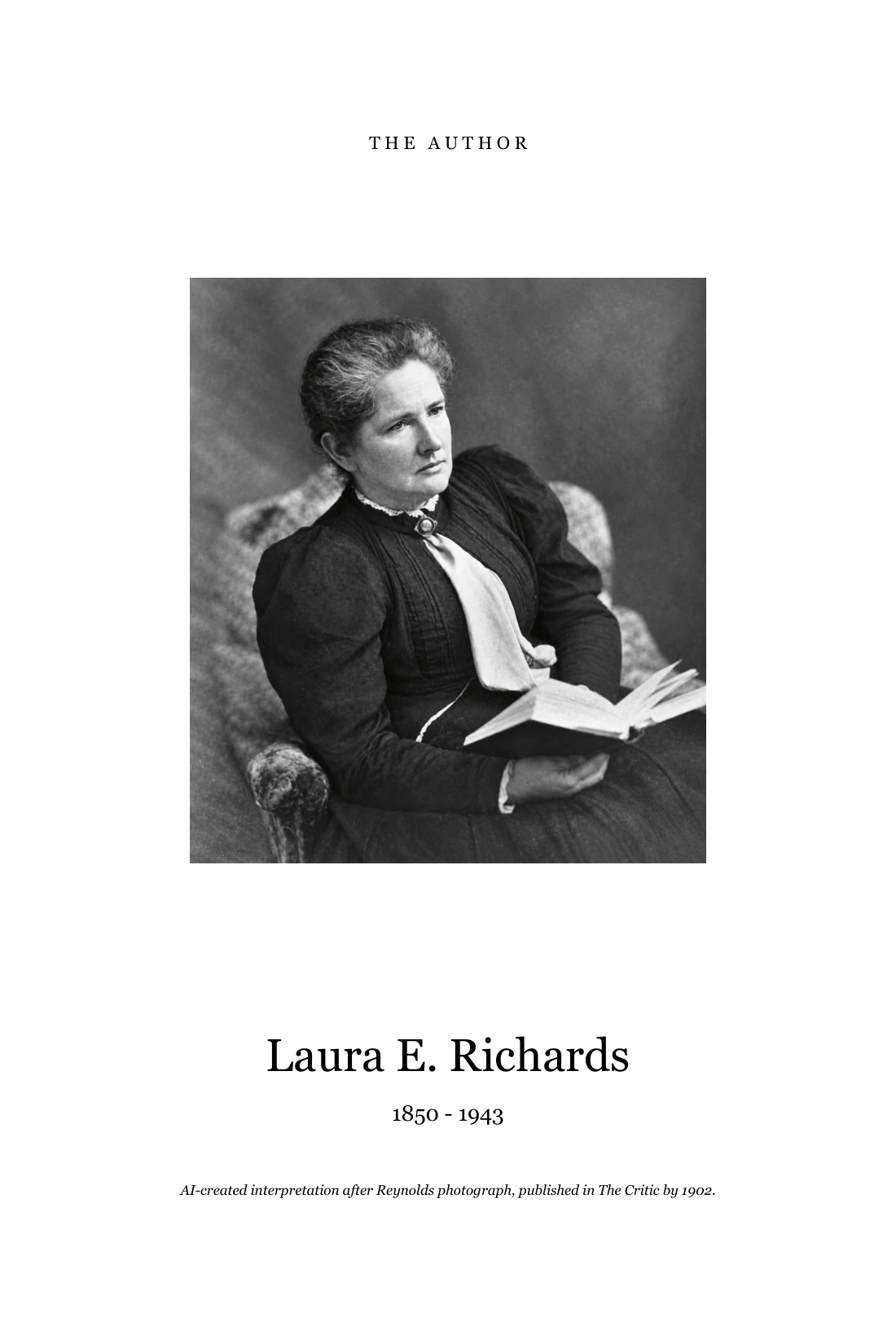
Laura E. Richards was the daughter of Julia Ward Howe, who wrote “The Battle Hymn of the Republic”, and in 1917 she and two of her sisters shared the first Pulitzer Prize for Biography for a life of their mother. Peggy (1899) is a boarding-school story, and it begins with a mix-up: the Principal calls for “Miss Montfort”, and Peggy, heroine of the third book in Richards’s Three Margarets series, has to stand up blushing and admit that she is “just Peggy”. It is affectionate, funny and short.
Katie Robertson
1885. A widow’s daughter goes to work in a paper mill at thirteen. A Sunday-school story with a working heroine and true incidents behind it.
A Little Country Girl
1885. A shy country girl spends a summer among the rich in Newport, by the author of What Katy Did. Quietly observant and kind.
Peggy
1899. A new girl, a boarding school and the business of making friends. A companion to Richards’s Three Margarets books.


Girls together: The Blue Birds’ Winter Nest
Lillian Elizabeth Roy wrote series fiction for girls, and The Blue Birds’ Winter Nest (1916) belongs to the days when girls’ clubs were new. Its heroines are Blue Birds, a club for girls too young for the Camp Fire Girls, and in this winter they take on a peevish old invalid, Aunt Selina, along with a boys’ club called the Bobolinks and, by the end, a magazine of their own. Aunt Selina’s story of the Civil War is the highlight.

Girls on an adventure: Two Little Pilgrims’ Progress
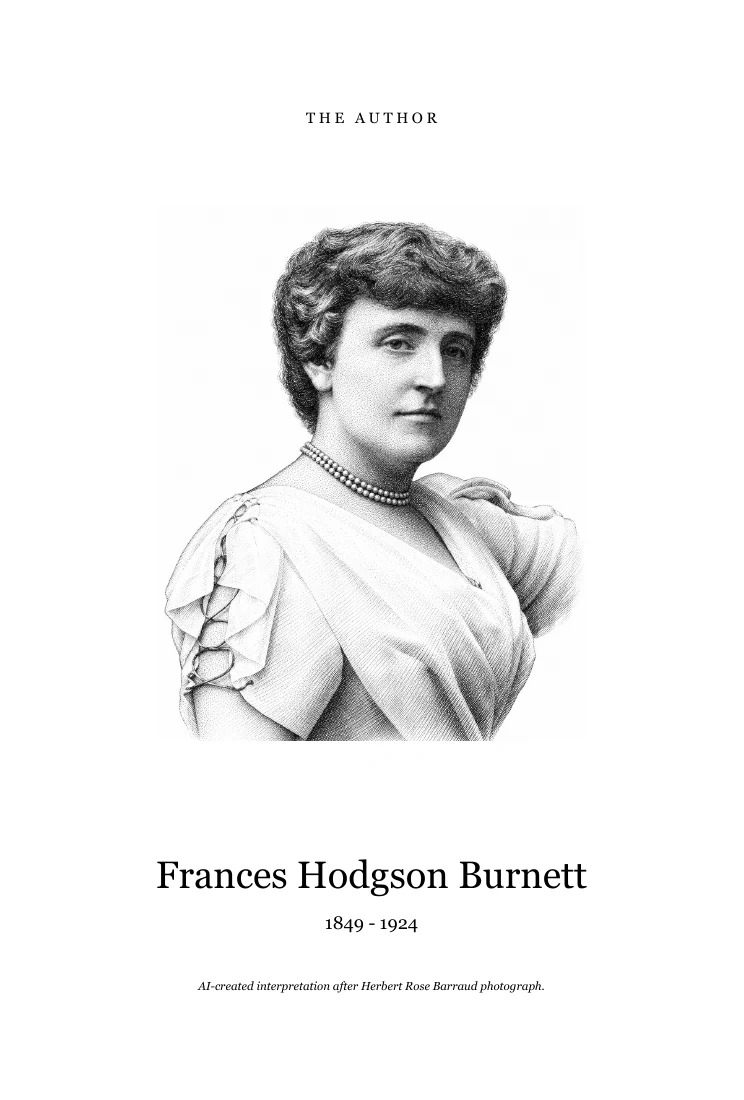
Frances Hodgson Burnett wrote Two Little Pilgrims’ Progress (1895) about the great Chicago fair of 1893, the “City Beautiful” of the subtitle. Meg and Robin are orphan twins living on their Aunt Matilda’s farm, and Meg reads an old copy of The Pilgrim’s Progress in a hideout on top of a straw stack. When the twins hear about the fair, they decide to work, save every cent and go. It has the determined heroine and the touch of fairy tale that readers of A Little Princess will know.
The Blue Birds' Winter Nest
1916. A girls’ club, a cross old aunt and a home-made magazine. Lively, busy and very much of 1916.
Two Little Pilgrims' Progress: A Story of the City Beautiful
1895. Two orphans set out for the Chicago World’s Fair on their own savings. Burnett at her most hopeful.


Which old-fashioned book for girls should you start with?
A modern child of nine or ten will probably race through Two Little Pilgrims’ Progress or Peggy, which move fastest. A Little Country Girl rewards patient readers who like the Katy books. Katie Robertson is the one to read with an adult, perhaps alongside a conversation about child labour, then and now. And The Blue Birds’ Winter Nest suits younger readers who like clubs and projects.
For the famous names, see What Katy Did, Did you know Frances Hodgson Burnett grew up in Tennessee? and brave heroines in classic children’s books. The book Meg reads in the straw stack has its own place in classic spiritual books.
Begin with the new girl who would rather not be called Miss Montfort. Peggy takes an afternoon to read, and its heroine is still good company.
Questions readers ask
What are some old-fashioned books for girls?
Beyond Little Women and What Katy Did, forgotten classics include Margaret E. Winslow’s Katie Robertson (1885), Susan Coolidge’s A Little Country Girl (1885), Laura E. Richards’s Peggy (1899), Frances Hodgson Burnett’s Two Little Pilgrims’ Progress (1895) and Lillian Elizabeth Roy’s The Blue Birds’ Winter Nest (1916).
Who was Laura E. Richards?
Laura E. Richards was an American children’s writer, daughter of Julia Ward Howe. In 1917 she and her sisters Maud Howe Elliott and Florence Howe Hall shared the first Pulitzer Prize for Biography for their life of their mother.
Who was Susan Coolidge?
Susan Coolidge was the pen name of Sarah Chauncey Woolsey (1835–1905), author of What Katy Did (1872) and its sequels, as well as other girls’ stories such as A Little Country Girl.
What is Two Little Pilgrims’ Progress about?
Frances Hodgson Burnett’s 1895 story follows orphan twins, Meg and Robin, who save their earnings to visit the World’s Fair in Chicago, the “City Beautiful” of the subtitle.