

“The Signora had no business to do it,” said Miss Bartlett, “no business at all. She promised us south rooms with a view close together, instead of which here are north rooms, looking into a courtyard, and a long way apart.” That is how A Room with a View opens, and it could open almost any of the classic novels set in Italy. The English and Americans arrive for beauty and spend the first page complaining about their lodgings.
E. M. Forster knew the type from the inside: in 1901 he and his mother stayed at the Pensione Simi in Florence, which gave him the Pension Bertolini. The books below follow travellers like the Miss Bartletts, and a few natives, through four parts of the country. We have arranged them by place, so you can read your way down the map.
Novels set in Florence
A Room with a View
1908. Lucy Honeychurch is parted from her guidebook on the way to Santa Croce, witnesses a stabbing in the Piazza Signoria and is kissed in a field of violets above Fiesole. Then she goes home to Surrey and tries very hard to forget all of it.
Romola
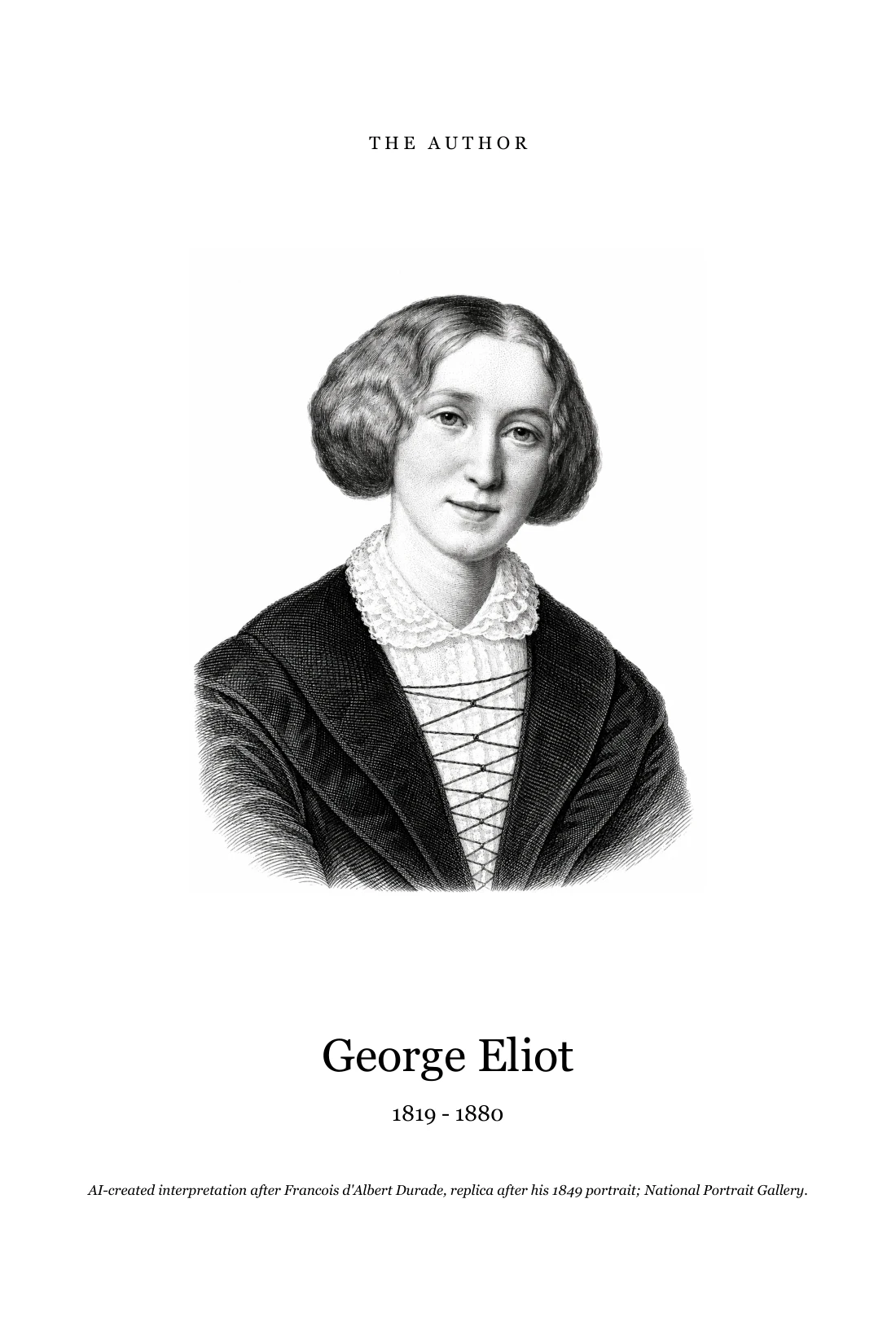
1862–63. The one George Eliot novel set entirely outside England: Florence in the 1490s, after the death of Lorenzo de’ Medici, as the friar Savonarola rises to power. A scholar’s daughter marries a charming Greek stranger and learns what he is.


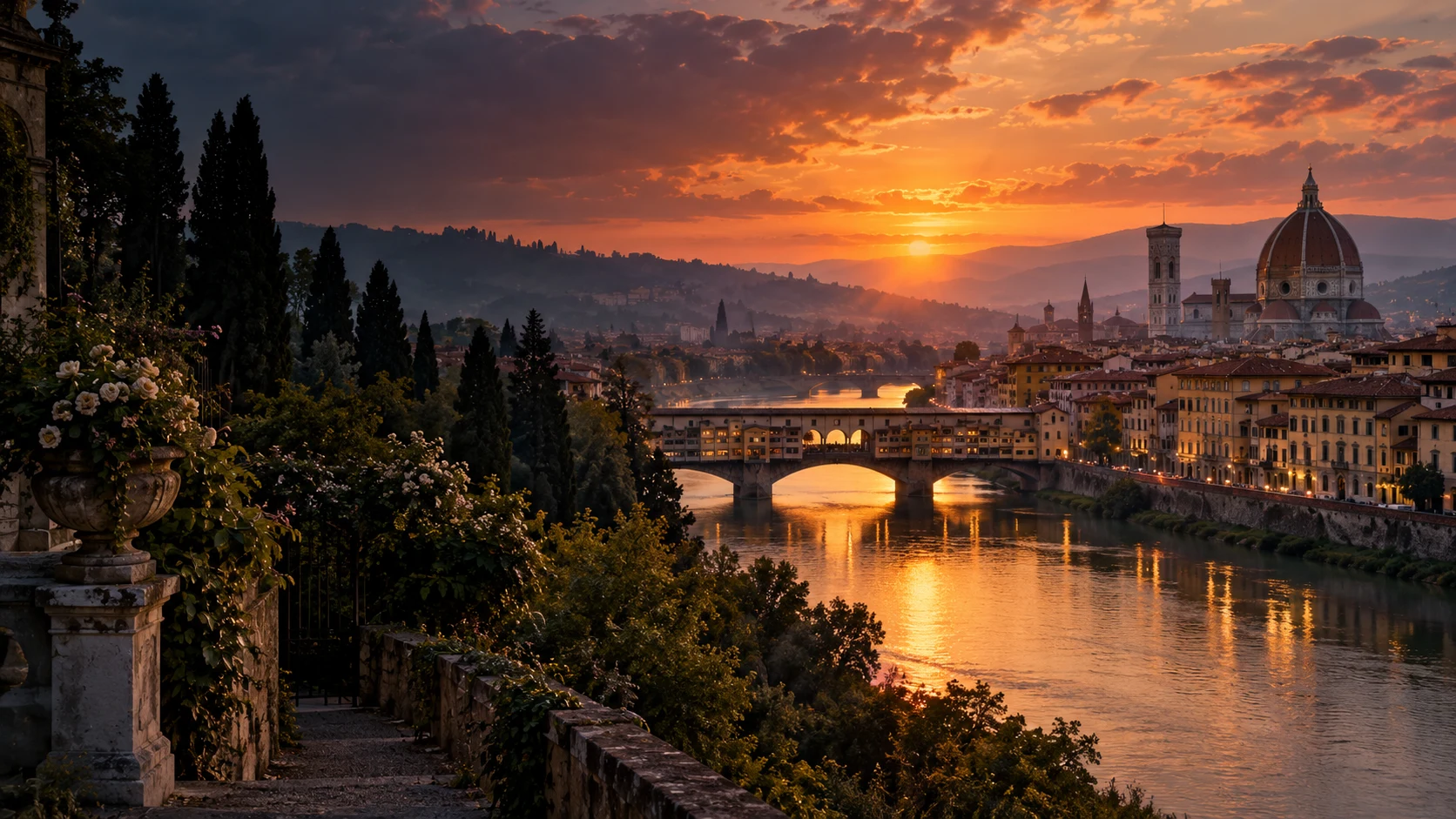
The two Florence novels could hardly be more different. Forster’s is a brisk comedy of manners; Eliot’s is a vast historical novel full of real people, from Machiavelli chatting in a barber’s shop to the burning of the vanities. Romola first ran in fourteen parts in the Cornhill Magazine, whose publisher is reported to have paid £7,000 for it, and Eliot said she could swear by every sentence “as having been written with my best blood”. It is a demanding read and a rewarding one, especially if you have walked the streets it describes.
Novels set in Venice
The Aspern Papers
1888. A nameless American editor takes rooms in a decaying Venetian palazzo, hoping to get his hands on a dead poet’s love letters. Henry James based it on letters Shelley wrote to Claire Clairmont, which she kept until her death.
A Venetian June
1896. Two American sisters, Pauline and May, spend a June in Venice with their uncle, a retired colonel. Gondolas, a festa, an outing to Torcello and a slow-burning romance: the gentlest book on this list.


The Aspern Papers and A Venetian June show the two faces of the city in the 1890s. James’s Venice is shuttered rooms, an ancient woman with a green shade over her eyes and a narrator who will flatter anyone to get what he wants. Anna Fuller’s is water, light and colour, written for readers who longed to go there. It was popular: the copy Project Gutenberg transcribed describes itself as the twenty-third printing.
Novels set in Rome
Rome in these books is a place of rules, kept by expatriates more anxiously than by Romans. Daisy breaks them without noticing they exist, and James never quite tells you whether she is innocent or simply careless. For the rest of his work, start with Where to start with Henry James.

The Italian Riviera
Elizabeth von Arnim wrote The Enchanted April in the castle she describes, the fifteenth-century Castello Brown above Portofino, after a holiday there. The book was a bestseller in Britain and America in 1923, and at least one critic has credited it with making Portofino fashionable. More about her in Elizabeth von Arnim and The Enchanted April.
More Italy on the shelf
Italy was a setting long before the Edwardians found it. Boccaccio’s storytellers flee plague-struck Florence for a villa in the hills; Ann Radcliffe’s heroine is carried off to a castle in the Apennines; and Dickens wrote a travel book about the place that is sharper and funnier than its reputation.
The Decameron
The 1350s. Seven young women and three young men escape the Black Death to a country villa and tell a hundred stories, by turns bawdy, cruel and tender.
The Mysteries of Udolpho
1794. Emily St. Aubert, a sinister guardian, Venice by night and a mountain fortress full of veiled secrets. The Gothic novel at its most leisurely.
Pictures from Italy
1846. Dickens in Genoa, Venice, Rome and Naples, more interested in crowds, puppets and executions than in paintings. A refreshing antidote to reverent guidebooks.


Which novel set in Italy should you read first?
Start with A Room with a View. It is short, funny and full of the pleasure of arrival, and it shows you what all the others are doing: putting a buttoned-up visitor in a place that refuses to stay buttoned. If you enjoy it, go to Forster’s first novel, Where Angels Fear to Tread, which is also set in Italy, or to the Merchant Ivory film.
And if you want the place itself more than the plot, open A Room with a View at chapter two, “In Santa Croce with No Baedeker”, and follow Lucy as she finds her own way round the church without it. It is still the best way to see Florence.
Questions readers ask
What are the best classic novels set in Italy?
A Room with a View and Romola (Florence), The Aspern Papers (Venice), Daisy Miller (Rome) and The Enchanted April (Portofino) are the best known. The Mysteries of Udolpho and The Decameron are older classics with Italian settings.
Which classic novels are set in Florence?
E. M. Forster’s A Room with a View begins in a Florentine pension, and George Eliot’s Romola is set in Florence in the 1490s. Boccaccio’s Decameron opens in plague-struck Florence.
Where is The Enchanted April set?
In a medieval castle on the Italian Riviera called San Salvatore. Elizabeth von Arnim based it on the Castello Brown at Portofino, where she wrote the novel.
Which Henry James books are set in Italy?
Daisy Miller moves from Switzerland to Rome, and The Aspern Papers is set entirely in Venice. His longer novels The Portrait of a Lady and The Wings of the Dove also spend much of their time in Italy.